
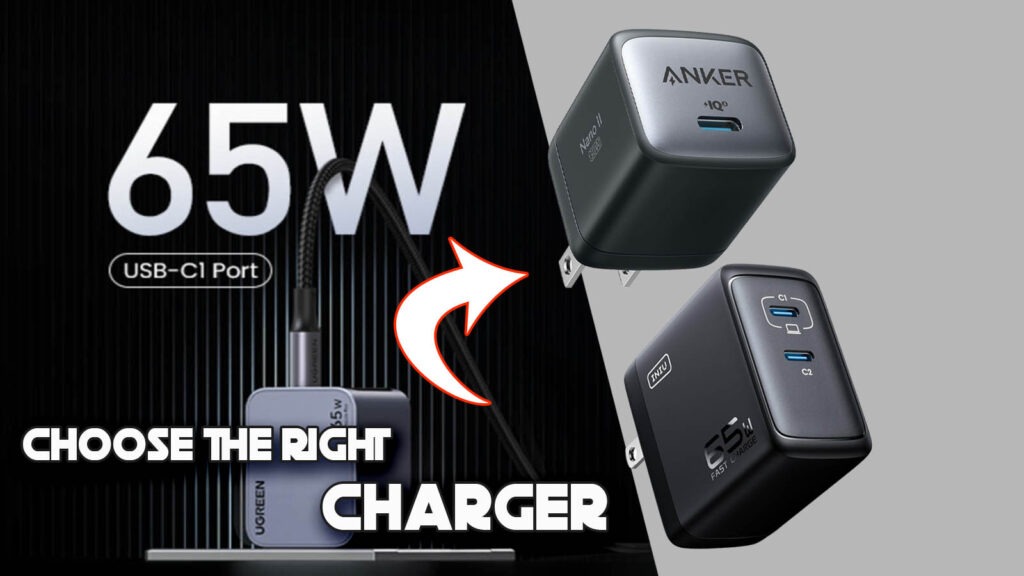
Choosing a charger in 2026 is no longer as simple as picking “the one that fits.” With the rise of high-speed charging and the removal of chargers from many phone boxes, you need a basic understanding of Watts, Protocols, and Cables to avoid damaging your battery or wasting money on slow bricks.
This guide will break down everything a beginner needs to know in simple terms.
1. The Golden Rule: “Watts” Matter (But Don’t Panic)
The speed of a charger is measured in Watts (W). Generally, the higher the wattage, the faster your phone charges—but only up to your phone’s maximum limit.
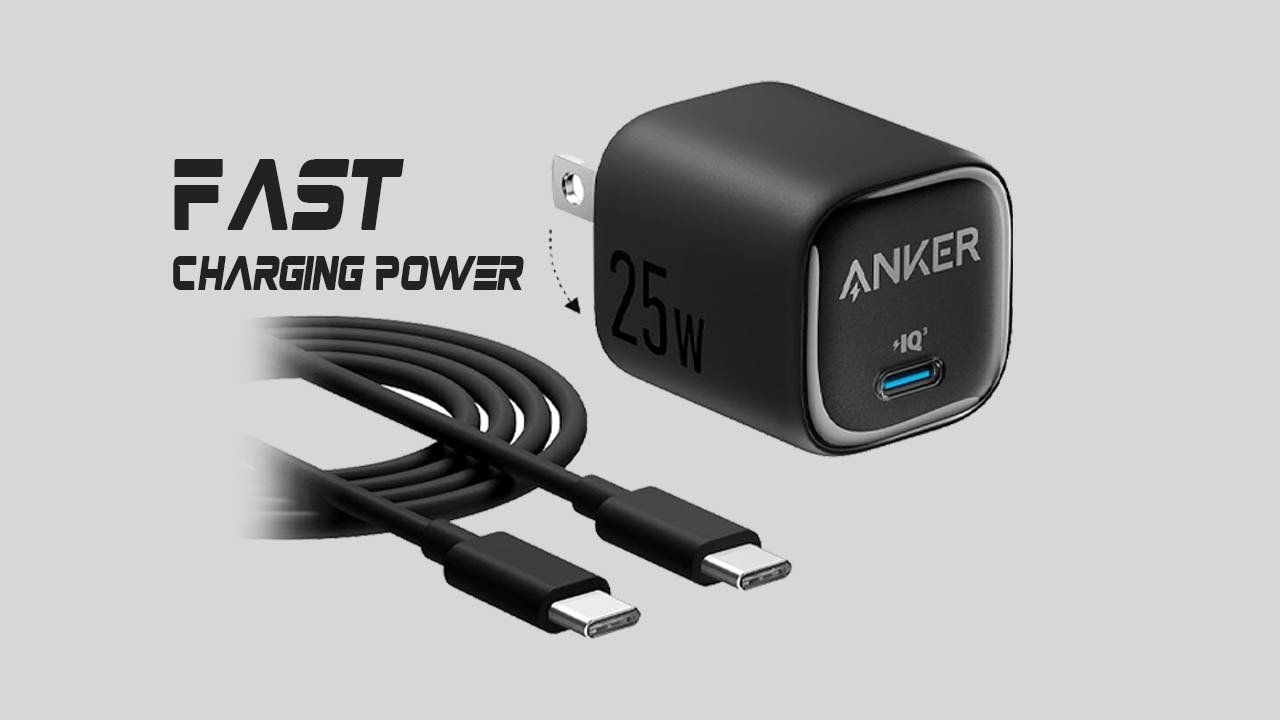
- 18W – 25W: Standard fast charging (Ideal for older iPhones and budget Androids).
- 30W – 65W: Mid-range fast charging (Great for iPhone 15/16 Pro, Google Pixel, and tablets).
- 80W – 120W+: Ultra-fast charging (Common in flagship brands like Xiaomi, Oppo, and OnePlus).
Pro Tip: If you use a 65W charger on a phone that only supports 20W, it is perfectly safe. Modern smartphones are “smart”—they will only “pull” the 20W they need. The charger does not “push” extra power that could blow up your phone.
2. Understand Your Charging “Language” (Protocols)
Think of a charger and a phone like two people talking. They need to speak the same “language” to fast charge.
- USB Power Delivery (USB-PD): The universal language. Used by Apple (iPhone 15/16+), Google Pixel, and Samsung. If you want a charger that works for everything, look for “USB-PD.”
- PPS (Programmable Power Supply): A newer part of USB-PD. Samsung users should specifically look for “PPS” to get the absolute fastest “Super Fast Charging 2.0” speeds.
- Proprietary (VOOC, HyperCharge, Warp): Used by brands like Xiaomi, Oppo, and OnePlus. To get their maximum speed (like 120W), you usually must buy the official brand-name charger.
3. The Secret Hero: The Cable
A cheap cable is like a narrow pipe—no matter how much “water” (power) your charger provides, only a little can get through.
- Check the Rating: For speeds over 60W, you need a cable rated for 5 Amps (5A). Standard cables are usually capped at 3A.
- Look for E-Marker Chips: High-quality 2026 cables have a tiny chip inside (E-Marker) that tells the phone it is safe to fast charge.
- Build Quality: Look for braided nylon; they last significantly longer than the plastic ones that come in the box.
4. What is a “GaN” Charger?
In 2026, you’ll see the word GaN (Gallium Nitride) on many boxes.
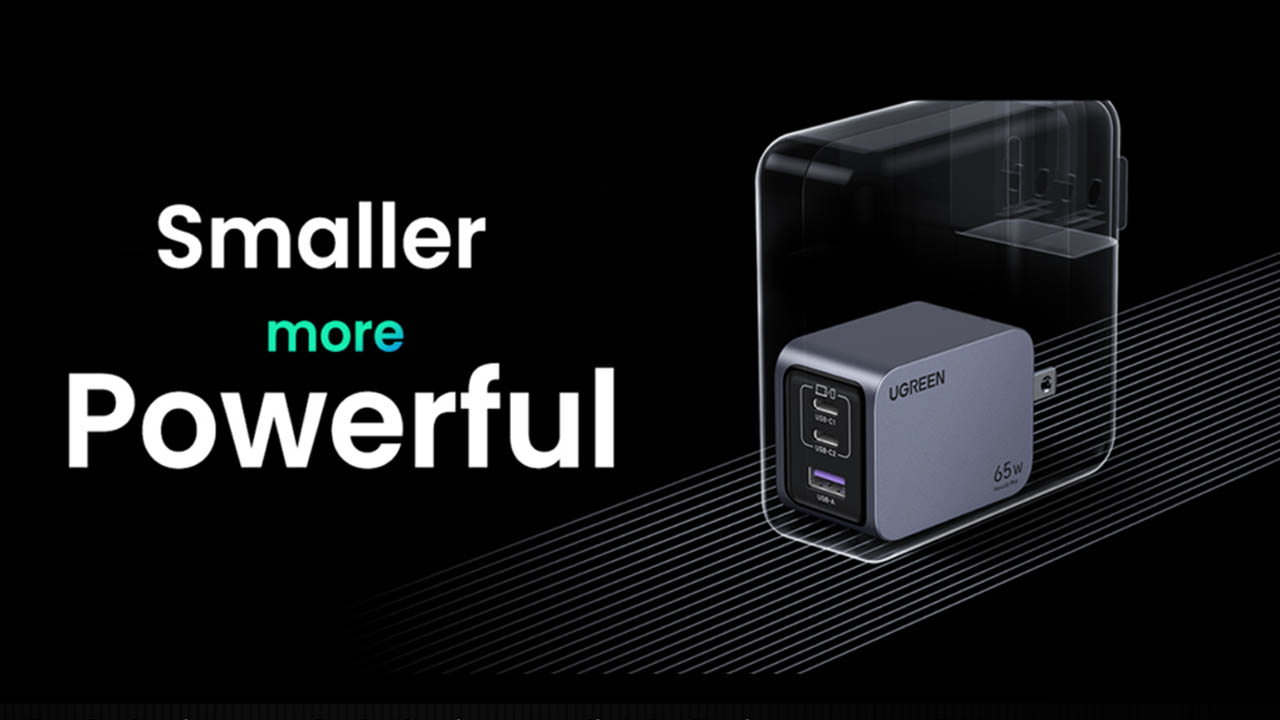
- Why buy it? GaN chargers are much smaller, stay cooler, and are more efficient than old-fashioned silicon chargers. A 65W GaN charger can often fit in your pocket, whereas an old one would be the size of a brick.
5. Summary Checklist for Buyers
| If you have a… | Look for these keywords: | Recommended Wattage |
| iPhone (15 or newer) | USB-PD | 30W |
| Samsung Galaxy (S-Series) | USB-PD PPS | 45W |
| Google Pixel | USB-PD | 30W |
| Xiaomi / Oppo / Vivo | Brand Name (Proprietary) | 67W – 120W |
| MacBook / Laptop | USB-PD | 65W – 100W |
Who Should Buy?
- The Traveler: Buy a multi-port GaN charger (65W or higher) with at least two USB-C ports. You can charge your phone and laptop at the same time.
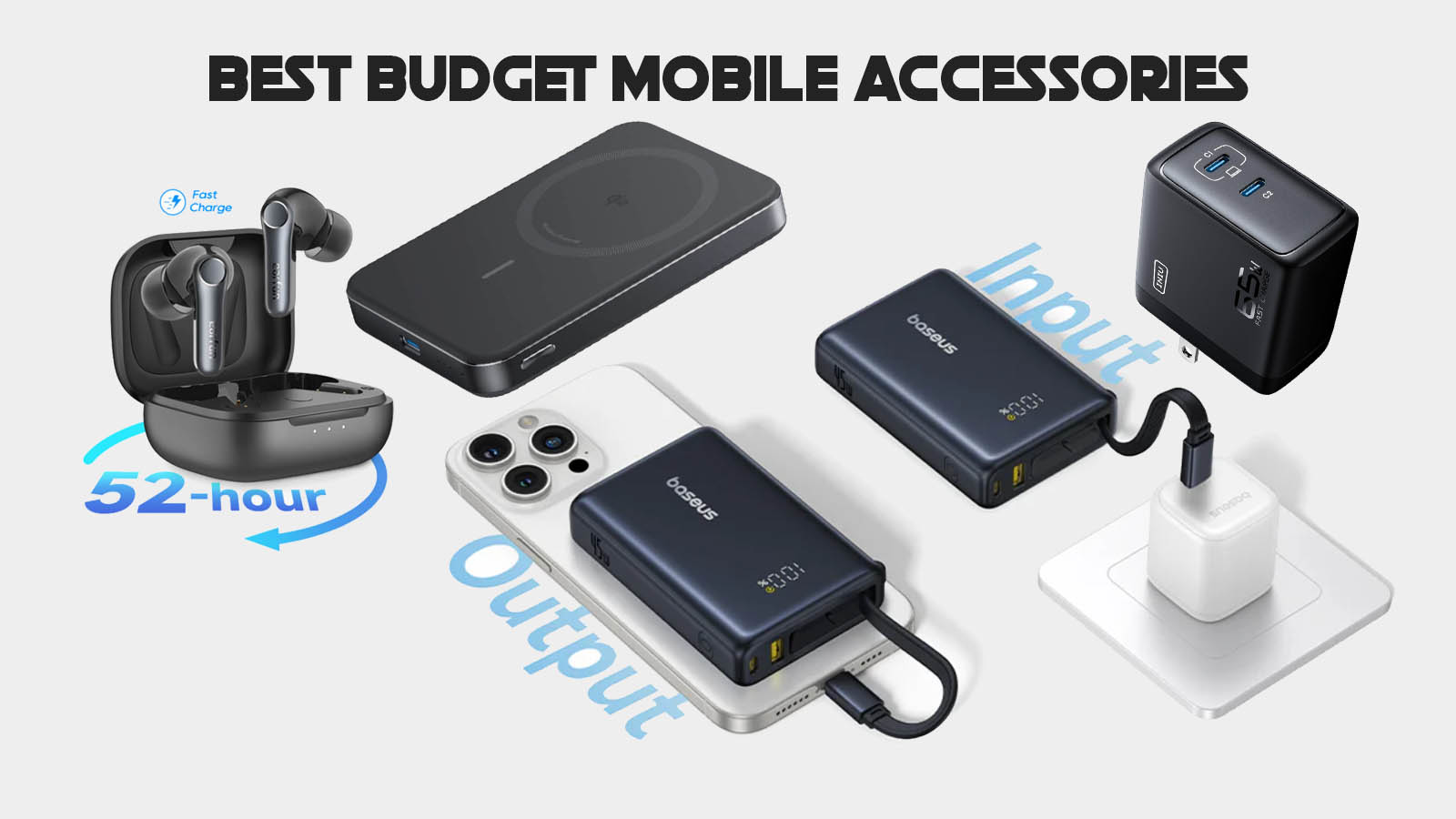
- The Budget Saver: Buy a reputable third-party brand like Anker, Ugreen, or Baseus. They are often better than the official ones and half the price.
- The Battery Health Expert: If you aren’t in a rush, using a slower 5W or 10W charger overnight can actually help your battery last more years by reducing heat.
6. Here is a comparison of 5 top-rated chargers for 2026, ranging from travel-sized cubes to high-power desktop stations.
Comparison: Top 5 Smartphone Chargers (2026 Edition)
| Charger Model | Max Power | Best For | Ports | Special Feature |
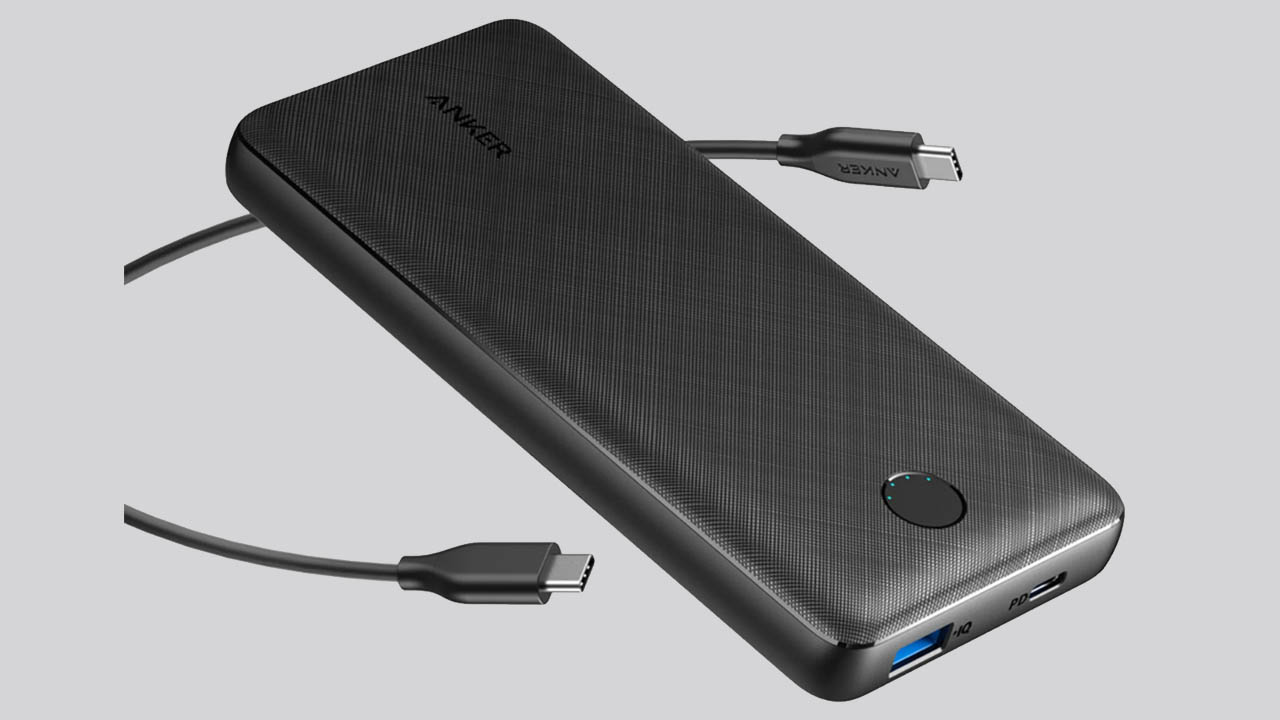
| Anker Prime 67W | 67W | Best All-Around | 2x USB-C, 1x USB-A | PowerIQ 4.0 dynamic power distribution. |
| Ugreen Nexode Pro 65W | 65W | Travelers | 3 Ports | Ultra-slim design with folding prongs. |
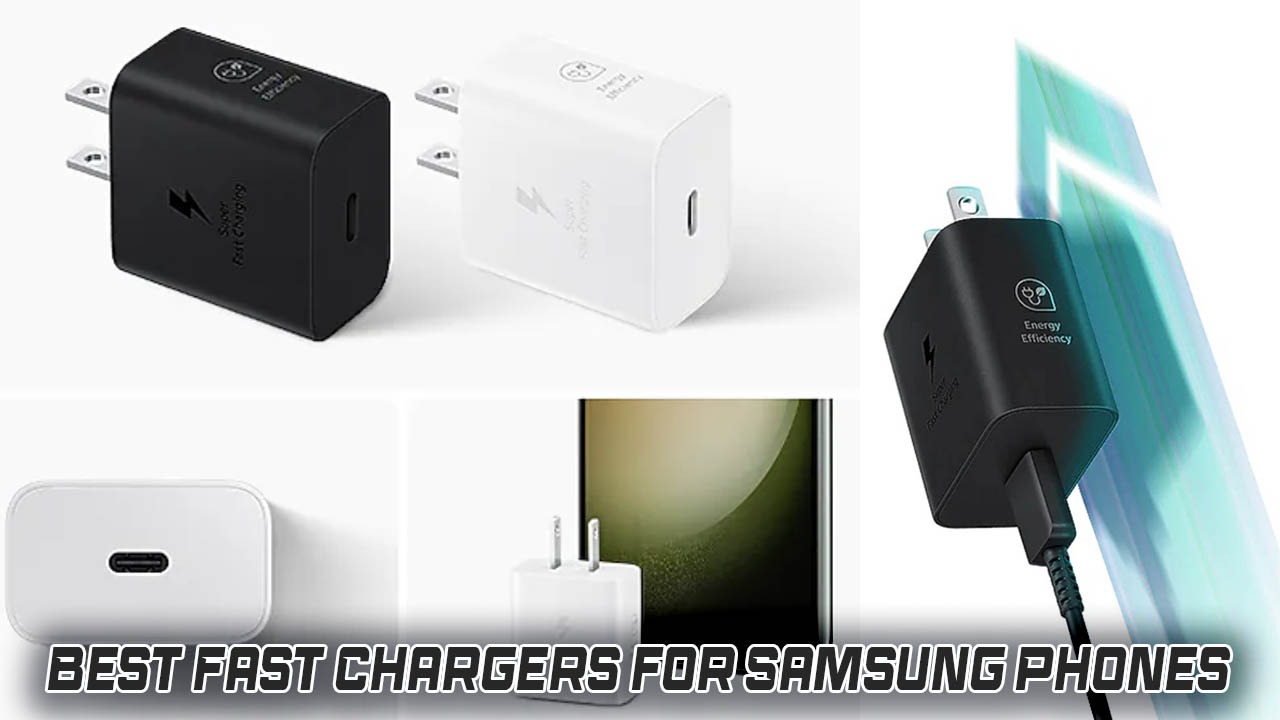
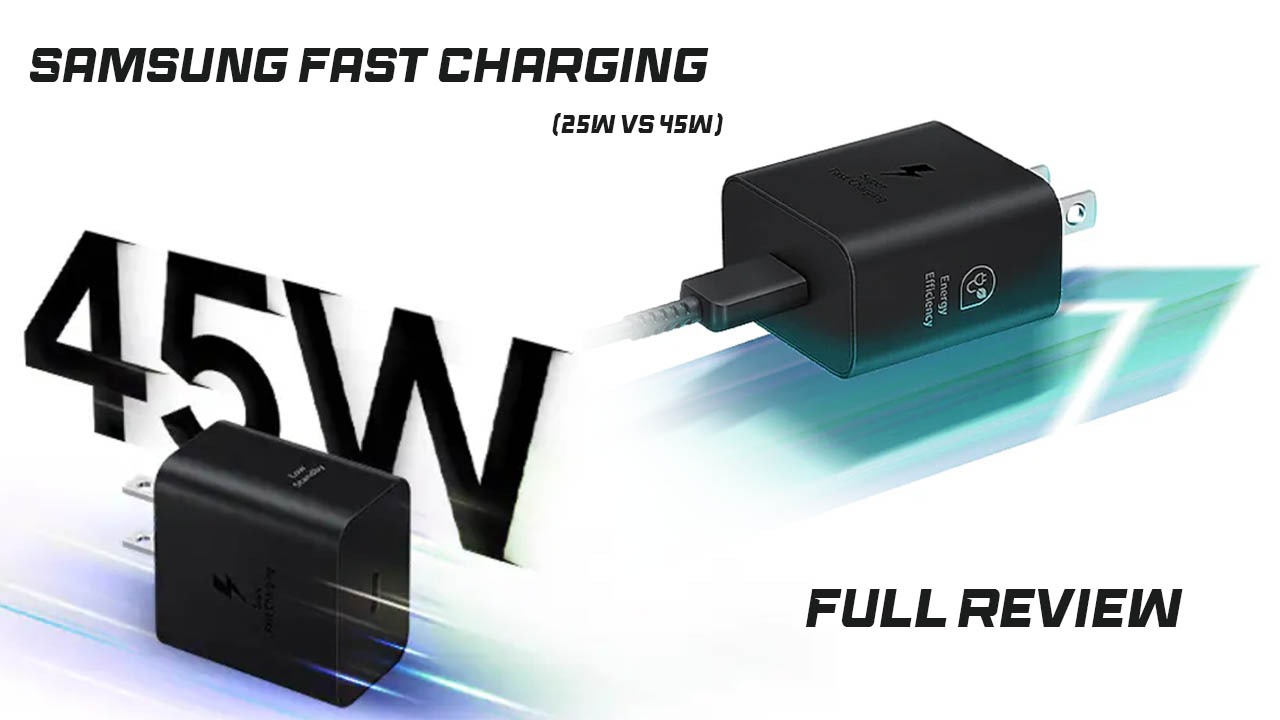
| Samsung 45W PD | 45W | Samsung Users | 1x USB-C | Supports Super Fast Charging 2.0. |
| Apple 35W Dual | 35W | iPhone Users | 2x USB-C | Compact; charge iPhone & Apple Watch together. |
| Baseus Nomos 140W | 140W | Power Users | 3x USB-C, 1x USB-A | Built-in retractable cable + Qi2 Wireless pad. |
Which one should you pick?
- The “Workhorse”: If you want one charger for your phone, tablet, and a MacBook Air, the Anker Prime 67W is the winner. It’s efficient and runs very cool.
- The “Samsung Specialist”: For the S25 or S26 Ultra, the Samsung 45W is actually better than higher-wattage generic chargers because it perfectly matches Samsung’s specific PPS protocol.
- The “Desk Master”: If you have a messy desk, the Baseus Nomos 140W acts as a central hub. It can even charge a high-end laptop while your phone sits on its magnetic wireless pad.
- The “Minimalist”: For iPhone users who only carry a phone and AirPods, the Apple 35W Dual is reliable, safe, and fits into the smallest pockets.
FAQs
- Can a “Fake” charger damage my phone? Yes. Cheap, unbranded chargers lack safety chips and can cause power surges that fry your phone’s motherboard.
- Why is my phone getting hot? Fast charging creates heat. This is normal, but if it’s too hot to touch, your cable might be poor quality or the charger isn’t negotiating power correctly.
- Does wireless charging need a special brick? Yes. Most wireless pads require a QC 3.0 or PD brick to reach their full “Fast Wireless” speed.





1 comment on “How to Choose the Right Charger for Your Smartphone (Beginner Guide)”