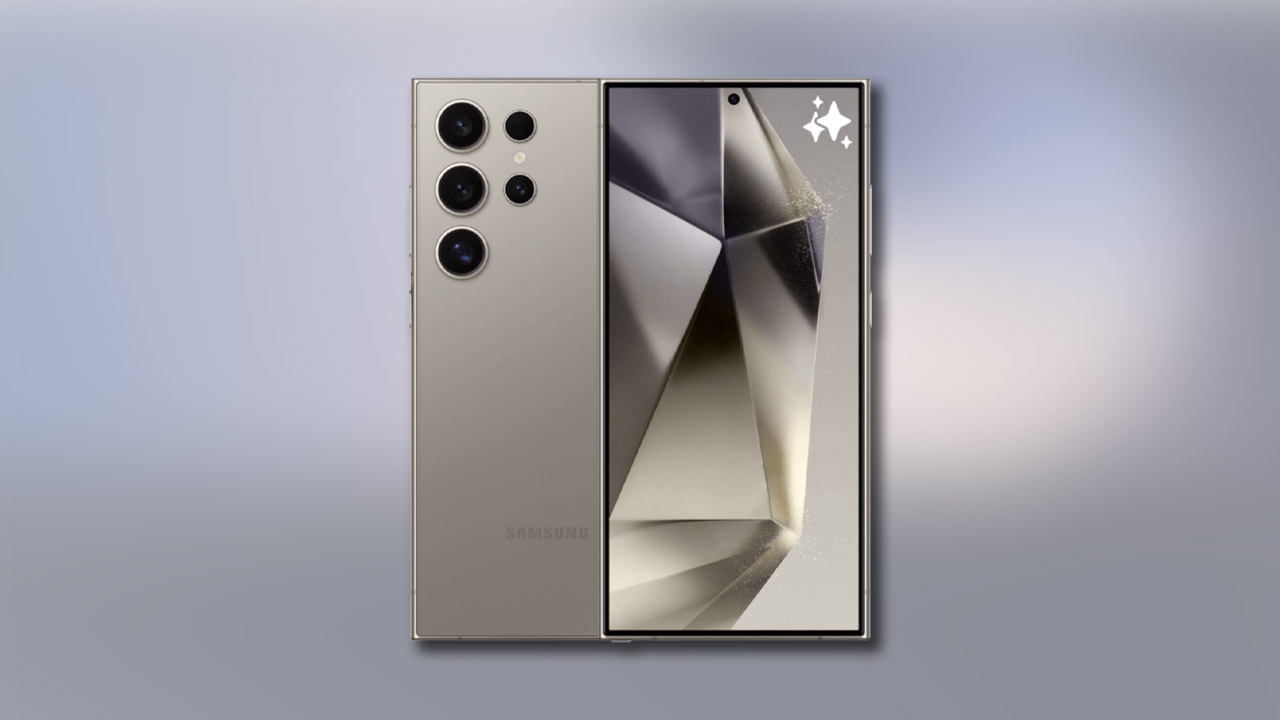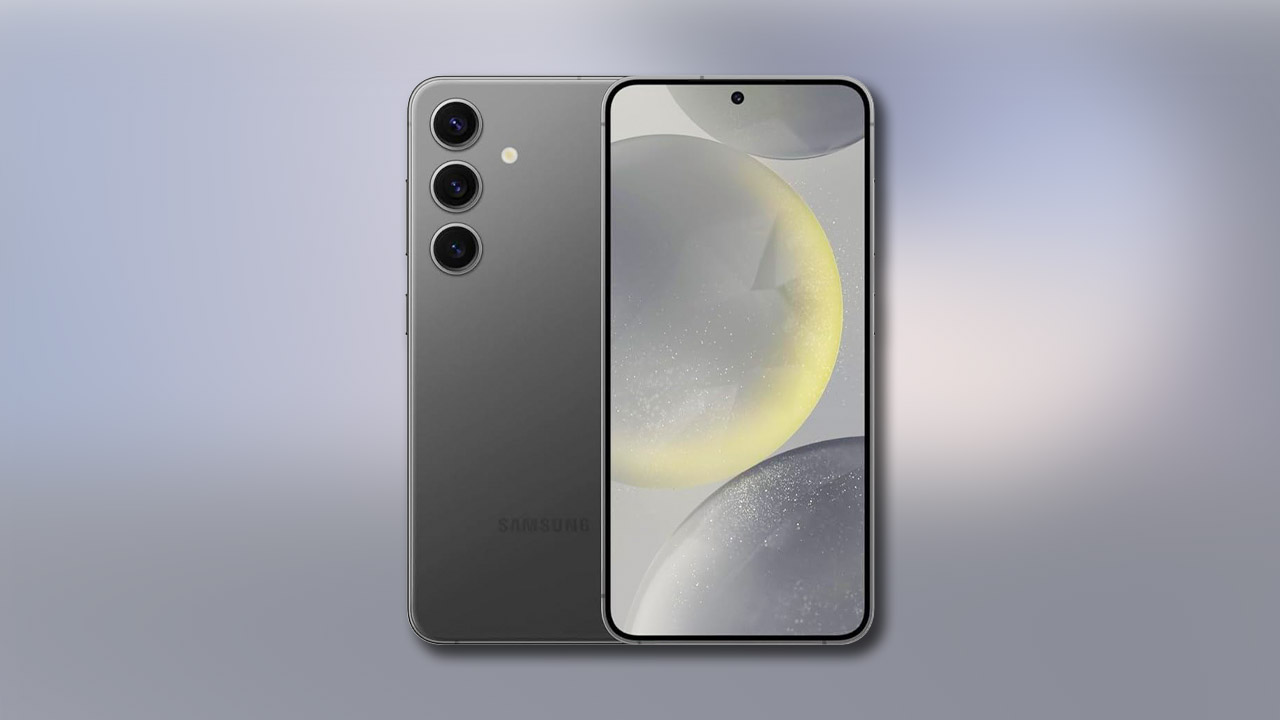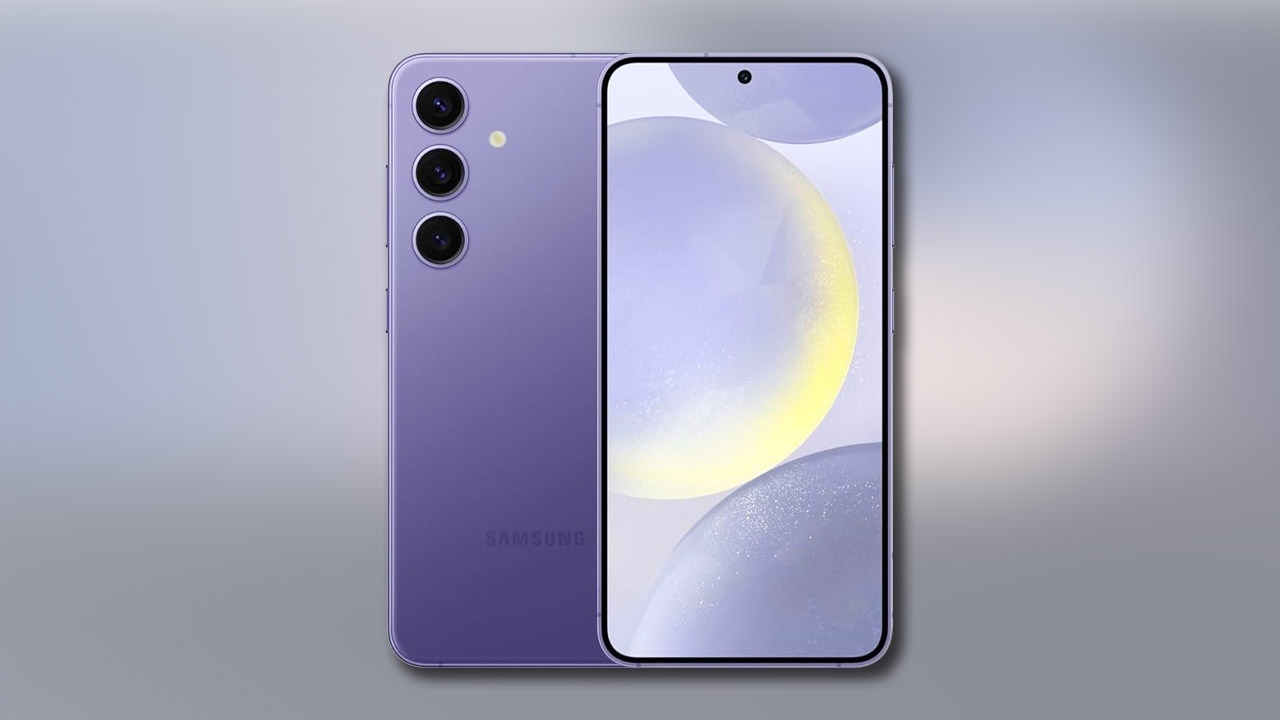

Choosing between the Samsung Galaxy A06 5G and the Samsung Galaxy A17 5G is a common dilemma for budget-conscious buyers in 2026. Both smartphones are popular contenders in the entry-to-mid-range category, offering Samsung’s signature reliability, sleek aesthetics, and long-term software support. This comparison is specifically for users in Cambodia and beyond who are looking to upgrade to a 5G-ready device without breaking the bank.
Whether you are a student needing a dependable daily driver or an office professional looking for a secure secondary phone, this guide is for you. In this detailed breakdown, we will analyze their design, 90Hz vs 120Hz displays, camera capabilities, and the processing power of their Dimensity chipsets to help you decide which Galaxy “A” series device offers the best value for your specific lifestyle.
Quick Comparison Table
| Feature | Samsung Galaxy A06 5G | Samsung Galaxy A17 5G |
| Display | 6.7″ 90Hz PLS LCD | 6.7″ 120Hz Super AMOLED |
| Processor | MediaTek Dimensity 6300 | MediaTek Dimensity 7025 |
| RAM & Storage | 4GB/6GB | 128GB |
| Rear Camera | 50MP Main + 2MP Depth | 50MP OIS + 5MP Ultra-Wide |
| Front Camera | 8MP Selfie | 13MP Selfie |
| Battery | 5000mAh | 5000mAh 25W Charging |
| OS | Android 15 (One UI 7) | Android 16 (One UI 8) |
| Price (Est.) | $120 – $140 | $180 – $210 |
Design & Build Quality
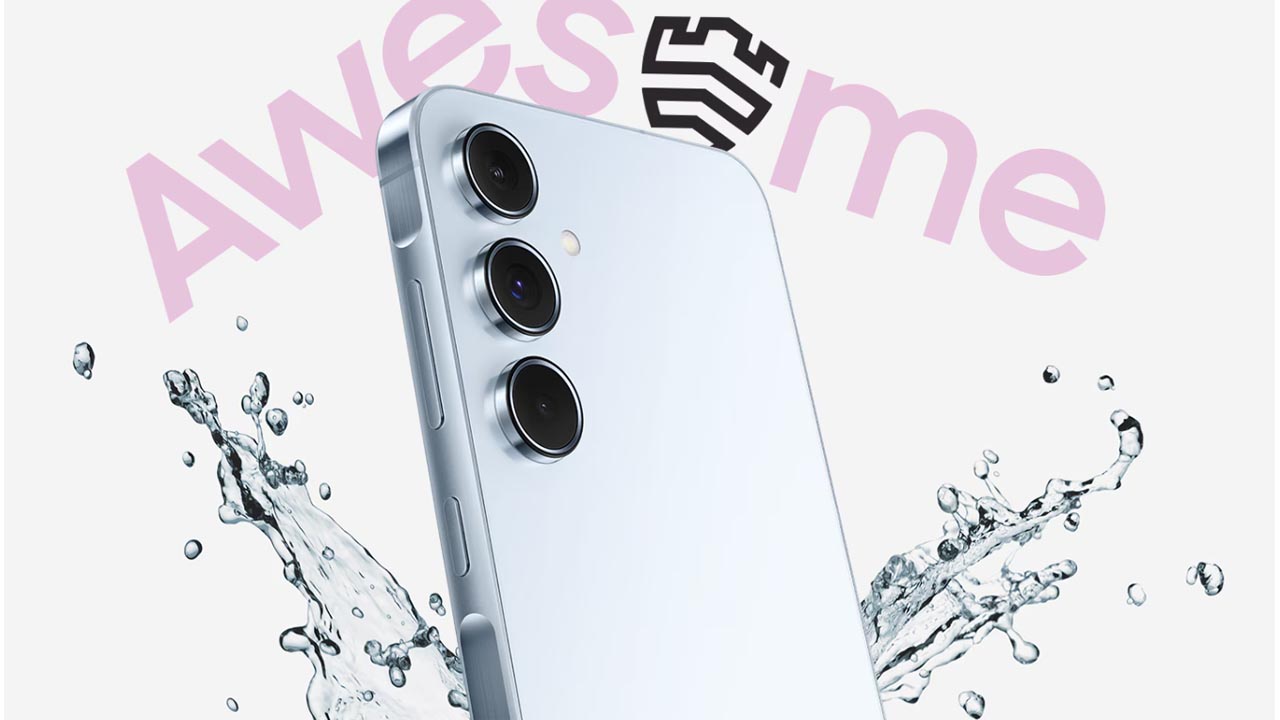
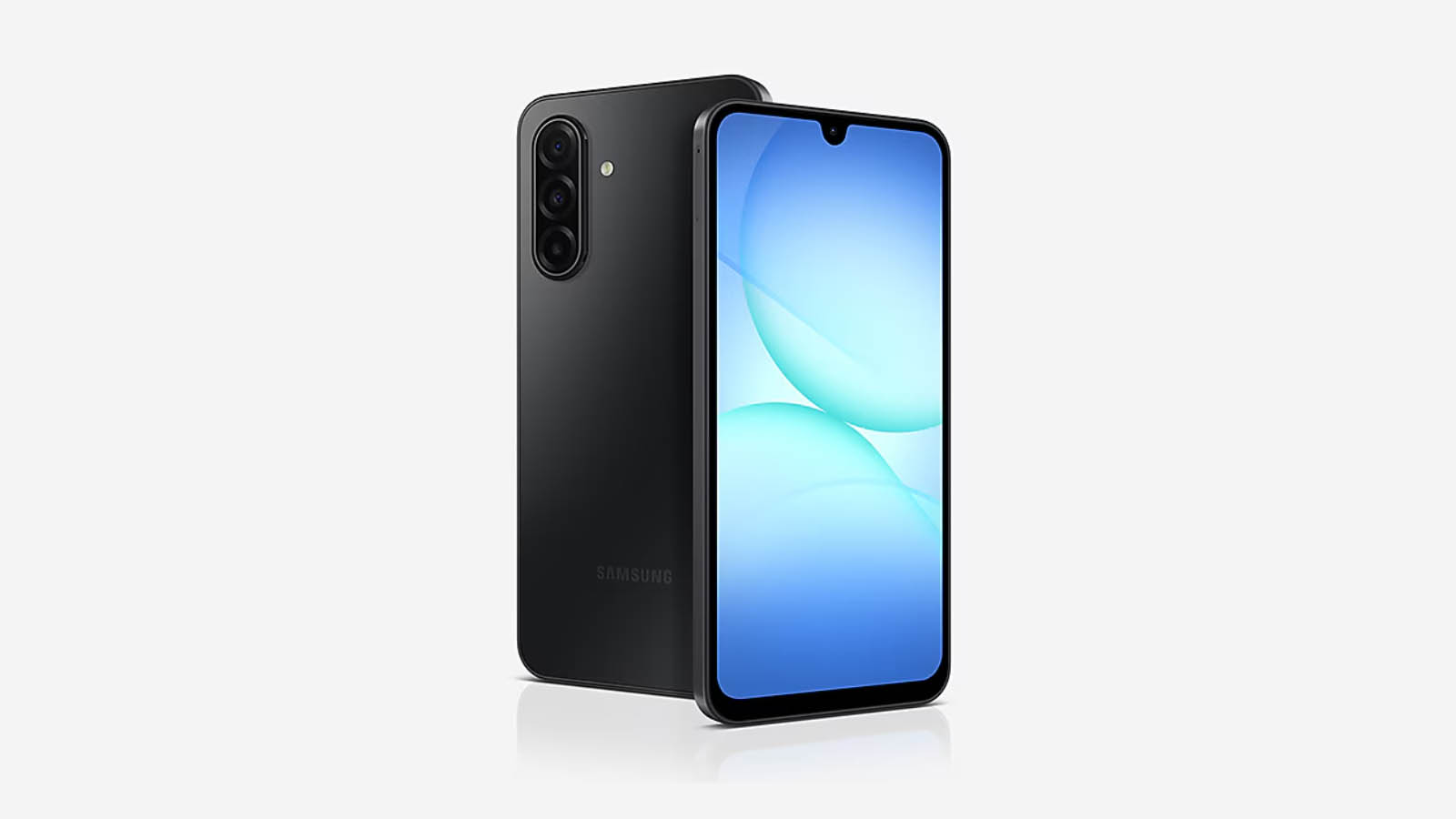
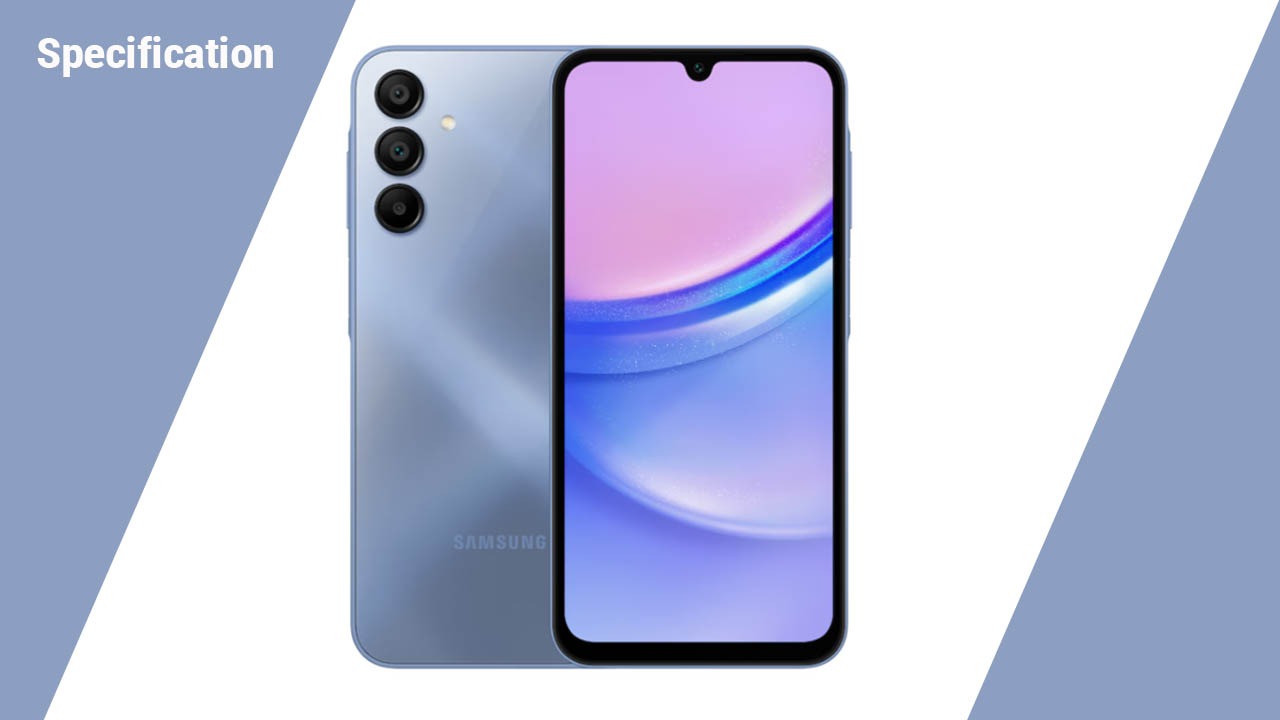
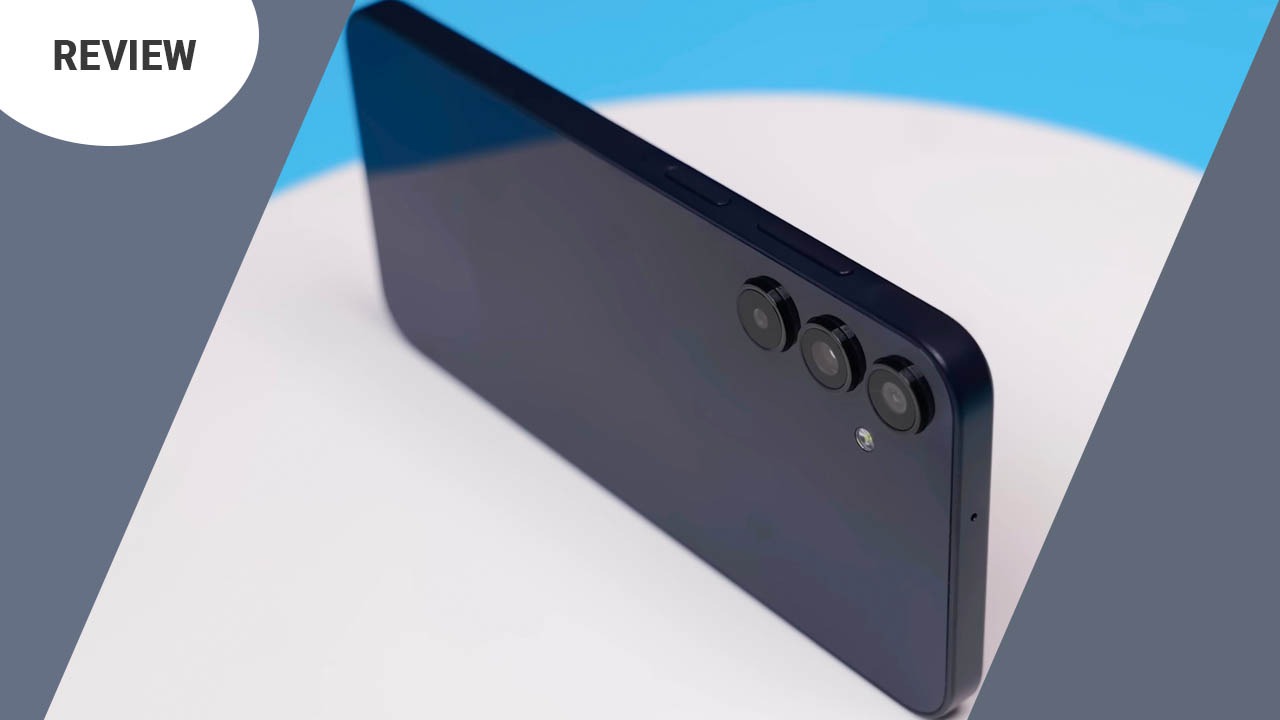
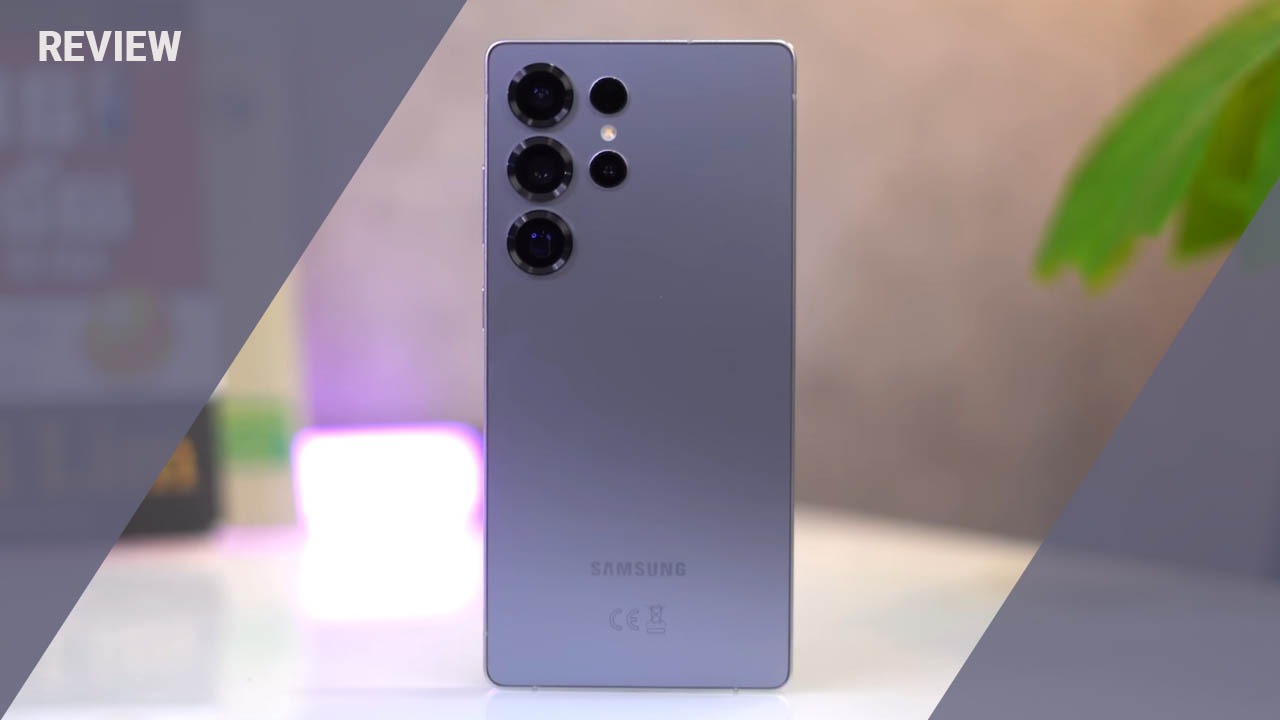
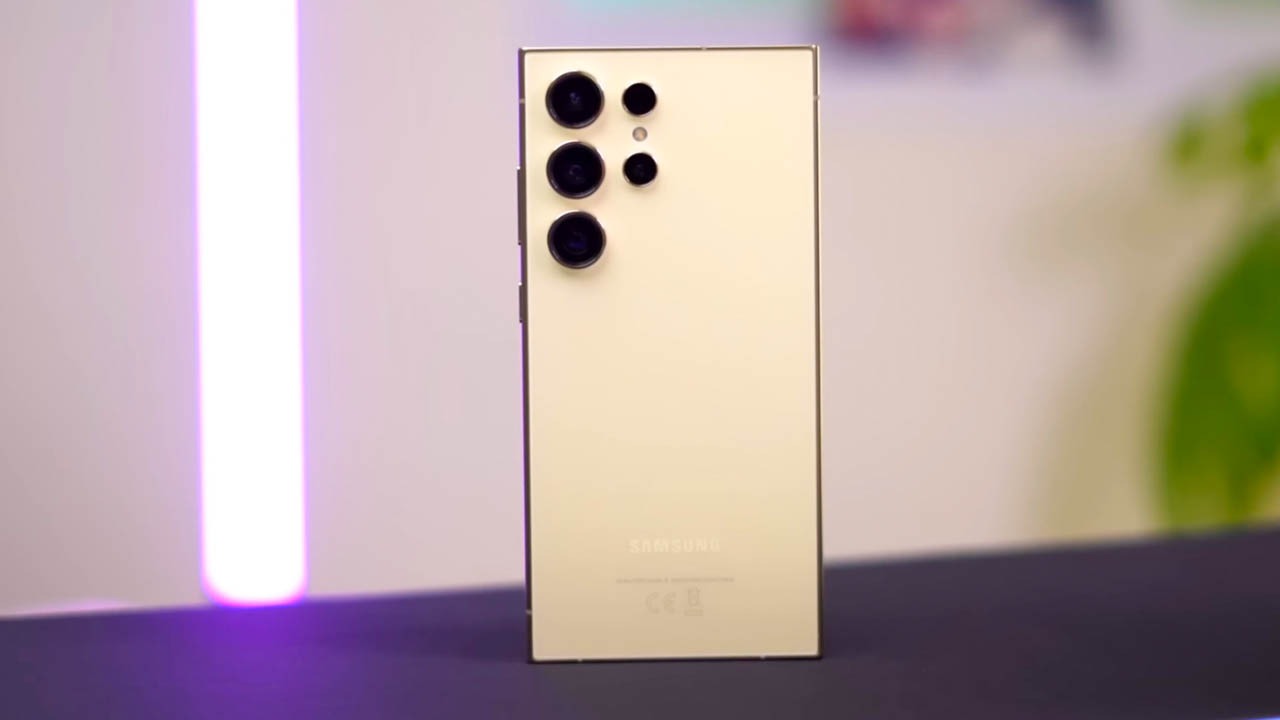
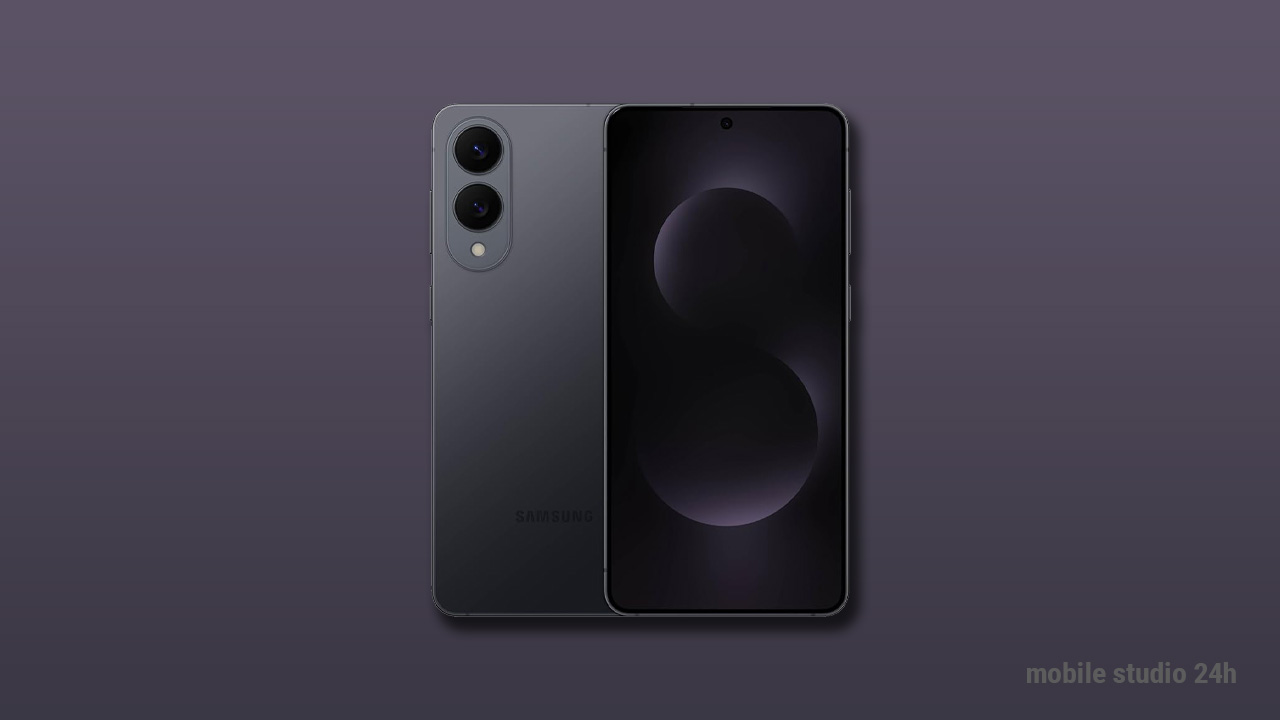
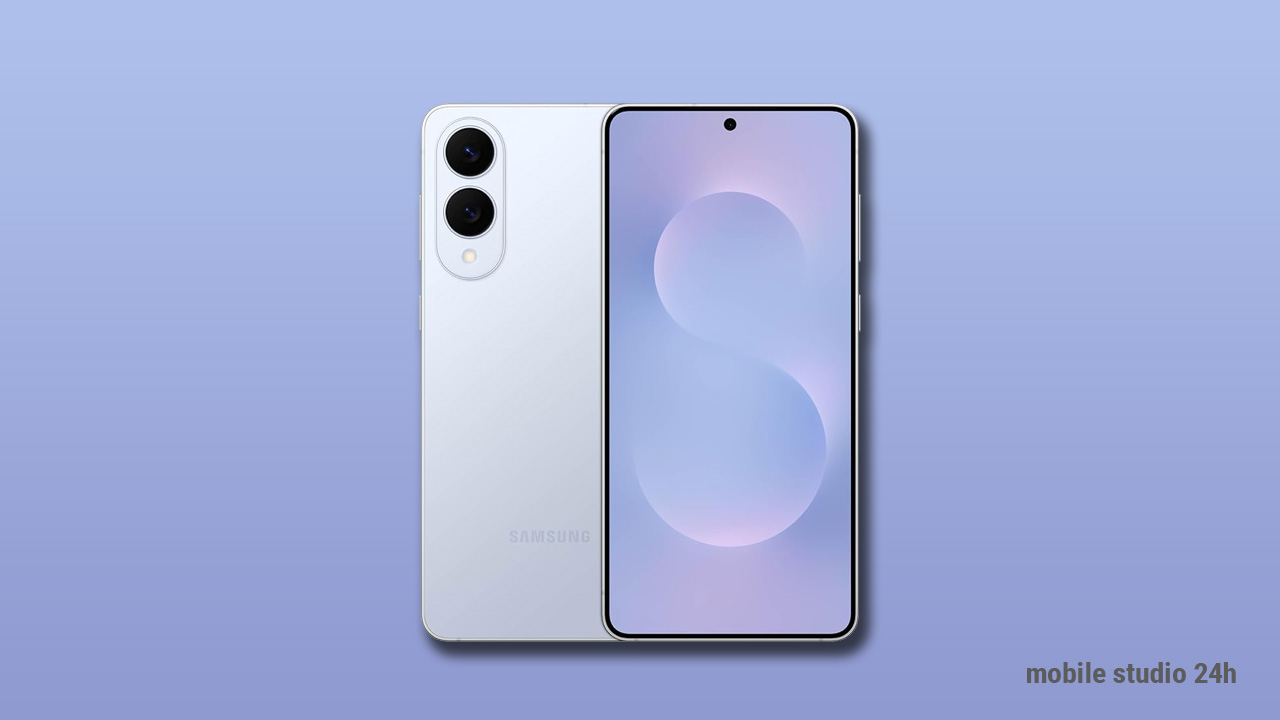
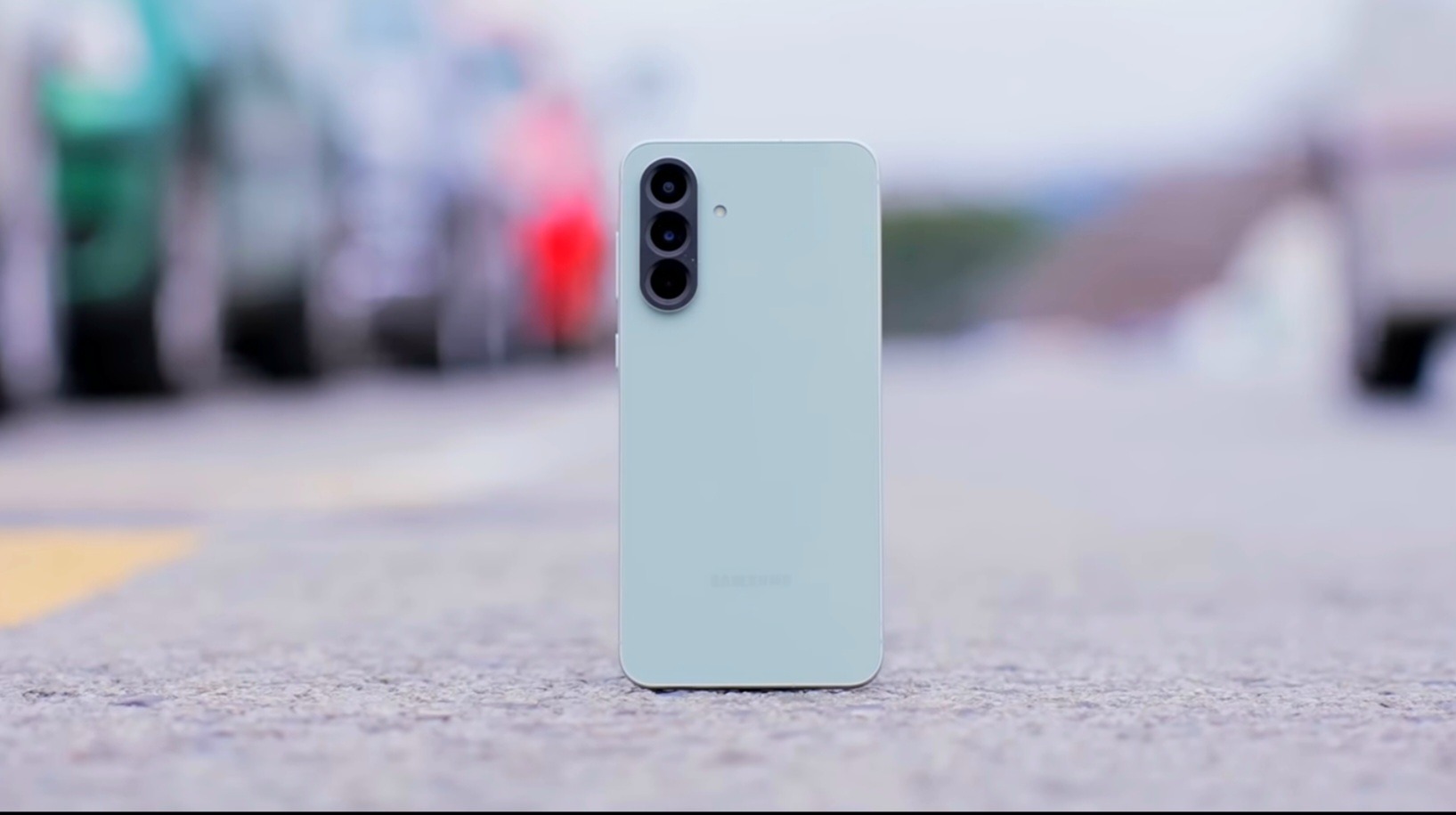
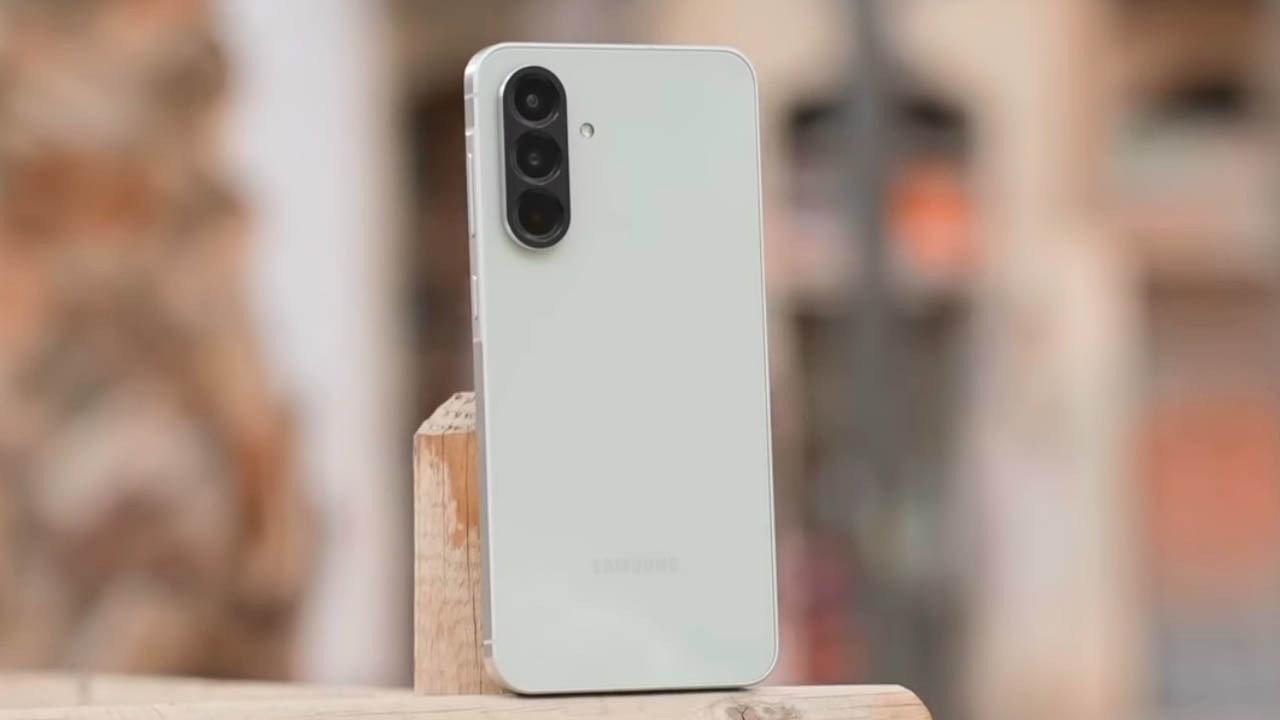
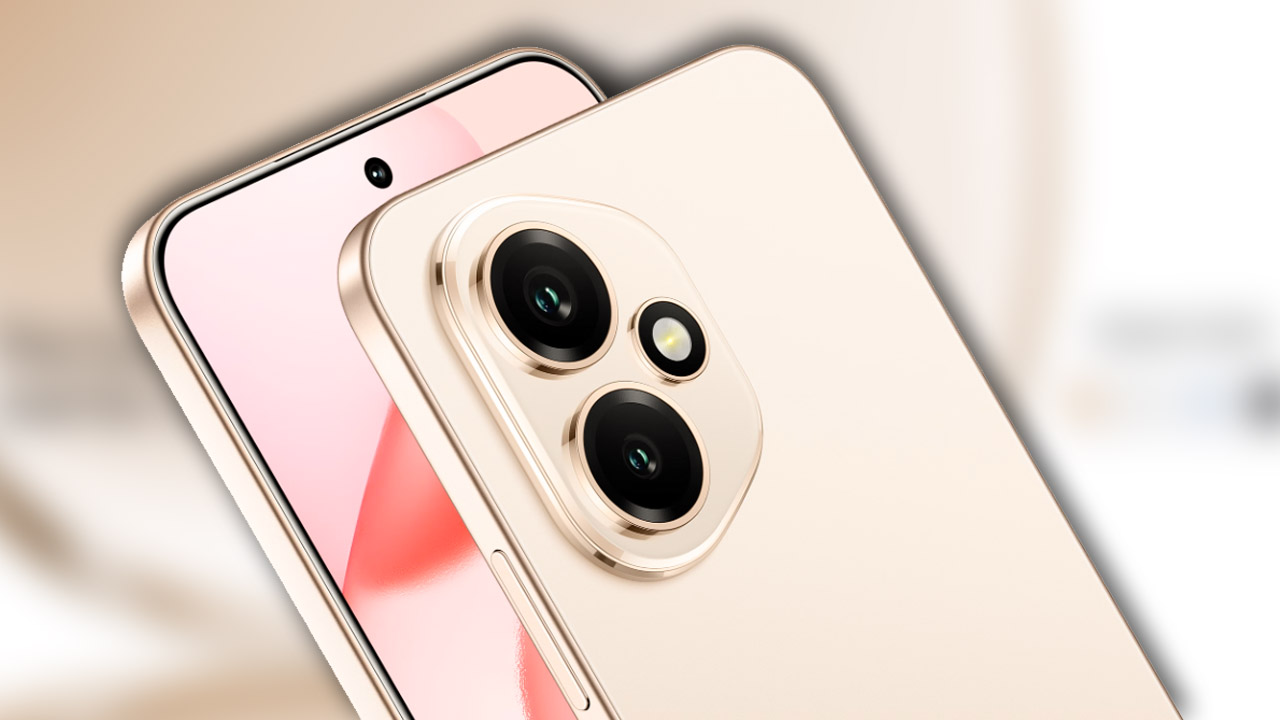
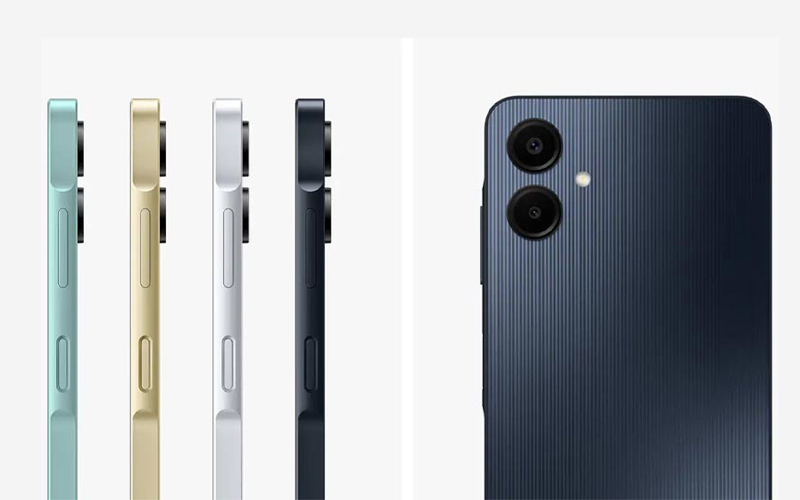
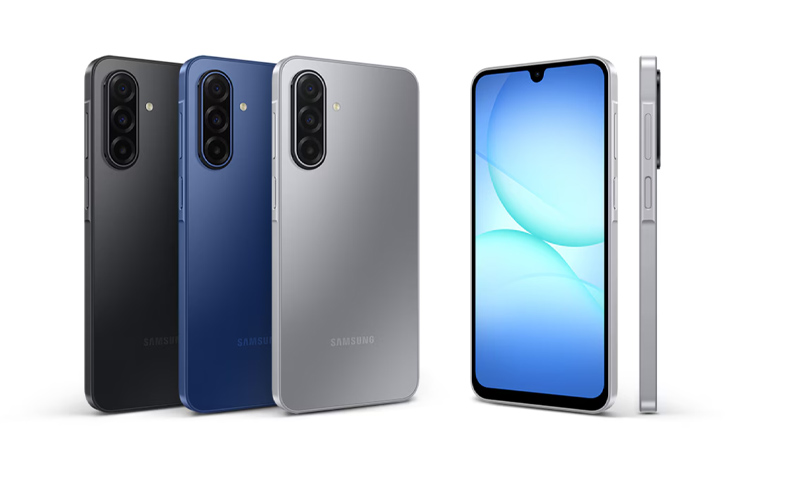
Both phones follow Samsung’s “Minimalist” 2026 design language with the signature vertical camera layout. The Galaxy A06 5G uses a high-quality reinforced plastic (Polycarbonate) with a “Key Island” raised frame for buttons, making it feel sturdy yet light. The Galaxy A17 5G feels more premium, utilizing a “Glass-like” back finish that mimics the S-series and a slightly slimmer profile. Both feature an IP54 rating for dust and splash resistance, ensuring durability in humid environments.
Conclusion: The Galaxy A17 5G feels more premium and modern, while the Galaxy A06 5G is a practical, lightweight workhorse.
Display Comparison
This is where the biggest difference lies. The A06 5G features a massive 6.7-inch 90Hz PLS LCD, which is great for smooth scrolling. However, the A17 5G upgrades to a 120Hz Super AMOLED panel. The AMOLED screen offers much deeper blacks, infinite contrast, and higher peak brightness (up to 1,000 nits) for better outdoor visibility.
- Watching Videos: Galaxy A17 5G (vibrant AMOLED colors).
- Gaming: Galaxy A17 5G (faster 120Hz refresh rate).
- Reading: Both are excellent with Eye Comfort Shield enabled.
Performance & Daily Usage
The A06 5G runs on the Dimensity 6300, which is perfect for social media, multitasking, and browsing without lag. The A17 5G steps up to the Dimensity 7025, providing faster app opening speeds and better efficiency. With up to 8GB of RAM on the A17, multitasking feels significantly smoother when jumping between heavy apps like Telegram, Facebook, and banking apps.
Gaming Performance
- Tested Games: Mobile Legends and Free Fire run flawlessly on both.
- Graphics: The A17 5G can handle “High” settings with stable FPS, whereas the A06 5G is best kept at “Medium” to avoid thermal throttling.
- Heating: Both stay relatively cool, but the A17 5G’s more efficient chip handles heat better during long sessions.
Conclusion: The Galaxy A17 5G is better for consistent gaming, while the A06 5G is perfectly suitable for casual gamers.
Camera Comparison
The A06 5G has a reliable 50MP main sensor that takes great daylight photos. However, the A17 5G adds Optical Image Stabilization (OIS) to its 50MP sensor, which is a game-changer for night photography and reducing blur. Furthermore, the A17 includes a 5MP Ultra-Wide lens, allowing you to capture large landscapes or group photos that the A06 simply cannot.
Video Recording Comparison
- A06 5G: Supports 1080p @ 30/60fps with standard Electronic Stabilization (EIS).
- A17 5G: Offers much smoother video thanks to OIS + EIS hardware, making it the better choice for content creators and TikTokers.
Battery Life & Charging
Both phones house a 5000mAh battery, easily lasting over a day and a half for moderate users. They both support 25W Fast Charging, though neither comes with a charger in the box. Because the A17 uses an AMOLED screen, it is slightly more power-efficient during dark-mode usage.
Software & Features
Samsung’s 4-year OS update policy applies to both, but the A17 starts with Android 16, meaning it will stay updated longer. Both feature Samsung Knox Vault for enterprise-grade security and a side-mounted fingerprint sensor for quick biometric access.
Connectivity
- 5G Support: Both support all major Cambodian 5G bands.
- Wi-Fi: A17 5G supports Wi-Fi 6, while A06 5G uses Wi-Fi 5.
- Special: Both include NFC for contactless payments and USB-C 2.0.
Pros and Cons
Samsung Galaxy A06 5G
- Pros:
- Incredible Value: One of the most affordable 5G Samsung phones in 2026.
- 4-Year OS Support: Guaranteed updates keep the phone modern for years.
- Lightweight Design: Thinner 8.0mm body makes it very comfortable for one-handed use.
- Dedicated MicroSD Slot: Easy to expand storage for photos and videos.
- Cons:
- LCD Display: Colors aren’t as vibrant as AMOLED panels.
- No Ultra-Wide Lens: Limited to standard and depth shots only.
Samsung Galaxy A17 5G
- Pros:
- Stunning 120Hz AMOLED: Premium display quality with deep blacks and high brightness.
- OIS Camera: Optical Image Stabilization significantly improves night photos and shaky videos.
- Faster Charging Efficiency: The Dimensity 7025 chip manages power better during heavy tasks.
- Future-Proof Wi-Fi: Supports Wi-Fi 6 for faster home internet speeds.
- Cons:
- Higher Price Tag: Costs roughly $60–$80 more than the A06 5G.
- No Charger in Box: Still requires a separate purchase for a 25W brick.
Price & Value for Money
There is a clear price gap between these two. The Galaxy A06 5G sits comfortably in the $120–$140 range, while the Galaxy A17 5G pushes into the mid-range at $180–$210.
If you are on a strict budget, the A06 5G offers better value because it provides the same 5G connectivity and long-term security updates for much less money. However, for long-term usability, the A17 5G wins; its AMOLED screen and OIS camera mean you won’t feel the need to upgrade as quickly when mobile technology advances.
Which One Should You Buy?
Buy the Galaxy A06 5G if:
- You are a student or office worker on a budget.
- You prioritize 5G speed and software updates over screen quality.
- You want a lightweight phone that is easy to carry all day.
Buy the Galaxy A17 5G if:
- You watch a lot of YouTube, Netflix, or TikTok (AMOLED is a must).
- You enjoy mobile photography and want stable, blur-free videos (OIS).
- You play competitive games like Mobile Legends and want 120Hz smoothness.
Final Verdict
Overall, both phones are excellent for the 2026 market, but they serve different users. The Galaxy A17 5G is the Best Overall Phone and Best for Camera/Gaming due to its superior hardware. However, the Galaxy A06 5G is the undisputed winner for Best Value for Money.
- Best Overall: Samsung Galaxy A17 5G
- Best for Gaming: Samsung Galaxy A17 5G
- Best for Camera: Samsung Galaxy A17 5G
- Best Value: Samsung Galaxy A06 5G
FAQs
- Which phone has the better camera?
The Galaxy A17 5G is superior because it features OIS (Optical Image Stabilization) and an Ultra-Wide lens, which the A06 5G lacks.
2. Which phone is better for gaming?
The Galaxy A17 5G is better due to its 120Hz refresh rate and the more powerful Dimensity 7025 chipset.
3. Which phone has better battery life?
Both have 5000mAh batteries, but the Galaxy A06 5G often lasts slightly longer because its 720p screen consumes less power than the A17’s high-res display.
4. Is the Galaxy A17 5G worth the extra price?
Yes, if you value screen quality and photography. The jump from LCD to AMOLED and the addition of OIS is worth the $60 difference.
5. Which phone is better for students?
The Galaxy A06 5G is ideal for students as it provides 5G and 4 years of updates at the lowest possible price point.
Disclaimer
Disclaimer: This comparison is based on specifications, research, and user feedback as of April 2026. Actual performance may vary depending on usage, local network conditions, and future software updates.