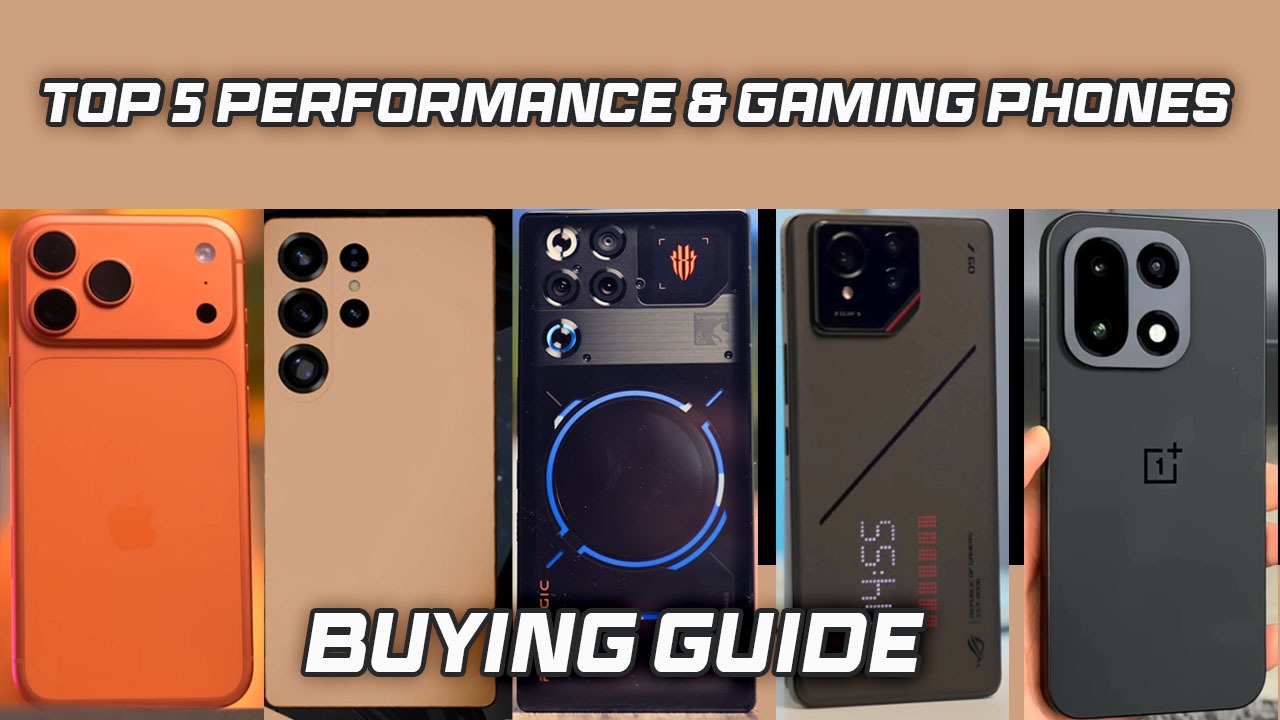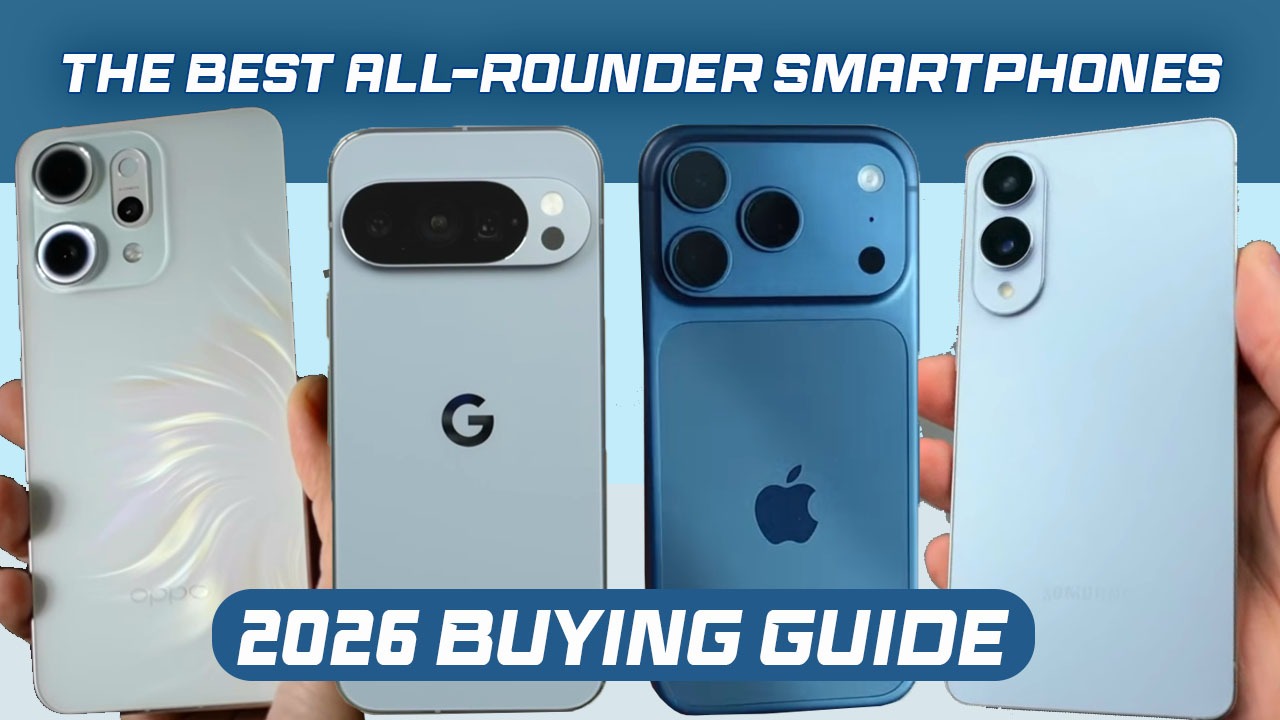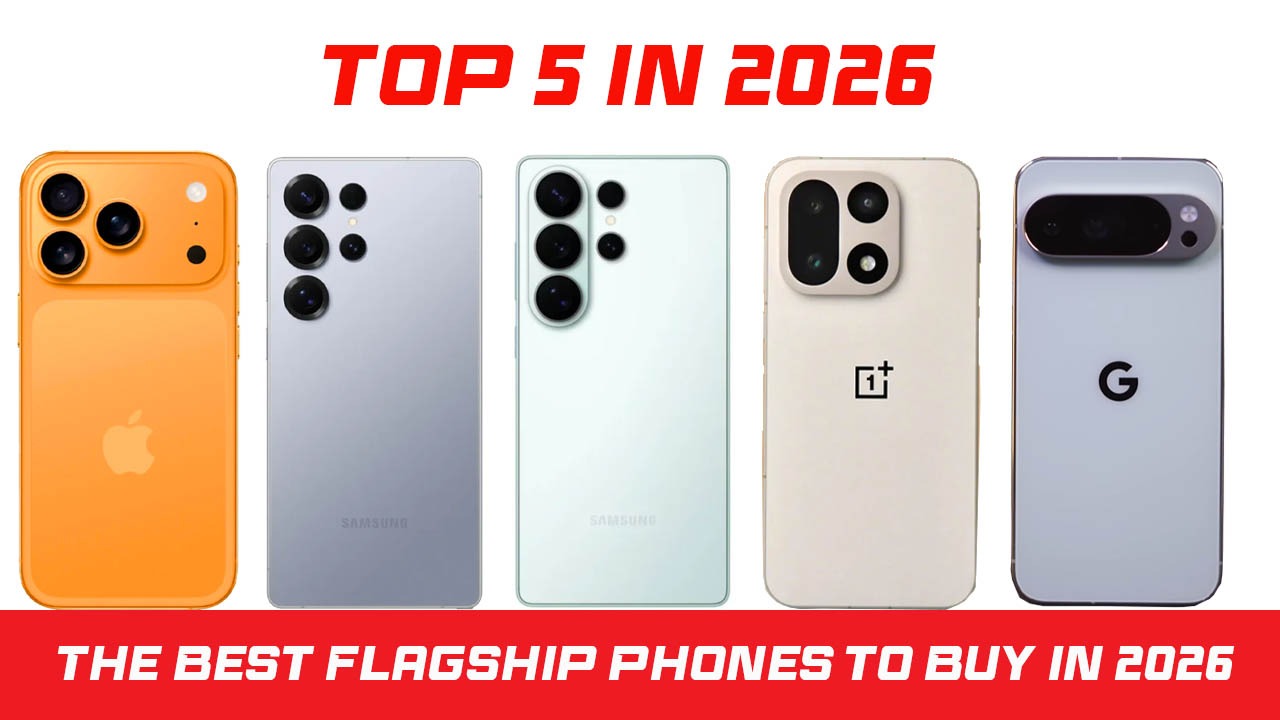
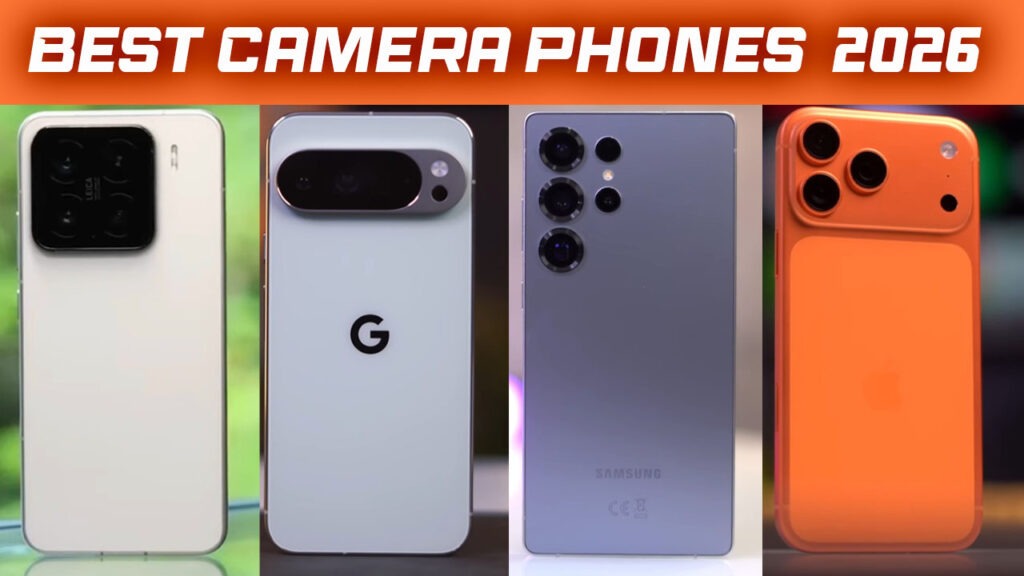
In 2026, smartphone photography has moved beyond the “megapixel race” into a sophisticated era of AI-native imaging and large-format sensors. Choosing the best camera phone is no longer just about resolution; it’s about how a device balances hardware like 1-inch sensors and periscope lenses with “computational intelligence” that can reconstruct distant details or seamlessly add you into a group photo.
Whether you are a professional videographer looking for ProRes Log workflows, a travel enthusiast needing 100x Space Zoom, or a social media creator seeking the most natural skin tones, the market is more specialized than ever. This guide cuts through the marketing jargon of the Samsung Galaxy S25 Ultra, iPhone 17 Pro Max, and Pixel 10 Pro XL to help you identify which flagship truly aligns with your creative style. In a year where AI can “reimagine” reality, we focus on the tools that offer the perfect blend of authenticity and power.
1. The Zoom King: Samsung Galaxy S25 Ultra

The S25 Ultra is the choice for users who need to capture subjects from a distance. Its strength lies in its hardware versatility—four distinct lenses covering every focal length from ultra-wide to 100x digital zoom.
- Key Specs: 200MP Main, 50MP Ultra-Wide, 50MP 5x Periscope, 10MP 3x Telephoto.
- Best For: Long-range zoom and high-detail landscapes.
- The 2026 Edge: ProVisual Engine. Even a year after its launch, Samsung’s ProVisual Engine excels at “unblurring” movement in low light and using AI to fill in details on 100x zoom shots, making it a favorite for concert-goers.
- Pro Tip: Use Expert RAW mode to capture 50MP telephoto shots. This gives you the flexibility to edit like a pro while maintaining the sharpness of the 5x optical lens.
2. The Video Master: iPhone 17 Pro Max

Launched late in 2025, the iPhone 17 Pro Max is the current gold standard for mobile video. It prioritizes smooth transitions and natural skin tones over raw megapixel counts.
- Key Specs: Triple 48MP setup (Wide, Ultra-Wide, and a new 48MP 4x Telephoto).
- Best For: Professional vlogging and cinematic storytelling.
- The 2026 Edge: Center Stage Selfie Camera. The new 18MP “Square” front sensor automatically crops and pans to keep you in the frame during TikTok recordings or FaceTime calls, even as you move around.
- Pro Tip: Record in ProRes Log directly to an external SSD via the USB-C port for a workflow that mimics professional cinema cameras.
3. The AI Genius: Google Pixel 10 Pro XL

If you want a camera that “thinks” for you, the Pixel 10 Pro XL is the winner. Google’s Tensor G5 chip focuses entirely on computational photography—fixing mistakes after the photo is taken.
- Key Specs: 50MP Main, 48MP Ultra-Wide, 48MP 5x Telephoto.
- Best For: “Zero-effort” photography and AI editing.
- The 2026 Edge: Pro Res Zoom. Google’s 2026 software allows the Pixel to rival Samsung’s 100x zoom using pure AI upscaling, often producing cleaner (though less “natural”) results at high magnifications.
- Pro Tip: Use “Add Me” to take a group photo, then swap places with the photographer and have the AI seamlessly merge you into the original shot.
4. The Photographer’s Choice: Xiaomi 16 Ultra

For those who want their phone to feel like a real camera, the Xiaomi 16 Ultra (co-engineered with Leica) is the top pick.
- Key Specs: 1-inch Sony LYT-900 Main Sensor, 200MP Periscope Zoom.
- Best For: Artistic photography and “Big Sensor” bokeh.
- 2026 Innovation: Continuous Optical Zoom. Unlike other phones that jump between lenses, the 16 Ultra can smoothly zoom from 2x to 5x optically, just like a professional DSLR lens.
- Pro Tip: Stick to the “Leica Authentic” color profile for moody, high-contrast street photography that doesn’t look like a typical “smartphone” photo.
2026 Camera Phone Comparison Summary
| Model | Best For… | Key Innovation |
| Samsung Galaxy S25 Ultra | Ultimate Versatility | 100x AI-Enhanced Space Zoom & 200MP detail. |
| iPhone 17 Pro Max | Professional Video | 4K/120fps ProRes & Center Stage Selfie sensor. |
| Google Pixel 10 Pro XL | AI Magic & Portraits | Add Me AI & Gemini-powered Night Sight. |
| Xiaomi 16 Ultra | Artistic Realism | 1-inch Leica Sensor for natural “DSLR” bokeh. |
Final Verdict: Choosing Your Champion
- The Zoom & Versatility King: If your priority is capturing distance—whether at a stadium concert or on a nature trail—the Samsung Galaxy S25 Ultra remains the gold standard. Its quad-lens system provides a “lens for every occasion” that rivals like Apple and Google can only simulate through software.
- The Professional’s Video Tool: For those who live in the timeline of a video editor, the iPhone 17 Pro Max is unrivaled. Its industry-leading stabilization, ProRes support, and new Center Stage selfie sensor make it a complete mobile production studio.
- The “Perfect Shot” AI Master: If you want a phone that eliminates the need for editing, the Google Pixel 10 Pro XL is the winner. It uses the most advanced AI in the industry to ensure skin tones are accurate and every lighting situation is balanced automatically.
Frequently Asked Questions (FAQ)
1. Is 200MP really better than 48MP? Not necessarily for everyday shots. While the 200MP sensor on the S25 Ultra allows for incredible detail in bright light (ideal for large prints), most phones use “pixel binning” to create 12MP or 24MP images. This process combines pixels to improve low-light performance and reduce noise, which is more important for social media and general viewing.
2. Can these phones replace a professional DSLR or Mirrorless camera? For 90% of users, yes. In 2026, the gap in “natural bokeh” and low-light noise has closed significantly thanks to larger sensors (like Xiaomi’s 1-inch sensor) and AI depth mapping. However, professional cameras still offer better physical lens control and raw dynamic range for high-end studio work.
3. What is “Log” video, and do I need it? Log (found on the iPhone 17 Pro Max) is a flat color profile that preserves more detail in highlights and shadows. You only need it if you plan to “color grade” your videos in apps like Final Cut Pro or DaVinci Resolve. For most users, standard 4K video is more than enough.
4. Does the Pixel 10 Pro XL really have “100x Zoom” like Samsung? Yes, but they achieve it differently. While Samsung uses a physical periscope lens to get close, the Pixel 10 Pro XL uses Pro Res Zoom (AI upscaling) to reconstruct the image. In 2026, the Pixel’s AI zoom is surprisingly clean, but Samsung still holds the edge for natural texture at extreme distances.
5. Which phone is best for taking photos of moving subjects (kids or pets)? The Google Pixel 10 Pro XL and iPhone 17 Pro Max are the most reliable here. They have the fastest “shutter response” and use AI to “de-blur” faces in real-time. Samsung has improved significantly with the S25 Ultra, but it can still occasionally struggle with motion blur in dim indoor lighting.
Disclaimer
Disclaimer: Specifications and features are based on current 2026 market data and manufacturer announcements. Real-world performance may vary based on software updates and regional model differences.