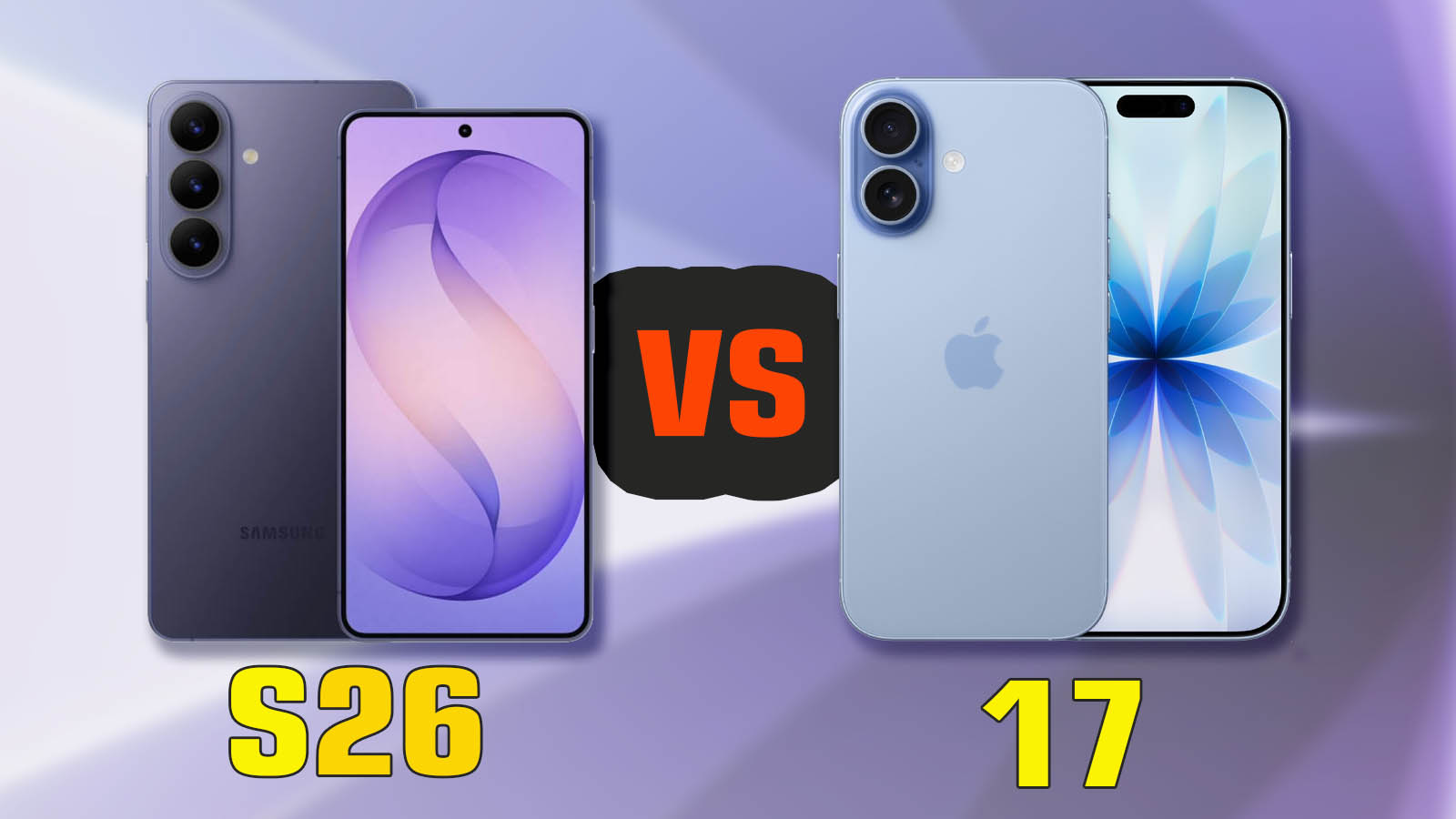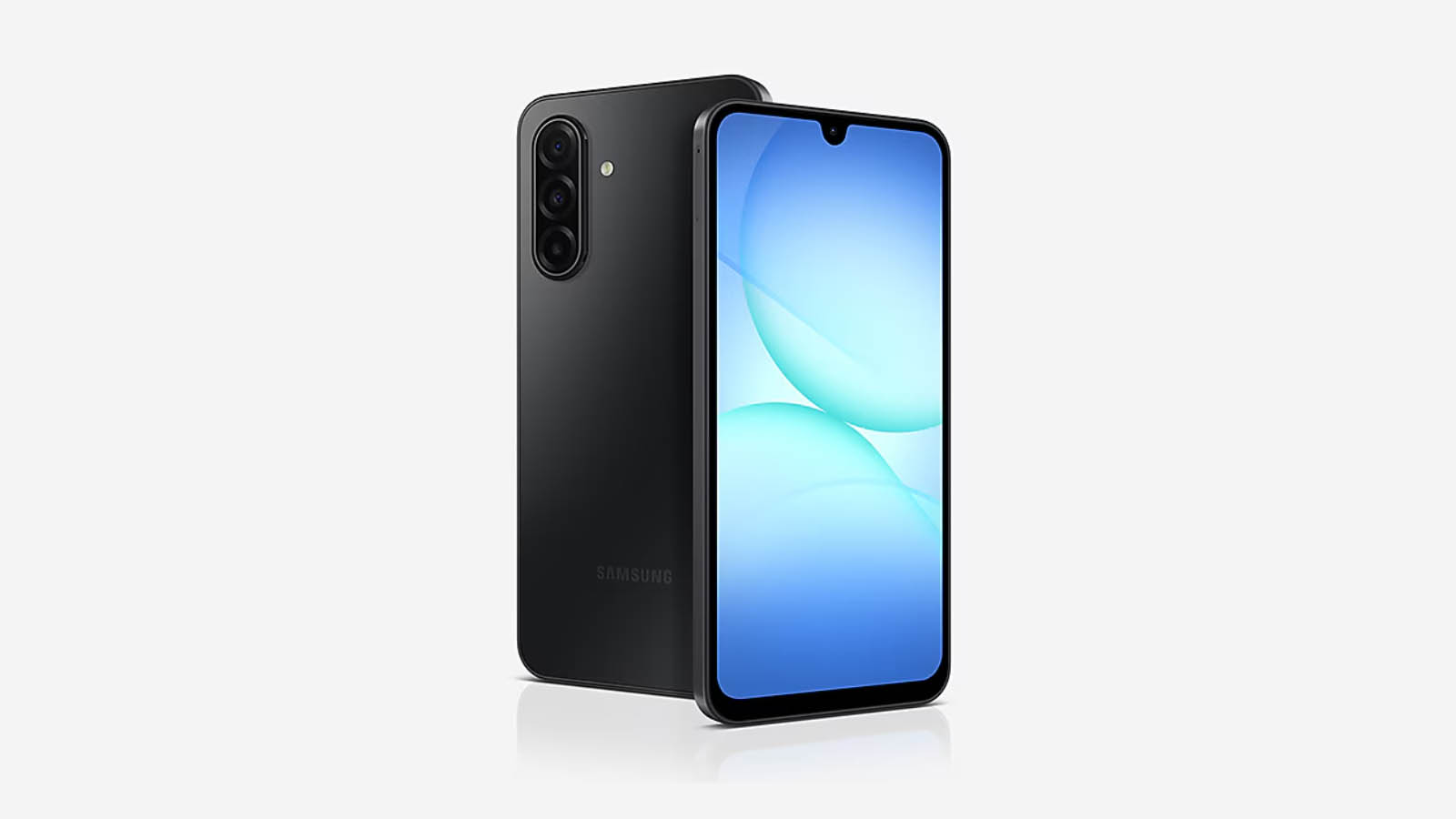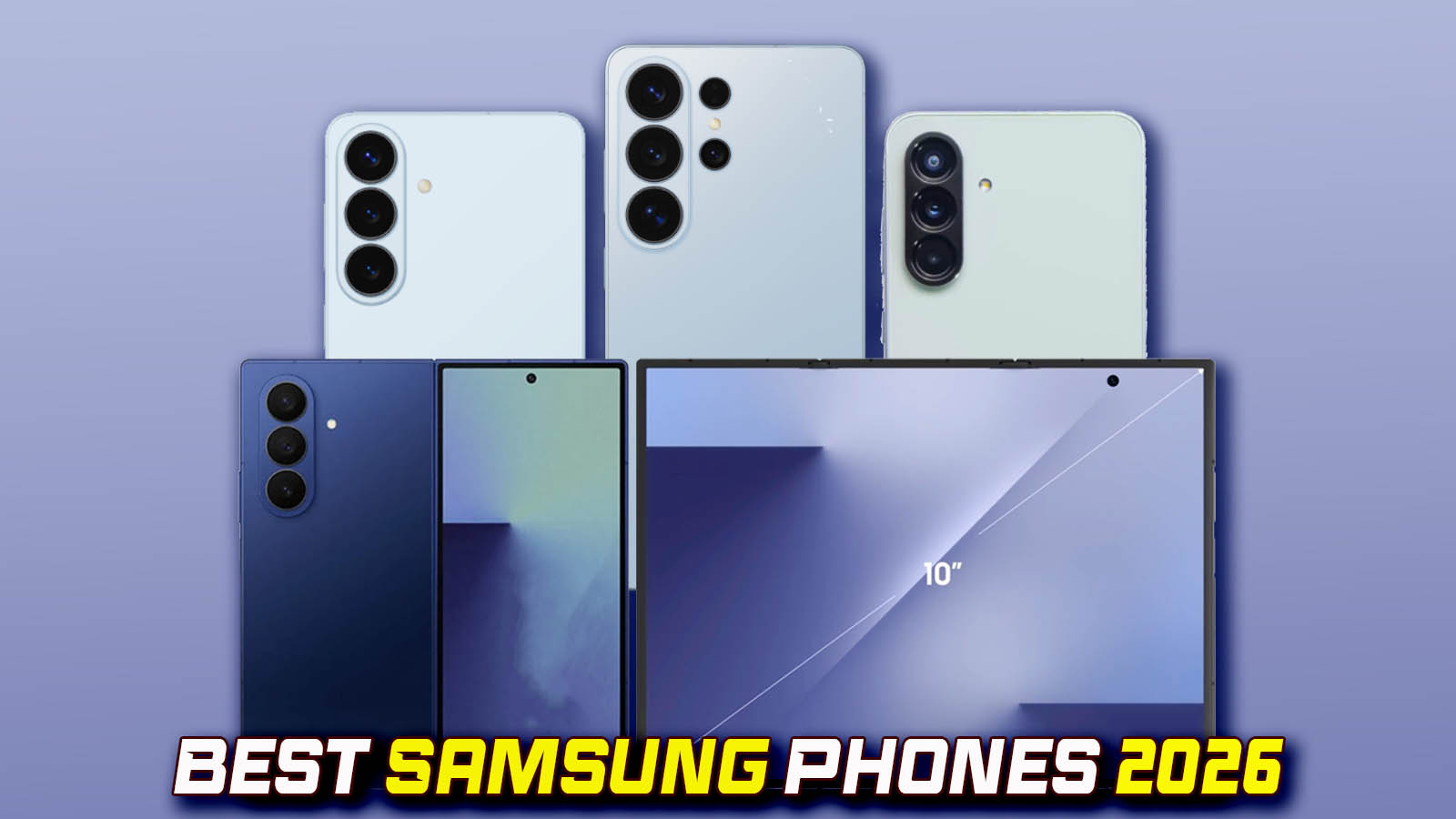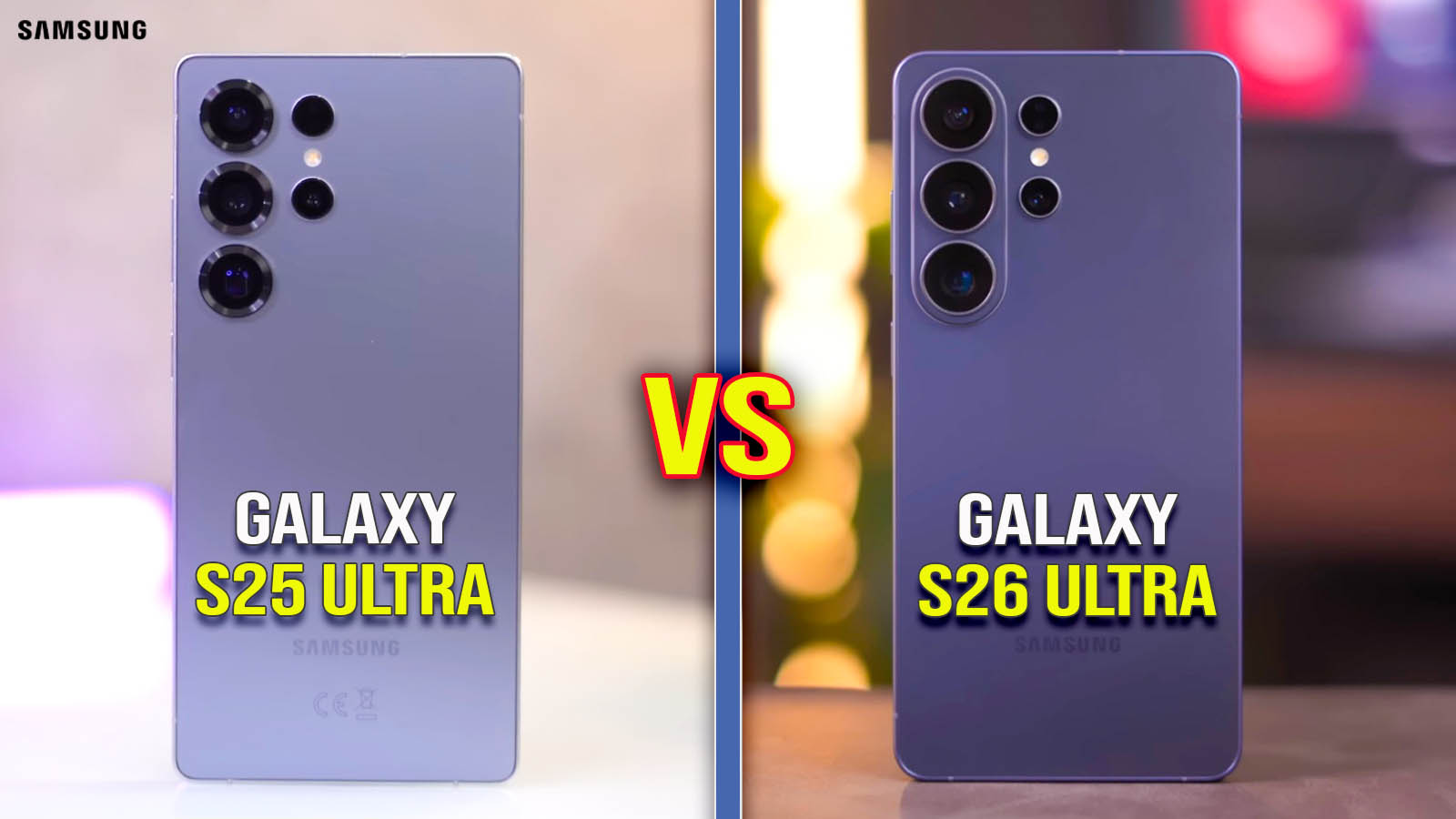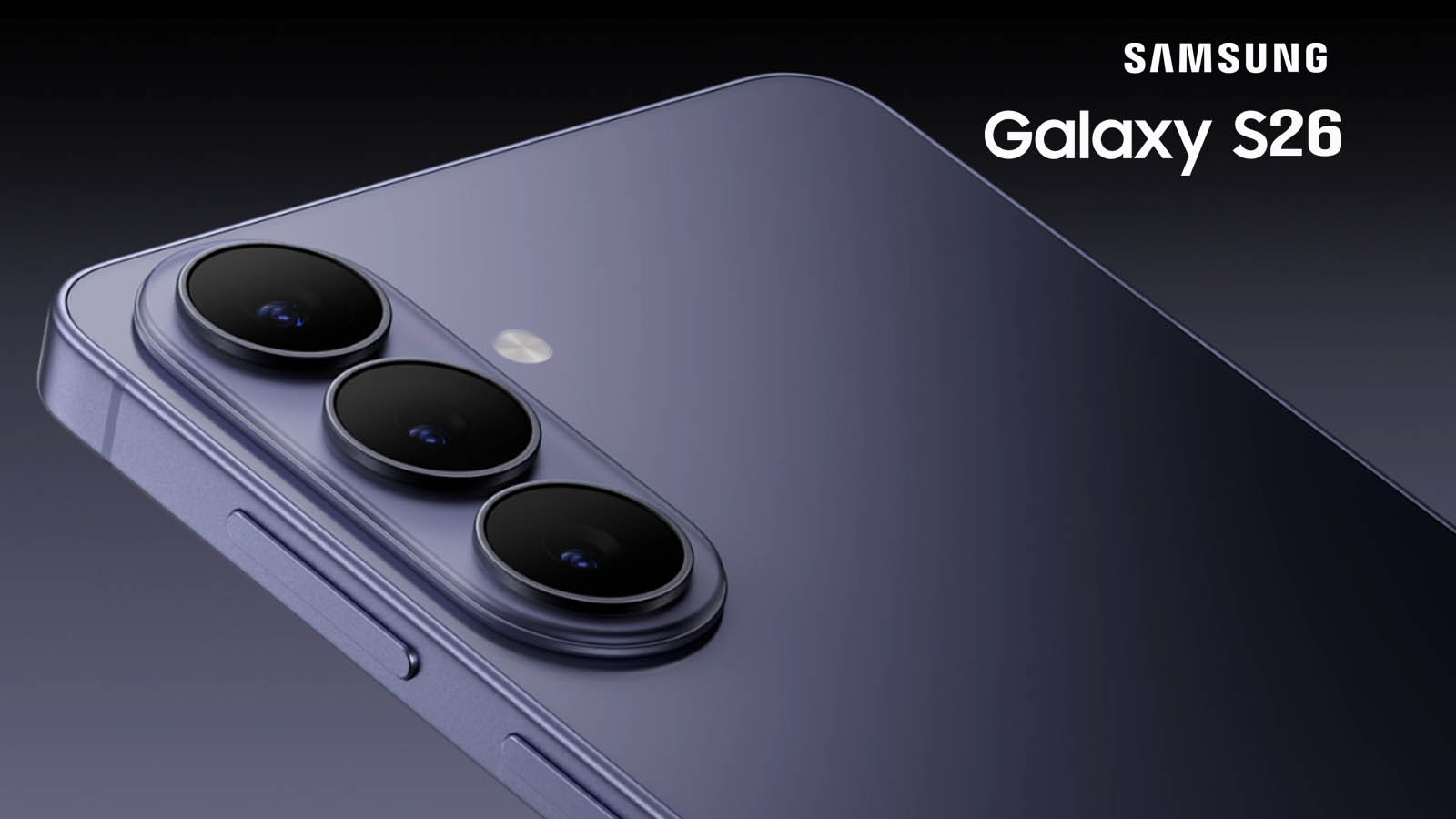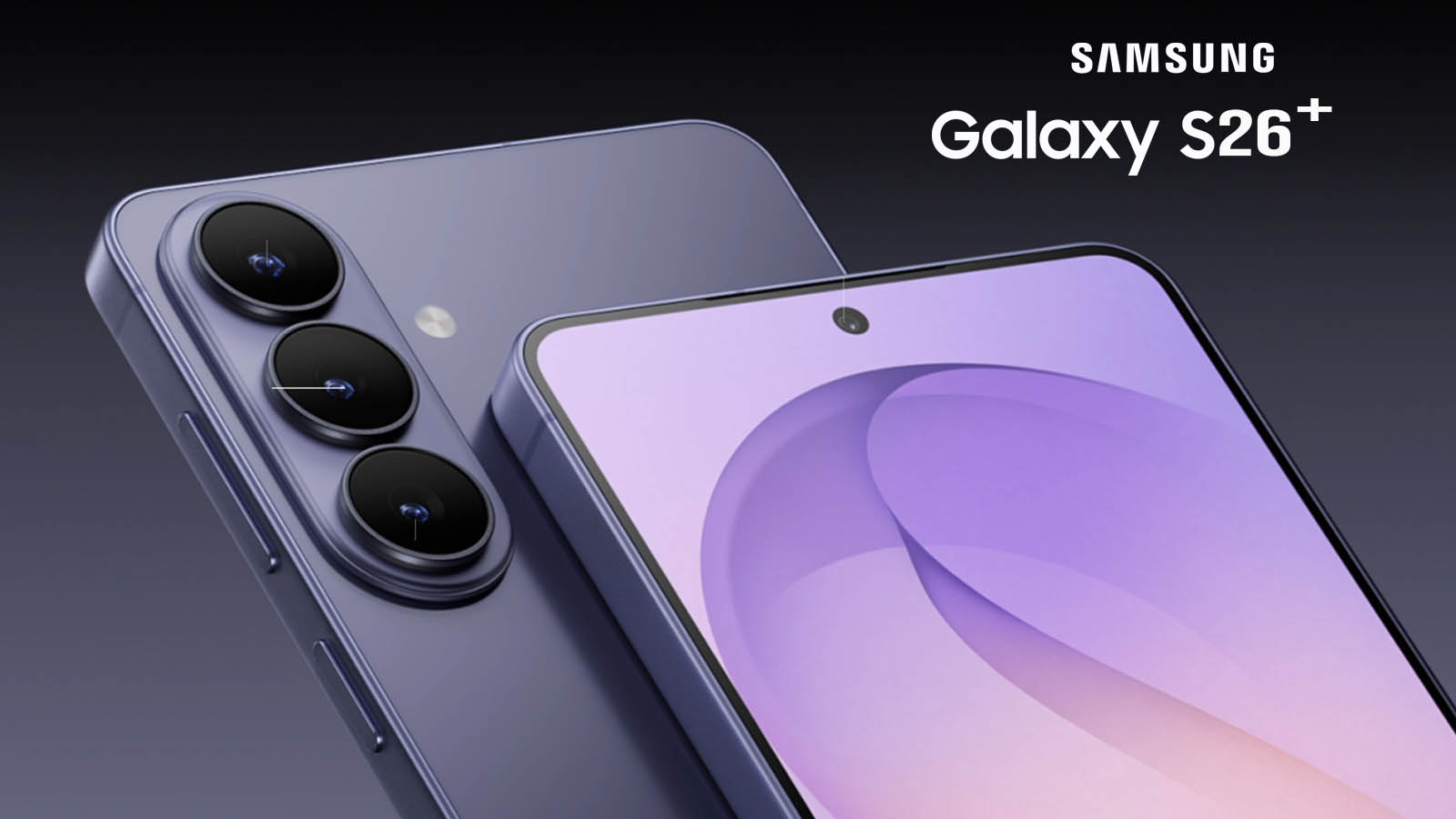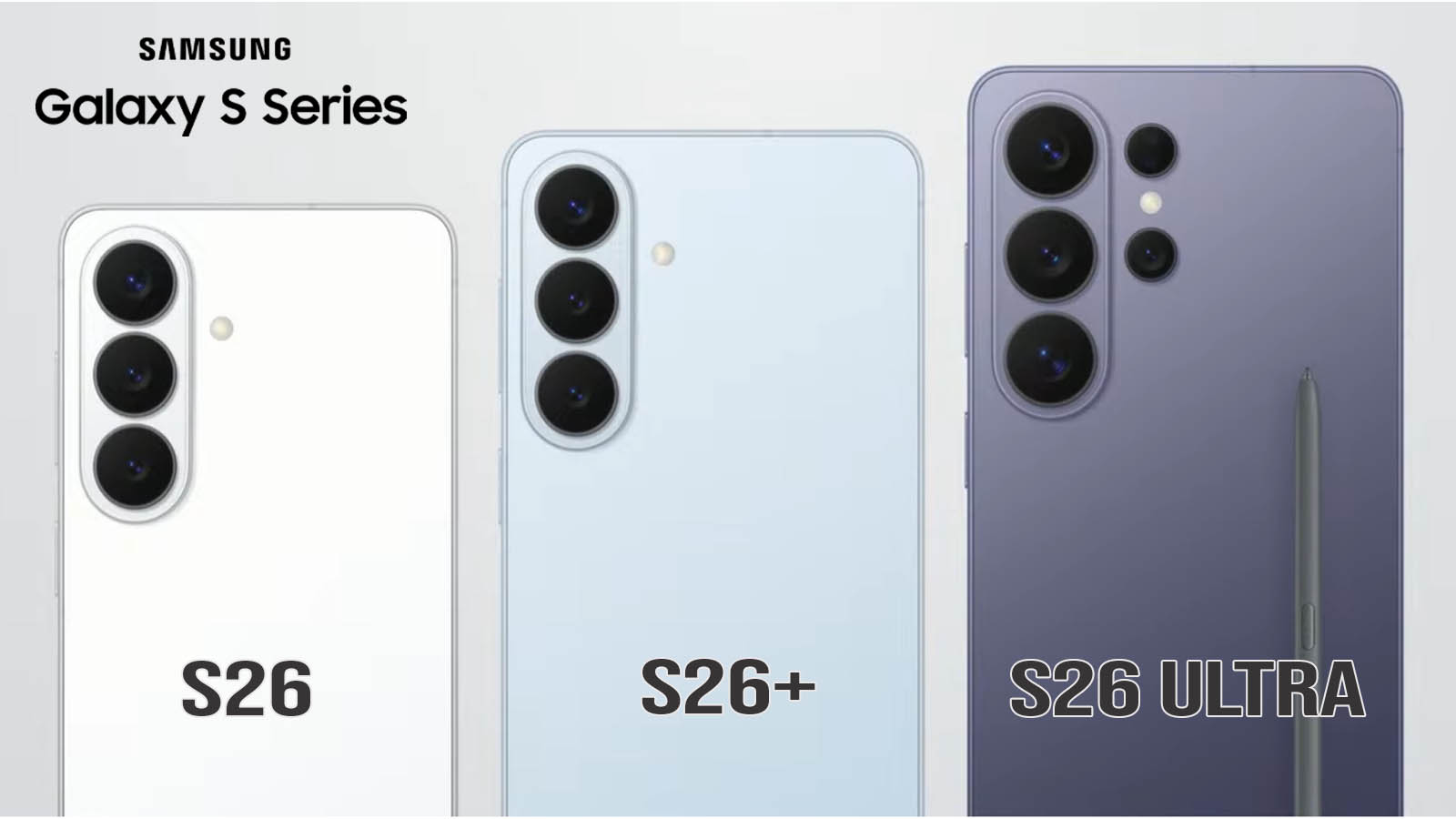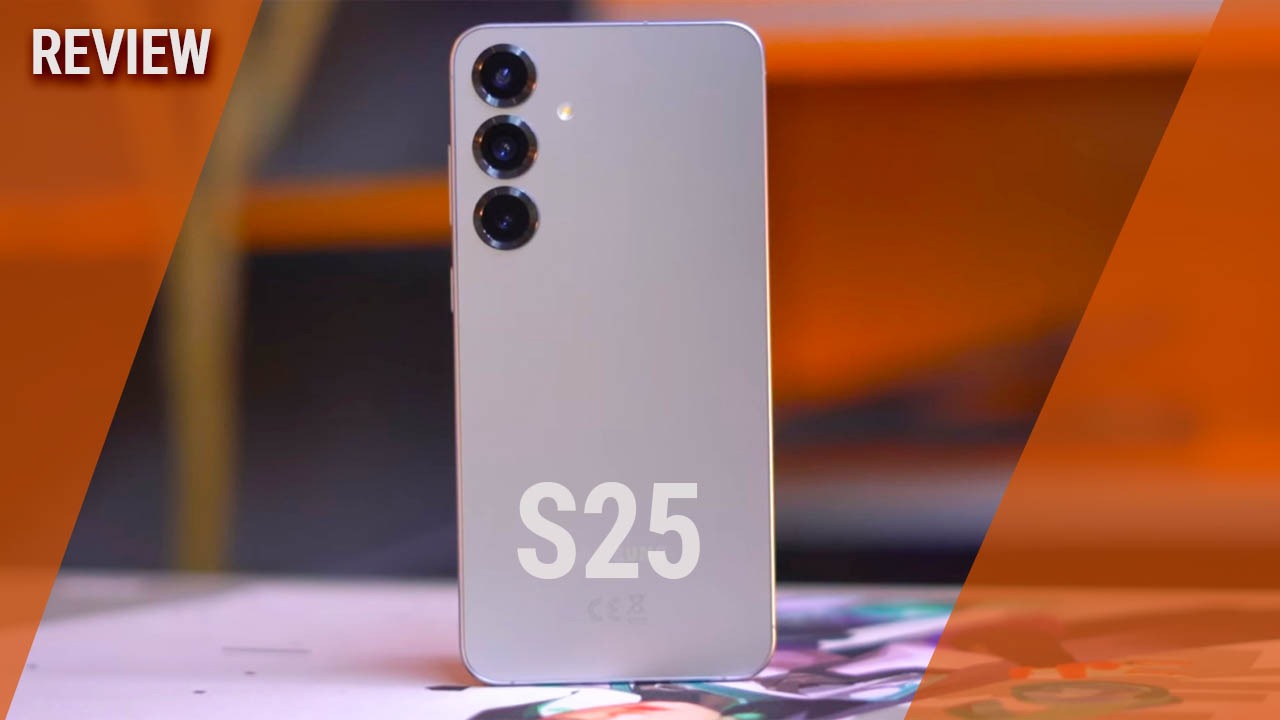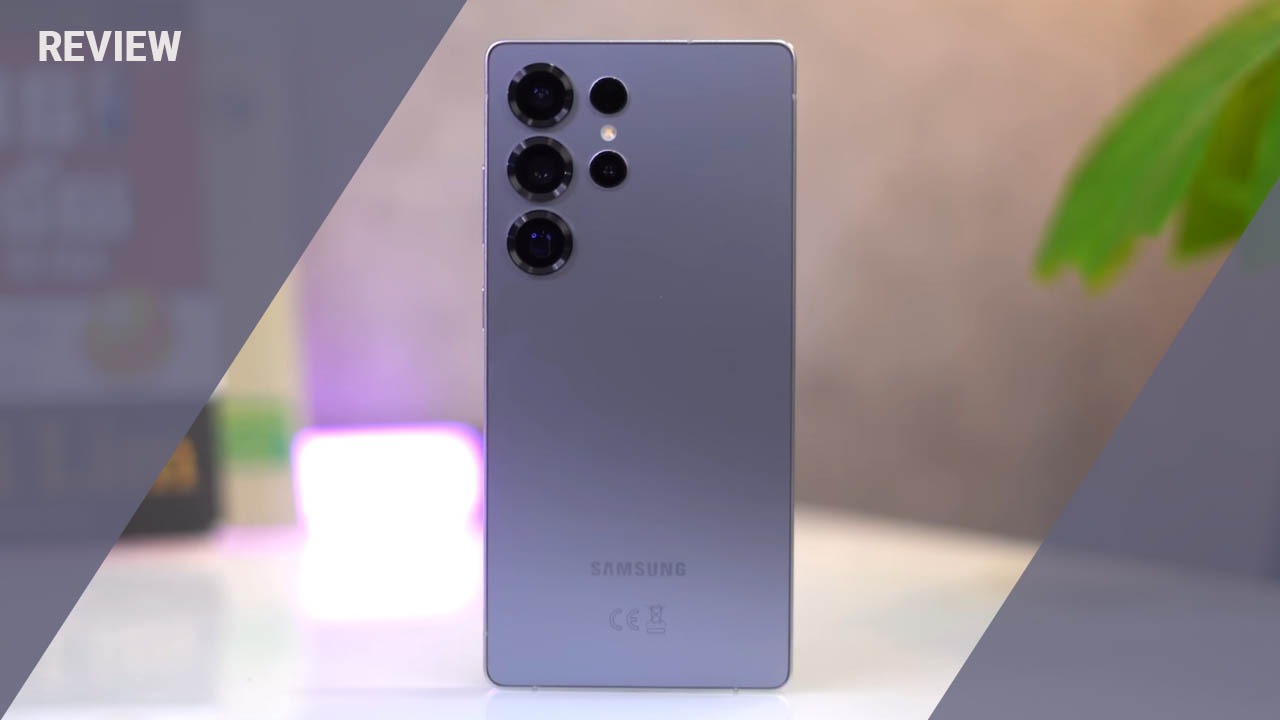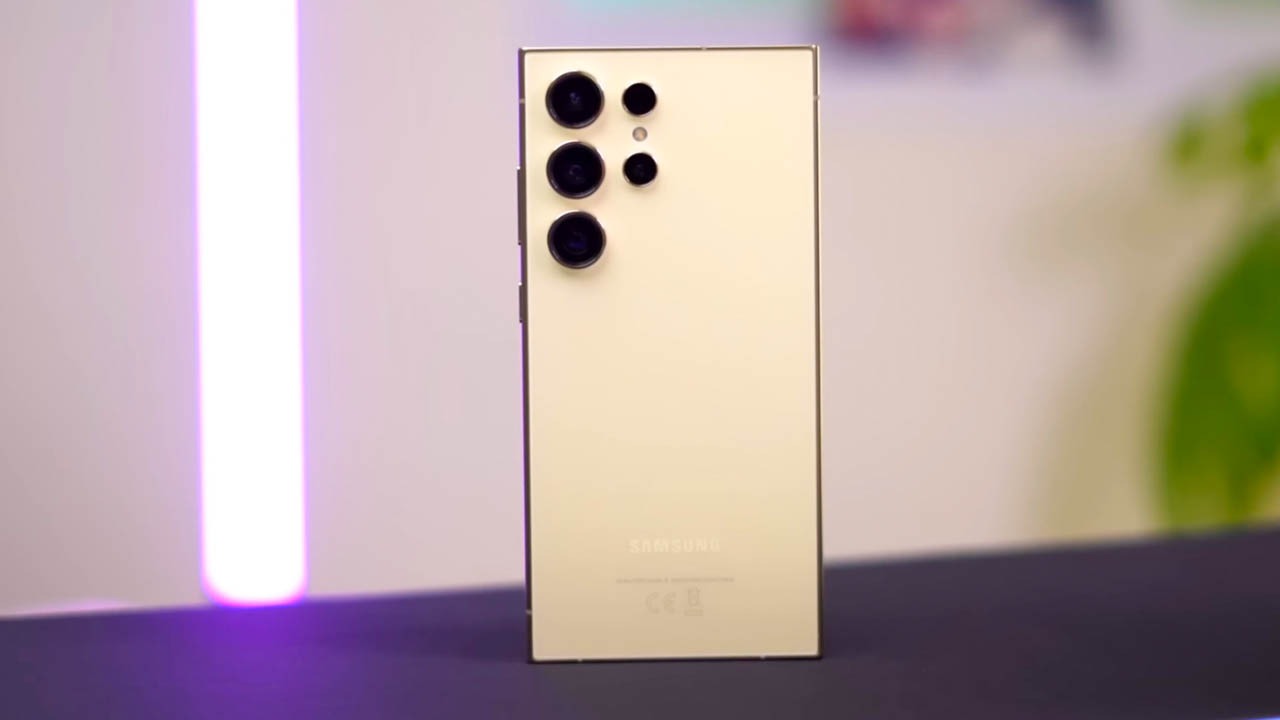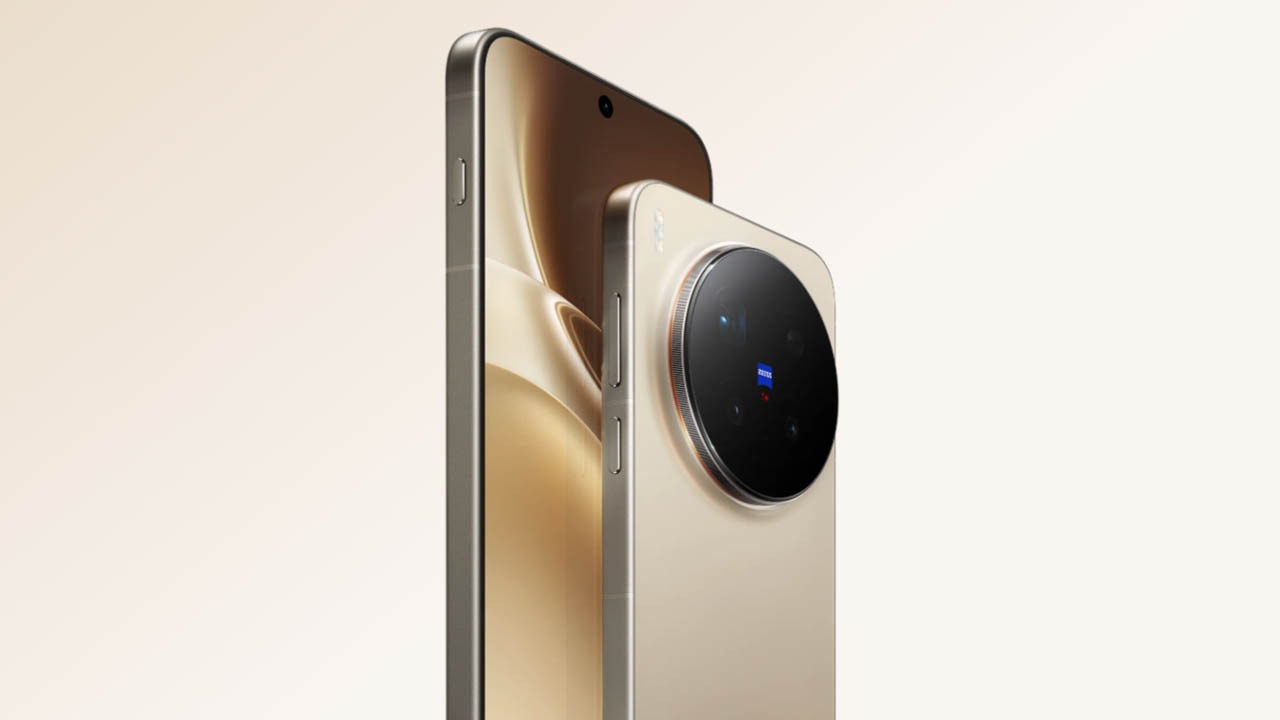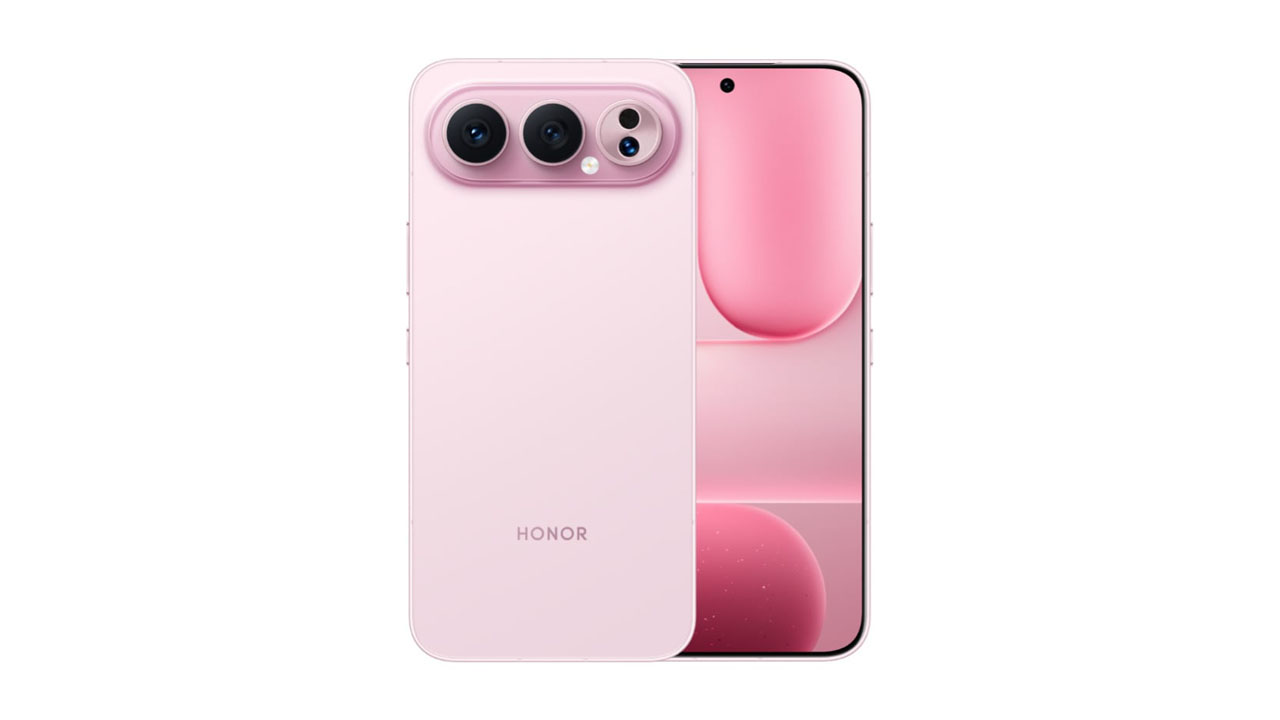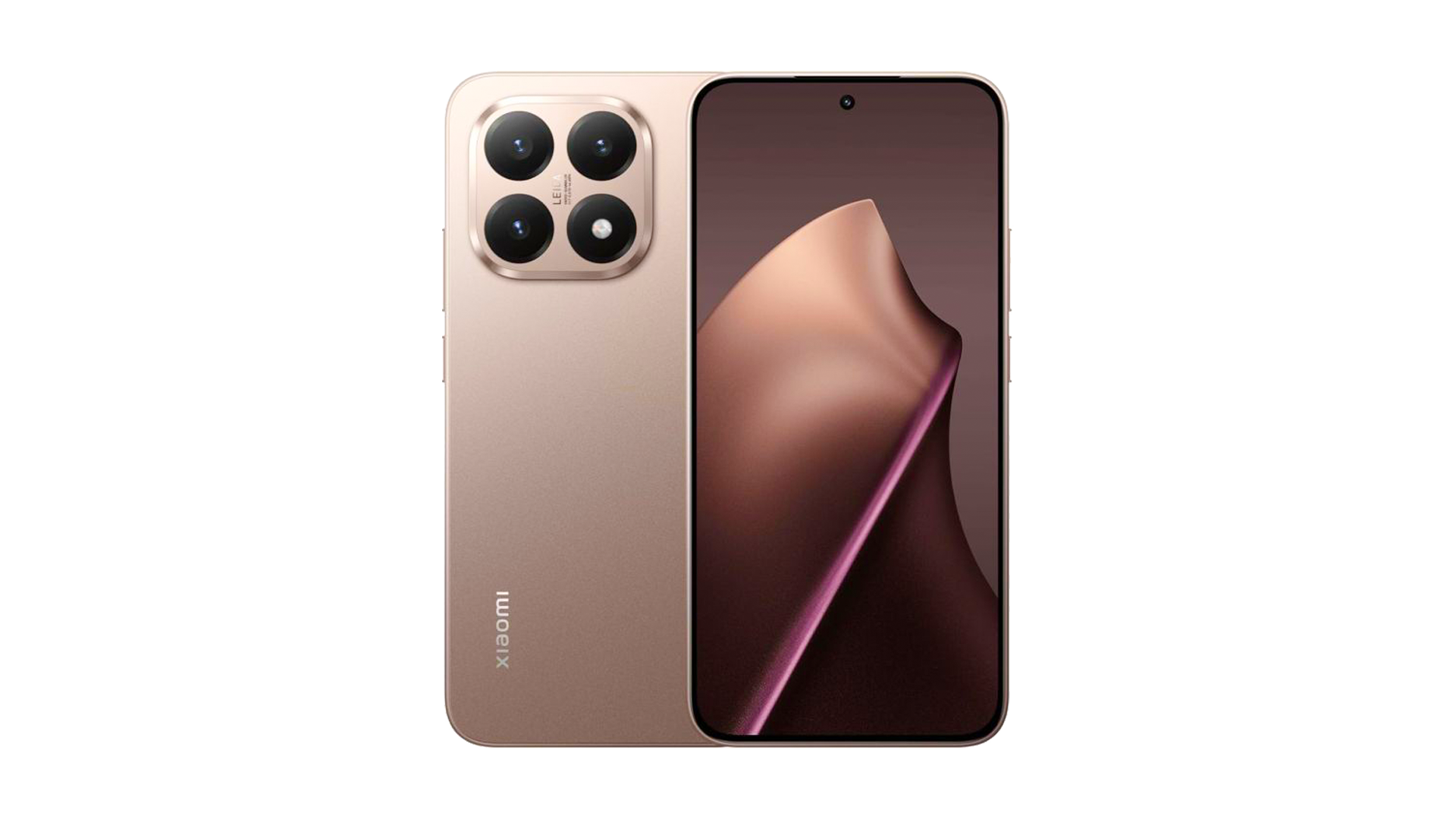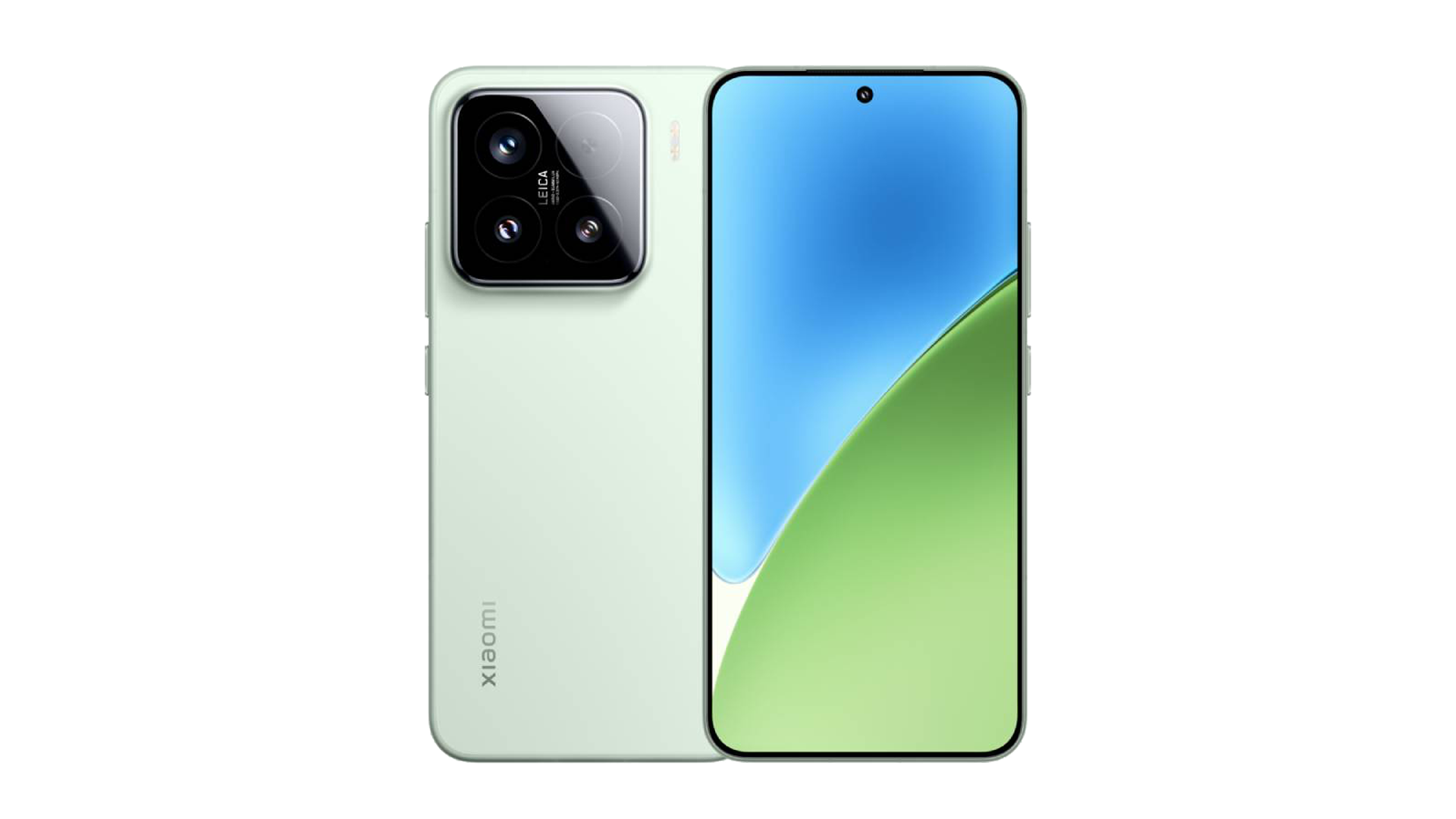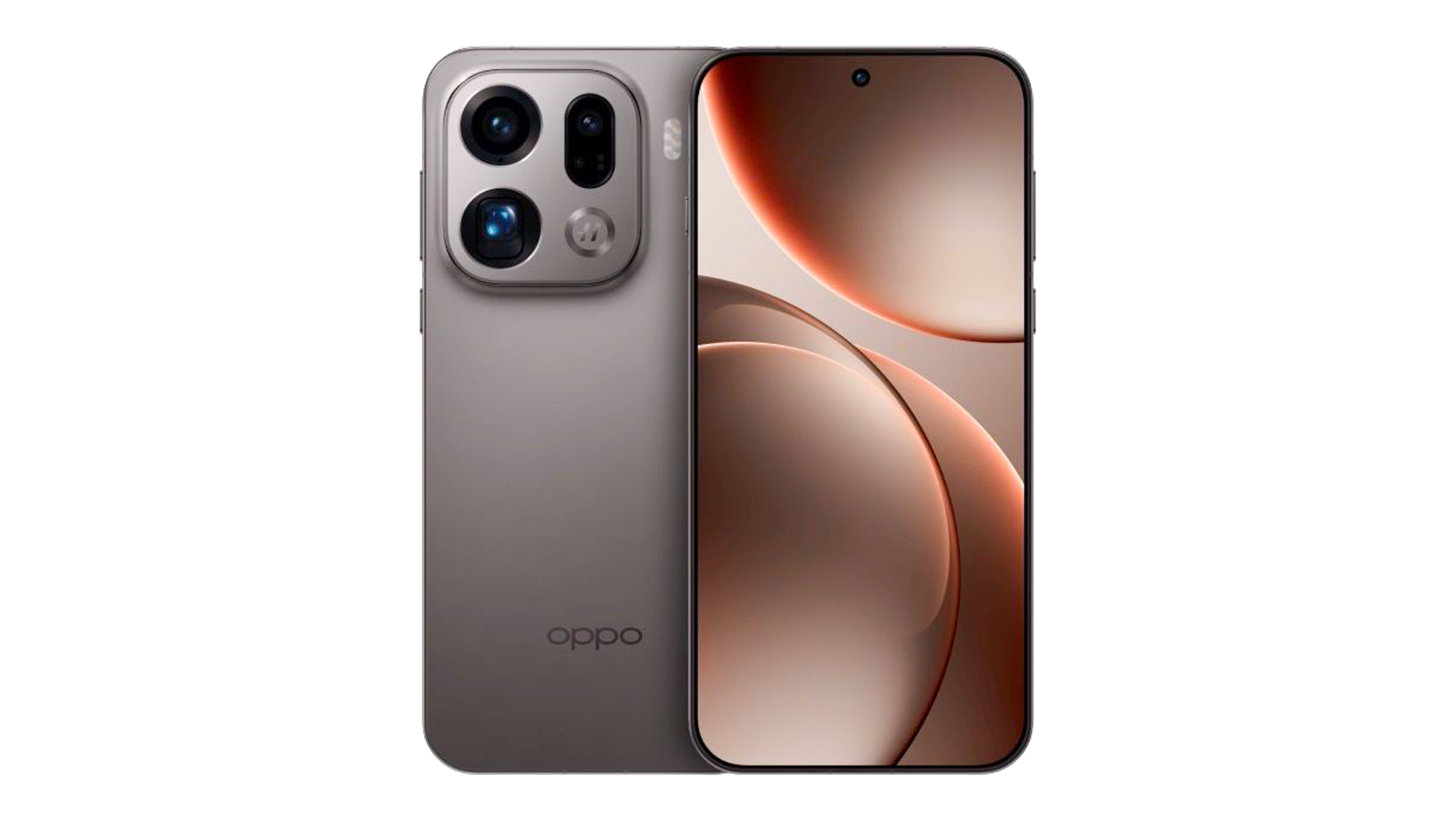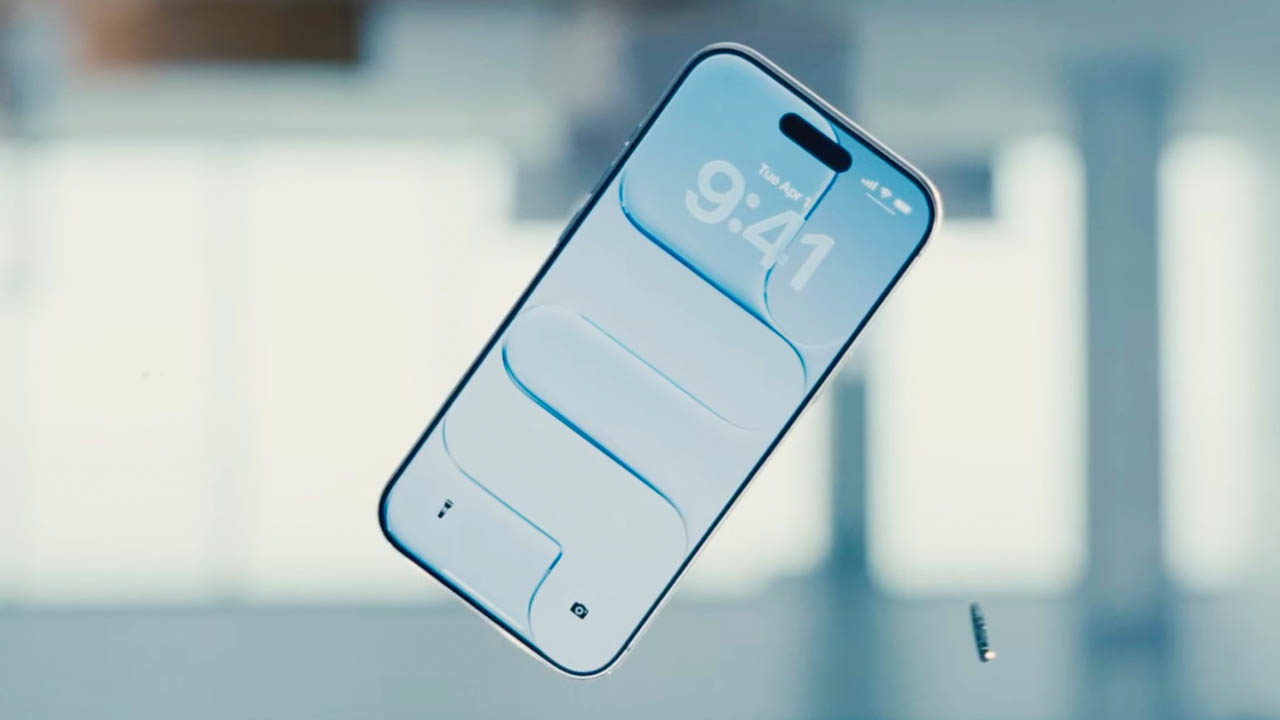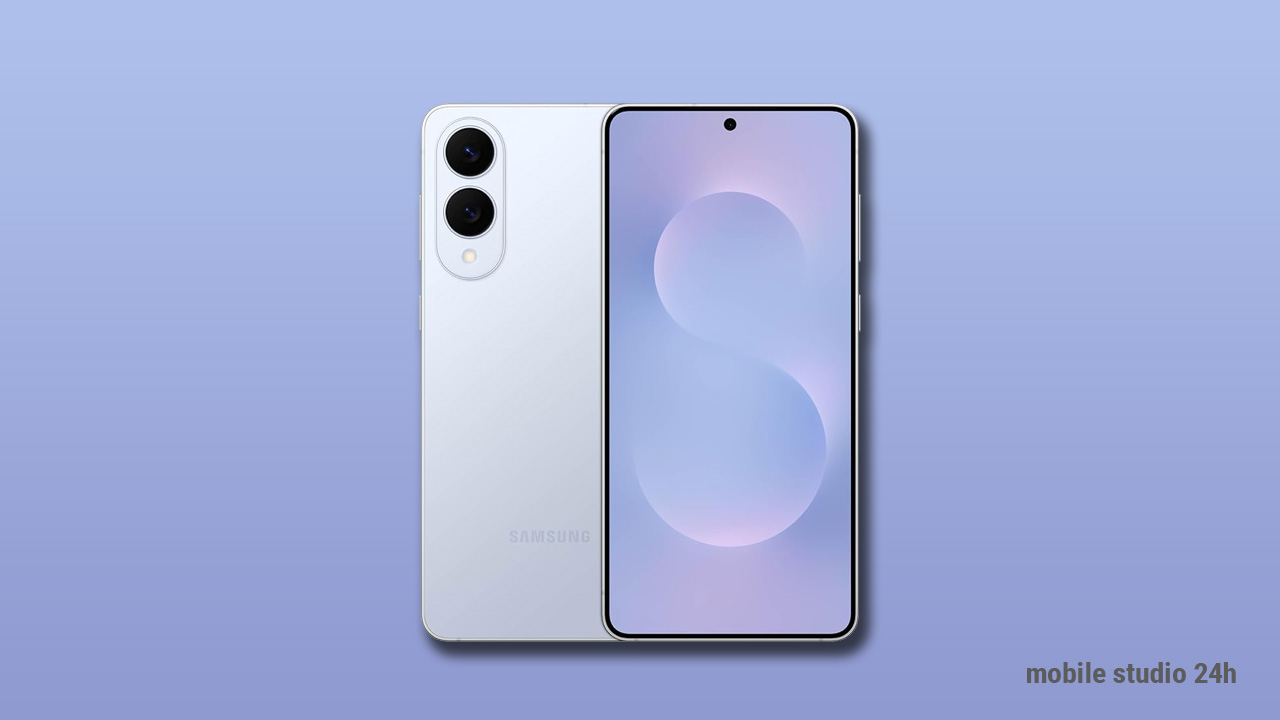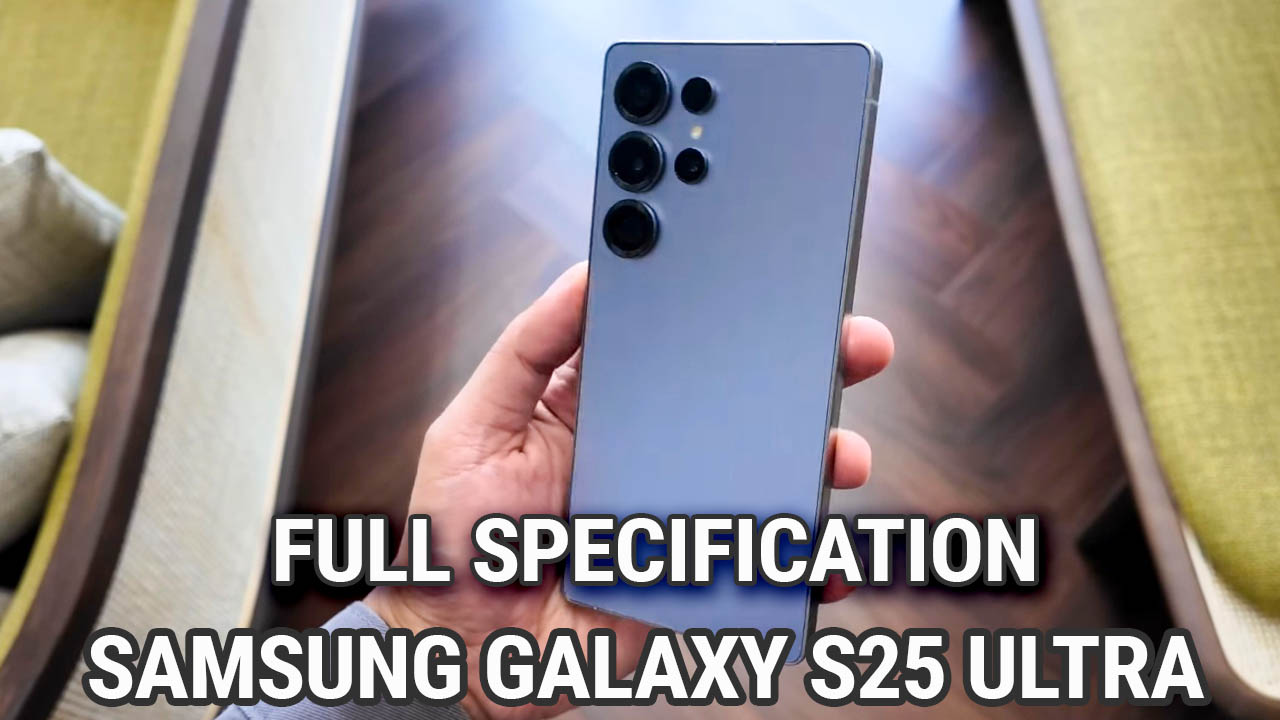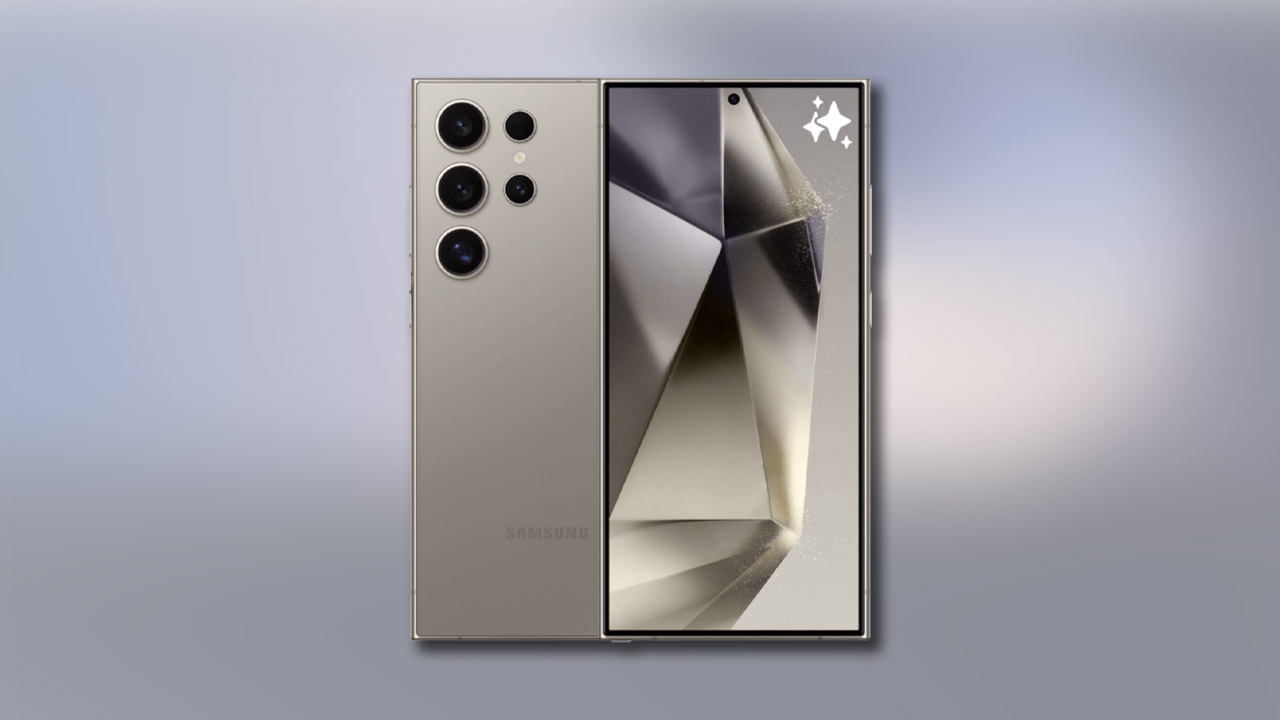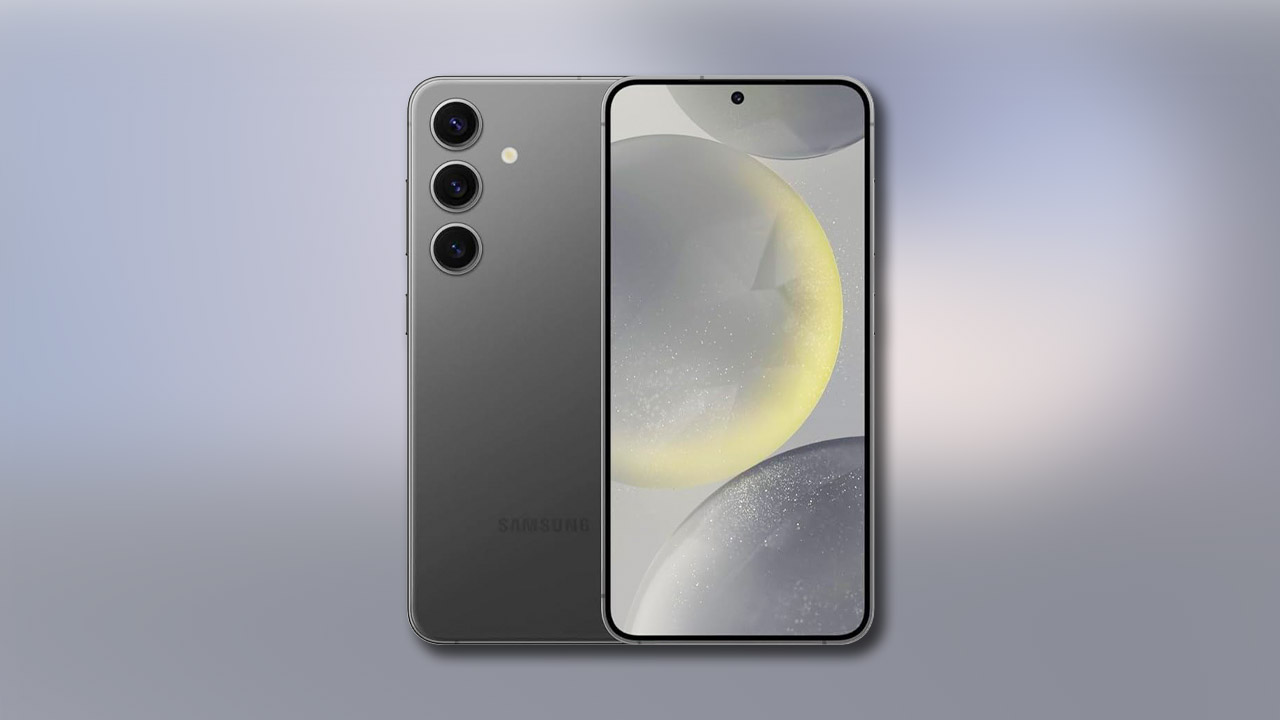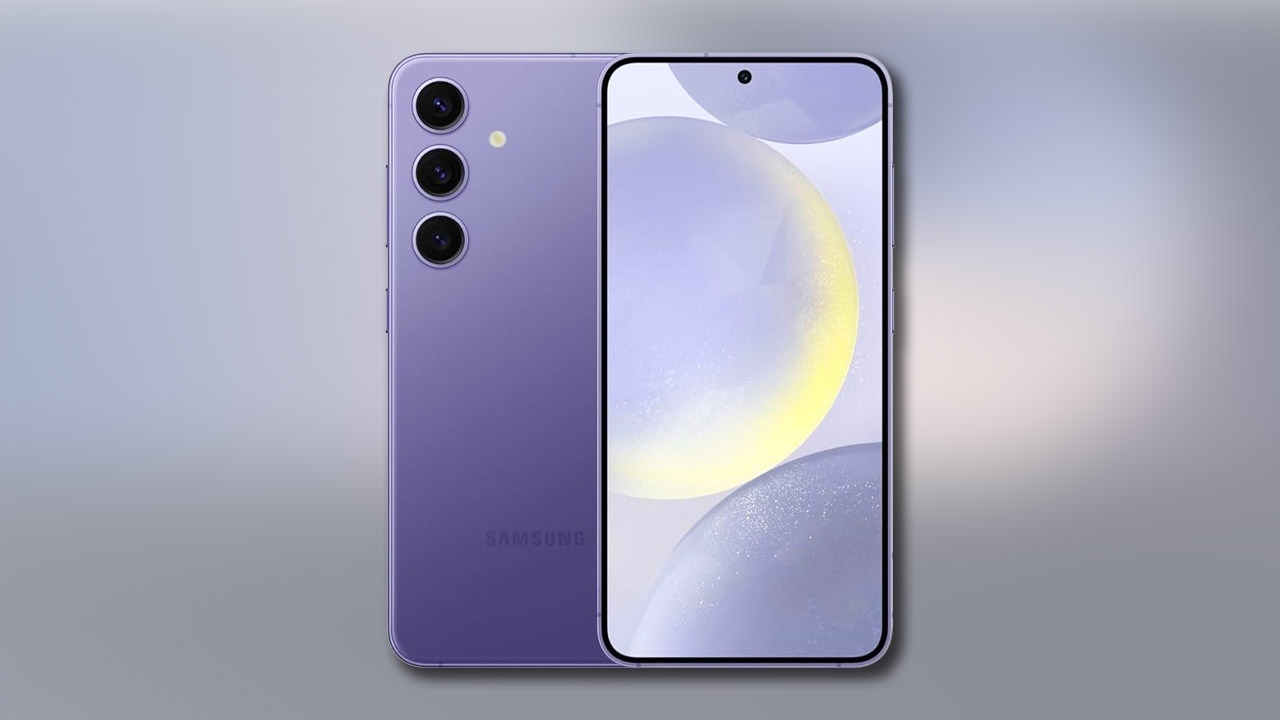
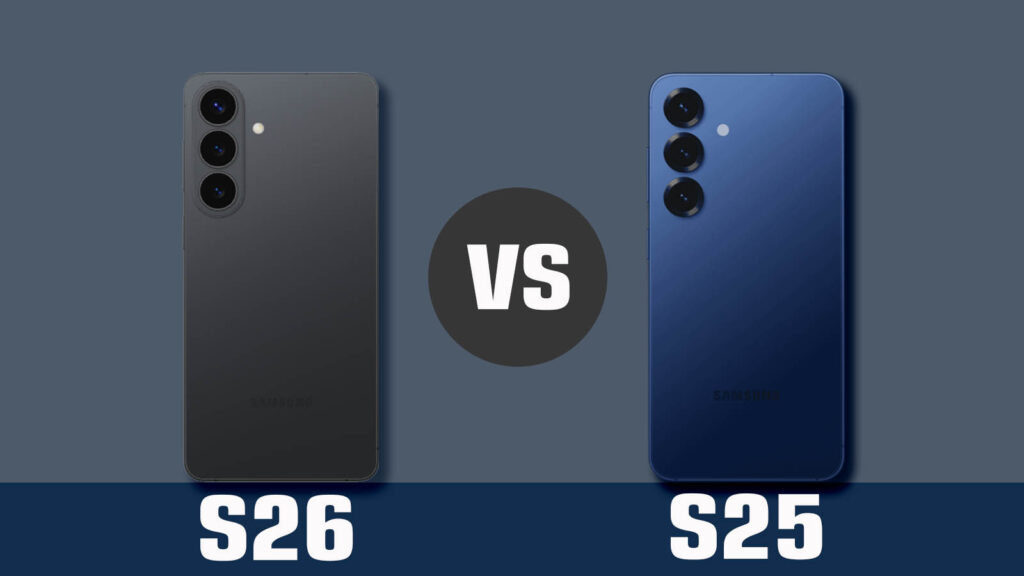
The Samsung Galaxy S26 and its predecessor, the Samsung Galaxy S25, represent the pinnacle of mainstream Android flagship engineering. While the S25 was celebrated for its refined design and AI integration, the S26 arrives in 2026 with a bold focus on “Agentic AI” and hardware-level privacy.
This comparison is designed for current S25 owners debating an upgrade and new buyers looking for the best value in the Galaxy ecosystem. You will learn how the new Snapdragon 8 Elite Gen 5 compares to last year’s silicon, whether the move to a rounded design improves ergonomics, and if the camera enhancements justify the new price tag. We analyze every detail—from thermal management during gaming to real-world battery endurance—to help you decide which flagship belongs in your pocket.
Quick Comparison Table
| Feature | Samsung Galaxy S26 (2026) | Samsung Galaxy S25 (2025) |
| Display | 6.3″ Dynamic AMOLED 3X (144Hz) | 6.2″ Dynamic AMOLED 2X (120Hz) |
| Processor | Snapdragon 8 Elite Gen 5 | Snapdragon 8 Gen 4 |
| RAM & Storage | 12GB RAM | 128GB/256GB/512GB |
| Rear Camera | 50MP (Main) + 12MP (UW) + 10MP (Tele) | 50MP (Main) + 12MP (UW) + 10MP (Tele) |
| Front Camera | 12MP Dual Pixel AF | 12MP Dual Pixel AF |
| Battery | 4,300 mAh (60W Charging) | 4,000 mAh (25W Charging) |
| OS | Android 16 (One UI 8.5) | Android 15 (One UI 7.1) |
| Price | Starting at $899 | Starting at $649 (Current Market) |
Design & Build Quality
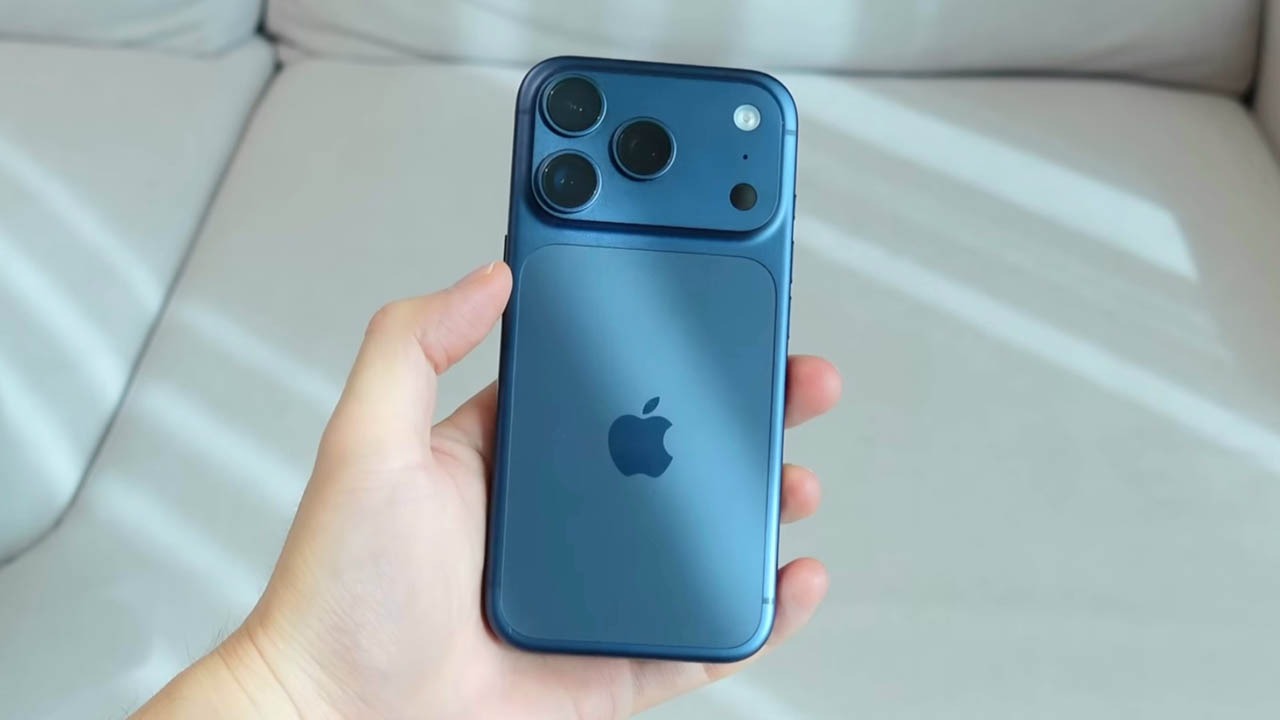
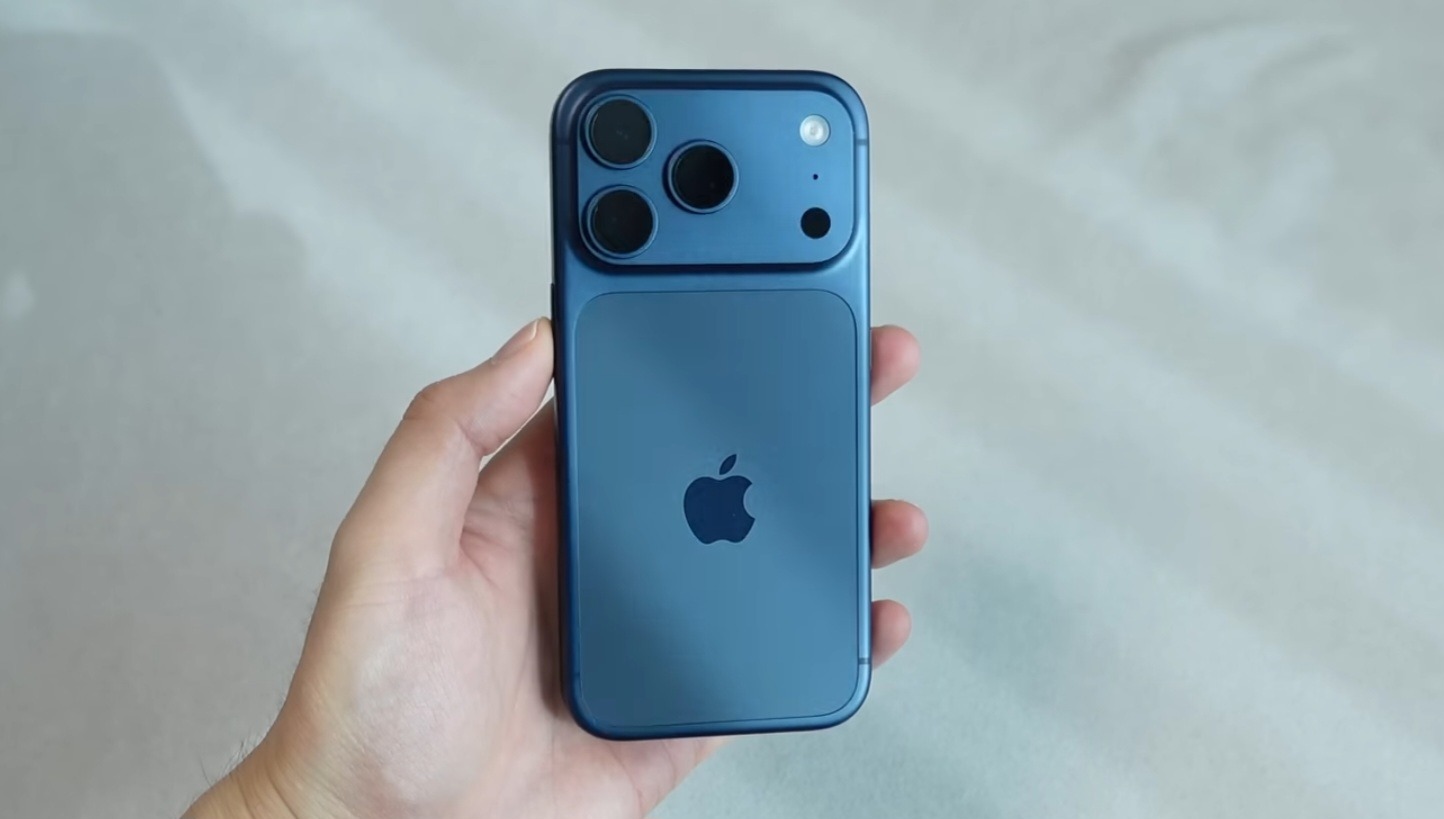
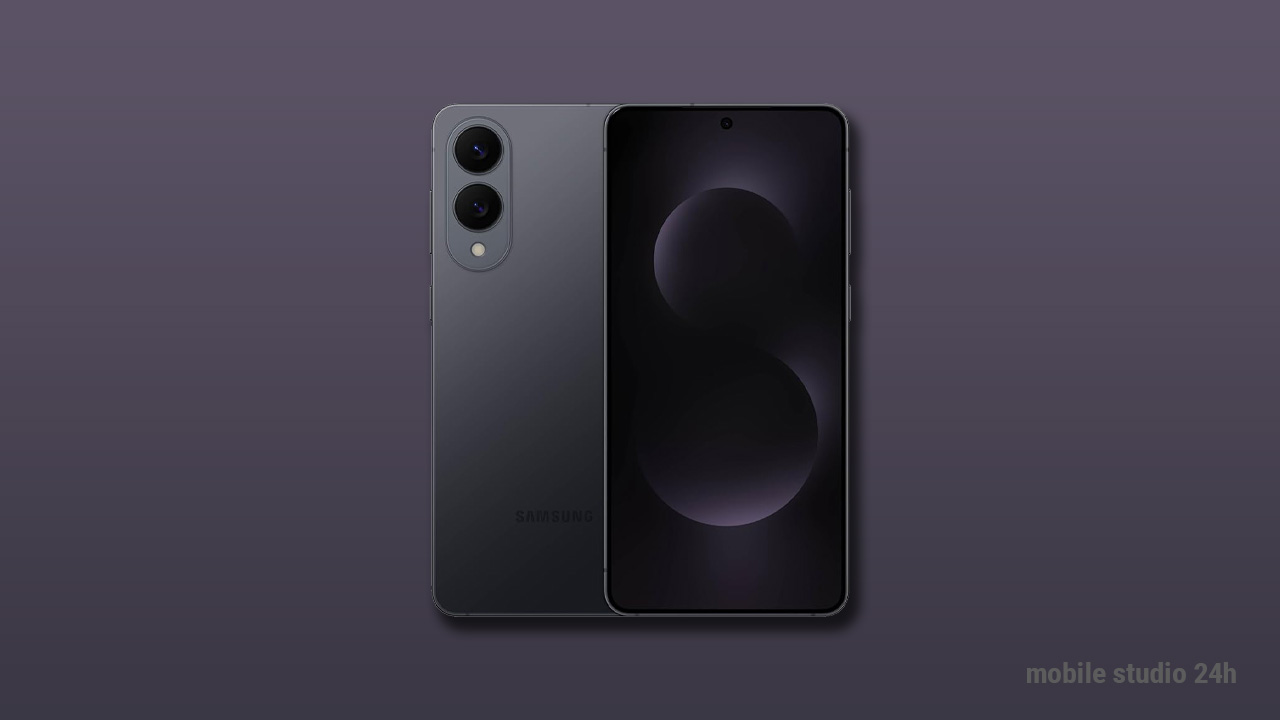
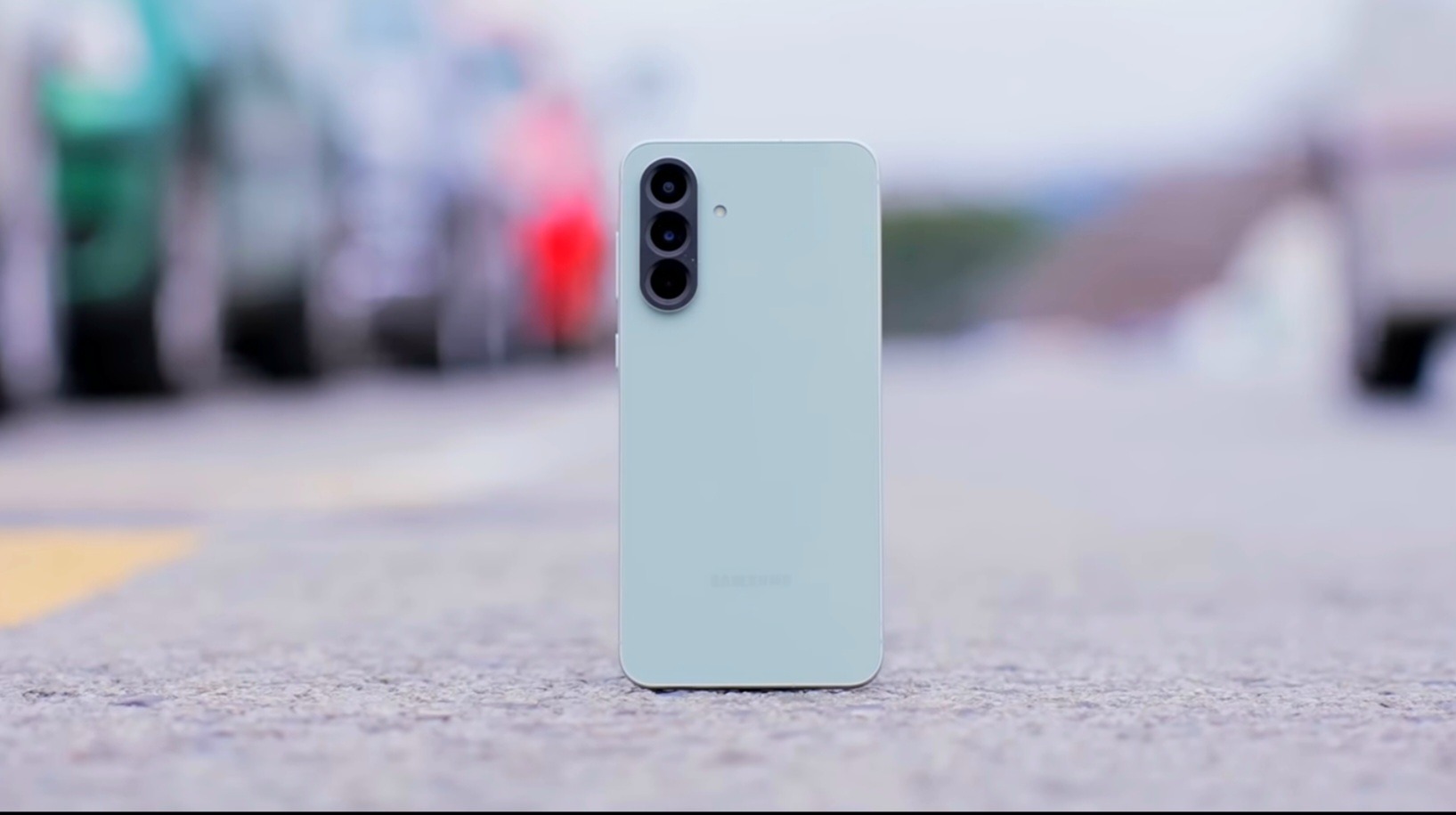
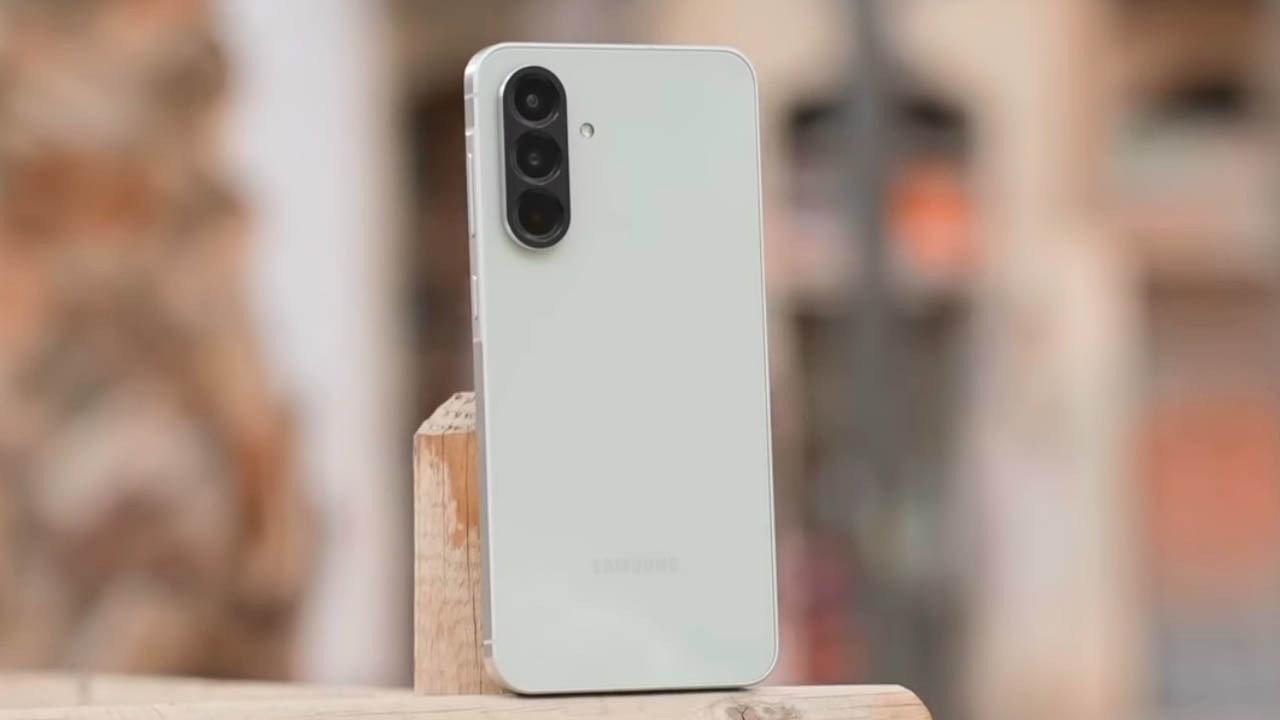
The Galaxy S26 moves away from the S25’s sharp, boxy edges, opting for a rounded ergonomic frame that feels significantly more comfortable. While both use Gorilla Glass Victus, the S26 features a new fingerprint-resistant Satin Matte finish and a thinner 7.6mm profile, making it the most refined base flagship Samsung has ever released.
The most noticeable shift in 2026 is the Rounded Design. While the S25 featured a sharp, “boxy” aesthetic, the S26 returns to softened corners that improve one-handed comfort. Both phones utilize Armor Aluminum and Gorilla Glass Victus, but the S26 is slightly thinner at 7.6mm.
Both devices carry an IP68 rating, but the S26 feels more premium due to a new “Satin Matte” finish that is significantly more resistant to fingerprints than the S25.
The S26 is more comfortable for long-term use, while the S25 remains a favorite for those who love a sharp, industrial look.
Display Comparison
The S26 leapfrogs the S25 with a blistering 144Hz refresh rate and 3,000 nits of peak brightness. This makes it superior for outdoor visibility and ultra-smooth gaming. While the S25’s 120Hz screen remains excellent for daily tasks, the S26’s enhanced LTPO 4.0 technology offers better power efficiency during static viewing.
The S26 introduces the 144Hz Refresh Rate, a jump from the 120Hz on the S25. Furthermore, the S26 hits a peak brightness of 3,000 nits, making it noticeably clearer in direct 12 PM sunlight compared to the S25’s 2,600 nits.
- Watching Videos: S26 (Higher peak brightness for HDR10+ content).
- Gaming: S26 (The 144Hz refresh rate provides a competitive edge).
- Reading: Both are excellent, but the S26’s “Eye Comfort Shield 2.0” is gentler at night.
Performance & Daily Usage
The jump from Snapdragon 8 Gen 4 to the Elite Gen 5 in the S26 is substantial. App opening speeds are virtually identical for basic apps, but the S26 excels in “Agentic AI” tasks—like summarizing a 30-minute recording or live-translating a video—thanks to its 40% faster NPU.
In real-world use (social media, multitasking), the S26 stays noticeably cooler. The S25 occasionally gets warm during heavy 5G hotspot usage, whereas the S26 manages thermals better due to a larger vapor chamber.
Powered by the Snapdragon 8 Elite Gen 5, the S26 feels noticeably snappier than the S25, especially when handling “Agentic AI” tasks. Multitasking is seamless with the upgraded 12GB RAM base, and the improved thermal cooling system ensures the device stays cool during intensive 5G browsing and background app processing.
Gaming Performance
Gamers will appreciate the S26’s higher ceiling, supporting 144 FPS in optimized titles like Wild Rift. The S25 remains a solid performer at 120 FPS, but the S26’s larger vapor chamber and more efficient NPU result in fewer frame drops and significantly less thermal throttling during extended Genshin Impact sessions.
- Popular Games: Genshin Impact, Warzone Mobile.
- Graphics Settings: Both run at Max settings.
- FPS Stability: The S26 maintains a rock-solid 144 FPS in optimized titles, whereas the S25 stays at 120 FPS.
- Conclusion: The S26 is better for heavy gaming, while the S25 remains perfectly suitable for casual and mid-tier gamers.
Camera
While both feature 50MP main sensors, the S26 wins through superior AI Image Processing. It delivers more natural skin tones and significantly less noise in low-light “Nightography” shots. The S26 also introduces 8K 60fps video, providing content creators with professional-grade stabilization and detail that surpasses the S25’s 30fps cap.
While the megapixels remain the same, the ISP (Image Signal Processor) on the S26 is superior.
- Daylight: The S26 has better dynamic range in high-contrast scenes.
- Low-Light: The S26 uses “AI Night Vision 2.0,” which reduces noise in shadows better than the S25.
- Zoom: Both feature 3x Optical, but S26 software produces cleaner 30x Digital shots.Verdict: The S26 takes better photos because its AI processing handles skin tones and night textures more naturally.
Video Recording Comparison
The S26 introduces 8K 60fps (the S25 was capped at 8K 30fps). More importantly, the SuperSteady 2.0 on the S26 provides gimbal-like stabilization that makes it a superior tool for content creators. Low-light video is also less “grainy” on the 2026 model.
Battery Life & Charging
The S26 finally resolves Samsung’s slow charging reputation with 60W Super Fast Charging, hitting 75% in just 30 minutes. Combined with a larger 4,300 mAh battery and a more efficient 3nm processor, the S26 consistently delivers 1.5 to 2 hours more screen-on time than the aging Galaxy S25.
The S26 officially breaks the long-standing 25W limit for the base model, supporting 60W Fast Charging.
- Capacity: 4,300 mAh (S26) vs 4,000 mAh (S25).
- Screen-on Time: ~8.5 hours (S26) vs ~7 hours (S25).
- Charging: S26 hits 75% in 30 minutes. S25 takes nearly 60 minutes for the same charge.Note: Neither phone includes a charger in the box.
Software & Features
Both phones support 7 years of updates. However, the S26 launches with One UI 8.5, featuring exclusive “Agentic AI” that can book appointments or manage your emails autonomously. The S25 has the standard “Generative AI” features like Circle to Search. Both use an Ultrasonic Fingerprint sensor, but the S26’s sensor area is 20% larger.
Connectivity
- 5G Support: Both (Sub-6 and mmWave).
- Wi-Fi: Wi-Fi 7 on S26 vs Wi-Fi 6E/7 on S25.
- Bluetooth: 5.4 on S26 vs 5.3 on S25.
- USB: Both use USB-C 3.2, but S26 supports faster data transfer for external SSDs.
Pros and Cons
| Model | Pros | Cons |
| Samsung Galaxy S26 | ✅ 144Hz Refresh Rate: Ultra-smooth display for gaming. ✅ 60W Fast Charging: Massive jump from 25W on previous models. ✅ Ergonomic Design: Rounded corners make it easier to hold. ✅ Agentic AI: Proactive AI that acts as a personal assistant. | ❌ Price Increase: Higher starting price than the S25 launch. ❌ Incremental Camera: Uses the same 50MP sensor hardware. ❌ Size: Slightly larger footprint may annoy small-phone fans. |
| Samsung Galaxy S25 | ✅ Compact Champion: One of the best small Android phones ever made. ✅ Current Value: Significant price drops make it a bargain in 2026. ✅ Proven Camera: Still takes top-tier photos for social media. ✅ Software Support: Will receive updates until 2032. | ❌ Slow Charging: 25W charging feels outdated by 2026 standards. ❌ Smaller Battery: 4,000 mAh struggles with heavy 5G/Gaming use. ❌ Sharp Edges: Boxy design can dig into palms during long sessions. |
Price & Value for Money
As of March 2026, there is a clear $150–$200 price gap between these two models. The Galaxy S26 starts at $899 (256GB base), while the Galaxy S25 can now be found for as low as $649 at major retailers.
- Better Value: The Galaxy S25 offers incredible value for those who want a flagship experience without the “early adopter” tax.
- Long-term Usability: The Galaxy S26 wins here. With its 60W charging and Snapdragon 8 Elite Gen 5, it is better equipped to handle the more demanding AI apps and games expected in 2027 and beyond.
Which One Should You Buy?
Buy the Galaxy S26 if:
- You are a Power User or Gamer who needs 144Hz and efficient heat management.
- You hate waiting for your phone to charge (the 60W boost is a game-changer).
- You want the latest Privacy Display and “Agentic AI” features.
Buy the Galaxy S25 if:
- You are a Student or Office User on a budget who just needs a reliable, fast phone.
- You prefer a truly compact device that fits easily in any pocket.
- You already own an S23 or S24; the jump to the S25 is still a solid, affordable upgrade.
Final Verdict
Overall, the Samsung Galaxy S26 is the superior technological achievement, fixing the two biggest complaints of the previous generation: slow charging and sharp ergonomics.
Buy the Samsung Galaxy S26 if: You want the fastest charging (60W), the smoothest 144Hz display, and the latest AI capabilities. It is a massive “quality of life” upgrade over the S25.
Buy the Samsung Galaxy S25 if: You are on a budget. It is still a powerful flagship that will receive updates until 2032, and for social media or casual photography, it performs 90% as well as the S26 for a much lower price.
- Best Overall: Galaxy S26
- Best for Gaming: Galaxy S26 (144Hz + Gen 5 Chip)
- Best for Camera: Galaxy S26 (Better AI Processing)
- Best Value for Money: Galaxy S25
Overall, both phones are excellent, but the Galaxy S26 is better for power users who want the absolute latest tech, while the Galaxy S25 is ideal for users who prefer a compact size and want the best deal possible in 2026.
FAQs
1. Is the Galaxy S26 much faster than the S25?
In daily tasks like browsing, they feel similar. However, in gaming and AI video editing, the S26 is roughly 35-40% faster.
2. Does the S26 include a charger in the box?
No. Samsung continues its policy of not including a power adapter. You will need a 60W PPS charger to hit the S26’s max speeds.
3. Is the S26 camera better even though it has the same megapixels?
Yes. The new ISP (Image Signal Processor) in the Snapdragon 8 Elite Gen 5 reduces noise in low light and produces more natural skin tones.
4. Can the Galaxy S25 get the new S26 AI features?
Most “Generative AI” features will come to the S25 via One UI 8.5, but “Agentic AI” tasks require the newer NPU found only in the S26.
5. How long is the battery life on the S26?
With a larger 4,200 mAh cell and a more efficient chip, the S26 typically lasts 1.5 hours longer than the S25.
Disclaimer
Disclaimer: This comparison is based on specifications, research, and real-world user feedback as of March 2026. Actual performance may vary depending on individual usage, regional chip variants (Snapdragon vs. Exynos), and future software updates.