
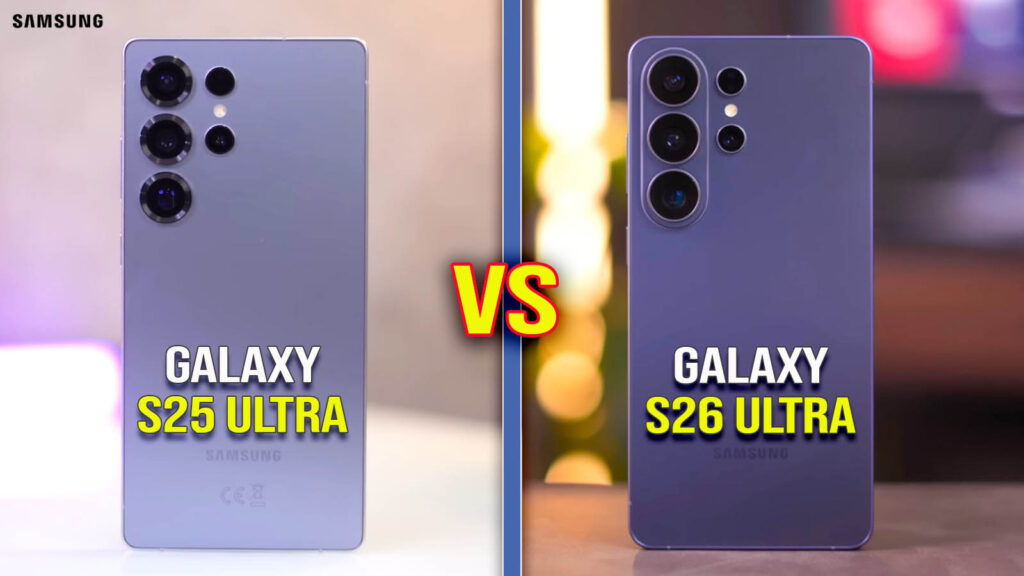
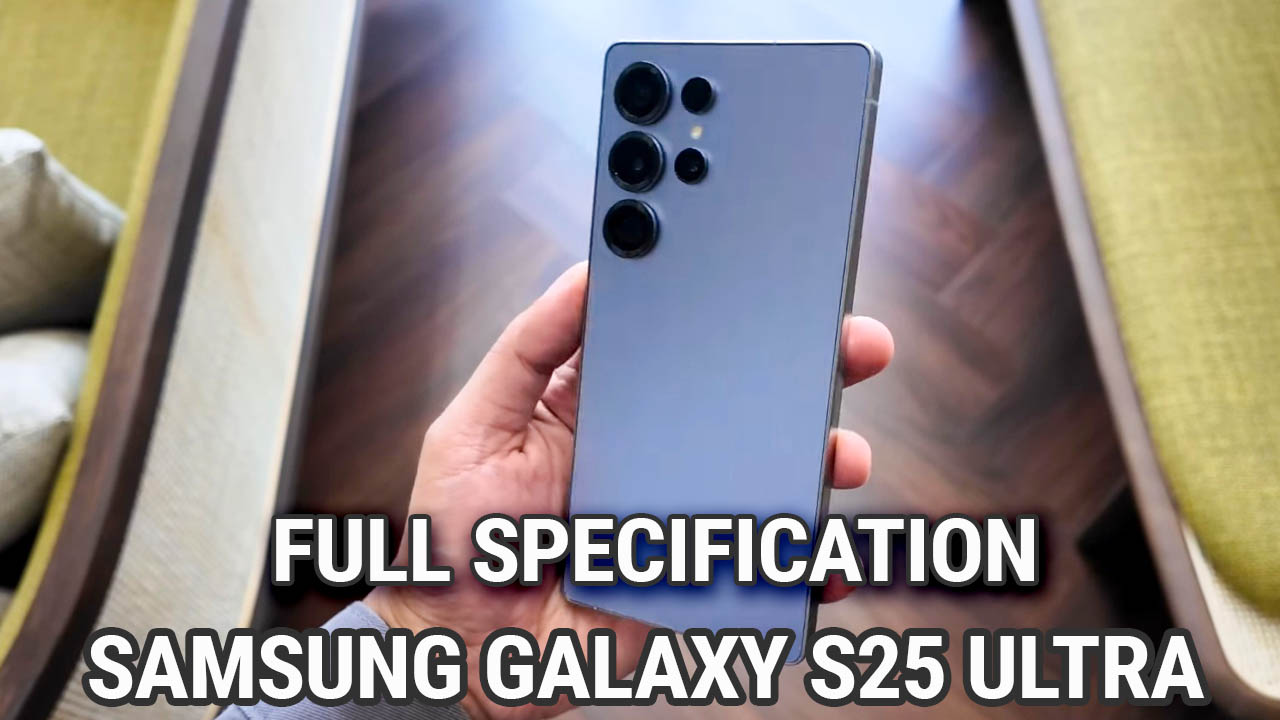
The Samsung Galaxy S26 Ultra and the Samsung Galaxy S25 Ultra are the crown jewels of the Android world, consistently setting the bar for what a premium flagship should be. Both devices are designed for power users who demand the best in mobile photography, high-end gaming, and productivity tools like the S Pen.
This comparison is crafted for tech enthusiasts, long-term Samsung loyalists, and prospective buyers who are deciding whether to invest in the latest 2026 model or save by picking up the still-mighty 2025 predecessor. You will learn about the critical hardware shifts—such as the transition to the Snapdragon 8 Elite Gen 5—the new ergonomic “rounded” design, and the breakthrough Privacy Display technology. By the end of this review, you’ll know exactly which Ultra fits your lifestyle and budget.
Quick Comparison Table
| Feature | Samsung Galaxy S25 Ultra | Samsung Galaxy S26 Ultra |
| Display | 6.8″ AMOLED (2,600 nits) | 6.9″ M14 OLED (3,000 nits) |
| Processor | Snapdragon 8 Elite | Snapdragon 8 Elite Gen 5 |
| RAM & Storage | 12GB; 256GB/512GB/1TB | 12GB/16GB; 256GB/512GB/1TB |
| Rear Camera | 200MP + 50MP + 10MP + 50MP | 200MP (f/1.4) + 50MP + 10MP + 50MP |
| Front Camera | 12MP | 12MP (Wider 85° FOV) |
| Battery | 5,000 mAh (45W Wired) | 5,000 mAh (60W Wired) |
| OS | Android 15 (One UI 8) | Android 16 (One UI 8.5) |
| Price | ~$1,199 (Current) | $1,299 (Launch) |
Design & Build Quality
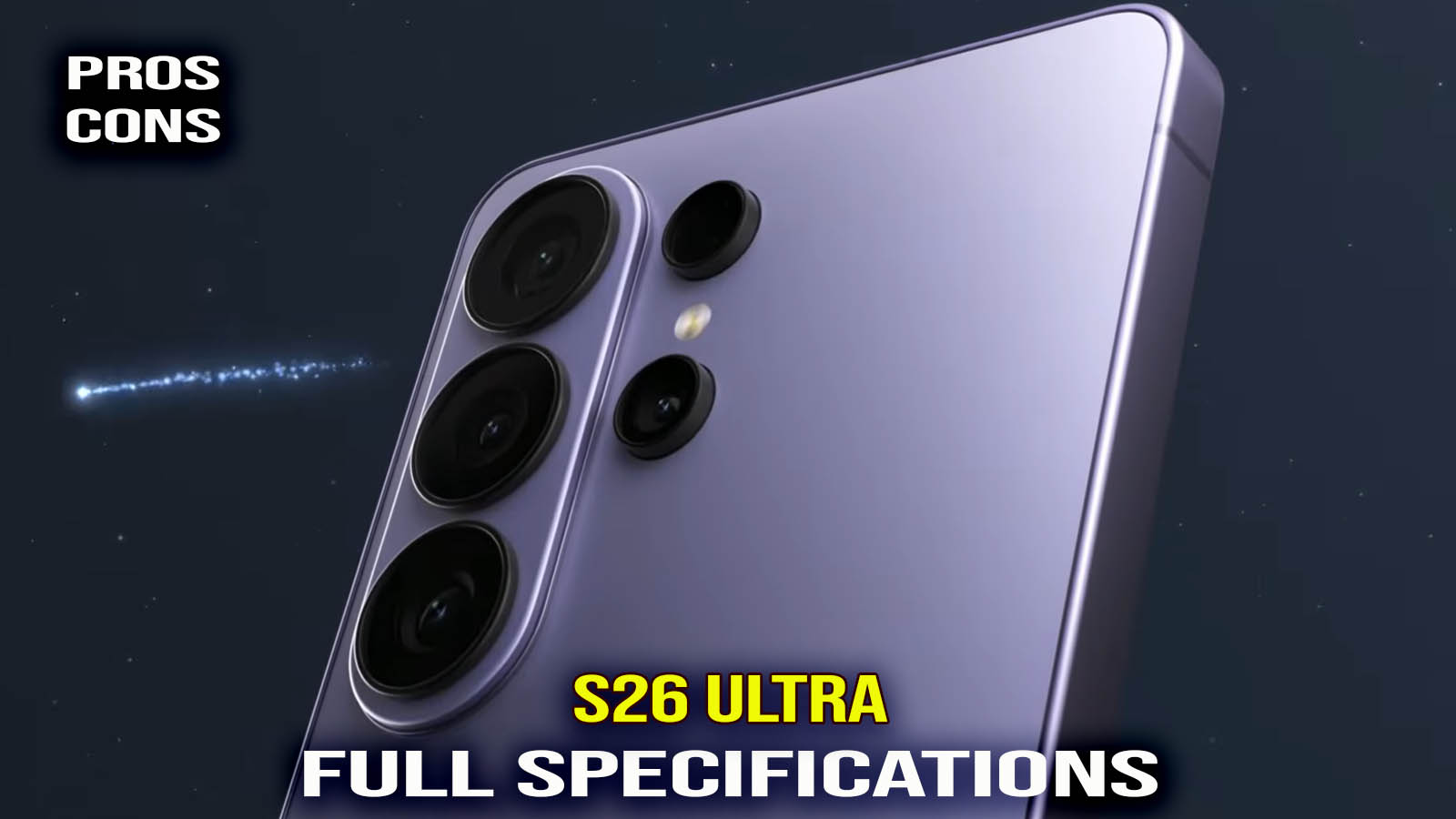
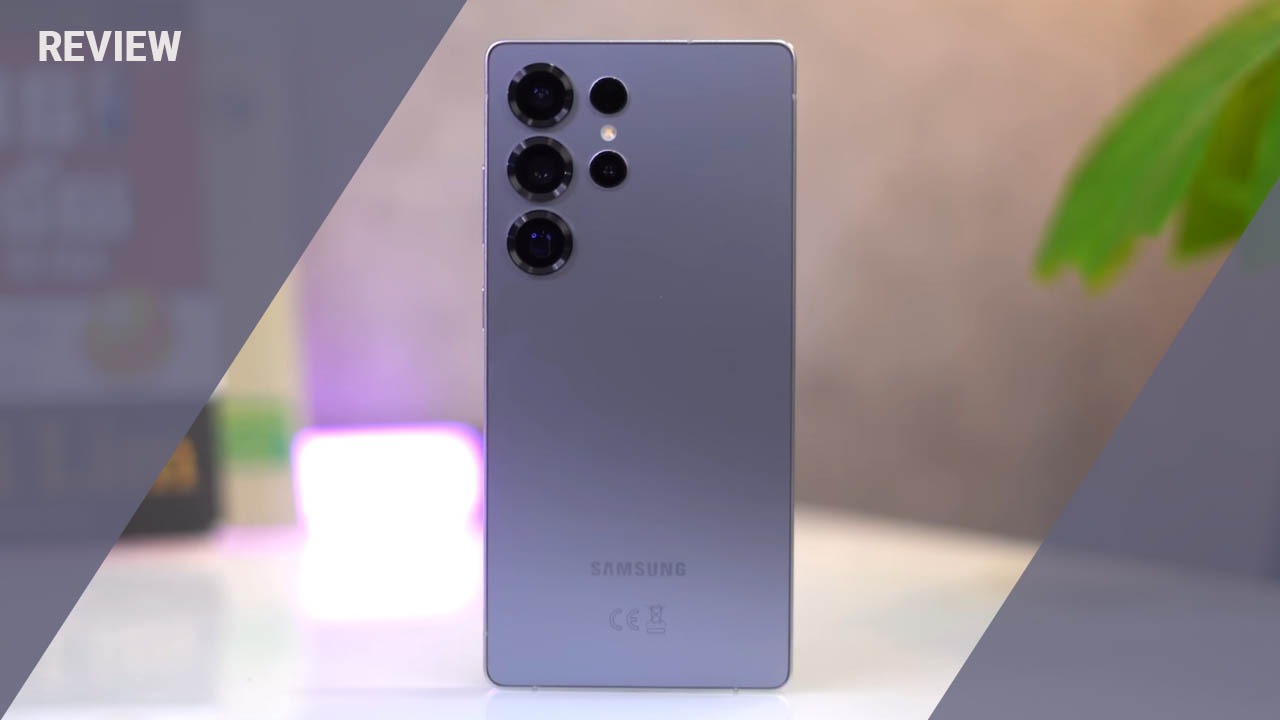
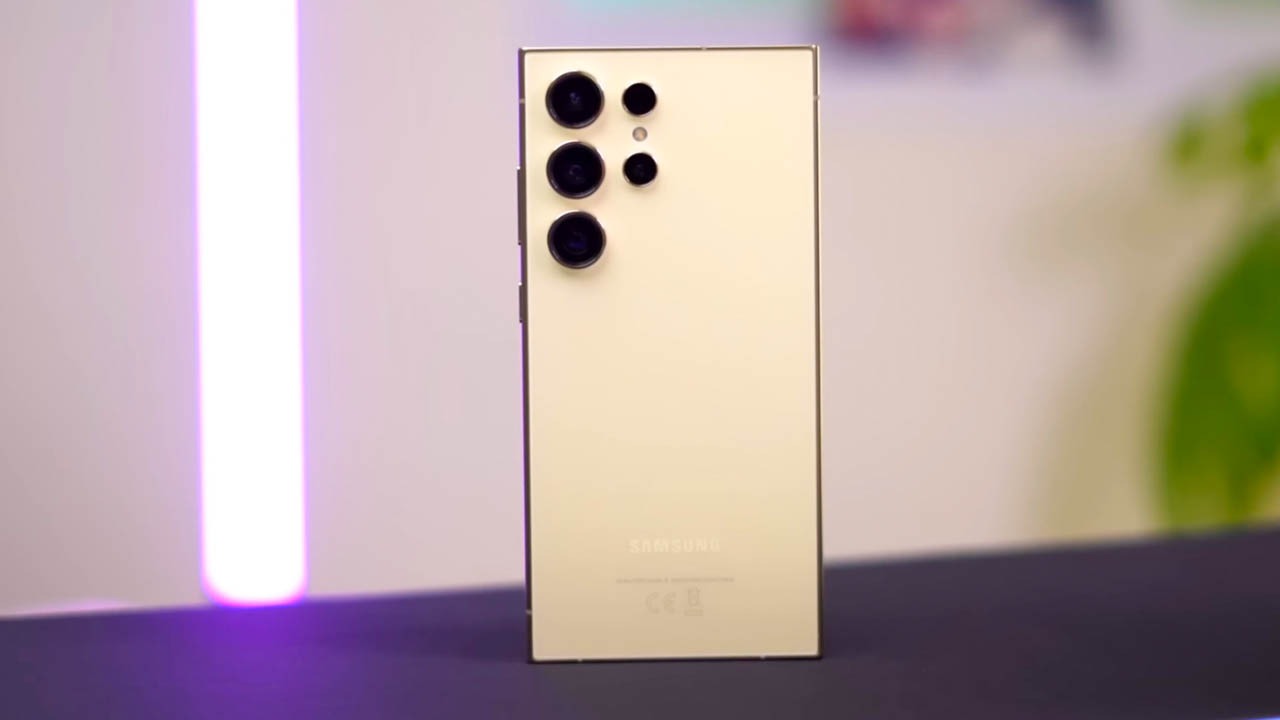
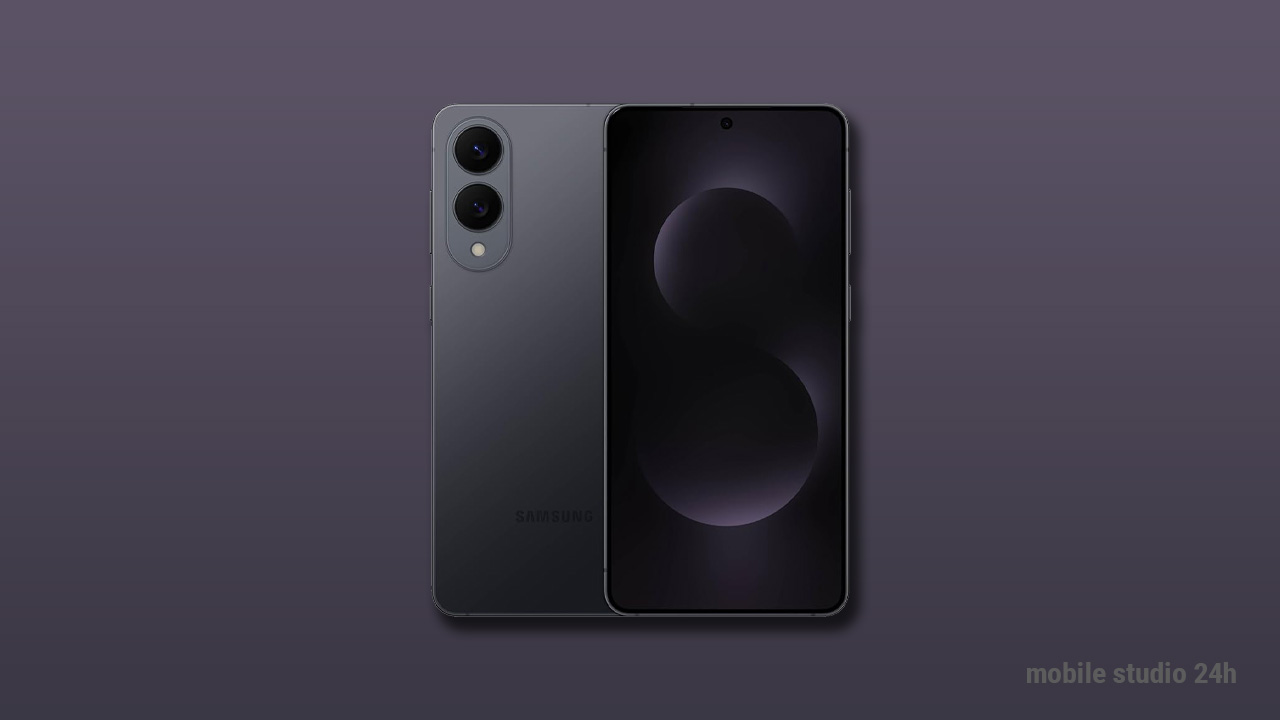
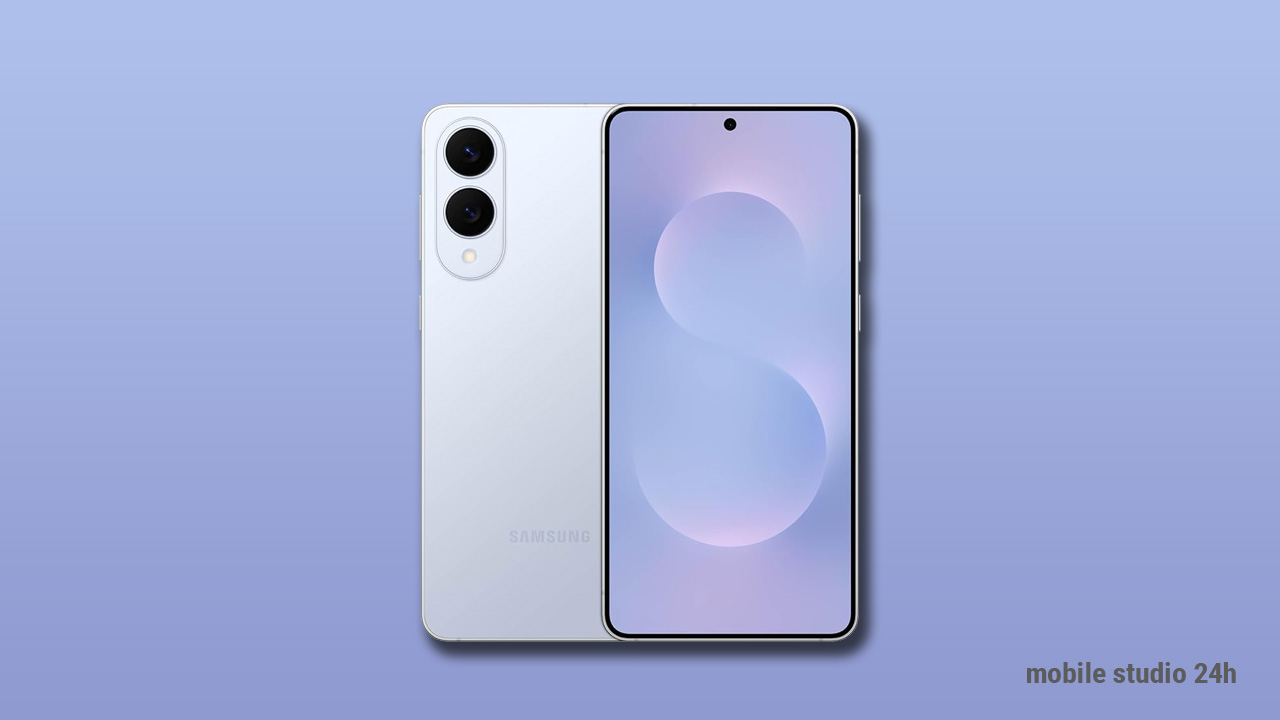
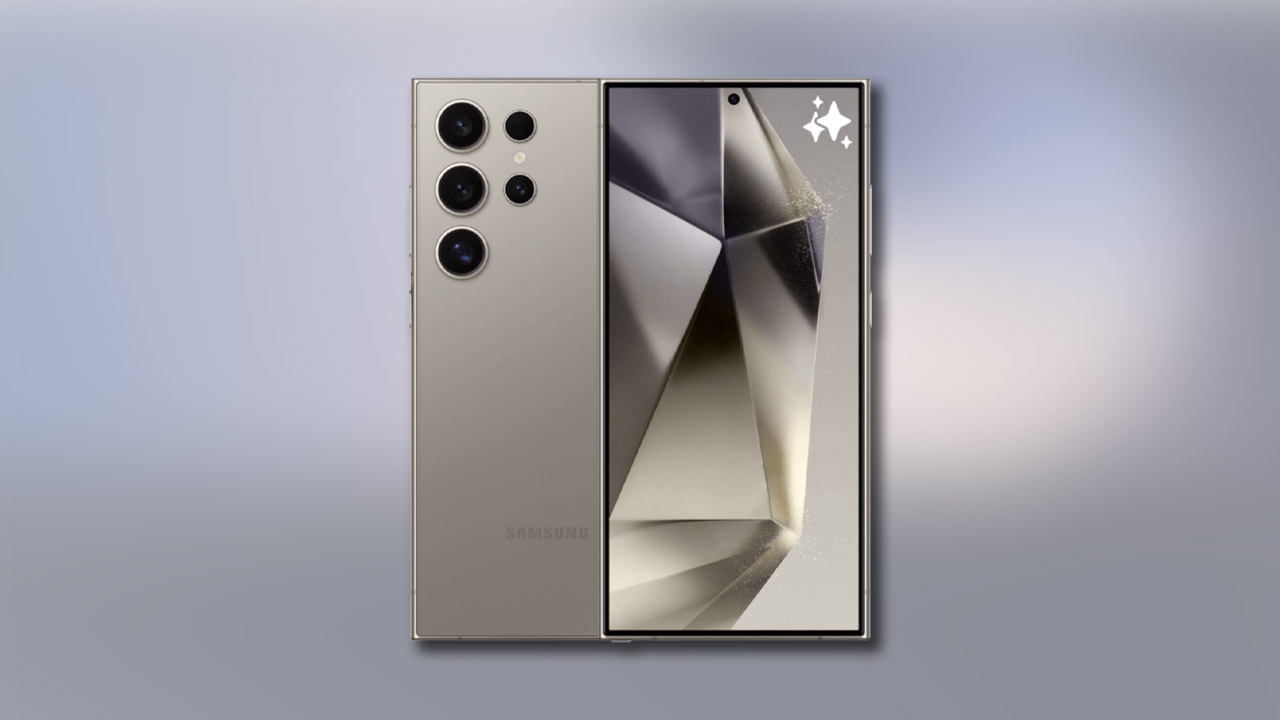
The S26 Ultra finally fixes the “sharp corner” complaint. By adopting more rounded corners, it is significantly more comfortable to hold than the boxy S25 Ultra. While the S25 Ultra used a titanium frame, the S26 Ultra transitions back to a high-grade aluminum to improve heat dissipation and reduce weight (214g vs 218g).
Samsung has made a significant pivot in ergonomics for 2026.
- Materials: Both use a Titanium frame and Gorilla Glass Armor, but the S26 Ultra introduces a slightly thinner profile (7.9mm vs 8.2mm).
- Weight & Comfort: The S25 Ultra is known for its “boxy” sharp corners which can dig into the palm. The S26 Ultra features rounded corners, making it significantly more comfortable to hold for long periods.+1
- Durability: Both carry an IP68 rating. However, the S26 Ultra uses a newer 3rd Gen anti-reflective coating that is even more scratch-resistant.
Conclusion: The S26 Ultra feels more modern and comfortable, while the S25 Ultra maintains that iconic, sharp Note-like aesthetic.
Display Comparison
The S26 Ultra features a slightly larger 6.9-inch M14 OLED panel that hits a blinding 3,000 nits, making it even better for outdoor use than the S25’s 2,600 nits. The standout addition is the “Zero-Peeking” Privacy Display, which uses software to limit side-viewing angles—a feature the S25 Ultra lacks.
The S26 Ultra pushes the limits of screen technology.
- Brightness: The S26 Ultra hits 3,000 nits, outshining the S25’s already impressive 2,600 nits.
- Privacy Display: A standout 2026 feature is the S26 Ultra’s built-in Privacy Display, which narrows viewing angles so people next to you see a black screen.
- Refresh Rate: The S25 Ultra tops out at 120Hz, while the S26 Ultra moves to a smoother 144Hz refresh rate, perfect for elite gaming.
Best for: The S26 Ultra is superior for Outdoor Visibility and Privacy, while both are world-class for Watching Videos.
Performance & Daily Usage
With the Snapdragon 8 Elite Gen 5 and up to 16GB of RAM, the S26 Ultra is roughly 25-30% faster in multitasking and AI processing than the S25 Ultra. In daily use, both are incredibly smooth, but the S26 Ultra handles heavy background tasks and complex AI-generated “Now Briefs” with less effort.
- Chipset: The S26 Ultra debuts the Snapdragon 8 Elite Gen 5 (3nm), providing a 30% boost in GPU performance over the S25 Ultra.
- Multitasking: With the option for 16GB of RAM on the S26 Ultra, heavy users will notice fewer app refreshes compared to the 12GB limit on the S25.
- UI Smoothness: One UI 8.5 on the S26 Ultra feels more fluid due to the 144Hz panel and improved AI-driven animations.
Gaming Performance
The S26 Ultra is the clear winner for gamers. It supports a 144Hz refresh rate (compared to 120Hz on the S25) and utilizes a larger internal vapor chamber. This allows it to run 2026’s most demanding titles at maximum settings with significantly less thermal throttling than the previous model.
- Tested Games: In titles like Genshin Impact and Warzone Mobile, the S26 Ultra maintains a stable 120/144 FPS with less thermal throttling thanks to a larger internal vapor chamber.
- Heat Control: The 3nm Gen 5 chip is more efficient, meaning the S26 Ultra stays cooler during hour-long sessions compared to the S25 Ultra.
Camera Comparison
The S26 Ultra keeps the 200MP sensor but upgrades to a wider f/1.4 aperture. This allows it to capture 50% more light than the S25 Ultra’s f/1.7 lens, resulting in much cleaner, brighter night photos and a more natural “bokeh” blur for portraits without relying solely on AI.
While both feature a 200MP main sensor, the S26 Ultra wins on Aperture.
- Daylight: Both take nearly identical, stunning photos.
- Low-Light: The S26 Ultra features a wider f/1.4 aperture (vs f/1.7 on the S25), allowing more light into the sensor for cleaner night shots with less noise.
- Zoom: Both offer incredible 100x Space Zoom, but the S26 Ultra has a refined periscope lens (f/2.9) for sharper 5x and 10x portraits.
Video Recording Comparison
The S26 Ultra is a powerhouse for content creators.
- Stabilization: Improved AI stabilization on the S26 Ultra makes walking-and-talking shots look like they were filmed on a gimbal.
- New Features: The S26 Ultra supports 4K @ 120fps more reliably for stunning slow-motion footage, which is a slight edge over the S25 Ultra.
Battery Life & Charging
Both phones use a 5,000 mAh battery, but the S26 Ultra finally upgrades to 60W wired charging, reaching a 75% charge in just 30 minutes. The S25 Ultra remains at 45W. Wireless charging also sees a bump to 25W (Qi2-ready) on the newer model, making it more compatible with magnetic accessories.
- Capacity: Both stay at 5,000 mAh.
- Charging Speed: The S25 Ultra is stuck at 45W. The S26 Ultra finally jumps to 60W Wired Charging, taking you from 0-70% in about 30 minutes.+1
- Wireless: The S26 Ultra supports 25W wireless charging, a decent bump from the S25’s 15W.
Software & Features
The S26 Ultra debuts with One UI 8.5, featuring a Perplexity AI-powered Bixby and a “Private Album” that hides content behind biometric locks. While the S25 Ultra will receive many of these AI features via updates, the S26 Ultra has the hardware-level “Privacy Display” that software alone can’t replicate.
Both phones are committed to 7 years of updates.
- AI: The S26 Ultra introduces One UI 8.5 with advanced “Privacy Tools” and improved “Photo Assist” AI.
- S Pen: Both include the integrated S Pen, but the S26 Ultra features improved latency for an even more “pen-on-paper” feel.
Connectivity
The S26 Ultra is future-proofed with Wi-Fi 7 (6GHz) and Bluetooth 6.0 support. It also features improved 5G modem efficiency, which helps maintain a stable signal in weak areas compared to the S25 Ultra’s slightly older X80 modem.
Pros and Cons
- Pros: 3,000-nit Privacy Display; 60W Fast Charging; Rounded comfortable edges; 144Hz Refresh Rate.
- Cons: High launch price; Minimal battery capacity increase.
- Pros: Much cheaper in 2026; Best-in-class zoom for the price; Still gets 6 more years of updates.
- Cons: Sharp corners can be uncomfortable; “Slow” 45W charging.
Price & Value for Money
The S26 Ultra starts at $1,299. Meanwhile, you can often find the S25 Ultra for under $950 in 2026. If you don’t need the 144Hz screen or faster charging, the S25 Ultra offers significantly better value for the average user.
Which One Should You Buy?
Buy the Galaxy S26 Ultra if:
- You find the sharp corners of previous Ultras uncomfortable.
- You travel often and want the “Privacy Display” for security.
- You want the fastest 60W charging Samsung offers.
Buy the Galaxy S25 Ultra if:
- You want a flagship experience but want to save $300+.
- You prefer the “boxy” Note-style design.
- You are coming from an older S21 or S22 and want a massive upgrade without the 2026 price tag.
Final Verdict
The Samsung Galaxy S26 Ultra is the better overall phone, specifically solving the ergonomic and charging complaints of its predecessor. However, the S25 Ultra remains the “Value King” of 2026, offering 90% of the same performance for a much lower price.
- Best Overall: S26 Ultra
- Best for Gaming: S26 Ultra (144Hz)
- Best Value: S25 Ultra
FAQs
Which phone has the better camera?
The S26 Ultra, due to its wider f/1.4 aperture which performs significantly better in low-light/night conditions.
Which phone is better for gaming?
The S26 Ultra. The 144Hz display and Snapdragon 8 Elite Gen 5 provide a noticeable edge in FPS stability.
Is the S26 Ultra worth the upgrade from the S25 Ultra?
Only if you value the rounded design and faster 60W charging. For most, the S25 Ultra is still powerful enough.
Which phone is better for students?
The S25 Ultra. It has the same S Pen functionality for note-taking but at a much more accessible price point.
Disclaimer
Disclaimer: This comparison is based on technical specifications, market research, and real-world user feedback as of February 2026. Actual performance and pricing may vary based on your region and future software updates.

1 comment on “Samsung Galaxy S26 Ultra vs S25 Ultra: Is the Upgrade Actually Worth $1,299?”