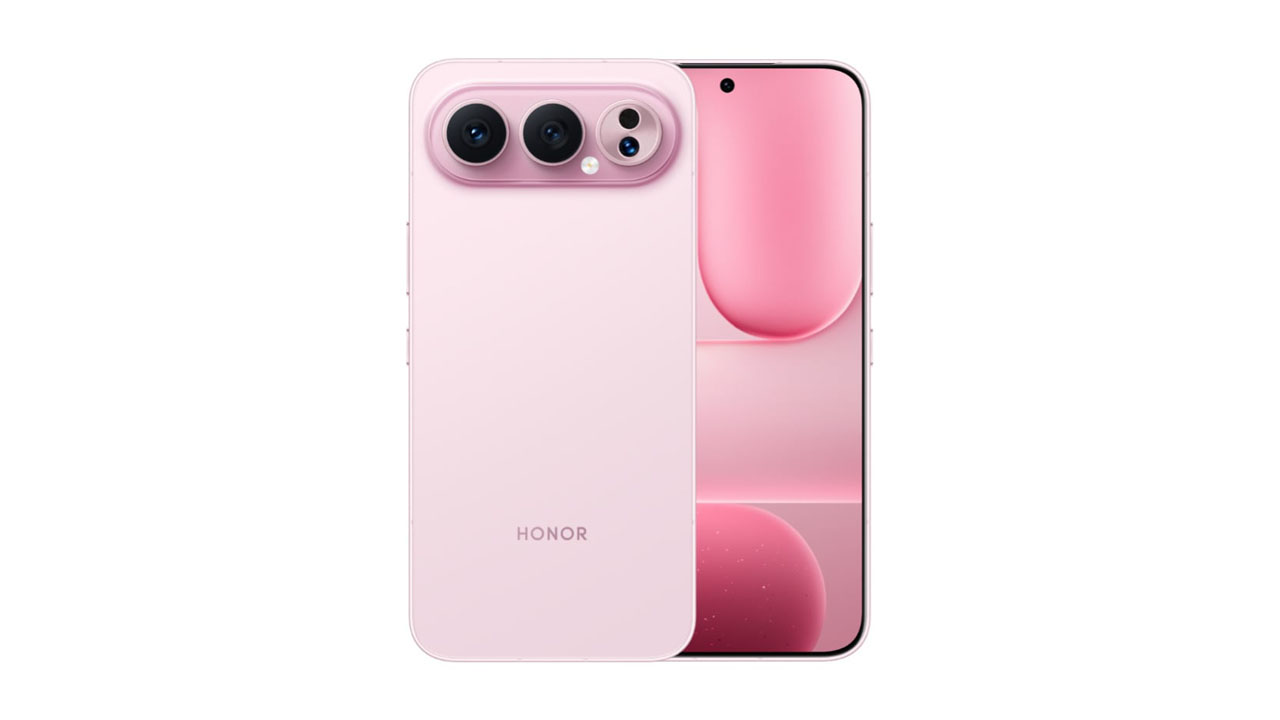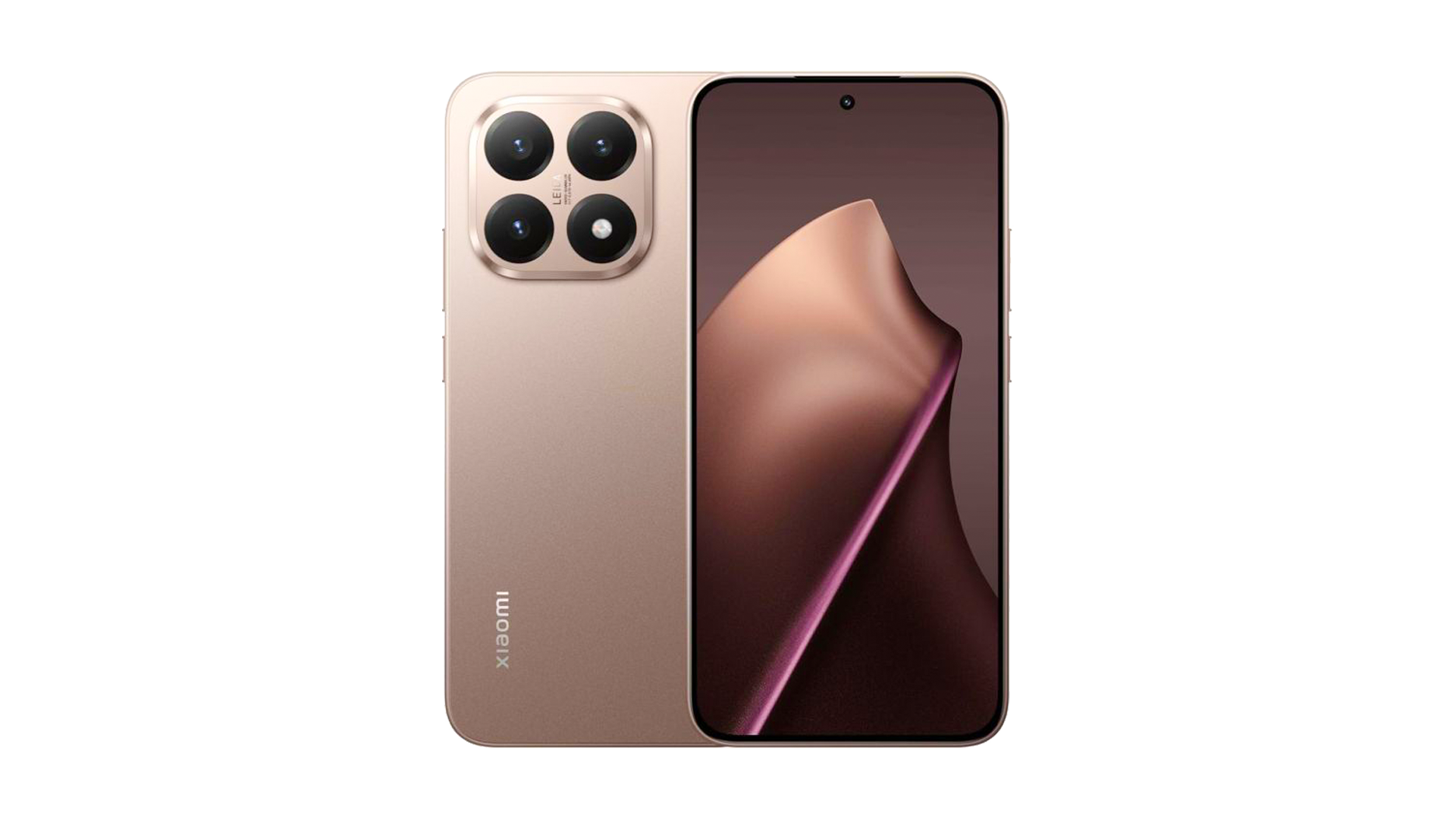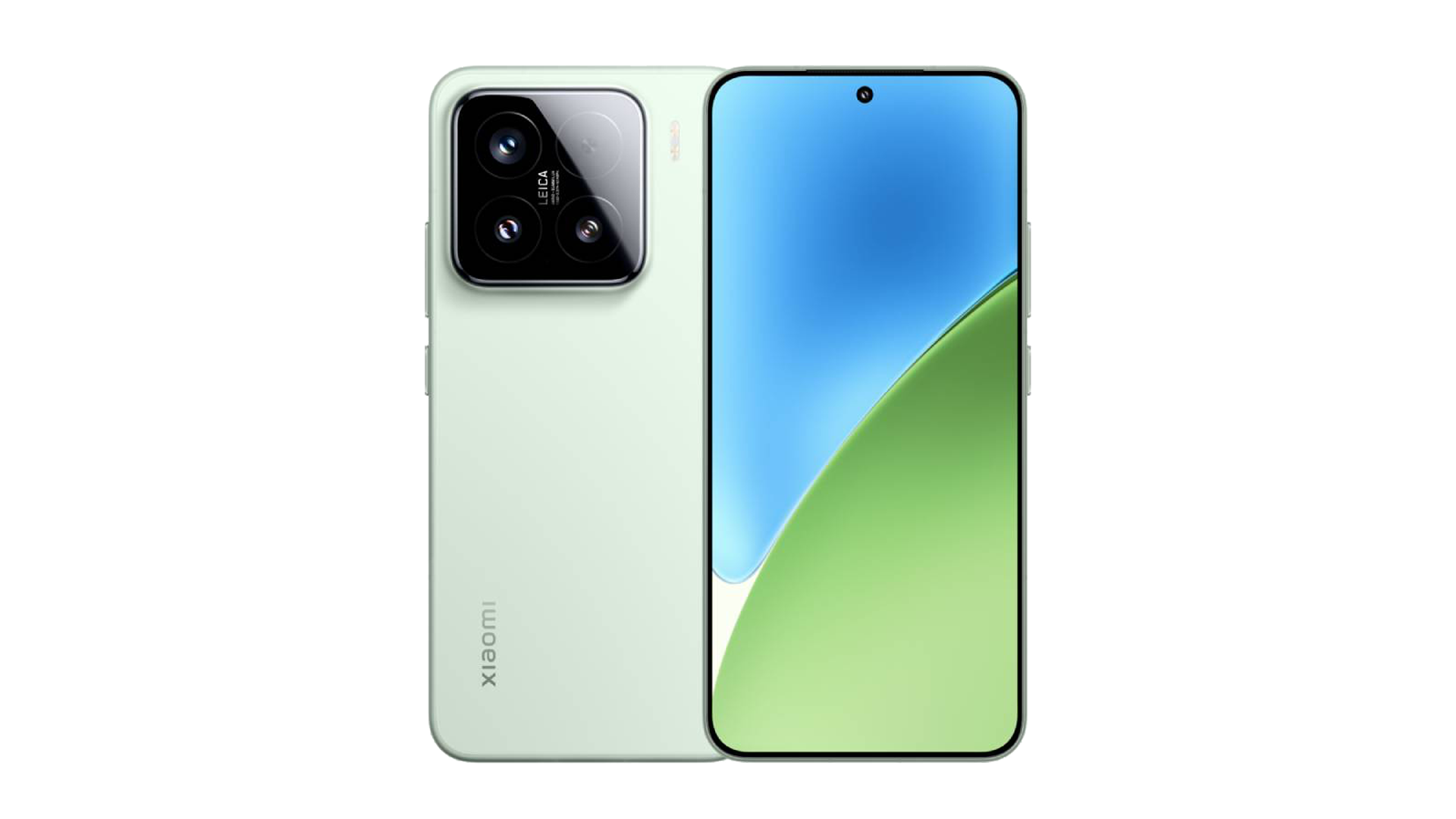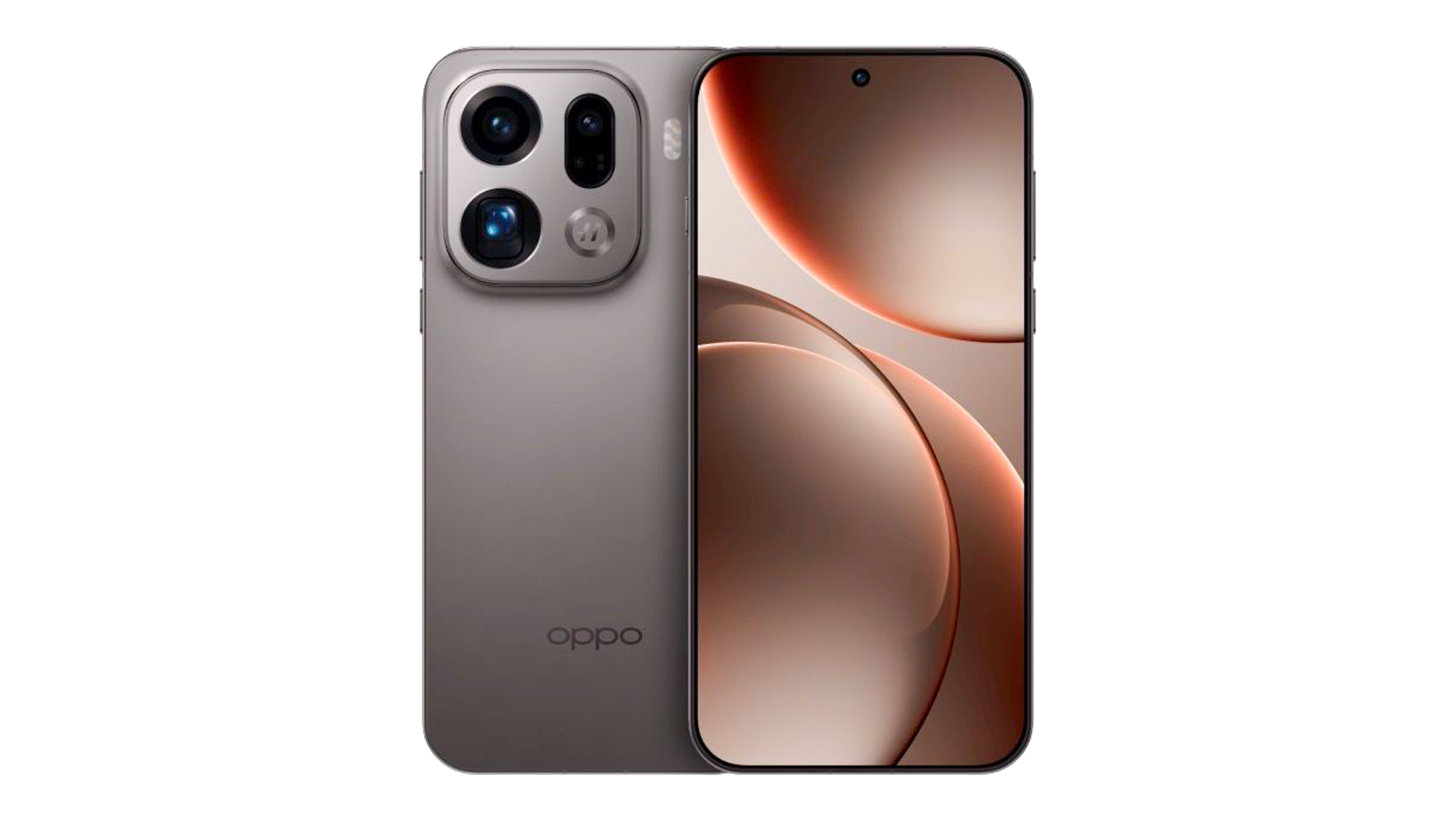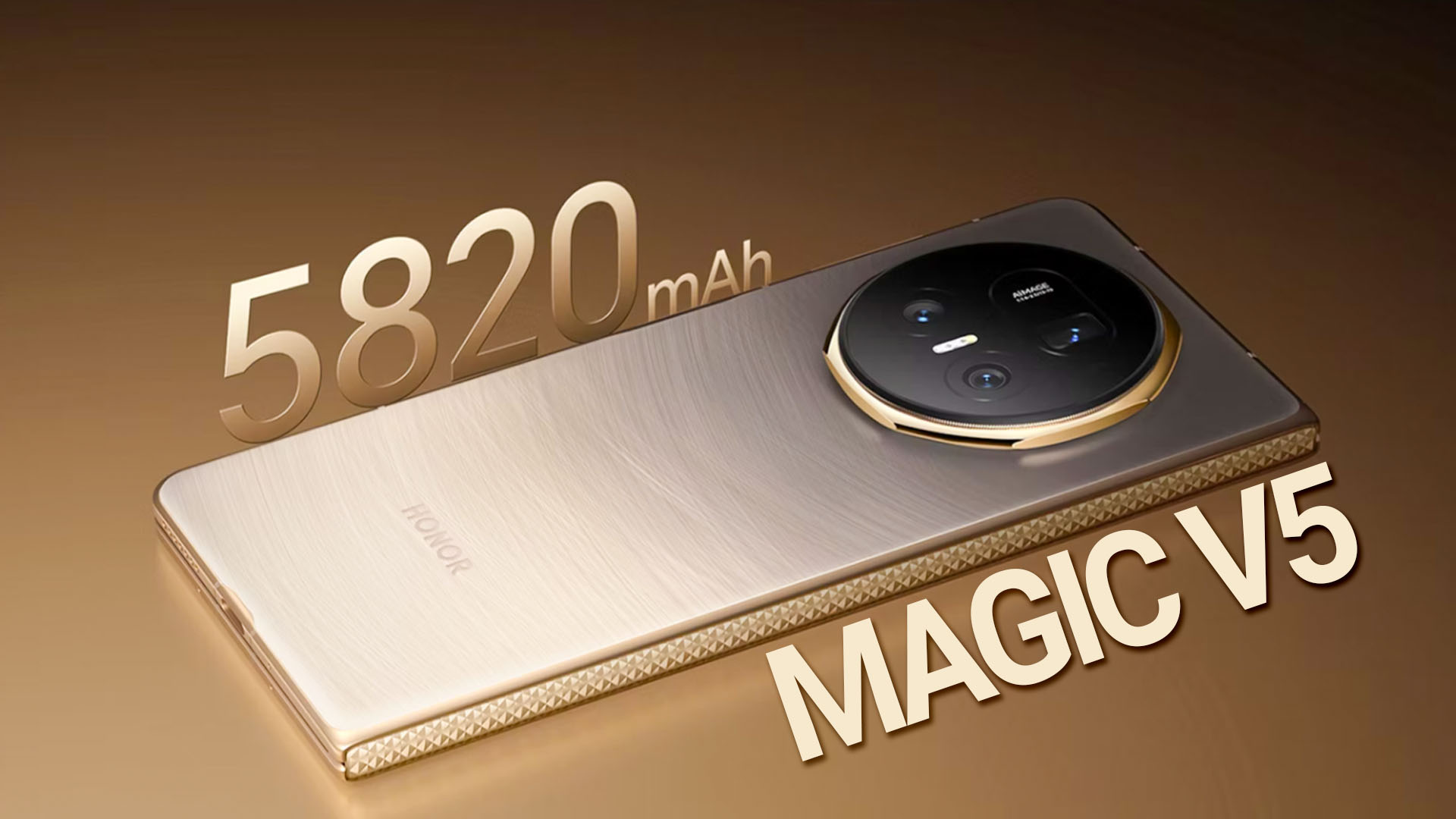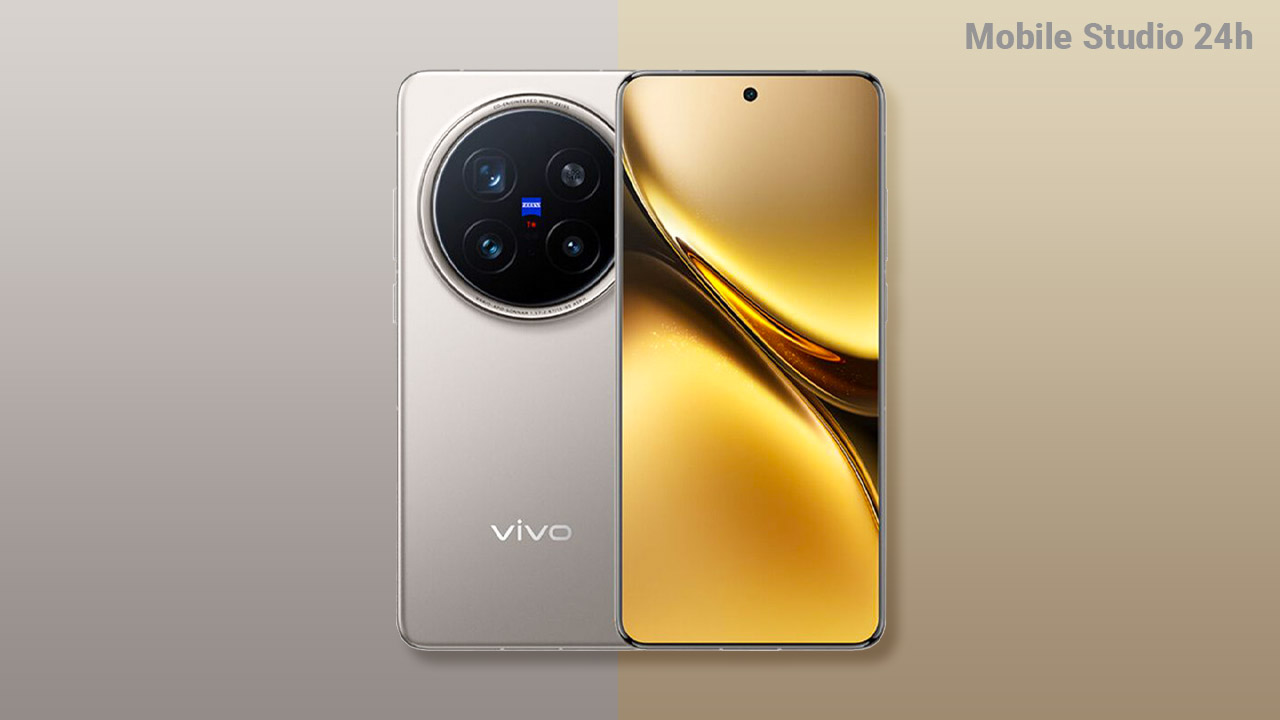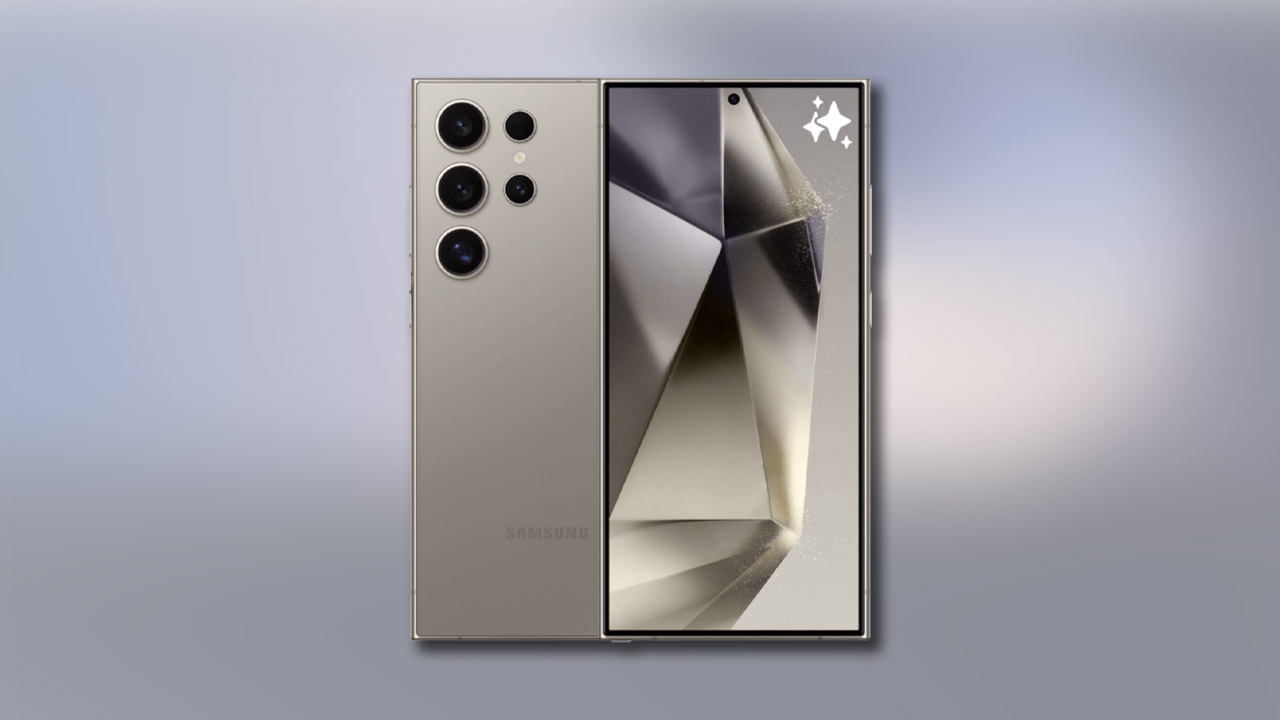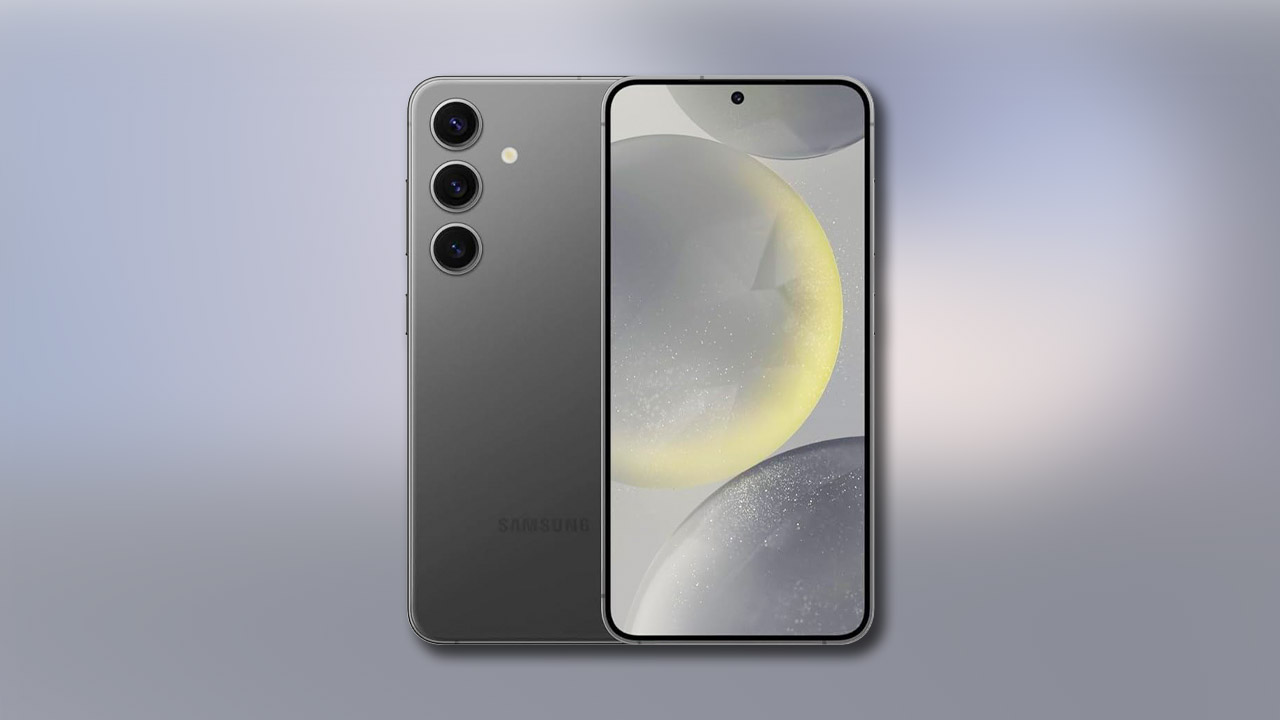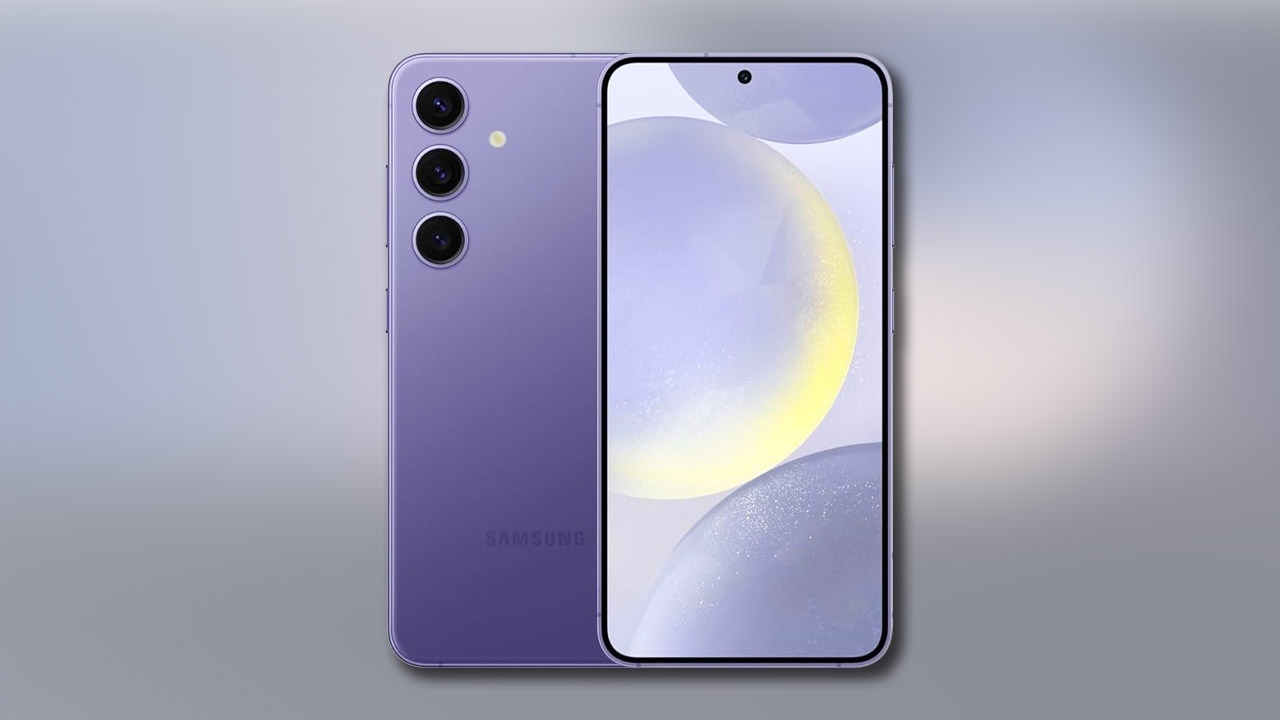
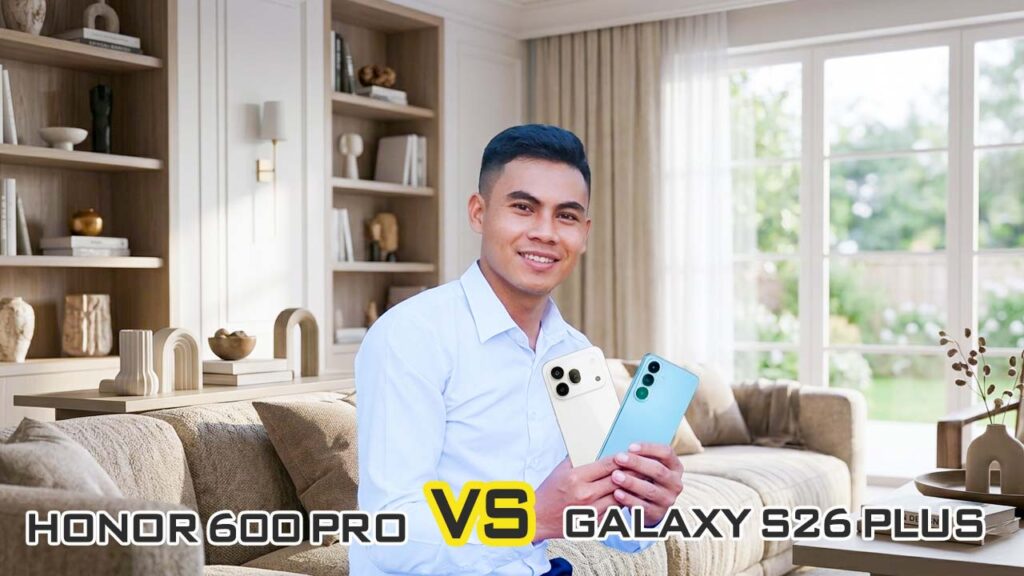
Samsung Galaxy S26 Plus vs Honor 600 Pro, The premium smartphone landscape of 2026 has brought forward two of the most heavily discussed upper-tier flagships of the year: the newly refined Samsung Galaxy S26 Plus and the incredibly ambitious Honor 600 Pro. As users look to invest their hard-earned money into a device that will comfortably cruise through the next several years, choosing between these two execution styles can feel daunting. This comprehensive comparison guide is designed for tech enthusiasts, daily power users, mobile photographers, and standard consumers alike who are torn between Samsung’s ecosystem cohesion and Honor’s raw spec sheet disruption. By reading through to the end, you will learn exactly how their real-world displays, performance under thermal pressure, camera versatility, and massive battery disparities stack up, giving you total clarity on which smartphone deserves a spot in your pocket.
Quick Comparison Table
| Feature | Samsung Galaxy S26 Plus | Honor 600 Pro |
| Display | 6.7″ Dynamic LTPO AMOLED 2X, 120Hz, 1440×3120 px | 6.57″ AMOLED, LTPS 120Hz, 1264×2728 px |
| Processor | Exynos 2600 (ROW) / Snapdragon 8 Elite Gen 5 (US) | Qualcomm Snapdragon 8 Elite |
| RAM & Storage | 12GB RAM | 256GB / 512GB (UFS 4.0) | 12GB or 16GB RAM | 256GB / 512GB / 1TB |
| Rear Camera | 50MP Main (OIS) + 10MP Telephoto (3x) + 12MP Ultrawide | 200MP Main (OIS) + 50MP Telephoto (3.5x) + 12MP Ultrawide |
| Front Camera | 12MP (Dual Pixel PDAF) | 50MP (f/2.0, 4K video) |
| Battery & Charging | 4900mAh | 45W Wired, 20W Wireless | 7000mAh (Global) | 80W Wired, 50W Wireless |
| OS / Software | Android 16 with One UI 8.5 (7 Major Updates) | Android 16 with MagicOS 10 (6 Major Updates) |
| Starting Price | $999.00 / €793.00 | $929.00 / £629.00 |
Design & Build Quality
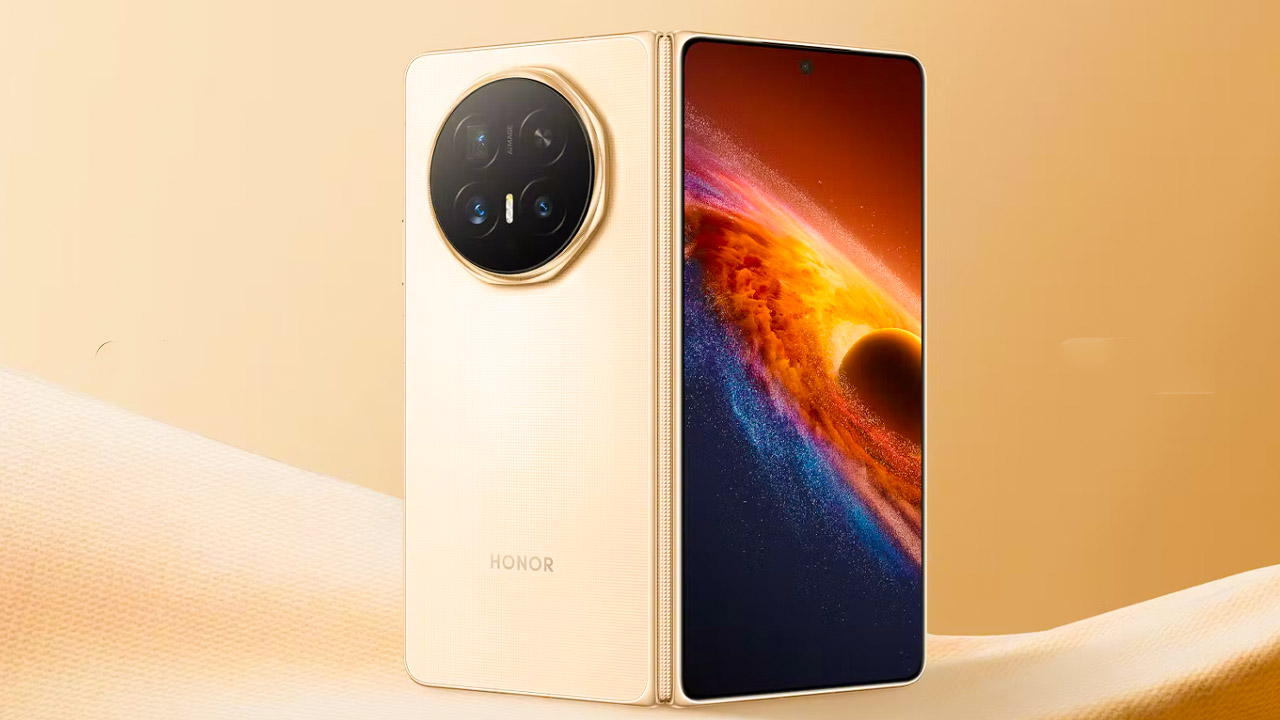
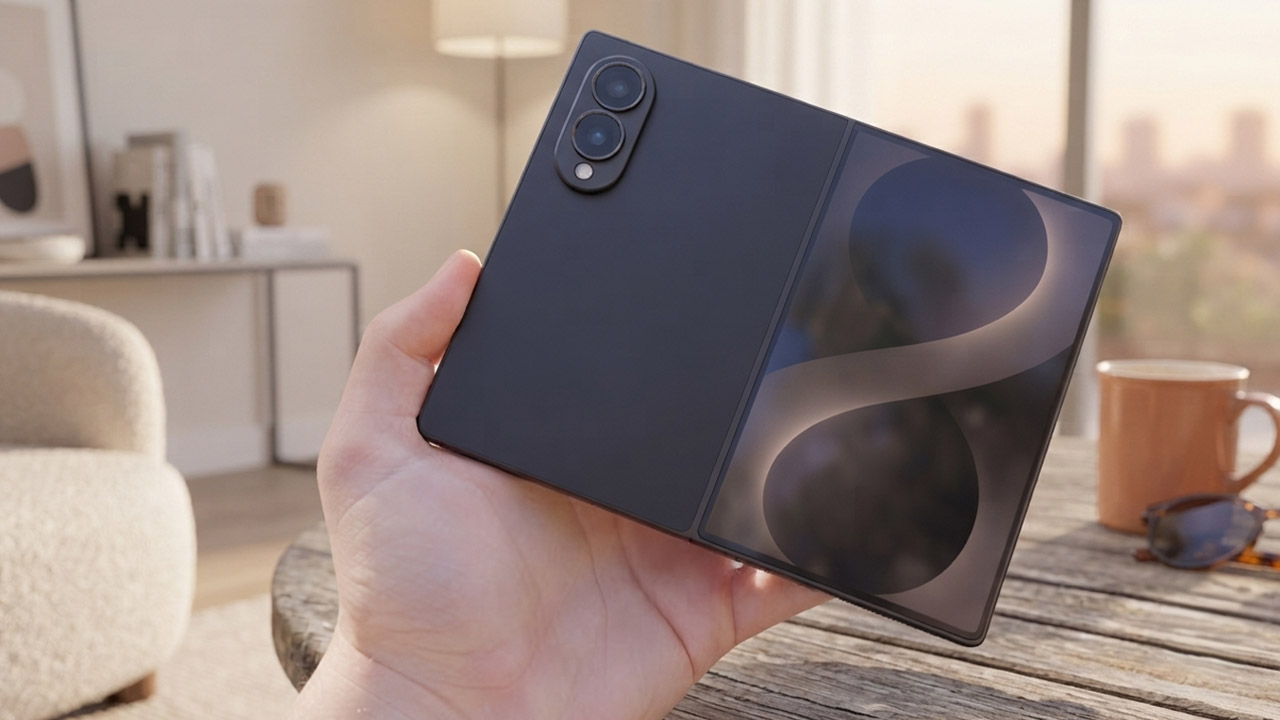
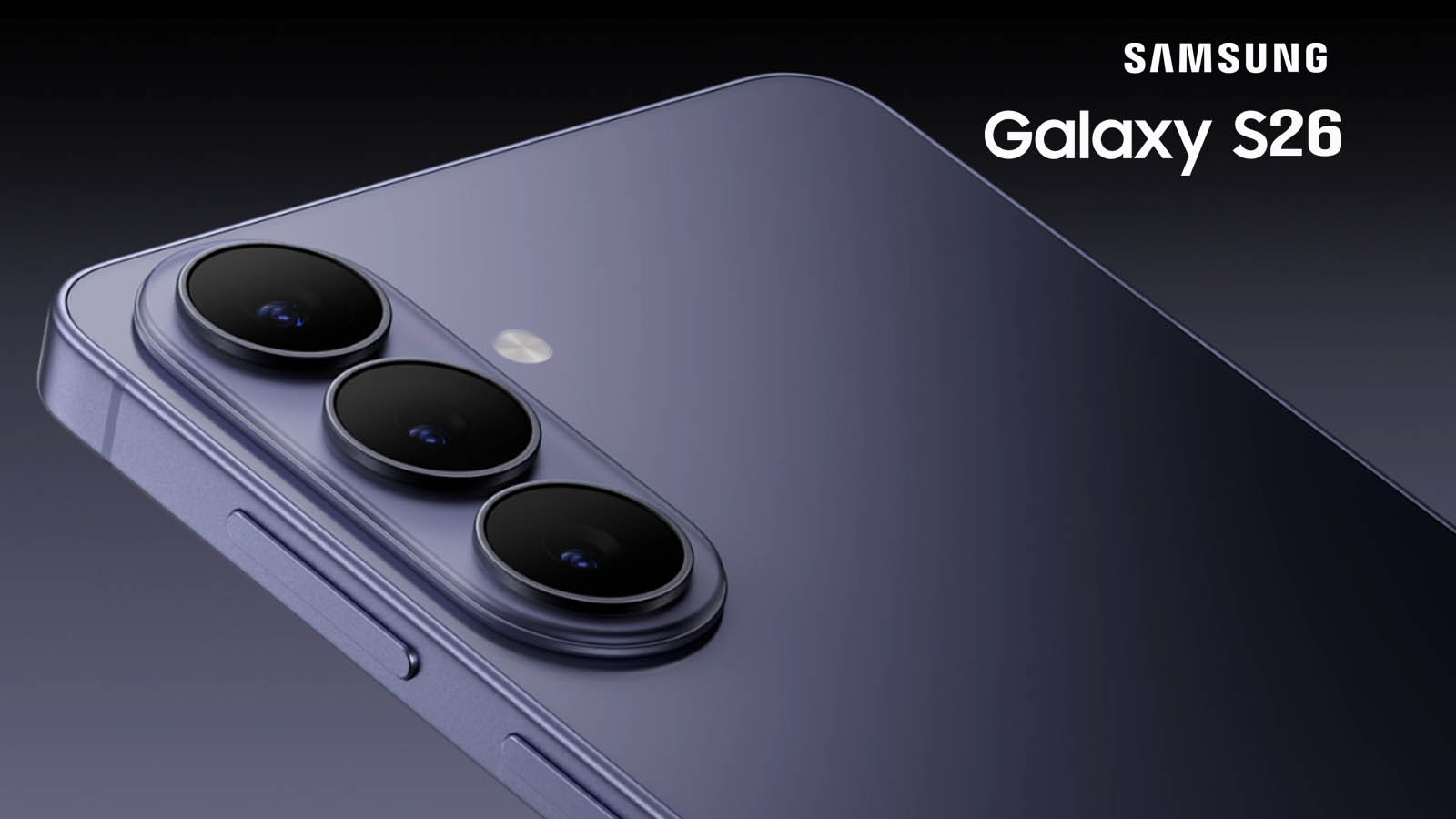
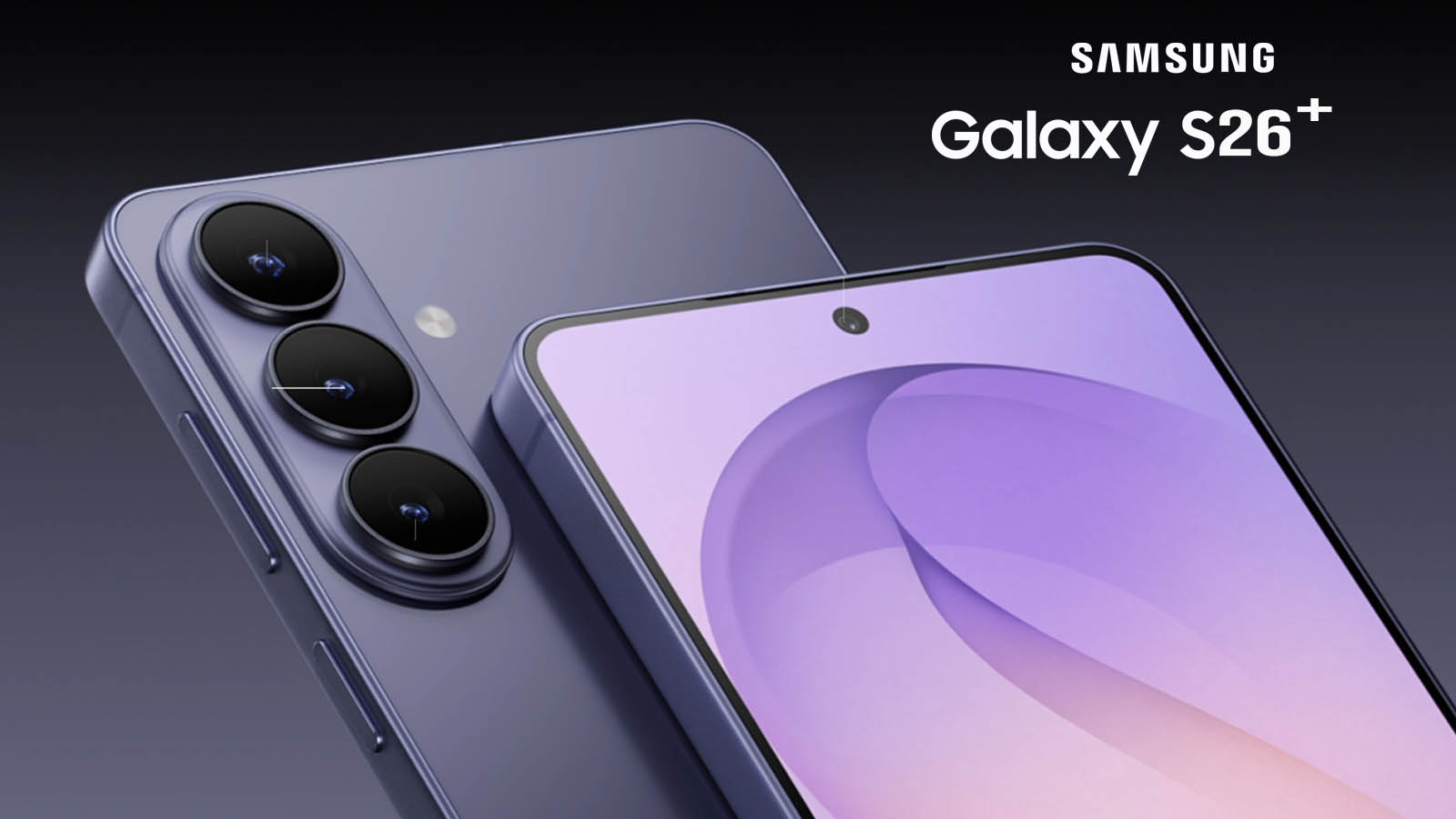
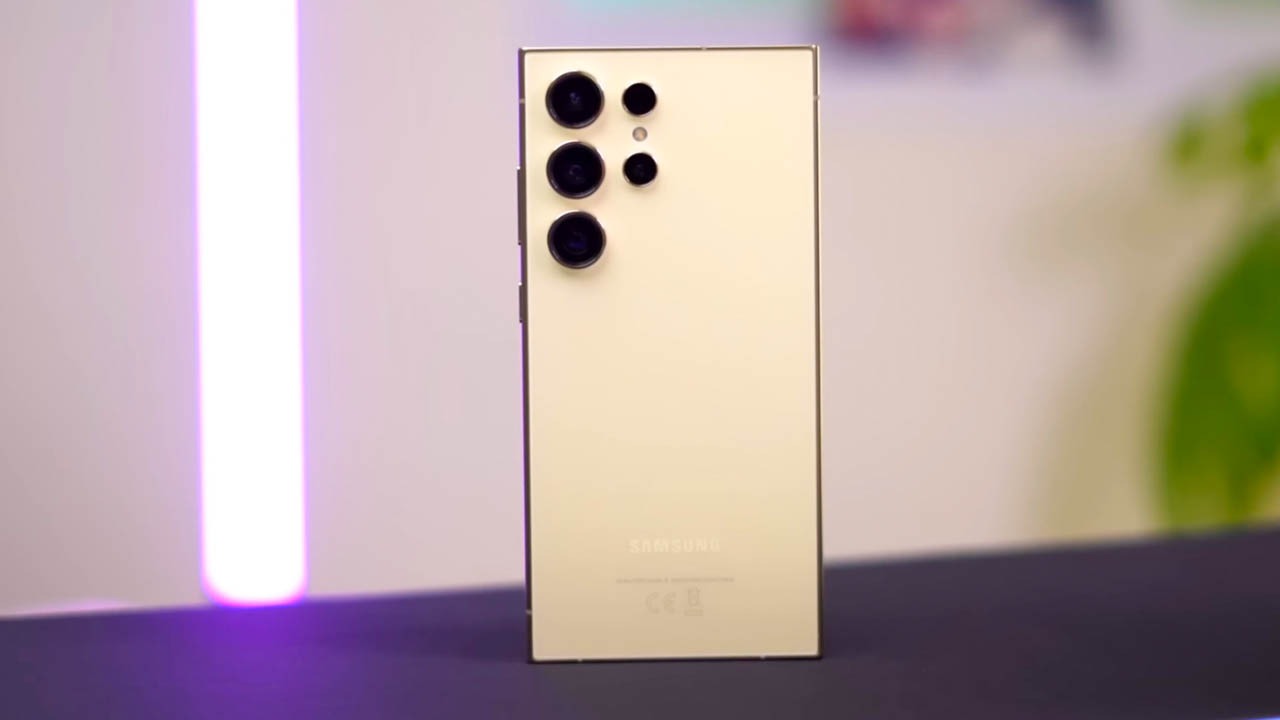
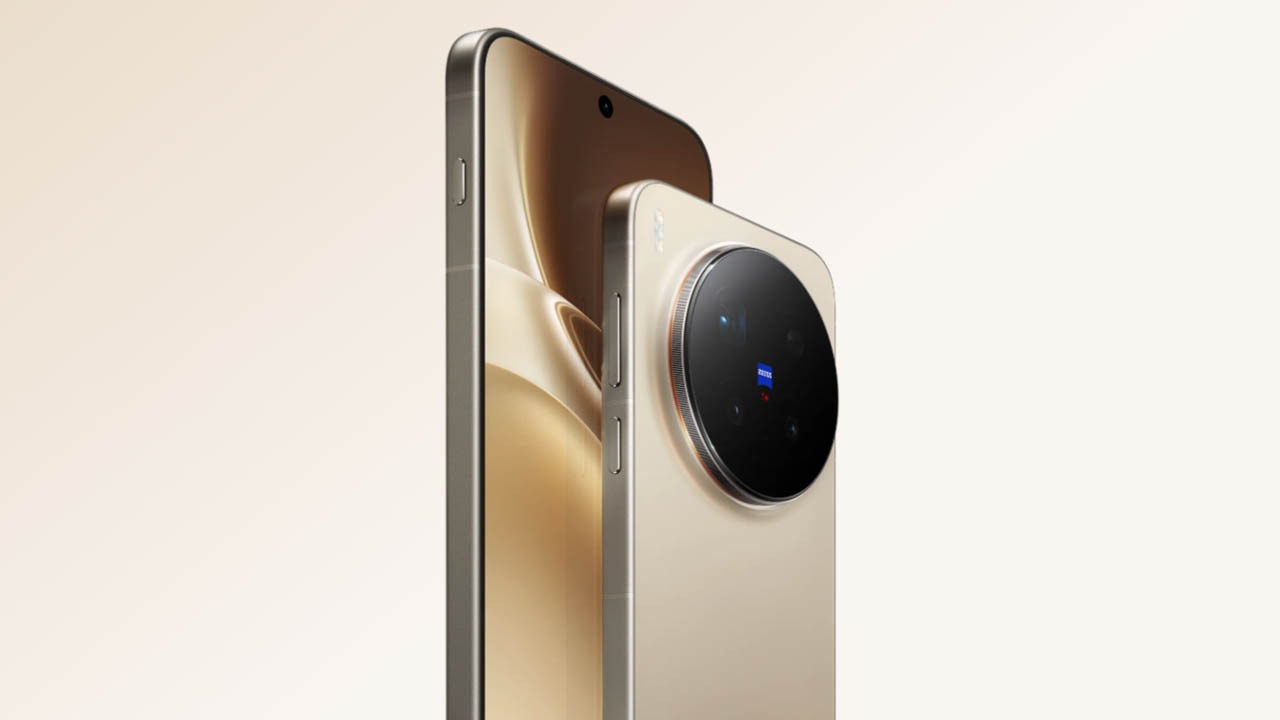
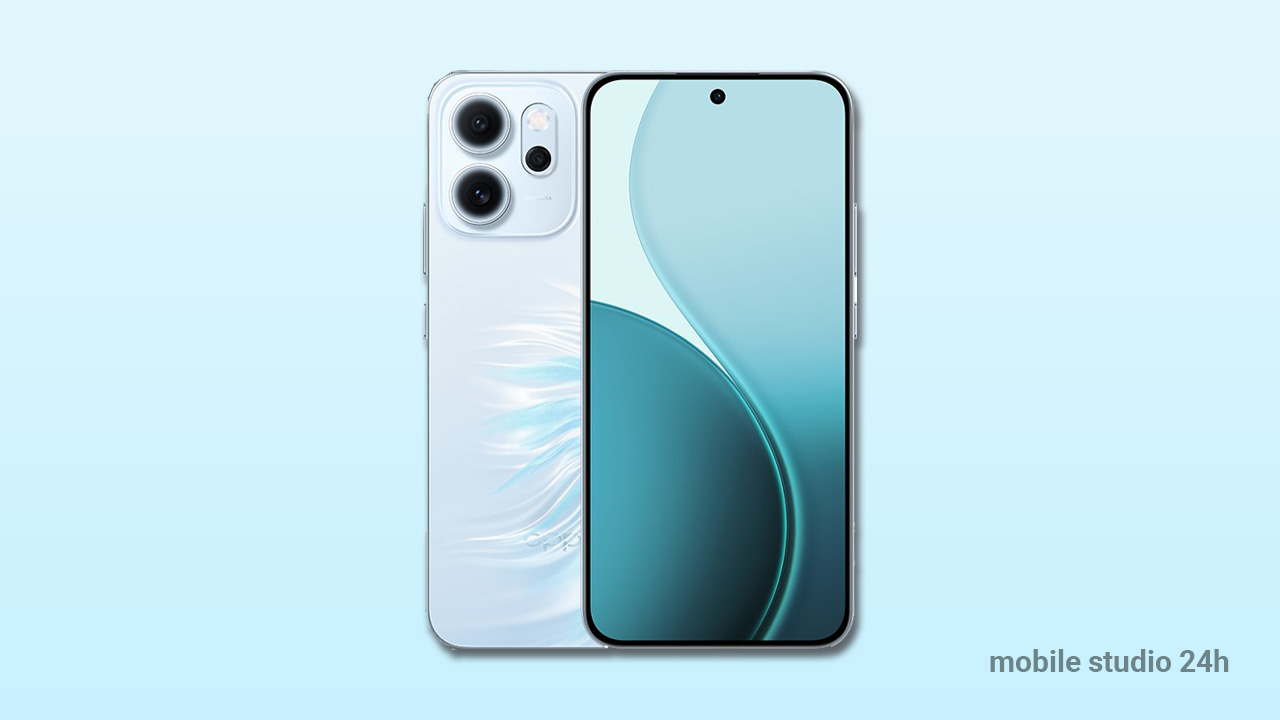
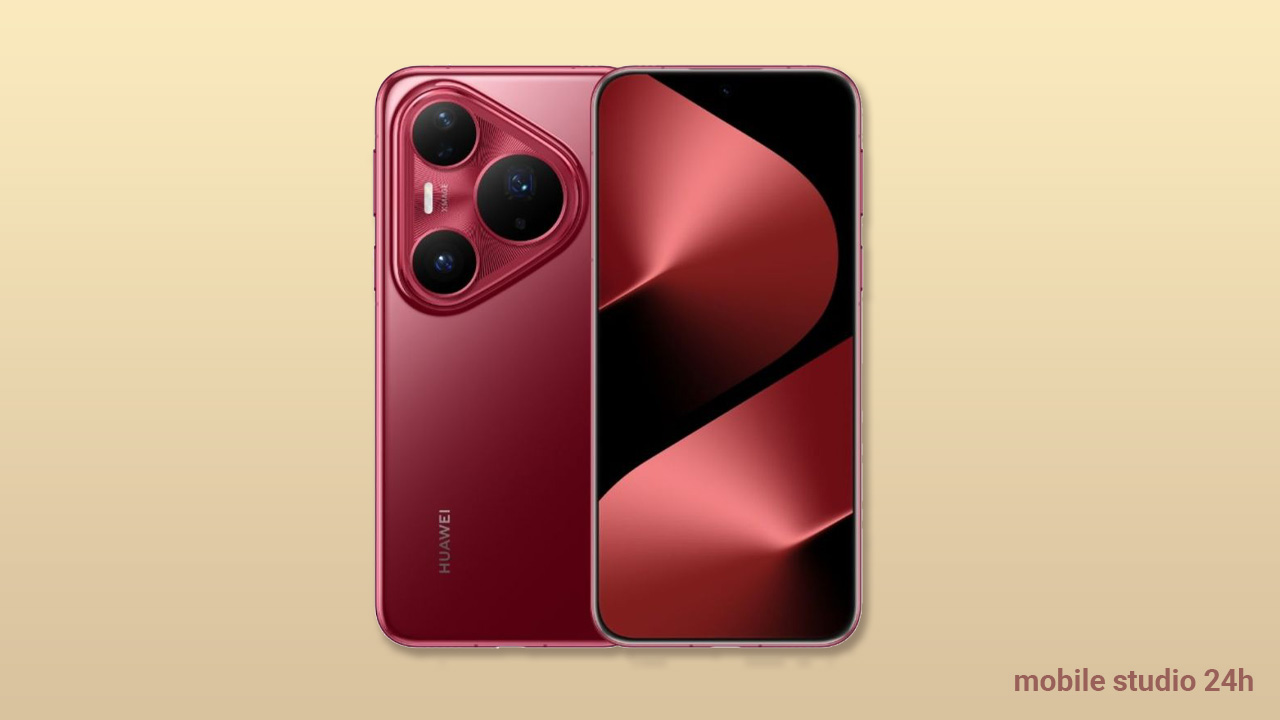
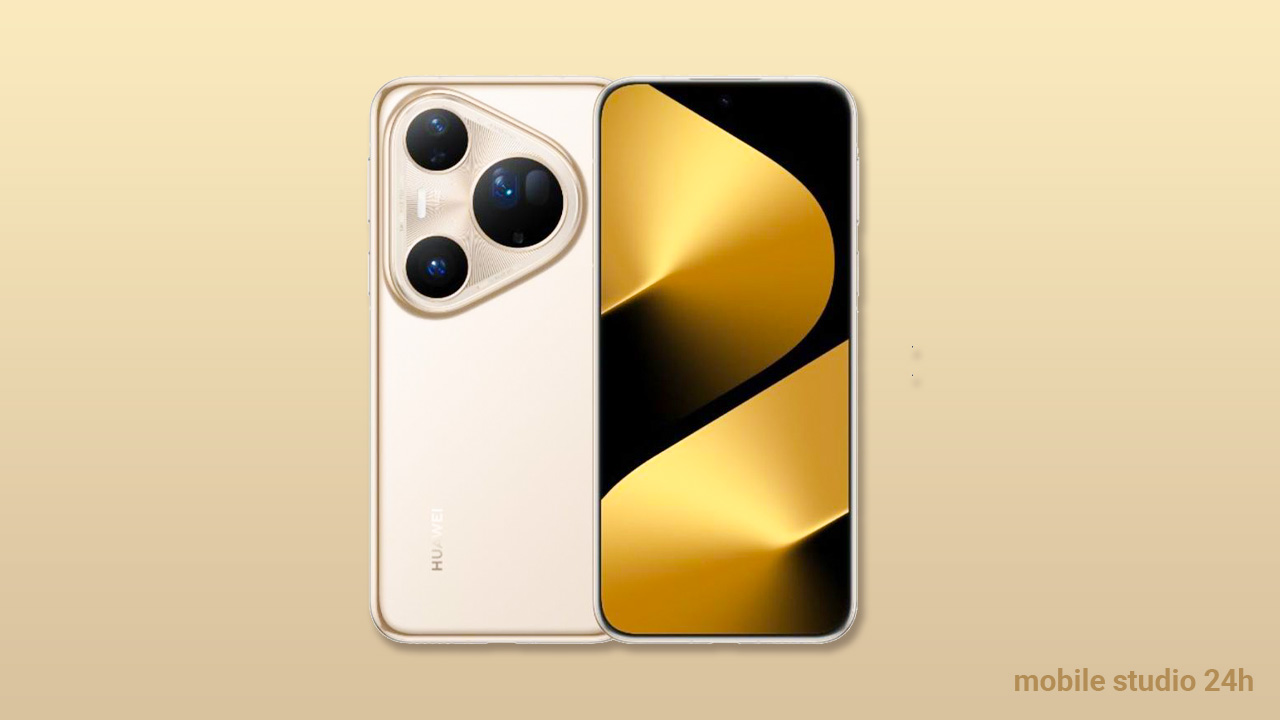
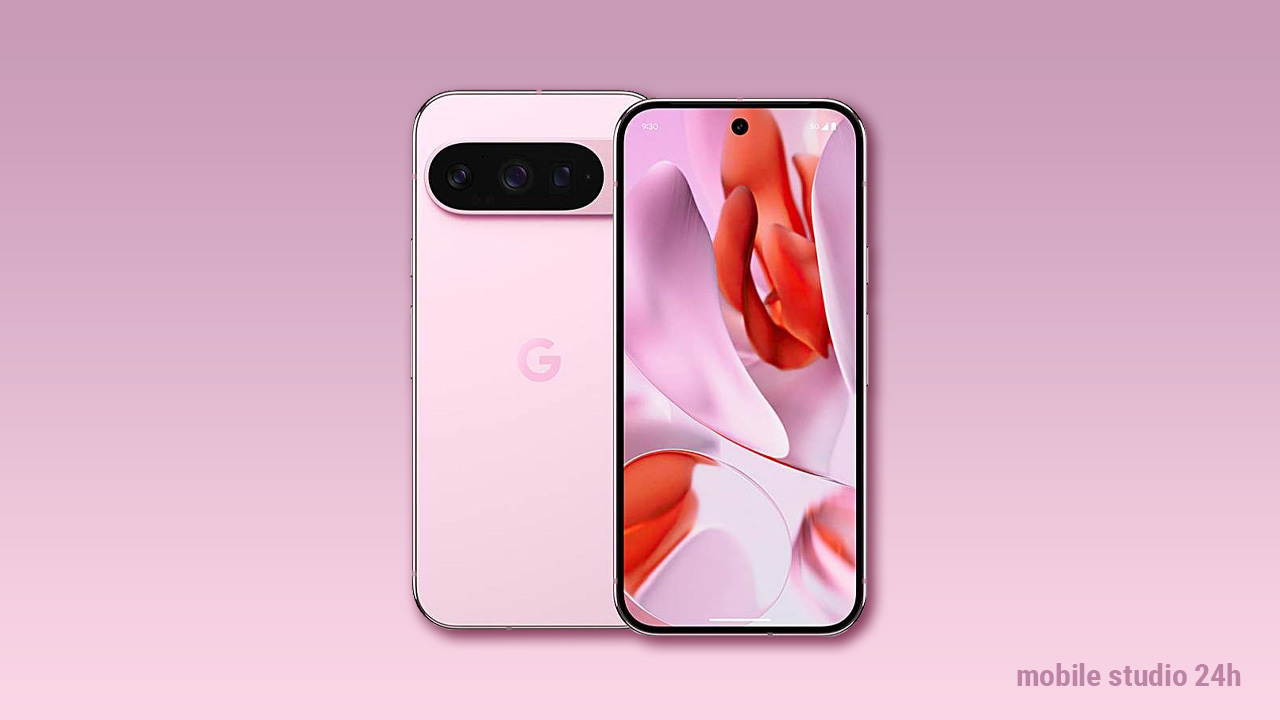
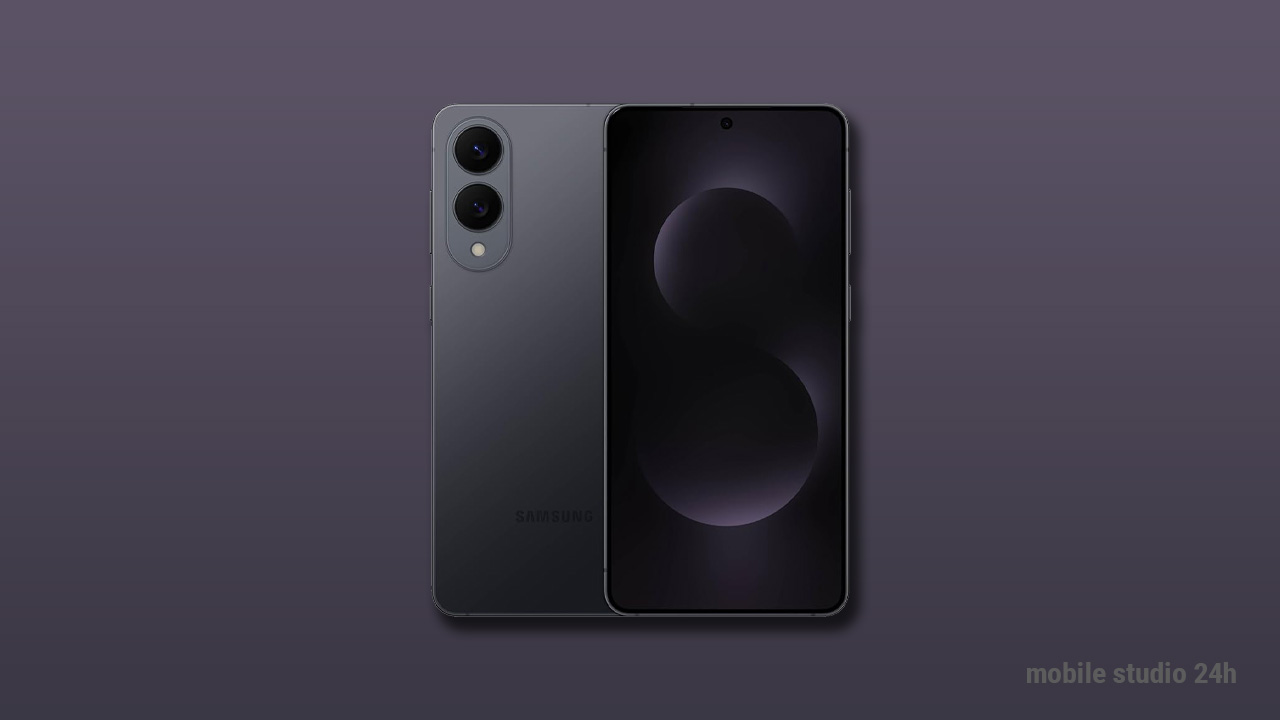
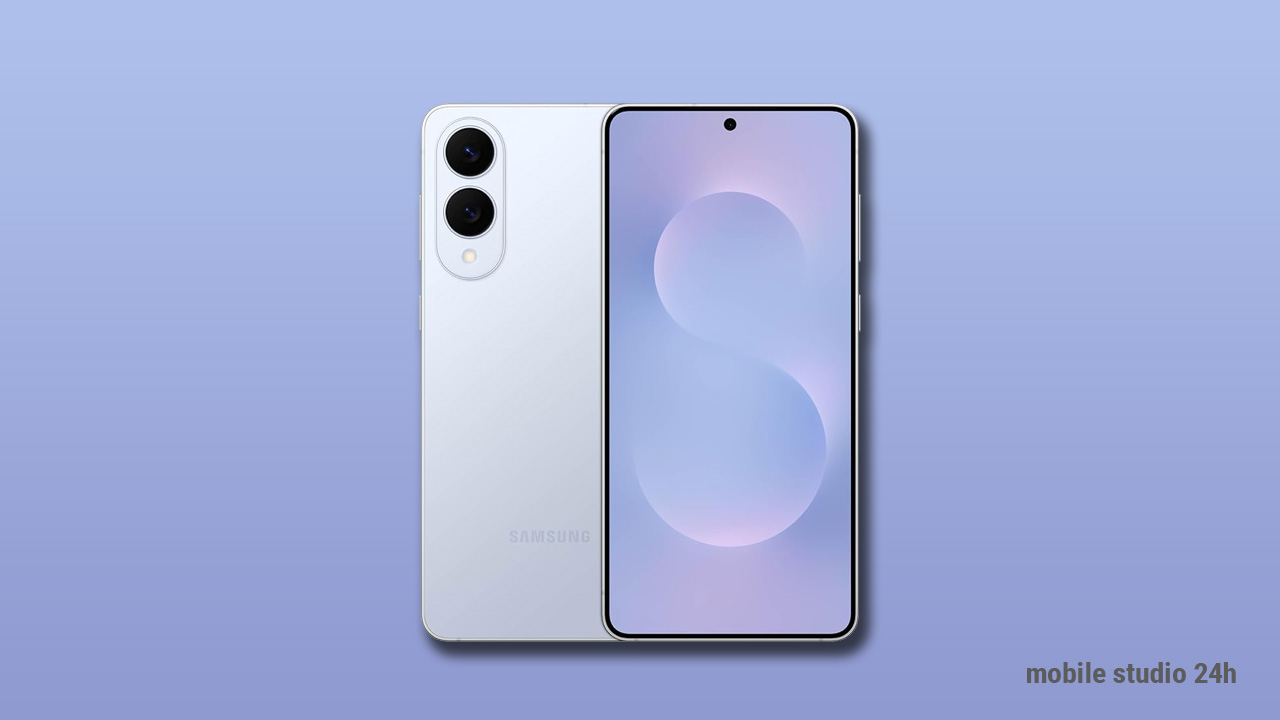
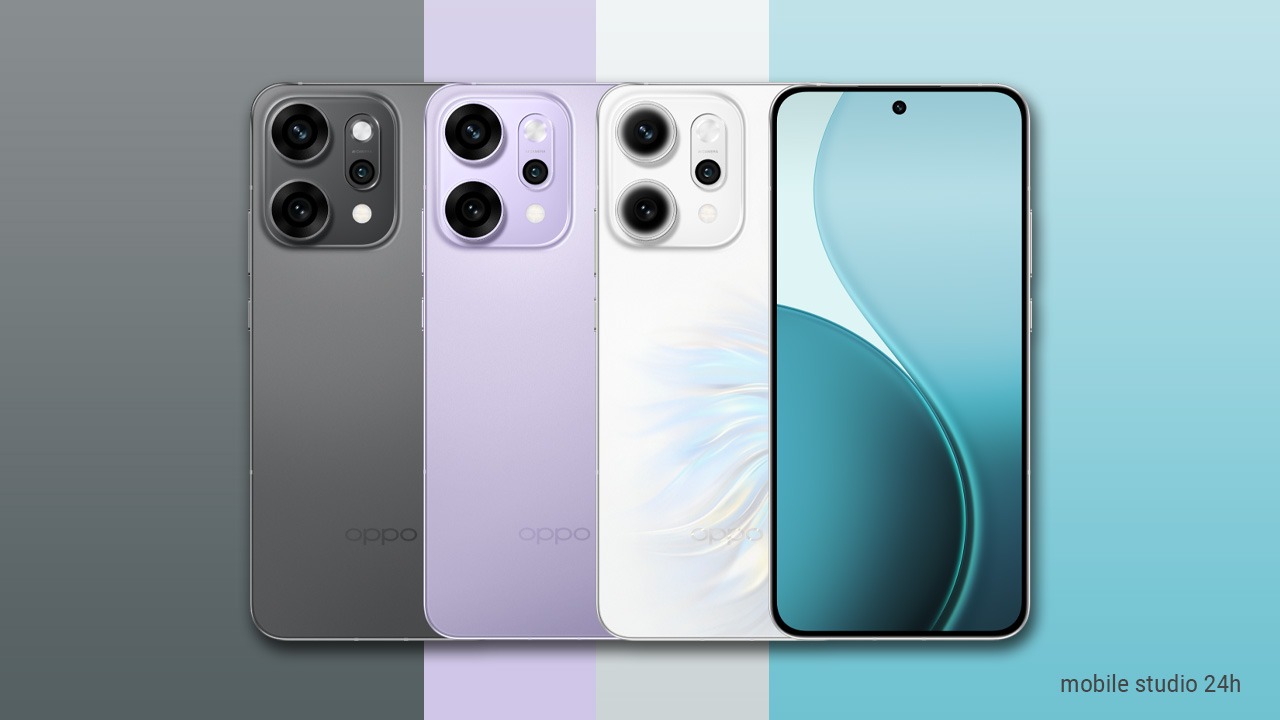
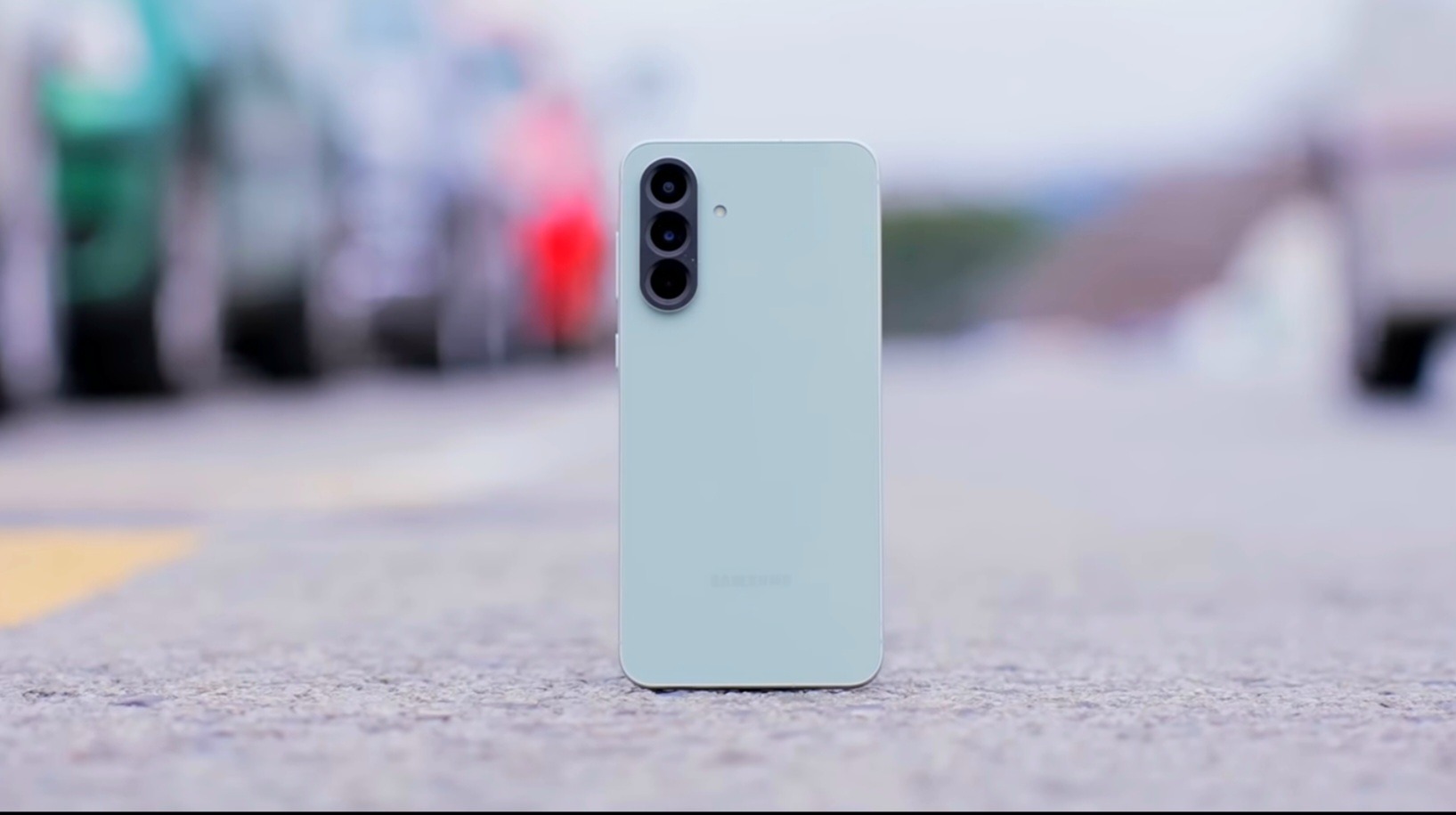
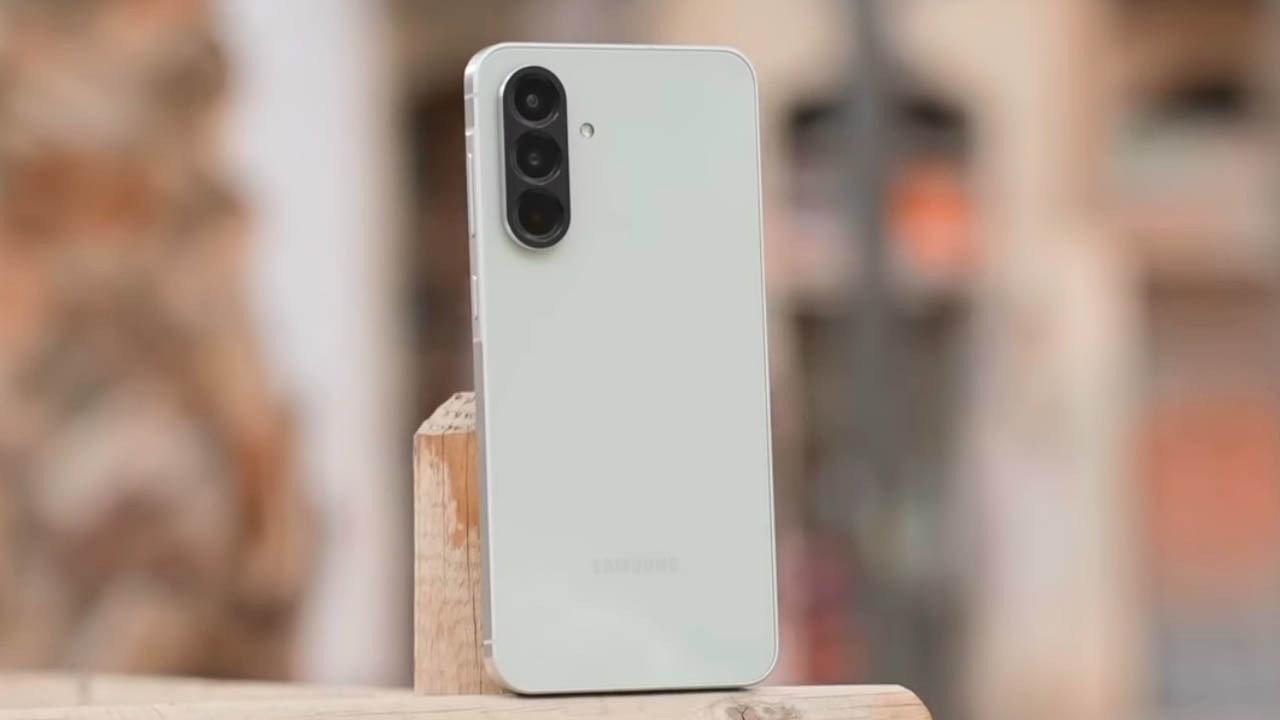
Samsung maintains its masterful grip on minimal structural aesthetics with the Galaxy S26 Plus. At just 7.3mm thick and weighing a light 190 grams, it sits beautifully and securely in the hands without causing strain during long one-handed usage sessions. Honor, conversely, prioritizes sheer capacity over a razor-thin footprint; the Honor 600 Pro comes in slightly shorter but noticeably thicker at 7.8mm and heavier at 195–202 grams depending on the color configuration. It has a more commanding unibody ergonomics profile that feels exceptionally robust, though it demands slightly deeper pockets.


- Materials: The Galaxy S26 Plus features premium Corning Gorilla Glass Victus 2 sheets on both the front and back, clamped together by an ultra-tough Armor Aluminum 2 chassis. The Honor 600 Pro matches it with a rigid aluminum middle frame sandwiched by a custom glass front/back formulation and a metal-accented unibody construction.
- Durability: Samsung includes an industry-standard IP68 rating, ensuring complete dust protection and peace of mind during unexpected water submersions. Honor aggressively raises the stakes by supplying certified IP68, IP69, and IP69K ratings, meaning it is explicitly built to survive intense high-pressure hot water jets and extreme localized environmental conditions.
Conclusion: The Samsung Galaxy S26 Plus is lighter and easier to handle, whereas the Honor 600 Pro sacrifices absolute thinness for industrial-grade ruggedness and structural mass.
Display Comparison
Samsung continues its reign of display absolute dominance with a brilliant 6.7-inch Dynamic LTPO AMOLED 2X panel pulling a sharp QHD+ resolution (1440×3120 pixels). Because it is a true LTPO panel, it smoothly and dynamically matches your frame rate from a battery-saving 1Hz all the way to 120Hz. Honor utilizes a slightly smaller 6.57-inch 1.5K AMOLED panel (1264×2728 pixels) that tops out at an astronomical advertised 8,000 nits peak brightness. However, it relies on an LTPS backplane, forcing it to shift refresh rates in static, predefined blocks (60Hz, 90Hz, 120Hz) rather than continuously scaling fluidly on the fly.


- Best for Watching Videos: Samsung Galaxy S26 Plus—The combination of higher crisp ppi density (~516 ppi vs. Honor’s 458 ppi) and pristine HDR10+ calibration gives movies cinematic depth and unrivaled dark-room clarity.
- Best for Gaming: Samsung Galaxy S26 Plus—True dynamic LTPO optimization tracks finger input pacing perfectly across demanding title layouts, whereas Honor occasionally forces a 90Hz cap in certain apps.
- Best for Reading: Honor 600 Pro—Honor’s implementation of an ultra-high 3840Hz high-frequency PWM dimming cycle minimizes invisible screen flicker, greatly reducing physical headache patterns and eye strain in dimly lit rooms.
Performance & Daily Usage
Daily operational tasks like managing large spreadsheets, multitasking through heavy communication suites, and loading graphic-heavy web elements are entirely instantaneous on both units. Samsung’s One UI 8.5 feels extraordinarily cohesive, flat out dropping input latency while spreading system resources cleverly behind the scenes. Honor’s MagicOS 10 responds with blistering speed, injecting heavy layout animations that emphasize immediate application launching.
- Multitasking: The Galaxy S26 Plus relies on a static 12GB of fast LPDDR5X RAM across all internal storage variations. Honor outpaces it on paper by offering up to a massive 16GB physical RAM ceiling accompanied by a virtual 16GB “RAM Turbo” software allocation, letting dozens of background applications rest permanently in stasis without refreshing.
- Thermal Control: Depending on your geographical market, your Galaxy S26 Plus operates via an Exynos 2600 or a Snapdragon 8 Elite Gen 5. While Samsung’s newly added structural Heat Pass Block alleviates historic thermal concerns, it still runs notably warmer under peak cellular loads than the Honor 600 Pro. Honor maximizes its slightly thicker frame to give its internal Snapdragon 8 Elite chip ample dissipation breathing room, remaining incredibly cool to the touch.
Gaming Performance
Gaming benchmarks confirm that the Snapdragon 8 Elite inside the Honor 600 Pro and the Snapdragon 8 Elite Gen 5 / Exynos 2600 variants of the S26 Plus represent the absolute apex of mobile graphics rendering. Intense titles like Genshin Impact or Zenless Zone Zero render perfectly with full reflections, high particle volumes, and maximum shadows enabled on both flagships.
- FPS Stability: Real-world performance shows the Galaxy S26 Plus holding a locked 60 FPS across most titles, experiencing minor dynamic clock-downs during prolonged 45-minute continuous sessions. The Honor 600 Pro easily runs flat-out, holding unwavering sustained gaming performance due to its expansive chassis volume keeping internal components safe from heavy thermal throttling.
Conclusion: Honor 600 Pro holds an edge for hardcore mobile gaming sessions due to better heat management, while the Galaxy S26 Plus is superb for all casual and standard mid-length play.
Camera Comparison
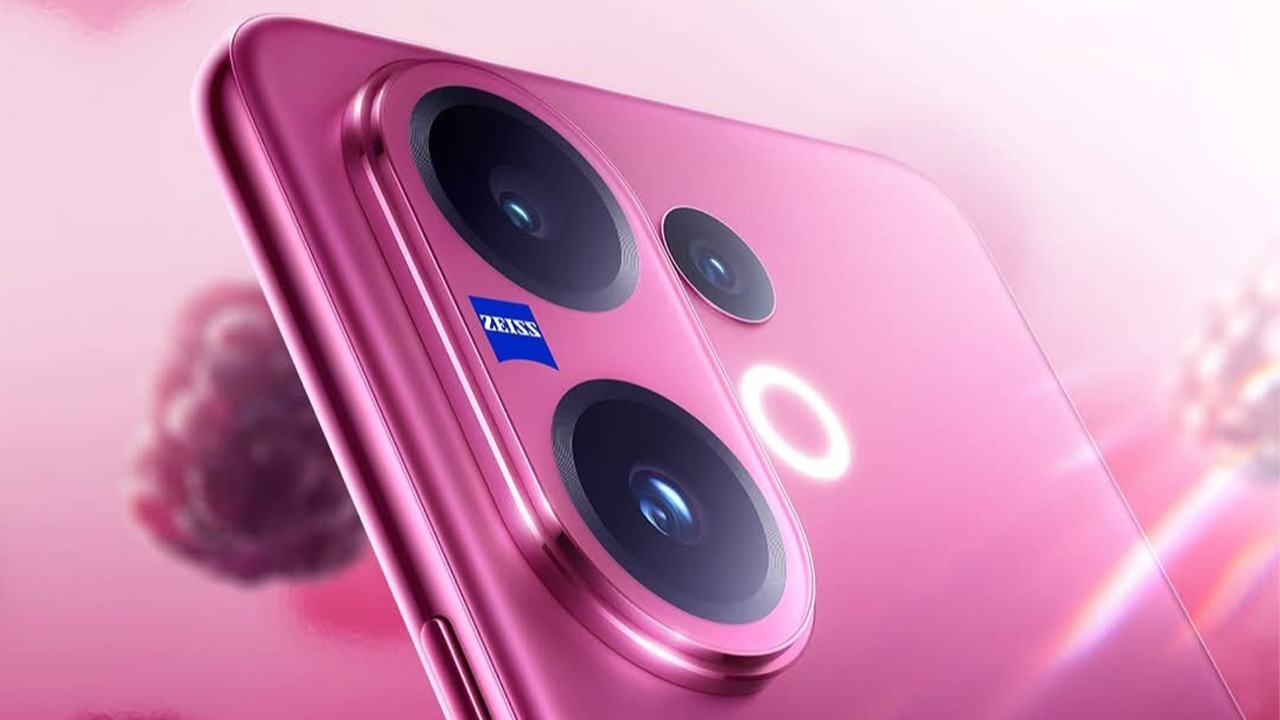
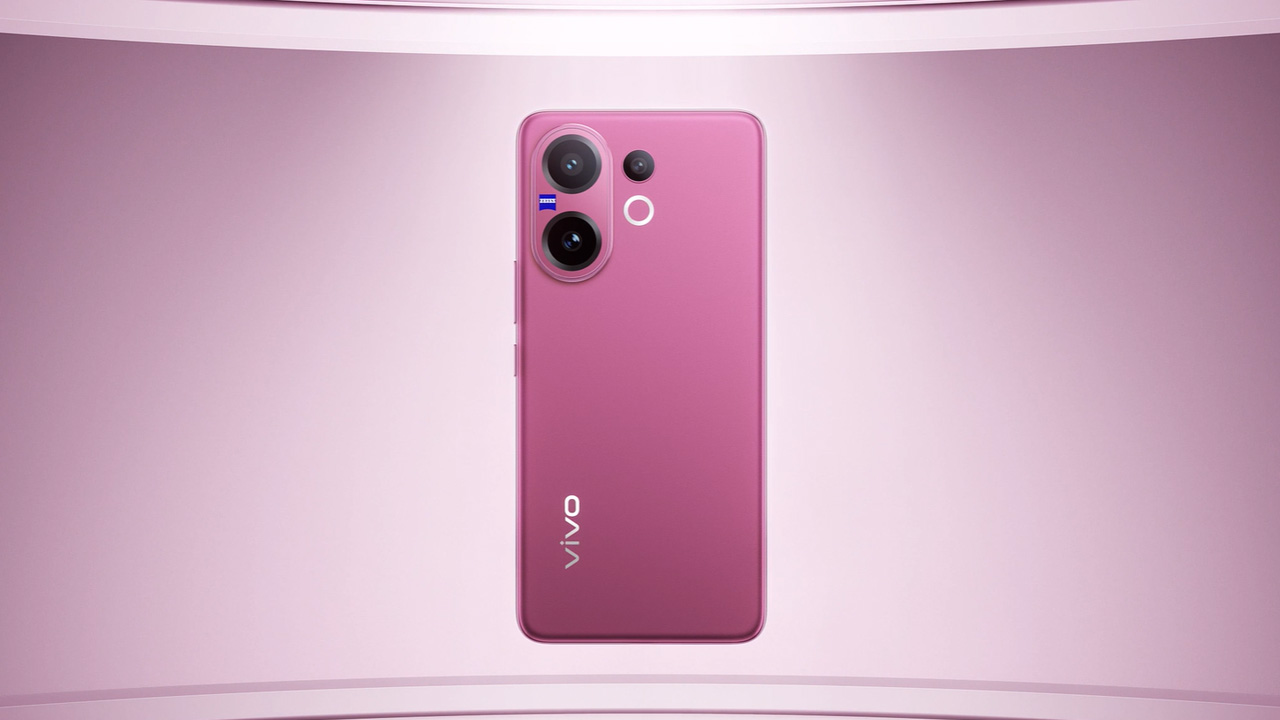
The imaging philosophy between these two competitors couldn’t be any more diverse. Samsung deploys its highly optimized triple cluster: a dependable 50MP primary sensor, a 10MP telephoto with a fixed 3x optical focal length, and a 12MP ultrawide. Samsung focuses heavily on clean computational color science, rendering punchy, vibrant skies and skin tones that are immediately ready for social media feeds.


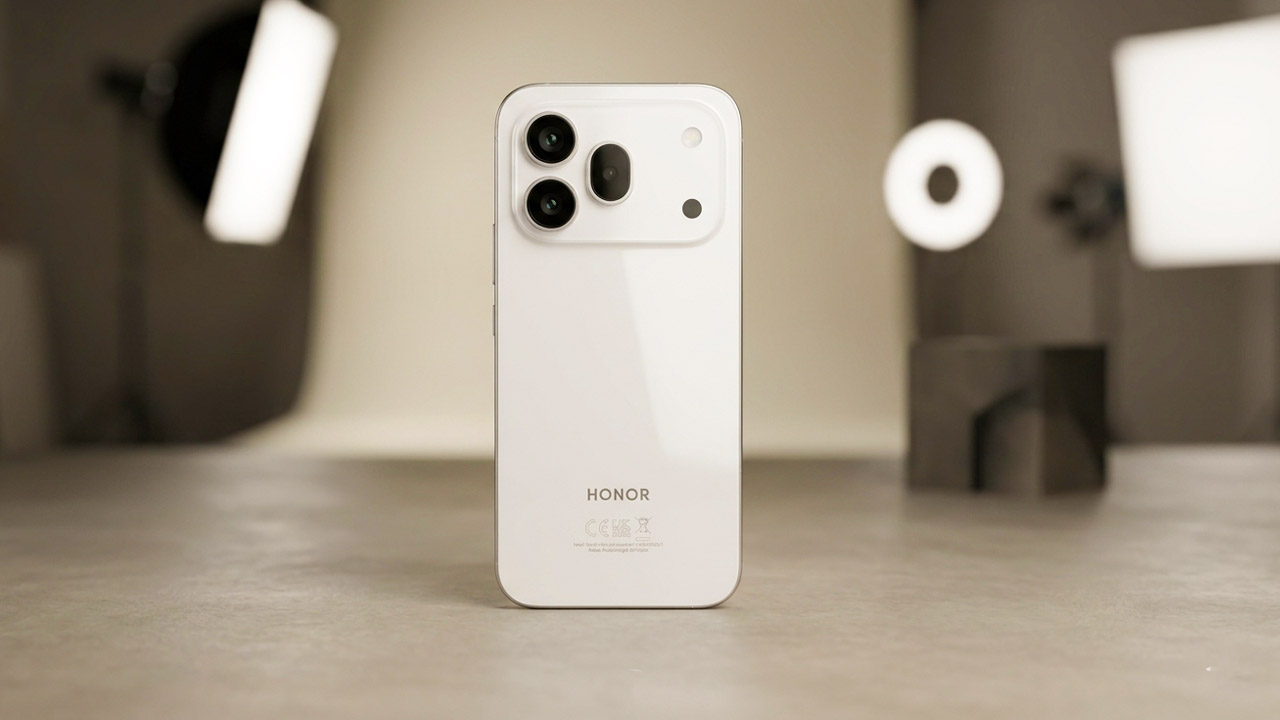
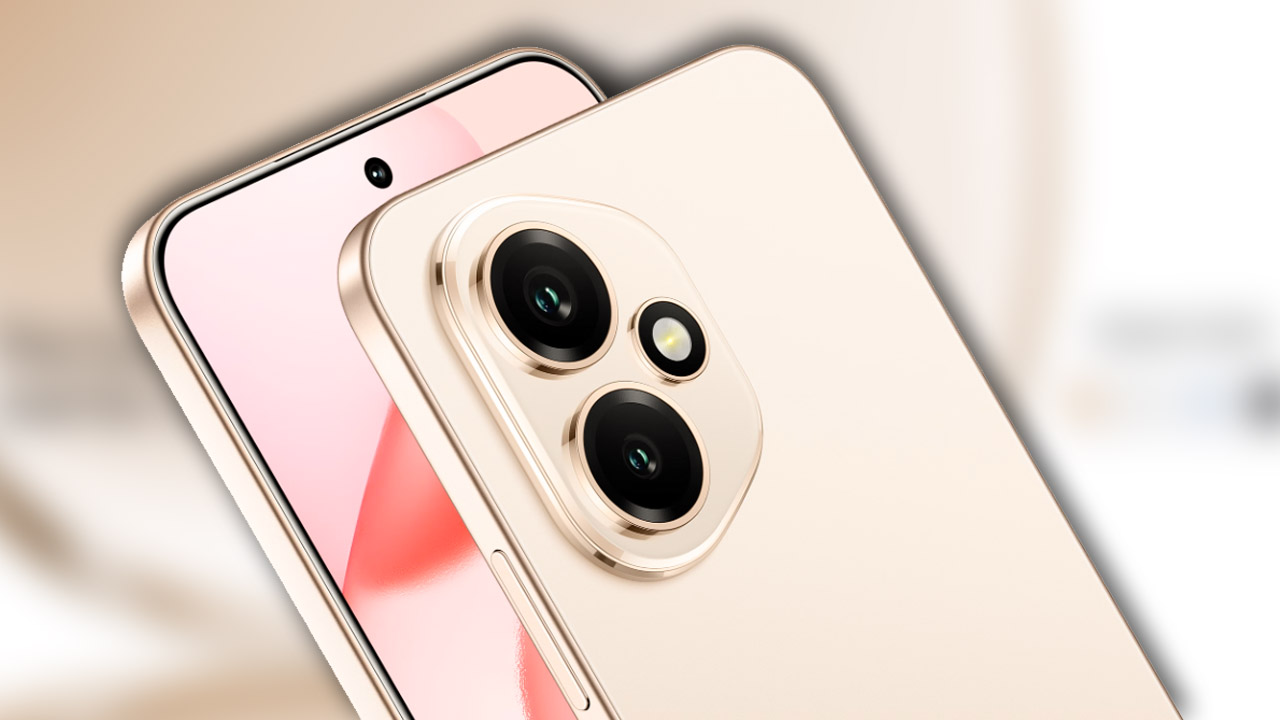
Honor relies on sheer megapixel muscle, hoisting a massive 200MP wide lens, a sharp 50MP telephoto lens with 3.5x optical tracking, and a 12MP ultrawide.
- Zoom Capabilities: Honor completely takes the lead here. Its 50MP secondary telephoto configuration (offering 3.5x true optical alignment) retains far greater structural text detail at hybrid 10x and digital 30x steps compared to Samsung’s aging 10MP 3x sensor.
- Selfie Camera: Samsung’s front-facing 12MP lens punches far above its weight class with lightning-fast Dual Pixel autofocus. However, Honor’s front 50MP sensor captures raw facial skin micro-details with higher native sharpness.
Video Recording Comparison
Samsung remains the golden standard for smooth, reliable mobile video production. Both devices can record up to a maximum 4K at 60 FPS across their sensors, with Samsung capable of capturing up to 8K video at 30 FPS via its primary sensor array.
- Stabilization: Samsung’s specialized “Super Steady” mode uses an advanced combination of physical Optical Image Stabilization (OIS) paired with an intelligent Horizon Lock EIS algorithm. This eliminates walking and running camera jitters far more gracefully than Honor’s native OIS/EIS system, which can occasionally show slight computational stuttering when panning quickly across uneven terrain.
- Best for Content Creators: Samsung Galaxy S26 Plus—The flexibility of recording in full 10-bit color channels, crisp stereo sound capture, and effortless structural stabilization makes it a superior point-and-shoot filmmaking tool.
Battery Life & Charging
This is where the benchmark charts are completely re-written. The Samsung Galaxy S26 Plus ships with a standard 4,900 mAh lithium-ion cell, which easily guarantees a comfortable full day of standard use, netting roughly 7.5 to 9 hours of real-world active screen-on time.
The Honor 600 Pro features a colossal 7,000 mAh Silicon-Carbon (Si/C) battery setup in its international variant (note: the European variant ships with a slightly lower, yet still massive 6,400 mAh capacity). This advanced battery density translates into a genuine two-day endurance champion that laughs off heavy 5G hotspot usage and multi-hour navigation routes.
- Charging Speeds: Samsung adheres strictly to its safe 45W wired charging ceiling, taking roughly an hour to hit full capacity. Honor completely destroys this timeline with blistering 80W wired SuperCharge and 50W wireless speeds, replenishing its massive cell in a fraction of the time.
- In The Box: Samsung continues its minimalist environmental packaging approach—meaning a charging brick is completely absent from the retail box and must be sourced separately. Honor happily bucks this trend by including a full 80W SuperCharge power adapter inside the international packaging.
Software & Features
Samsung ships the Galaxy S26 Plus with Android 16 paired with One UI 8.5. Its absolute crown jewel feature is its unparalleled commitment to long-term ownership sustainability, offering a full 7 years of major Android platform upgrades and security maintenance cycles. Honor counters with MagicOS 10 built on top of Android 16, guaranteeing a highly respectable but lesser 6 years of major software support lifecycle updates.
- Security Biometrics: Samsung integrates a top-of-the-line ultrasonic under-display fingerprint sensor that logs prints accurately even when fingertips are slightly damp. Honor utilizes a rapid under-screen optical fingerprint scanner alongside a 2D software-driven face unlock setup.
- Special Standout Features: Samsung features full desktop environments via Samsung DeX and seamless Ultra Wideband (UWB) tracker tracking, backed by their sprawling Galaxy AI productivity suite. Honor includes a handy hardware IR Blaster for controlling home appliances alongside a dedicated physical AI Button for instant custom assistant control.
Connectivity
- Network & Sharing: Both flagships are fully future-proofed with advanced global sub-6 and mmWave 5G modems, global NFC modules, and ultra-fast Wi-Fi 7 compatibility bands. Both devices support dual nano-SIM layouts coupled with wide eSIM configurations.
- Port Interface: The Galaxy S26 Plus features a high-speed USB Type-C 3.2 connection with native DisplayPort video output out of the box. Honor compromises on wired data speeds by restricting its physical Type-C interface to older, slower USB 2.0 transfer tiers.
Pros and Cons
Samsung Galaxy S26 Plus – Pros
- Ultra-premium, slim 7.3mm profile that weighs only 190 grams.
- Crisp QHD+ LTPO AMOLED 2X display with completely fluid variable refresh rates.
- Unrivaled 7-year software platform and security upgrade support guarantee.
- Superb content creation video stability tools with 8K recording.
Samsung Galaxy S26 Plus – Cons
- Stuck with slower 45W wired charging speeds.
- No charging brick included in the retail packaging box.
- The raw 3x optical camera zoom hardware falls behind competitor resolution tiers.
Honor 600 Pro – Pros
- Gigantic 7,000 mAh Silicon-Carbon battery for unparalleled multi-day endurance.
- Blistering fast 80W wired charging adapter included in the packaging.
- Sublime 200MP main camera and sharp 50MP 3.5x telephoto zoom details.
- Extremely high-end IP69K liquid and high-pressure jet protection tier.
Honor 600 Pro – Cons
- Thicker and heavier in the hand than the svelte S26 Plus.
- Display relies on an LTPS panel with stepped, non-continuous refresh rate shifts.
- Physical port speeds are handicapped down to archaic USB 2.0 transfer standards.
Price & Value for Money
Current Price Difference
The Samsung Galaxy S26 Plus enters the consumer market starting at a standard premium flagship price point of $999.00 / €793.00 for its base 12GB RAM and 256GB storage configuration. The Honor 600 Pro positions itself aggressively as a direct premium disruptor, coming down slightly lower with an introductory price tag of $929.00 / £629.00 for identical baseline configurations.
Which Device Offers Better Value?
If your ultimate definition of value is centered around physical hardware return per dollar spent, the Honor 600 Pro takes this crown easily. For roughly $70 less, you are walking away with a battery that is almost 40% larger, vastly superior wired charging capabilities, a functional high-speed brick inside the box, and a massive leap in hardware camera sensor resolution.
Long-Term Usability
If you plan to pick up a smartphone and keep it operational for the next 5 to 7 years, the Samsung Galaxy S26 Plus reclaims the advantage. Its 7-year update policy means it will comfortably receive new versions of Android long after the Honor has reached its final development phase. Furthermore, its high-speed USB 3.2 port guarantees far better physical storage backups and external monitor connectivity down the road.
Which One Should You Buy?
Buy Samsung Galaxy S26 Plus if:
- You prioritize ecosystem refinement, elegant software design via One UI, and zero pre-installed bloatware.
- You need a lightweight, comfortable daily driver that will not fatigue your wrist or weigh down your pockets.
- You want absolute long-term software upgrade security, planning to keep the phone for over half a decade.
Buy Honor 600 Pro if:
- You prioritize legendary battery life and want to completely destroy any lingering daily charging anxiety.
- You need excellent long-range telephoto zoom resolution and enjoy capturing razor-sharp landscape or macro shots.
- You work or play in harsh outdoor environments where an ultra-rugged IP69K rating provides critical security.
Final Verdict
- Best Overall Device: Samsung Galaxy S26 Plus
- Best for Performance/Gaming: Honor 600 Pro
- Best for Camera Quality: Honor 600 Pro
- Best Value for Money: Honor 600 Pro
Ultimately, choosing between these two masterpieces comes down to your personal definition of flagship perfection. The Samsung Galaxy S26 Plus is an incredibly safe, polished, and balanced everyday luxury smartphone that boasts an unmatched long-term software update safety net. However, the Honor 600 Pro successfully shakes up the status quo by packing a jaw-dropping two-day battery cell, ultra-fast charging, and heavy sensor arrays for a slightly friendlier price tag. Power users and remote travelers will gravitate naturally to Honor’s hardware muscle, while standard consumers seeking long-term simplicity and reliability will find exactly what they need with Samsung.
FAQs
Q: Which device has the better camera?
A: The Honor 600 Pro wins on overall raw hardware versatility. Its huge 200MP sensor catches greater textures under bright daylight, and its 50MP telephoto lens offers vastly clearer zoom detail at 5x and 10x intervals compared to Samsung’s smaller 10MP module. However, Samsung is still the preferred option for content creators due to its vastly superior video stabilization.
Q: Which device is better for gaming?
A: The Honor 600 Pro takes a slight lead here. While both chipsets deliver top-tier mobile processing speed, Honor’s slightly thicker build acts as a more efficient natural thermal sink, maintaining smooth, stable framerates during heavy extended sessions without suffering early heat throttling.
Q: Which device has better battery life?
A: The Honor 600 Pro wins this metric by a landslide. Its advanced 7,000 mAh Silicon-Carbon cell completely dominates Samsung’s 4,900 mAh battery, offering an easy two days of heavy operation compared to Samsung’s single-day limit.
Q: Is the Samsung Galaxy S26 Plus worth the extra price compared to the Honor 600 Pro?
A: It is worth it only if you highly value pristine software design, continuous dynamic LTPO screen movement, a lighter physical design, and the immense security of a 7-year Android platform support lifecycle. If those long-term parameters don’t matter to you, the Honor offers far more raw hardware per dollar spent.
Q: Which device is better for casual, everyday users?
A: The Samsung Galaxy S26 Plus is arguably the better choice for the casual consumer. Its lighter weight, thinner profile, and highly intuitive One UI operating system make it incredibly approachable and effortless to live with over a multi-year ownership timeline.
Disclaimer
Disclaimer: This product comparison is constructed utilizing official manufacturer specification sheets, industry benchmark tracking data, and initial real-world user feedback. Individual performance metrics, charging rates, and exact battery life experiences may vary slightly depending on your environment, active software updates, and specific personal usage habits.