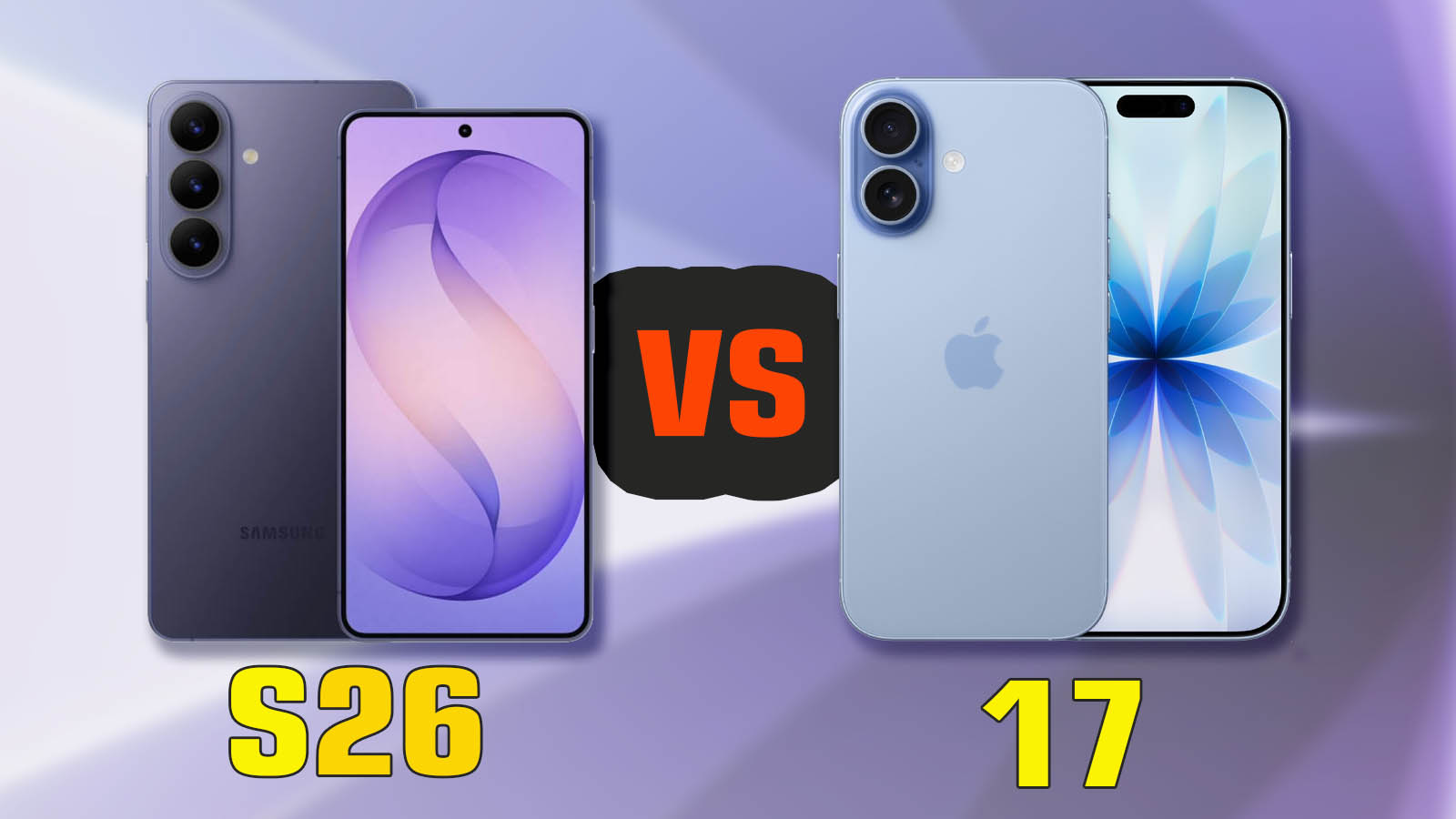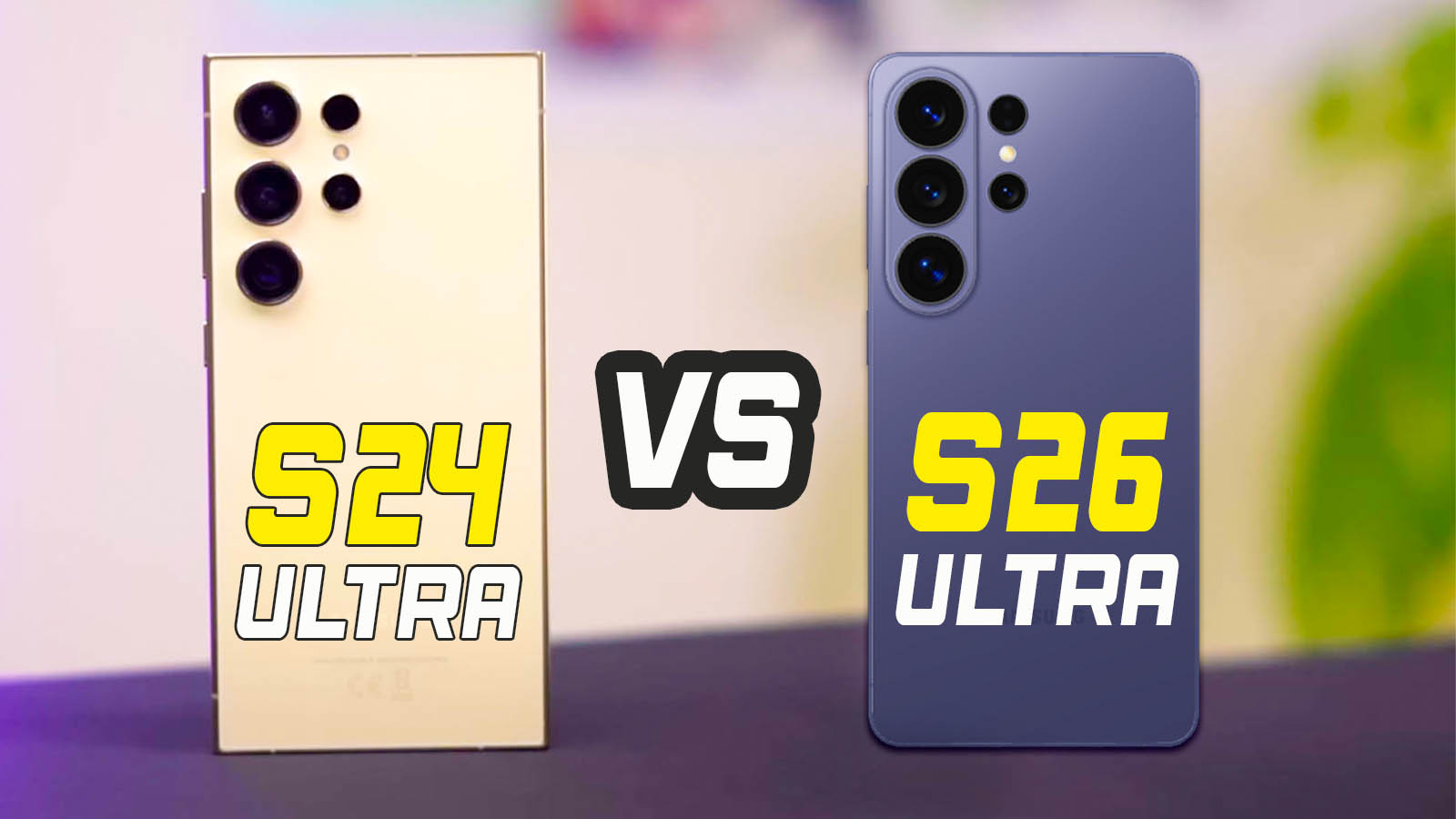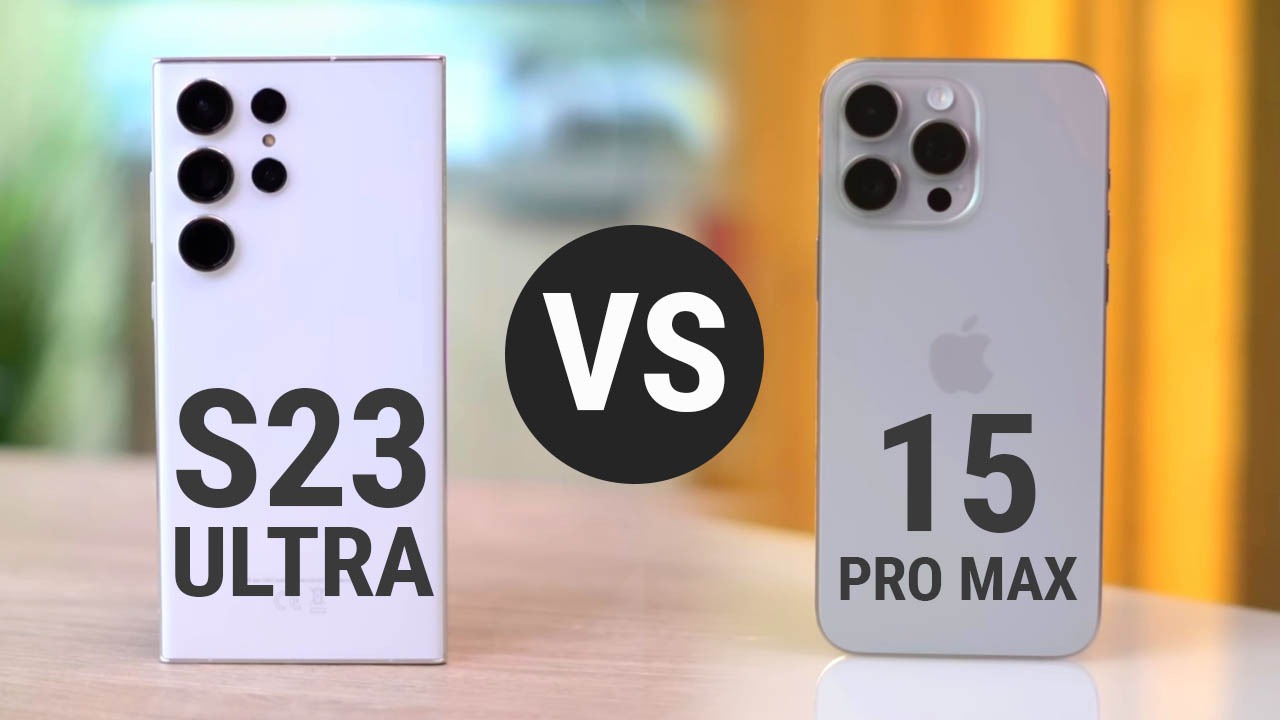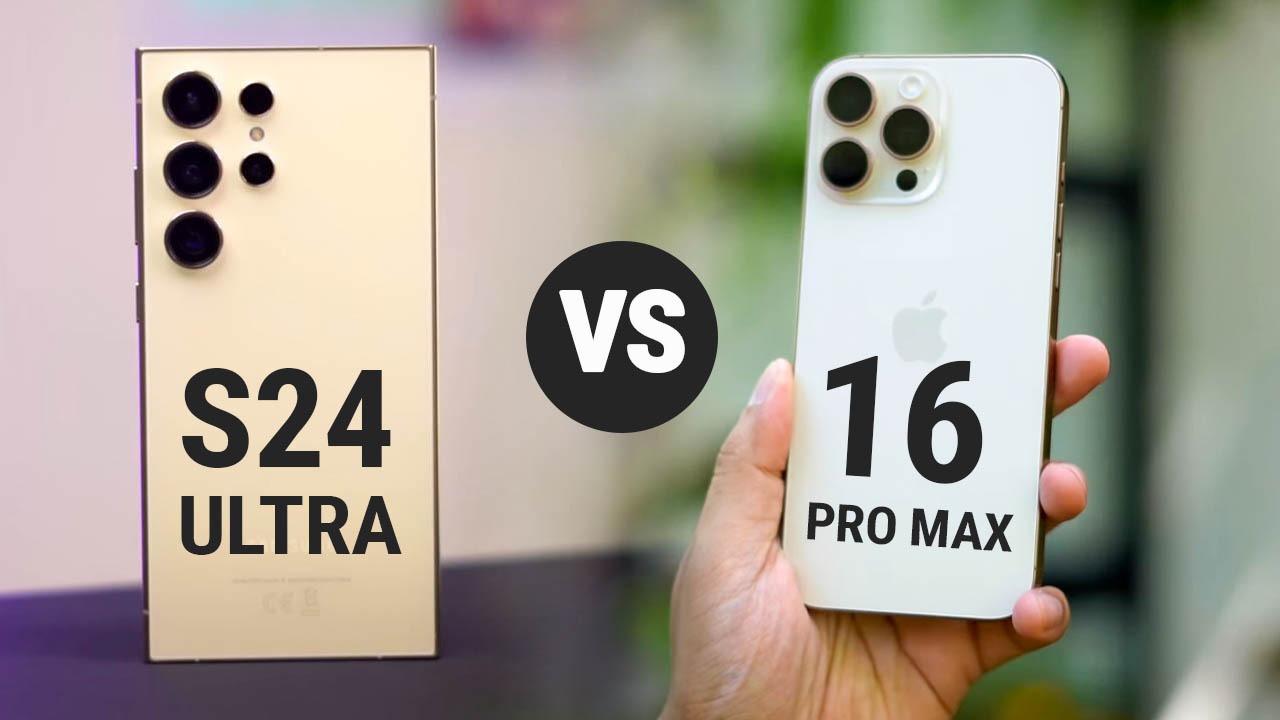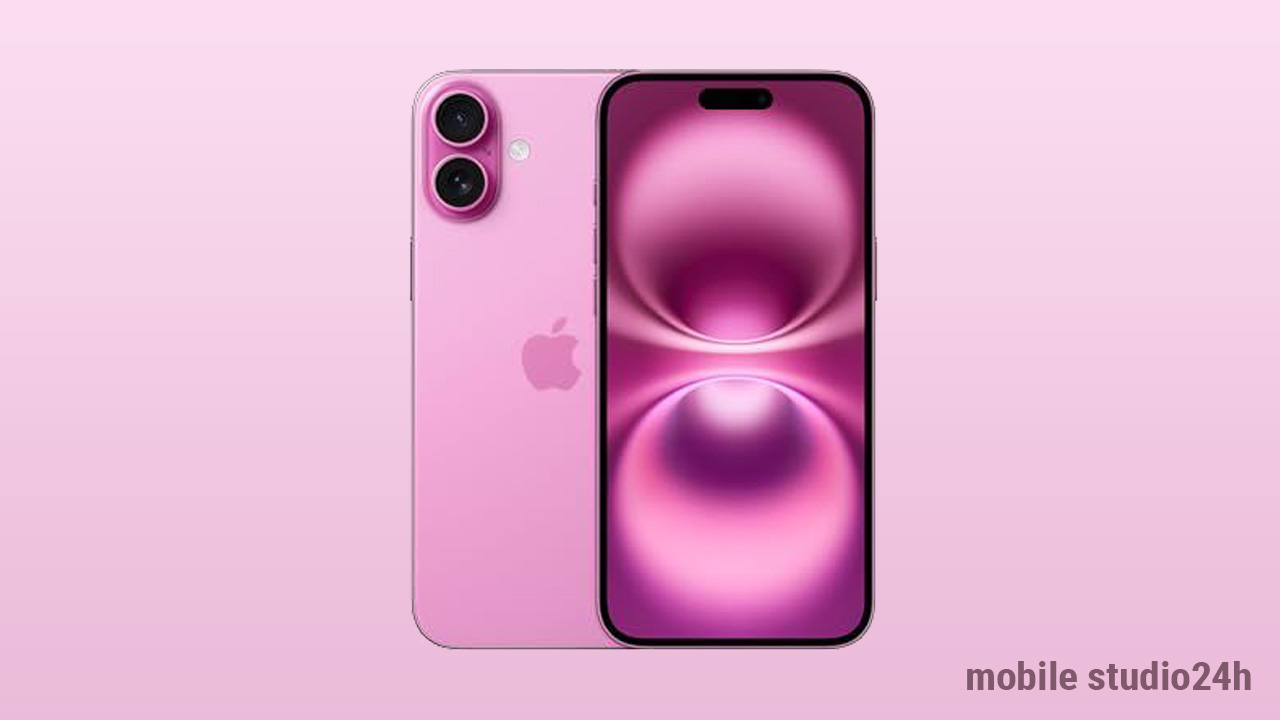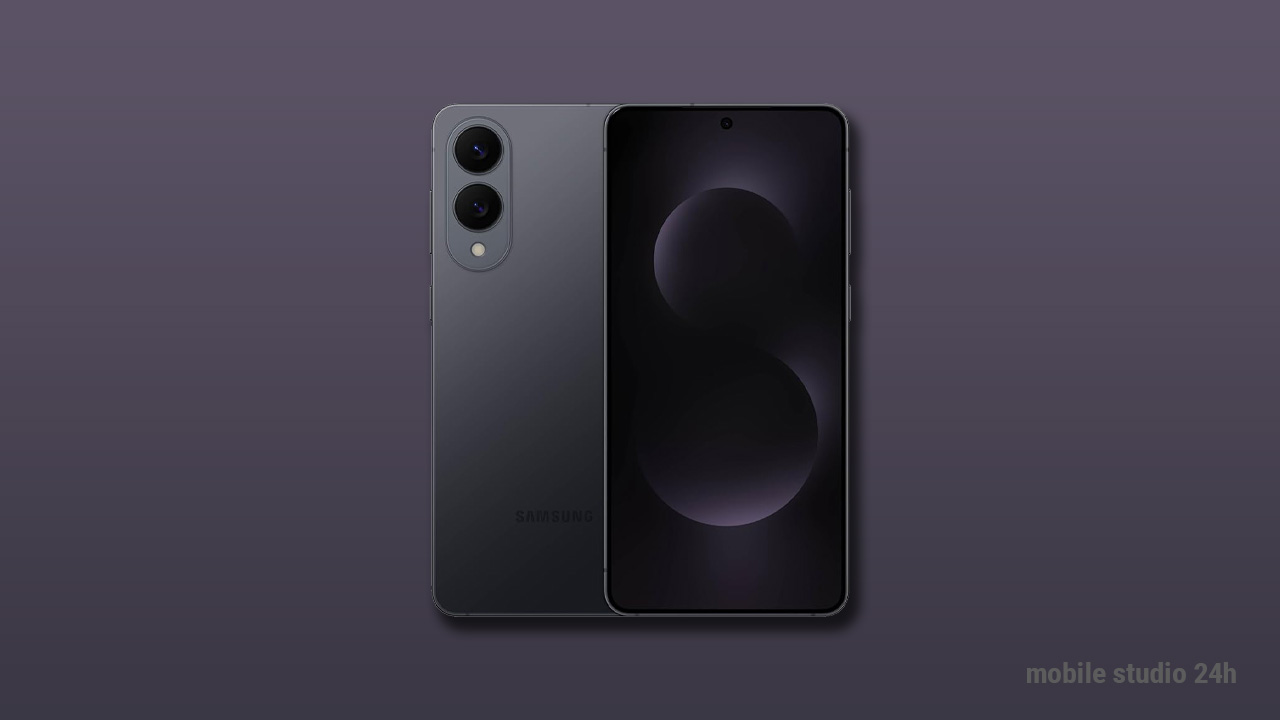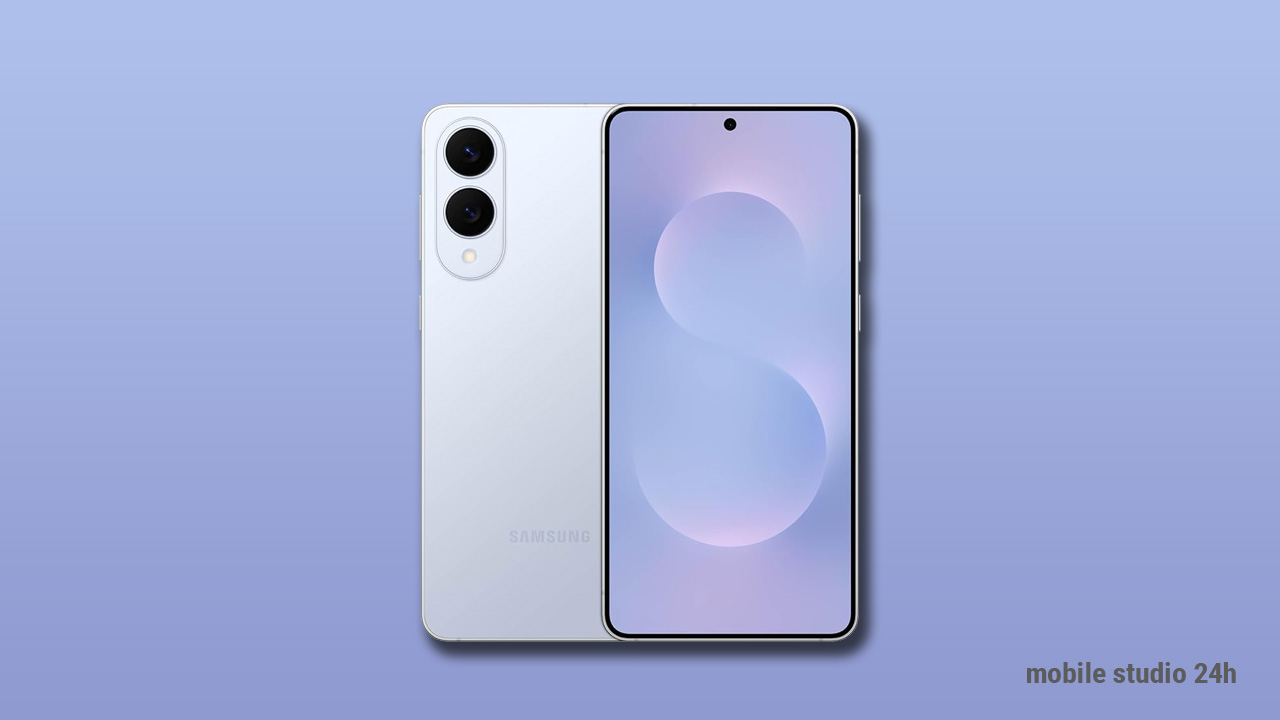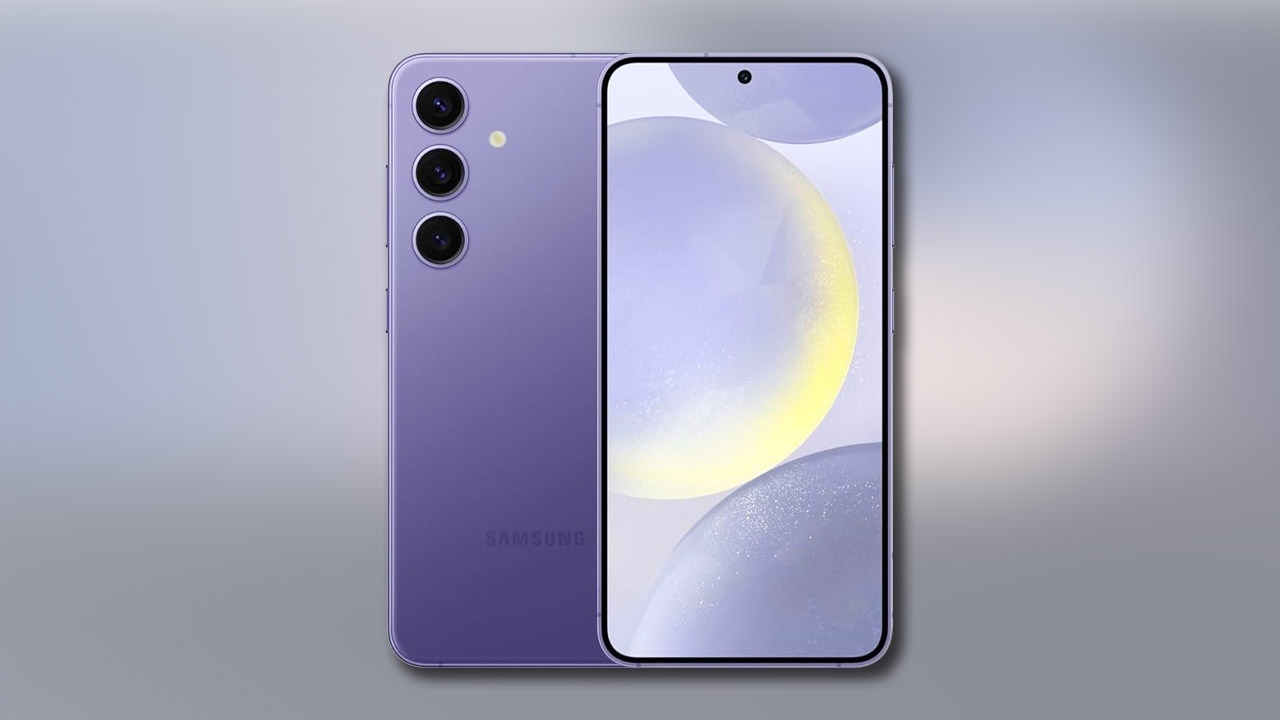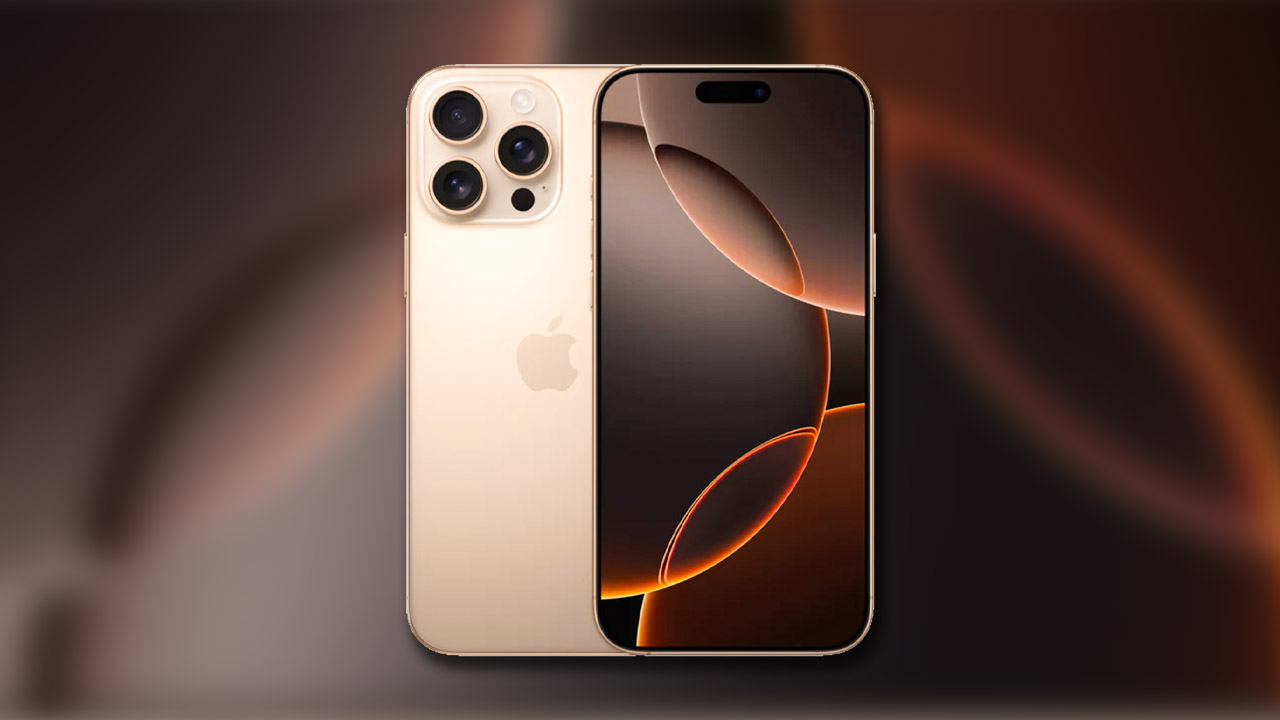
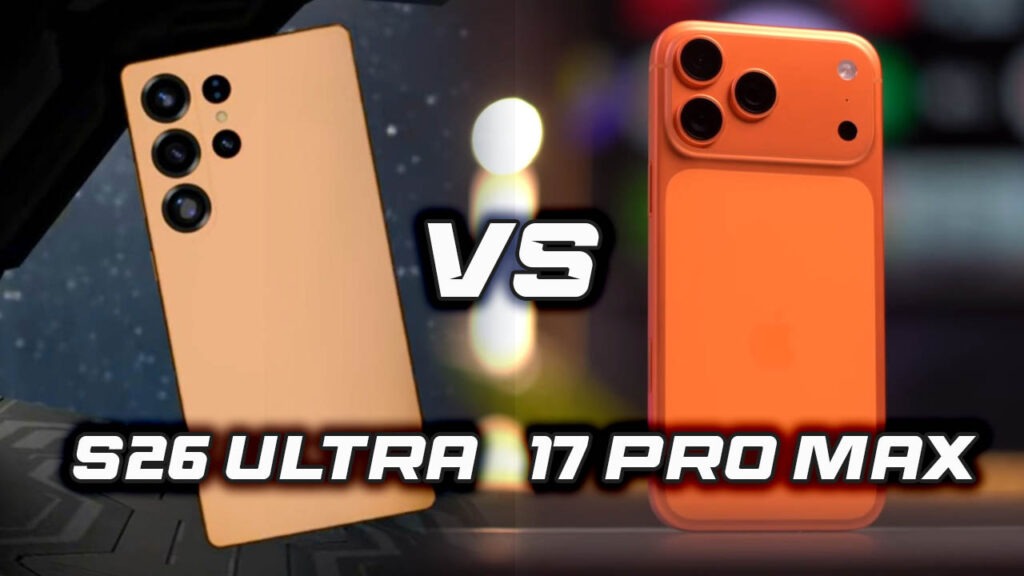
The Samsung Galaxy S26 Ultra and the iPhone 17 Pro Max are the two most powerful smartphones of 2026. As the rivalry between Samsung and Apple reaches a new peak, both companies have moved toward a 2nm chip architecture and advanced “on-device” AI. This comparison is for power users and tech enthusiasts who want to know if they should stick with the versatility of the S Pen and 200MP zoom or switch to Apple’s newly redesigned aluminum-unibody chassis and A19 Pro silicon. By the end of this review, you will know exactly which flagship offers the best value for your specific lifestyle and professional needs.
Quick Comparison Table
| Feature | Samsung Galaxy S26 Ultra | iPhone 17 Pro Max |
| Display | 6.9″ M14 Dynamic AMOLED 2X | 6.9″ Super Retina XDR OLED |
| Processor | Snapdragon 8 Elite Gen 5 (2nm) | Apple A19 Pro (2nm) |
| RAM & Storage | 12GB/16GB | 256GB–1TB |
| Rear Camera | 200MP + 50MP (5x) + 50MP (UW) | 48MP + 48MP (8x) + 48MP (UW) |
| Front Camera | 12MP (Wider Lens) | 18MP Center Stage |
| Battery | 5,000mAh | ~5,088mAh |
| OS | Android 16 (One UI 8.5) | iOS 26 |
| Price | ~$1,299 | ~$1,430 |
Design & Build Quality
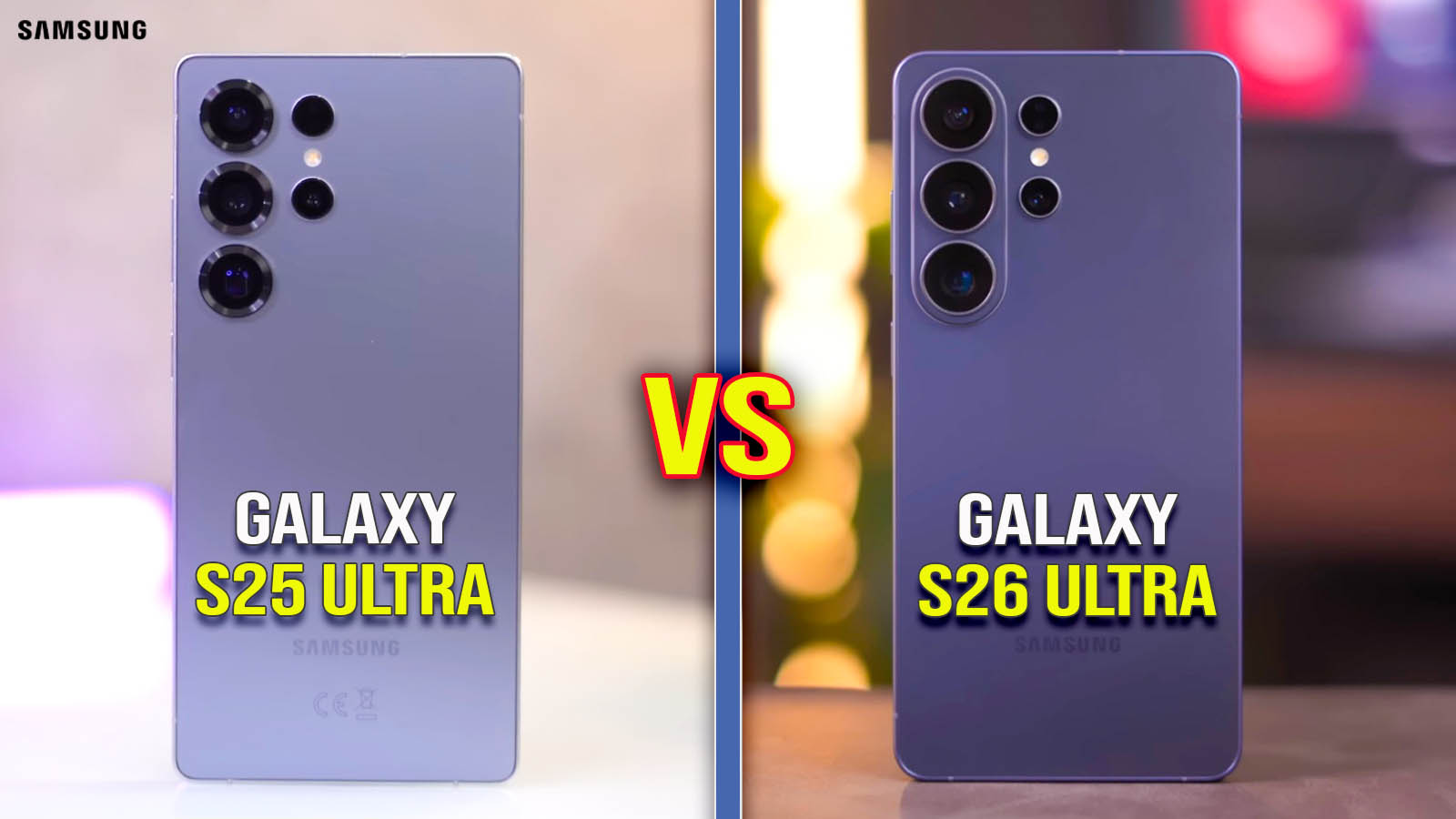
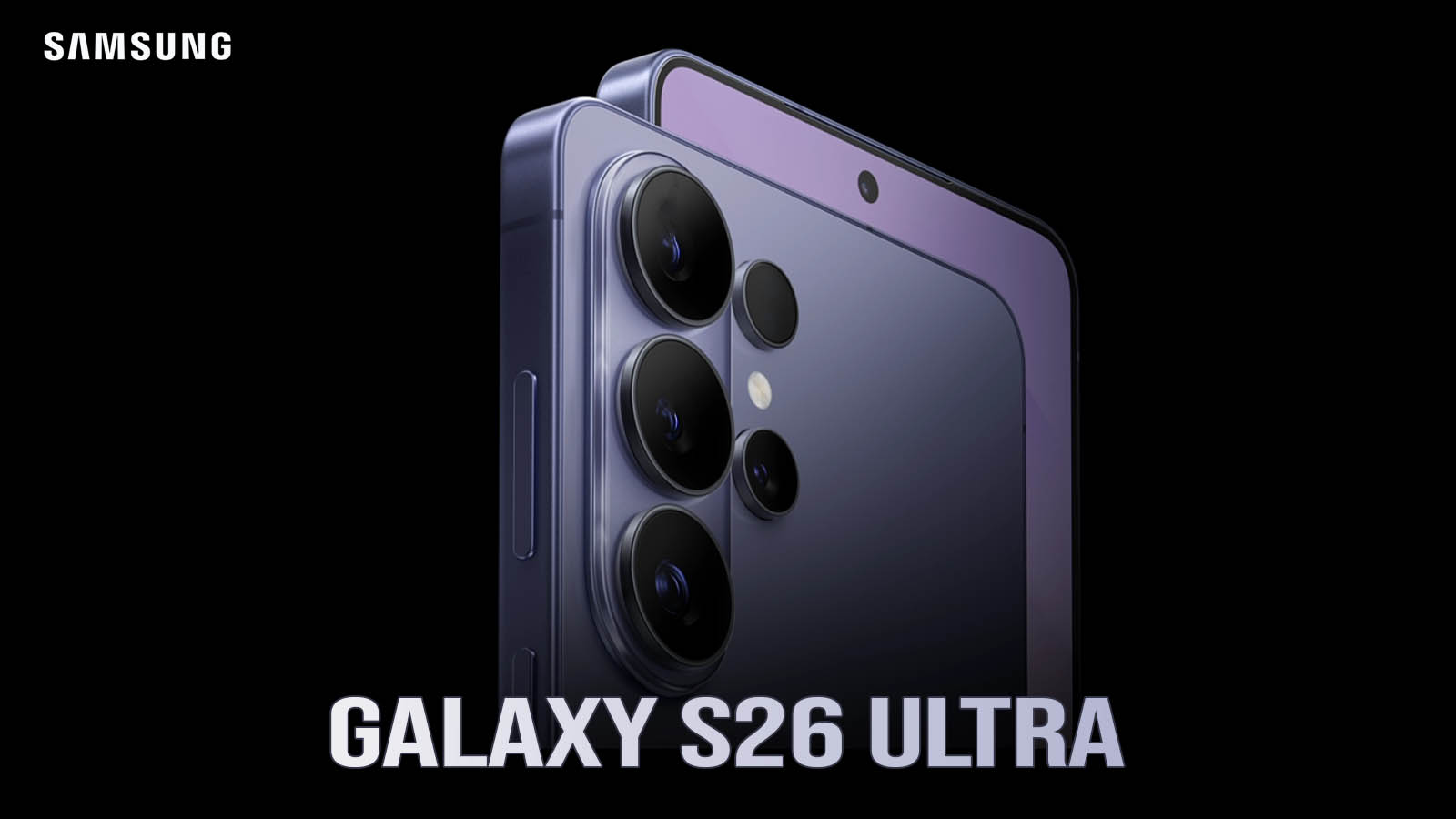
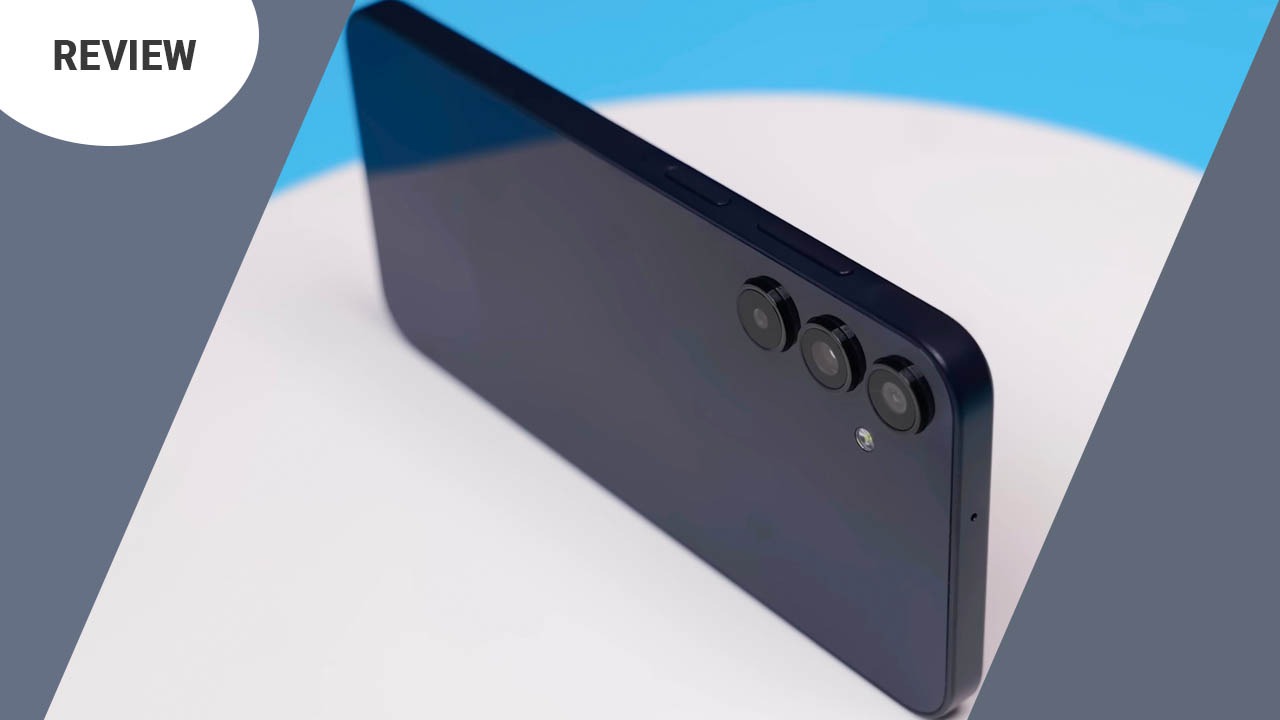
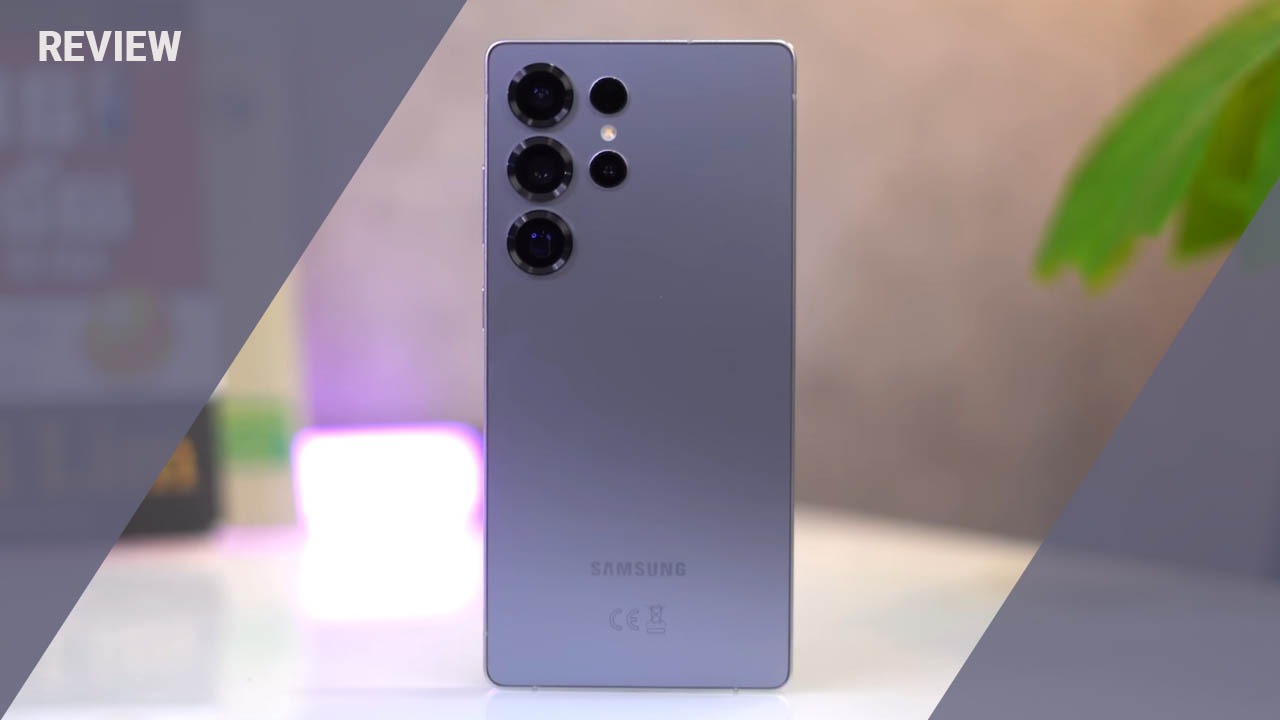
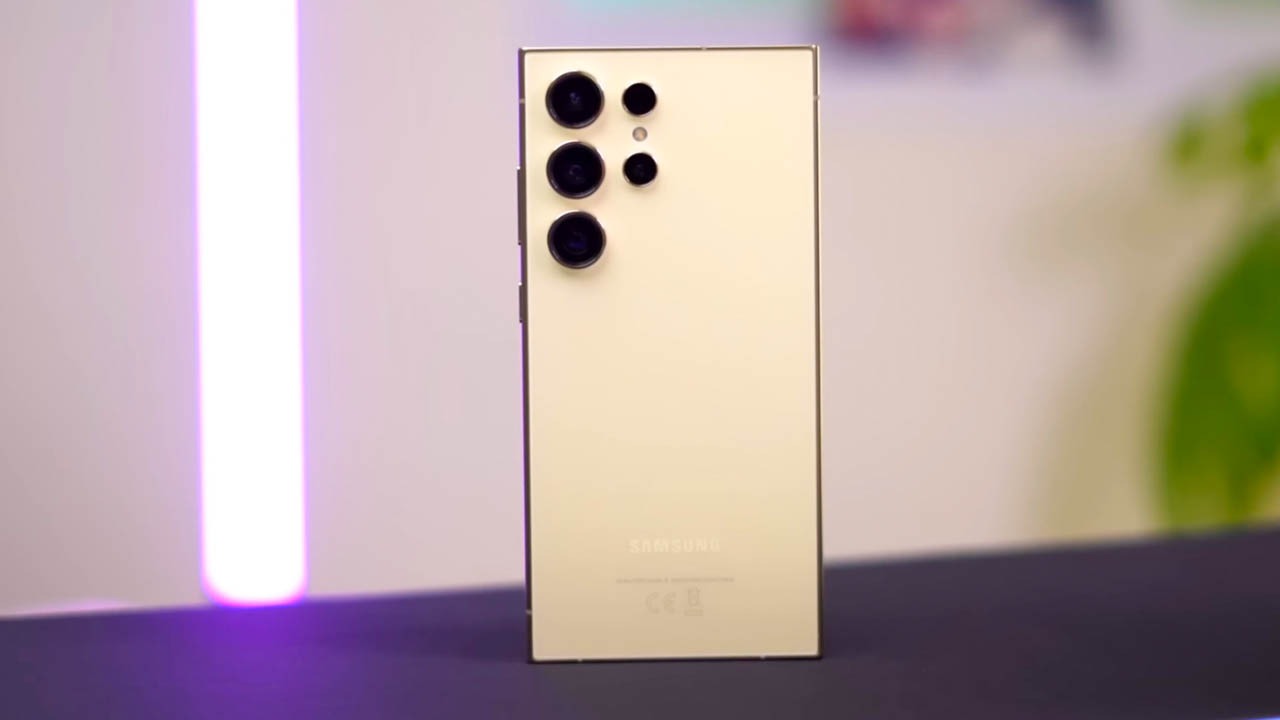
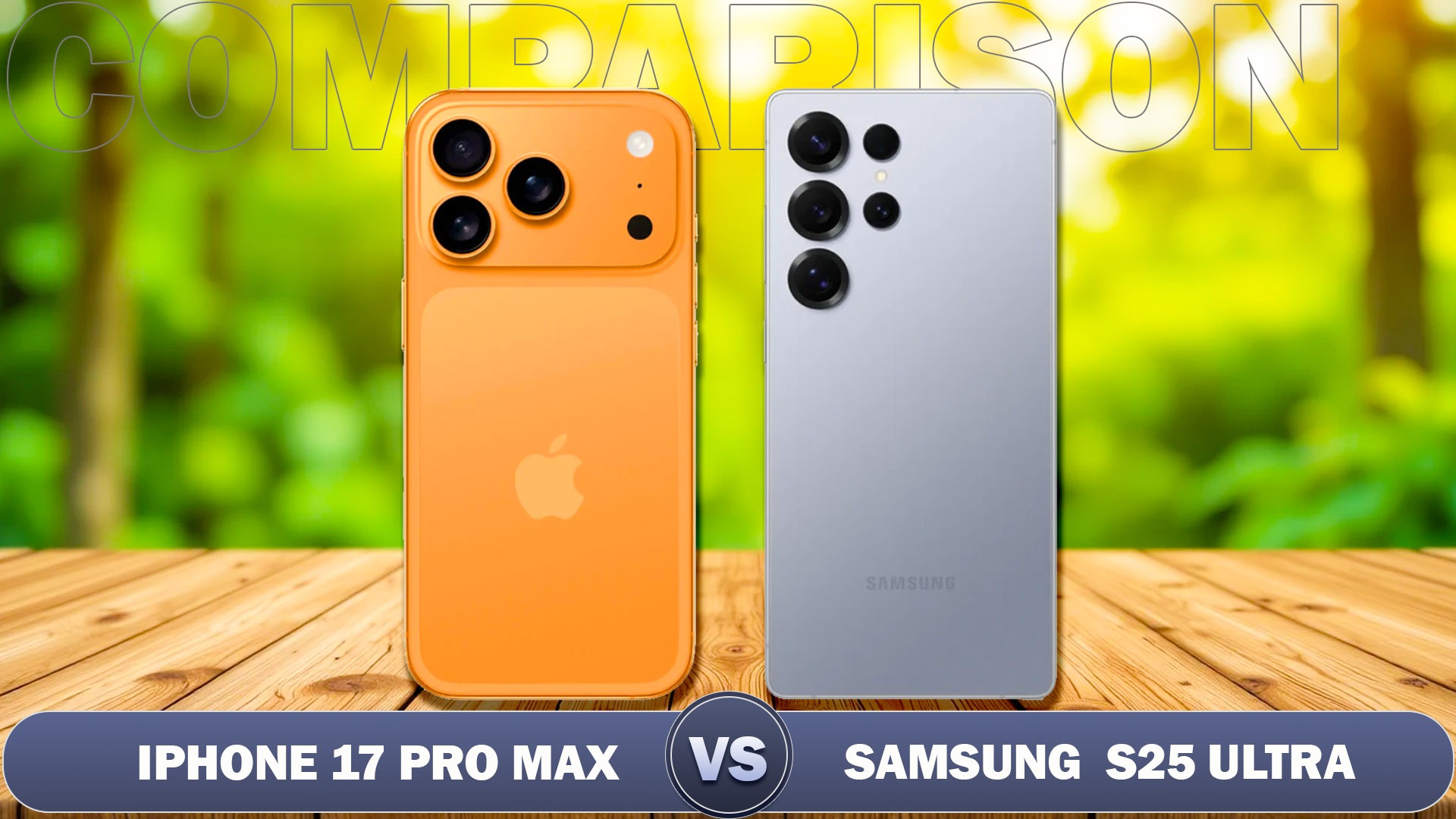
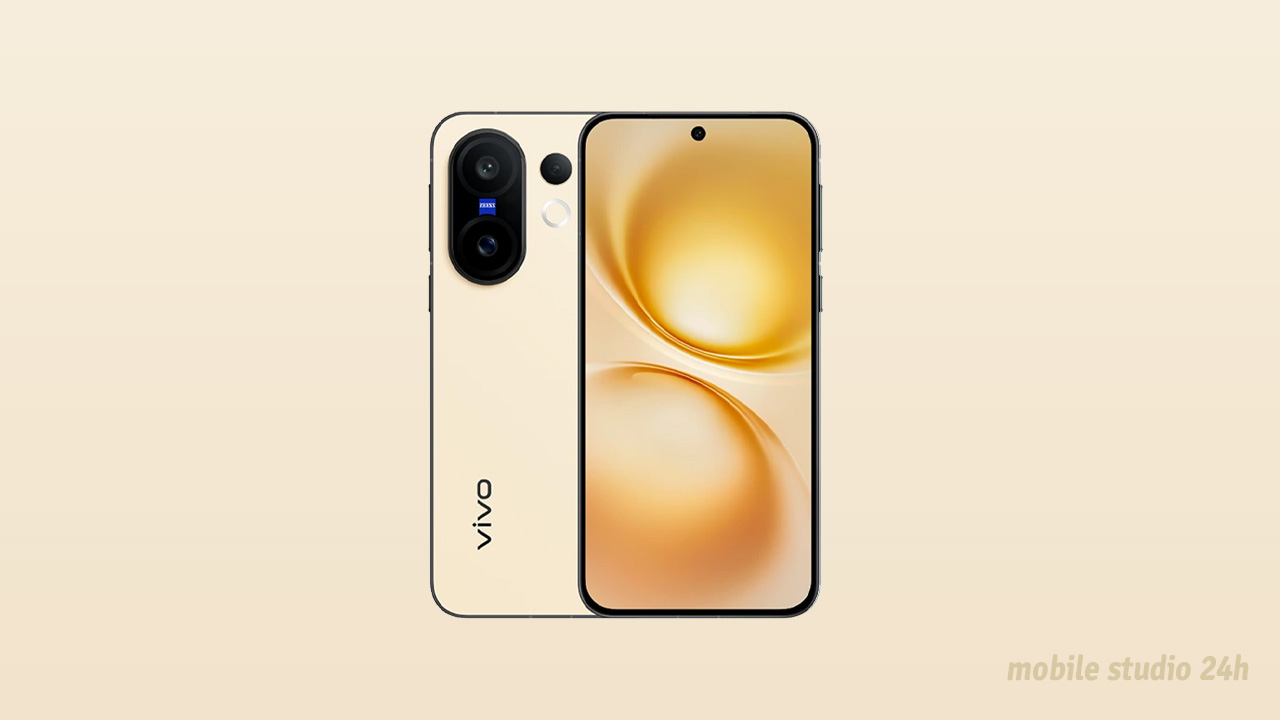
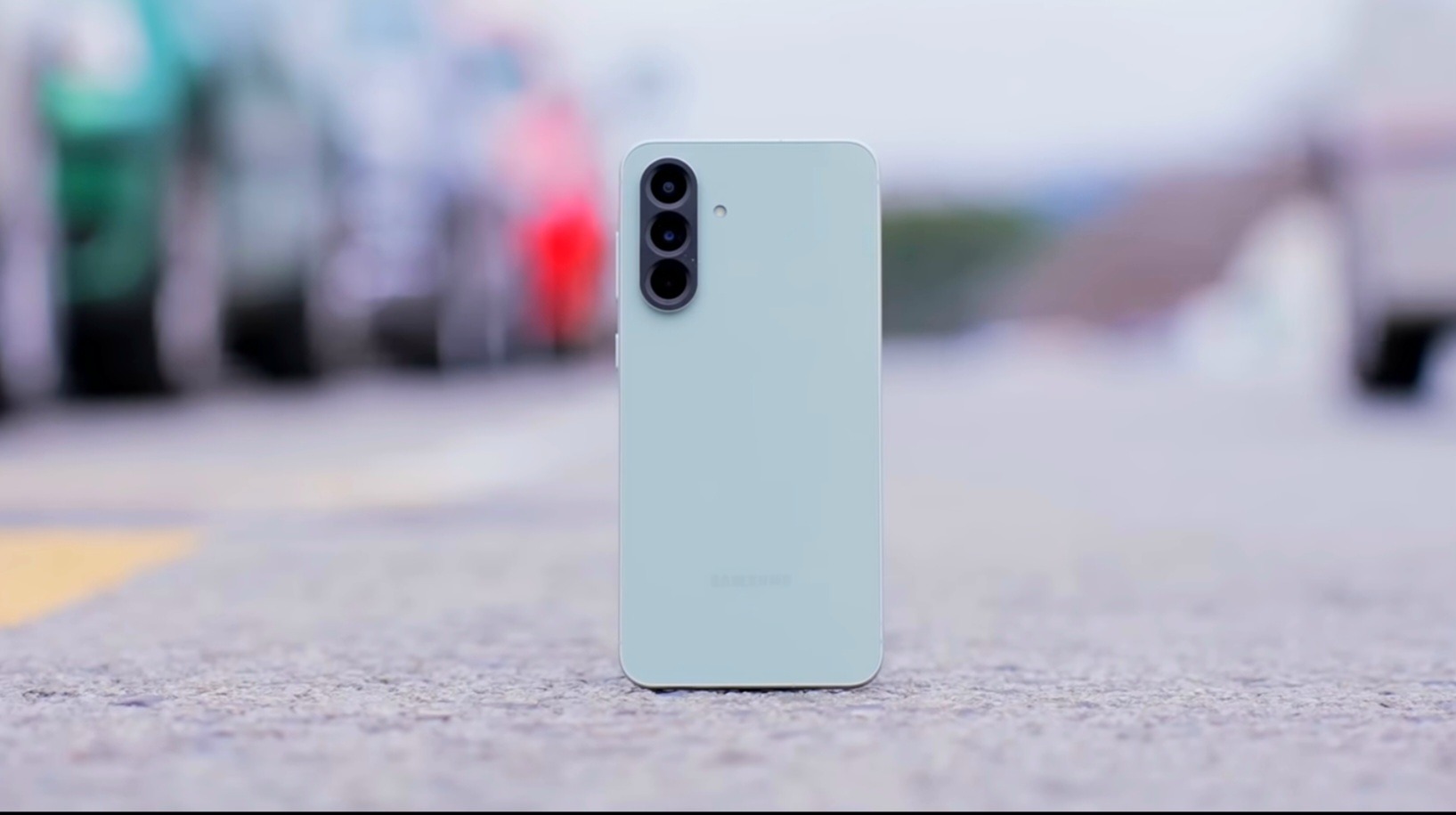
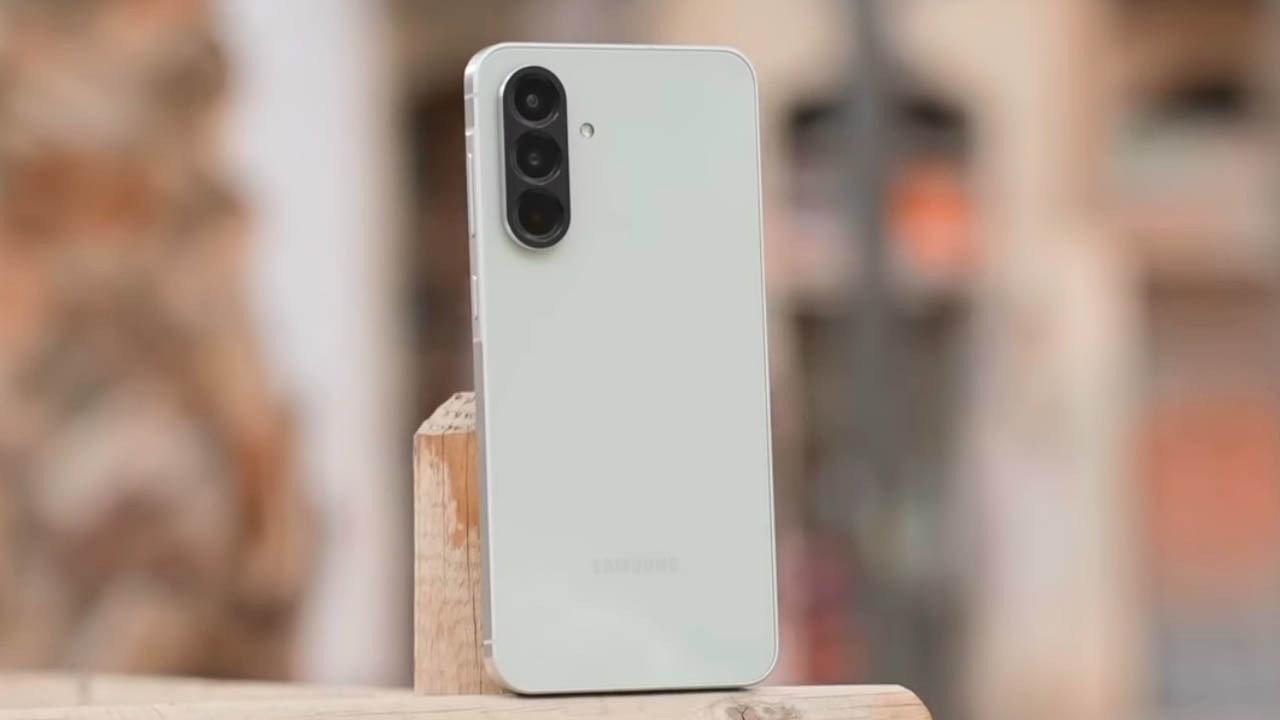
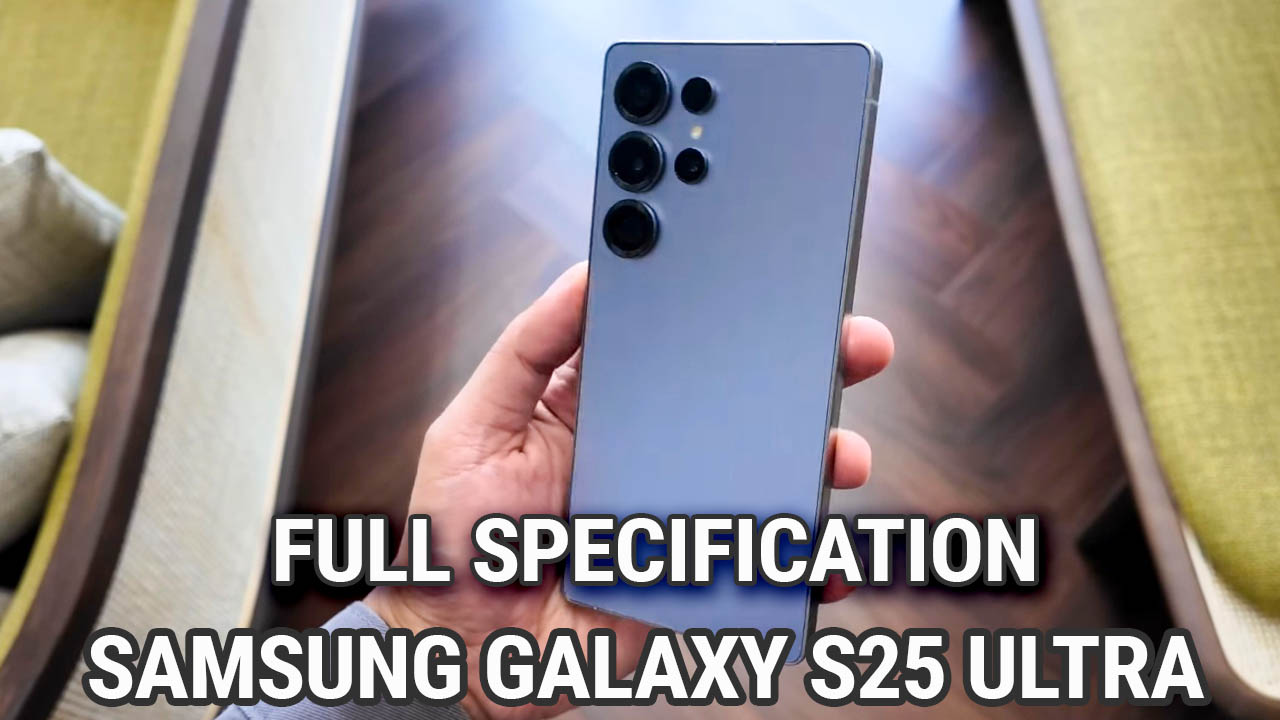
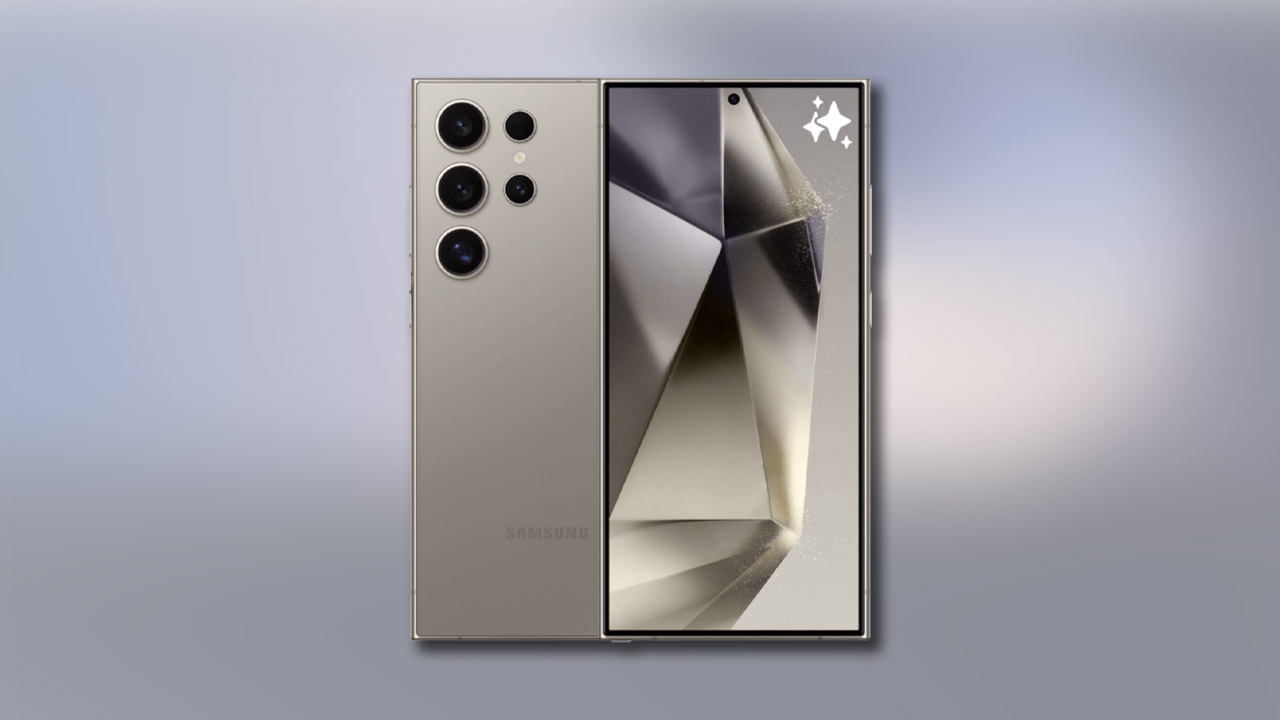
The Samsung Galaxy S26 Ultra and iPhone 17 Pro Max both prioritize refined ergonomics in 2026, though they utilize different approaches to construction. Samsung has shifted from titanium to a specialized Armor Aluminum 2.0 frame, achieving a remarkably slim 7.9mm thickness and a lightweight 214g build. Critically, it introduces significantly rounded corners, abandoning the sharp edges of previous Ultra models for improved comfort.
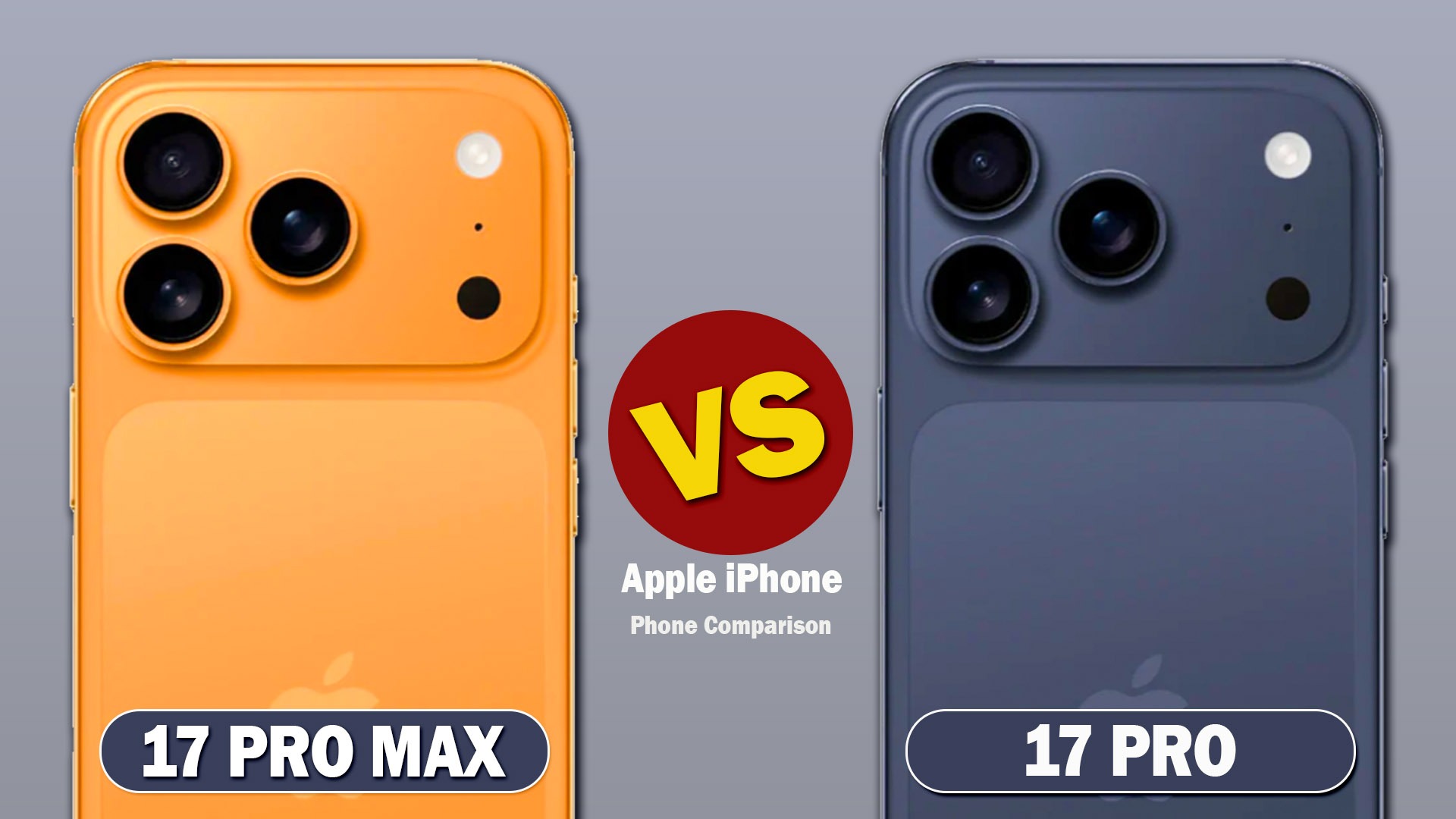
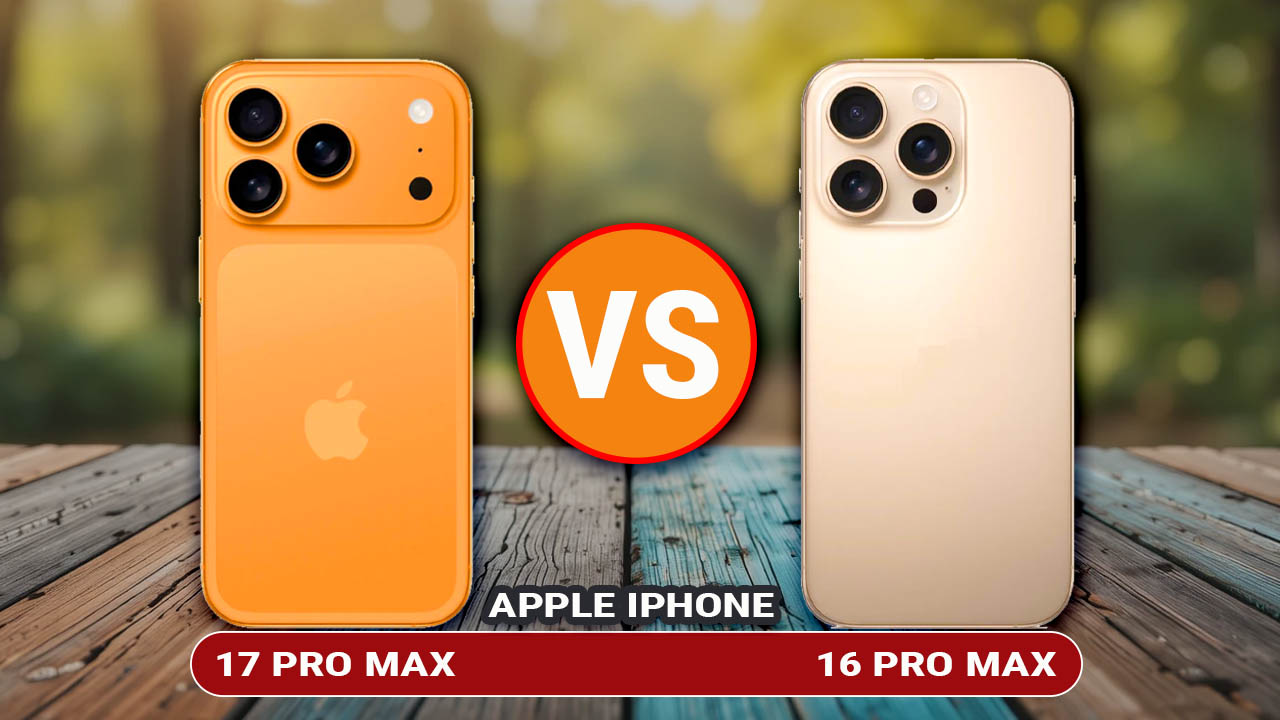
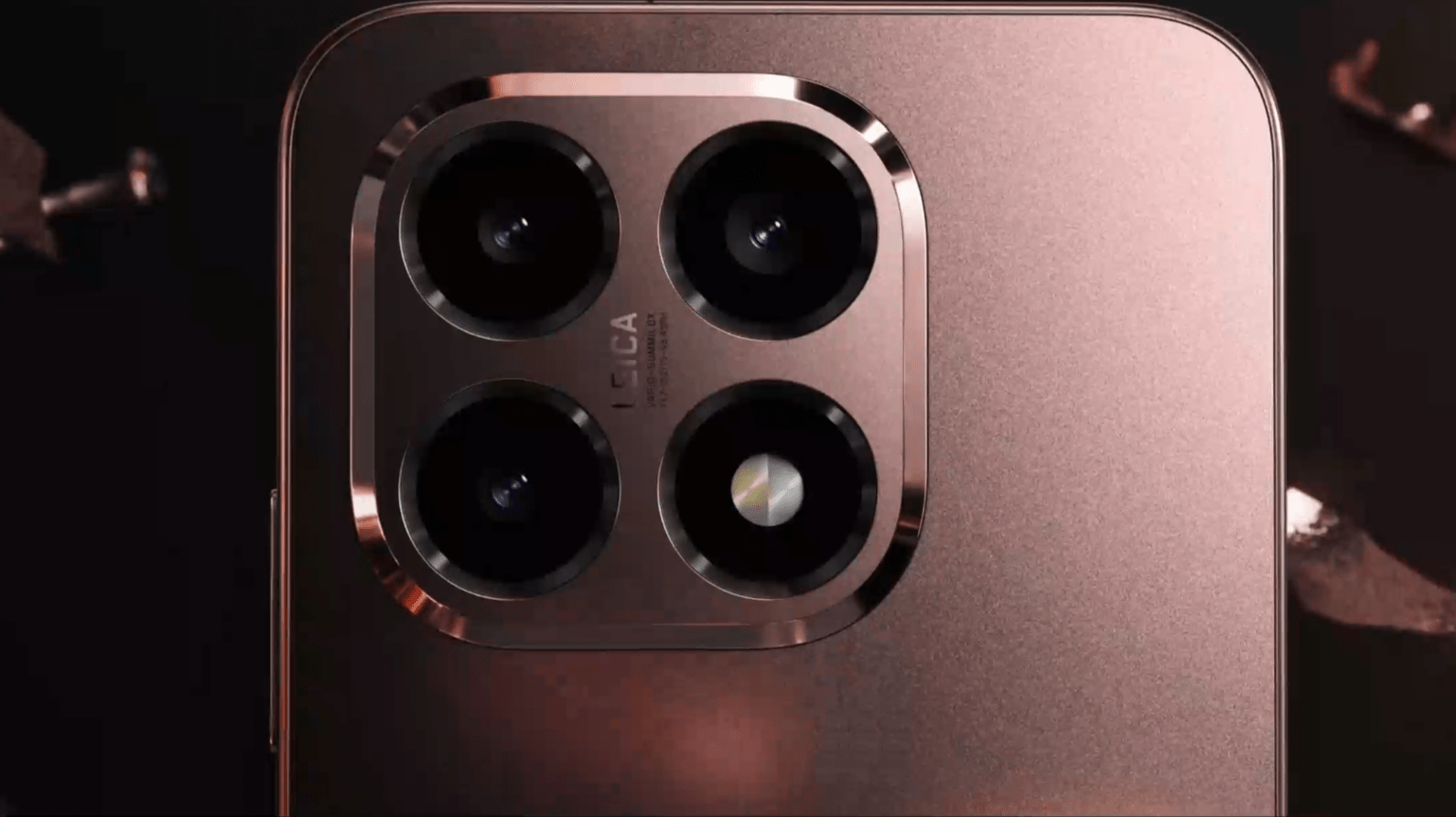
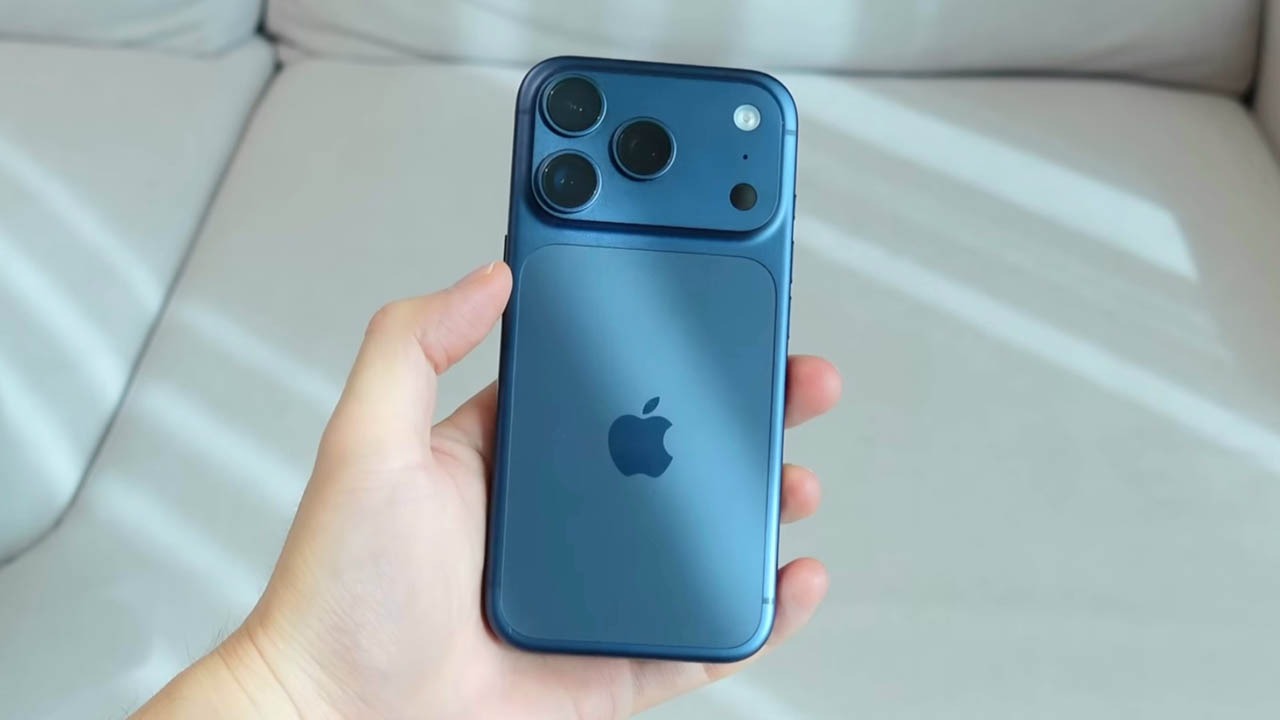
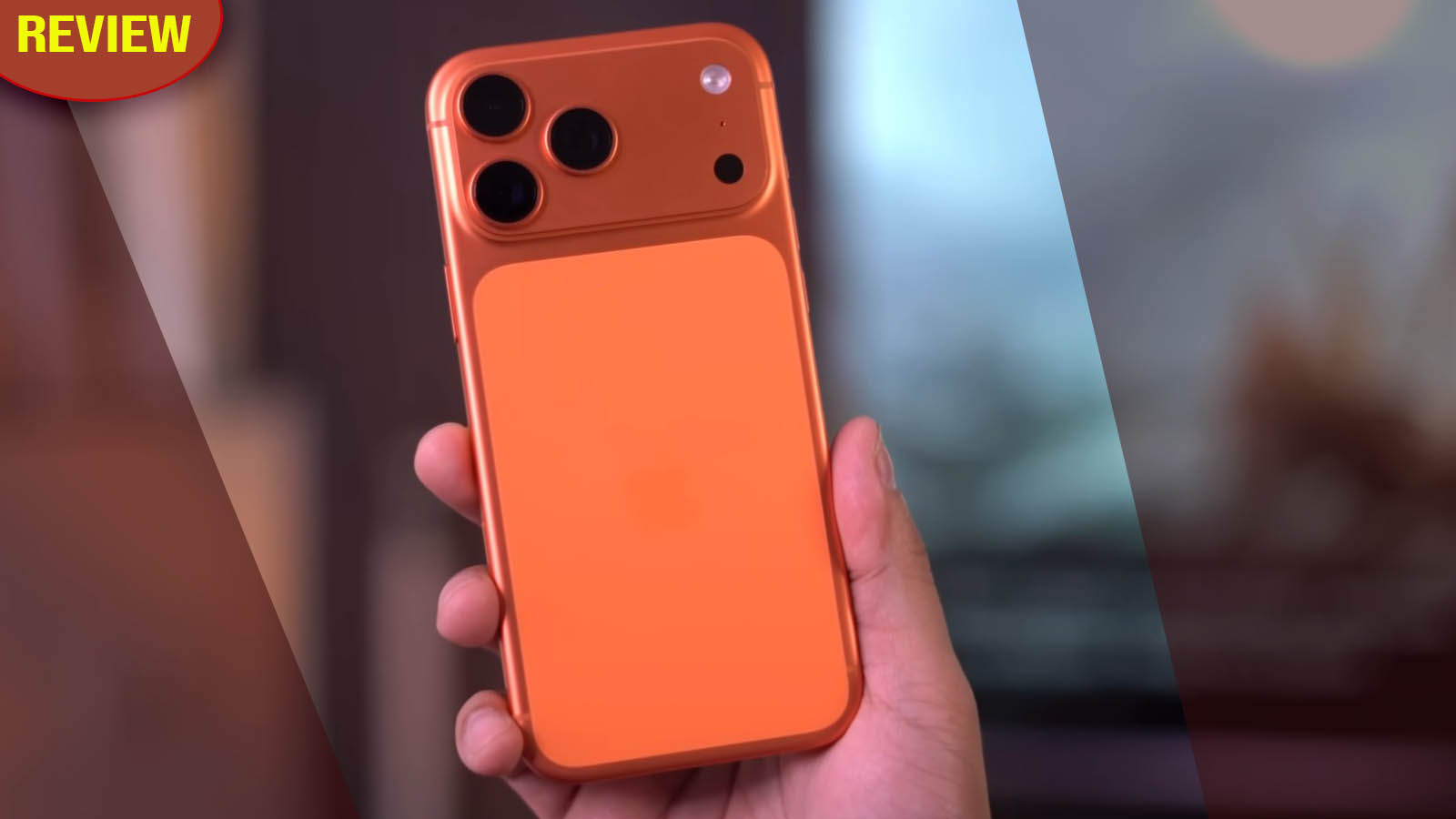
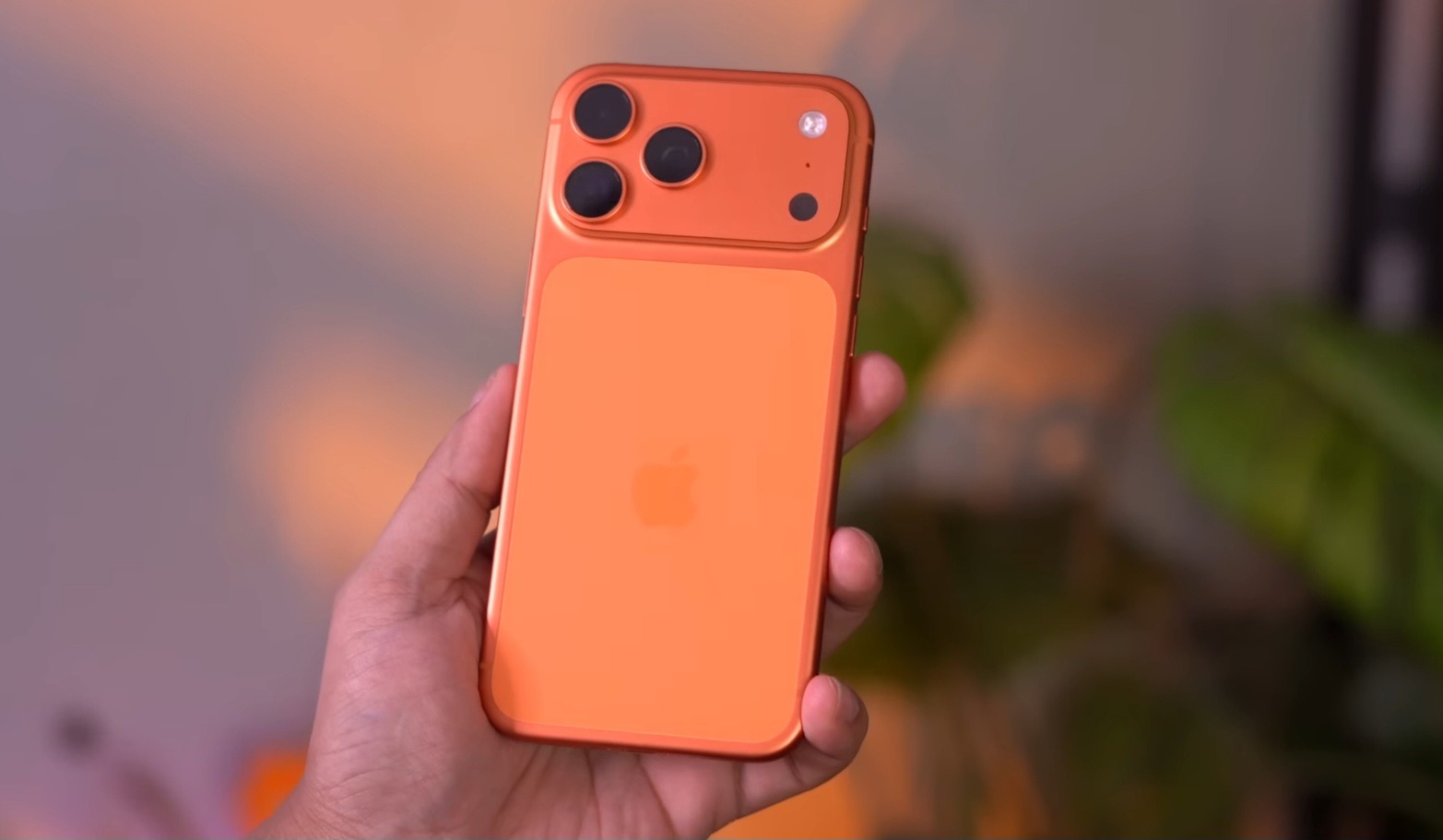
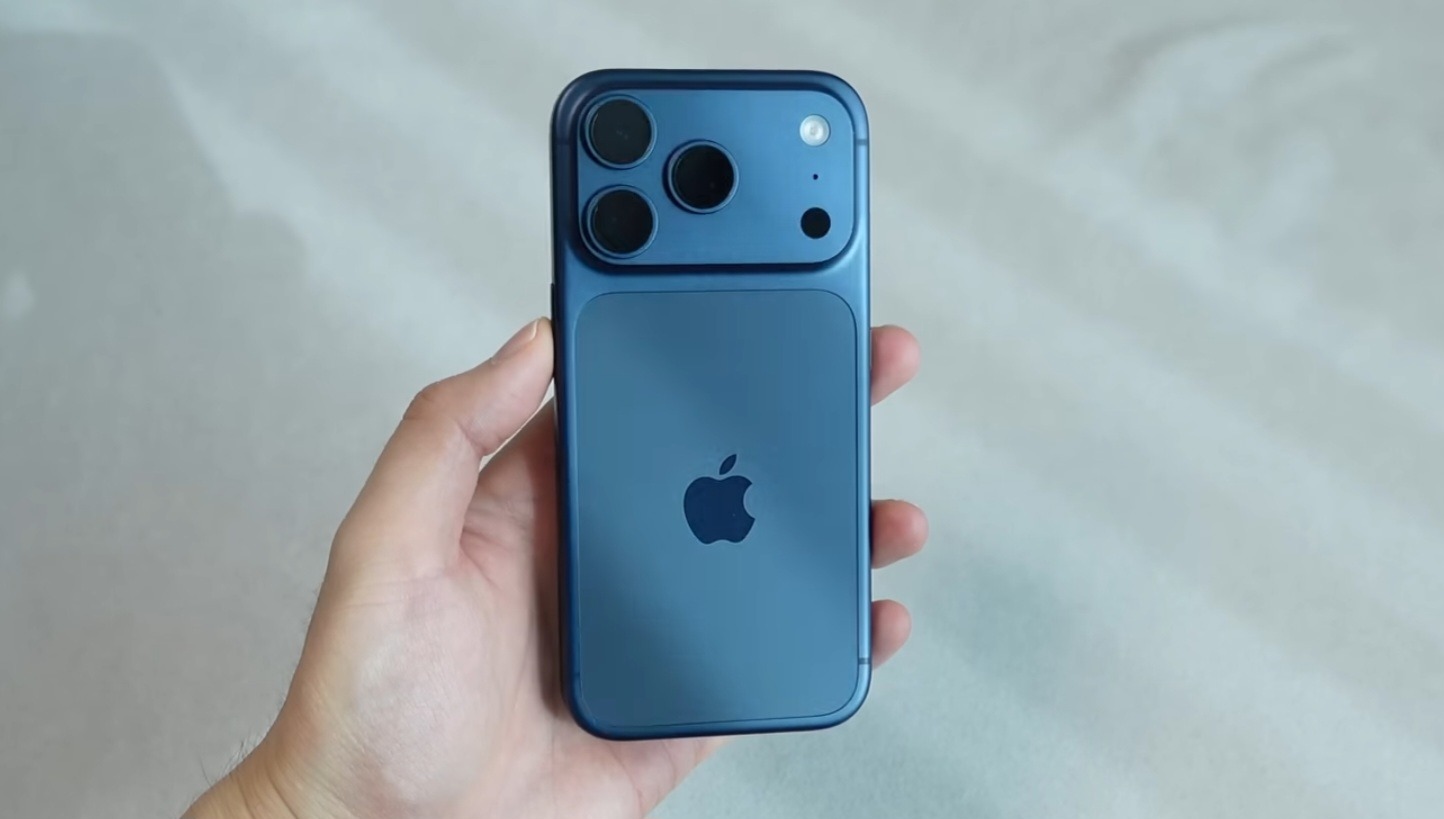
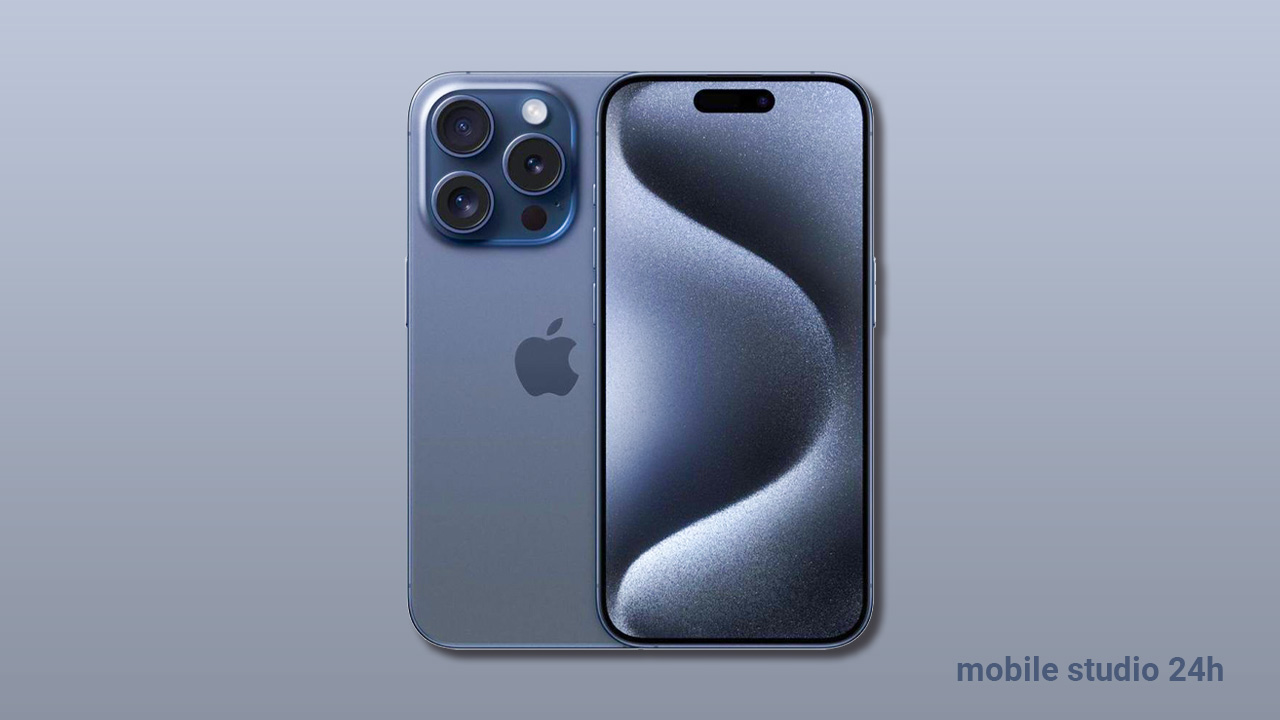
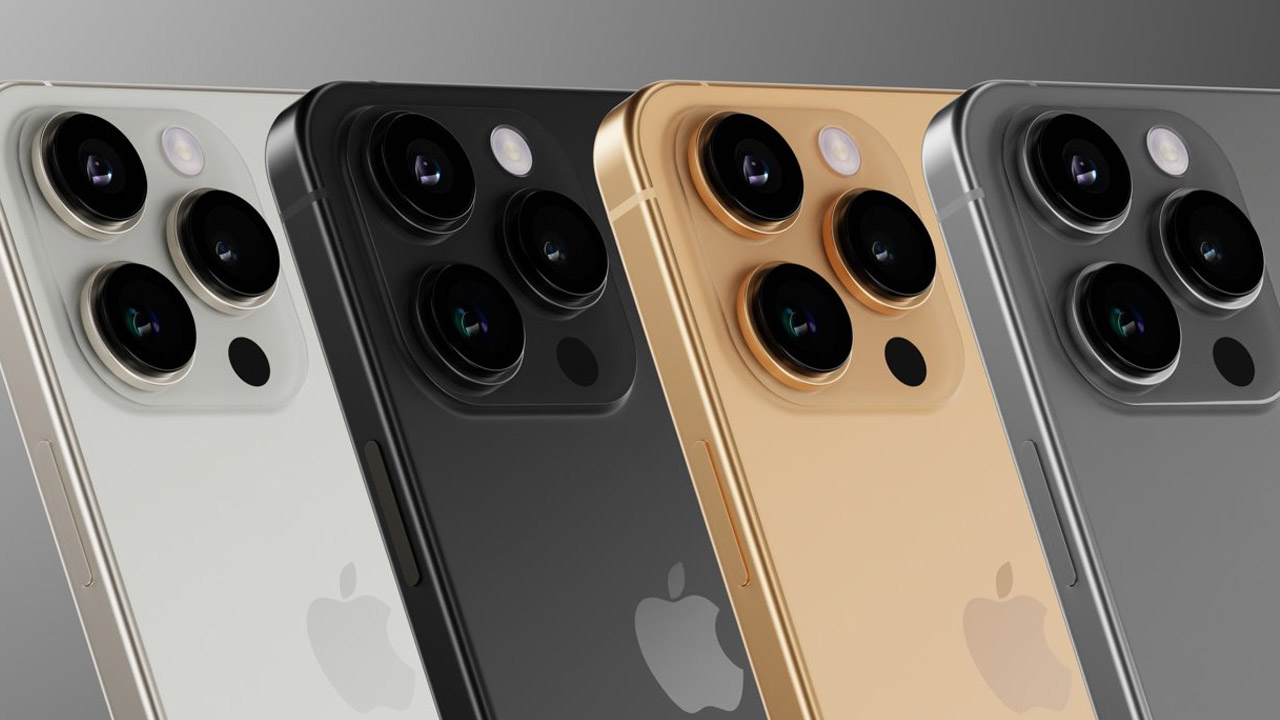
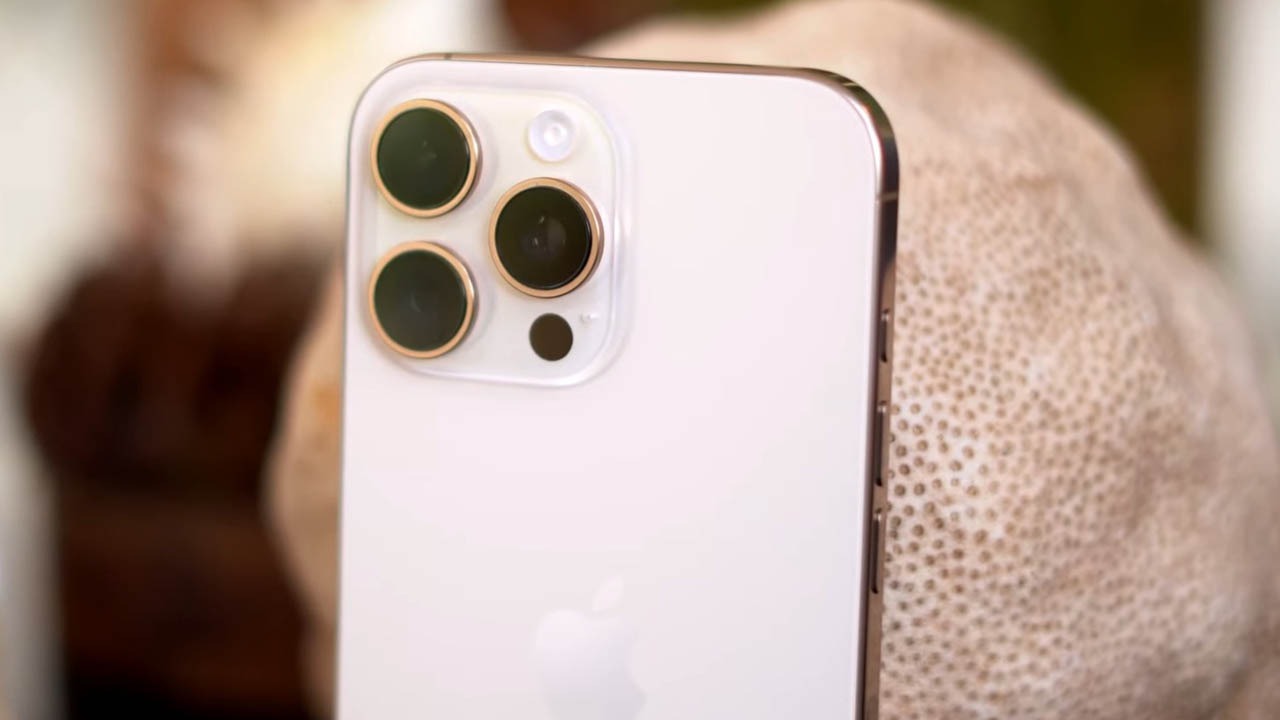
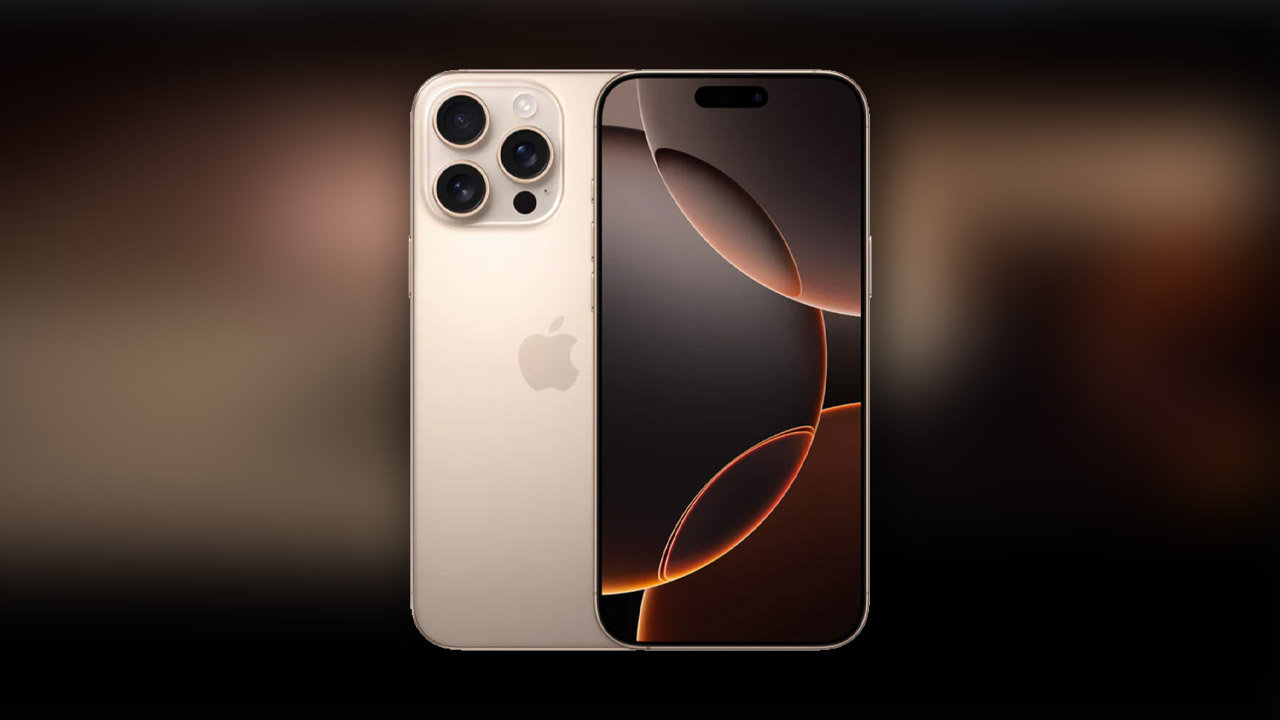
Conversely, the iPhone 17 Pro Max adopts a bolder design language with a full-width camera module dubbed the “camera plateau.” While it also moves to an aluminum chassis to improve thermal management and reduce weight, it remains denser and heftier at 233g and 8.75mm thick. Apple focuses on a seamless aesthetic with brushed metal and micro-etched “Aura” glass, contrasting with Samsung’s utility-driven, slim profile and integrated S Pen slot.
Display Comparison
Both the Samsung Galaxy S26 Ultra and iPhone 17 Pro Max feature massive 6.9-inch OLED panels with 120Hz adaptive refresh rates, but they prioritize different user experiences.
The S26 Ultra leads in raw sharpness with a QHD+ resolution (3,120 x 1,440) and a superior pixel density of 498 PPI. Its standout innovation is the world’s first hardware-level Privacy Display (Flex Magic Pixel), which can black out side-angle visibility at the toggle of a button—making it unreadable to onlookers. It also retains the ultra-low-reflection Gorilla Armor 2, which significantly reduces glare compared to standard glass.
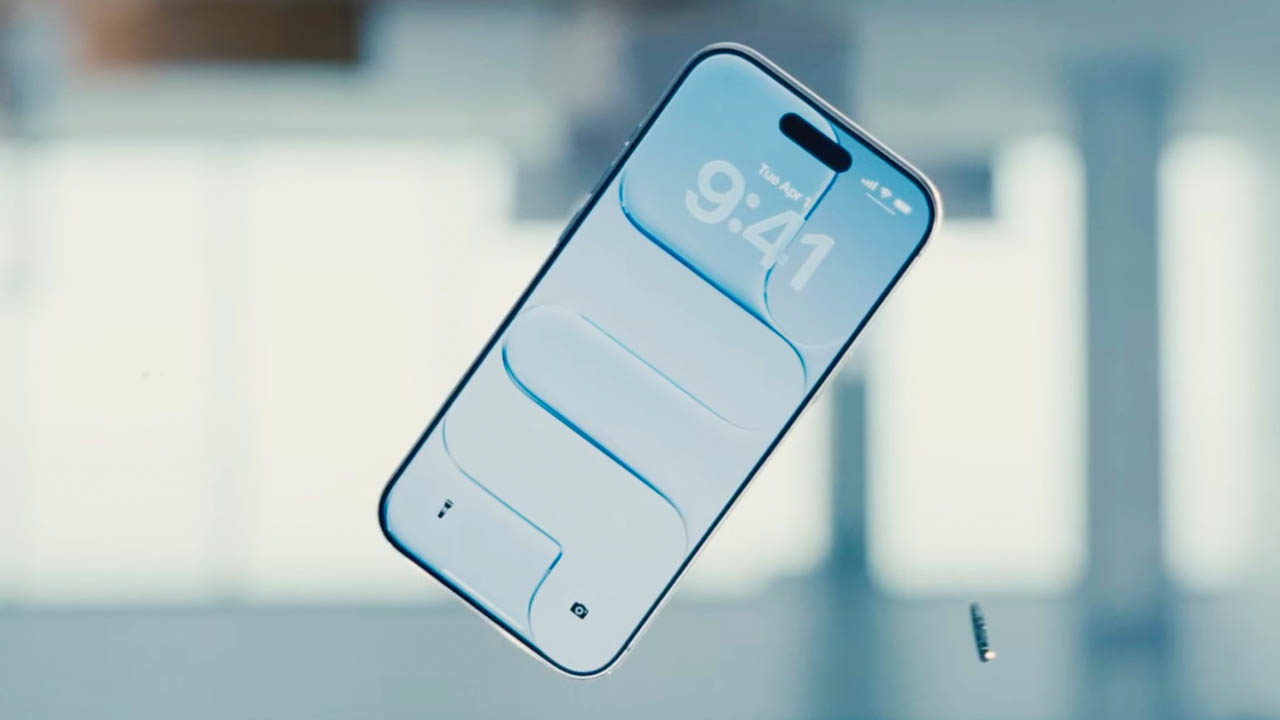
The iPhone 17 Pro Max focuses on peak visibility and durability. While its resolution is slightly lower (2,868 x 1,320 at 460 PPI), it matches Samsung with a 3,000-nit peak outdoor brightness. Apple introduces Ceramic Shield 2, claiming three times the scratch resistance of previous models, alongside a new anti-reflective coating to narrow the gap with Samsung’s matte-like finish.
Both devices now feature massive 6.9-inch screens, but the technology differs:
- Samsung S26 Ultra: Uses the new M14 OLED panel, which is 30% more power-efficient. It features a unique built-in privacy filter that hides content from side-viewers.
- iPhone 17 Pro Max: Offers 3,000 nits peak brightness and a new anti-reflective coating that makes it the best screen for outdoor use in 2026.
- Verdict: Samsung is better for multitasking (S Pen), while the iPhone is superior for color-accurate photo editing.
Performance & Daily Usage
The Samsung Galaxy S26 Ultra and iPhone 17 Pro Max represent the pinnacle of mobile performance in 2026, though they utilize different strengths. The S26 Ultra is powered by the Snapdragon 8 Elite Gen 5 for Galaxy, a 3nm chip optimized to lead in raw multi-core benchmarks, sustained gaming performance, and complex AI tasks like “Agentic AI.”
Conversely, the iPhone 17 Pro Max utilizes the A19 Pro chip. While it may trail slightly in raw multi-core scores, it retains a narrow edge in single-core efficiency and benefits from Apple’s notoriously tight hardware-software integration. This results in incredibly smooth day-to-day navigation and superior optimization for professional video editing apps. Both feature advanced vapor chambers for heat management, but Samsung’s hardware versatility generally edges out Apple in raw power and heavy multitasking.
Both phones are powered by 2nm chipsets, the most efficient ever made.
- Snapdragon 8 Elite Gen 5 (Samsung): Focuses on “Galaxy AI 3.0,” offering real-time video softening and manual autofocus control.
- A19 Pro (Apple): Features a new Neural Engine capable of 80 TOPS (Trillion Operations Per Second), making Siri almost human-like in its responses.
- Daily Use: Both phones are buttery smooth, with 12GB of RAM ensuring that apps never close in the background.
Gaming Performance
- Samsung: Better for long sessions due to the Snapdragon’s Adreno 840 GPU and a massive vapor chamber. It handles Genshin Impact at 60fps with zero throttling.
- iPhone: Ideal for casual and high-fidelity gaming; Apple’s Hardware-Accelerated Ray Tracing makes lighting in games look console-quality.
Camera Comparison
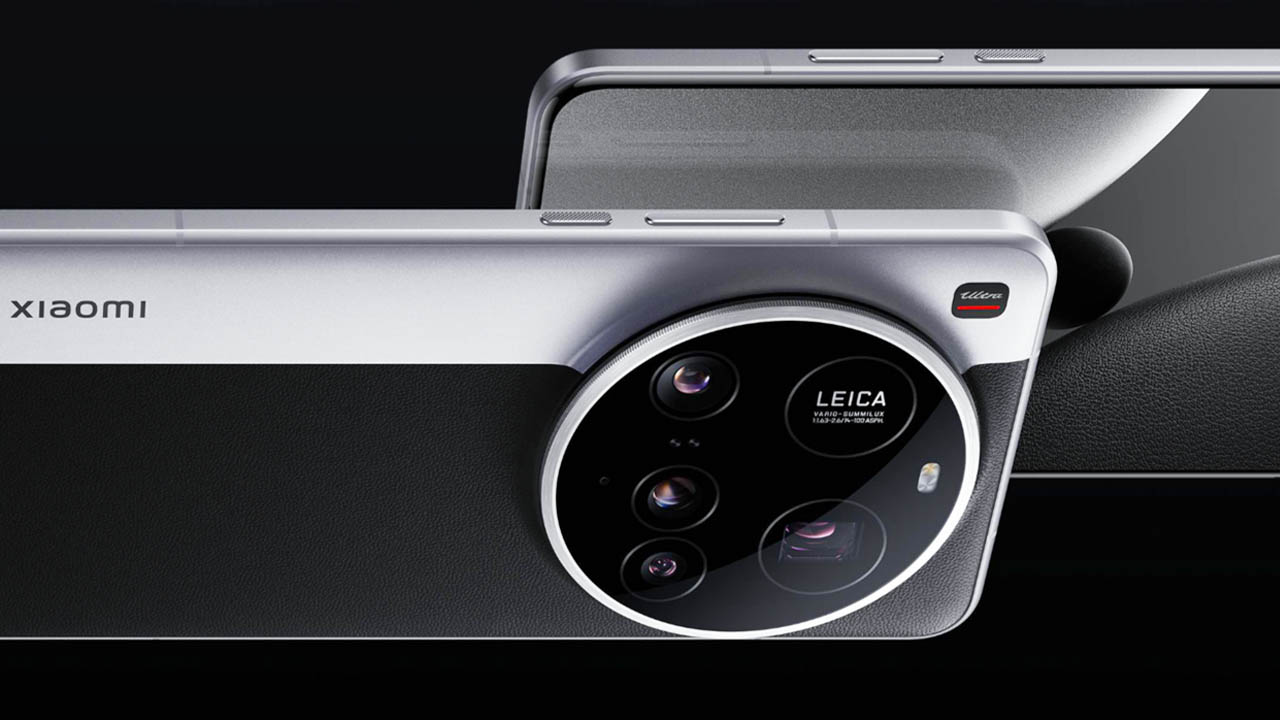
The camera battle between the Samsung Galaxy S26 Ultra and iPhone 17 Pro Max in 2026 is a clash of versatility versus consistency. The S26 Ultra utilizes a quad-lens setup, headlined by a 200MP main sensor with an industry-leading f/1.4 aperture for exceptional low-light photography. It offers unmatched zoom versatility with dedicated 3x and 5x optical lenses, capable of reaching 100x digital Space Zoom.
Conversely, the iPhone 17 Pro Max streamlines its pro system into a triple 48MP array. While it lacks Samsung’s extreme zoom reach, it matches competitive quality up to 8x via sensor cropping. Apple’s strength lies in video recording, offering superior stabilization, 4K 120fps Dolby Vision, and ProRes formats, making it the preferred choice for filmmakers.
- Samsung: The 200MP sensor is still the king of detail. The new 24MP default mode offers a perfect balance between file size and sharpness. Its zoom (up to 100x) remains unbeatable.
- iPhone: Moves to a Triple 48MP setup. The new 8x Optical Zoom (tetraprism) provides incredible clarity for portraits, and Apple’s video remains the industry standard.
Video Recording Comparison
Apple wins here with ProRes 4K at 120fps and a new “Dual Capture” mode that records the front and back cameras simultaneously. Samsung has introduced AI Video Softening to make 8K footage look more “cinematic” and less digital.
Battery Life & Charging
Both flagships offer all-day endurance, but they differ significantly in charging philosophy. The Samsung Galaxy S26 Ultra features a 5,000 mAh battery paired with a major upgrade to 60W wired charging, allowing a 0–75% charge in just 30 minutes. It also supports 25W wireless charging via Qi2.2.
Conversely, the iPhone 17 Pro Max houses a slightly larger 5,088 mAh cell. While Apple officially lists charging at 40W—reaching 50% in 20 minutes—it prioritizes extreme efficiency through the A19 Pro chip, often dominating in real-world endurance tests despite having slower peak charging speeds than Samsung. Apple also utilizes 25W MagSafe and Qi2 wireless charging.
- Galaxy S26 Ultra: Supports 60W wired charging (75% in 30 minutes) & Qi2 wireless.
- iPhone 17 Pro Max: Offers the longest battery life in any iPhone (~39 hours video playback) but charges slower at 35W–40W.
Pros and Cons
Choosing between the Samsung Galaxy S26 Ultra and the iPhone 17 Pro Max depends on whether you prioritize cutting-edge hardware versatility or refined ecosystem integration.
Samsung Galaxy S26 Ultra
- Pros: Features a unique, hardware-level Privacy Display that blacks out side angles. It includes an integrated S Pen for productivity, 60W fast charging, and an incredibly versatile 200MP camera system with superior zoom capabilities.
- Cons: The large 6.9-inch design may feel unwieldy to some, and Android’s app ecosystem can sometimes lack the consistency of iOS.
iPhone 17 Pro Max
- Pros: Delivers industry-leading battery endurance and unparalleled video recording quality. The A19 Pro chip provides immense efficiency, and the iOS ecosystem ensures seamless integration with other Apple devices.
- Cons: Charges significantly slower than the Samsung at 40W and lacks the hardware-based privacy features or stylus input.
Which One Should You Buy?
Choosing between the Samsung Galaxy S26 Ultra and the iPhone 17 Pro Max ultimately comes down to your priorities regarding flexibility versus ecosystem refinement.
Buy the Samsung Galaxy S26 Ultra if:
- You are a power user needing maximum productivity tools, specifically the integrated S Pen.
- You want the most versatile camera system, featuring a 200MP sensor and superior long-range zoom capabilities.
- You value privacy in public spaces with the hardware-level Privacy Display.
- You need rapid charging, capable of hitting 75% in just 30 minutes with 60W wired charging.
Buy the iPhone 17 Pro Max if:
- You are firmly invested in the Apple Ecosystem and value seamless integration with Macs, iPads, and Apple Watch.
- You prioritize video recording quality, where Apple remains the industry standard.
- You want the absolute best battery endurance, benefiting from the extreme efficiency of the A19 Pro chip.
Final Verdict and Personal Opinion
Choosing between the Samsung Galaxy S26 Ultra and the iPhone 17 Pro Max in 2026 comes down to hardware versatility versus ecosystem refinement.
The S26 Ultra is the undisputed champion of productivity and innovative features. The new 60W fast charging drastically narrows the charging gap, and the integrated S Pen combined with the revolutionary Privacy Display offers functionality Apple simply cannot match. It is the powerhouse choice for power users.
Conversely, the iPhone 17 Pro Max takes the crown for sheer battery endurance and unparalleled video stabilization. The A19 Pro chip delivers class-leading efficiency, and iOS 26 remains the standard for smooth, cohesive user experience.
Personal Opinion: I would buy the Samsung Galaxy S26 Ultra. The ability to use the stylus for notes and the privacy feature for public commuting make it a more practical, exciting daily tool, even if the iPhone holds a slight edge in raw battery longevity.
Frequently Asked Questions (FAQs)
1. Which phone has the better display for privacy?
The Samsung Galaxy S26 Ultra is the clear winner here. It introduces the industry-first Flex Magic Pixel technology, which allows you to black out the screen from side angles at the touch of a button, protecting sensitive content from prying eyes in public. it’s call privacy display.
2. Does the iPhone 17 Pro Max charge faster than the S26 Ultra?
No. The S26 Ultra supports 60W wired charging, hitting 75% in about 30 minutes. The iPhone 17 Pro Max tops out at roughly 40W, reaching 50% in 20 minutes, making Samsung significantly faster for quick top-ups.+1
3. Which camera is better for zoom and which is better for video?
The S26 Ultra is better for zoom, offering a 200MP main sensor and exceptional long-range digital capabilities. The iPhone 17 Pro Max remains the industry leader for video recording, providing superior stabilization and consistency.
4. Do both phones include a stylus?
Only the Samsung Galaxy S26 Ultra includes an integrated stylus, the S Pen, which slots directly into the phone’s frame for note-taking, sketching, and remote camera control. Apple does not support a stylus on the iPhone.
5. Which battery lasts longer in real-world usage?
While both phones easily last all day, the iPhone 17 Pro Max generally edges out the competition in endurance tests due to the extreme efficiency of the A19 Pro chip and tighter hardware-software integration
Disclaimer
Disclaimer: This comparison is based on early 2026 testing, manufacturer specifications, and verified industry leaks. Actual performance and pricing may vary by region and final retail software updates.