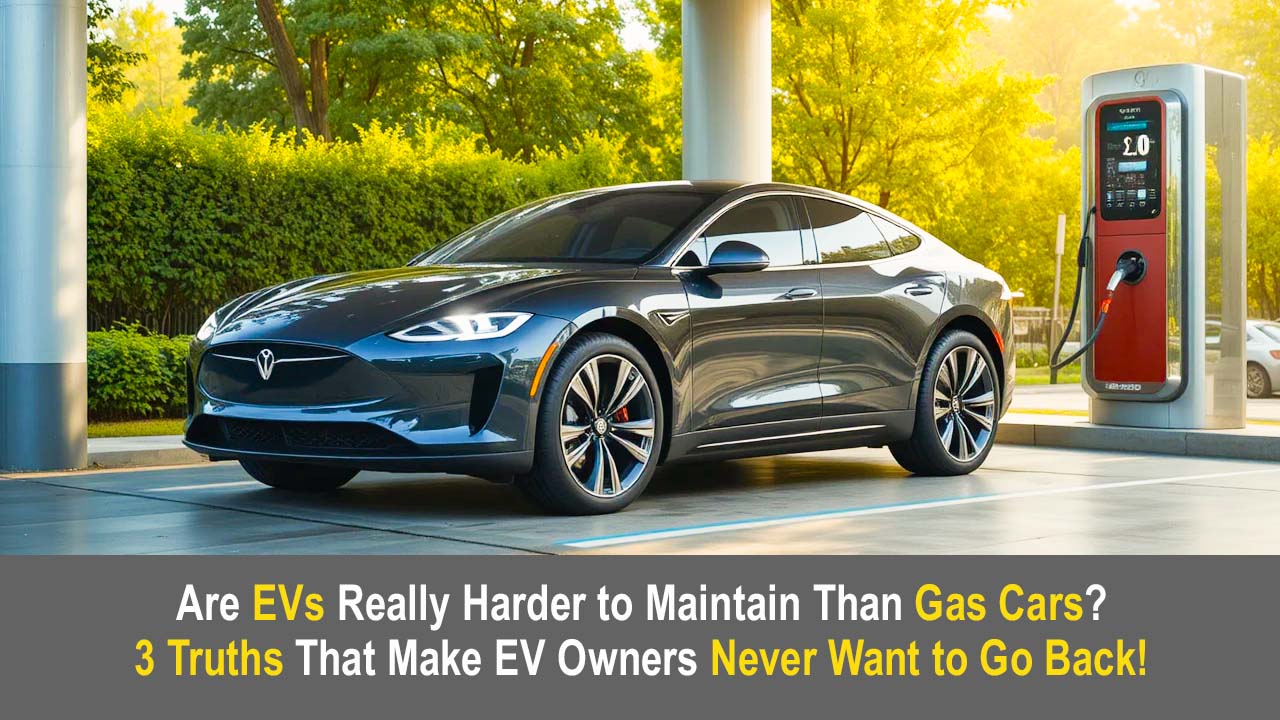
As we move through 2026, electric vehicle (EV) adoption in Cambodia and across the globe has reached a turning point. Driving an EV is no longer just a “green statement”—it is a savvy financial decision and a commitment to a high-tech lifestyle. However, transitioning from an internal combustion engine (ICE) to an EV requires a new set of skills. To ensure your vehicle remains a reliable asset for your family or business, you must master the art of battery health, safety protocols, and efficient driving.
This comprehensive guide breaks down the essential techniques every EV owner needs to ensure maximum safety and convenience.
1. Battery Management: Preserving the “Heart” of Your EV
In the world of technology, the battery is the most critical and expensive component. Just as you care for the battery on your flagship smartphone, your EV requires specific habits to prevent degradation.
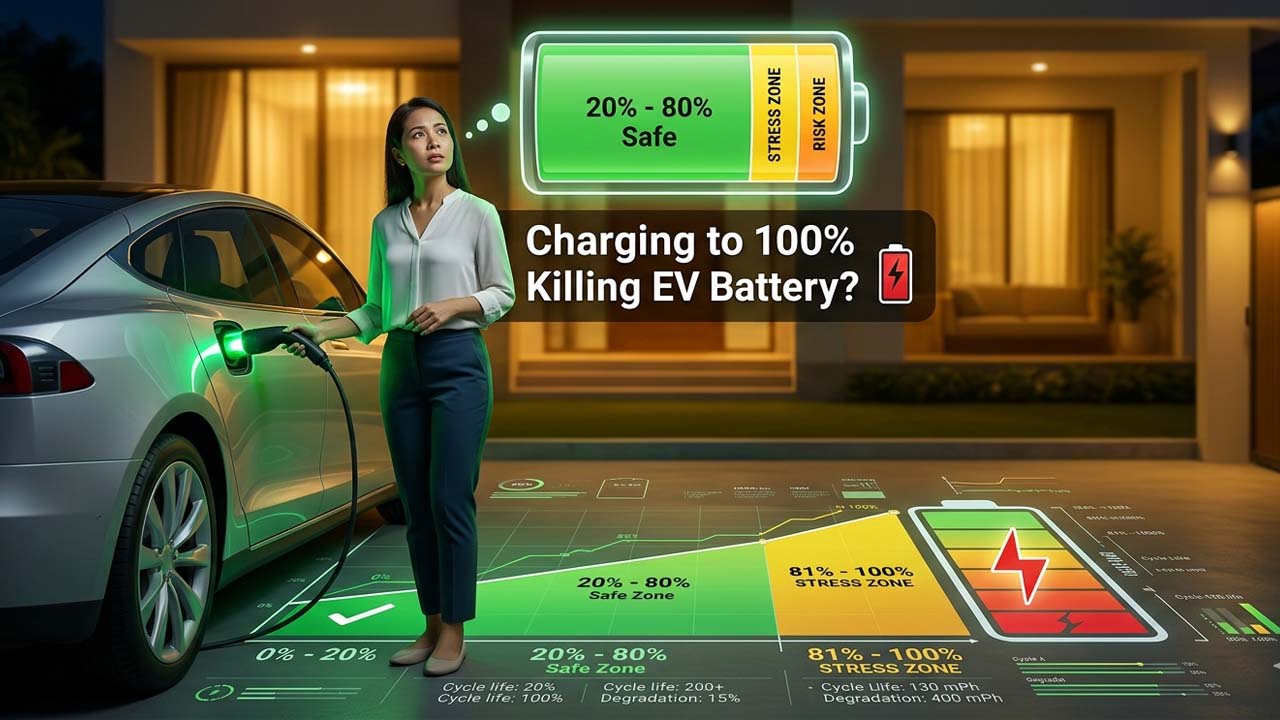
The 20-80% Golden Rule
To maintain long-term “State of Health” (SOH), avoid letting your battery drop below 20% or sitting at 100% for long periods. Lithium-ion cells experience “stress” at extreme high or low voltages. Keeping your charge between 20% and 80% for daily commutes can extend your battery’s lifespan by up to 30%.
Thermal Awareness in Tropical Climates
For our readers in Cambodia and other warm regions, heat is the enemy of efficiency. In 2026, most EVs have advanced liquid cooling, but you can help by:
- Parking in the shade: This prevents the cooling system from working overtime while the car is off.
- Pre-conditioning: Use your mobile app to turn on the AC while the car is still plugged in. This uses grid power instead of battery power to cool the cabin.
2. Charging Safety: Professional Protocols
Charging an EV is generally safer than handling flammable gasoline, but it involves high-voltage electricity that demands respect.
Home Charging Standards
- Avoid Extension Cords: Never use a standard household extension cord to charge your car. These are not rated for the sustained high-current draw of an EV and can lead to electrical fires.
- Professional Installation: Ensure your home “Wallbox” is installed by a certified technician. At Sakmai Property, we recommend checking that your home’s electrical panel can handle a dedicated 32-amp circuit for Level 2 charging.
Public Charging Etiquette and Safety
Before plugging in at a public station, inspect the cable for cracks or exposed wires. In 2026, most stations are automated, but always ensure the connector is “clicked” in firmly before walking away. In the event of heavy lightning storms, it is a global best practice to pause high-speed DC charging to protect the car’s sensitive onboard electronics from power surges.
3. Advanced Driving Techniques for Range & Safety
Electric vehicles offer “Instant Torque,” meaning they accelerate much faster than gas cars. This requires a different driving approach.
Mastering Regenerative Braking
Most 2026 EVs feature “One-Pedal Driving.” When you lift your foot off the accelerator, the motor reverses to act as a generator, slowing the car down and sending electricity back into the battery.
- Efficiency Tip: Anticipate traffic lights. By slowing down gradually using regenerative braking rather than the mechanical brake pedal, you can recover up to 15% of your energy.
The “Speed vs. Range” Reality
Aerodynamic drag increases significantly at higher speeds. Driving at 90 km/h instead of 110 km/h can often save you 10-20% in energy consumption. If you are on a long trip across provinces, maintaining a steady, moderate speed is the fastest way to reach your destination without extra charging stops.
4. Intelligent Trip Planning
The “Range Anxiety” of the past is gone, thanks to better infrastructure, but smart planning is still the hallmark of a pro EV owner.
Use the 2026 Digital Ecosystem
Don’t rely solely on the car’s dashboard. Use dedicated apps to verify if a charger is currently operational or occupied.
- Buffer for the Unexpected: Always plan to arrive at your next charger with at least 15% battery remaining. This “Safety Buffer” accounts for unexpected detours, heavy traffic, or increased AC usage in extreme heat.
The “ABC” Rule: Always Be Charging
Instead of waiting for the battery to be empty, top up whenever you stop for a coffee or a meal. In 2026, the global charging network is integrated into malls, restaurants, and hotels. Small “sips” of power throughout the day are better for the battery and your schedule than one long “gulp” at a fast charger.
5. Maintenance and Software: The “Smart” Side of Ownership
Since EVs have fewer moving parts, maintenance is largely about software and tires.
- OTA (Over-the-Air) Updates: Your car is a computer. Manufacturers frequently release updates that improve battery efficiency and safety features. Ensure your car is connected to Wi-Fi at home to receive these updates promptly.
- Tire Pressure is Key: Because EVs are heavier due to the battery, tire pressure significantly impacts range. Check your PSI monthly; under-inflated tires increase rolling resistance and drain your battery faster.
- Emergency Kit: Always keep a portable Level 1 charger in your trunk. It allows you to plug into a standard wall outlet in an emergency—giving you just enough “limp home” juice if you are far from a fast charger.
6. Final Verdict: The 2026 EV Lifestyle
Owning an EV is a rewarding experience that combines luxury with responsibility. By following these safety and convenience techniques, you ensure that your vehicle remains a high-performing asset that saves you money every single day.
Whether you are navigating the busy streets of City or driving across borders, being an “informed” EV owner is the key to enjoying the silent, powerful revolution of electric mobility.
Disclaimer
Disclaimer: This article is provided for informational purposes by Mobile Studio 24h and Sakmai Property & Tech. While based on 2026 global standards, always refer to your specific vehicle’s owner manual for manufacturer-recommended safety and maintenance procedures.