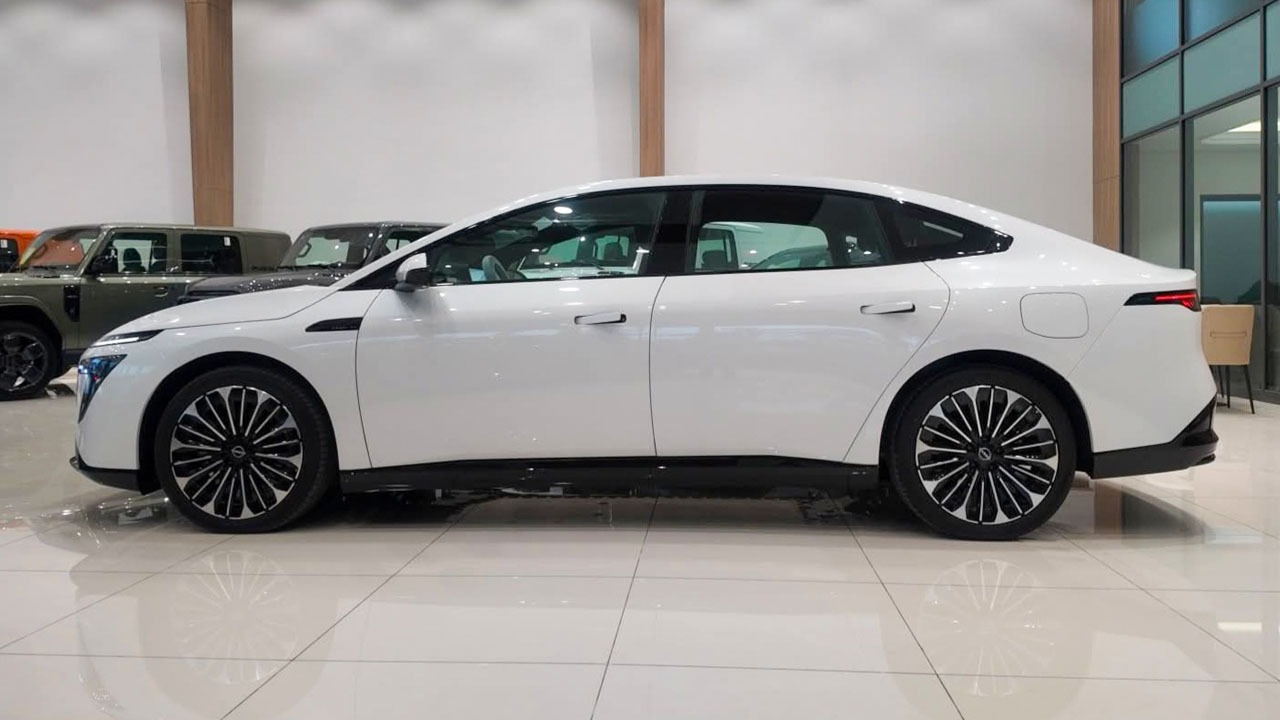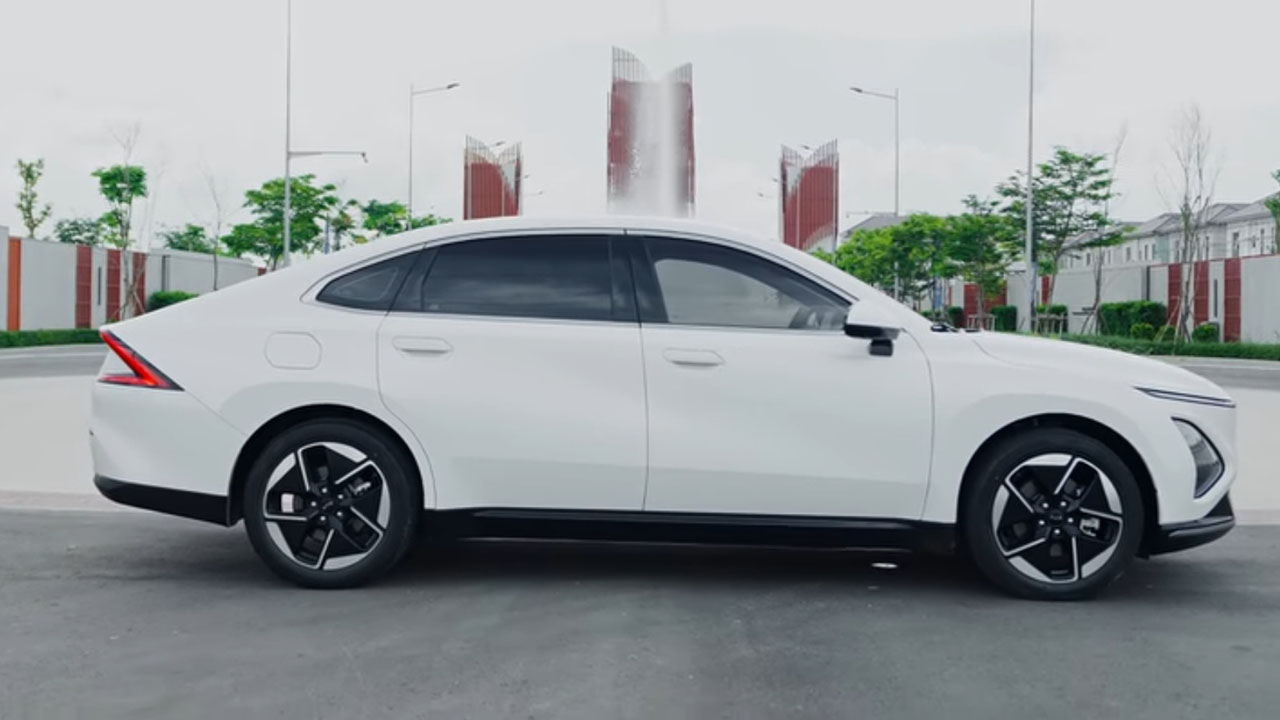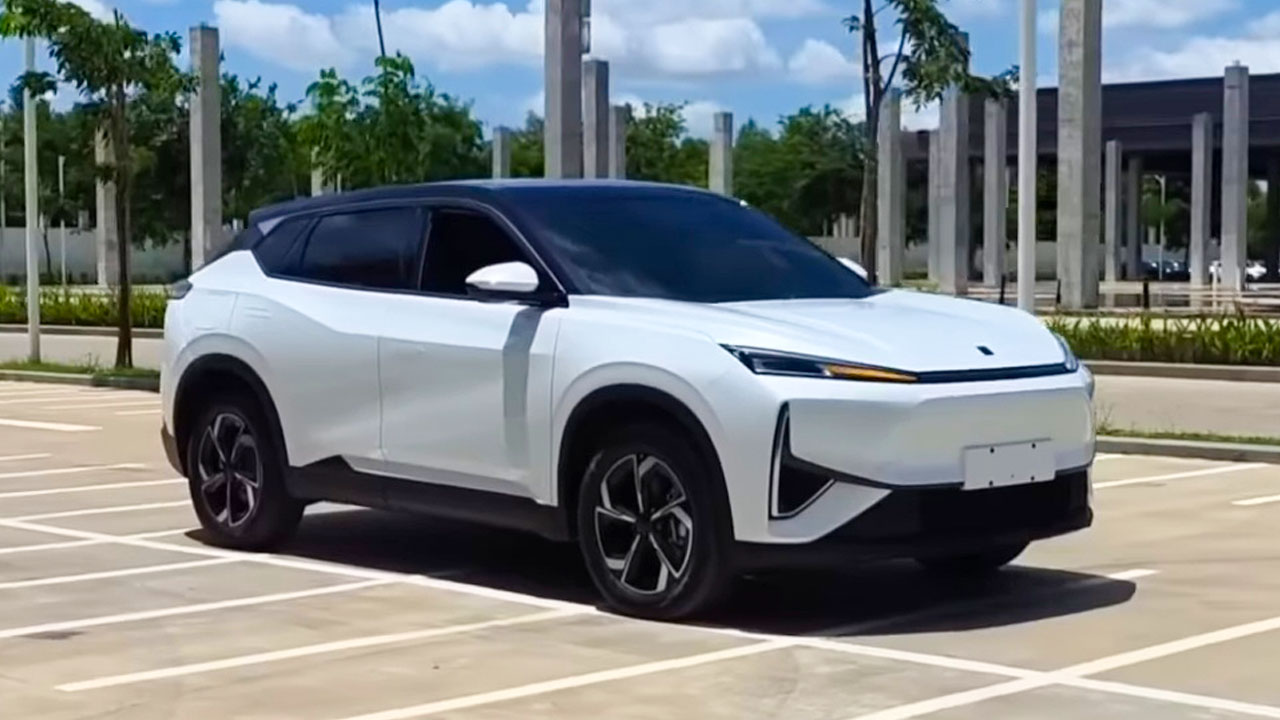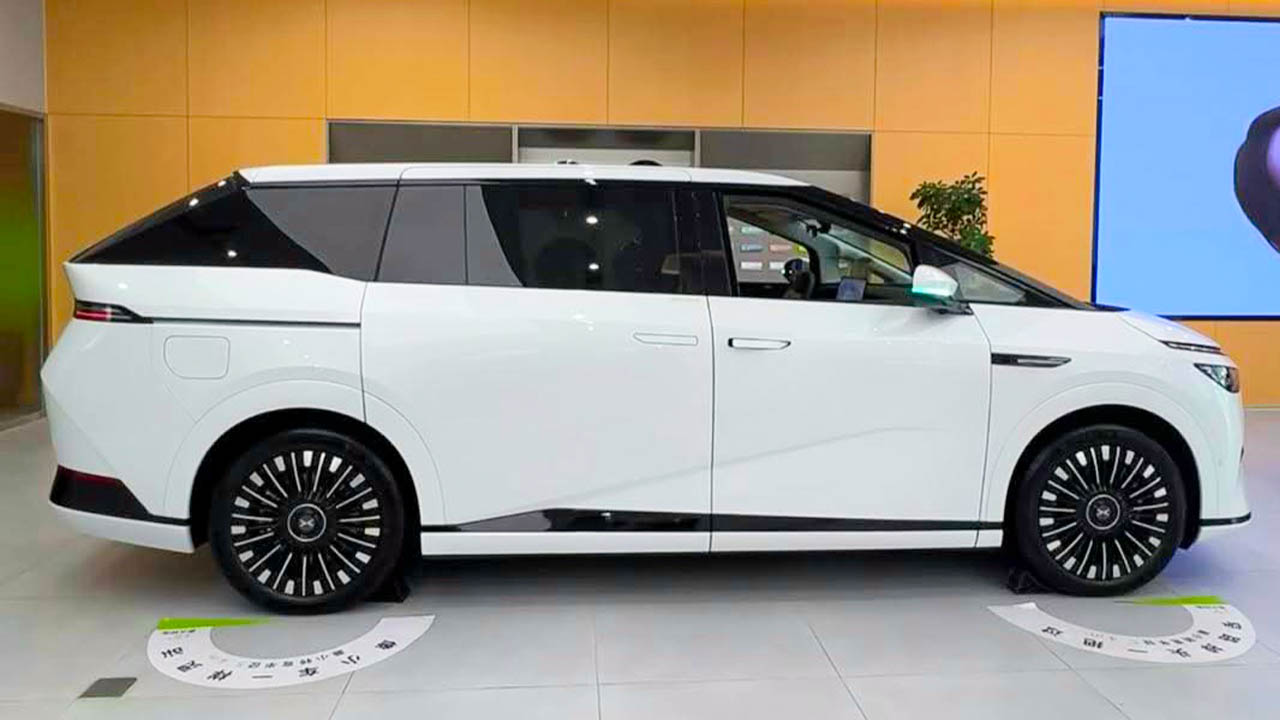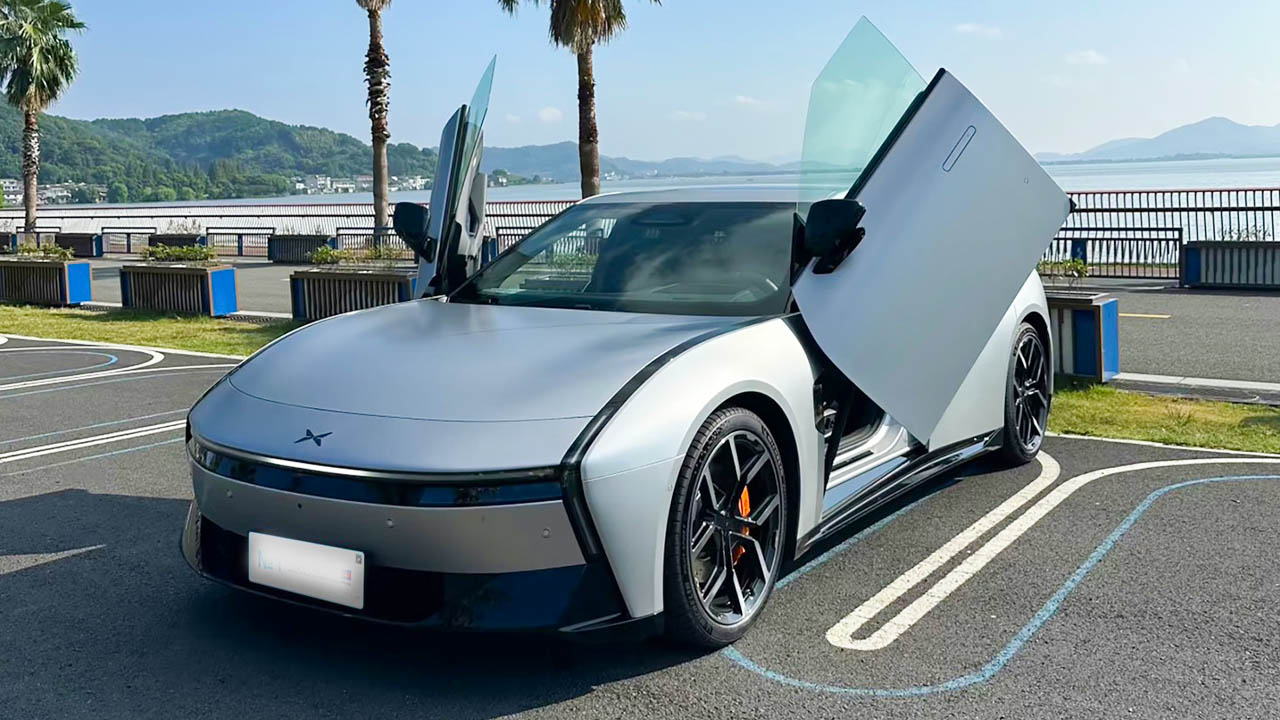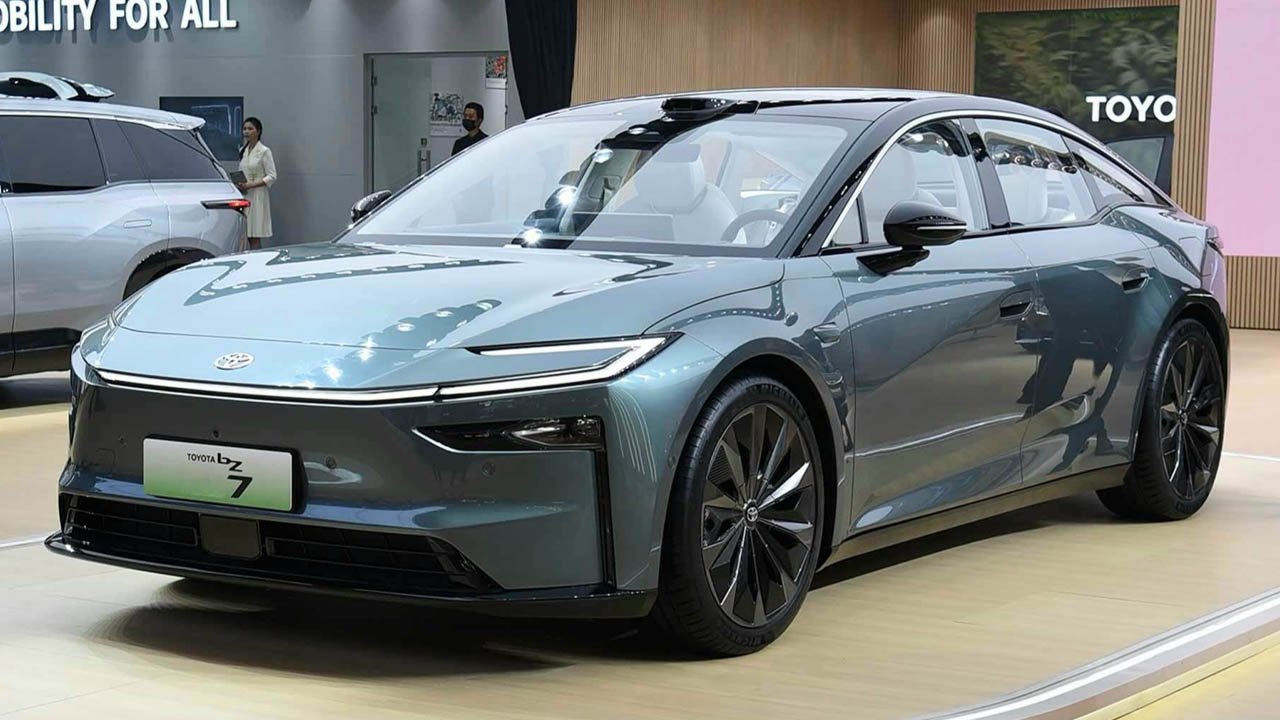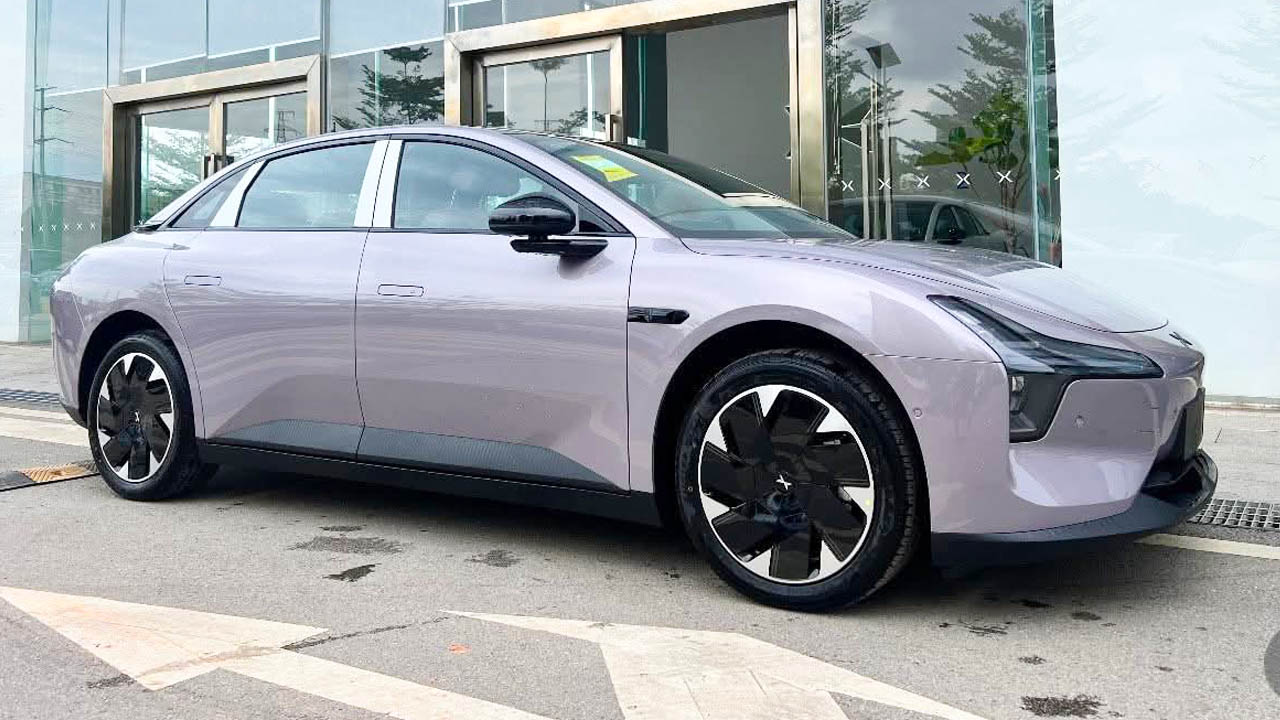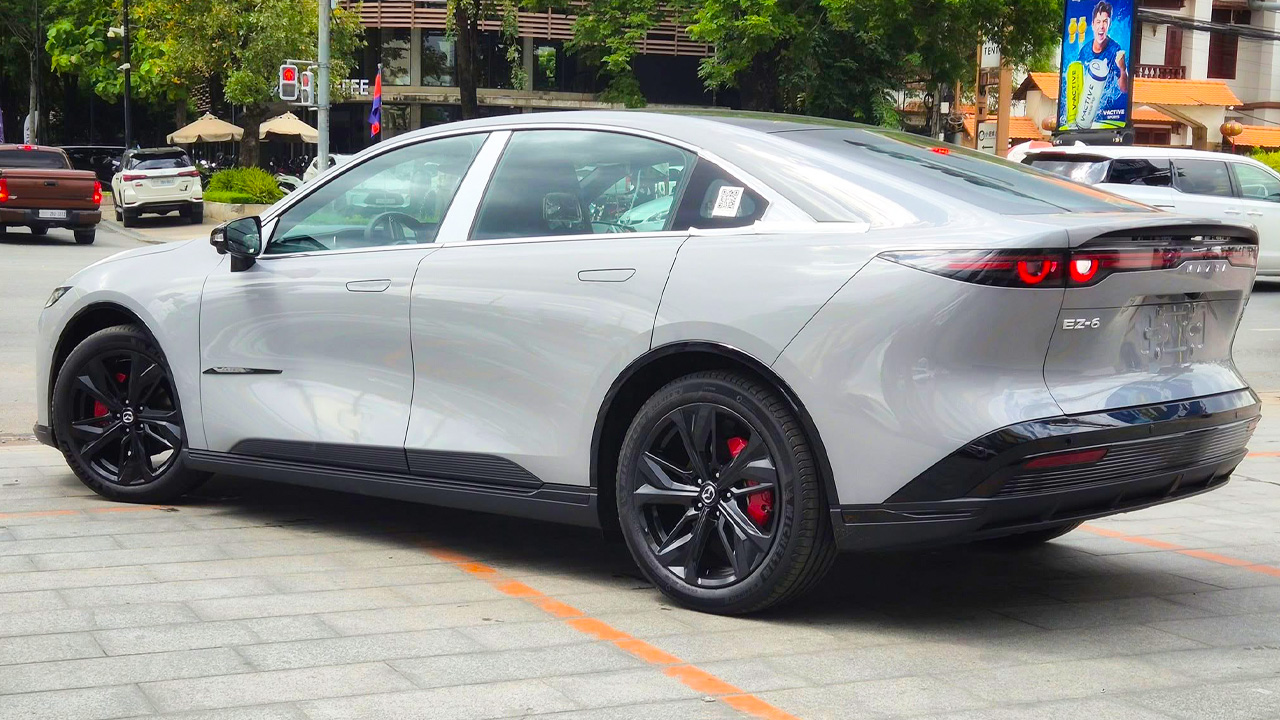
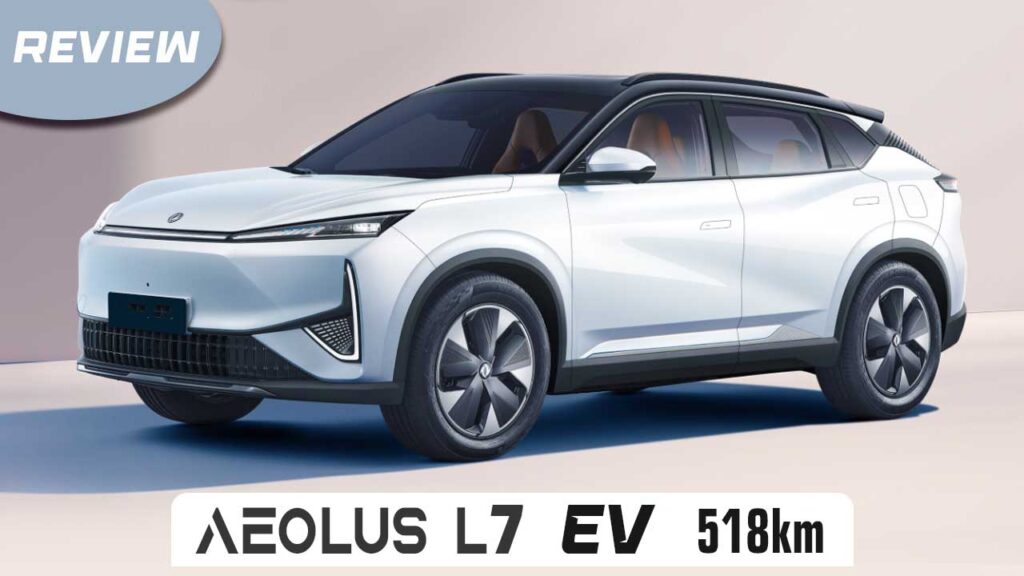
Positioned as a mid-range contender, the Dongfeng Aeolus L7 aims to disrupt the compact SUV segment with its balance of aggressive pricing and high-end endurance. While it doesn’t quite sit in the luxury tier of a Tesla Model Y, it acts as a formidable budget-friendly challenger that offers comparable cabin technology and superior real-world range for the price.
Design & Interior Experience
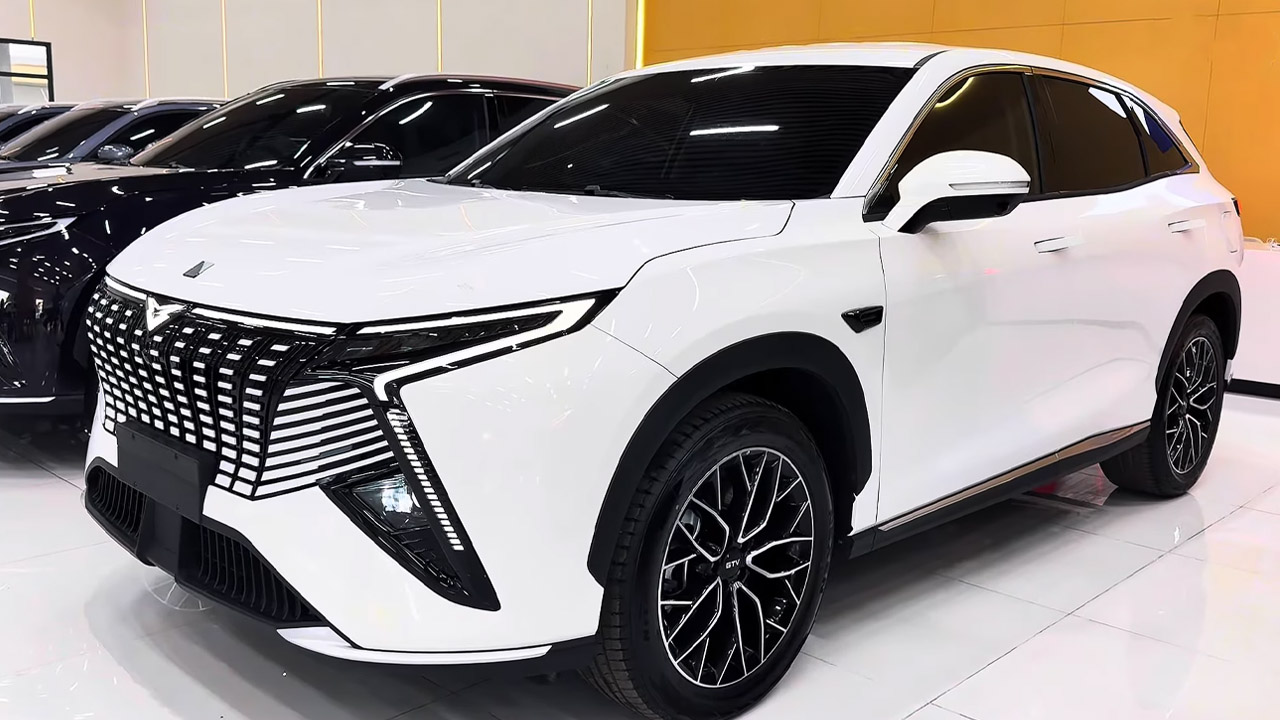
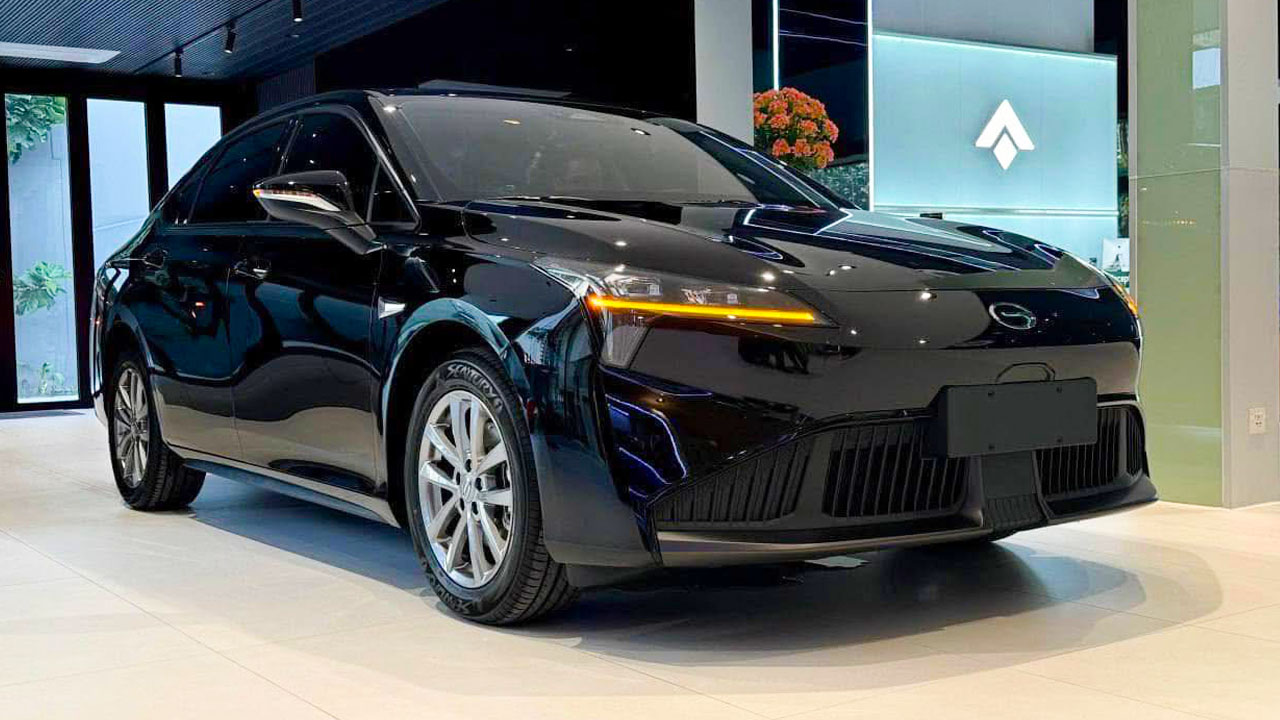
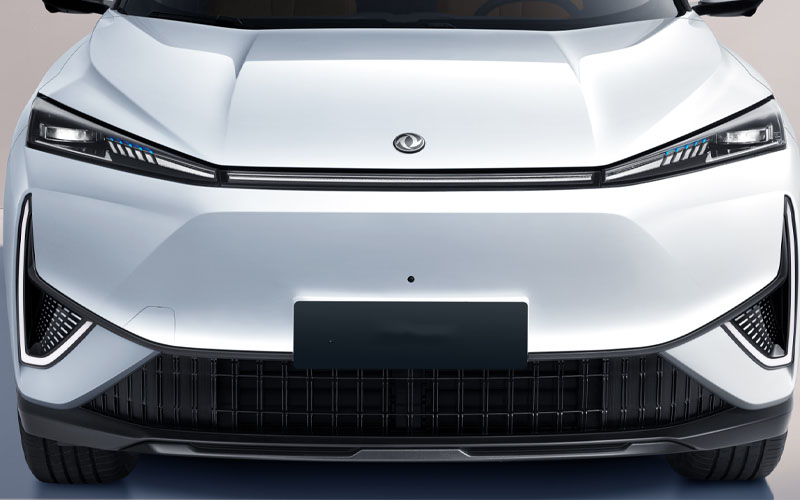
The exterior features “fang-like” LEDs and a 2,775mm wheelbase for a sporty, aggressive stance. Inside, the cabin feels like a “Modern Sanctuary” with soft-touch materials and ambient lighting. Rear legroom is class-leading, and the cargo space offers a practical 413 Liters (14.6 Cubic Feet) for daily utility.
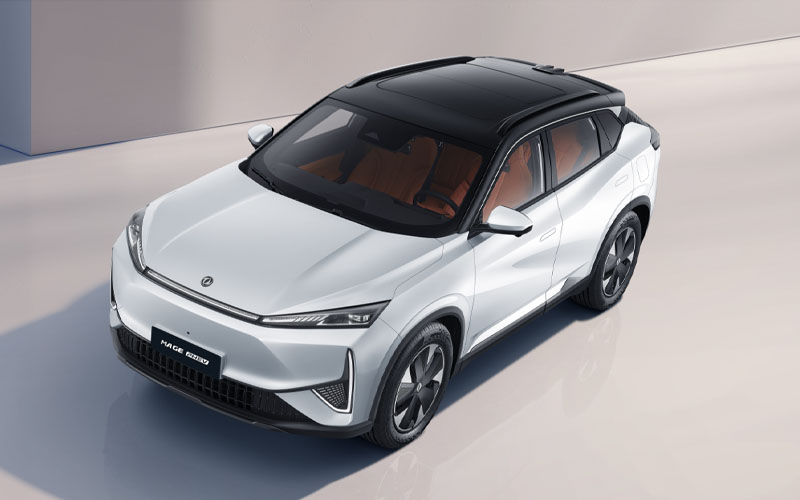
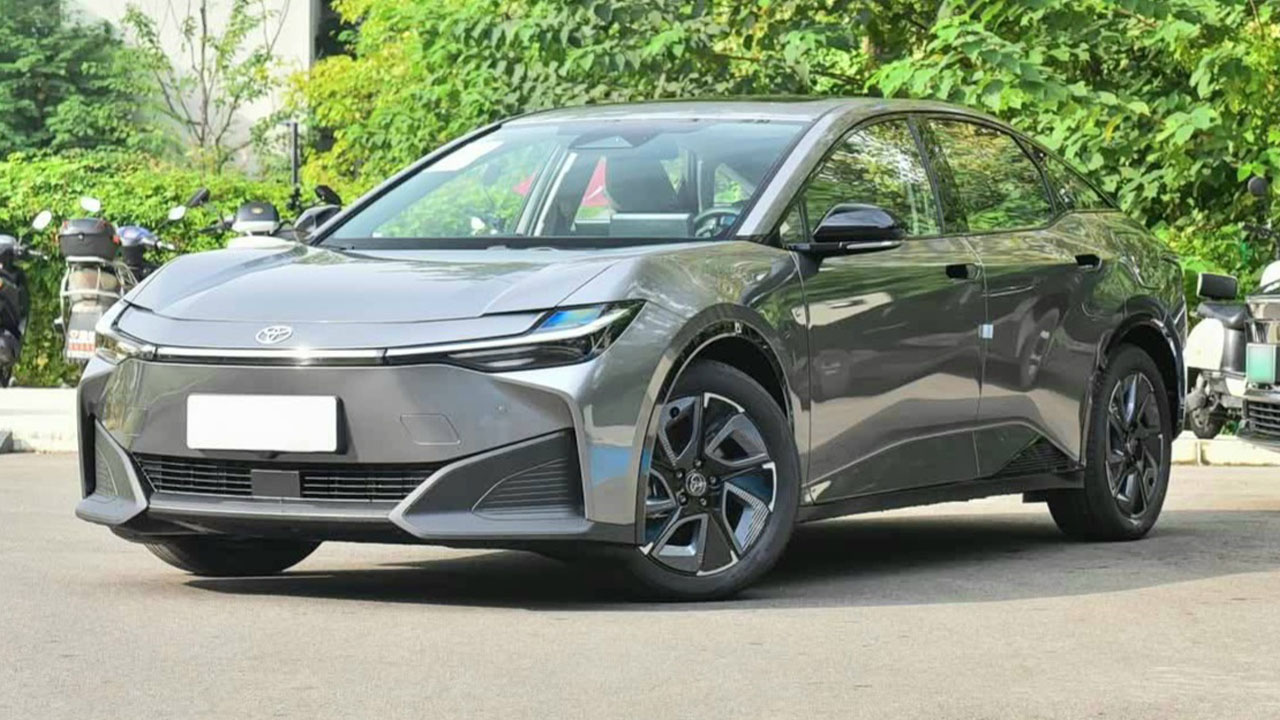
- Exterior: The L7 features a sleek, “closed-front” aerodynamic design typical of modern EVs. It is characterized by “fang-like” LED daytime running lights and a blacked-out floating roofline. The rear utilizes a penetrating matrix LED taillight setup that mimics a tailfin, enhancing its sporty silhouette.
- The Cabin: The interior follows a “Serene Tech” philosophy. You’ll find high-quality soft-touch materials and orange-accented stitching that gives it a youthful, premium feel. Legroom is a standout feature; thanks to a 2,775mm wheelbase, the rear row offers executive-level space that feels closer to a mid-size SUV.
- Cargo Space: The boot is practical and well-shaped, offering approximately 413 Liters (14.6 Cubic Feet) with the seats up, and expanding significantly to roughly 1,350 Liters (47.7 Cubic Feet) with the rear seats folded.
Performance & Real-World Driving
With a 160kW motor, the L7 hits 0–100 km/h in just 6.0 seconds, offering surprisingly punchy acceleration. It handles city bumps with a comfort-tuned suspension, and while the official CLTC range is 518 km, you can expect a reliable 400–430 km in real-world urban and highway driving.
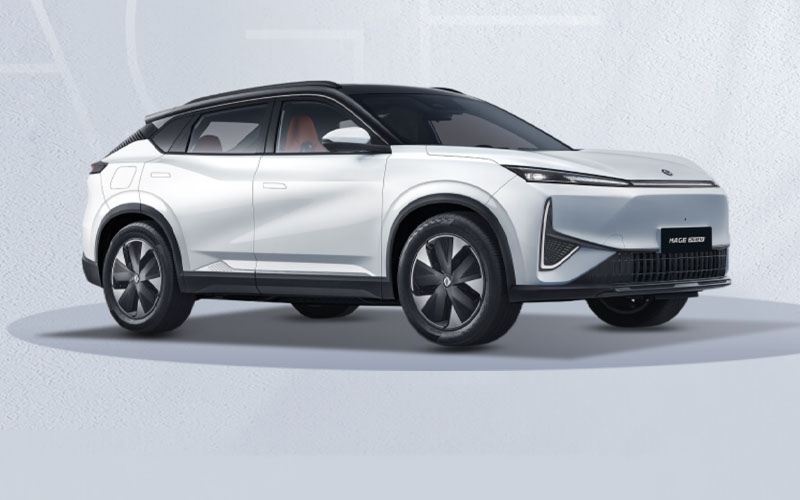
- Acceleration: The high-spec 160kW version is surprisingly quick, achieving 0–100 km/h in just 6.0 seconds, providing instant “EV punch” for highway overtaking.
- Handling: It utilizes a multi-link independent rear suspension, making it feel stable and planted on highways. In city driving, the “i-Control” electronic system manages torque delivery to provide a “no-sickness” smooth acceleration curve.
- Real-World Range: * Official (CLTC): 518 km.
- Real-World Expectation: In mixed 2026 testing conditions, expect closer to 400–430 km depending on climate and driving style.
- Hybrid Note (PHEV Version): For the fuel-based variant, it achieves an impressive combined fuel consumption of roughly 1.98L/100km (equivalent to over 118 MPG) in hybrid mode.
Technology & Safety
The interior is dominated by a 14.6-inch HD screen powered by the Snapdragon 8155 chip, featuring seamless Wireless Apple CarPlay. Safety is prioritized with the “Mach” battery armor and a full Level 2 ADAS suite, including a 360-degree camera and Adaptive Cruise Control for effortless long-distance cruising.
- Infotainment: The cockpit is dominated by a 14.6-inch high-definition touchscreen powered by the Qualcomm Snapdragon 8155 chip, ensuring zero lag. It supports Wireless Apple CarPlay/Android Auto and features a 128-color ambient lighting system that syncs with your music.
- ADAS: Equipped with a full suite of Level 2+ assistance, including 360-degree high-definition cameras, Adaptive Cruise Control (ACC), and Lane Keeping Assist.
- Safety Rating: While the L7 specifically is undergoing final 2026 assessments, it is built on a high-strength steel cage (1200Mpa “battery armor”). Note: Its smaller sibling, the Dongfeng Box, recently received a 3-star Euro NCAP rating, so buyers should look for the L7’s specific structural reinforcements.
Full Specifications Table (EV Version)
| Feature | 518 Air (Base) | 518 Pro (Premium) |
| Max Power | 120 kW (163 Ps) | 160 kW (218 Ps) |
| Max Torque | 240 N·m | 310 N·m |
| Battery Type | LFP (Lithium Iron Phosphate) | LFP (Lithium Iron Phosphate) |
| Battery Capacity | 61.2 kWh | 62.3 kWh |
| Fast Charge (30-80%) | ~28 Minutes | ~28 Minutes |
| Wheelbase | 2,775 mm | 2,775 mm |
| Top Speed | 160 km/h | 170 km/h |
Pricing & Global Availability
MSRP (Global): Approximately $21,500 – $28,500 USD. The Air trim is a value-focused entry, while the Pro adds the faster motor and ventilated seats. Compared to the BYD Atto 3, the L7 offers more raw speed and a larger infotainment screen for a slightly lower price point.
- MSRP (Global): Starts at approximately $13,900 USD (China domestic) to $28,500 USD (International Export).
- Trim Levels: The Air trim provides all the essentials (large screen, basic ADAS), while the Pro trim adds the more powerful motor, ventilated seats, and the full “DiPilot” safety suite.
- Value Verdict: If you prioritize interior tech and rear-seat comfort over brand prestige, the Aeolus L7 is an incredible bargain. Its main competitor, the BYD Atto 3, offers a more established service network, but the L7 beats it on raw acceleration and “futuristic” interior aesthetics.
Who should buy?
It is perfect for young tech-savvy families and urban professionals who need a fast, spacious commuter. It’s also an excellent choice for ride-hailing drivers who require a comfortable rear cabin and a battery built for high-mileage durability (800,000 km tested life).
- Young Professionals: Who want a car that looks and feels like a “gadget” on wheels.
- Ride-Hailing Drivers: Who need the massive rear legroom and low operating costs for passengers.
- Suburban Families: Who need a secondary car that can handle a full week of commuting on a single charge.
Comparison with Competitors (5 Models)
| Model | Power | Range (CLTC) | Price (Est. USD) |
| Aeolus L7 EV | 160 kW | 518 km | $24,000 |
| BYD Atto 3 | 150 kW | 480 km | $29,000 |
| MG 4 EV | 150 kW | 450 km | $27,000 |
| GAC Aion Y Plus | 150 kW | 510 km | $25,500 |
| Geely Galaxy E5 | 160 kW | 530 km | $26,000 |
Pros and Cons
Pros:
- Fastest acceleration in its immediate price bracket (6.0s 0-100).
- High-end chipset (Snapdragon 8155) makes the screen feel like an iPad.
- Exceptional rear legroom due to the long wheelbase.
Cons:
- Brand Recognition: Outside of China, Dongfeng is still building its service infrastructure.
- Resale Value: Likely to depreciate faster than a BYD or Toyota.
- Firm Ride: The sporty acceleration comes with a suspension that can feel a bit stiff on rougher roads.
Final Verdict
The Dongfeng Aeolus L7 is a “power-player” for someone who wants maximum performance and screen size for the minimum amount of money. It’s not quite a luxury SUV, but it provides 90% of the luxury experience at 50% of the price of Western competitors. For a tech-forward driver in 2026, it is a very compelling alternative to the “standard” choices.
Personal Opinion: The Dongfeng Aeolus L7 EV is a refreshing surprise in a crowded market. While many competitors focus solely on efficiency, the L7 brings a level of acceleration and cabin tech that feels much more expensive than its price tag suggests. It’s the perfect “hidden gem” for those prioritizing performance over brand prestige.
Frequently Asked Questions (FAQ)
1. How long does it take to charge the Aeolus L7 EV?
Using a DC fast charger, the L7 can charge from 30% to 80% in approximately 28 minutes. On a standard home AC wall box, a full charge typically takes between 8 to 10 hours.
2. Is the Aeolus L7 an all-electric car or a hybrid?
The L7 is available in two versions: a Battery Electric Vehicle (BEV) with a 518 km range and a Plug-in Hybrid (PHEV) version that offers a combined range of over 1,000 km.
3. Does the infotainment system support English and international apps?
Yes, the 2026 export models come with localized software that includes full English support and Wireless Apple CarPlay and Android Auto integration.
4. How safe is the “Mach” battery used in the L7?
The Mach battery features “armor” shielding designed to withstand high temperatures and punctures. It has undergone rigorous safety testing, including extreme pressure and “no-fire” nail penetration tests.
5. What is the warranty on the Dongfeng Aeolus L7?
While it varies by country, most international markets offer a 6-year or 150,000 km vehicle warranty, with many regions providing an 8-year warranty specifically for the battery pack.
Disclaimer
Disclaimer: This review is based on a Technical Analysis and Global Press Release data. Specifications, features, and pricing may vary significantly by region and local tax regulations. Always check with your local authorized dealer for the most accurate and up-to-date information regarding availability in your area.