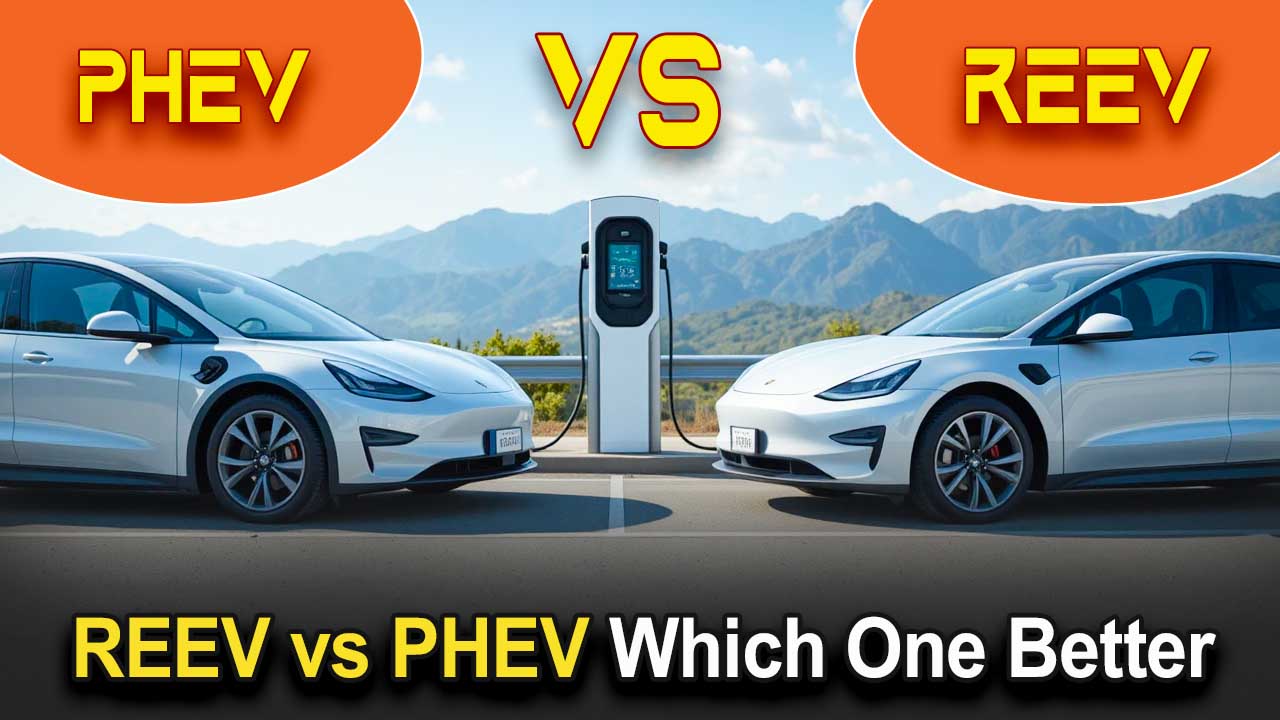
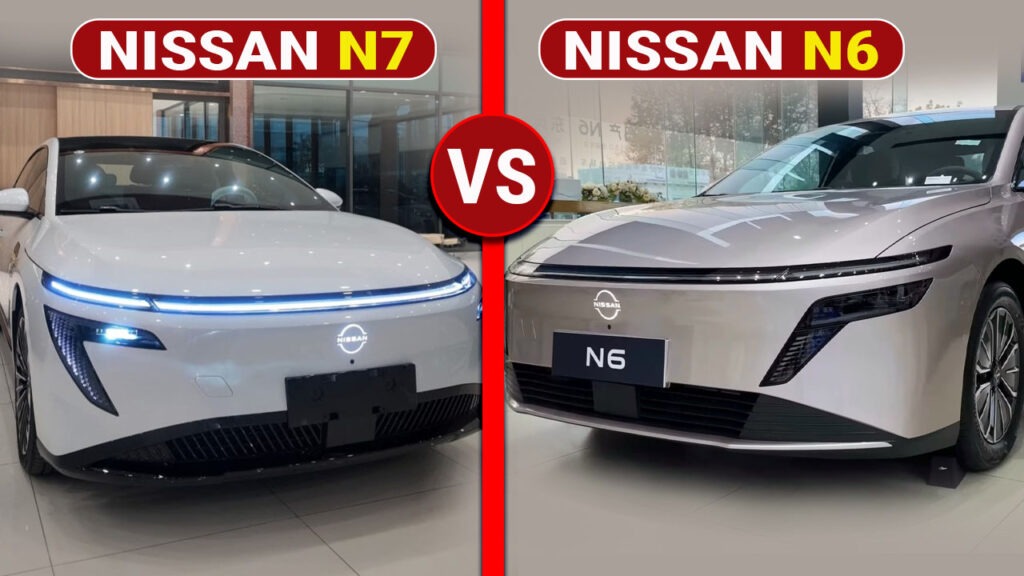
In 2026, Nissan has made a massive push into the New Energy Vehicle (NEV) market with two distinct yet sibling models: the Nissan N7 and the Nissan N6. While they share a futuristic “Wind Trace” design language and were both co-developed with Dongfeng, they target completely different types of drivers.
The Nissan N7 is a pure electric (EV) powerhouse, while the Nissan N6 is a versatile plug-in hybrid (PHEV) value leader. Here is the full breakdown of their differences to help you choose the right one.
Key Specifications Comparison
| Feature | Nissan N7 (EV) | Nissan N6 (PHEV) |
| Powertrain | 100% Battery Electric (BEV) | Plug-in Hybrid (PHEV) |
| Engine | N/A | 1.5L Turbo Petrol + Electric Motor |
| Total Power | 218 hp / 272 hp (Options) | ~208 hp (Combined) |
| CLTC Electric Range | 510 km / 625 km | 180 km (Pure Electric) |
| Total Combined Range | ~510–625 km | Over 1,000 km |
| Fast Charging | 30% to 80% in 14 mins | Mid-range charge in 20 mins |
| Wheelbase | 2,915 mm (Large) | 2,815 mm (Medium) |
| Dimensions (LxWxH) | 4,930 x 1,895 x 1,487 mm | 4,831 x 1,885 x 1,491 mm |
| Operating System | Nissan OS (Snapdragon 8295P) | Nissan OS (Snapdragon 8775) |
| Price (Estimated) | $16,600 – $20,800 | $12,800 – $16,900 |
1. Powertrain & Efficiency
- Nissan N7 (The Electric Flagship): This is for the urban go-getter. It is purely electric, offering a silent, vibration-free ride. It features a high-density LFP battery and a drag coefficient of just 0.208, making it one of the most aerodynamic sedans on the market.
- Nissan N6 (The Range King): The N6 uses a 1.5L engine paired with a 21.1 kWh battery. It holds the Guinness World Record for efficiency, achieving as low as 2.9L/100km. This is the car for those who do long-distance travel and want to avoid “range anxiety.”
2. Size & Interior Comfort
- N7: Positioned as a mid-to-large sedan, it is noticeably longer and wider than the N6. The extra 100mm in the wheelbase translates directly to “limousine-like” legroom in the back. It features the famous AI Zero-Pressure Cloud Cushion seats.
- N6: Positioned as a mid-size sedan (roughly the size of a Nissan Altima/Maxima). While slightly smaller than the N7, it still features over 85% soft-touch materials and the same “Big Sofa” seating technology.
3. Technology & Smart Driving
- Intelligence: Both cars feature Navigate on Autopilot (NoA) co-developed with Momenta, which supports highway and urban autonomous driving.
- Special Features: The N6 has a unique partnership with Rokid, offering smart AR glasses for navigation. The N7 focuses more on pure processing power with the top-tier Snapdragon 8295P chip for its infotainment system.
Pros and Cons
Nissan N7 (EV)
- Pros: Faster charging (14 mins), more interior space, zero emissions, and futuristic look.
- Cons: Higher entry price, limited to charging station infrastructure for long trips.
Nissan N6 (PHEV)
- Pros: Massive 1,000km+ range, much lower starting price ($12k range), best-in-class fuel economy.
- Cons: Requires petrol for long hauls, slightly smaller interior than the N7.
Who Should Buy Which?
- Buy the Nissan N7 if: You live in a city with plenty of chargers, you want the largest, most comfortable cabin, and you want the fastest, most high-tech electric experience.
- Buy the Nissan N6 if: You are on a budget but want a brand-new high-tech car, you frequently drive between provinces, or you want the flexibility of both gas and electricity.
FAQs
- Is the Nissan N7 coming to Cambodia/Global markets? Yes, Nissan confirmed plans to export the N7 globally in 2026, potentially under the “Primera” name.
- Can the N6 drive without gas? Yes, it has a 180km pure electric range, which is enough for 2–3 days of city commuting without using the engine.
- Are they waterproof? Both have IP-rated battery protection for heavy rain and minor flooding common in Southeast Asia.