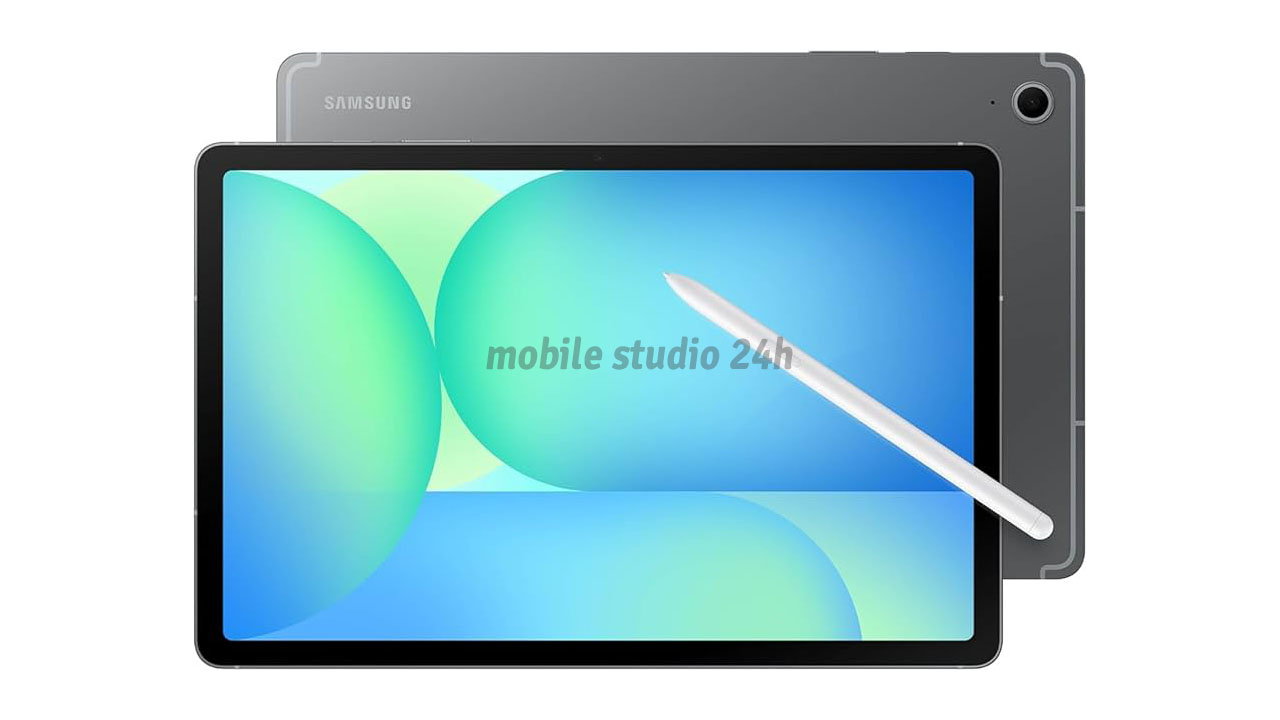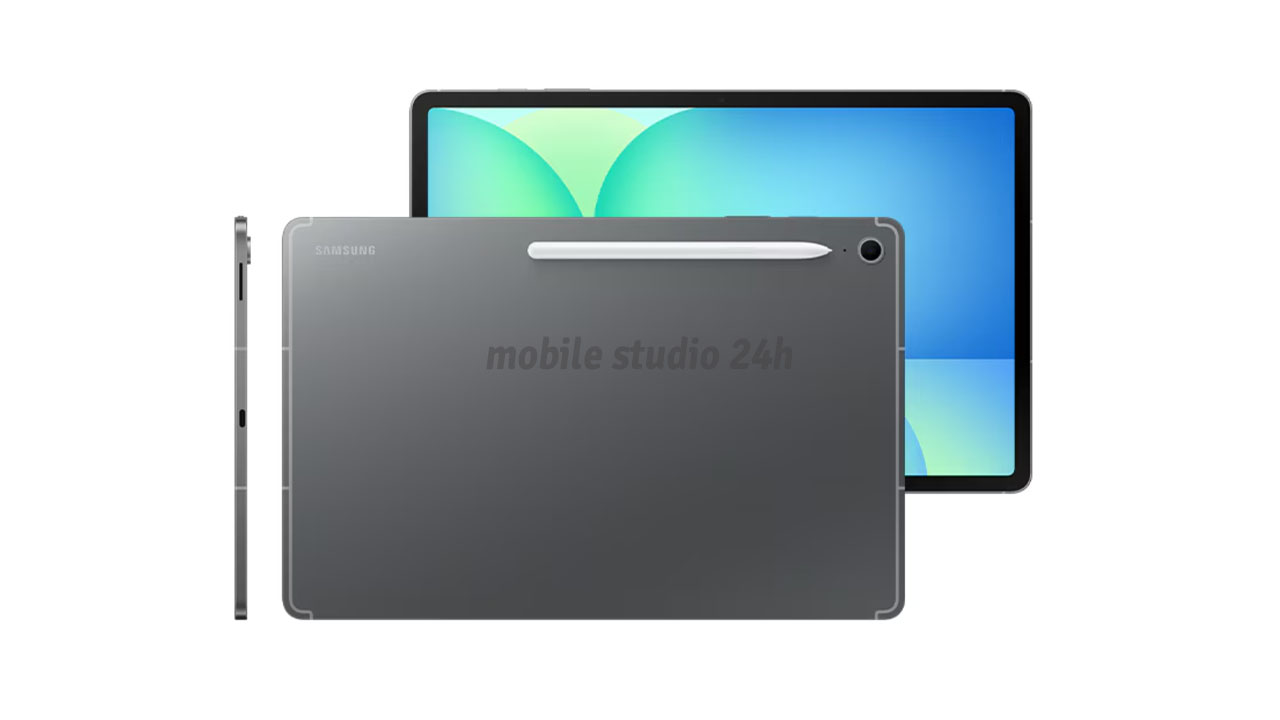
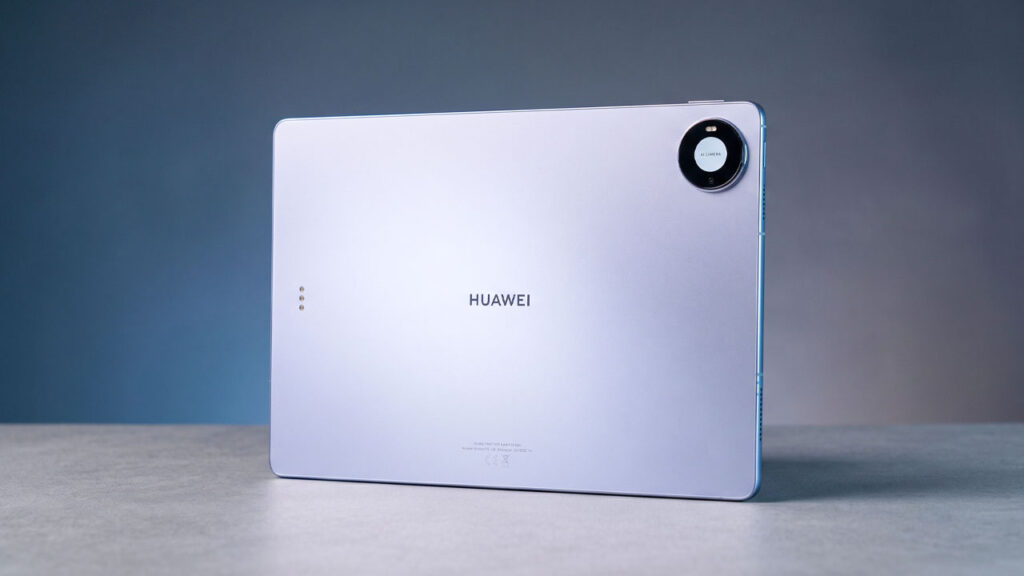
The high-end tablet market has long been locked in a fierce battle over thinness, weight, and screen fidelity. For years, major manufacturers have tried to match the expansive canvas of a laptop with the portable convenience of a slate. With the release of the Huawei MatePad Pro Max, the boundaries of what is physically possible in mobile engineering have been rewritten.
Measuring an astonishing 4.7 mm in thickness and weighing roughly 509 grams, this 13.2-inch powerhouse stands as a technological marvel. It combines an ultra-vibrant OLED PaperMatte display, robust processing capabilities, and a refined software ecosystem. This comprehensive review examines whether the MatePad Pro Max delivers the ultimate experience for creative professionals, mobile workers, and multimedia enthusiasts.
Design and Engineering Marvel
It is difficult to overstate how thin and light the MatePad Pro Max feels the first time you pick it up. At a mere 4.7 mm thick, it undercuts almost every major competitor on the market, including specialized ultra-thin slates that usually hover around the 5.1 mm to 5.5 mm mark.
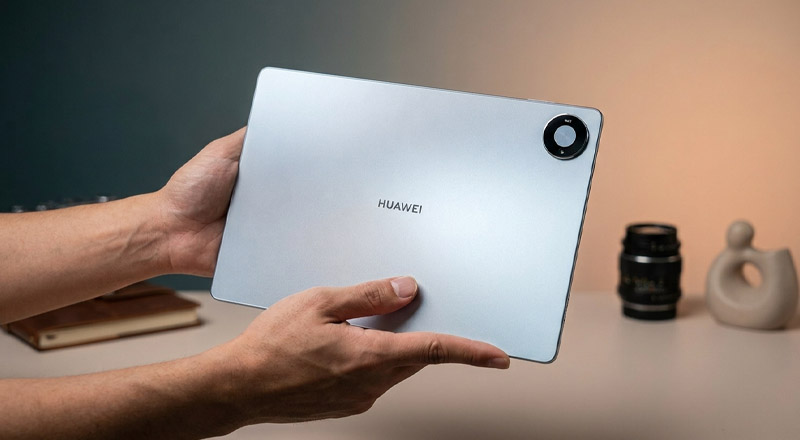
- Chassis and Build Quality: Crafted with a premium aluminum unibody frame and back, the tablet balances rigidity with weight-saving geometry. Despite its expansive 13.2-inch form factor, it weighs a remarkably light 499g to 509g (depending on regional configurations). Holding it for extended reading or digital sketching sessions causes minimal wrist fatigue.
- Bezels and Form Factor: The bezels surrounding the screen are exceptionally narrow, achieving a screen-to-body ratio of roughly 91.4%. This maximizes the active workspace while keeping the overall footprint manageable in a backpack or portfolio case.
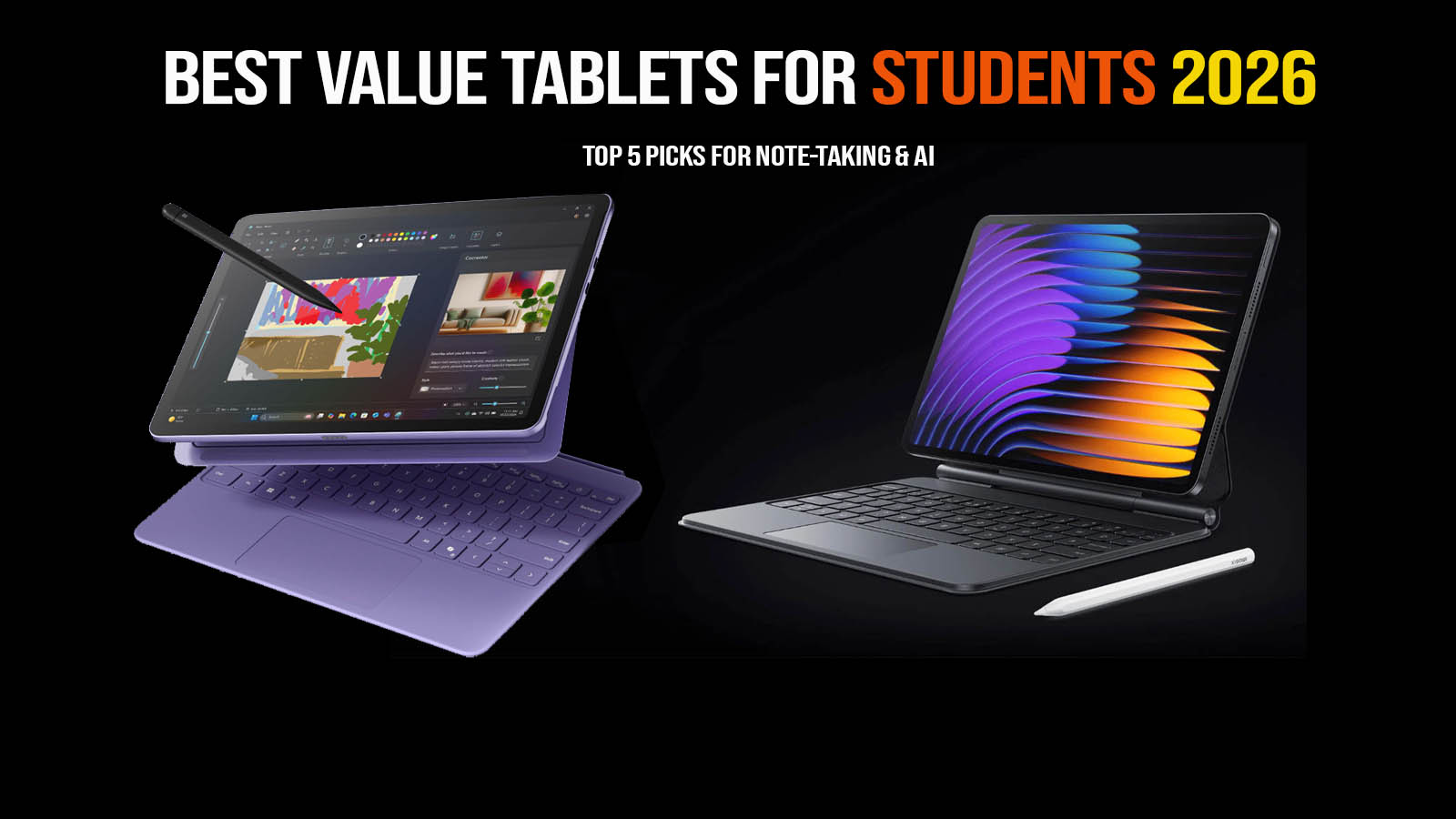
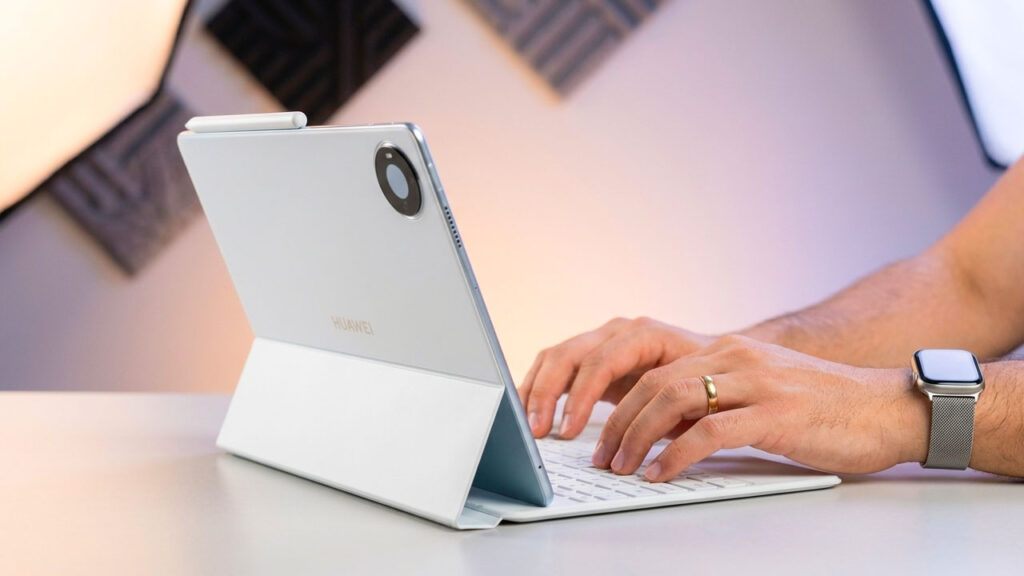
- Companion Accessories: Huawei pairs the hardware with the optional Glide Keyboard, which features well-spaced, tactile keys and a clever hidden compartment designed to store and charge the active stylus securely.
The Display: A Visual Masterpiece
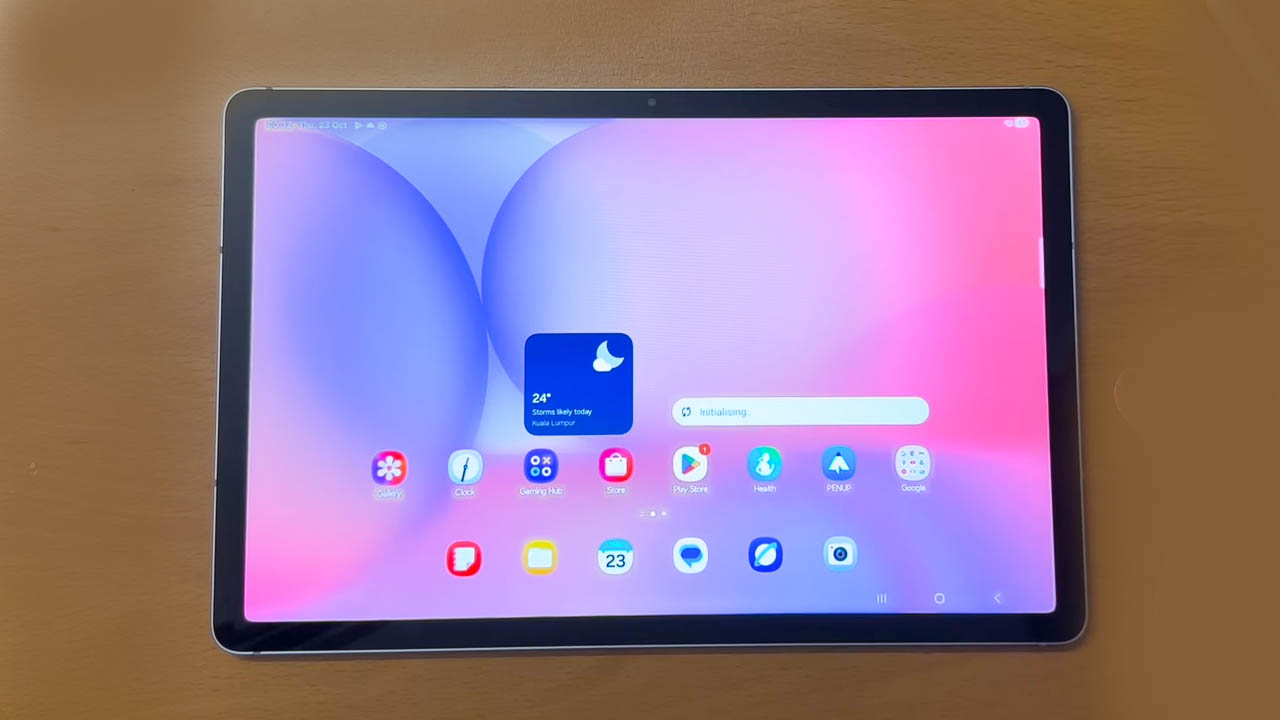
The centerpiece of the MatePad Pro Max is its breathtaking 13.2-inch flexible OLED display, boasting a resolution of 3000 x 2000 pixels (a 3:2 aspect ratio tailored for productivity) and a smooth 144Hz refresh rate.
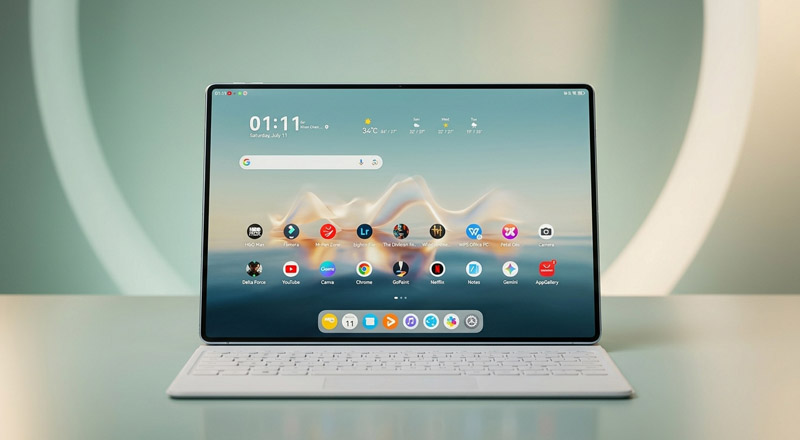
- PaperMatte Technology: Many units feature Huawei’s specialized anti-reflective PaperMatte texture option. This treatment scatters ambient light to eliminate glaring reflections, giving digital canvases a tactile, paper-like friction when used with the stylus. Text rendering remains razor-sharp at roughly 273 ppi.
- Brightness and Color: With a peak brightness hitting 1,600 nits and support for 1 billion colors with HDR certification, media consumption is phenomenal. Blacks are infinitely deep, colors punch through with rich saturation, and outdoor visibility remains solid even under harsh sunlight.
Performance, Hardware, and Software Ecosystem
Under the hood, the MatePad Pro Max is powered by Huawei’s Kirin T93 Pro processor, paired with 12GB of RAM (with configurations stretching up to 16GB or 20GB depending on tier) and internal storage options ranging from 256GB up to 1TB.
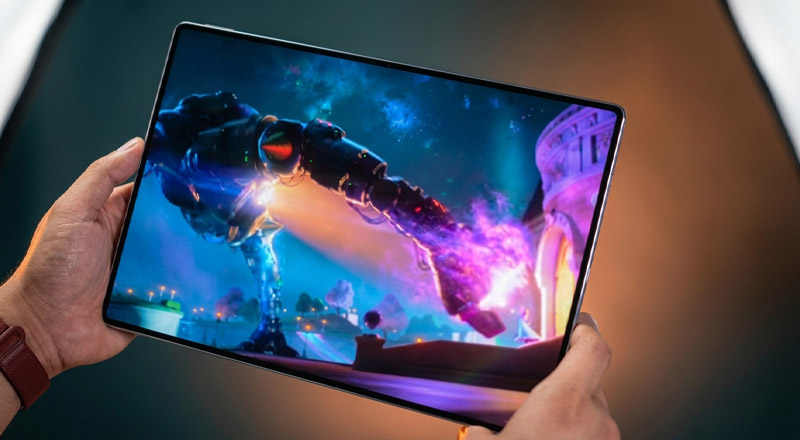
- General Performance: For multitasking, web browsing, document editing, and media streaming, the tablet operates with fluid speed. Animations glide smoothly at 144Hz, and switching between multi-window apps feels seamless.
- Graphics and Gaming: While the Kirin silicon and Maleoon graphics architecture handle everyday tasks and casual games easily, heavy 3D titles pushed at maximum graphical fidelity reveal that it is not quite the class leader in raw graphic compute performance compared to the bleeding-edge mobile chips found in some rival gaming-centric tablets.
- Software Experience: Running on HarmonyOS 4.3, the interface introduces advanced window management, floating multi-apps, and robust file-sharing capabilities across the Huawei ecosystem. However, global users should note that standard Google Mobile Services (GMS) are absent, requiring reliance on Huawei’s AppGallery, web apps, or alternative sideloading methods for specific Google-dependent workflows.
Audio and Camera Capabilities
An expansive media tablet requires an immersive audio system to match its display, and the MatePad Pro Max delivers convincingly.
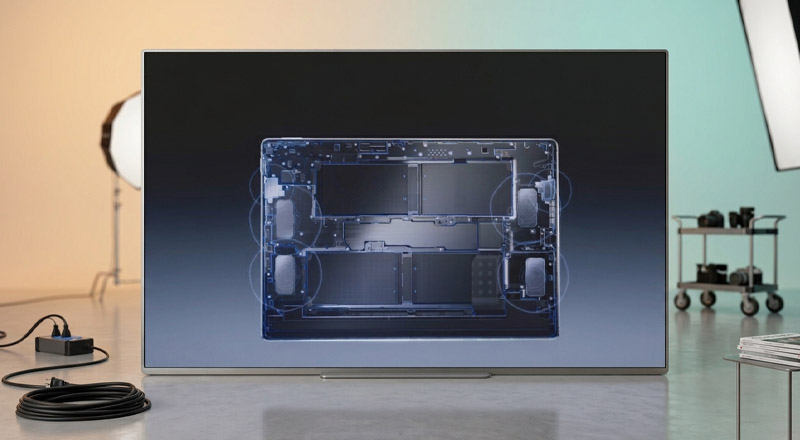
- Audio Output: Equipped with a 6-speaker stereo system, the soundstage is wide, clear, and surprisingly deep for a device measuring under 5 mm thick. Dialogue in movies is crisp, and music tracks feature respectable mid-ranges and subtle bass delivery.
- Cameras: Imaging on large tablets is typically an afterthought, but Huawei includes a capable 50 MP primary rear camera (f/1.8) capable of recording 4K video at 30fps, alongside a sharp 12 MP front-facing camera positioned ideally for landscape video conferencing and virtual meetings.
Battery Life and Charging Speeds
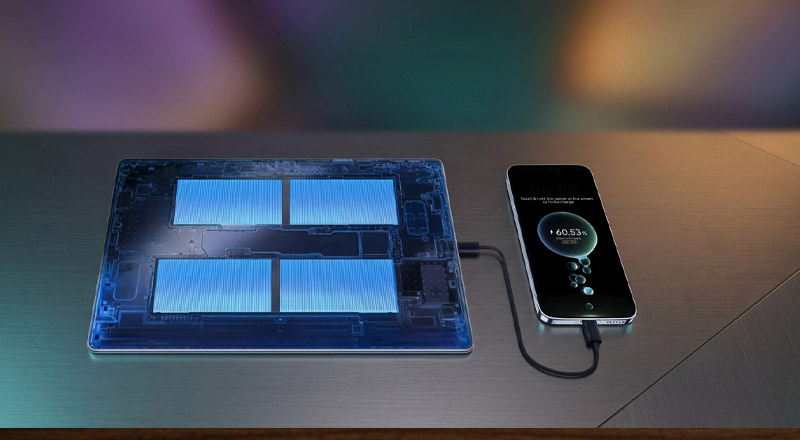
Packing large battery cells into a chassis that is only 4.7 mm thick is an engineering feat. The international version features a substantial 10,400 mAh battery (while European iterations feature a slightly adjusted 9,760 mAh pack due to localized regulations).
- Endurance: Despite driving a massive 13.2-inch 144Hz OLED panel, power optimization ensures a solid full day of mixed productivity, word processing, and web surfing.
- Charging Infrastructure: The device supports rapid 66W wired charging, which quickly replenishes the massive cell from zero. Furthermore, it features 40W reverse wired charging, transforming the tablet into a power bank capable of juicing up your phone or accessories in a pinch.
Intelligent AI Features and Ecosystem Capabilities
Beyond its hardware craftsmanship and display prowess, the Huawei MatePad Pro Max integrates sophisticated artificial intelligence and layout optimizations through HarmonyOS 4.3 to elevate everyday productivity:
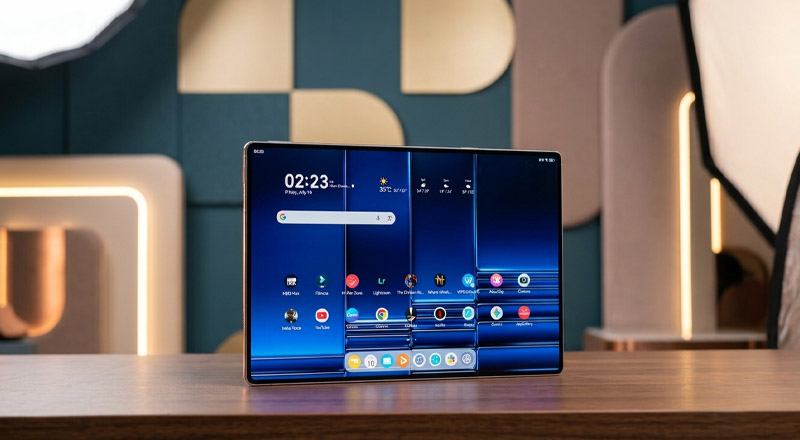
- AI-Powered Document Processing & Data Extraction: The system features intelligent tools capable of parsing document information, summarizing long text formats, and performing AI Table Extraction—seamlessly converting static image data into editable spreadsheet tables.
- Celia Voice Assistant: Hands-free interactions are managed by Huawei’s digital assistant, Celia, which can be invoked instantly using the wake phrase “Hey Celia” or by holding down the power button. Celia assists with scheduling, web lookups, travel translations, and system controls.
- Dynamic Multi-Window Adaptation: HarmonyOS leverages intelligent layout management to maximize the 13.2-inch canvas, supporting fluid full-screen multi-window multitasking, stackable/movable floating windows, and dynamic proportions for side-by-side app workflows.
- Stylus and PaperMatte Synergy: When paired with the active stylus and the optional anti-reflective PaperMatte screen, software palm rejection algorithms and low-latency prediction modeling work dynamically to deliver a natural pen-on-paper writing and sketching response.
Pros and Cons
Pros
- Stunning Hardware Design: Unmatched thinness at 4.7 mm combined with a remarkably lightweight frame (approx. 509g).
- Exceptional OLED Display: Gorgeous 13.2-inch 144Hz panel with 1,600-nit peak brightness and glare-reducing PaperMatte finish.
- Immersive Audio: Powerful 6-speaker layout delivers rich, room-filling sound for movies and music.
- Robust Battery & Fast Charging: Large 10,400 mAh capacity backed by rapid 66W charging and 40W reverse wired capabilities.
- Productivity Ecosystem: Seamless multi-window handling and thoughtful keyboard/stylus accessory integration.
Cons
- Processor Limitations: Kirin T93 Pro silicon handles general tasks well, but graphics performance lags behind top-tier mobile competitors.
- Ecosystem Restrictions: Absence of native Google Mobile Services requires workarounds for standard Google-centric software chains.
- No Cellular Options: The device is strictly Wi-Fi bound with no cellular data slot available.
- Premium Investment: High-end pricing places it firmly in direct competition with fully-fledged laptop alternatives.
Who Should Buy It?
- Digital Artists and Creators: Perfect for illustrators and designers who will benefit immensely from the expansive 3:2 canvas, PaperMatte texture fidelity, and low-latency stylus support.
- Mobile Professionals and Writers: Ideal for business users who need a lightweight, laptop-sized screen for reviewing documents, handling emails, and typing on the go.
- Multimedia Connoisseurs: Suited for users who prioritize an elite portable screen and rich multi-speaker audio for streaming movies and reading digital publications.
Specifications Table
| Feature / Specification | Huawei MatePad Pro Max |
| Display Type | 13.2-inch OLED, 144Hz, HDR, 1,600 nits peak brightness, PaperMatte option |
| Resolution | 3000 x 2000 pixels (3:2 ratio, ~273 ppi) |
| Dimensions & Weight | 289.3 x 196.3 x 4.7 mm / ~509 g |
| Processor (SoC) | Kirin T93 Pro |
| Memory (RAM) | 12GB / 16GB / 20GB options |
| Storage Capacity | 256GB / 512GB / 1TB (No card slot) |
| Operating System | HarmonyOS 4.3 |
| Rear Camera | 50 MP (f/1.8, wide), 4K video recording |
| Front Camera | 12 MP (f/2.4) |
| Audio | 6-speaker stereo loudspeaker system |
| Battery Capacity | 10,400 mAh (International) / 9,760 mAh (Europe) |
| Charging Support | 66W wired charging, 40W reverse wired charging |
FAQ
Q: What is the official thickness and weight of the Huawei MatePad Pro Max?
A: The tablet measures an ultra-slim 4.7 mm in thickness and weighs approximately 509 grams.
Q: Does the display feature a matte anti-reflective coating?
A: Yes, models equipped with the optional PaperMatte display technology feature a specialized texture designed to diffuse glare and simulate paper friction.
Q: Does the MatePad Pro Max support Google Play services?
A: No, the global version runs HarmonyOS 4.3 and relies on Huawei’s AppGallery, meaning native Google apps require alternative installation workarounds.
Q: What are the charging speeds supported by the tablet?
A: It supports up to 66W fast wired charging and includes 40W reverse wired charging capabilities for other devices.