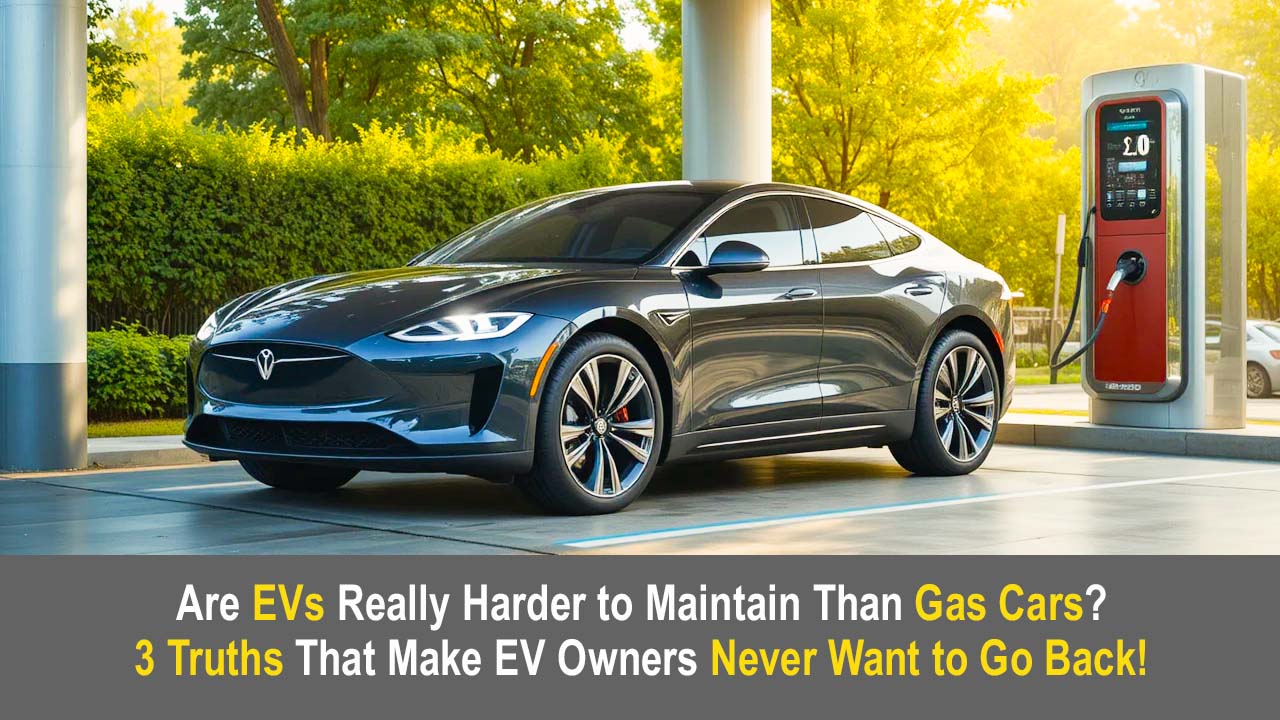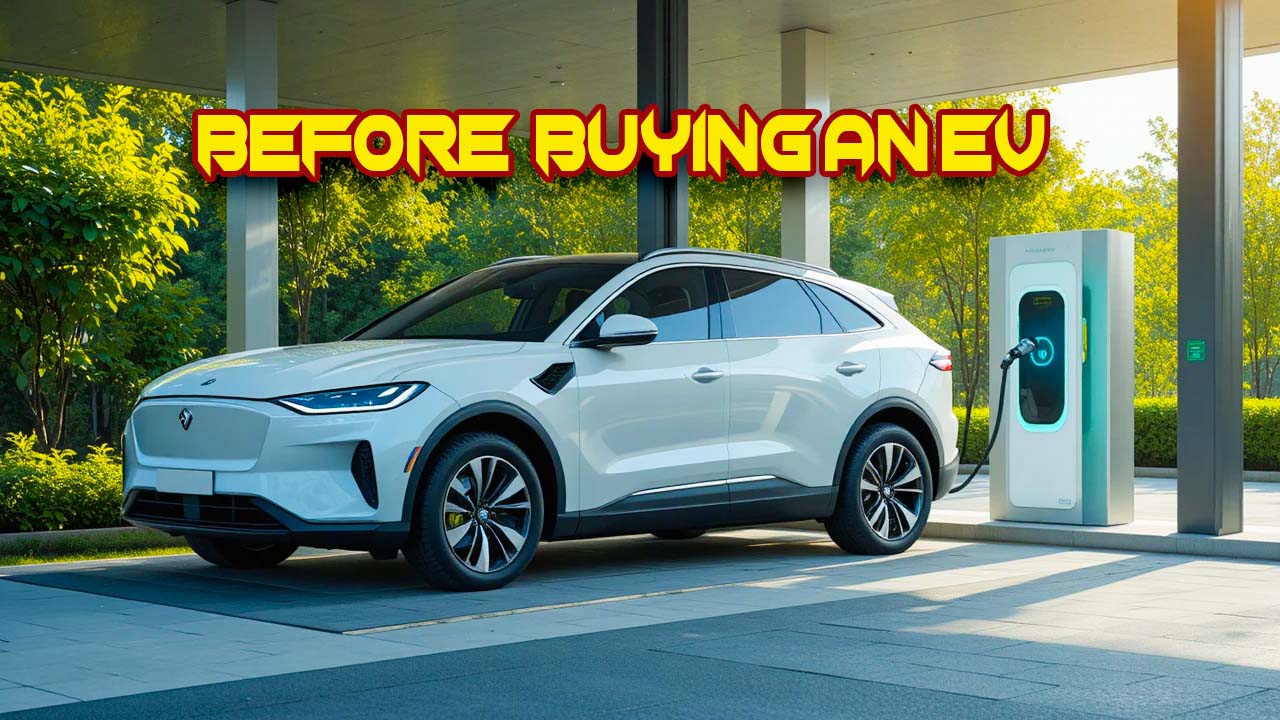
For decades, the ritual of the weekly “gas run” has been an unavoidable tax on our time and wallets. But as we navigate through 2026, that era is officially coming to an end. If you are still driving a gasoline-powered vehicle, you aren’t just driving an older technology—you are effectively choosing to pay a “convenience tax” that grows every time you hit the pump.
Current market data confirms that 2026 is the definitive “tipping point” for electric vehicle (EV) adoption worldwide. From plummeting battery costs to a massive expansion in charging infrastructure, here is why this is the year you should finally stop wasting money on gas and join the electric revolution.
1. The “Fuel” Math: Electricity vs. Gasoline
The most immediate reason to switch is the staggering difference in “refueling” costs. In 2026, average gas prices remain volatile, while the cost of home charging has stayed remarkably stable.
- Annual Savings: Recent studies show that the average household spends roughly $2,600 per year on gasoline.
- Charging Costs: By contrast, an EV driver who charges primarily at home can spend as little as $300 to $600 per year to cover the same distance.
- The “Dollar per Gallon” Reality: For gasoline to be as cheap as home-charging an EV in 2026, gas prices would need to drop to approximately $1.00 per gallon—a scenario that is virtually impossible in today’s economy.
2. Maintenance: The Hidden Savings
Beyond the fuel pump, gasoline cars are filled with thousands of moving parts that are designed to eventually fail. Oil changes, transmission flushes, spark plug replacements, and timing belt repairs are all expenses that disappear when you go electric.
In 2026, EV maintenance costs are officially 31% to 50% lower than those of comparable internal combustion engines. Because an EV drivetrain has about 20 moving parts compared to the 2,000+ found in a gas car, you aren’t just saving money—you are saving hours of your life that would otherwise be spent in a mechanic’s waiting room.
3. The Upfront Price Gap Has Closed
One of the biggest hurdles to EV ownership has traditionally been the “sticker price.” However, 2026 has changed the game.
- Falling Battery Prices: Lithium-ion battery pack prices have fallen below the critical $100/kWh threshold for the second consecutive year.
- Price Parity: In major markets like China, the majority of EVs sold are now cheaper than their gas counterparts. In the U.S. and Europe, the price gap has narrowed to an average of just $5,000 to $6,500, a difference that is often completely erased by government incentives and tax credits applied at the point of sale.
- The Used Market Boom: For those not looking to buy new, the 2026 used EV market is currently flooded with high-quality lease returns, making electric mobility accessible for under $20,000 in many regions.
4. Infrastructure: The End of “Range Anxiety”
If you’ve been waiting for charging stations to become as common as gas stations, your wait is over. By the start of 2026, the global public charging network surpassed 5 million points.
- Universal Standards: The industry-wide shift to the NACS (North American Charging Standard) means you no longer need a trunk full of adapters; almost every car can now use almost every charger.
- Ultra-Fast Speeds: New 350kW+ chargers have become mainstream, allowing modern EVs to reach an 80% charge in just 15 to 20 minutes—the time it takes to grab a sandwich and use the restroom.
- Home as a Power Plant: Bidirectional charging (V2H/V2G) is a major trend this year. Your EV is no longer just a car; it’s a giant backup battery for your home that can save you money during peak electricity hours.
5. Resale Value: Future-Proofing Your Wallet
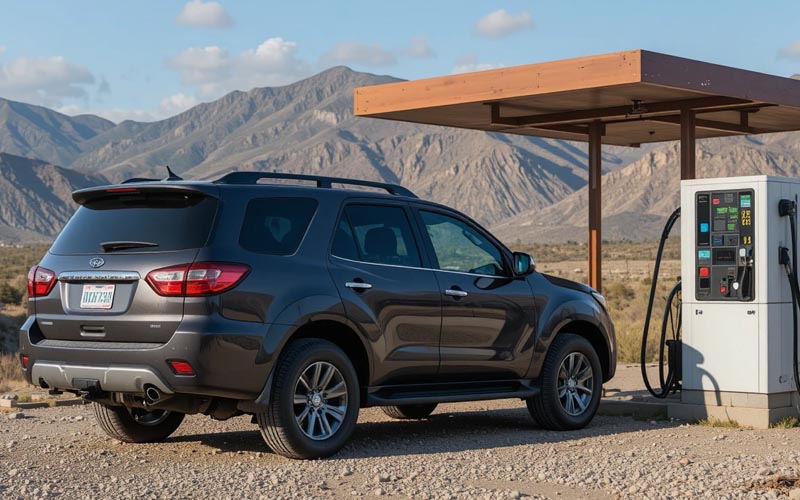
Buying a gas car in 2026 is increasingly seen as a risky investment. As cities worldwide implement “Zero-Emission Zones” and countries like Norway reach nearly 100% EV market share, the long-term resale value of gasoline vehicles is projected to plummet. Choosing an EV today ensures your asset remains valuable in a world that is rapidly moving away from fossil fuels.
Conclusion: The Choice is Yours
In 2026, switching to an EV is no longer just about “saving the planet”—it’s about saving your bank account. Between the annual fuel savings of over $1,500, the lack of expensive engine repairs, and the convenience of waking up to a “full tank” every morning, the question isn’t why you should switch, but rather: How much longer can you afford to wait?
Stop throwing your hard-earned money into a fuel tank. Visit your local dealer, take a test drive, and make 2026 the year you finally go electric.
Frequently Asked Questions (FAQ)
1. How much can I save annually by switching from gas to electric?
In 2026, the average driver saves approximately $1,500 to $2,000 per year in fuel costs alone. While a gasoline household might spend $2,600 annually, an EV owner charging at home typically spends between $300 and $600 for the same distance.
2. Are EVs still more expensive to buy than gasoline cars?
The price gap has virtually closed. Due to battery pack prices falling below $100/kWh, many 2026 EVs have reached price parity with gas vehicles, and the used market now offers high-quality electric options for under $20,000.
3. How long does it take to charge an EV on a long road trip?
With 2026 ultra-fast charging standards (350kW+), most modern EVs can reach an 80% charge in just 15 to 20 minutes. This is roughly the time it takes for a quick meal or a restroom break.
4. What happens to maintenance costs without an engine?
Maintenance costs drop by 31% to 50%. Because EVs have about 20 moving parts compared to over 2,000 in a gas car, you completely eliminate expenses like oil changes, spark plugs, and transmission repairs.
5. Will a gas car hold its resale value if I buy one today?
Resale value for gas cars is projected to drop significantly as more cities implement “Zero-Emission Zones.” Investing in an EV in 2026 is considered a “future-proof” financial move as the global market shifts away from fossil fuels.