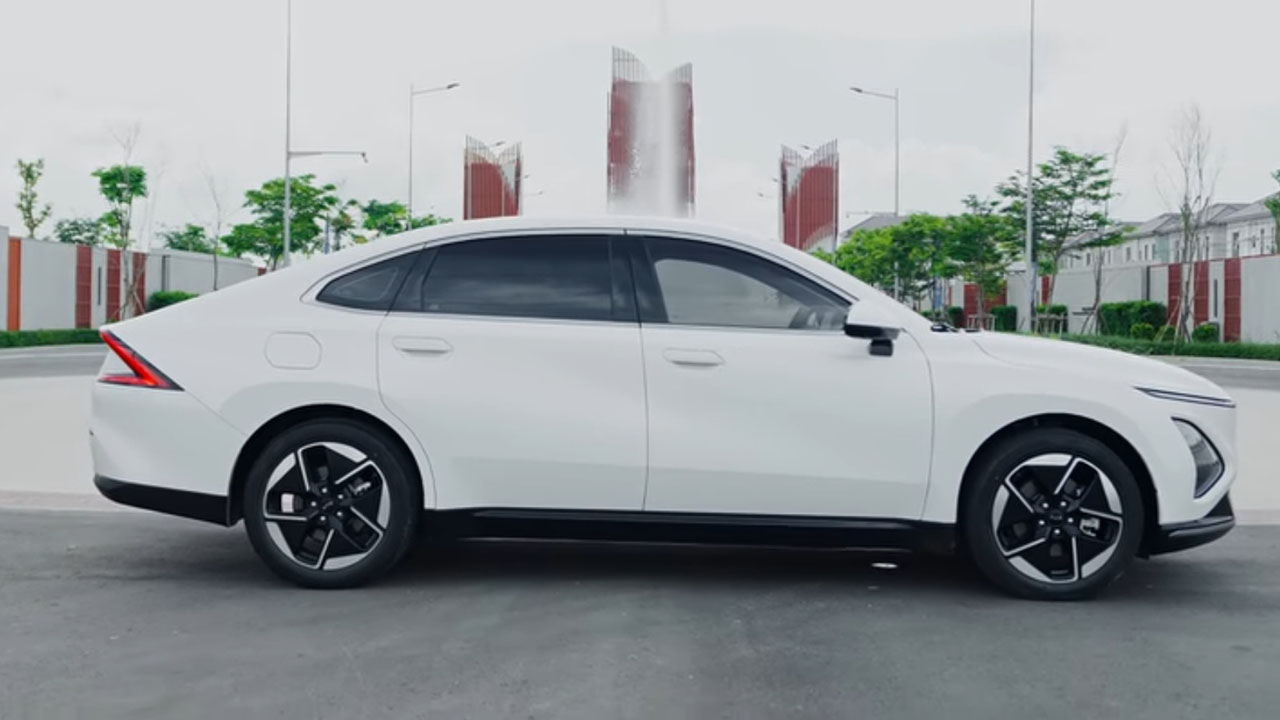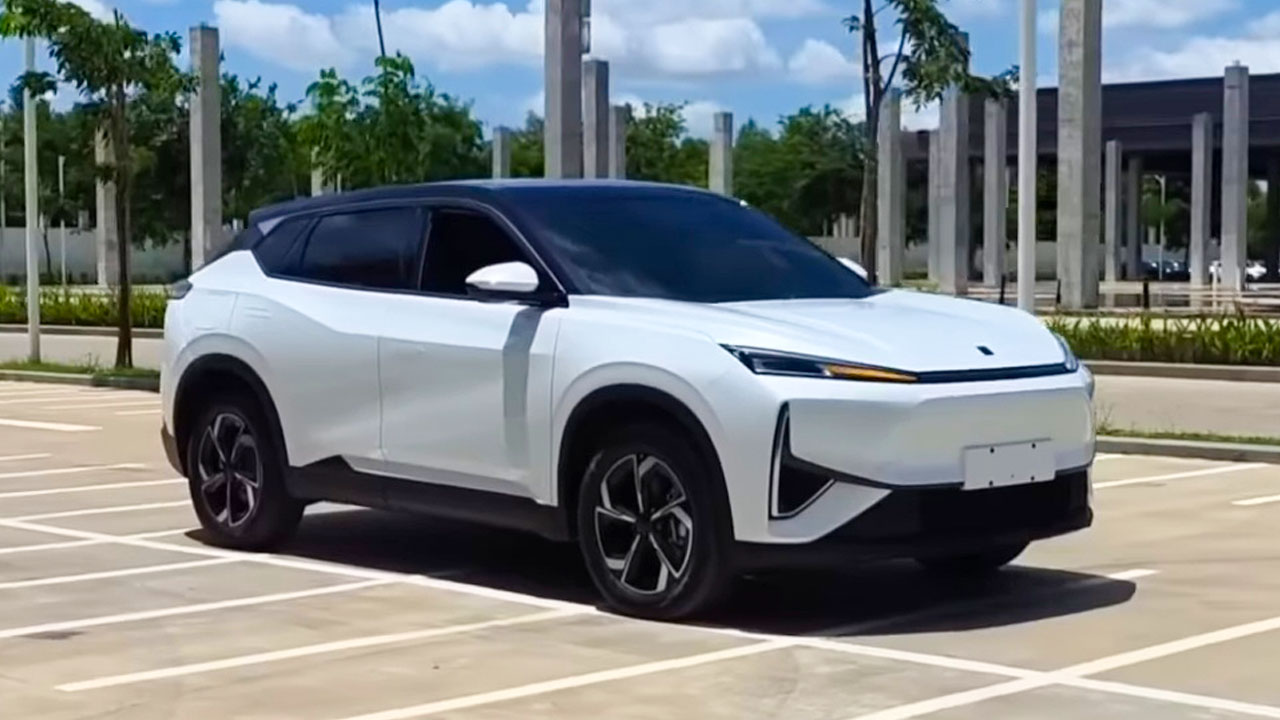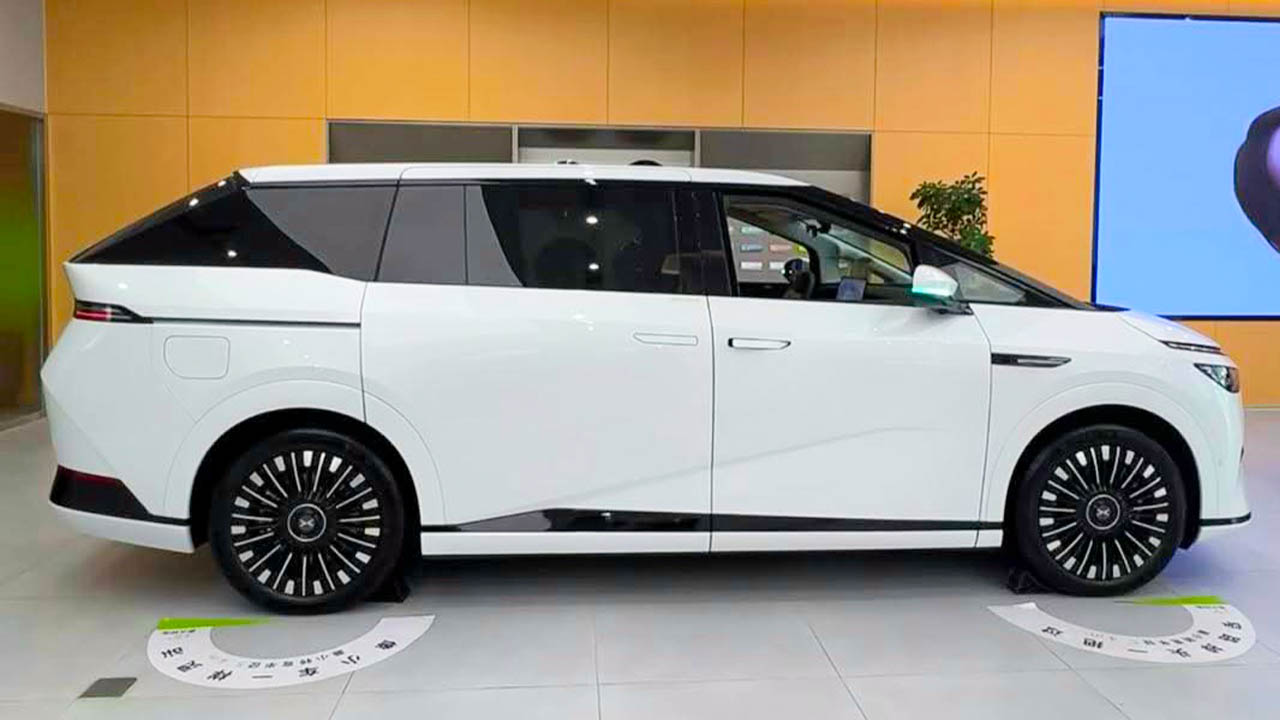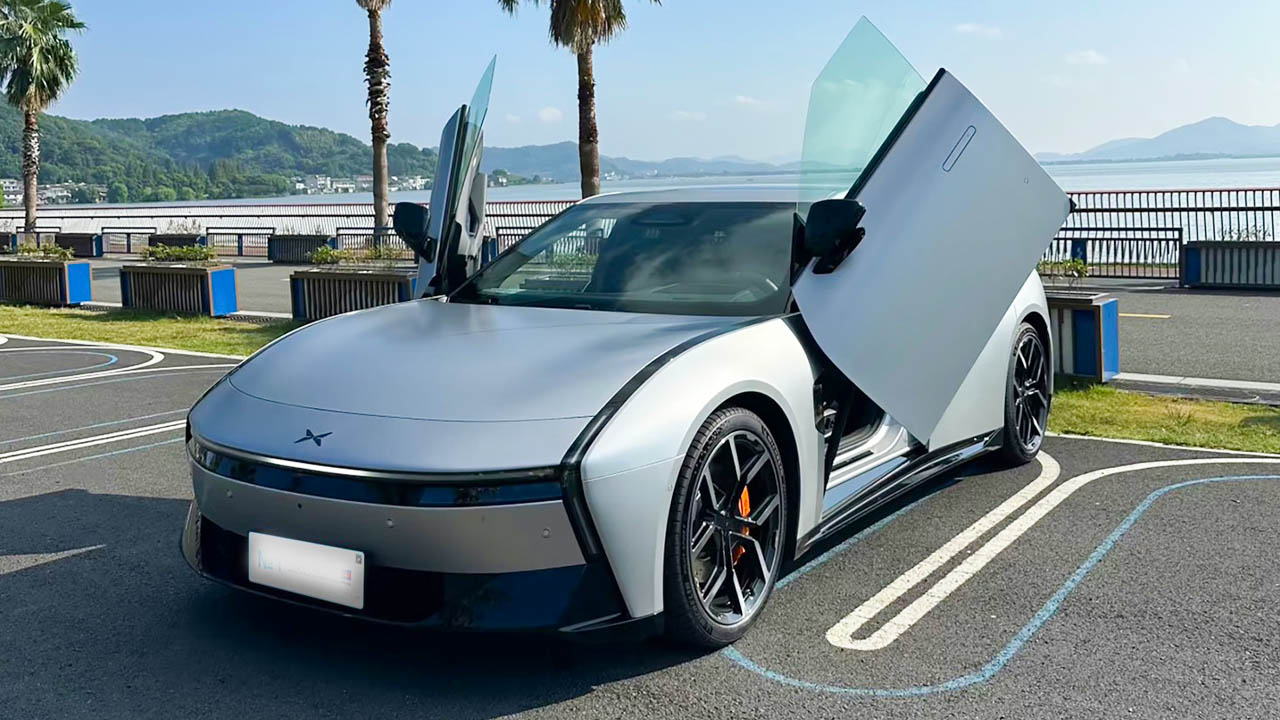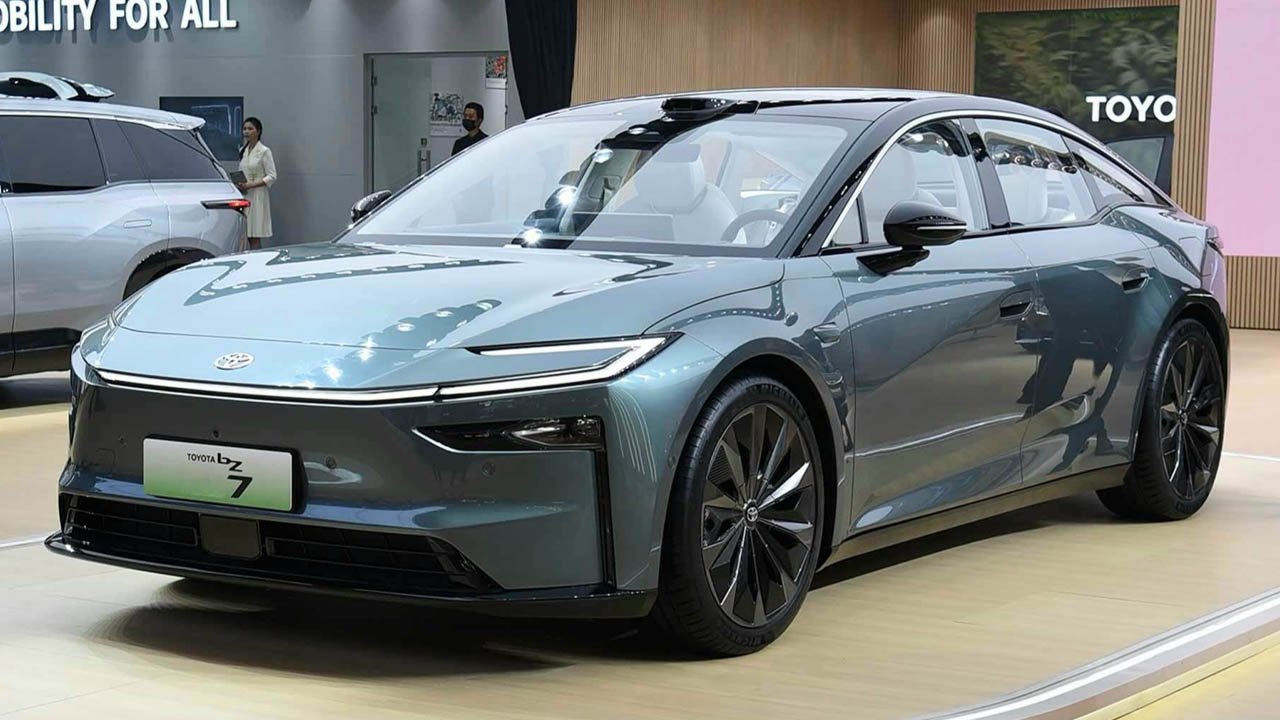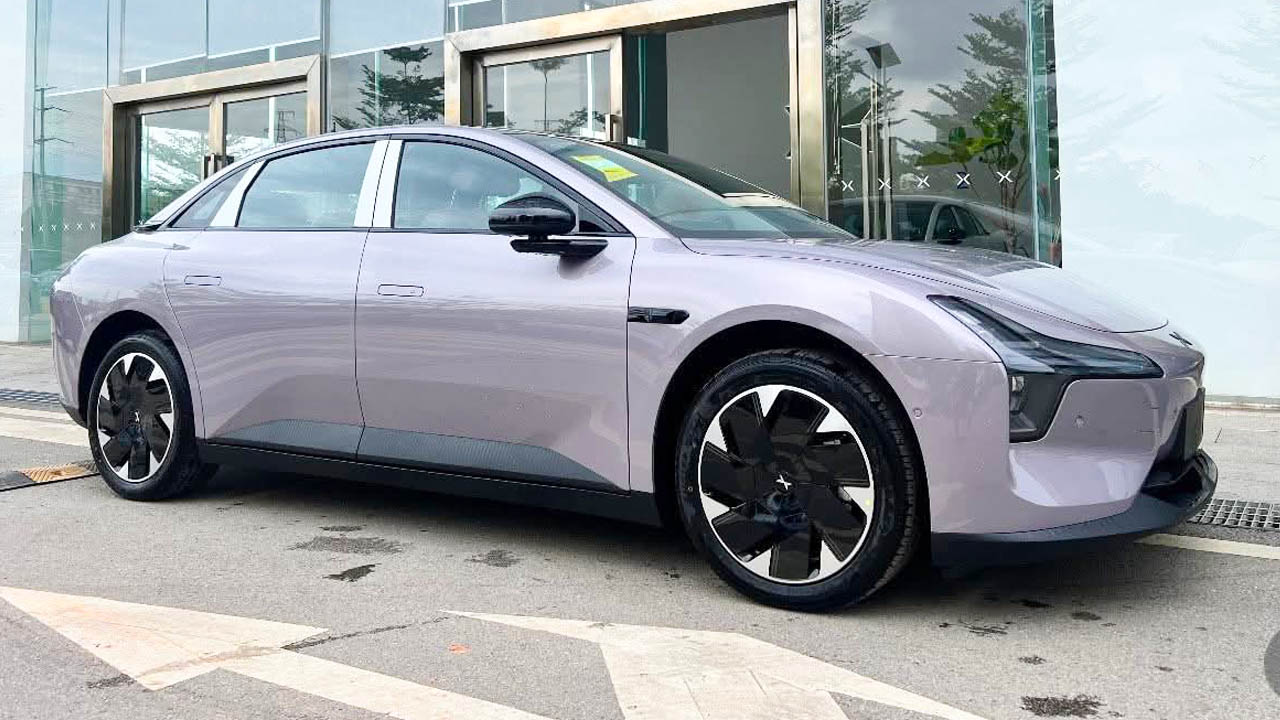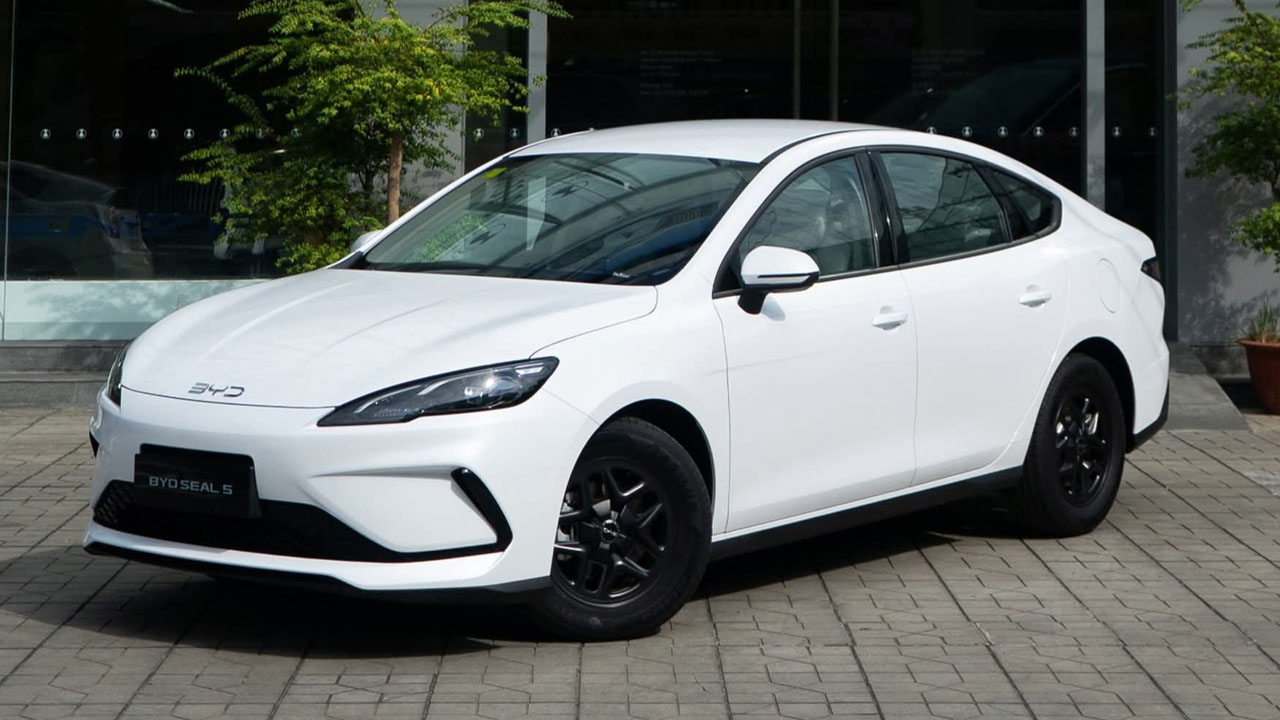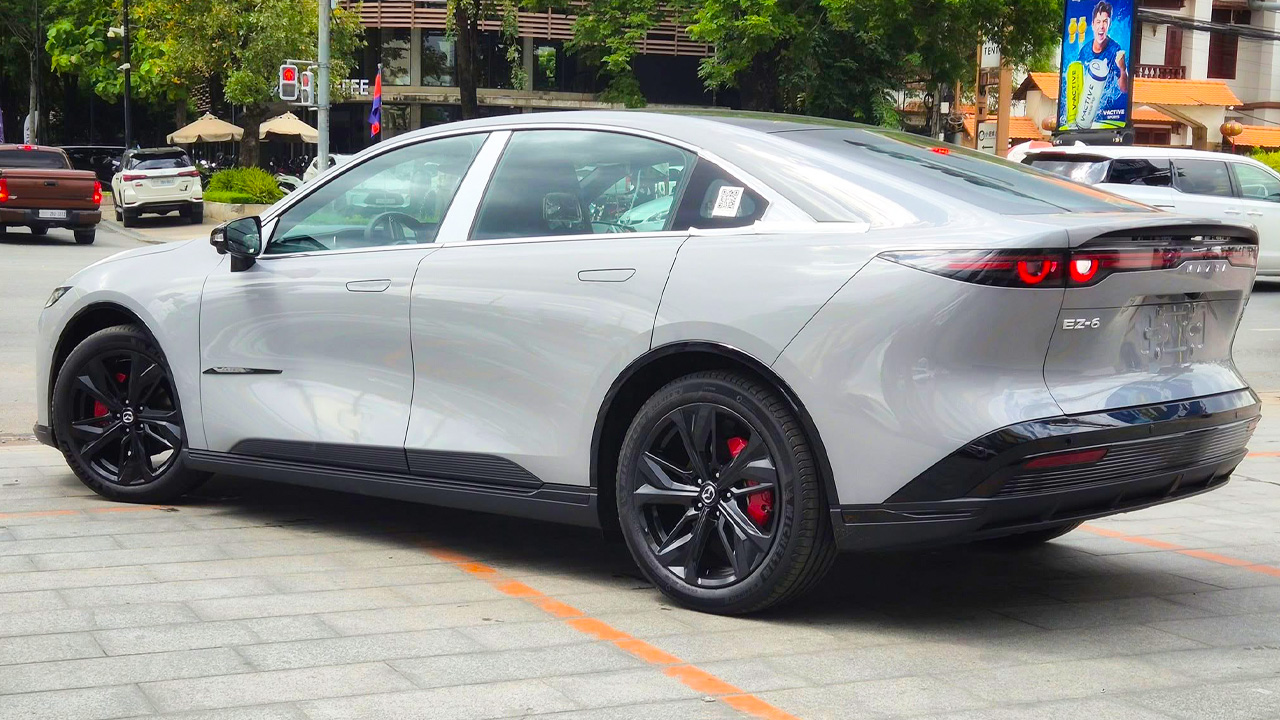
The global EV market reached a historic milestone in March 2026, with monthly sales surging as infrastructure and battery technology hit new peaks of efficiency. From the high-tech streets of Shenzhen to the fjords of Norway, the “Electric Era” is officially here.
1. China: The Epicenter of the EV World
China remains the undisputed champion of the EV industry. It is not just the largest producer; it is the largest consumer market on the planet.
- Market Share: By early 2026, domestic EV penetration in China has crossed the 51% threshold. This means that for the first time in history, more people in China are buying electric or plug-in hybrid “New Energy Vehicles” (NEVs) than traditional gasoline cars.
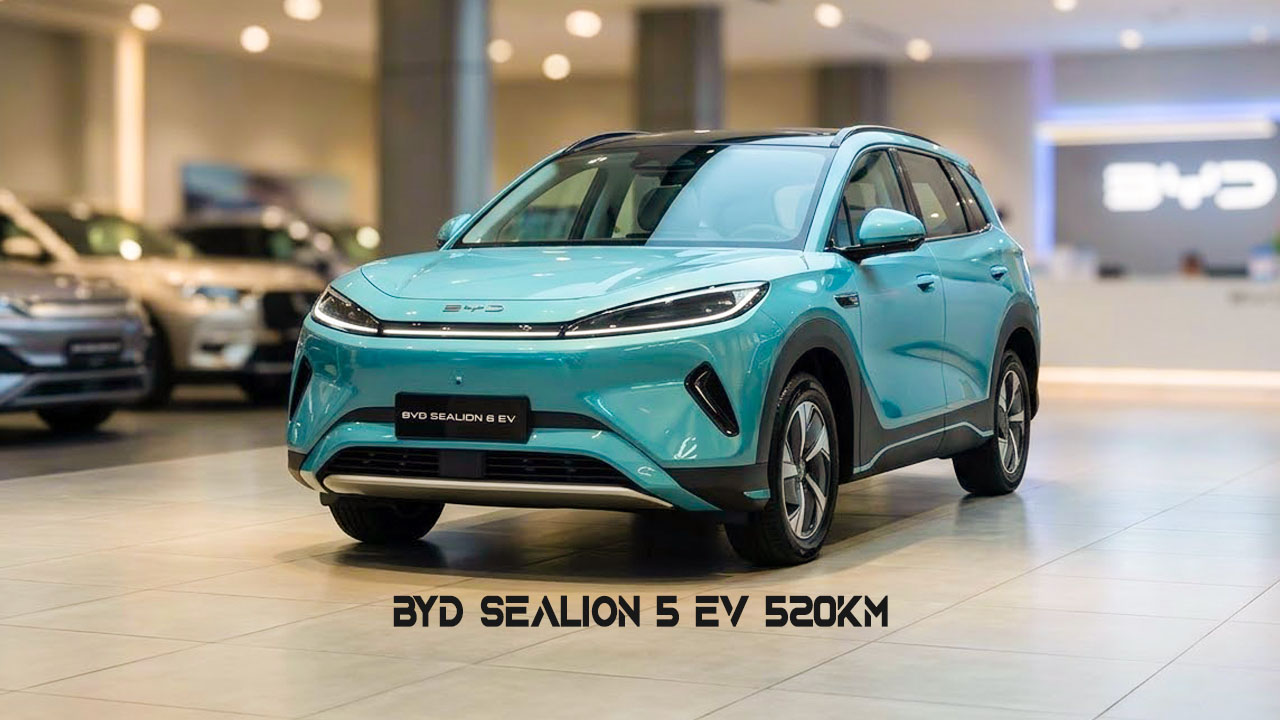
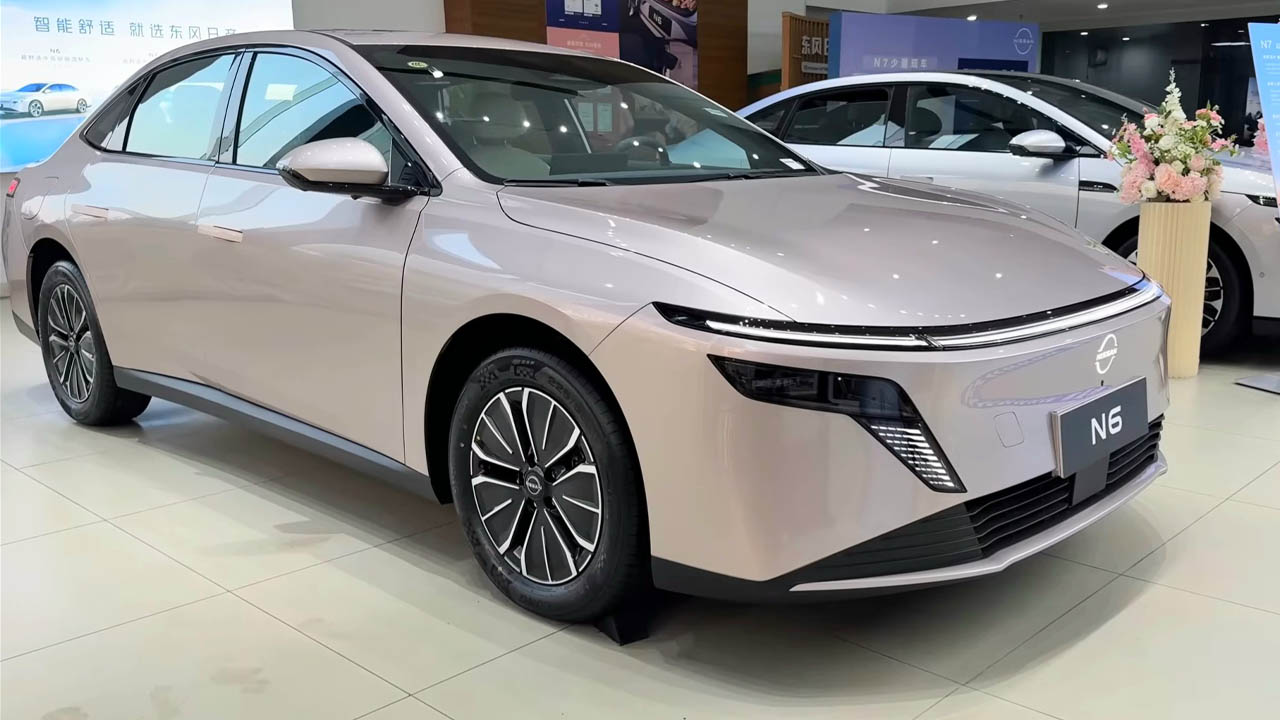
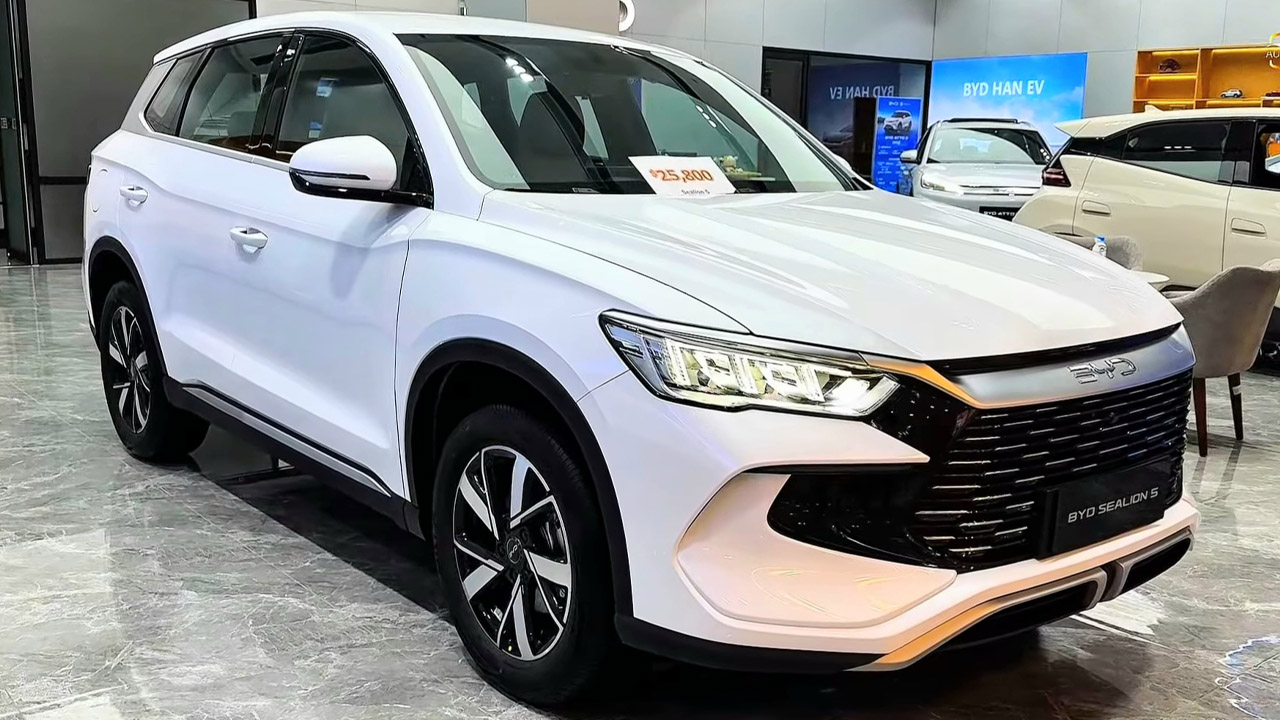
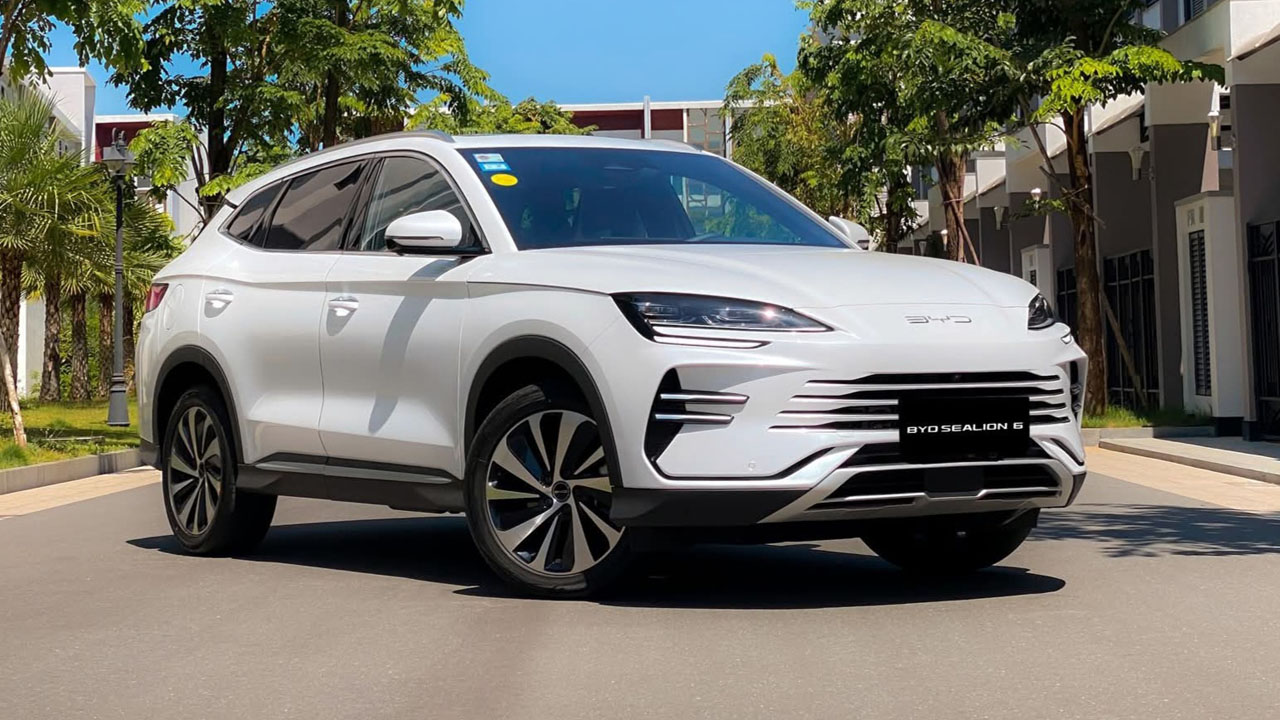
- The Brand Giants: Homegrown titans like BYD, Geely, Zeekr, and Dongfeng dominate the landscape. BYD alone continues to lead the global leaderboard, often capturing over 10% of the total domestic market share.
- Innovation Hub: China’s lead is driven by its control over the battery supply chain, allowing brands to launch new models with 800V fast-charging and Solid-State battery previews at prices Western competitors struggle to match.
2. Europe: The Strategic Battleground
Europe remains the world’s second-largest EV market, acting as a crucial destination for exports.
- Norway (The Gold Standard): Norway continues to be the world’s “EV Utopia.” In early 2026, Battery Electric Vehicles (BEVs) accounted for a staggering 98% of all new car registrations. In Norway, the transition is essentially complete; internal combustion engines are now a rarity in showrooms.
- Germany and the UK: These major markets have seen a massive influx of Chinese brands like MG, BYD, and Ora. By early 2026, Chinese OEMs (Original Equipment Manufacturers) have captured between 10% and 15% of the European EV market share, offering high-tech features at prices 20% lower than local luxury equivalents.
3. Southeast Asia: The New “Frontier”
Southeast Asia has become the primary battleground for Chinese EV brands looking to expand beyond their borders.
- Thailand: Thailand has successfully transitioned into the “EV Hub of ASEAN.” Chinese brands now control nearly 80% of the EV market share here. With massive investments in local factories, brands like BYD and Great Wall Motor (GWM) have made Thailand their regional manufacturing base.
- Singapore: In a landmark shift, EVs made up 57.6% of all new car registrations in Singapore in the first quarter of 2026, outselling gasoline and hybrid models for the first time.
- Indonesia: As a major nickel producer, Indonesia is leveraging its natural resources to attract Chinese battery giants, rapidly increasing its local EV adoption through heavy government subsidies and infrastructure development.
4. Australia and Mexico: The Rising Stars
- Australia: 2026 marked a historic moment for Australia as China overtook Japan as the leading source of new vehicles. Nearly 80% of EVs sold in Australia are now manufactured in China, including both local Chinese brands and Western brands like Tesla (produced in Giga Shanghai).
- Mexico: Mexico has emerged as a vital gateway. Not only is domestic adoption growing, but it has become a strategic base for Chinese automakers to penetrate the broader Latin American market. In early 2026, Chinese brands in Mexico captured over 11% of the total market share, outpacing traditional German legacy brands.
Why are Chinese EVs “Ruling” the Global Market?
There are three primary reasons why brands from China have taken the lead in 2026:
- Price Competitiveness: On average, a Chinese EV costs 20% to 30% less than a European or American EV with similar range and tech specs.
- Battery Tech Leadership: China controls nearly 70% of the global lithium-ion battery supply chain. This vertical integration allows them to build cars faster and cheaper.
- Software-First Approach: Chinese EVs are often viewed as “smartphones on wheels.” In 2026, consumers prioritize large infotainment screens, AI-assisted driving, and seamless OTA (Over-the-Air) updates—areas where brands like Xiaomi and BYD excel.
Global EV Market Share Comparison (April 2026 Estimates)
| Country | EV Market Share (%) | Leading Brand(s) | Primary Driver of Success |
| Norway | 98% | Tesla, Volkswagen, MG | Government bans on ICE sales & tax exemptions. |
| China | 51% – 60% | BYD, Wuling, Zeekr | Battery supply control & massive urban infrastructure. |
| Singapore | 57% | BYD, Tesla, BMW | High vehicle taxes (COE) favoring green energy. |
| Thailand | 15% – 20% | BYD, Great Wall Motor | ASEAN manufacturing hub & “EV 3.5” subsidies. |
| Australia | 10% – 12% | Tesla, MG, BYD | Shift toward Chinese-made imports (80% of EV sales). |
| Germany | 25% | Volkswagen, BMW, BYD | High energy prices & strict EU emission targets. |
The Cambodian Context: A Growing Trend
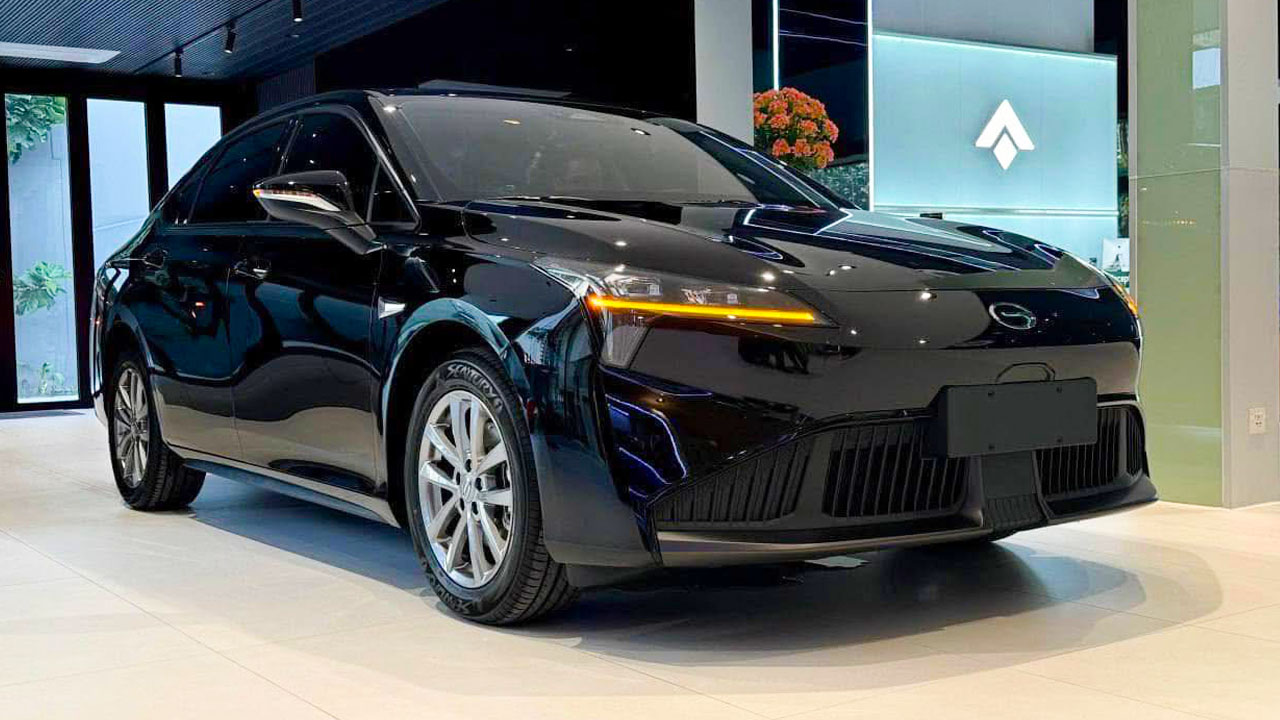
For our readers in Cambodia, the global trend is hitting home. Walk through the streets of Phnom Penh today, and you will see an increasing number of BYD Atto 3s, MG ZSs, and GAC Aions. The government’s push for “Green Energy” and the influx of affordable Chinese EV models means that Cambodia is no longer just a spectator; it is part of the global electric movement.
Final Thoughts
The data is clear: the future of mobility is electric, and the heart of that future is currently beating in Asia. Whether you are in Europe, Australia, or Southeast Asia, the choice to go electric is becoming easier, cheaper, and more logical every day.
Frequently Asked Questions (FAQ)
1. Why is China leading the global EV market?
China controls nearly 70% of the world’s battery supply chain, allowing brands like BYD to build cars 20-30% cheaper than Western rivals. They also boast the world’s largest charging network with over 21 million stations.
2. Does Norway really have a 98% EV market share?
Yes. Through aggressive tax exemptions for EVs and high levies on gas cars, Norway has virtually phased out the internal combustion engine. By early 2026, almost every new car sold in the country is a Battery Electric Vehicle (BEV).
3. Are Chinese EVs safe for global buyers?
Yes. Modern Chinese brands like Zeekr and BYD consistently achieve 5-star Euro NCAP safety ratings. In 2026, the focus has shifted from mechanical safety to software security, with manufacturers now meeting strict global data privacy standards.
4. How much has battery technology improved in 2026?
Batteries are now cheaper ($80/kWh) and more durable, with most 2026 models offering a 500km+ range. Ultra-fast charging has also peaked, with many new EVs adding 160km of range in just 10 minutes.
5. What is V2G technology?
Vehicle-to-Grid (V2G) allows your car to act as a home battery. In 2026, you can use your EV to power your house during peak hours or sell excess energy back to the grid, turning your car into a financial asset.