For anyone who hasn’t yet sat behind the wheel of an electric vehicle (EV), making the leap to electric can feel incredibly daunting. It is completely natural to look at this modern technology—with its giant high-tech touchscreens, intricate computer systems, and massive lithium-ion batteries—and assume that it must be a nightmare to maintain. The common misconception is that if something goes wrong, it will require a specialized rocket scientist to fix, resulting in astronomical repair bills.
Yet, a fascinating trend emerges if you spend any time speaking with actual EV owners. The vast majority share a fierce, almost religious loyalty to their electric rides, frequently declaring: “I am never buying a gas car again!”
Are they just caught up in the hype, or is there a genuine, stress-free reality to owning an electric car? When you look past the myths, the data reveals a clear picture. Here are three undeniable truths about electric vehicle maintenance that explain why making the switch ruins gas cars for good.
Truth #1: Fewer Moving Parts = Less Risk of Breakdowns
To truly understand why electric vehicles are turning the automotive industry upside down, you have to look at what is happening under the hood.
A traditional internal combustion engine (ICE) car is an incredibly complex engineering marvel—but it is also a ticking time bomb of wear and tear. A standard gas engine contains over 1,000 moving parts. Think about the sheer volume of components working under extreme heat and friction every second you drive: pistons pumping, valves opening, timing belts spinning, spark plugs firing, and complex multi-speed transmissions shifting gears constantly. Every single one of these thousands of parts represents a potential point of failure. Over the lifespan of a gas vehicle, it is not a matter of if these minor mechanical parts will fail, but when.
Now, let us look at an electric vehicle. An EV replaces that entire complex, rumbling engine with a brilliantly streamlined electric motor. Instead of thousands of moving pieces, an electric motor typically contains around 20 moving parts. There are no complex gearboxes, no clutches, no alternators, and no exhaust systems to rust out over time.
The math here is fundamentally simple: Fewer parts inherently mean a drastically lower chance of mechanical failure or annoying, unexpected breakdowns. By eliminating 98% of the moving components responsible for engine failures, EVs offer unprecedented mechanical reliability.
Truth #2: Goodbye to Endless Oil Changes and Filter Replacements
For decades, owning a vehicle meant adhering to a rigid ritual: tracking your mileage, watching the dashboard calendar, and scheduling routine visits to the mechanic for an oil change every few months.
One of the most liberating realizations for new EV owners is realizing they are completely free from this tedious routine. When you switch to an EV, a massive chunk of standard automotive maintenance disappears forever. Say goodbye to:
- Engine oil changes and oil filters
- Timing belts and drive belts
- Spark plugs and ignition coils
- Fuel filters, oxygen sensors, and exhaust system repairs
In fact, industry data shows that routine EV maintenance is so stripped down that it costs roughly 30% to 50% less over the vehicle’s lifetime compared to a gas vehicle.
The checklist for a healthy EV is remarkably simple: checking the battery coolant, topping up windshield washer fluid, swapping the cabin air filter, and performing standard tire rotations. Even your brake pads wear down at a fraction of the speed because EVs use regenerative braking—a system where the electric motor reverses to slow the vehicle down, harvesting that energy back into the battery while saving your physical brakes from friction and wear. This simplicity saves you both hard-earned money and, perhaps more importantly, your valuable time.
Truth #3: The More You Drive, the More You Save (Plus Total Peace of Mind)
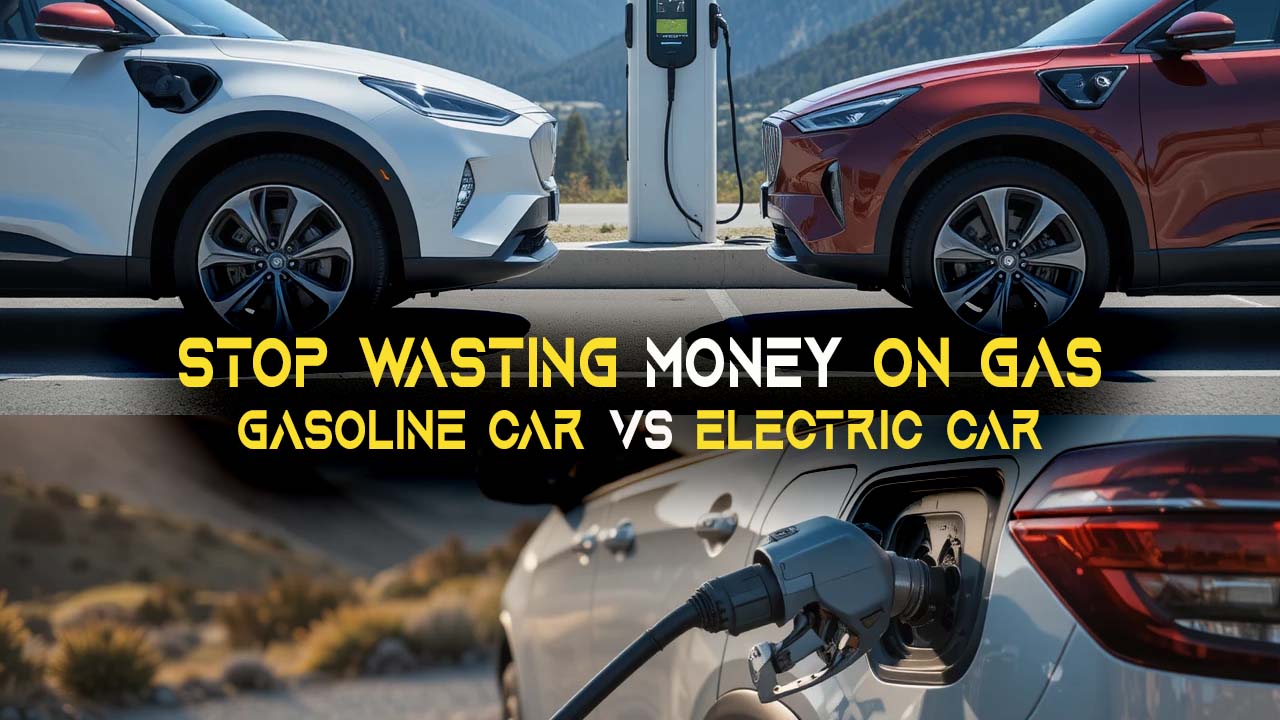
While the lack of maintenance is a great financial relief, the financial advantage becomes even clearer when calculating daily operational costs. On average, charging an EV with electricity is roughly 3 to 4 times cheaper than fueling a conventional gas vehicle for the exact same distance. If you have the ability to charge at home overnight, the savings compound massively over months and years.
But beyond the cold, hard cash savings, what truly hooks drivers is the unmatched lifestyle shift. Driving an EV provides an absolute oasis of calm. Without an internal combustion engine vibrating and roaring, the cabin is wrapped in near-total silence. Combined with the thrilling, instant torque delivered the very millisecond your foot presses the pedal, the driving experience is incredibly smooth, responsive, and blissful. Once you experience that seamless power without engine lag, gas cars quickly start to feel loud, sluggish, and outdated.
Added Peace of Mind
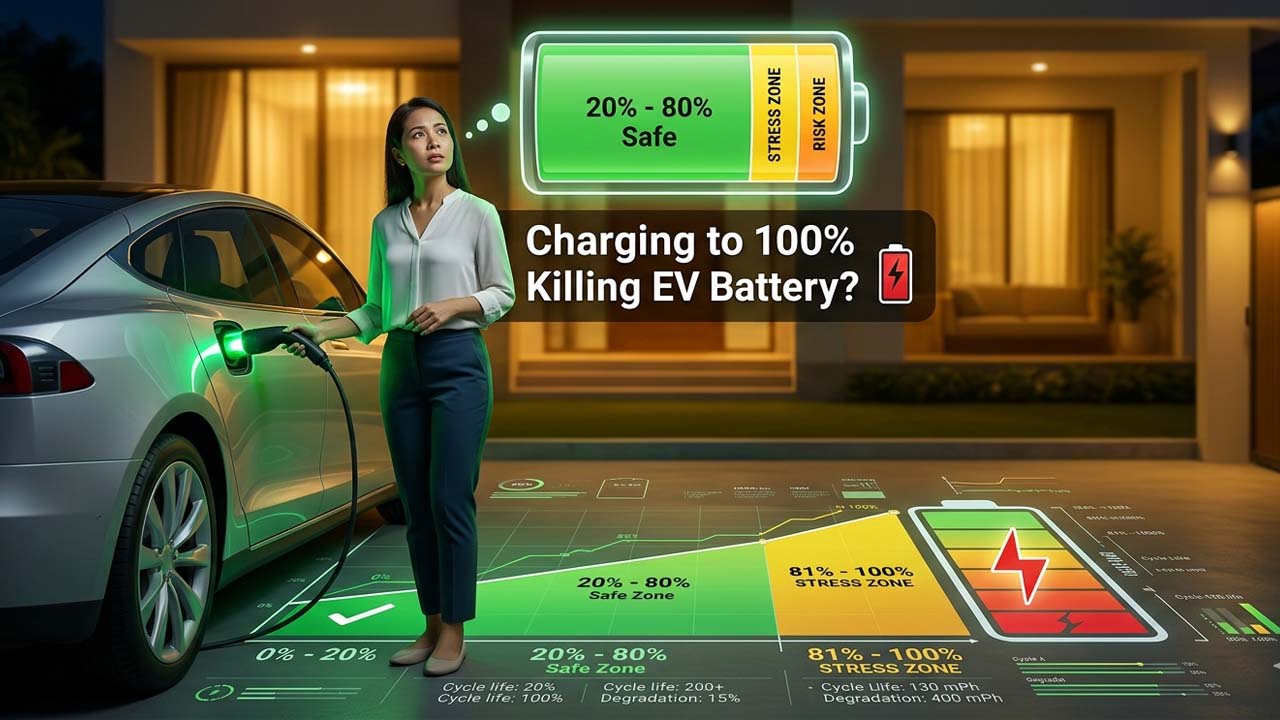
What about the battery? The lingering fear for many is the cost of replacing a degraded battery pack. To completely erase this anxiety, almost all major EV manufacturers offer extensive, official factory warranties on the battery and electric motor that last up to 8 years or 160,000–200,000 km. The manufacturer has you completely covered, giving you total peace of mind for nearly a decade of ownership.
Small But Game-Changing Perks of the EV Life
If the core savings aren’t enough to convince you, several lifestyle upgrades completely transform the daily driving experience:
- Financial Flexibility: On weeks when cash is tight or you are waiting for payday, you have choices. You can plug your car into a standard wall outlet at home, utilize free community chargers, or tap into your home electricity bill to keep driving. This is a massive shift from a gas car, where you are forced to pay out-of-pocket at a gas station pump immediately just to get to work.
- Your Portable Mobile Office & Lounge: Because an EV doesn’t emit toxic exhaust fumes, it doubles as a completely safe, climate-controlled mobile room. If you need a quiet place to take a business call, answer emails, or take a peaceful nap while out running errands, you can sit inside your EV with the A/C blasting for hours on end, undisturbed and with minimal battery drain.
- Immunity to Heavy Traffic Penalties: Gas cars suffer terribly low fuel efficiency in heavy city gridlock, burning expensive fuel while idling fruitlessly. An EV uses virtually zero energy when at a standstill and remains highly efficient in stop-and-go traffic, keeping your running costs incredibly low even in the worst rush hours.
What Do You Think?
The evidence is clear: electric vehicles are not more complicated to maintain—they are fundamentally simpler. By stripping out the friction, heat, and moving parts of the traditional engine, they give drivers back their time, money, and peace of mind.
Now, we want to hear from you!
- For those already driving an EV: Has your maintenance experience been as effortless as the statistics show? How much have you actually saved since making the switch?
- For those who haven’t made the switch yet: What is your biggest remaining hesitation? Is it charging infrastructure, vehicle prices, or something else entirely?
Let us start a conversation in the comments section below!