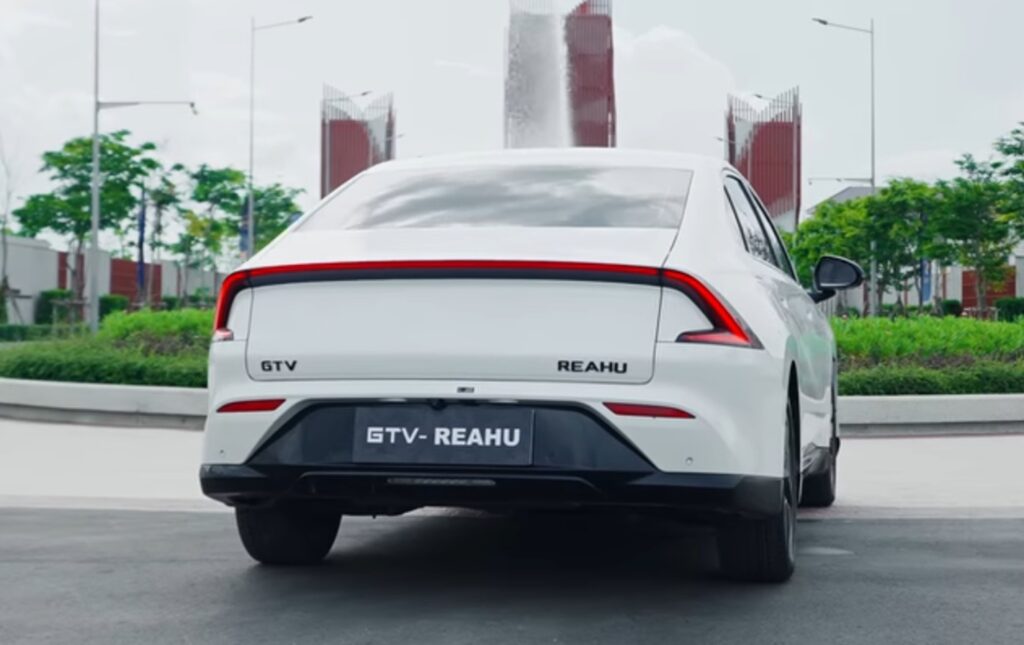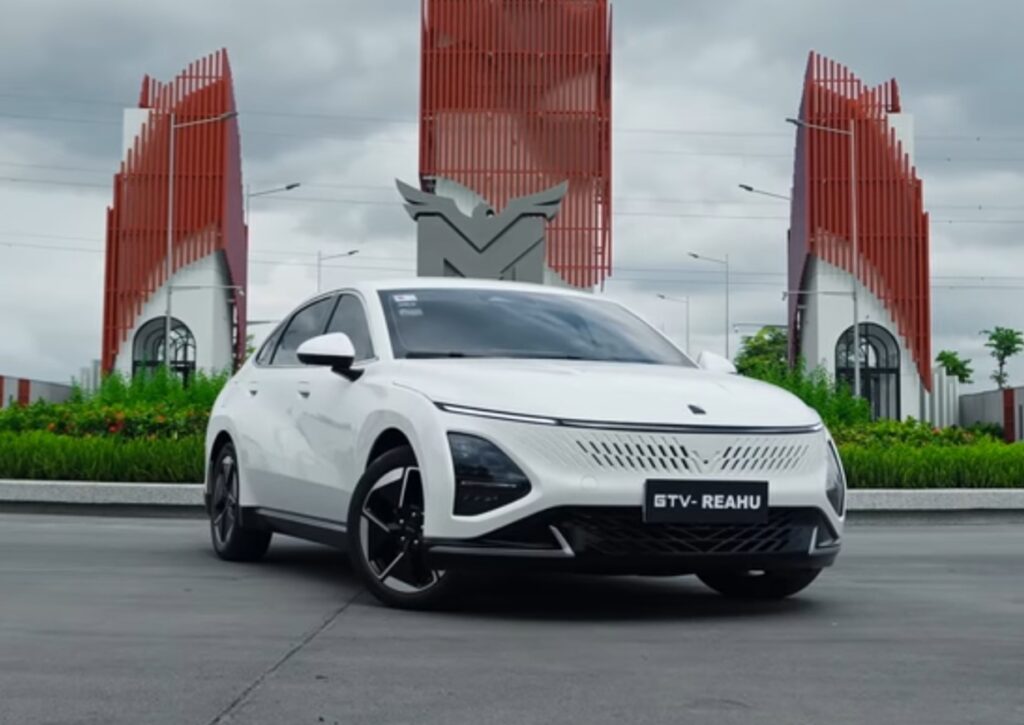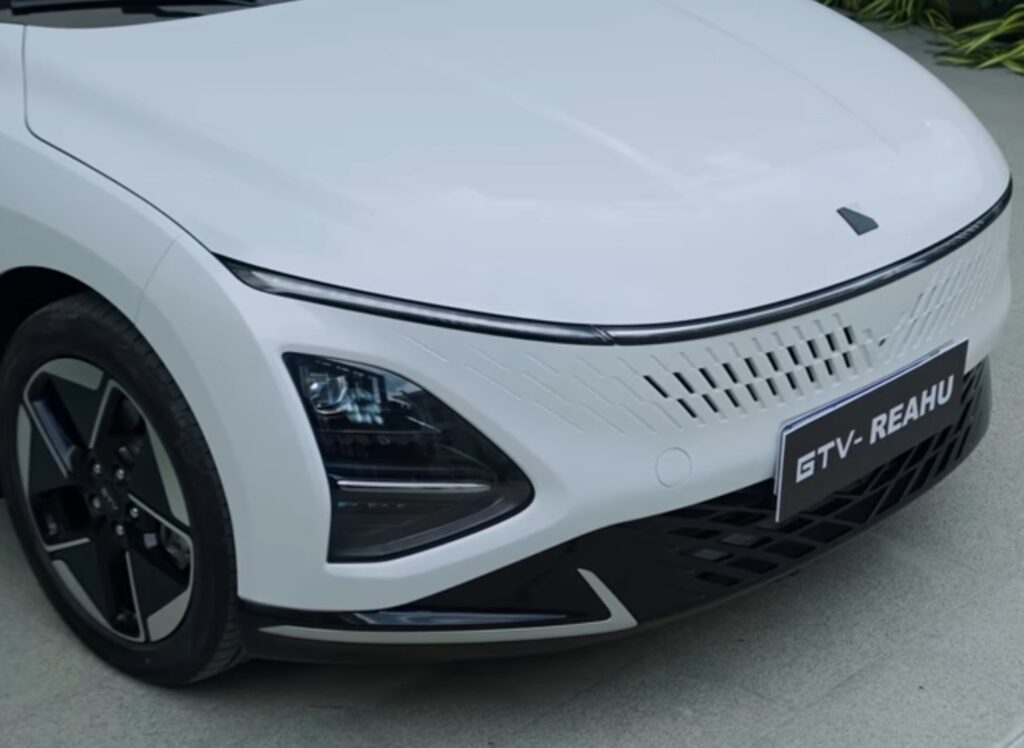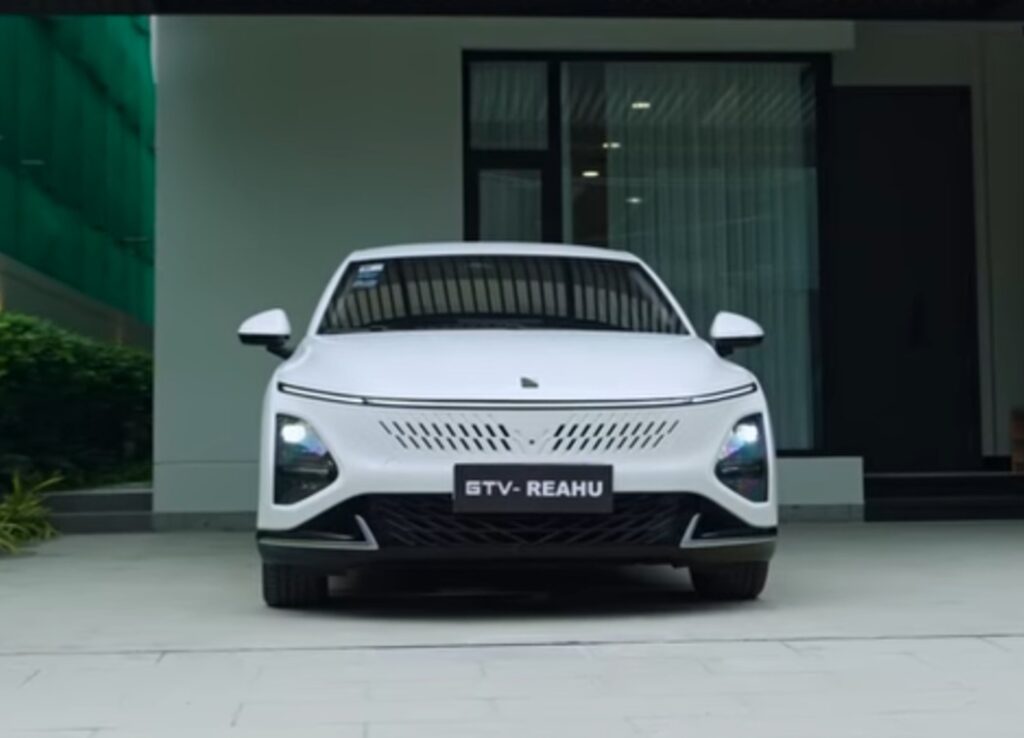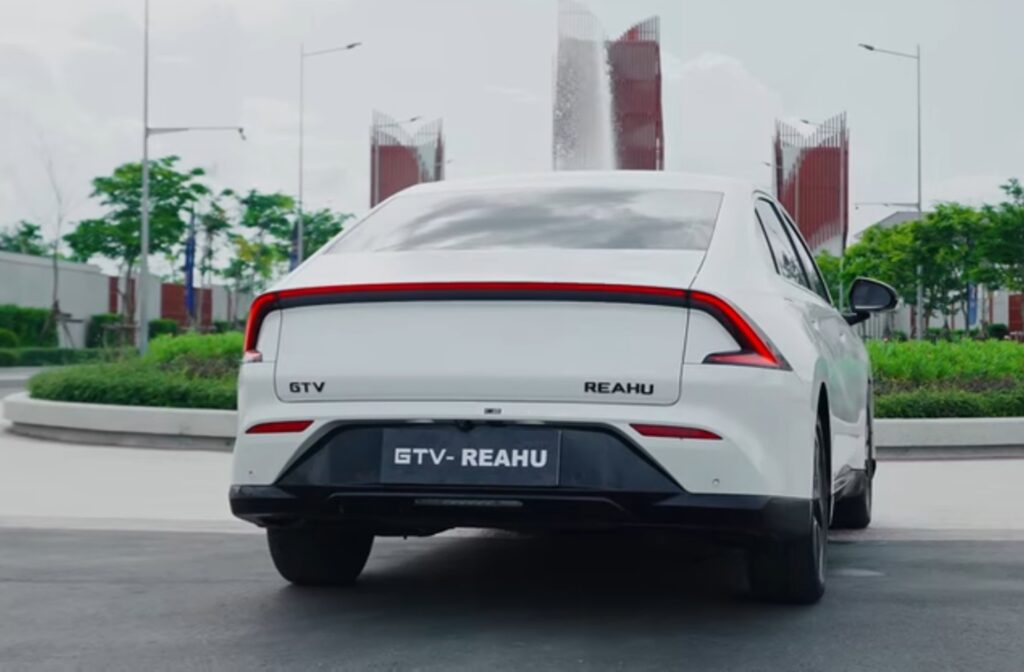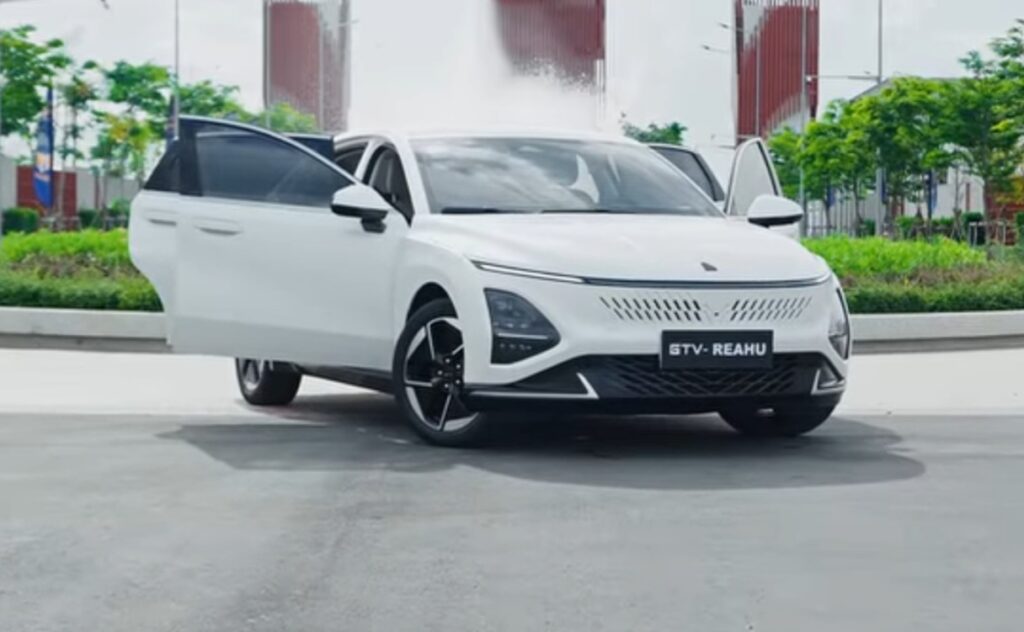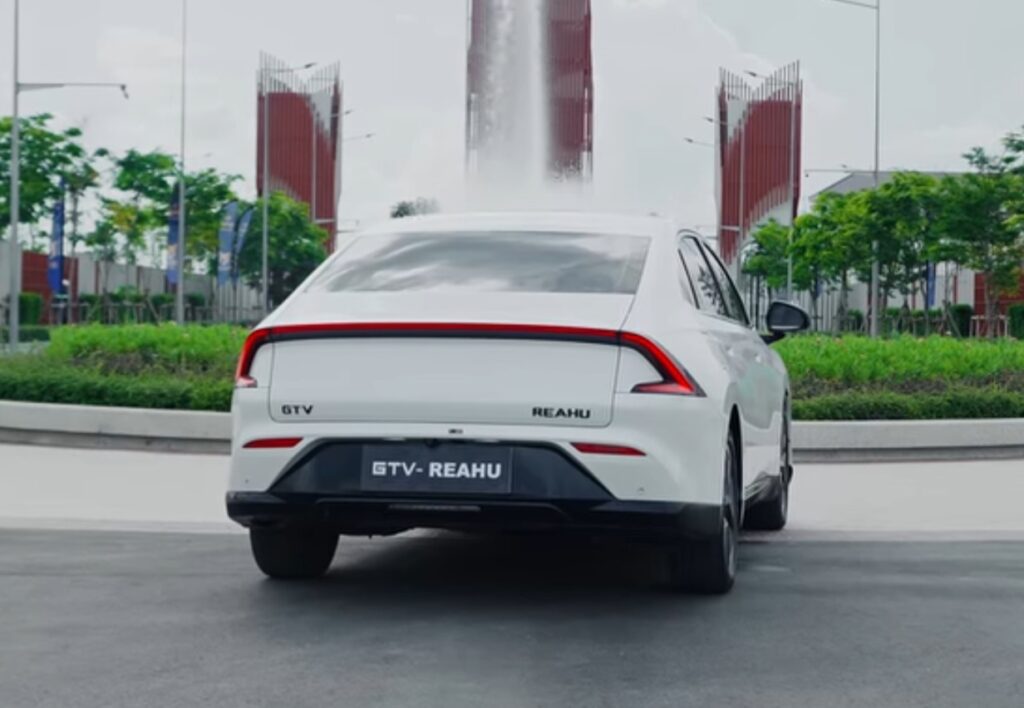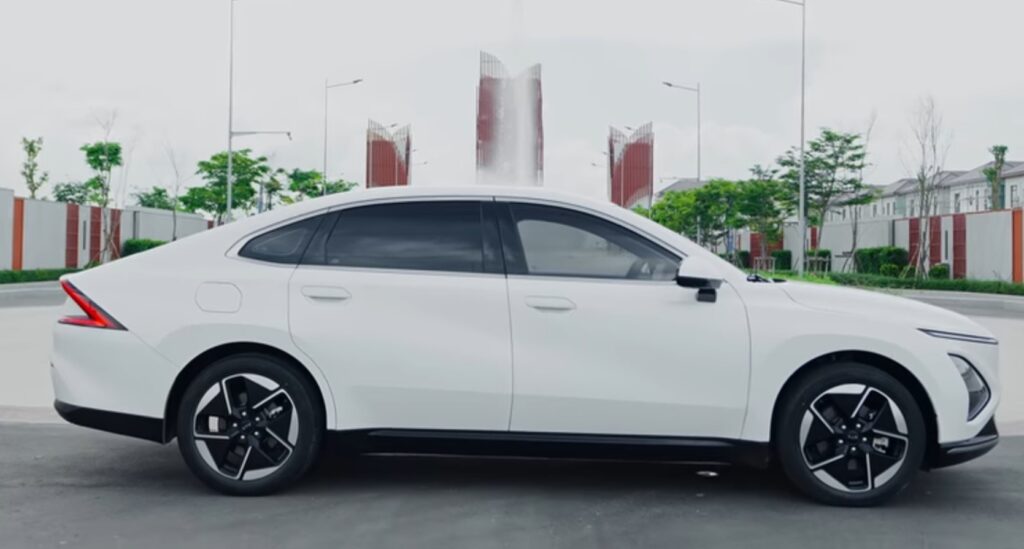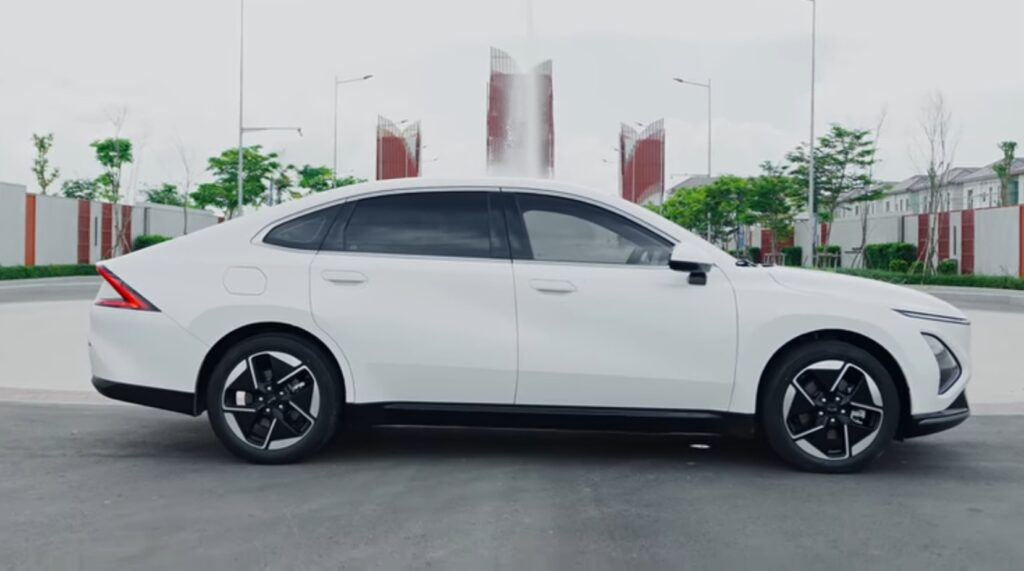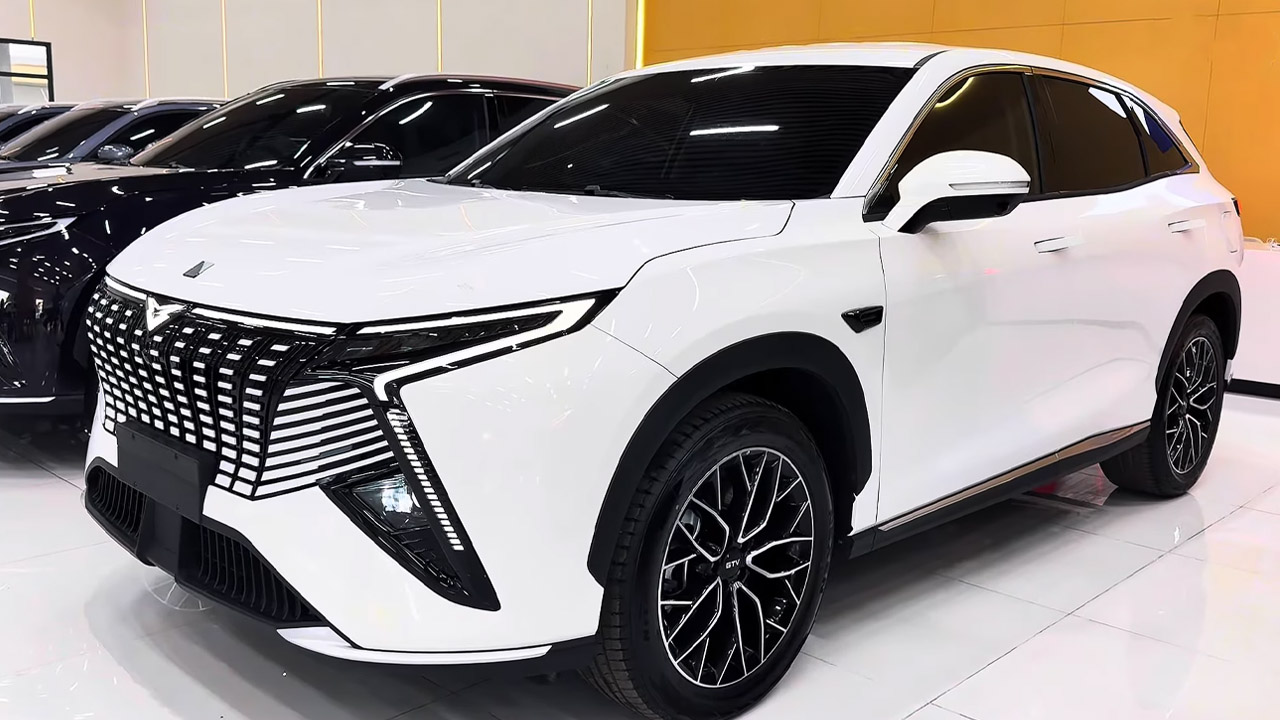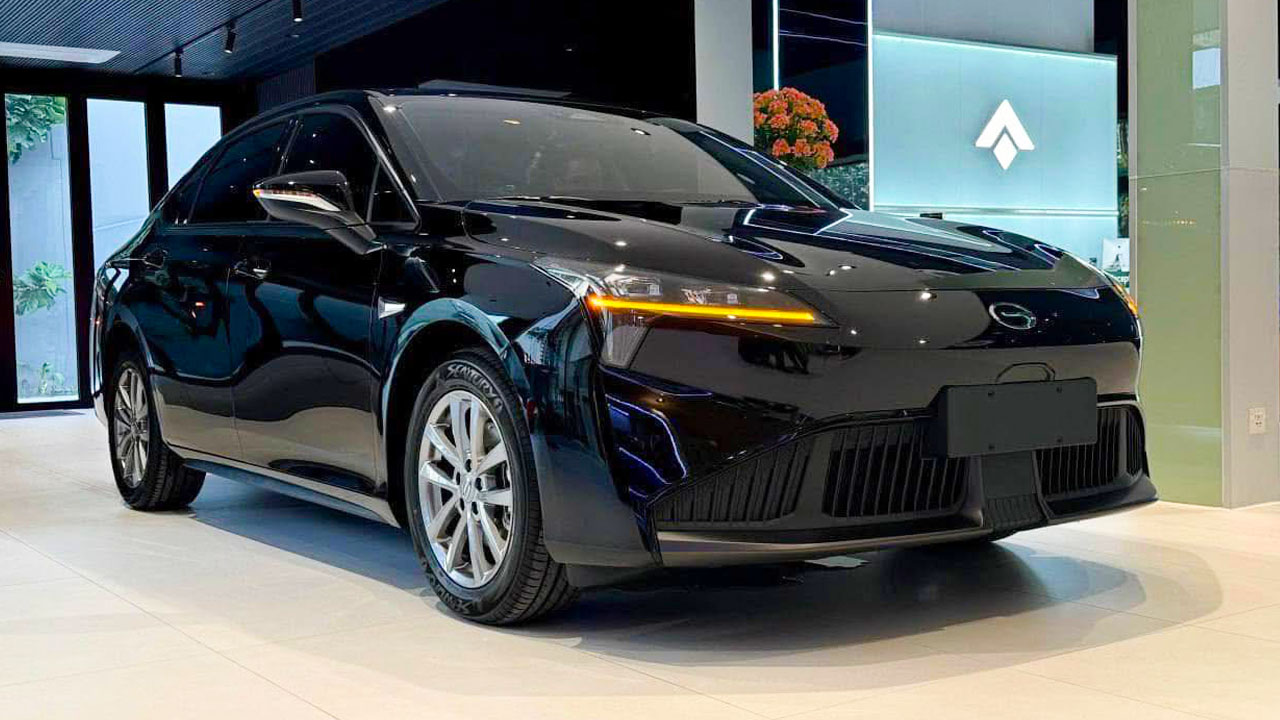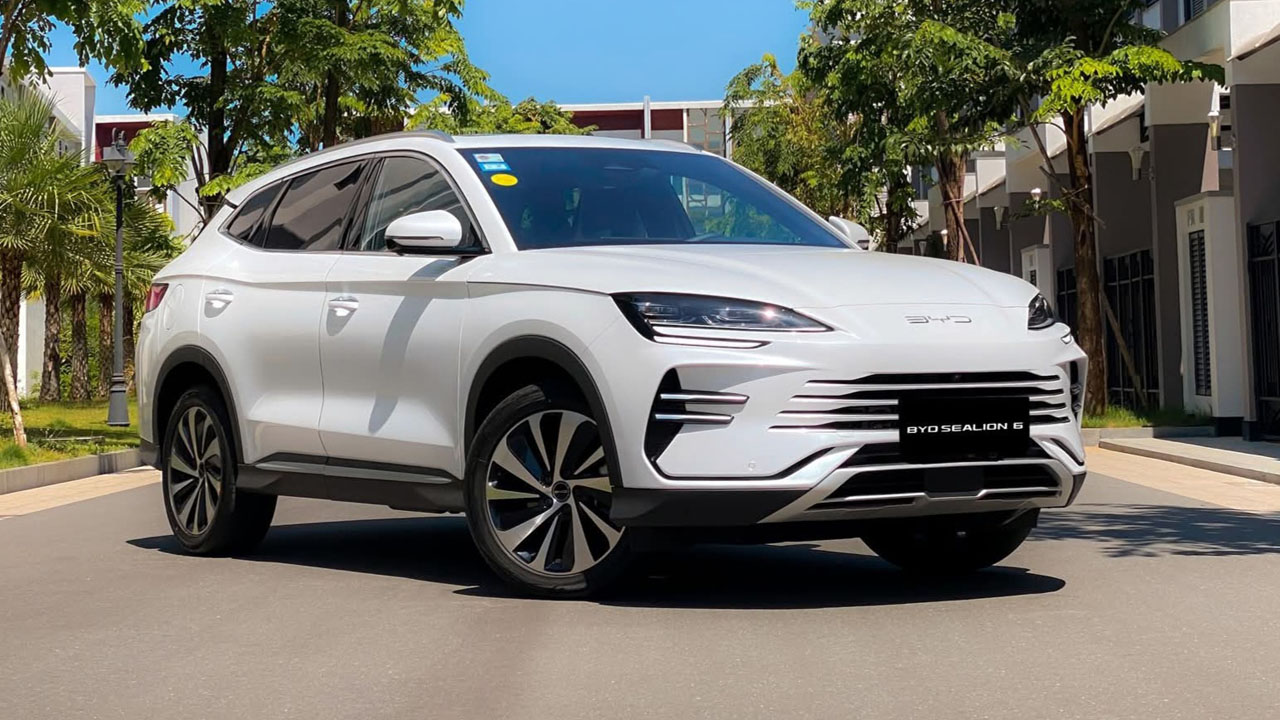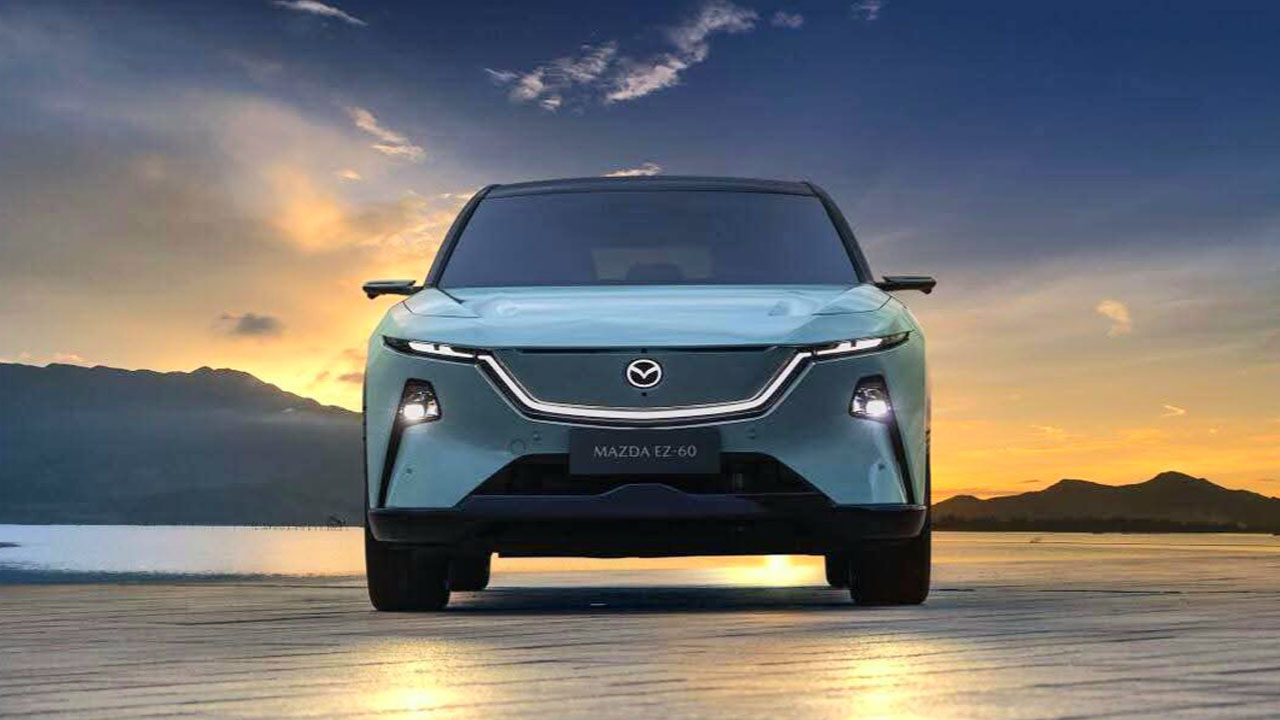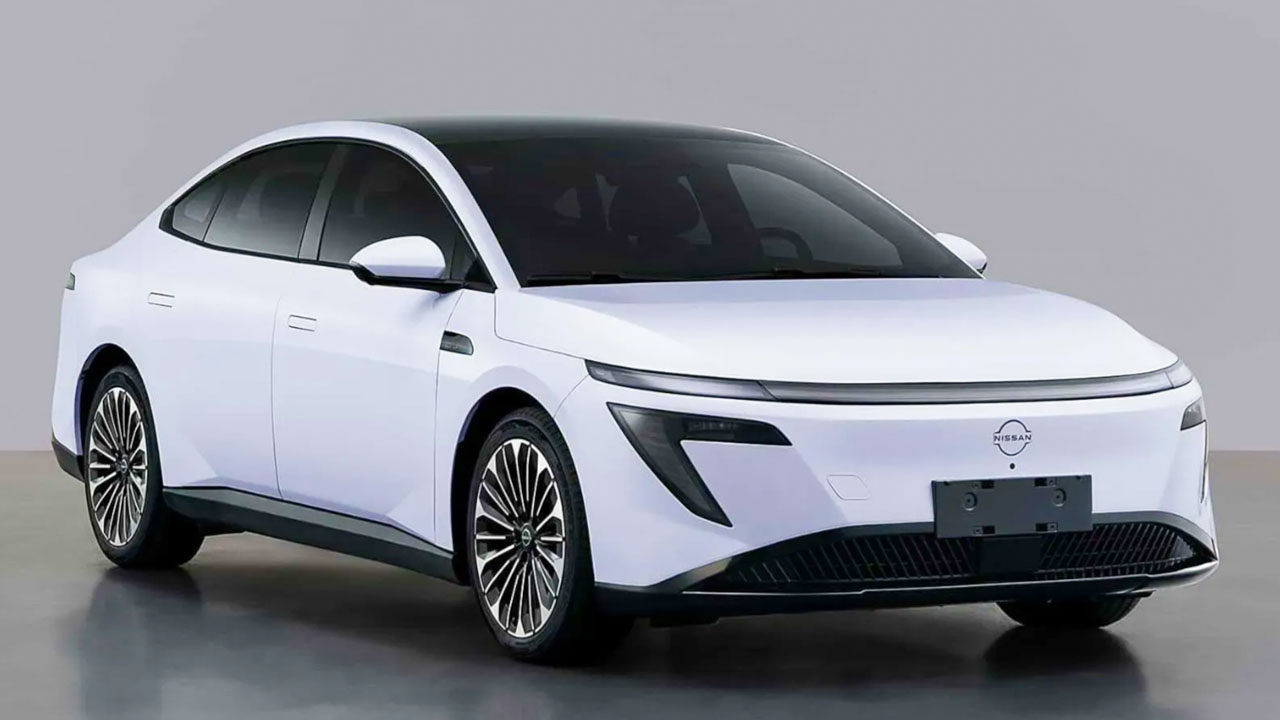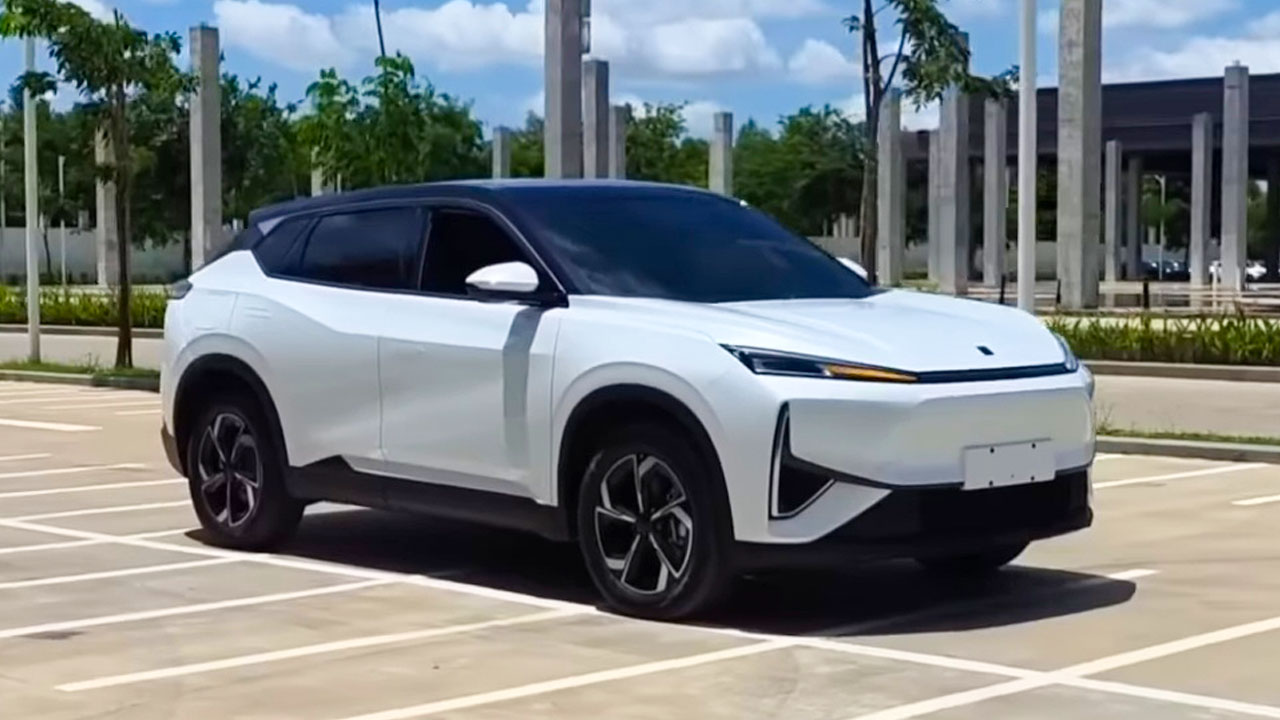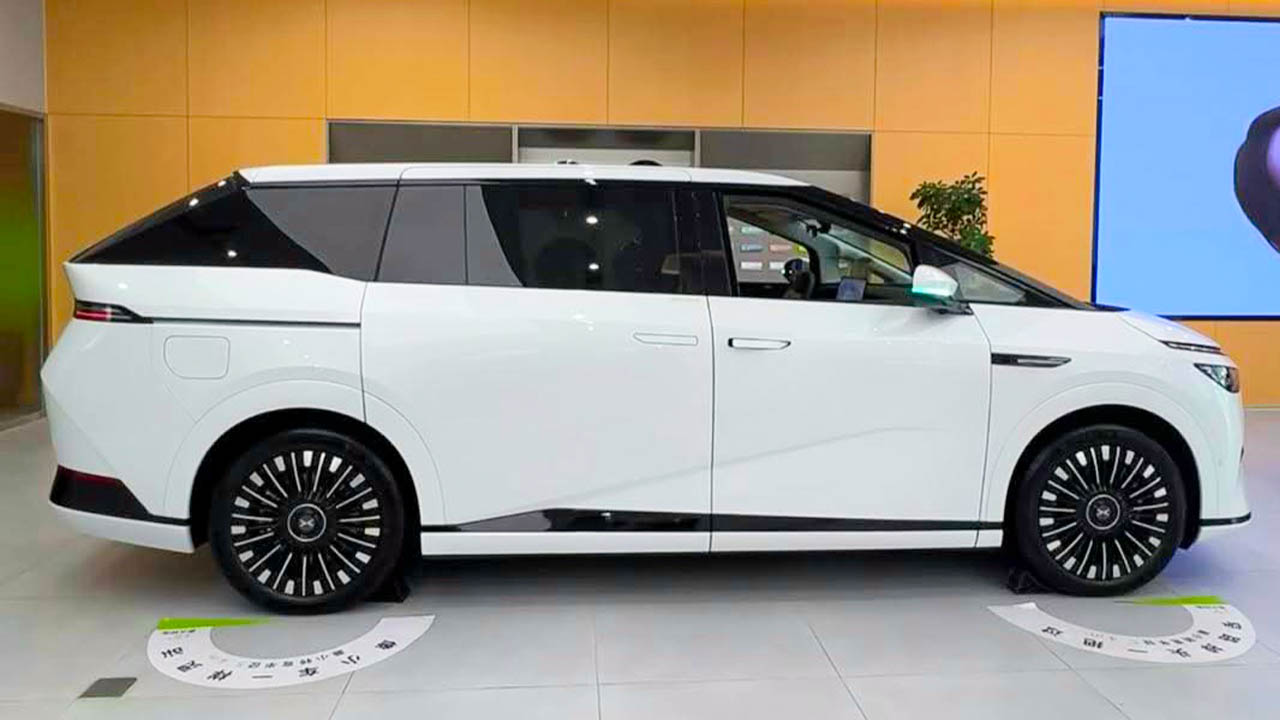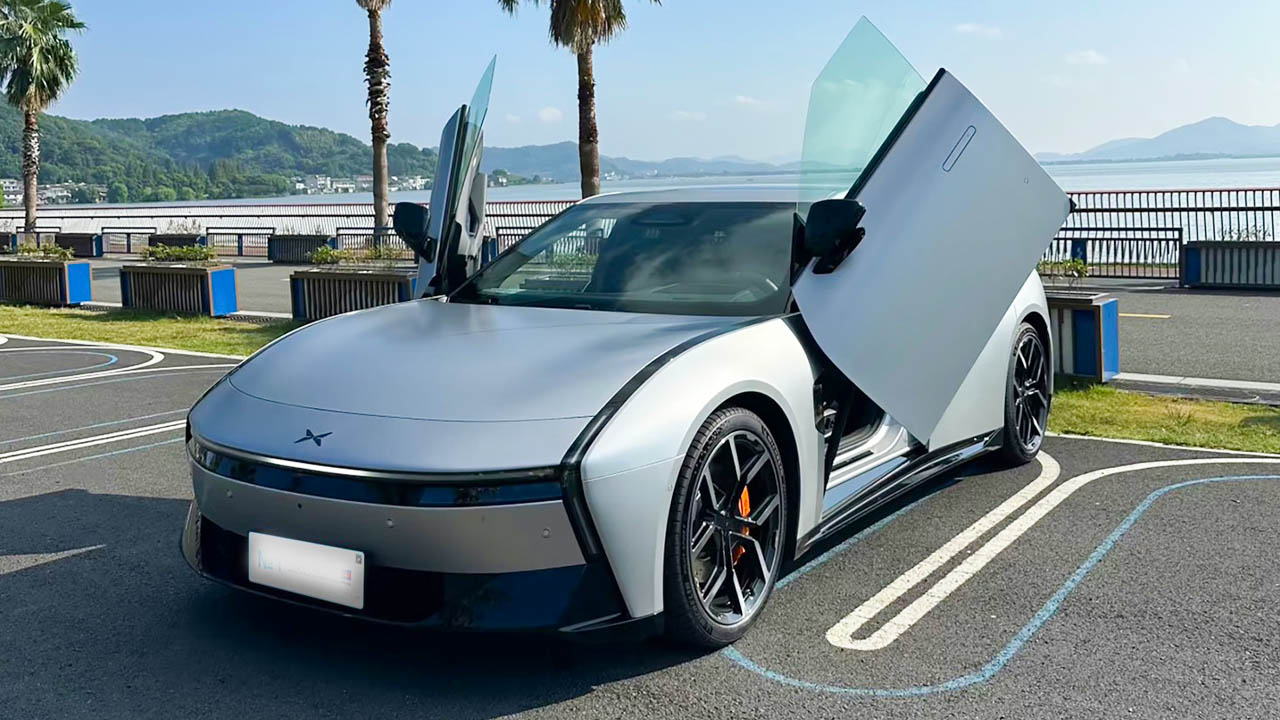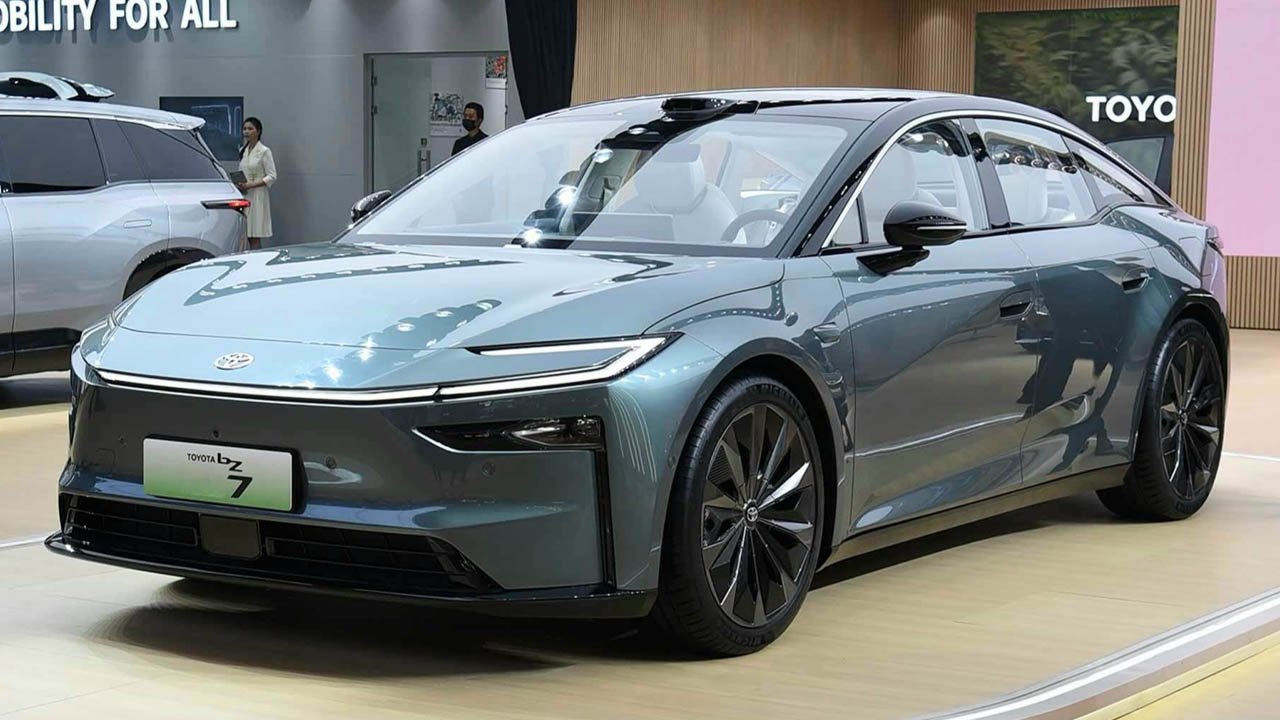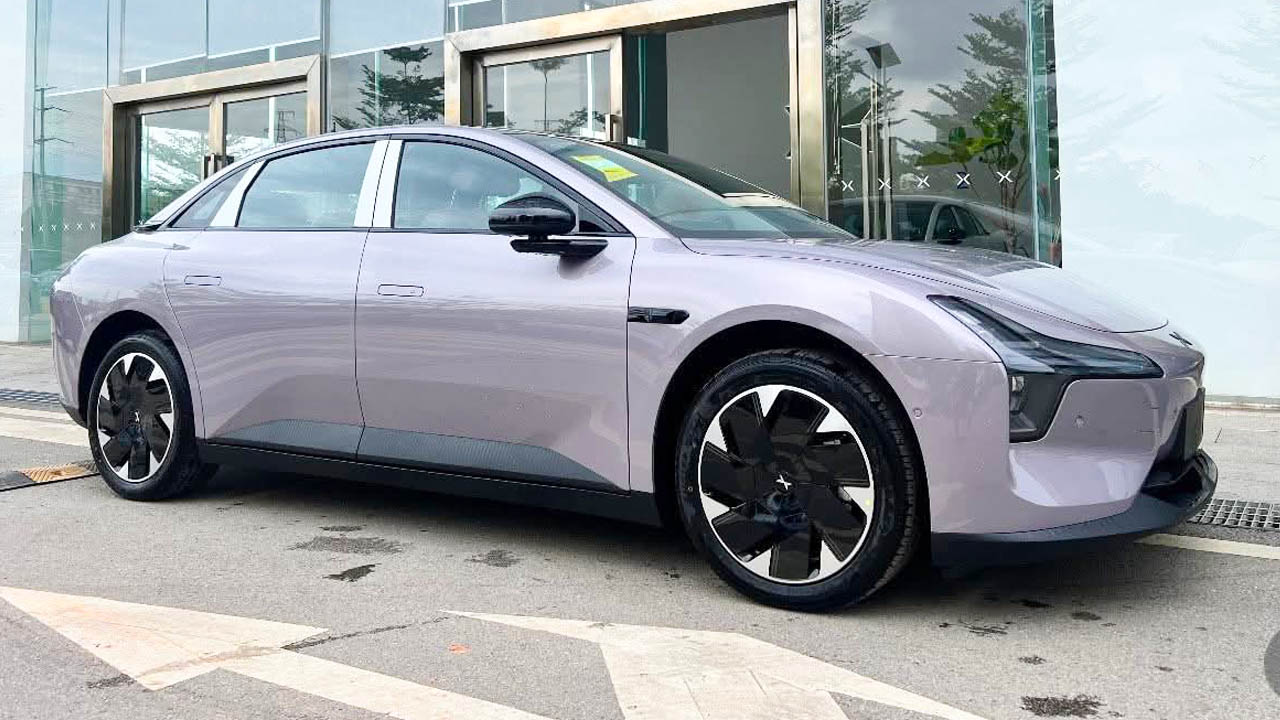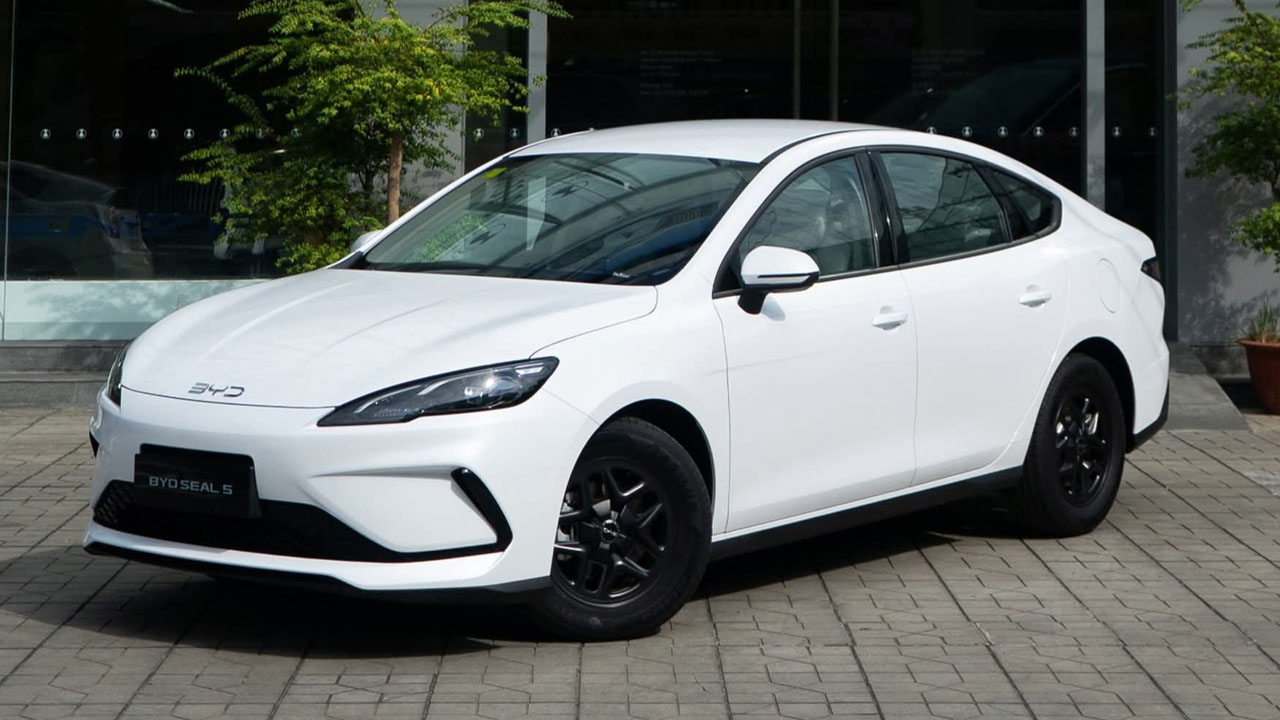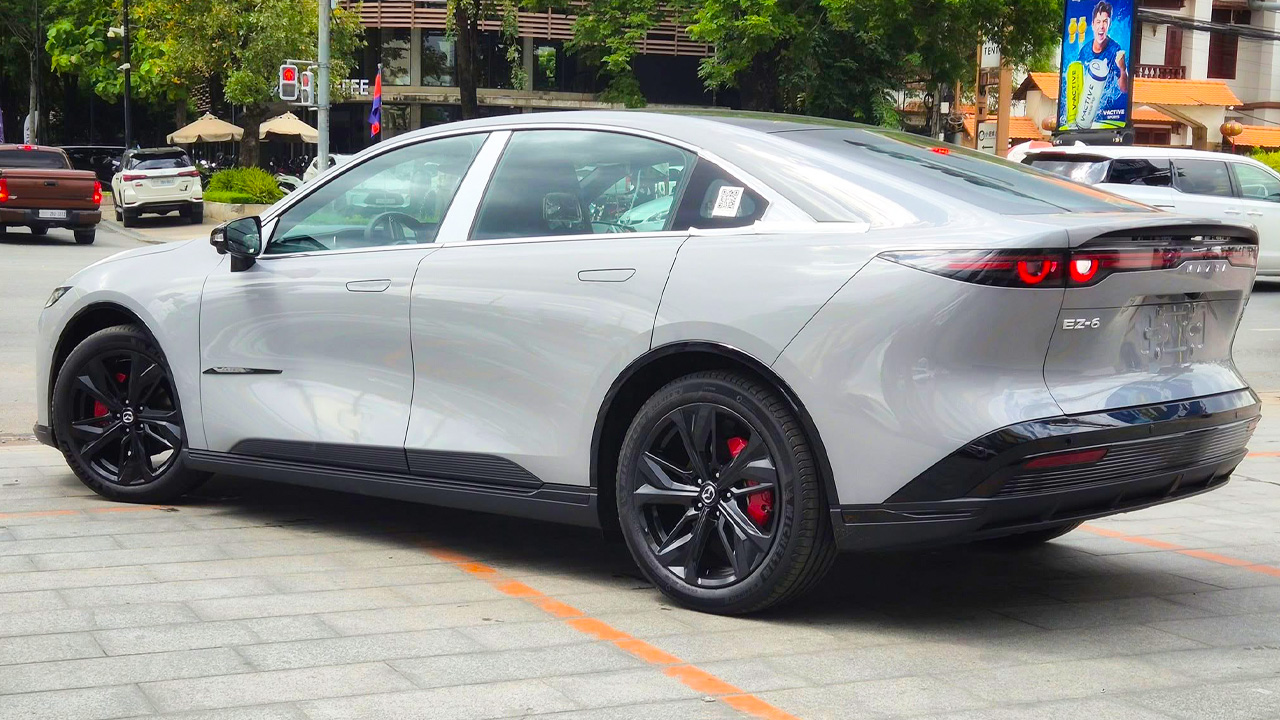
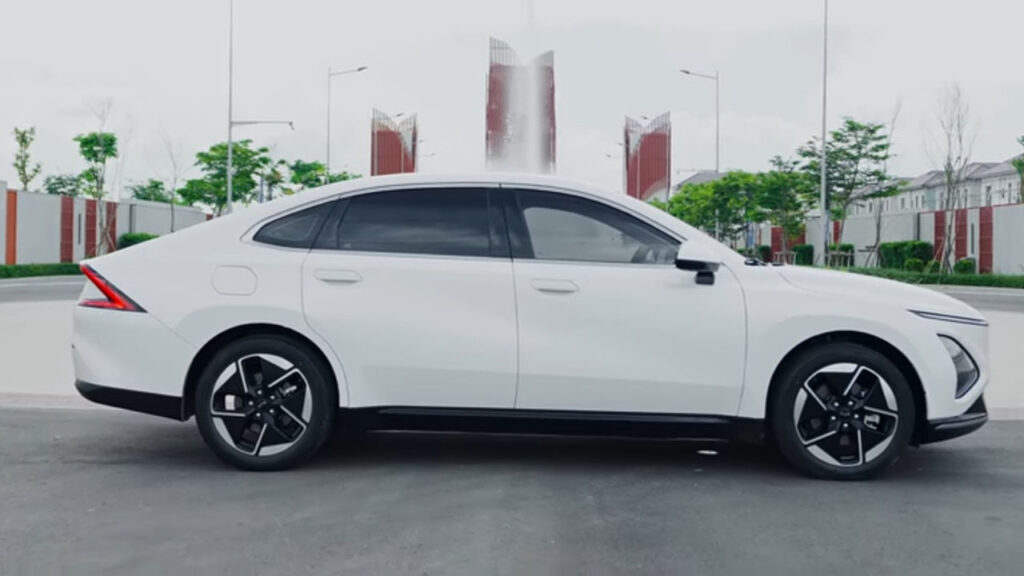
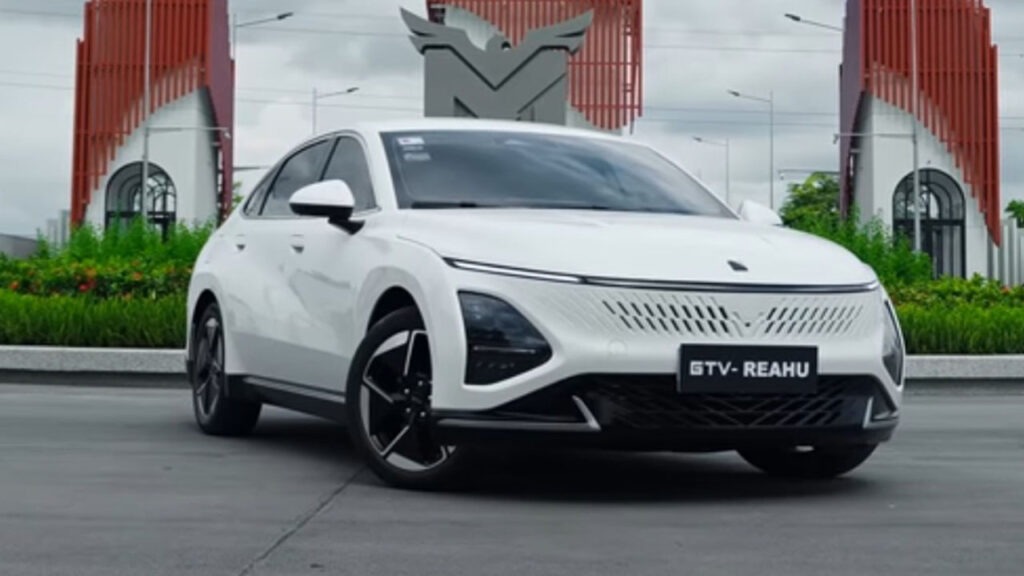
The GTV Reahu is a significant vehicle in the context of Cambodia’s emerging domestic automotive industry. As a model from GTV Motor Co., Ltd., which positions itself as the first Cambodian-owned car brand, the Reahu—named after the Khmer term for the planet/demon of the eclipse, often associated with power—represents a step towards national development in the high-value manufacturing sector.
The Cambodian automotive market is entering a transformative period, and leading the charge is GTV Motor, the nation’s first domestic car brand.
Among their initial product lineup—which includes models like the Kain and Soben—the GTV Reahu stands out as the most technologically ambitious and market-disruptive offering.
Named after the powerful Khmer mythological figure, the Reahu (Rahu) Plug-in Hybrid Electric Vehicle (PHEV) aims to make advanced, efficient motoring accessible to the Cambodian mainstream.
A Hybrid for the Local Market
The GTV Reahu has garnered attention primarily because it is a Plug-in Hybrid Electric Vehicle (PHEV). This power-split hybrid design allows the vehicle to run on a combination of electric power (battery), gasoline, or a blend of both, offering a compelling blend of fuel efficiency and range.
This technology choice is particularly relevant for the Cambodian market, which is seeing increasing interest in modern, cost-efficient, and environmentally friendlier alternatives to traditional internal combustion engine (ICE) vehicles.
One of the most appealing features highlighted by the company is the extended driving range, with claims suggesting the Reahu can travel well over 1,000 km on a full tank of fuel and a fully charged battery. This addresses a common concern for drivers regarding hybrid and electric vehicle infrastructure outside major city centers. Furthermore, its ability to run purely on electric power for daily city commutes offers substantial savings on fuel costs.
Positioning and Pricing
GTV Motor has strategically positioned the Reahu as an affordable, locally-assembled vehicle designed to meet the demands and budgets of Cambodian consumers. The announced pricing strategy is one of its most disruptive aspects, with indications that the starting price is significantly competitive, potentially falling in the range of under $20,000 USD for its entry-level options.
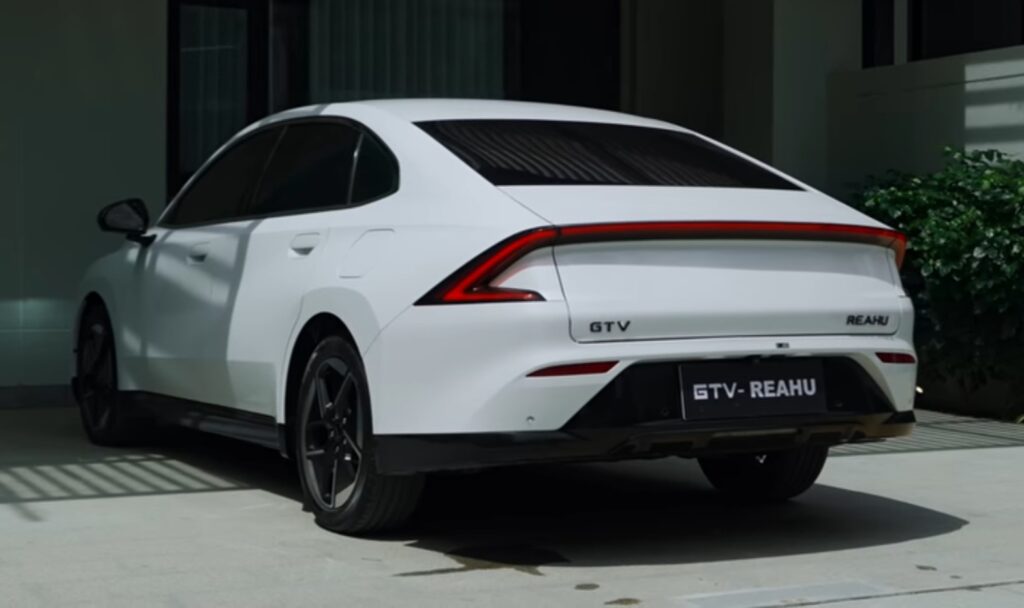
This aggressive pricing is made possible because the GTV Motor plant, located in Kandal Steung District, Kandal Province, assembles the vehicles locally. By producing for the domestic market, the company can mitigate the high import duties levied on fully-built foreign cars, making the Reahu (and other GTV models like the Soben and Kain) highly cost-competitive. The Reahu is reportedly offered in multiple options or trim levels, further catering to a wide range of budgets and feature preferences.
Technical and Design Overview
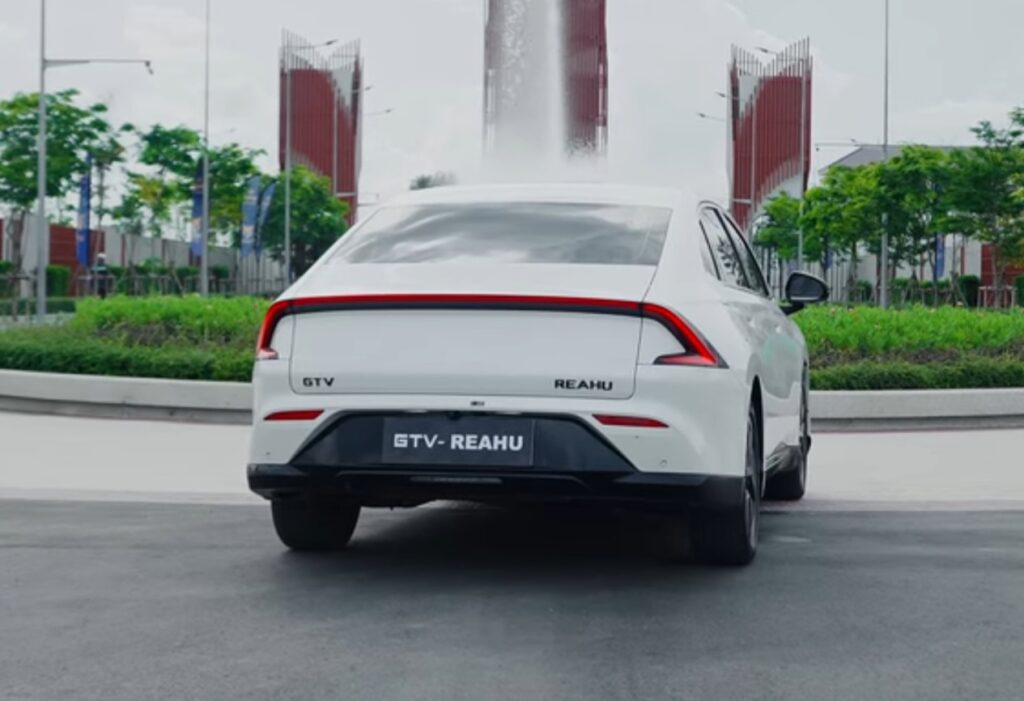
While full, independently verified technical specifications are limited at this stage, the GTV Reahu is presented as a modern vehicle with an attractive, contemporary design. Key takeaways from initial reviews and company announcements include:
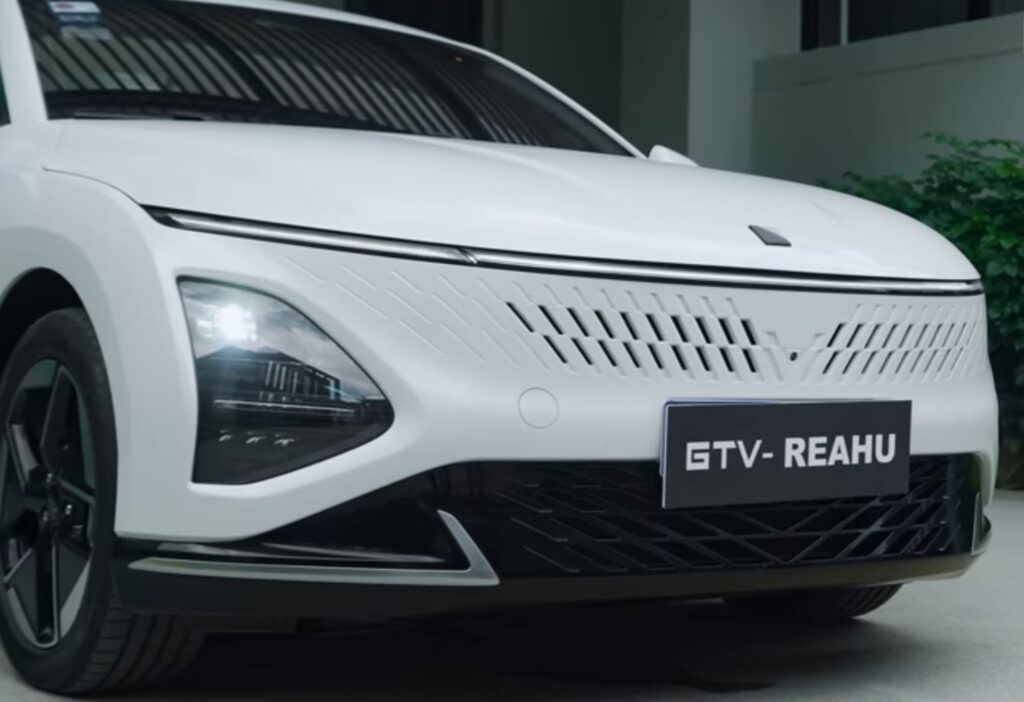
Vehicle Type: It is marketed as a PHEV, suggesting a combination of a small-displacement gasoline engine and an electric motor/battery pack.
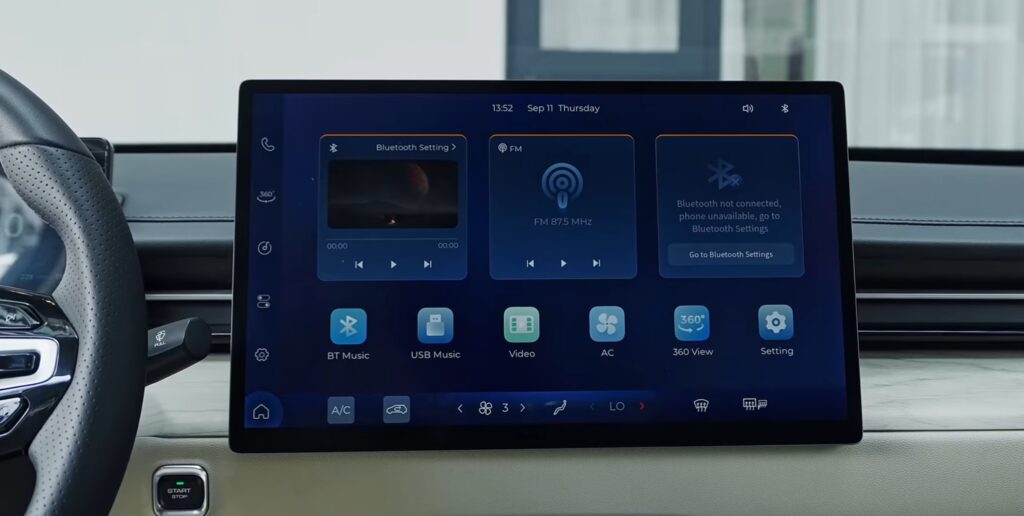
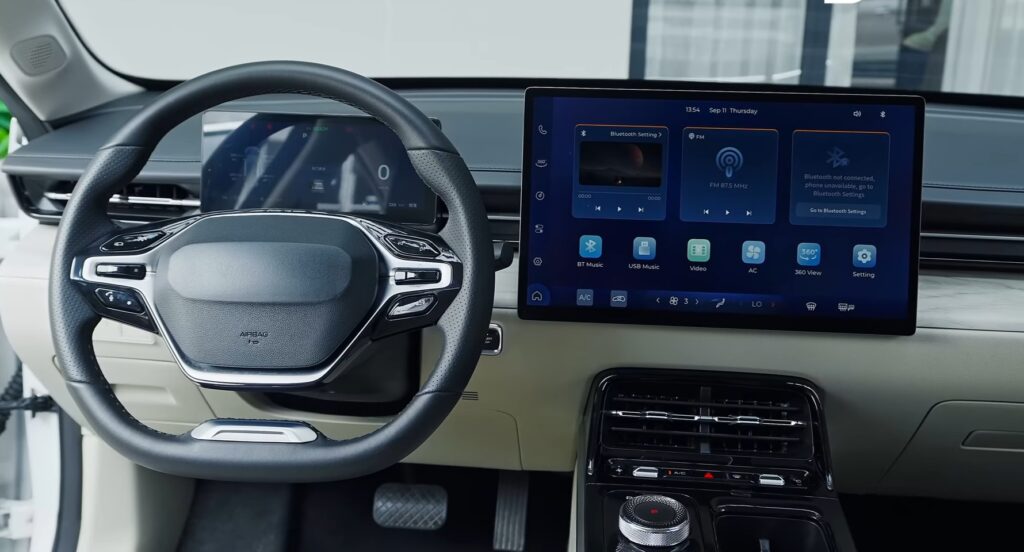
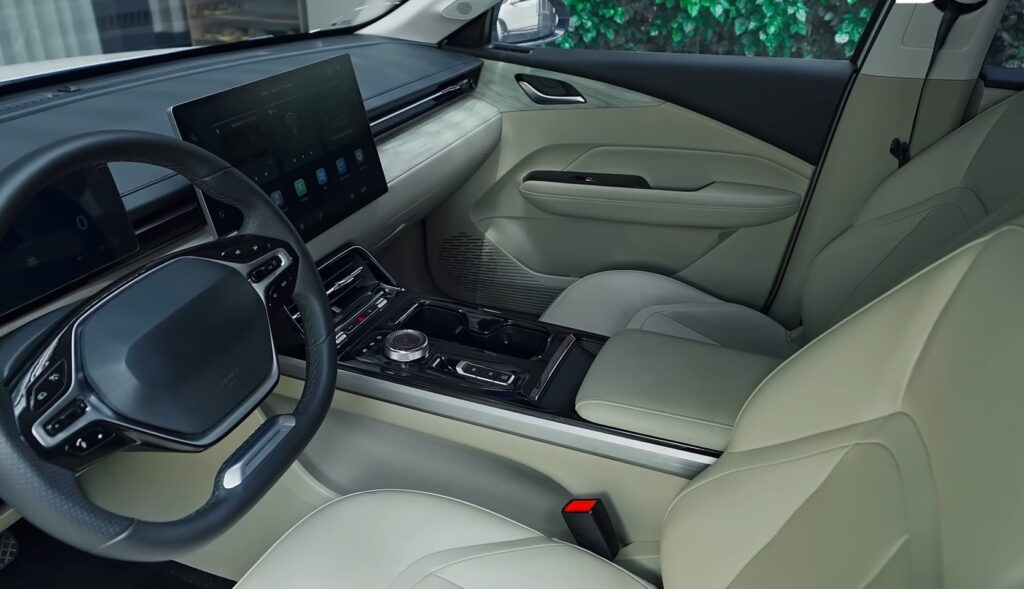
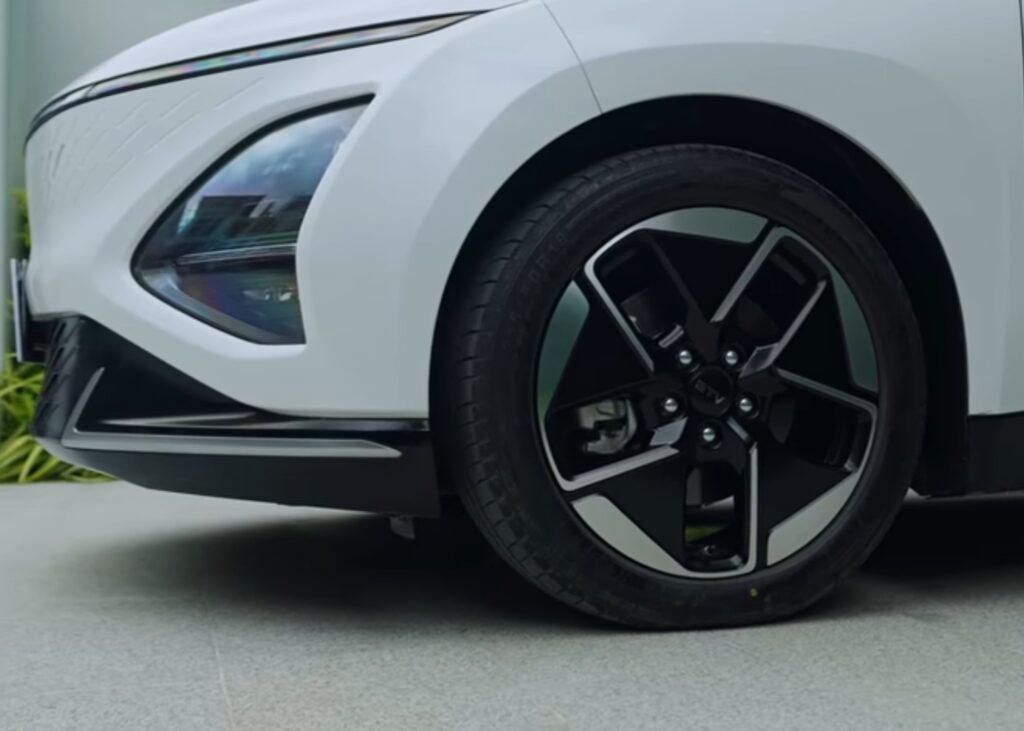
Design & Features: Marketing materials showcase a “smart and sleek” aesthetic. Like other GTV models, it likely incorporates modern features such as a digital cockpit, a large infotainment screen, and a range of connectivity and safety features to appeal to the modern consumer.
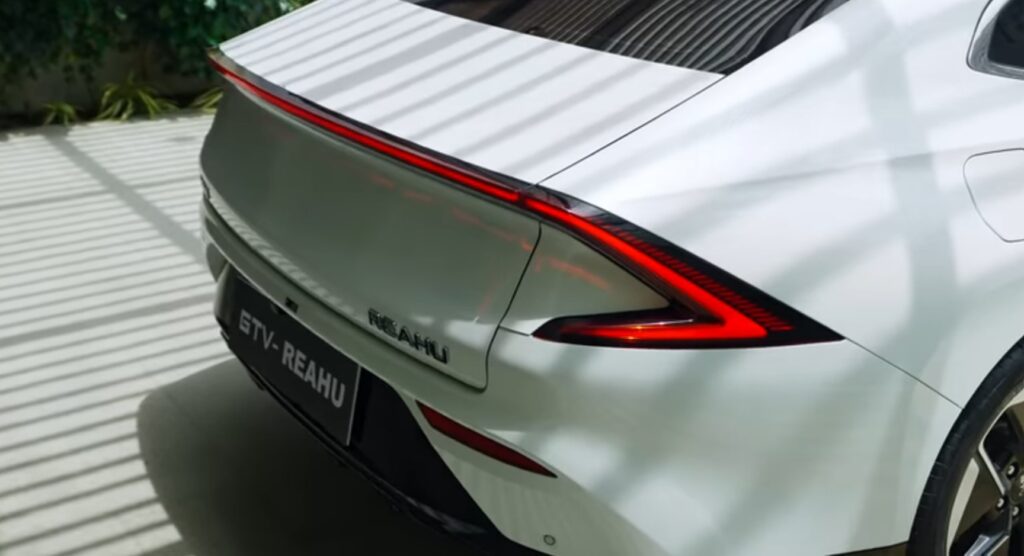
Options: The model is noted to come in various options, indicating different feature sets, and possibly different battery or engine configurations, to allow buyers to select a model that suits their needs.
It is important to note that GTV Motor’s production largely utilizes partnerships and technology transfer, particularly from Chinese automotive manufacturers. This collaboration allows GTV to rapidly introduce modern, technically competent vehicles without the decades of independent R&D typically required. The vehicles are locally assembled (CKD/SKD), a model designed to reduce costs and contribute to domestic industrial capacity.
National Significance and Future Outlook
The launch of the GTV Reahu is more than just the introduction of a new car; it is a significant cultural and economic event. GTV Motor’s $15.6 million assembly plant, approved by the Council for the Development of Cambodia (CDC), aims for an annual production capacity of up to 35,000 units, focusing entirely on local demand.
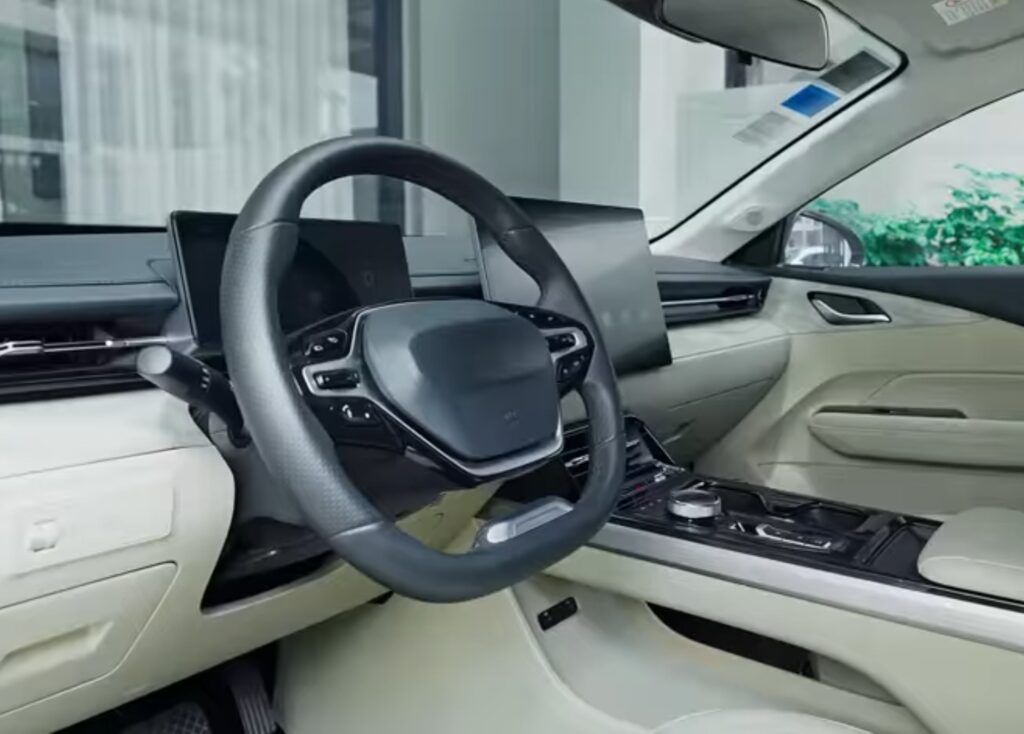
The company is committed to not just assembling cars but also to developing the local automotive ecosystem. This includes the establishment of the GTV Automotive Electronics Research Institute (GTV AERI), which collaborates with local and international institutions to provide advanced vocational training. By focusing on job creation, skills development, and industrial growth, the GTV Reahu initiative aligns with the Royal Government’s “Roadmap for the Development of Automotive and Electronics Sector” to diversify the nation’s economy.
The GTV Reahu stands as a symbol of Cambodian industrial ambition, offering a modern, hybrid vehicle at an accessible price point, directly challenging the reliance on imported new and used cars. Its long-term success will hinge on the quality, durability, and after-sales service GTV Motor can consistently deliver to the Cambodian public.