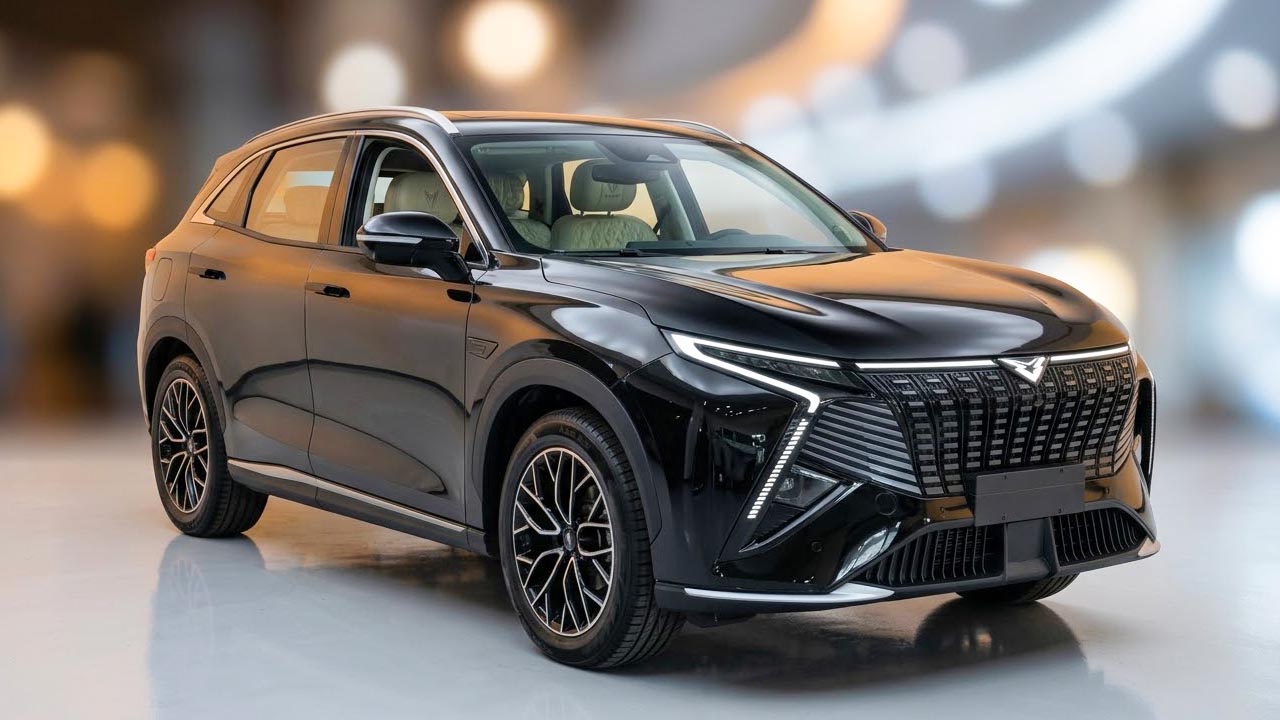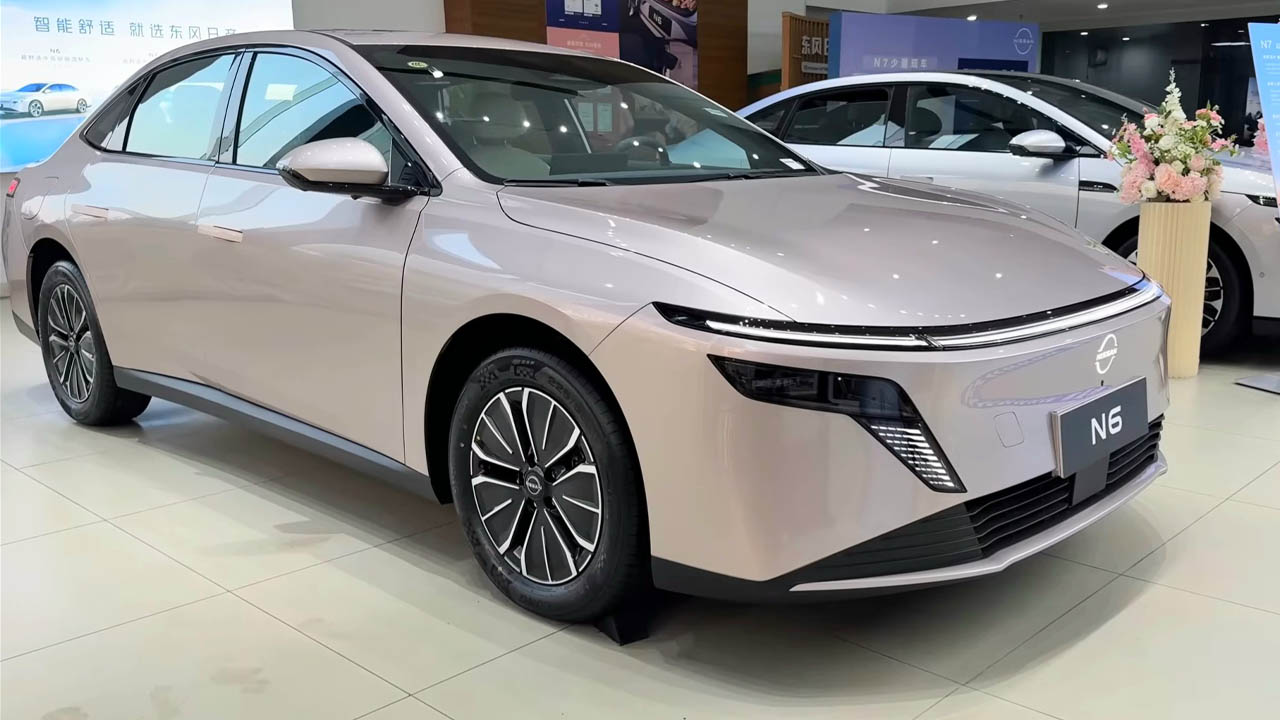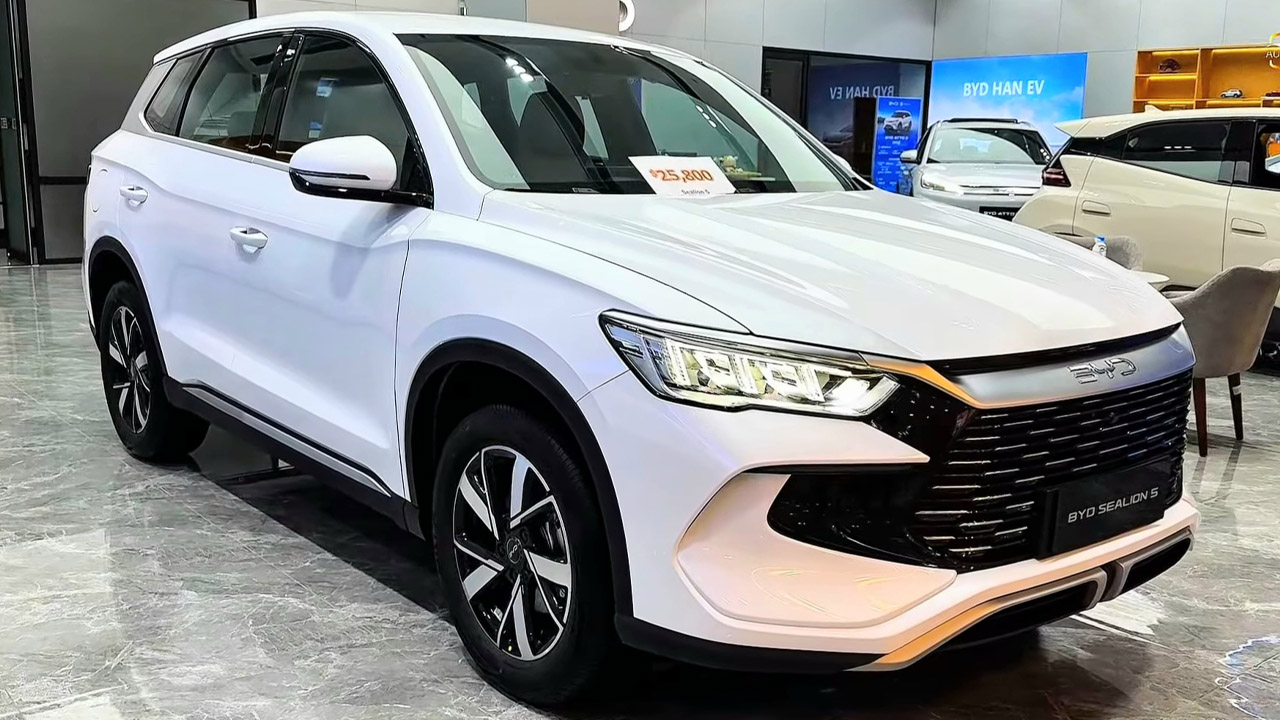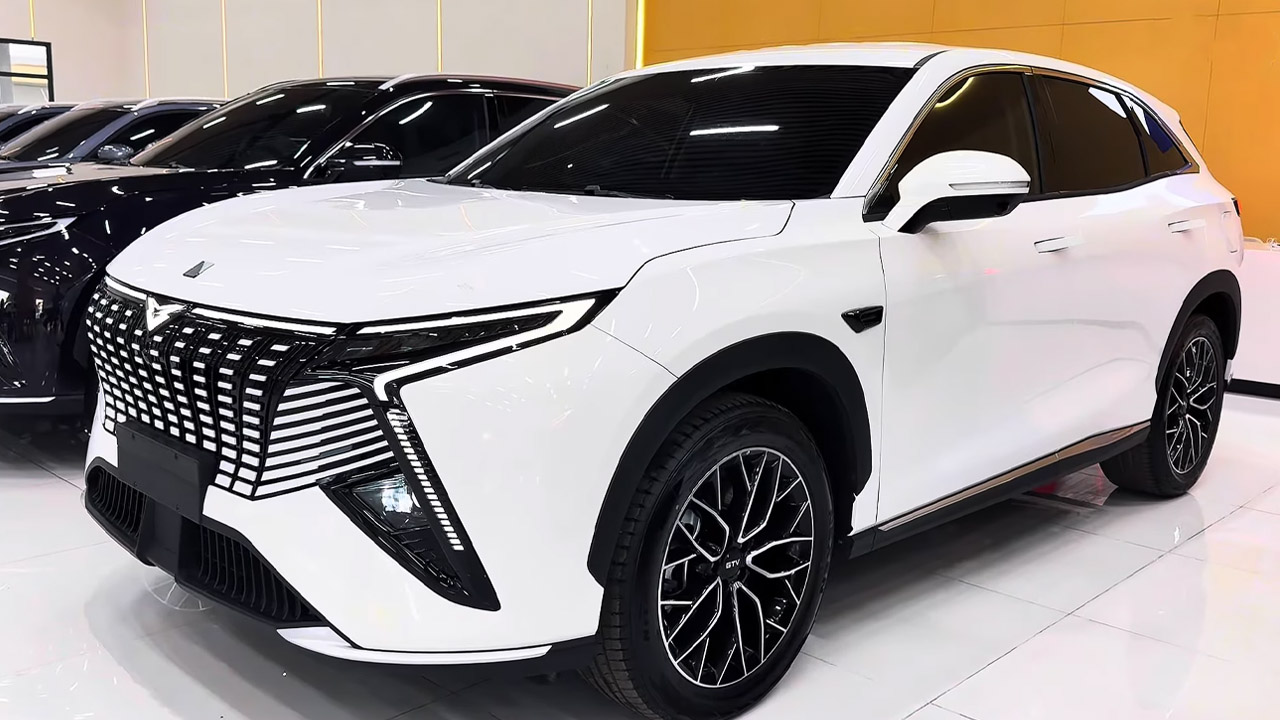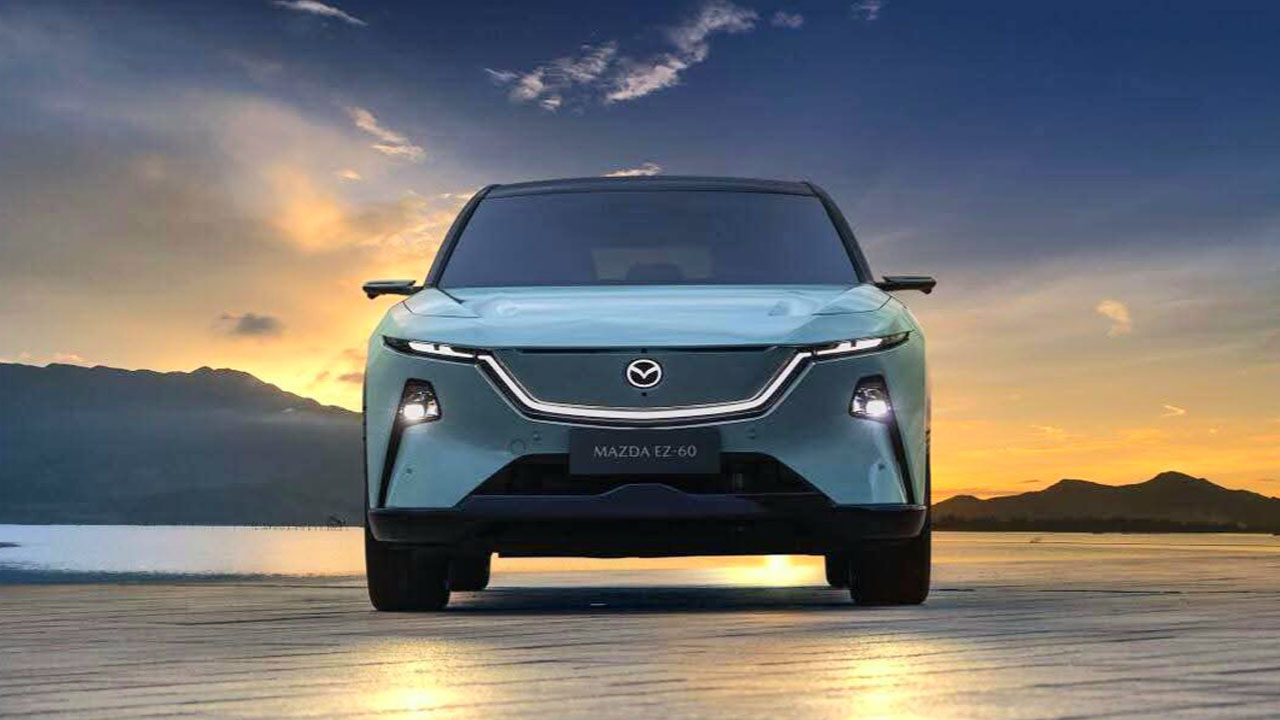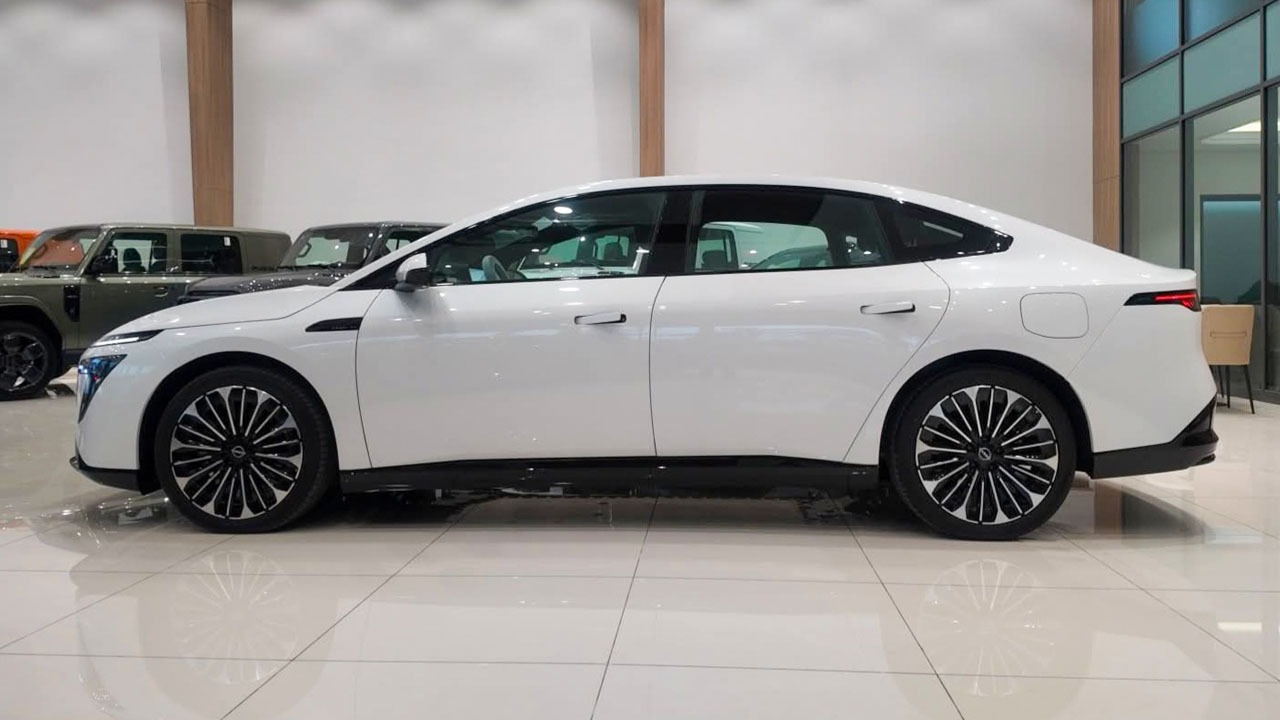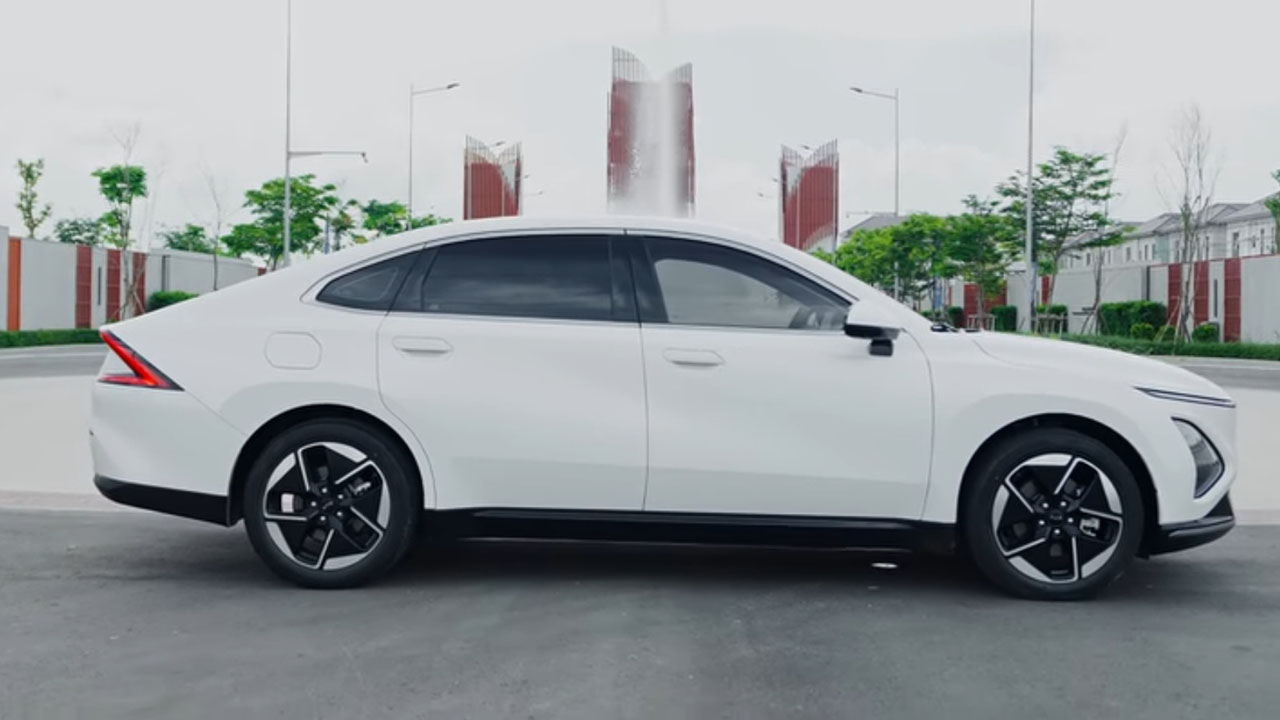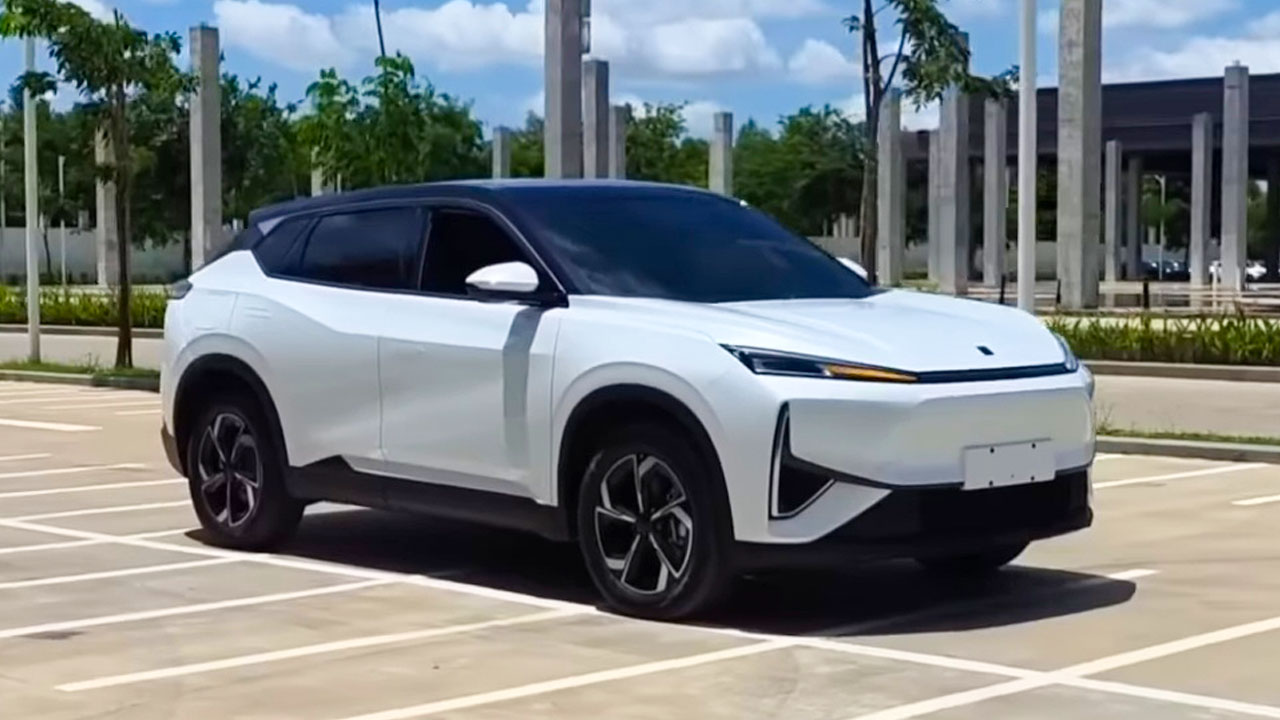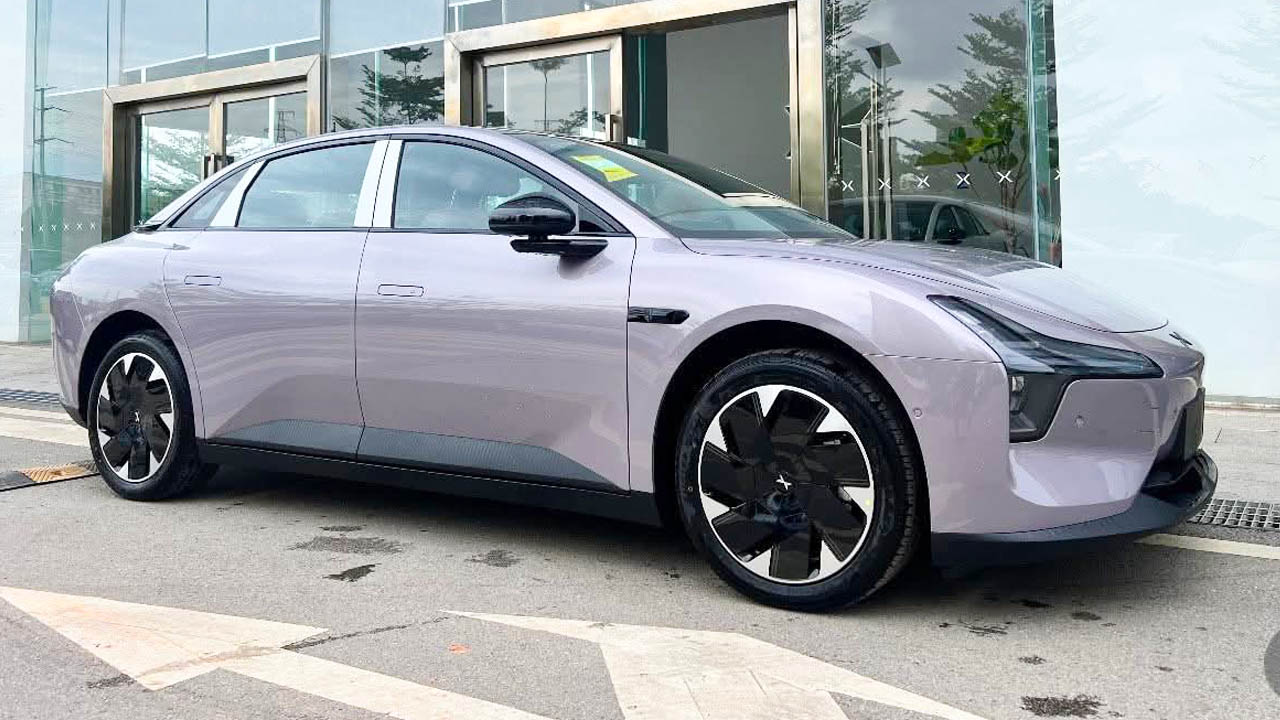
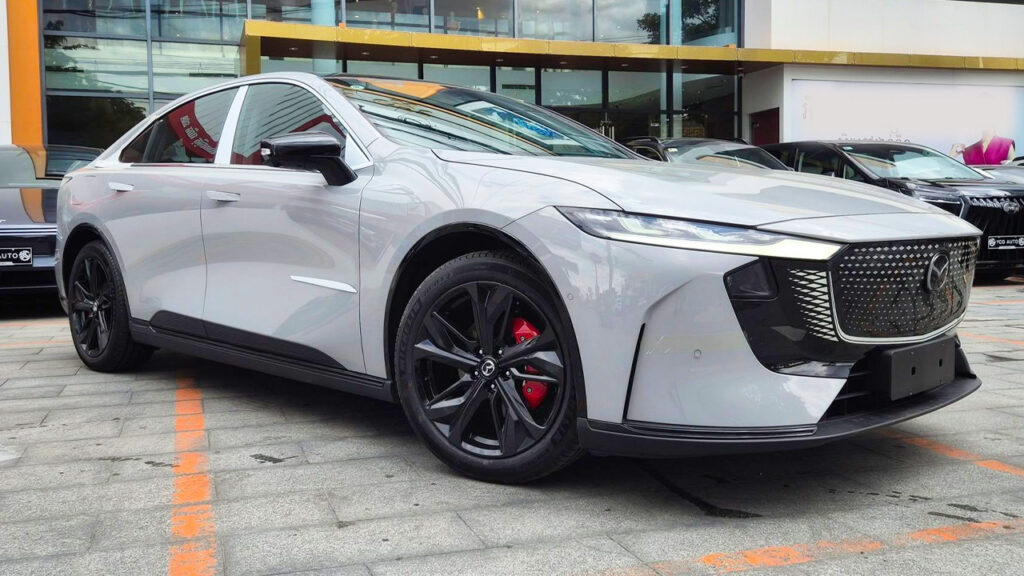
The Mazda EZ-6 marks a significant step for the Japanese automaker into the fully electric and extended-range electric vehicle (EREV) market, developed in a partnership with Changan Automobile in China. Positioned as a mid-size liftback, the EZ-6 is a spiritual successor to the Mazda6, offering a blend of Mazda’s signature design philosophy and advanced electric vehicle technology.
Full Specifications Table (2026 EV Model)
| Feature | Mazda EZ-6 GT (Base) | Mazda EZ-6 Atenza (Premium) |
| Drivetrain | Single Motor (RWD) | Single Motor (RWD) |
| Power / Torque | 190 kW / 320 Nm | 190 kW / 320 Nm |
| Battery (LFP) | 68.8 kWh | 78-80 kWh (NMC available) |
| Range (WLTP) | ~470 km | ~560 km |
| Fast Charge | 30%–80% in 15-20 min | 30%–80% in 15-20 min |
| Curb Weight | 1,855 kg | 2,090 kg |
Design and Aesthetics
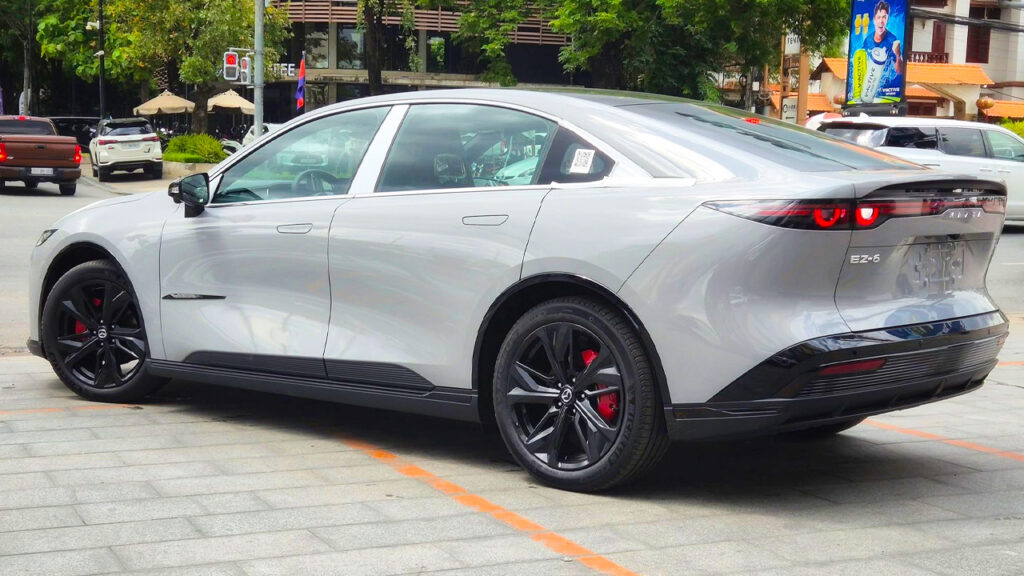
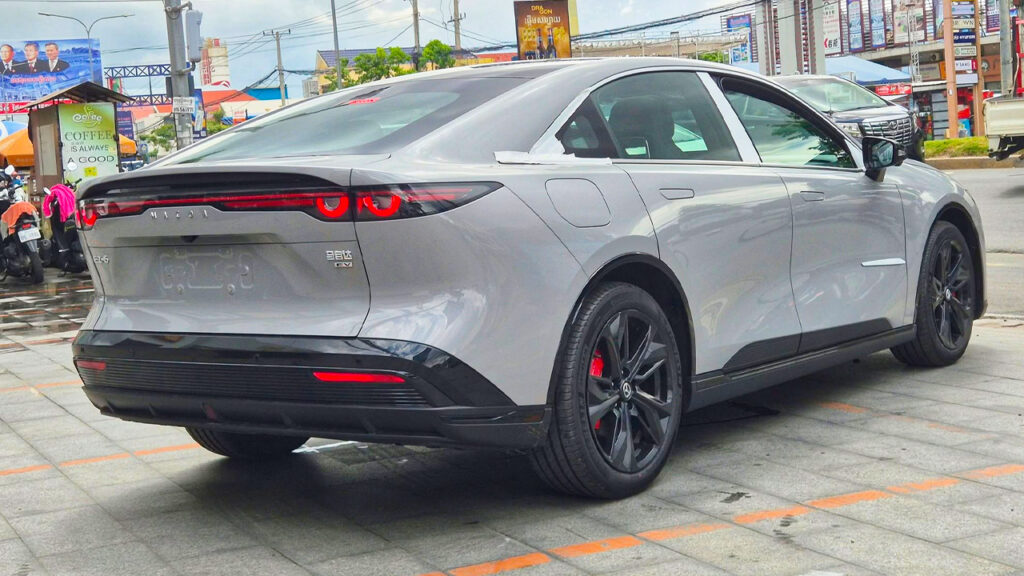
The EZ-6’s exterior adheres to Mazda’s “Kodo: Soul of Motion” design language, translated for the electric era. It features a sleek, coupe-like silhouette with a low roofline, giving it a sporty and elegant presence. The EV version sports a closed front grille with an illuminated Mazda emblem, while the EREV variant utilizes a traditional intake grille. Distinctive “Wings of Light” split-style LED headlights and a full-width LED taillight bar enhance its modern appeal. An active rear spoiler on select models automatically deploys at higher speeds to improve aerodynamic stability. The car’s frameless doors and a panoramic glass roof further contribute to its premium, contemporary feel.
Interior and Technology
Inside, the EZ-6’s cabin is designed with a focus on simplicity, spaciousness, and a driver-centric layout, embodying the Japanese concept of “ma.” The interior is available with premium materials like Nappa leather and suede, accented with red stitching for a sporty touch. The cockpit is dominated by a 14.6-inch central touchscreen, a 10.1-inch digital instrument cluster, and a 50-inch augmented reality head-up display (AR-HUD) that projects critical information directly onto the windshield. The infotainment system, powered by a Qualcomm Snapdragon 8155 chip, integrates various vehicle functions, from air conditioning to entertainment. Other notable features include “zero-gravity” front seats with ventilation, heating, and massage functions, a 14-speaker Sony sound system, and a 64-color ambient lighting system.
Powertrain and Performance
The Mazda EZ-6 is offered with two distinct powertrain options to cater to different driver needs. The pure electric (EV) model comes with a rear-mounted motor delivering 190 kW (258 PS) of power and 320 N·m of torque. It is available with two battery pack options: a 56.1 kWh LFP battery offering a CLTC range of 480 km (approximately 298 miles), and a larger 68.8 kWh LFP battery that extends the CLTC range to 600 km (approximately 373 miles). The EV version boasts a near-perfect 50:50 weight distribution, which, combined with a rear multi-link suspension, aims to deliver Mazda’s “Jinba-Ittai” (horse and rider as one) driving experience.
For those with range anxiety, the EREV variant offers a hybrid solution. It uses a 1.5-liter four-cylinder range extender engine with a power output of 70 kW (94 hp) that acts as a generator to charge the battery. This is paired with a 160 kW (218 PS) electric motor that drives the rear wheels. The EREV model has a pure electric range of up to 200 km (124 miles) and a total range exceeding 1,300 km (808 miles) on a single tank and full charge.
Pricing and Availability
The Mazda EZ-6 was introduced at the Beijing Auto Show in April 2024, with sales beginning in China shortly after. The starting price for the EREV model in China is around $19,600, while the pure EV starts at approximately $22,400. While initially a China-exclusive model, Mazda has confirmed that the EZ-6 will be sold in other markets, including Europe, where it will be known as the Mazda 6e. This global expansion signifies Mazda’s commitment to its electrified future, using the EZ-6 as a showcase for its collaborative development and technological advancements.
Who Should Buy?
- The “Mazda Loyalists”: Drivers who want an EV but aren’t willing to give up a car that actually looks and feels like a car rather than a gadget.
- Long-Distance Travelers: The EREV (Range Extender) version is one of the few luxury sedans left that can cross a continent with zero “range anxiety.”
2026 Comparison Table: Mazda EZ-6 vs. The Rivals
| Feature | Mazda EZ-6 | Tesla Model 3 | BYD Seal | Hyundai Ioniq 6 | Volkswagen ID.7 |
| Max Range (WLTP) | 560 km | 513–629 km | 520–570 km | 429–614 km | ~621 km |
| 0-100 km/h | 7.4 – 7.6s | 3.1 – 6.1s | 3.8 – 7.5s | 5.1 – 7.4s | 6.5s |
| Drive Layout | RWD (Rear) | RWD / AWD | RWD / AWD | RWD / AWD | RWD / AWD |
| Battery Type | 78kWh LFP | NMC / LFP | 82.5kWh Blade | 77.4kWh NMC | 77–86kWh NMC |
| Interior Vibe | Boutique Luxury | Minimalist Lab | Ocean Tech | Sci-Fi Lounge | Business Class |
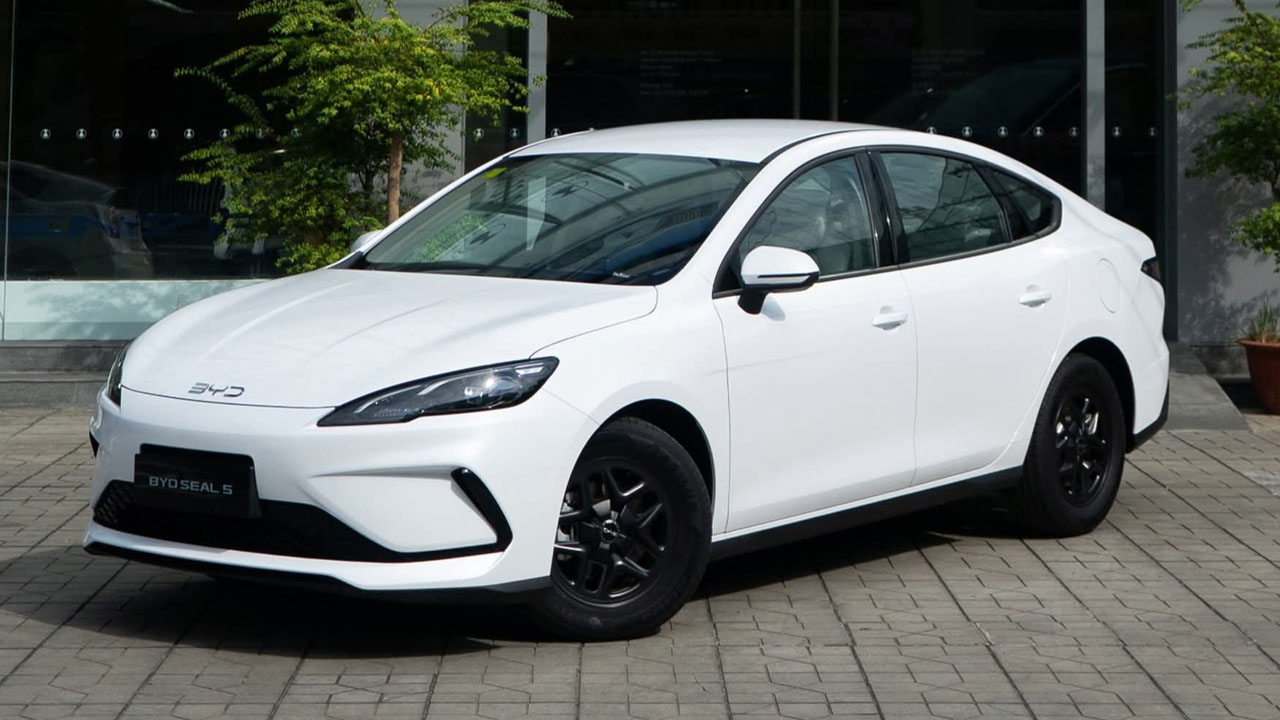
| Key Advantage | Drive Dynamics | Supercharger Network | Price vs. Power | 800V Ultra-Fast Charging | Massive Cabin Space |
Pros and Cons
| ✅ Pros | ❌ Cons |
| Stunning Design: Arguably the most beautiful sedan in its class. | Software Glitches: Some 2025/2026 early units report minor lag. |
| Fast Charging: Can gain 300km in roughly 15 minutes. | No Rotary Controller: Purists will miss Mazda’s physical dial. |
| 50:50 Balance: Handles better than most mid-sized EVs. | Headroom: Rear passengers over 6 feet will brush the ceiling. |
Final Verdict
The 2026 Mazda EZ-6 isn’t trying to be the fastest computer on wheels; it’s trying to be the most beautiful car you can drive. While it lacks the raw acceleration of a Tesla or the price floor of a BYD, it offers a “grown-up” luxury experience that feels curated rather than mass-produced. It is the best-handling mid-size EV sedan of 2026, making it a triumph for those who still actually enjoy the act of driving.
FAQ
1. Is the Mazda EZ-6 a good family car?
Yes, but with caveats. The 2,895 mm wheelbase offers massive legroom, but the sloping “fastback” roofline means tall teenagers may find headroom tight compared to a boxier SUV.
2. How long does it take to charge?
On a high-power DC station, you can jump from 30% to 80% in roughly 15 minutes. A full home charge on a standard wallbox will take about 8 to 11 hours.
3. What are the main competitors?
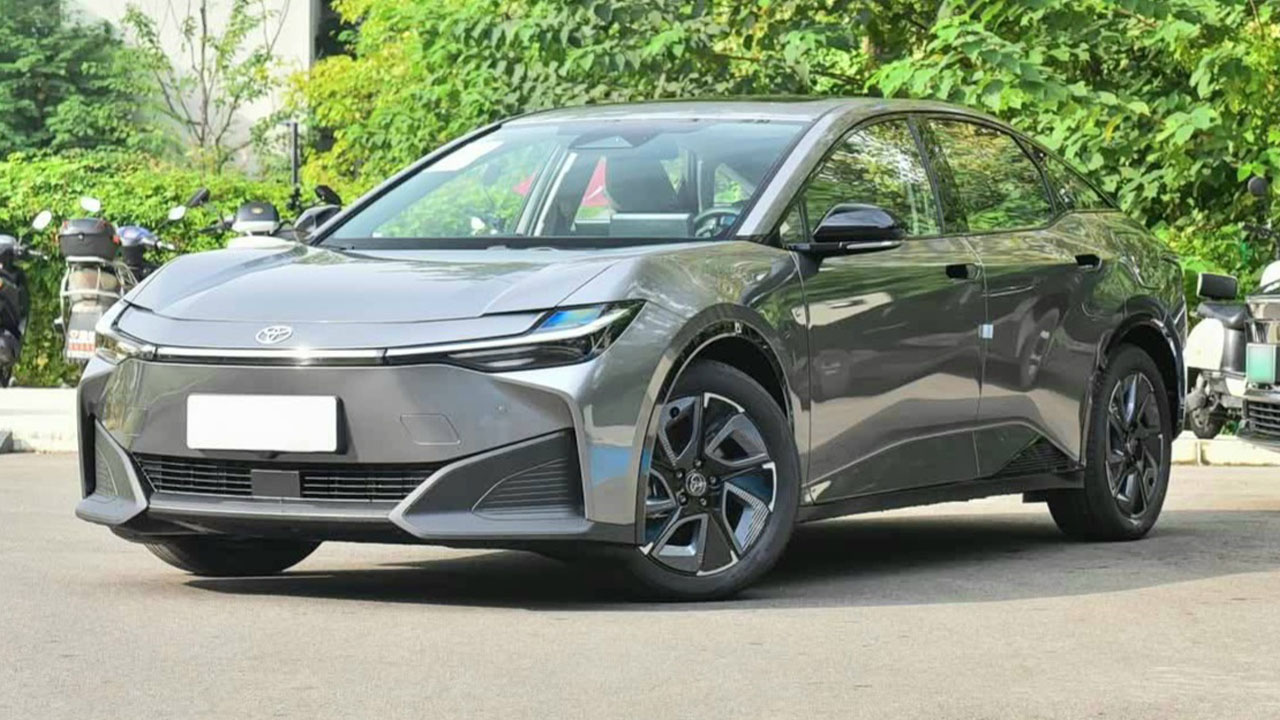
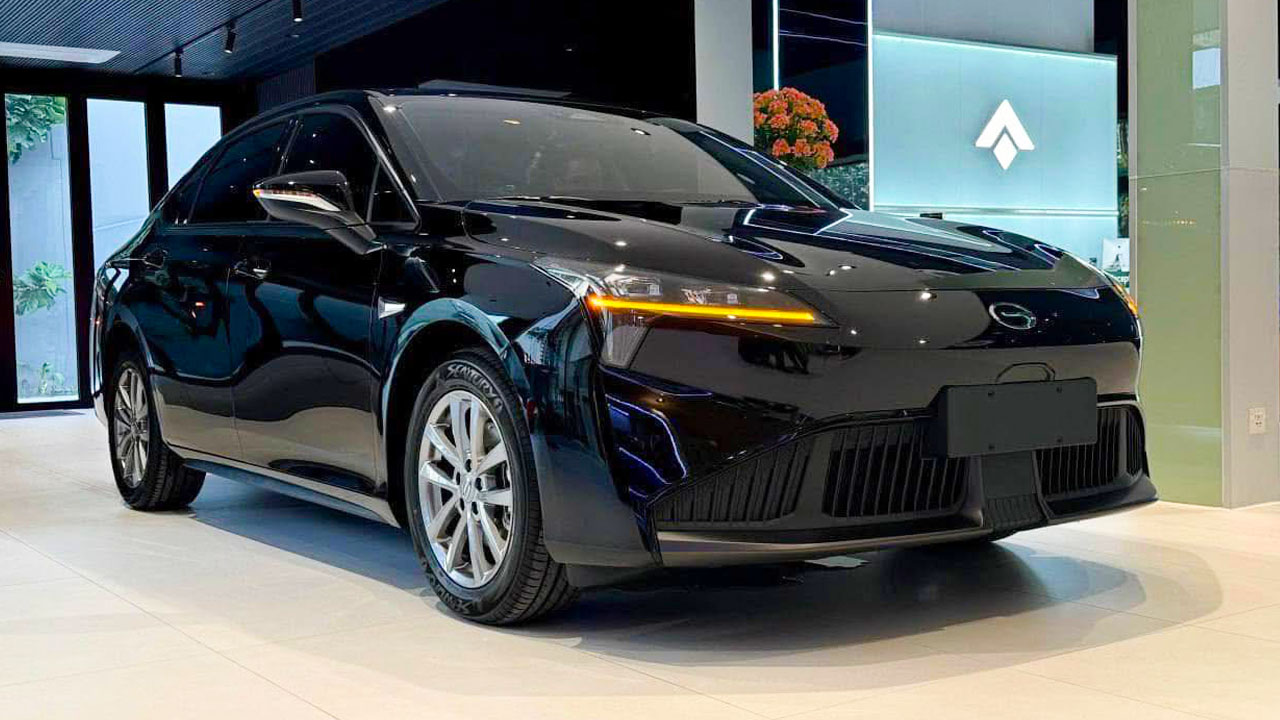
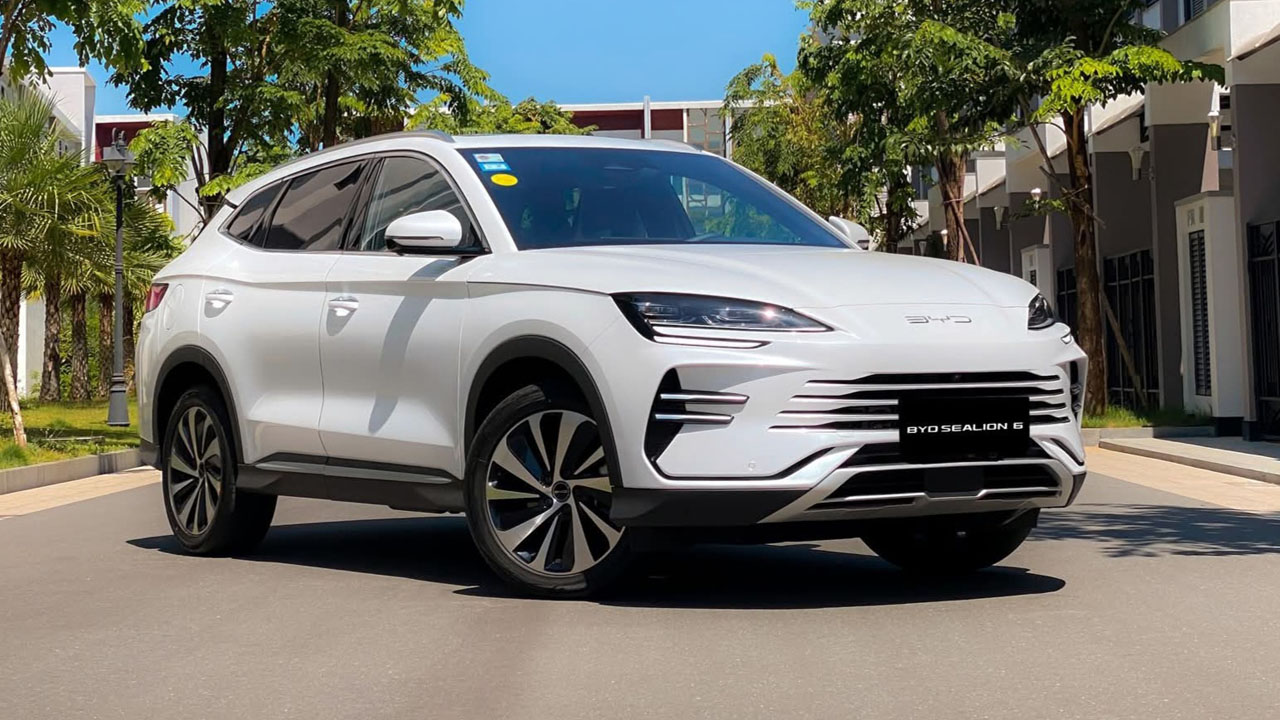
It competes directly with the Tesla Model 3, BYD Seal, Hyundai Ioniq 6, and the Volkswagen ID.7.
4. What is the difference between the GT and Atenza trims?
The GT is the well-equipped base model, while the Atenza adds “Executive” features like quilted tan leather, a 14-speaker Sony audio system, and augmented-reality (AR) heads-up display.
5. Does it have a front trunk (frunk)?
Yes, the pure electric (BEV) version features a 72-liter frunk, perfect for storing charging cables and keeping the main trunk clean.
Disclaimer
Disclaimer: This review is based on a Technical Analysis and early Press Release data from the 2026 global launch events. Specifications, such as battery chemistry (LFP vs. NMC) and regional pricing, may vary. Always check with your local Mazda dealer for the most accurate information.