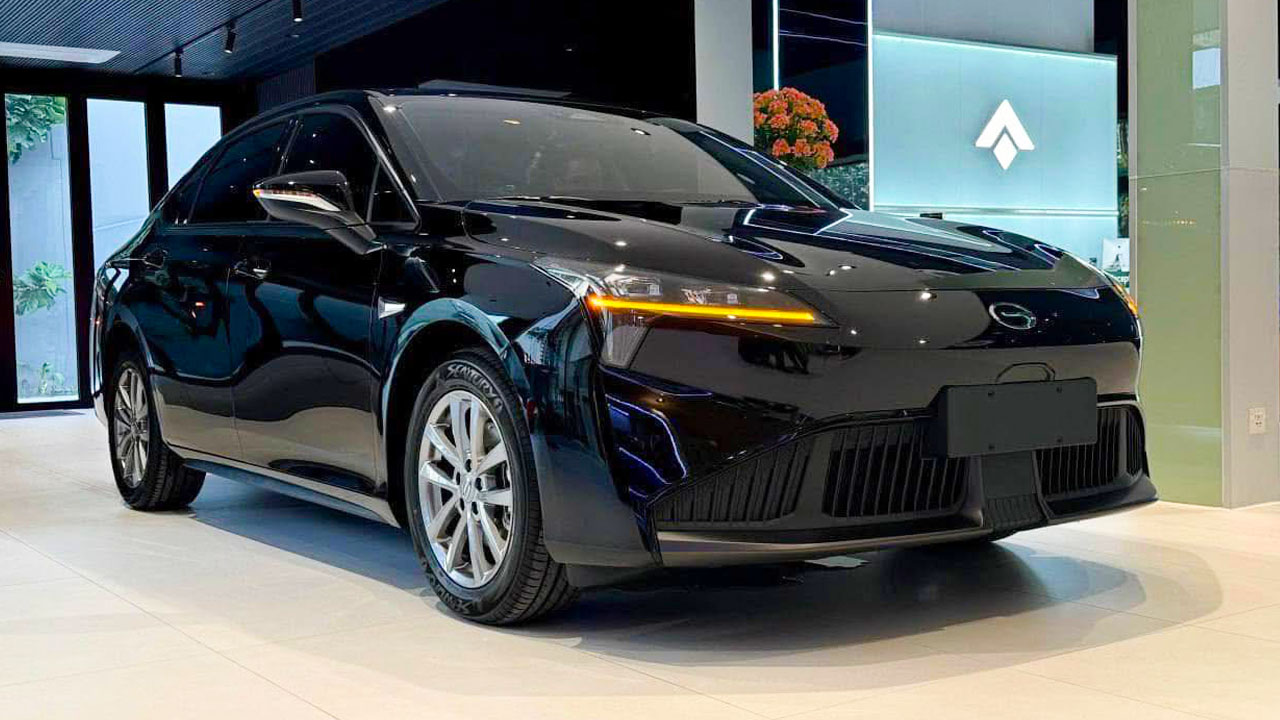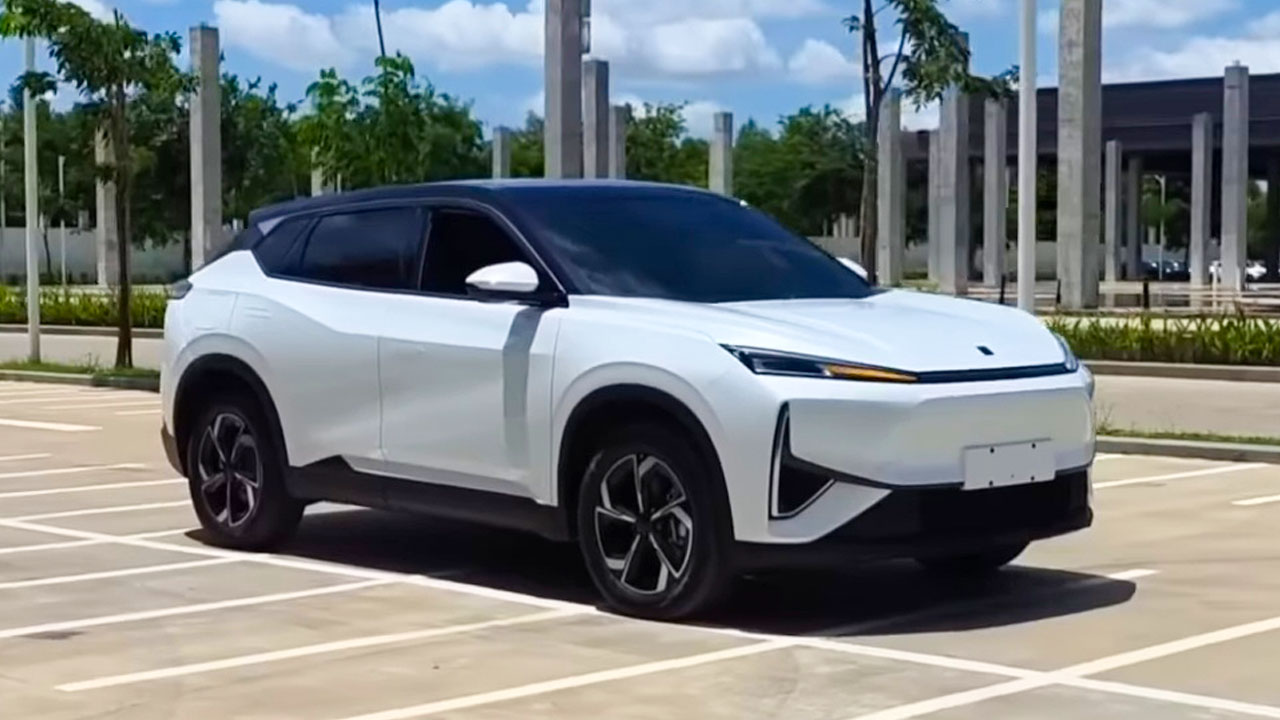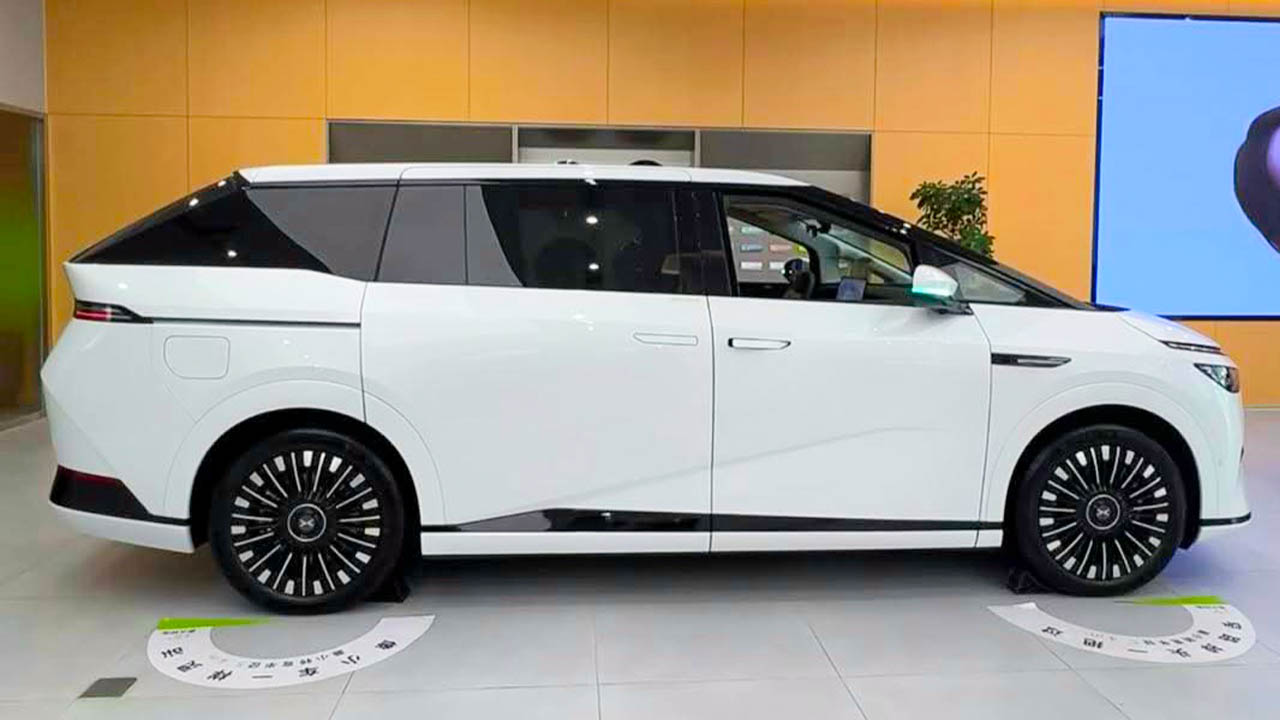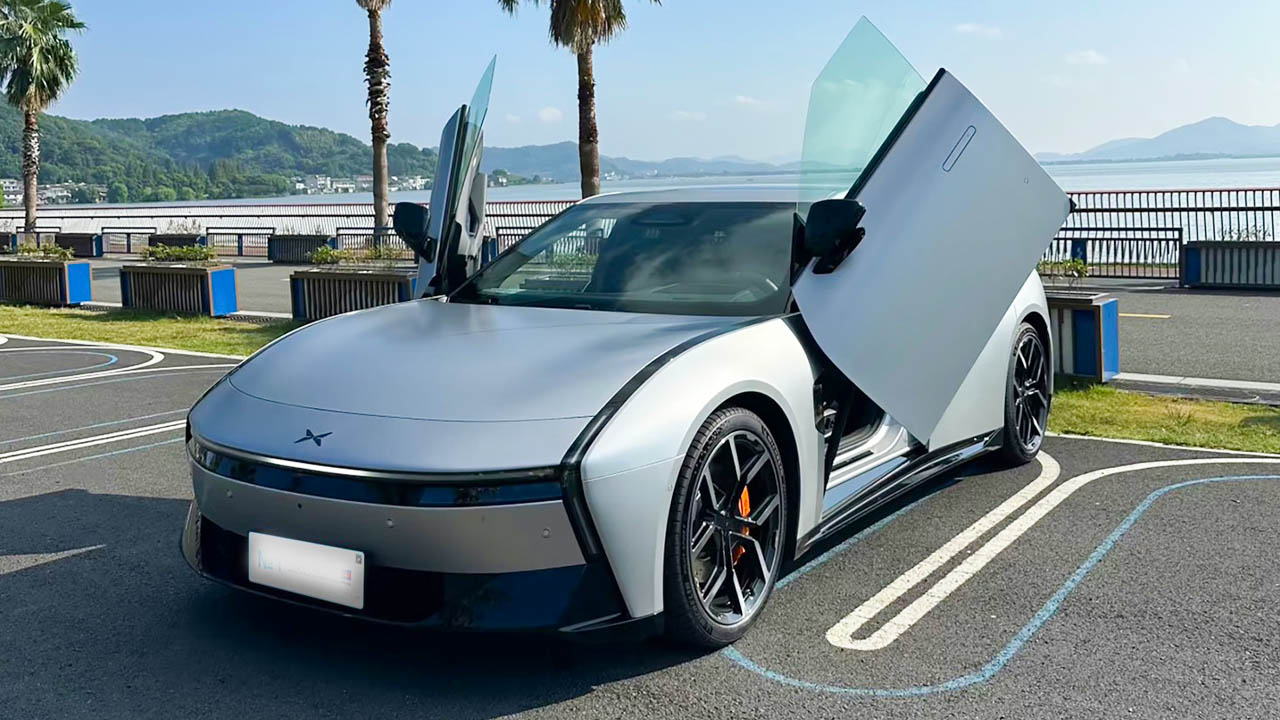
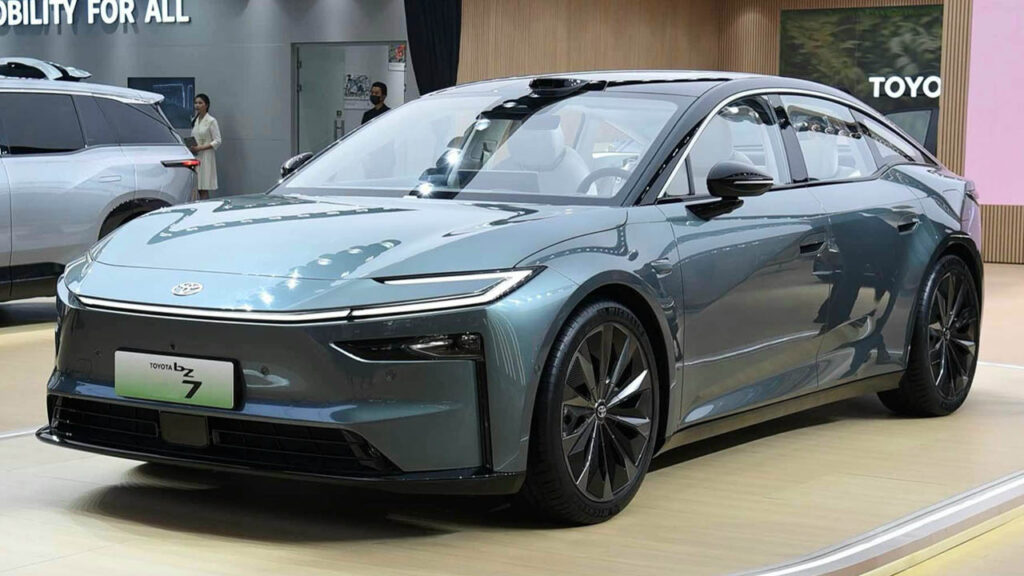
The Toyota bZ7 is poised to be a significant addition to the electric vehicle (EV) market, particularly in China, where it is being launched as a flagship model. Co-developed through a joint venture with GAC, a major Chinese automobile manufacturer, the bZ7 represents a new strategy for Toyota: one that deeply integrates with local technology partners to create a product tailored specifically for the Chinese market’s demands.
This approach is a clear departure from the company’s more traditional, centralized development model and signals a serious effort to compete with established local EV players like BYD and NIO, as well as global rivals such as Tesla.
Full Specifications Table
| Feature | bZ7 Standard (RWD) | bZ7 Flagship (RWD/AWD) |
| Battery (LFP) | 71.35 kWh | 88.13 kWh |
| Power Output | 207 kW (278 hp) | 207 kW (Single) / ~330 kW (AWD) |
| Top Speed | 180 km/h | 180 km/h |
| CLTC Range | 600 km | 710 km |
| Dimensions | 5,130 x 1,965 x 1,506 mm | 5,130 x 1,965 x 1,506 mm |
| Wheelbase | 3,020 mm | 3,020 mm |
Design and Dimensions
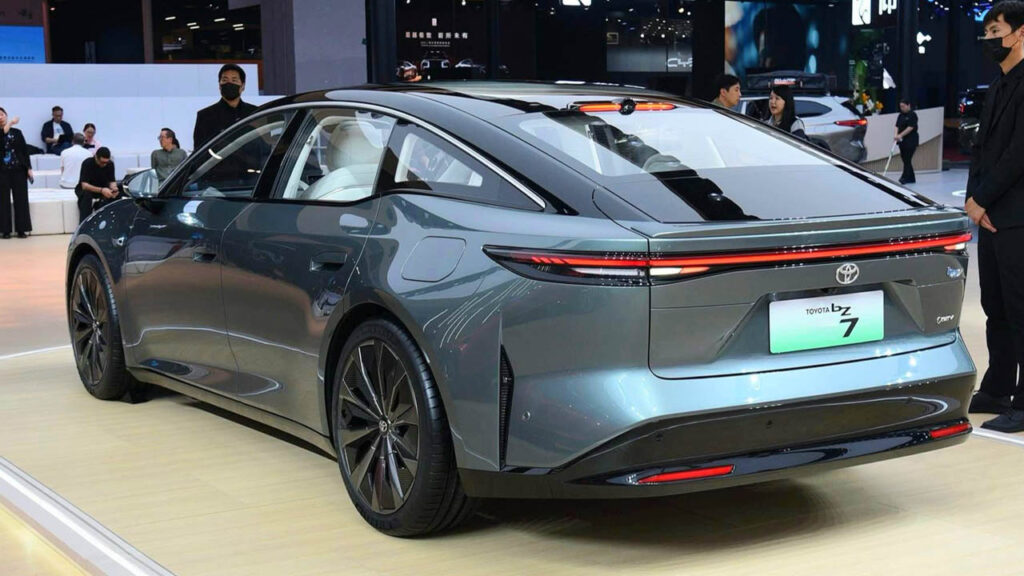
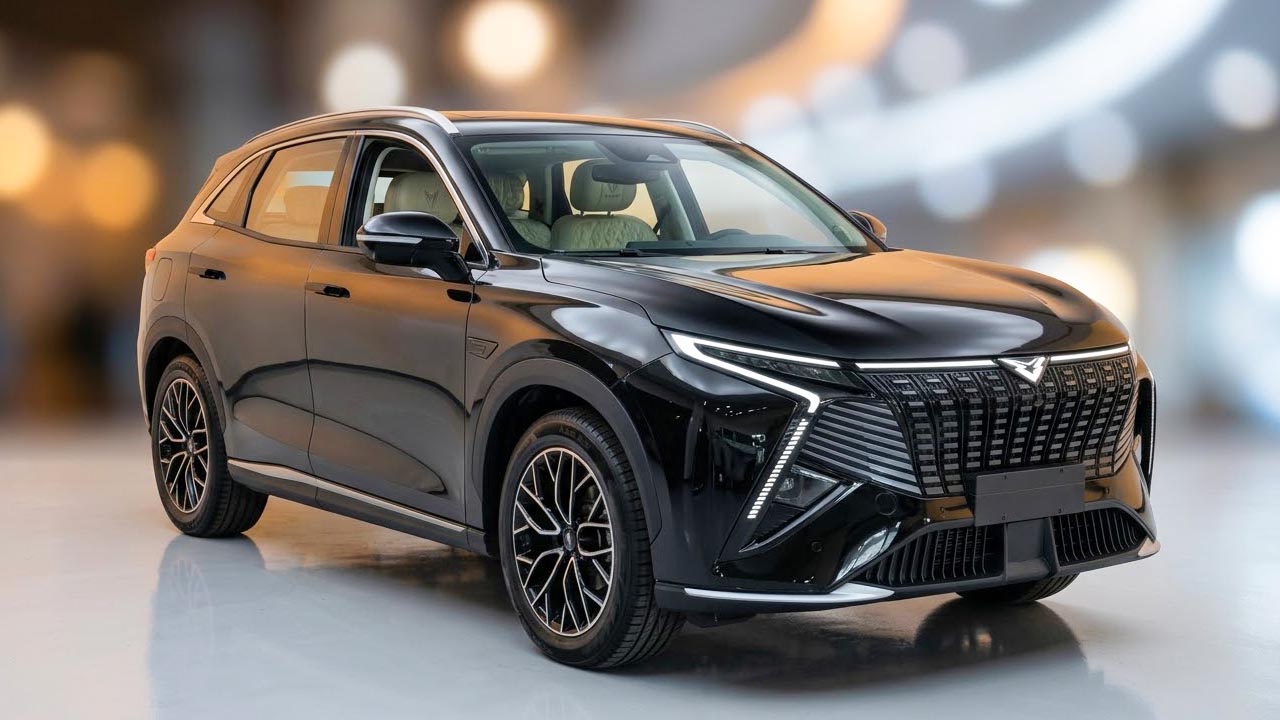
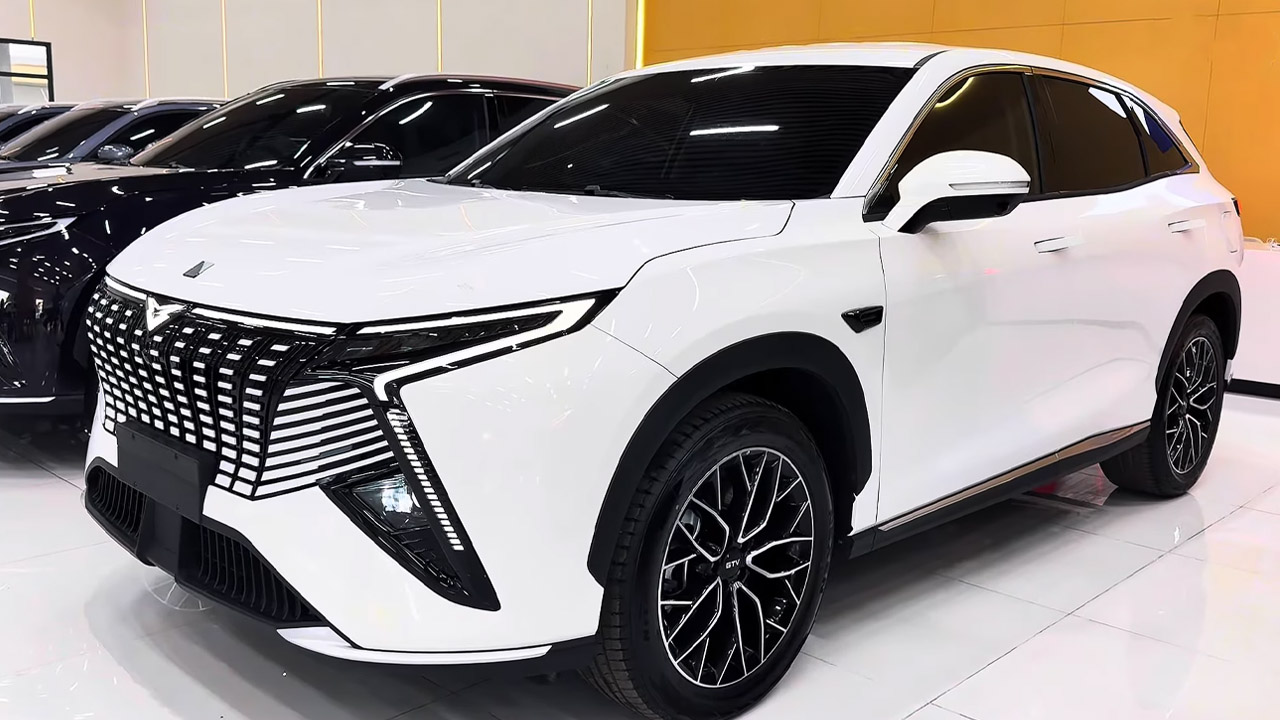
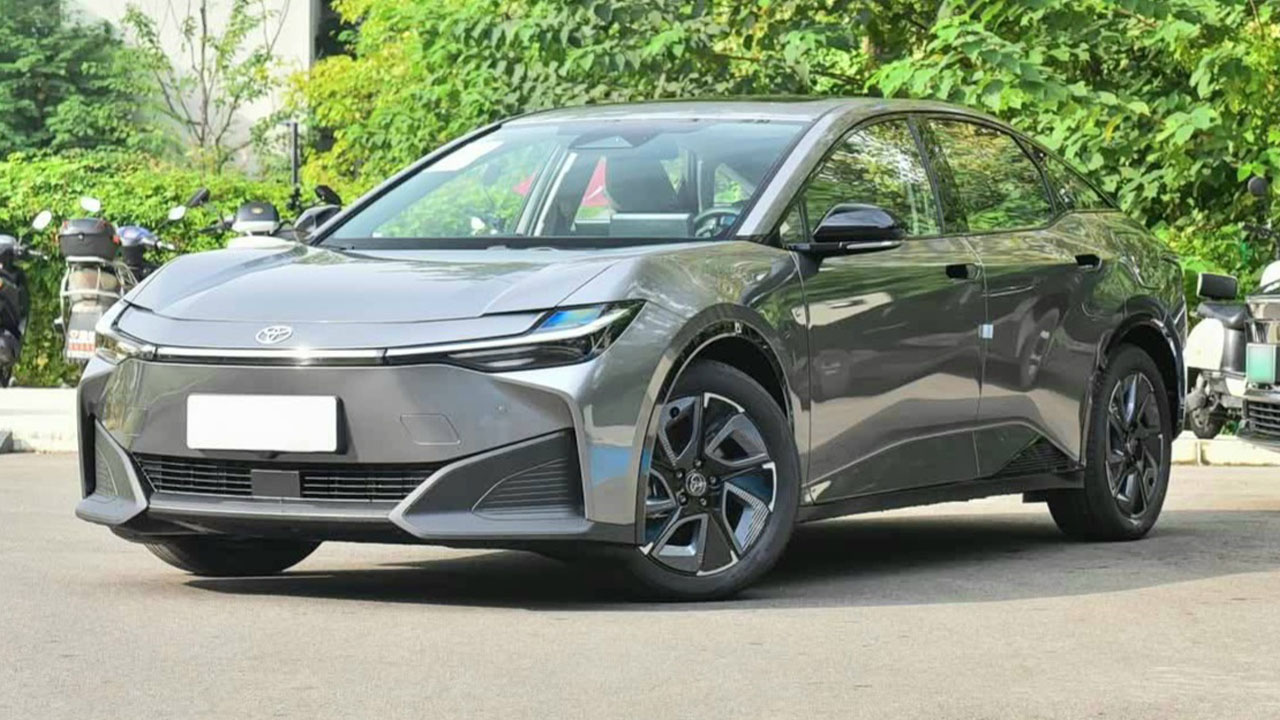
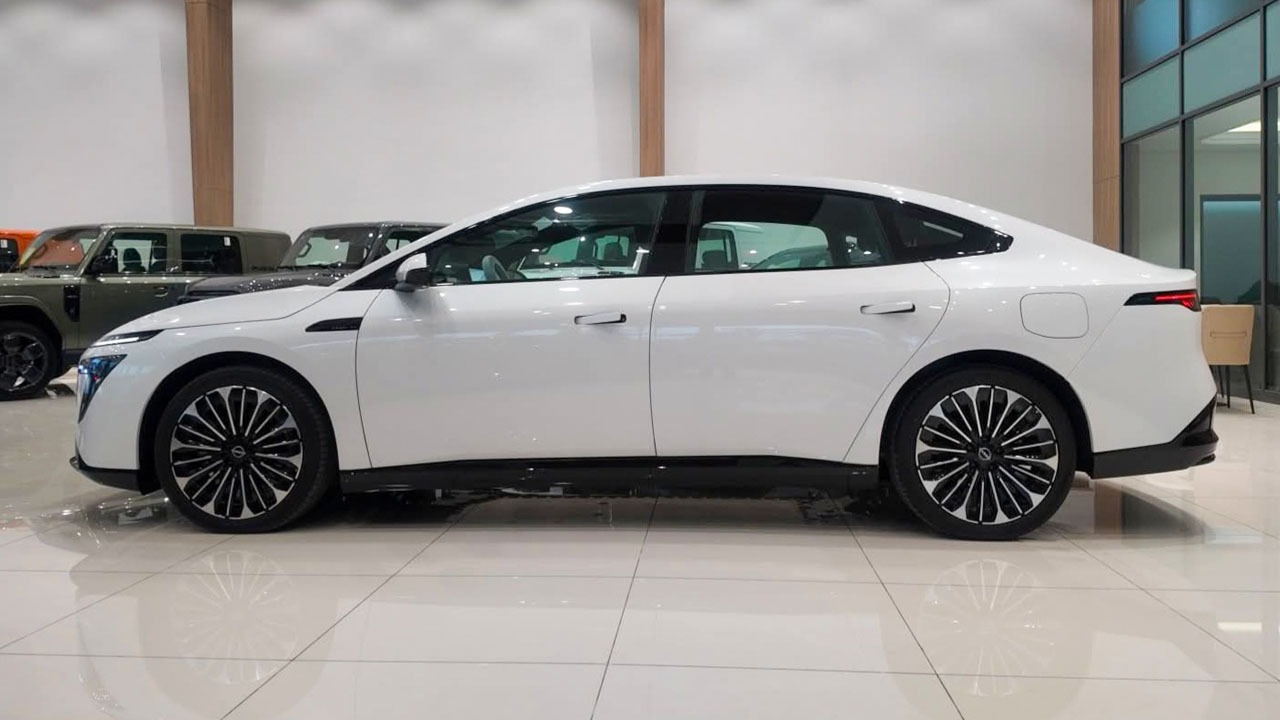
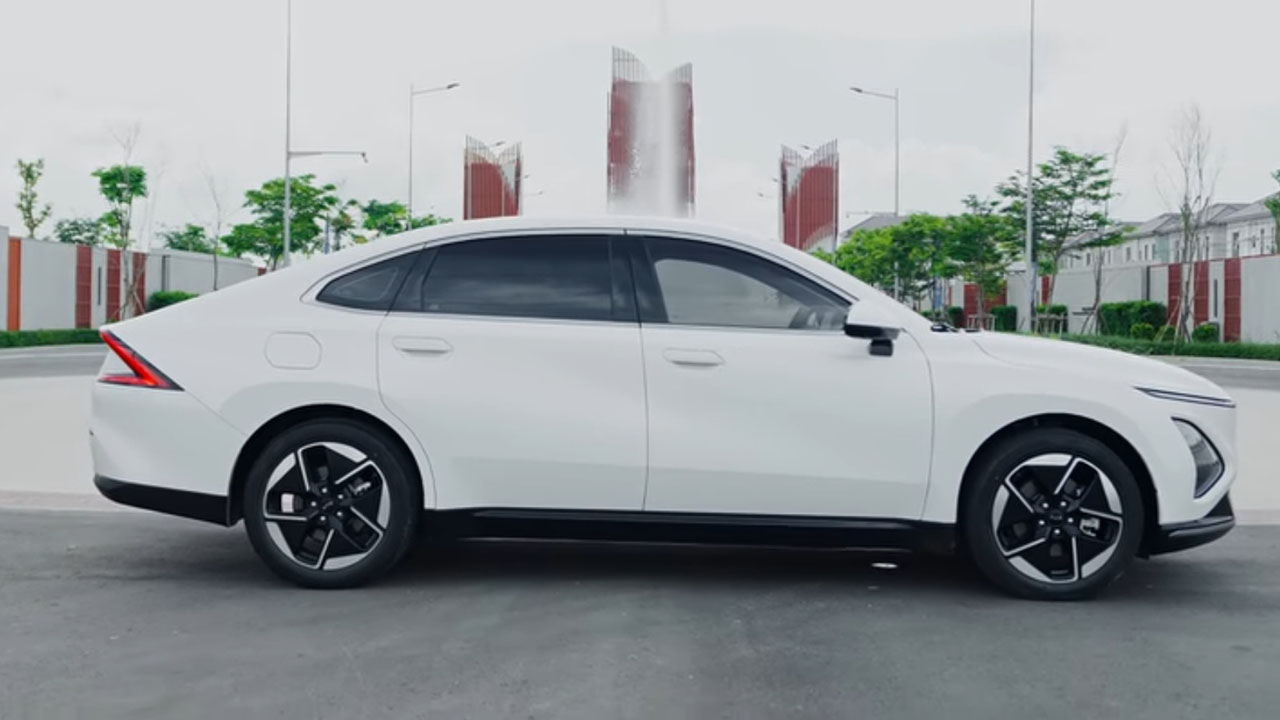
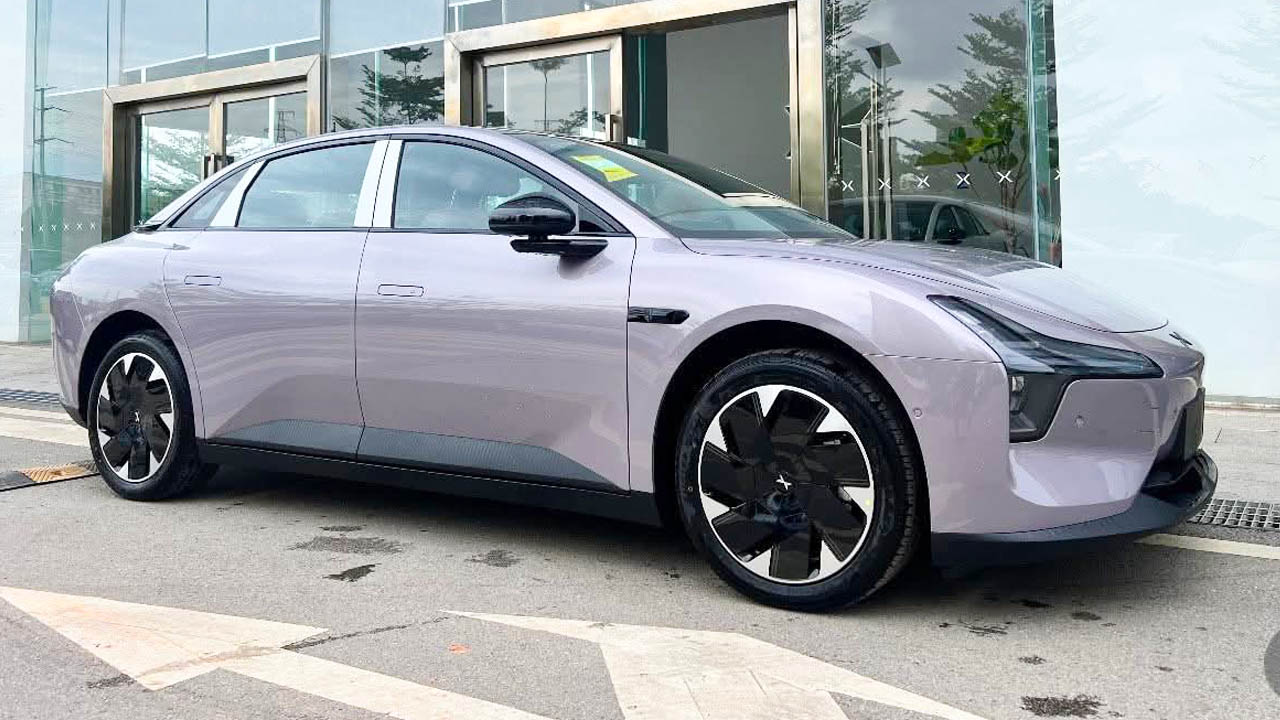
The bZ7 is a full-size, all-electric sedan, and its proportions are a key part of its appeal. With a length of 5,130 mm and a wheelbase of 3,020 mm, it is a truly large vehicle, placing it in the same class as premium sedans like the Tesla Model S, Mercedes-Benz EQE, and BMW i5. The design of the bZ7 is sleek and aerodynamic, featuring a low-slung stance and a gently sloping fastback roofline. This “coupe-sedan” aesthetic is a modern and stylish choice, with design elements such as C-shaped LED headlights, flush door handles, and a full-width rear light bar. The car is also said to have a subtle “ducktail” spoiler and frameless doors, adding to its sophisticated and modern character. The overall look is a noticeable step up in design from some of Toyota’s earlier bZ-series vehicles.
Technology and Interior
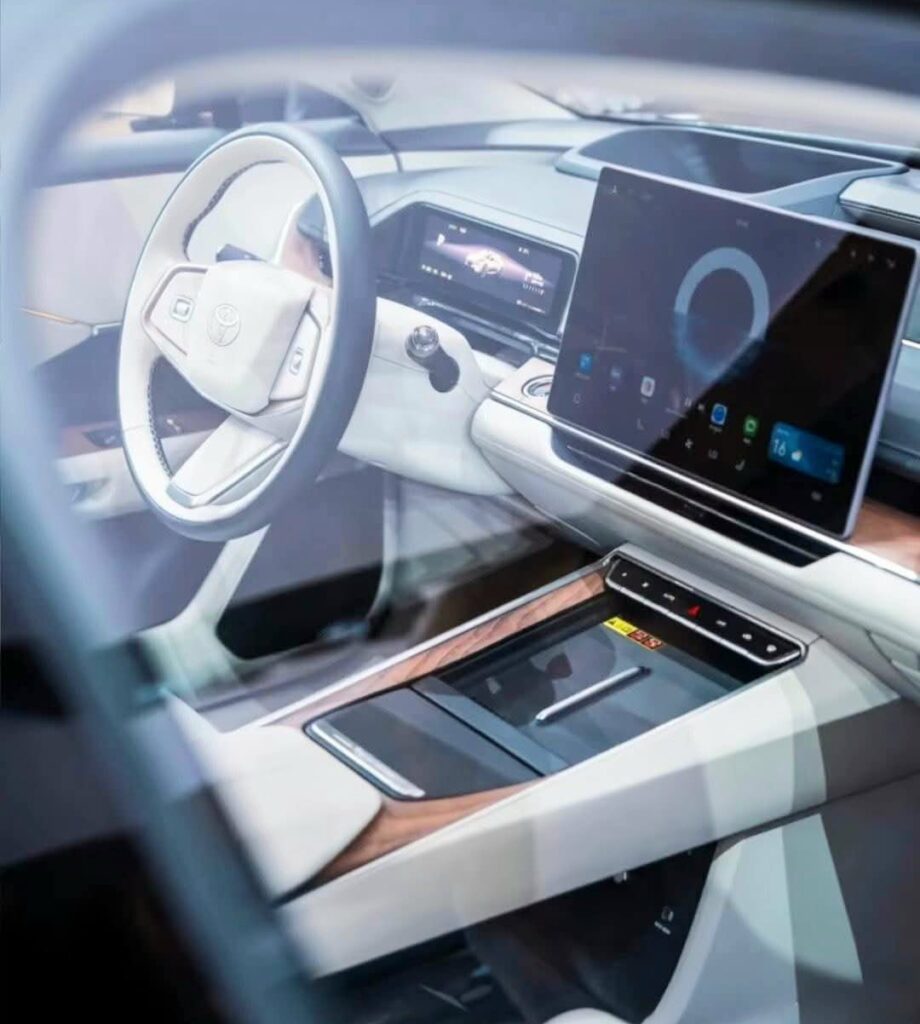
Perhaps the most compelling aspect of the bZ7 is its deep integration with Chinese technology companies. At the heart of the car’s digital experience is Huawei’s HarmonyOS cockpit system, a first for a Toyota vehicle. This partnership is a clear sign that Toyota is prioritizing a seamless, high-tech user interface, a crucial factor for tech-savvy Chinese consumers. The interior features a minimalist design with a large central infotainment display powered by HarmonyOS, a digital instrument cluster, and a three-spoke steering wheel. The cabin also includes modern touches like ambient lighting and wireless charging pads.
Beyond the infotainment system, the bZ7 also incorporates technology from other Chinese giants. The vehicle is set to be integrated into Xiaomi’s “Human x Car x Home” smart ecosystem, allowing for seamless connectivity between the car, personal devices, and smart home products. This means owners could potentially control their home’s air conditioning or other appliances directly from the car’s screen. The bZ7 is also equipped with a roof-mounted LiDAR sensor, which works in conjunction with cameras and radars to enable advanced driver-assistance systems (ADAS) and semi-autonomous driving capabilities.
Powertrain and Performance
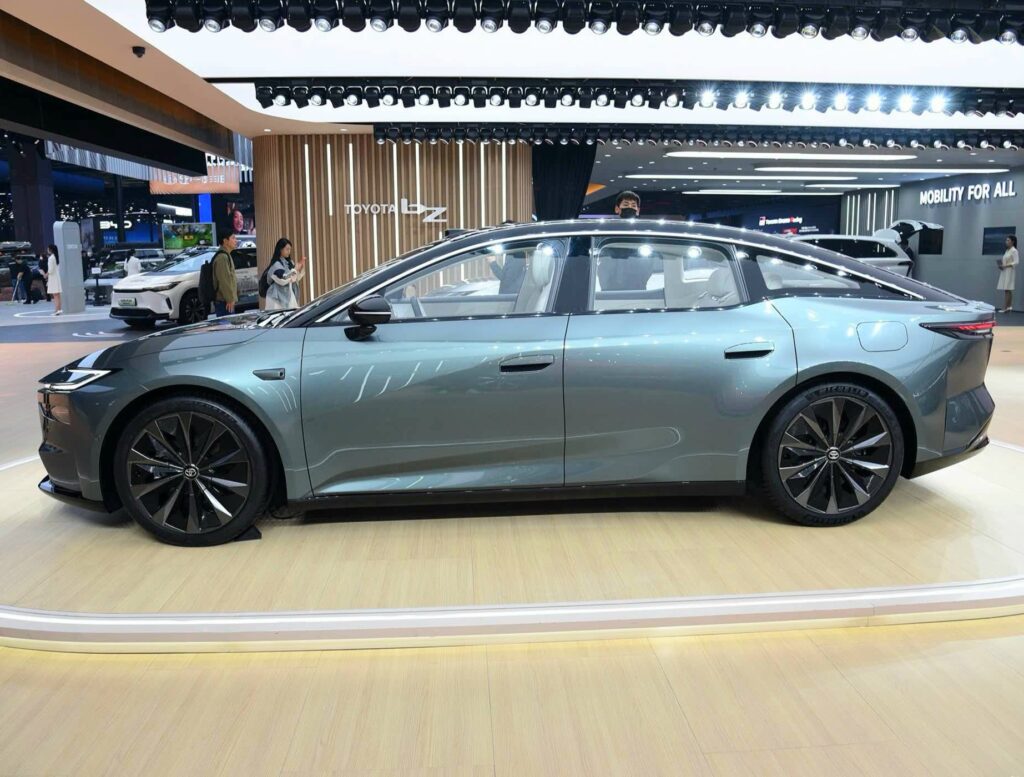
While full specifications for the bZ7 are still being officially revealed, details from Chinese regulatory filings have provided a glimpse into its powertrain. The vehicle is expected to be powered by an electric motor supplied by Huawei, with a maximum power output of 207 kW (approximately 278 hp). This motor will be paired with a lithium-iron phosphate (LFP) battery from CALB-Tech, a choice that emphasizes durability and cost-effectiveness.
Specific details regarding the battery capacity and driving range have not yet been officially announced, but it is speculated to offer a range in the 600-700 km ballpark on China’s testing standards. While the car’s performance metrics, such as its top speed of 180 km/h, may not break records, they are more than adequate for a large family-oriented sedan, with a focus on delivering a smooth and efficient driving experience.
Market Position and Outlook
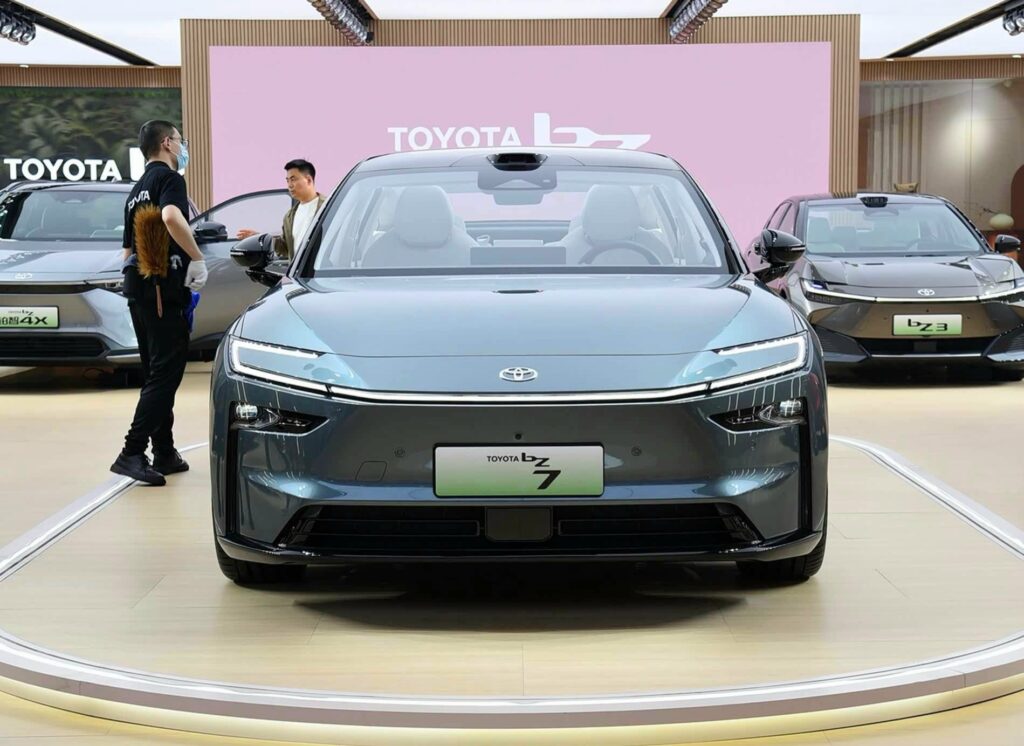
The Toyota bZ7 is exclusively for the Chinese market at launch, and there are no confirmed plans for its global release. This localized strategy highlights Toyota’s recognition that success in the world’s largest EV market requires a different approach. By leveraging the expertise of local partners like GAC, Huawei, and Xiaomi, Toyota is creating a product that directly addresses the preferences and technological expectations of Chinese consumers. The bZ7’s arrival marks a significant and assertive move by Toyota to reclaim its footing in the competitive and rapidly evolving electric vehicle landscape.
Pricing & Global Availability
- MSRP (Global Est.): Starting at $28,000 – $32,000 USD (approx. 200,000 RMB).
- Trim Levels: Elite (Base tech), Pro (LiDAR + Air Suspension), and Ultra (AWD + Zero-Gravity seats).
- Value Verdict: For under $30k (in launch markets), you are getting a car that is larger and smarter than a Tesla Model 3. It is arguably the best value luxury sedan Toyota has ever produced.
Who Should Buy It?
- The Toyota Loyalists: If you’ve been waiting for Toyota to build an EV that actually feels like the future, this is it.
- The Tech Enthusiasts: With Huawei and Xiaomi integration, this car is a rolling supercomputer.
- Executive Commuters: Those who want Lexus-level quietness and air-suspension comfort without the $80,000 price tag.
Comparison Table: bZ7 with Others models
| Model | Toyota bZ7 | Tesla Model S | BYD Han EV | Xiaomi SU7 |
| Length | 5,130 mm | 4,970 mm | 4,995 mm | 4,997 mm |
| OS | HarmonyOS | Tesla Vision | DiLink 5.0 | HyperOS |
| Suspension | Air (Dual-Chamber) | Air (Smart) | Disus-C (Active) | Air (Standard) |
| Price (USD) | ~$29,000 | $75,000+ | $30,000+ | $30,000+ |
Pros and Cons
| ✅ Pros | ❌ Cons |
| Hyper-Connective: Xiaomi & Huawei tech integration is flawless. | Market Restriction: US/EU availability is unconfirmed. |
| Size: Huge interior legroom for a sedan. | Charging: Peak rates (150kW) are slower than 800V rivals (XPeng). |
| Redundancy: Military-grade safety backups for ADAS and braking. | Naming: The “bZ” branding still confuses some global buyers. |
The 2026 Toyota bZ7 is a transformative moment for the brand, proving that Toyota can successfully merge its legendary build quality with cutting-edge software. By integrating Huawei’s HarmonyOS and the Xiaomi ecosystem, the bZ7 offers a digital experience that rivals—and in some ways exceeds—Tesla and BYD. It’s no longer just a reliable car; it’s a high-performance, executive-class smart device on wheels.
While its massive size and sleek “Hammerhead” design target the luxury segment, its competitive pricing makes it a disruptive force. If you’ve been waiting for an EV that combines Japanese engineering with the world’s most advanced Chinese smart-car tech, the bZ7 is the undisputed choice for 2026.
FAQ
- Is the bZ7 a good family car? Yes, the 3,020mm wheelbase provides more rear legroom than almost any other sedan in this price bracket.
- How long does it take to charge? It takes roughly 30 minutes to go from 10% to 80% on a 150kW DC fast charger.
- What are the main competitors? It competes directly with the BYD Han, Tesla Model S, and Xiaomi SU7.
Disclaimer
Disclaimer: This review is based on technical analysis and press data from the 2025/2026 launch events in China and the GCC. Specifications, software versions, and pricing vary by region. Always check with your local GAC-Toyota dealer for the most accurate information.