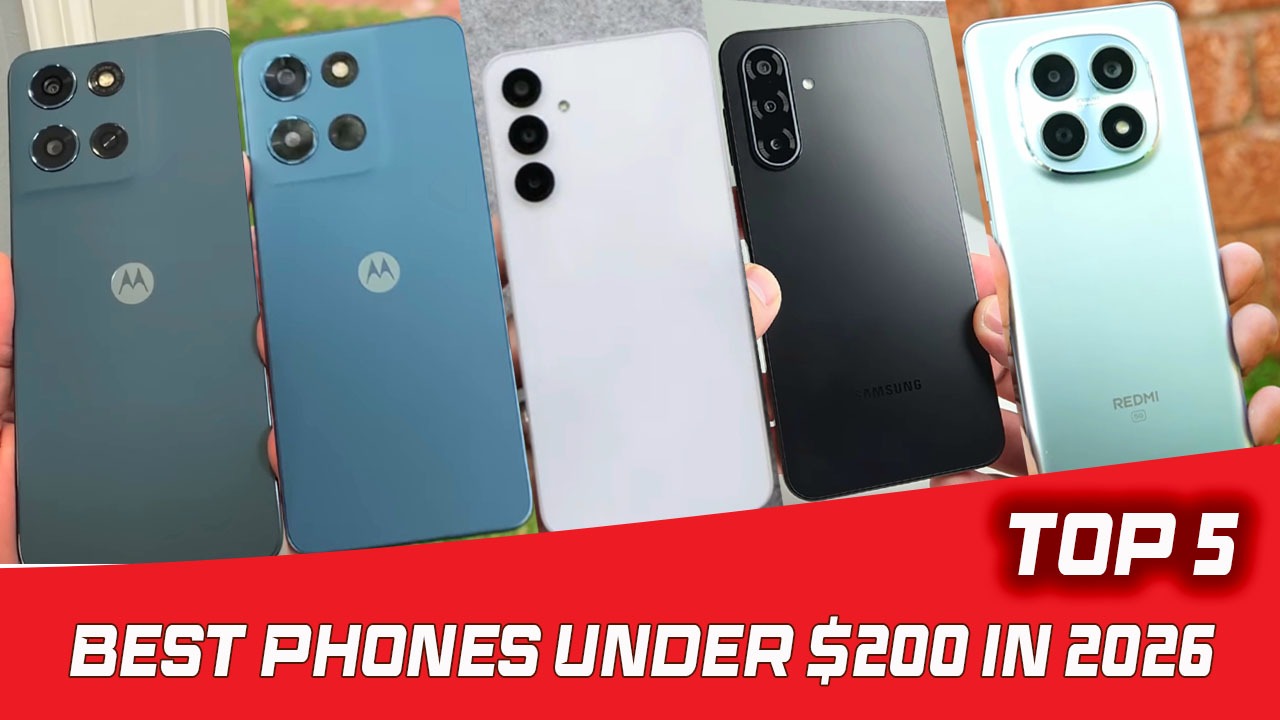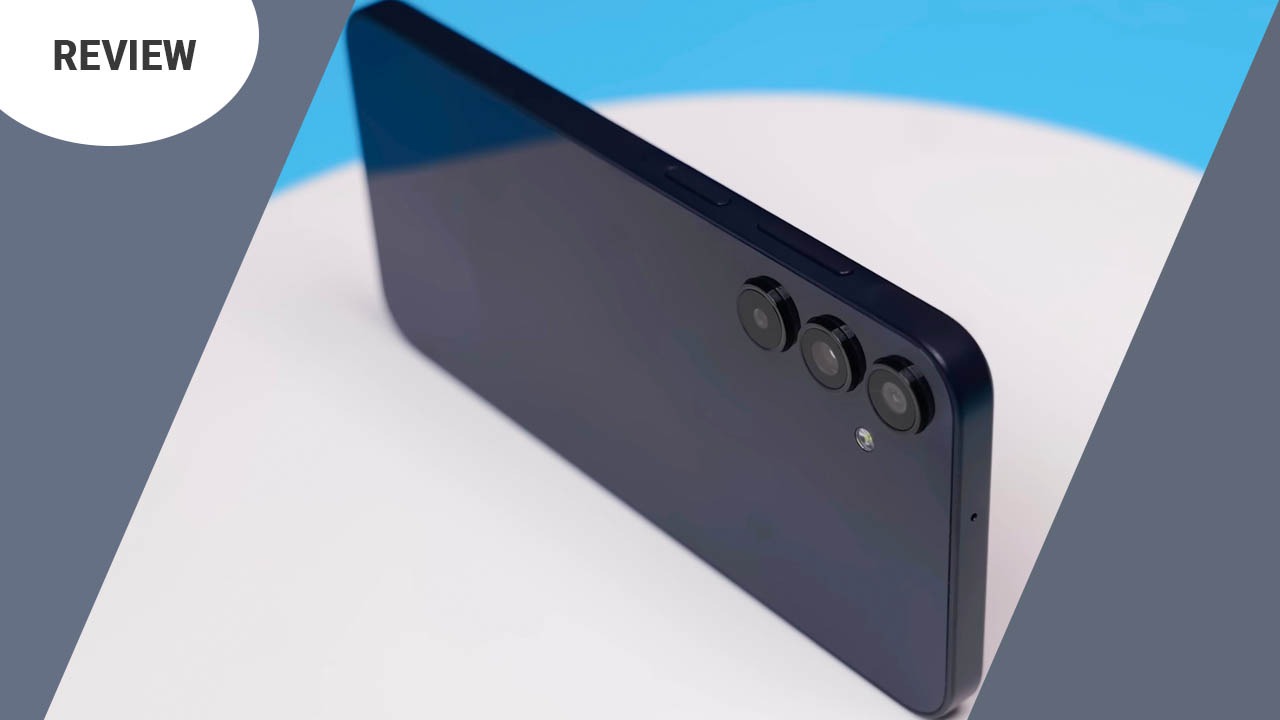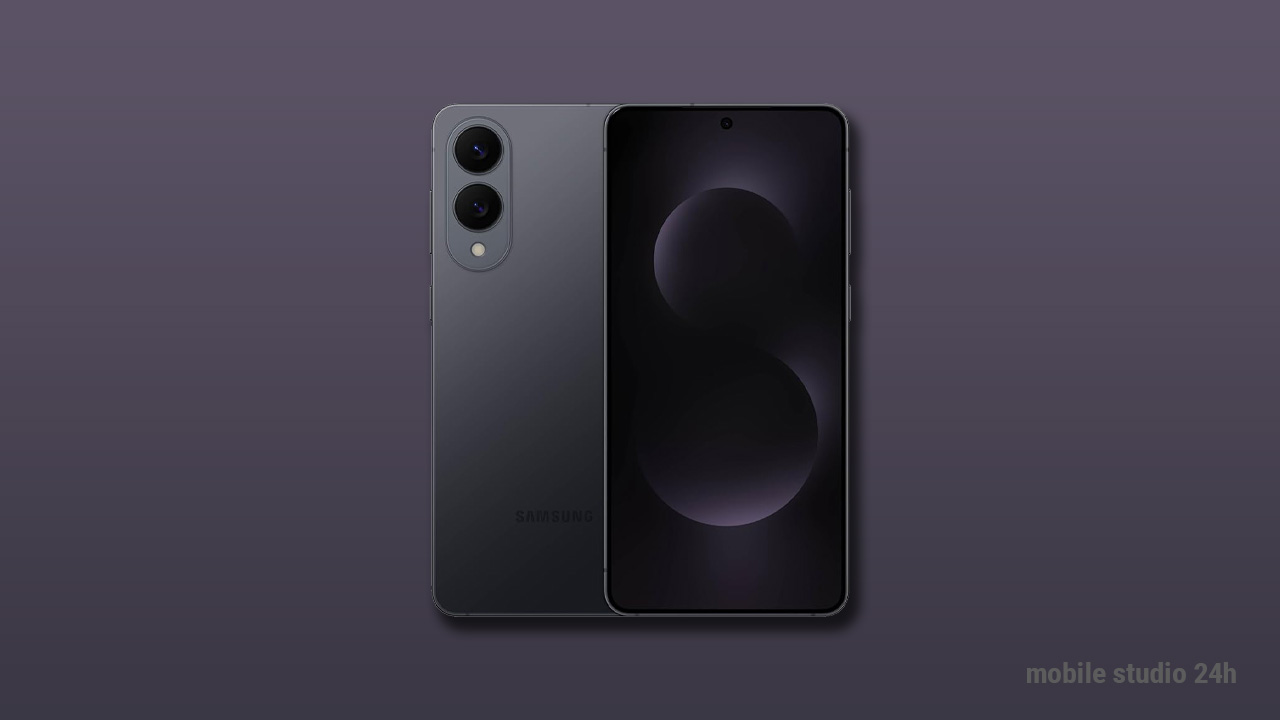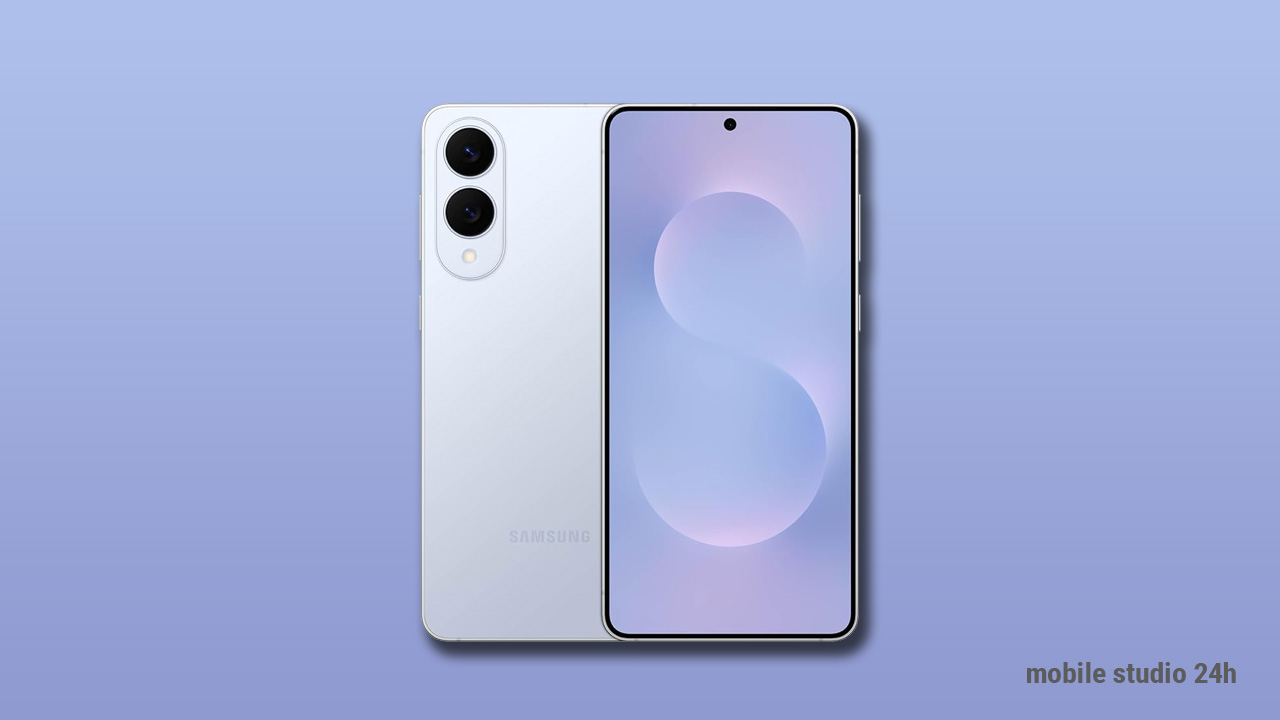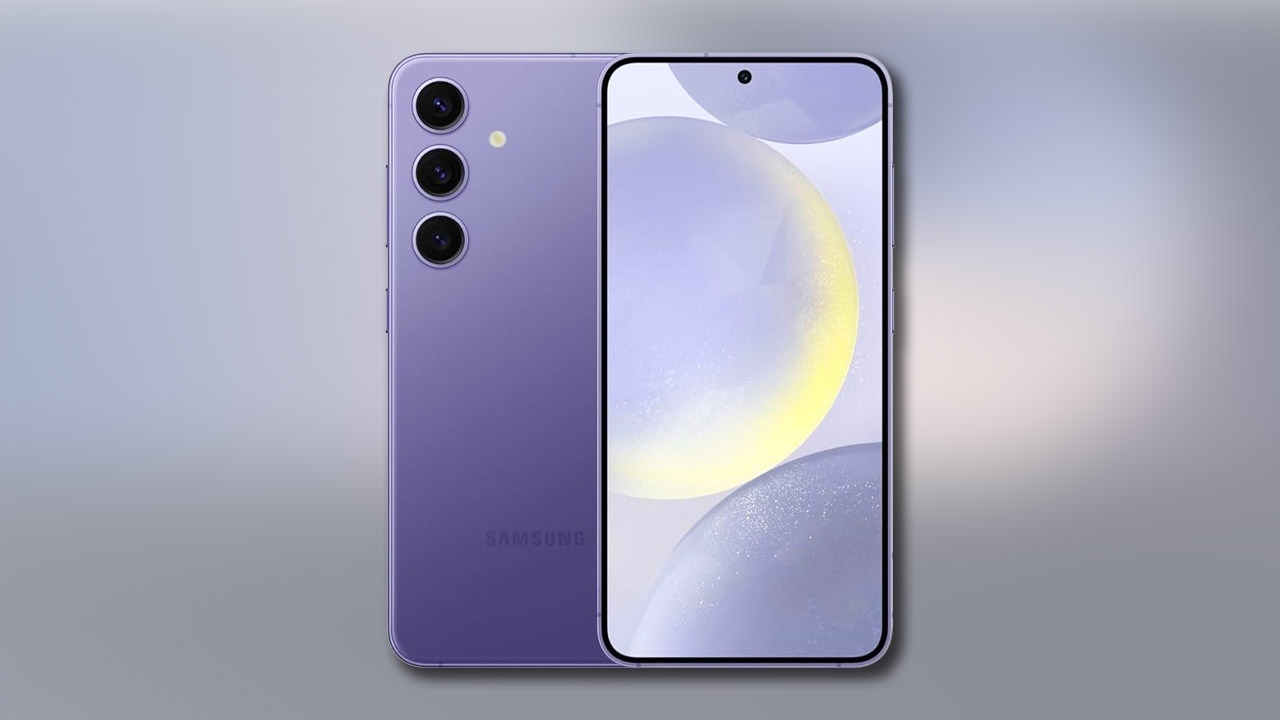
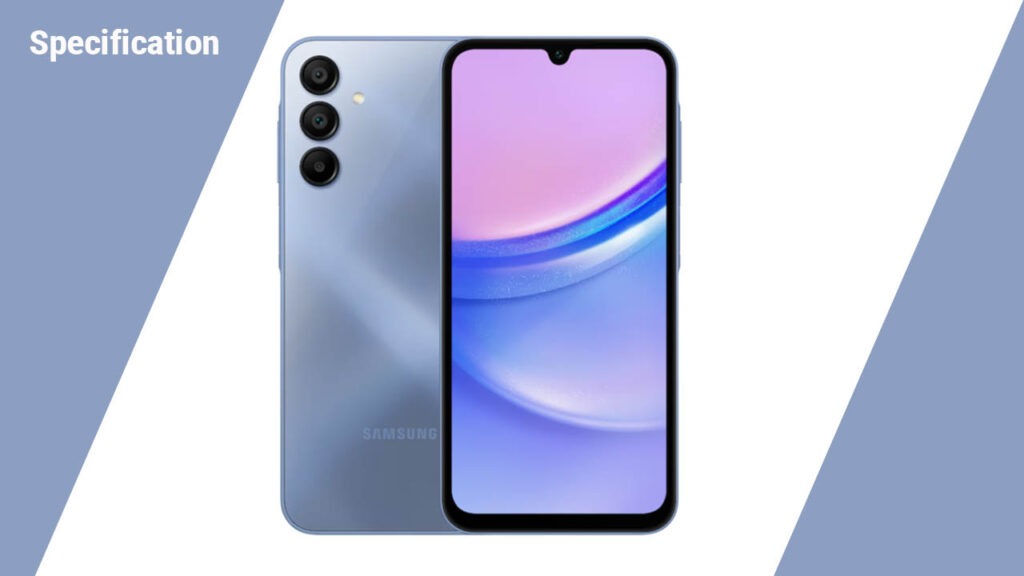
The Samsung Galaxy A15 is a standout budget smartphone that punches above its weight, particularly because it brought high-end screen technology (Super AMOLED) to Samsung’s entry-level “A1x” series for the first time.
The Samsung Galaxy A15 is a versatile entry-level smartphone available in both 4G (LTE) and 5G variants. While they look identical and share many features like the display and battery, the primary difference lies in the Chipset and Connectivity speeds.
Below is the full specification table for the Samsung Galaxy A15
Samsung Galaxy A15 Full Specifications
| Feature | Specifications |
| Display | 6.5-inch Super AMOLED |
| Resolution | Full HD+ ($1080 \times 2340$ pixels), 19.5:9 ratio (~396 ppi density) |
| Brightness | 800 nits (HBM – High Brightness Mode) |
| Refresh Rate | 90Hz |
| Body / Dimensions | $160.1 \times 76.8 \times 8.4$ mm ($6.30 \times 3.02 \times 0.33$ in) |
| Weight | 200 g (7.05 oz) |
| Build / Protector | Glass front, plastic back, plastic frame; “Key Island” design |
| Chipset | 4G: MediaTek Helio G99 (6nm) 5G: MediaTek Dimensity 6100+ (6nm) |
| CPU | Octa-core ($2 \times 2.2$ GHz Cortex-A76 & $6 \times 2.0$ GHz Cortex-A55) |
| GPU | Mali-G57 MC2 |
| RAM / Storage | 4GB, 6GB, or 8GB RAM 128GB or 256GB Internal (UFS 2.2) Expandable via MicroSD up to 1TB (Hybrid slot) |
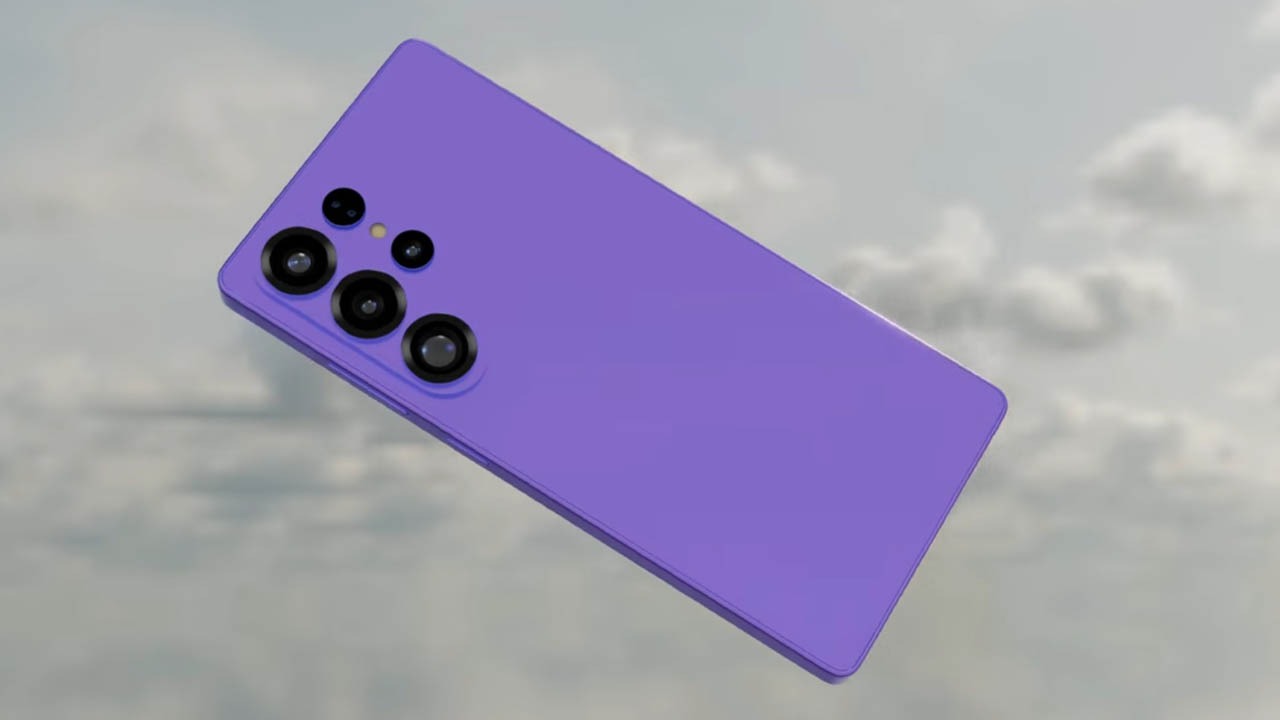
| Main Camera | Triple Setup: 50 MP (Wide, f/1.8, PDAF) 5 MP (Ultrawide, f/2.2) 2 MP (Macro, f/2.4) |
| Front Camera | 13 MP (f/2.0, Wide) |
| Battery | 5000 mAh (Non-removable) |
| Charging | 25W Wired Fast Charging |
| Durability | Plastic build; No official IP rating for water/dust resistance |
| Software | Android 14 with One UI 6 (Supports up to 4 major Android updates) |
| Connectivity | 4G: LTE 5G: Sub6 FDD/TDD |
| WiFi | Wi-Fi 802.11 a/b/g/n/ac, Dual-band, Wi-Fi Direct |
| Bluetooth | Version 5.3 (A2DP, LE) |
1. Design and Display
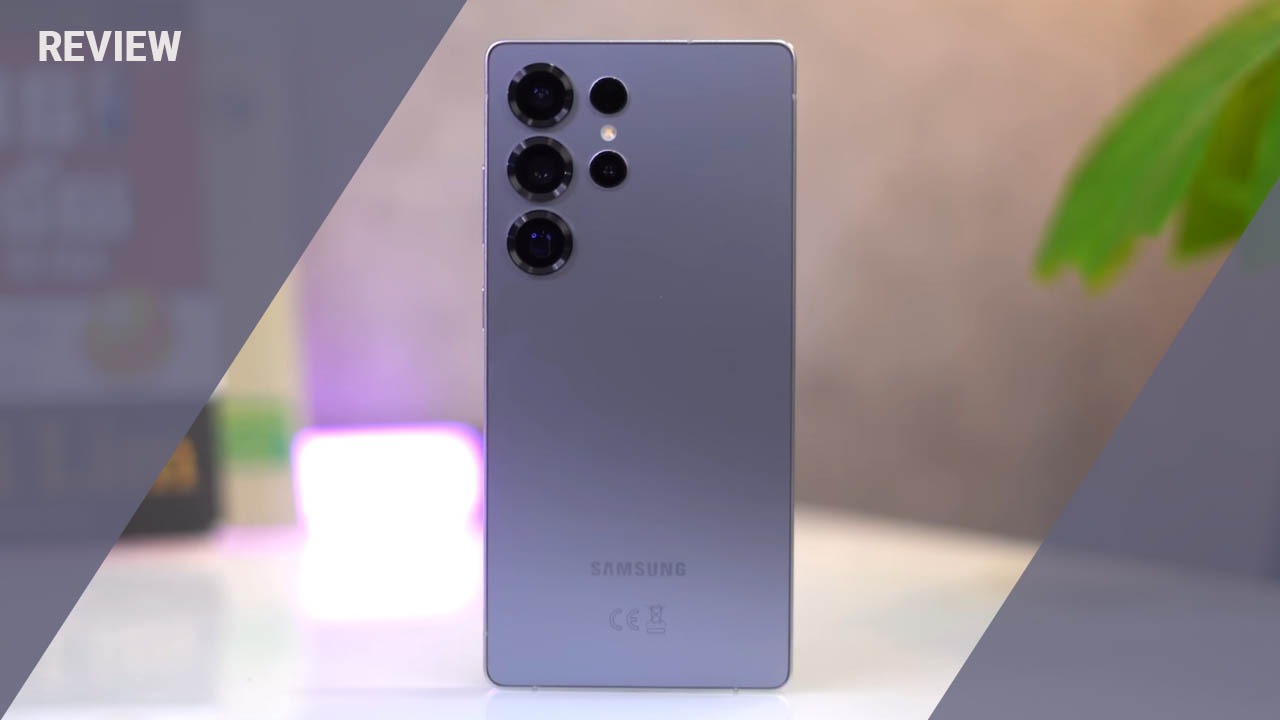
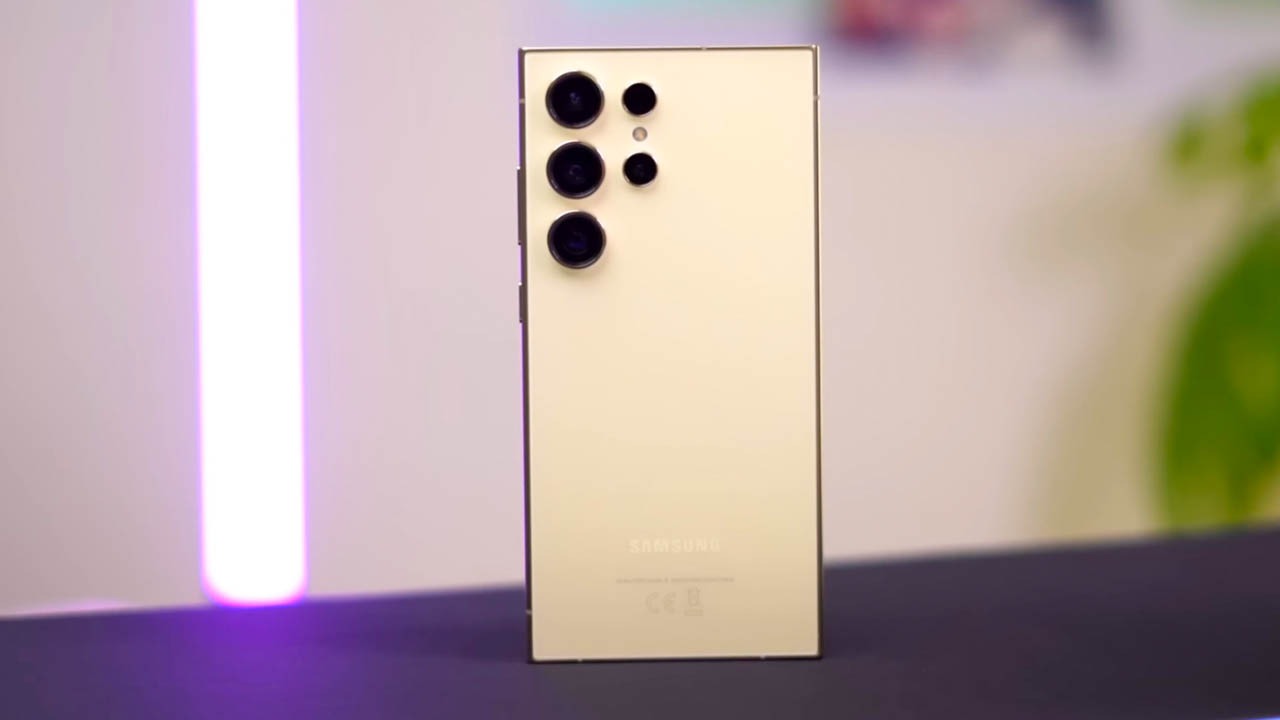
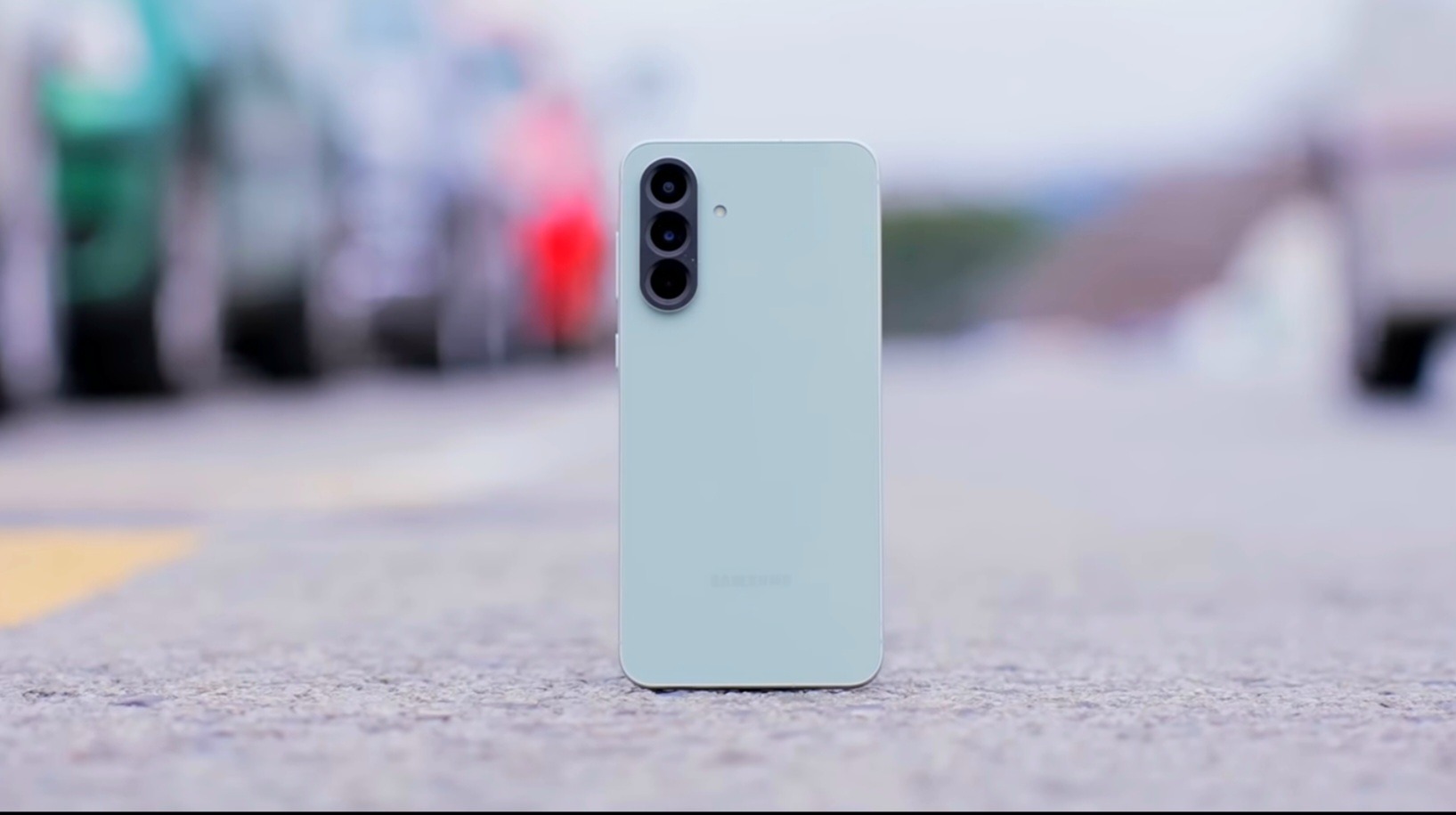
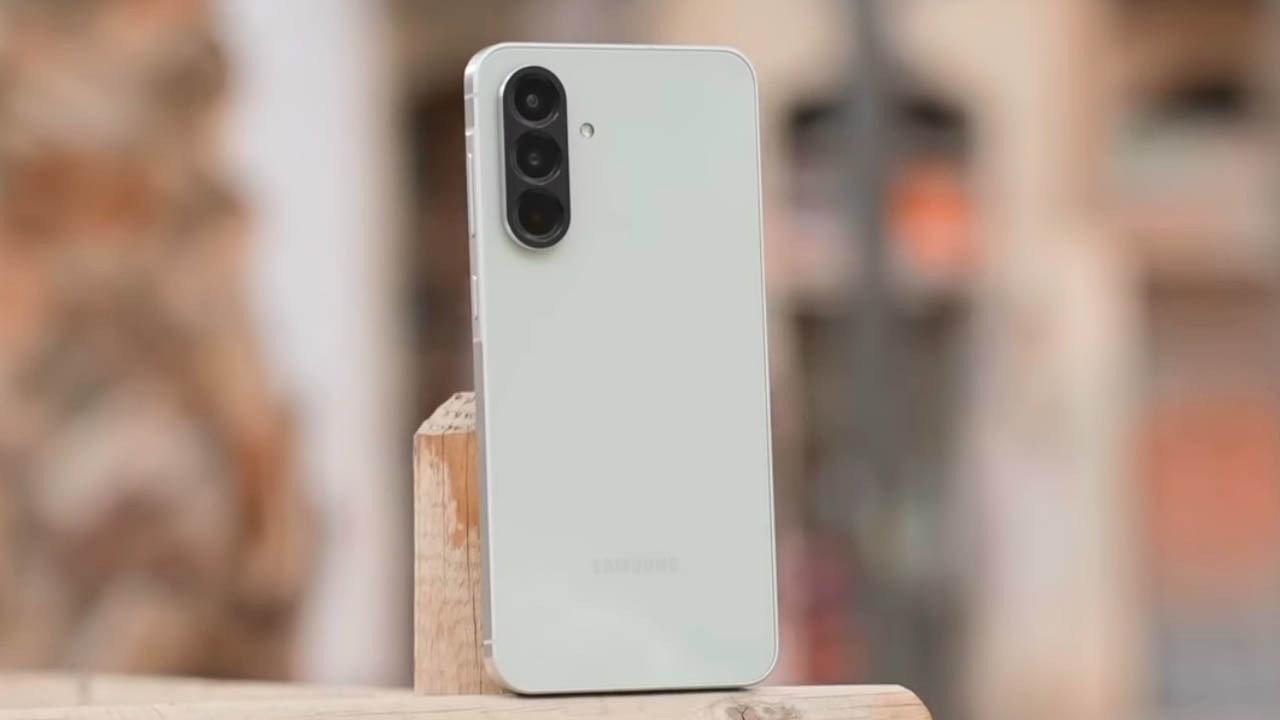
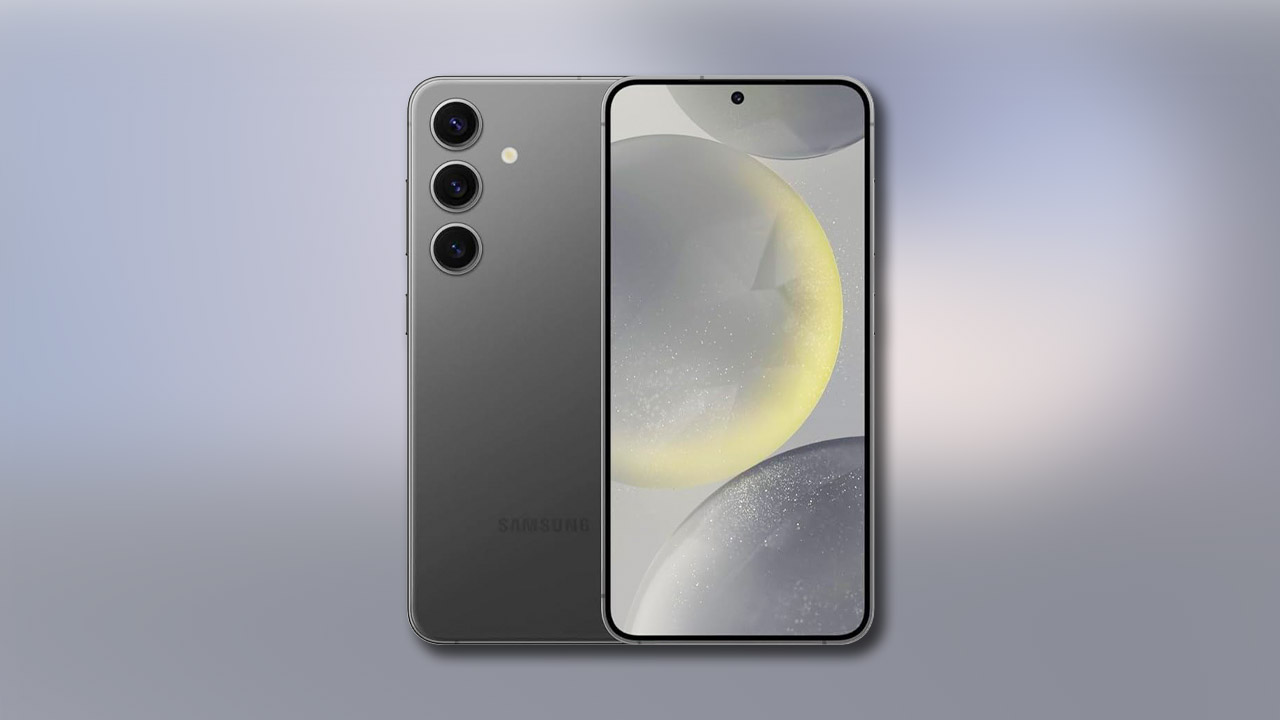
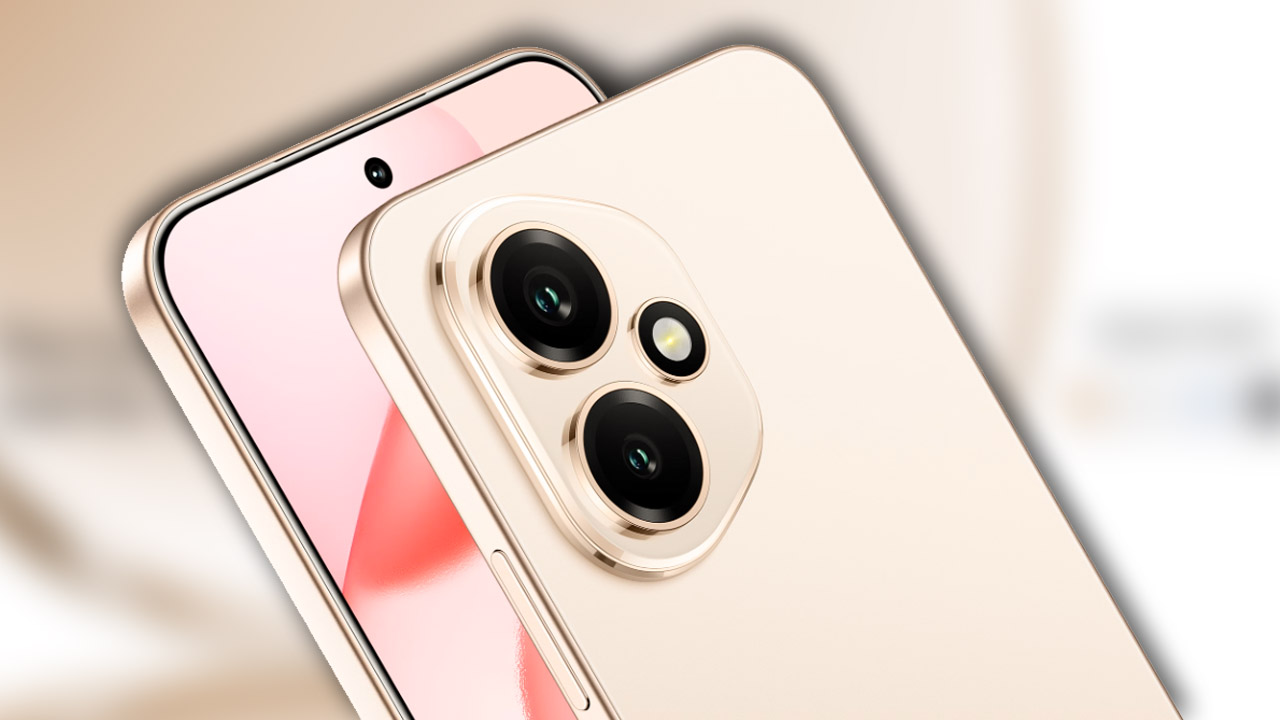
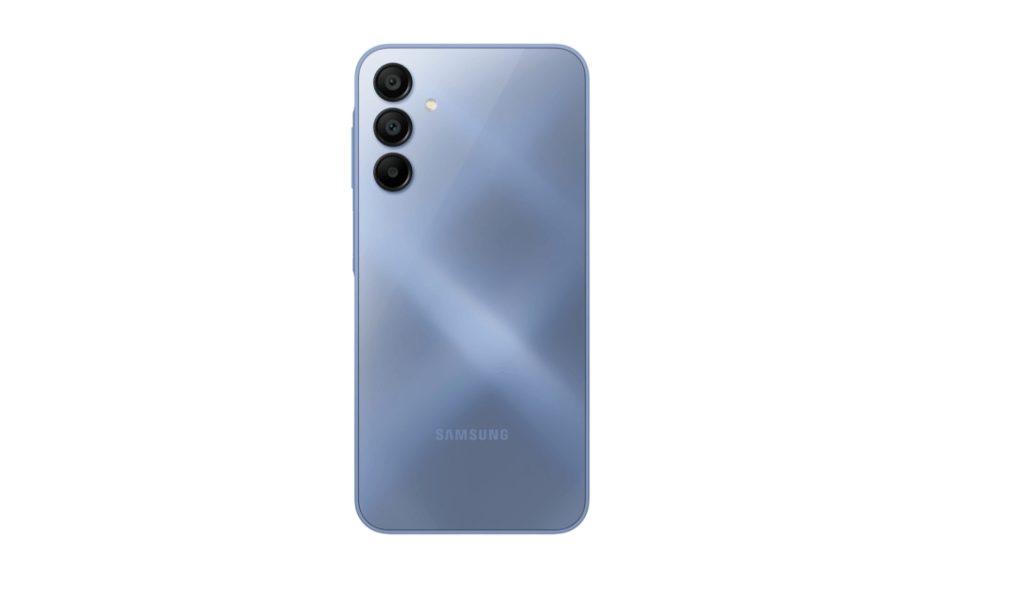
- Design: It features a clean, minimal look similar to the premium S-series, with a “Key Island” (a raised area for the power and volume buttons). The build is entirely plastic with a glossy back, which looks nice but is a fingerprint magnet and lacks an IP rating for water resistance.
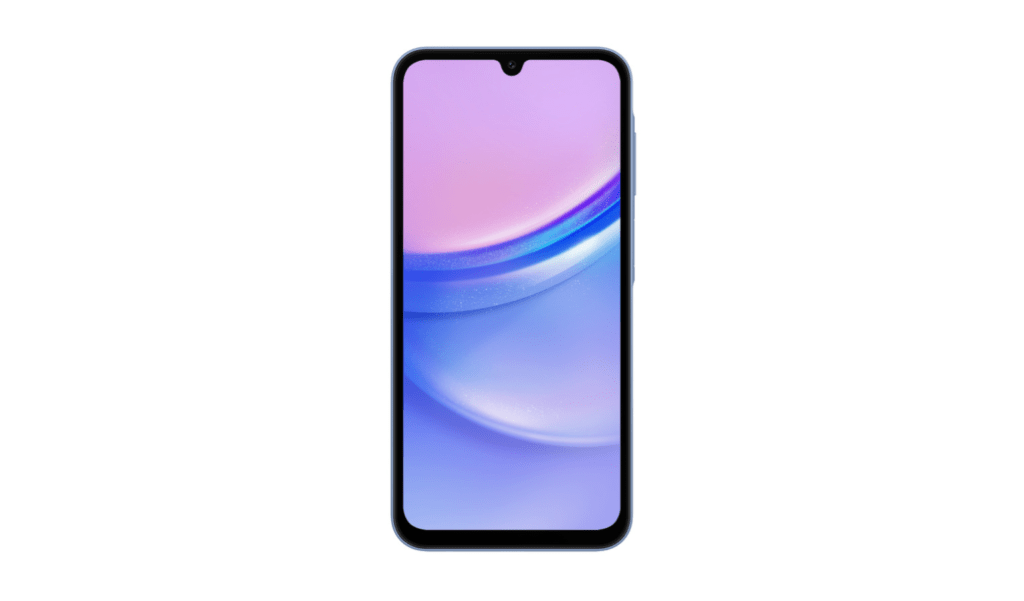
- Display: The star of the show. It has a 6.5-inch Super AMOLED panel with a 90Hz refresh rate and 800 nits brightness. Colors are vibrant, blacks are deep, and it is significantly better than the dull LCD screens found on many other budget phones.
2. Camera
- Rear: A triple-lens setup—50MP main, 5MP ultrawide, and 2MP macro. In daylight, the 50MP sensor takes sharp, social-media-ready photos with punchy Samsung colors.
- Front: A 13MP selfie camera that performs well for video calls and casual shots.
- Weakness: Low-light performance is poor, with noticeable noise, and there is no 4K video recording (capped at 1080p).
3. Software and Performance
- Software: It launched with Android 14 (One UI 6) and is famous for Samsung’s update promise: 4 years of OS upgrades and 5 years of security patches. As of early 2026, it is already testing newer versions like One UI 8.
- Performance: Powered by the MediaTek Helio G99 (4G version) or Dimensity 6100+ (5G version). It handles daily tasks like scrolling, YouTube, and messaging perfectly. However, the base 4GB RAM model can feel sluggish or laggy when multitasking between heavy apps.
4. Battery Life
- Capacity: A massive 5,000mAh battery that easily lasts 1.5 to 2 days for casual users.
- Charging: It supports 25W fast charging, which is a nice jump from older 15W models. Note: There is no charger included in the box.
5. Connectivity & Other Features
- Connectivity: Available in both 4G and 5G variants. It includes NFC for contactless payments (market dependent) and retains the beloved 3.5mm headphone jack.
- Storage: 128GB or 256GB options, plus a microSD slot for expansion up to 1TB.
- Security: A fast side-mounted fingerprint sensor.
6. User Experience
Users generally love the premium feel of the screen and the long battery life. The “Core” version of One UI is missing some flagship features (like Samsung DeX), but it feels polished. The main frustration comes from “stuttering” if you try to do too much at once on the lower RAM models.
Should you buy it?
YES, if:
- You want the best display possible on a budget.
- You plan to keep your phone for 4+ years (excellent software support).
- Battery life is your #1 priority.
NO, if:
- You are a heavy gamer (it will struggle with games like Genshin Impact).
- You do a lot of night photography.
- You want stereo speakers (it only has one bottom-firing mono speaker).
Final Verdict: The Galaxy A15 is one of the most “sensible” buys on the market. It doesn’t try to be a flagship, but it masters the basics—screen, battery, and longevity—better than almost any other phone in its price range.
Would you like me to compare the A15 with its successor, the Galaxy A16, to see if the newer model is worth the extra cost?