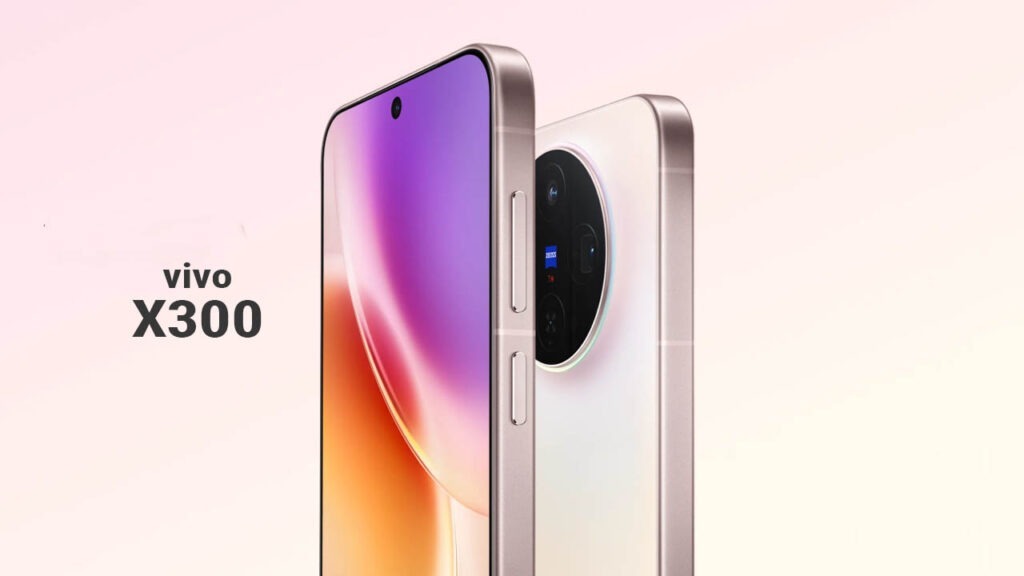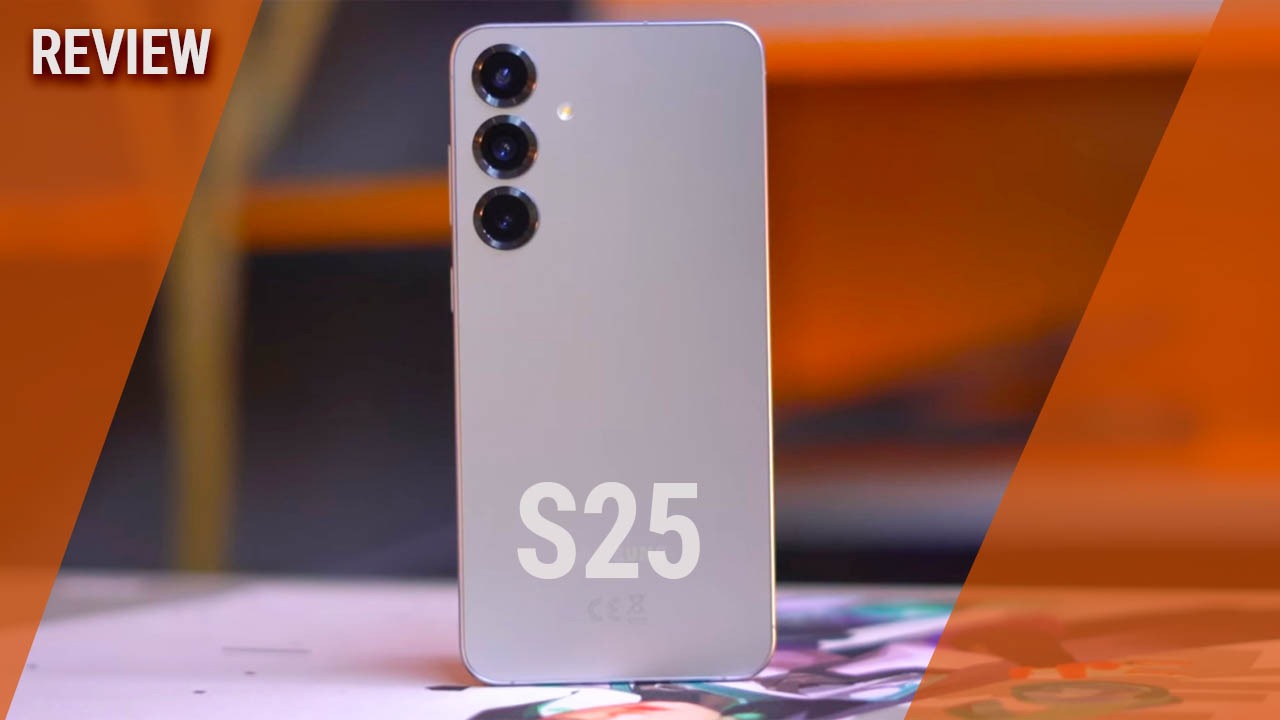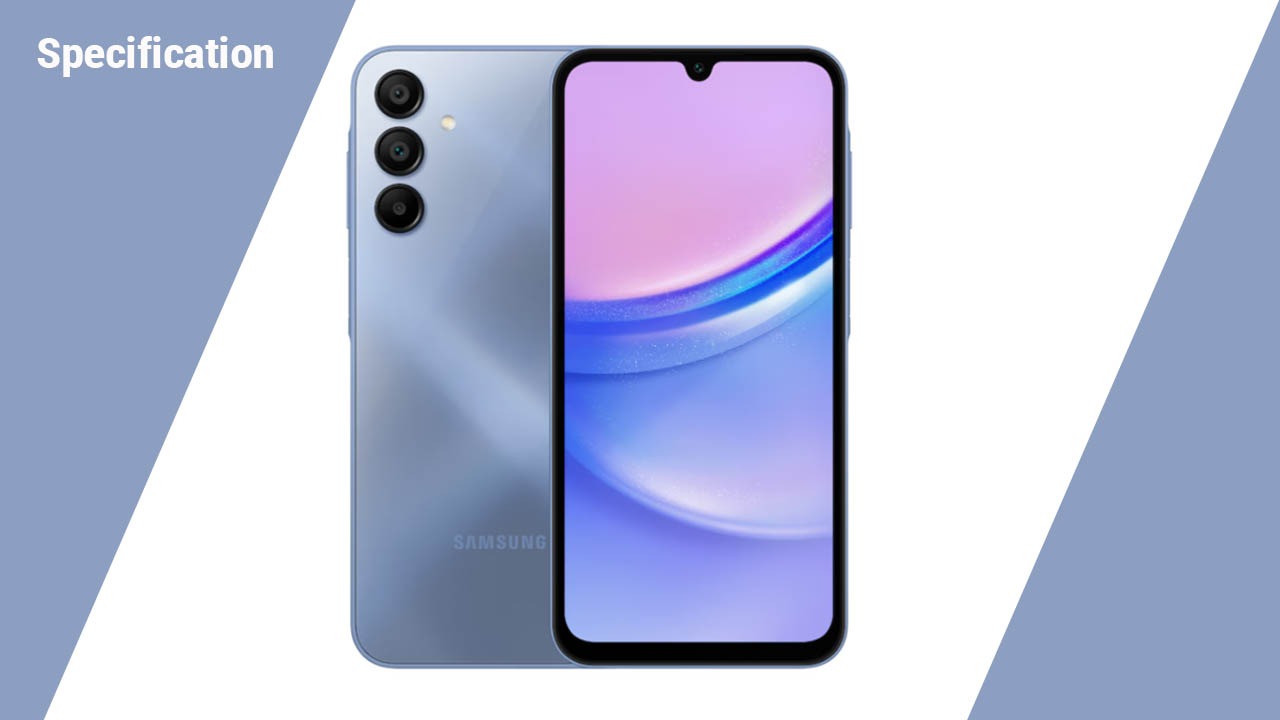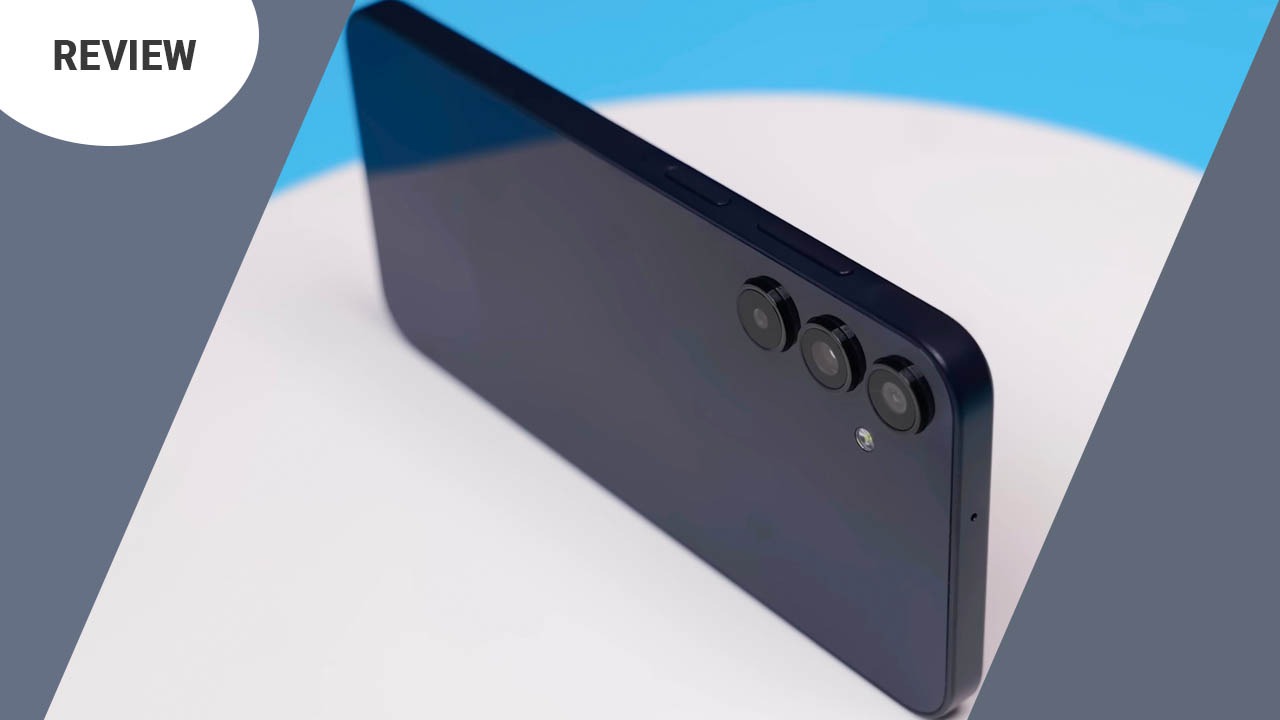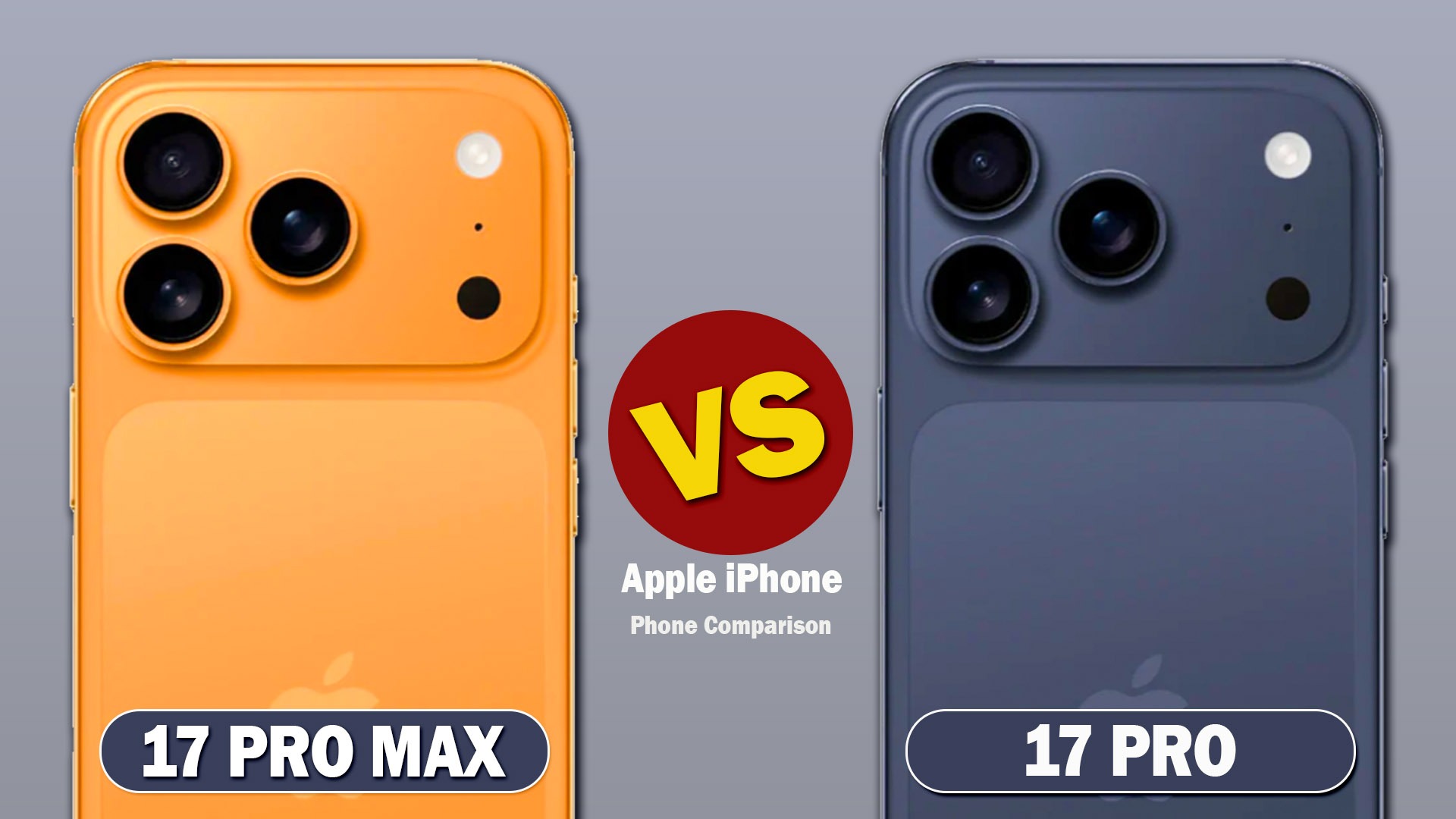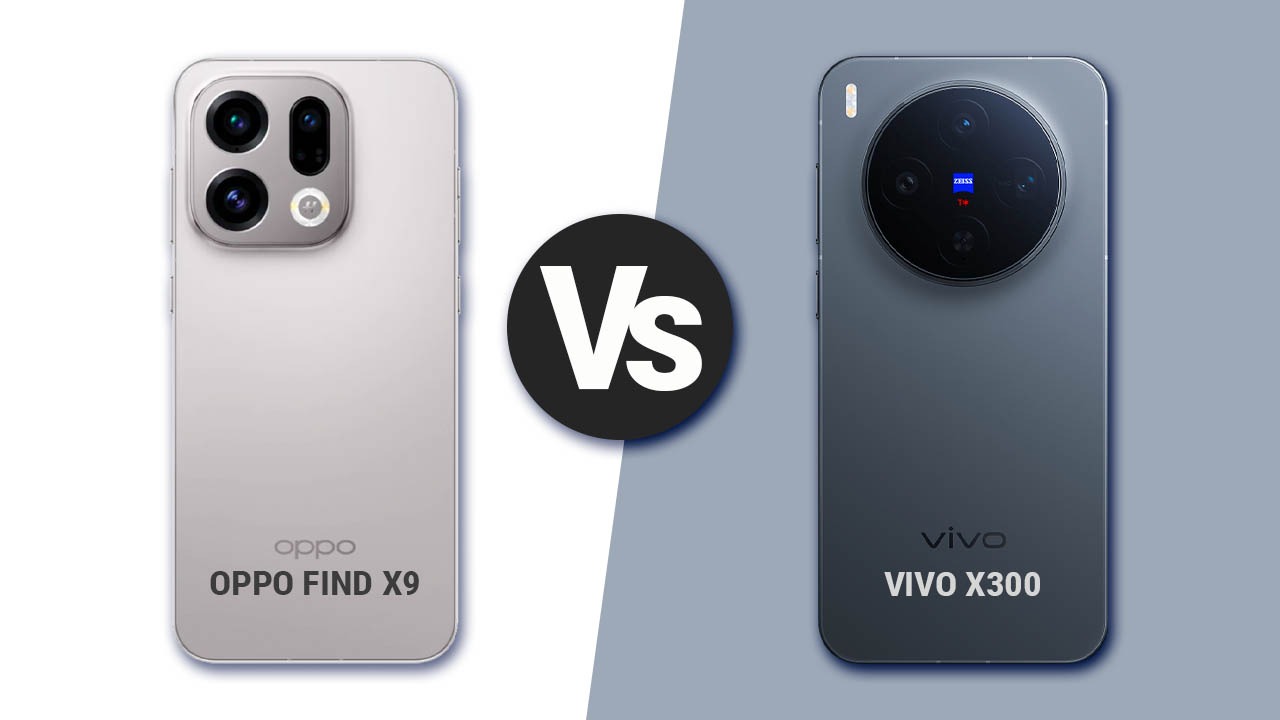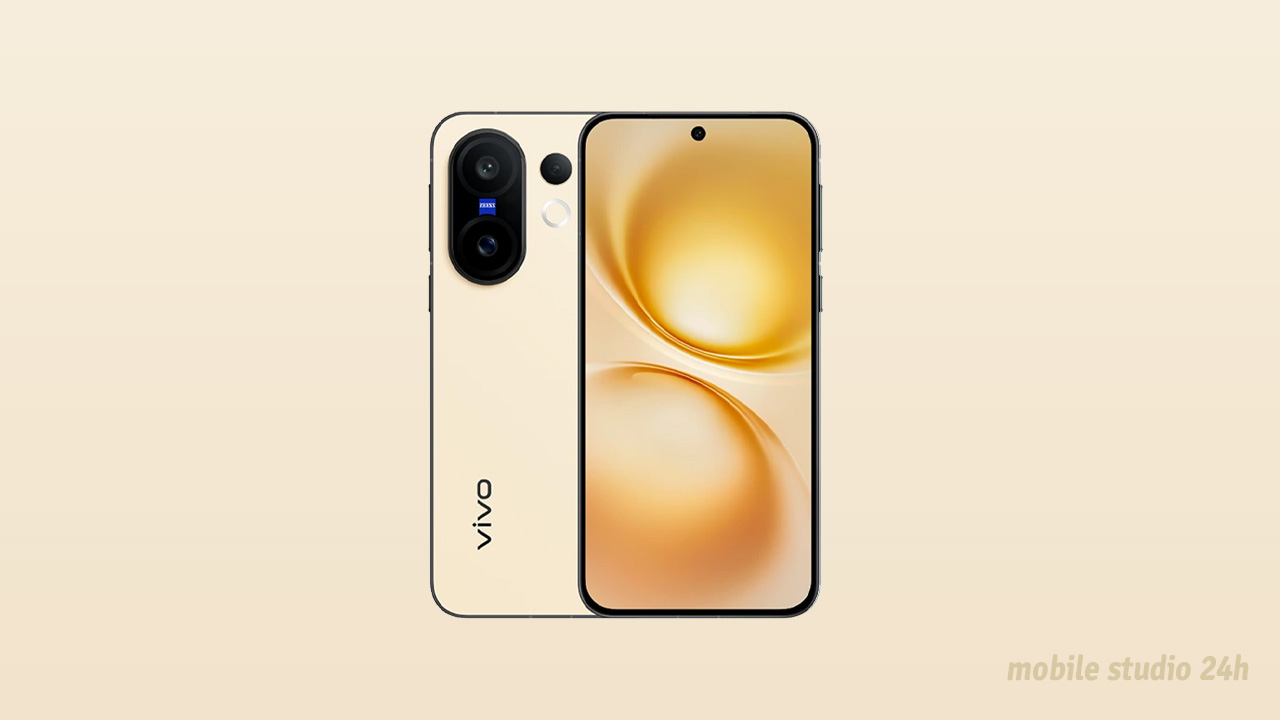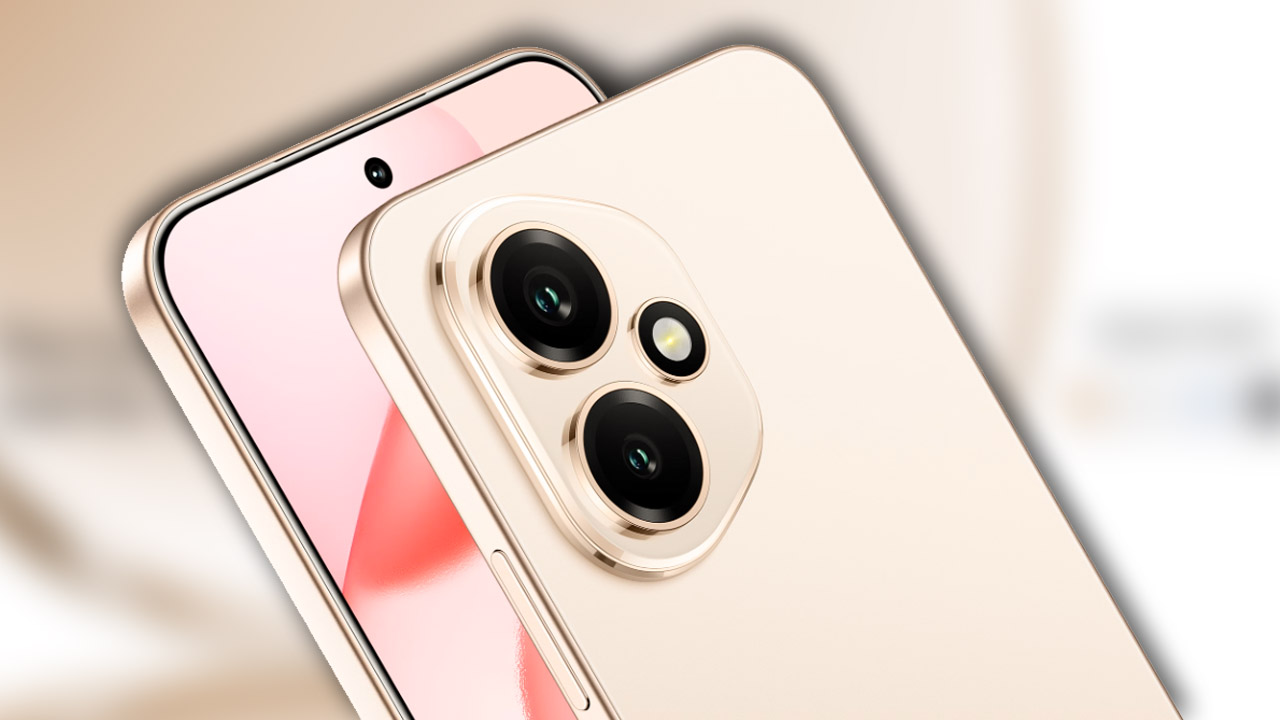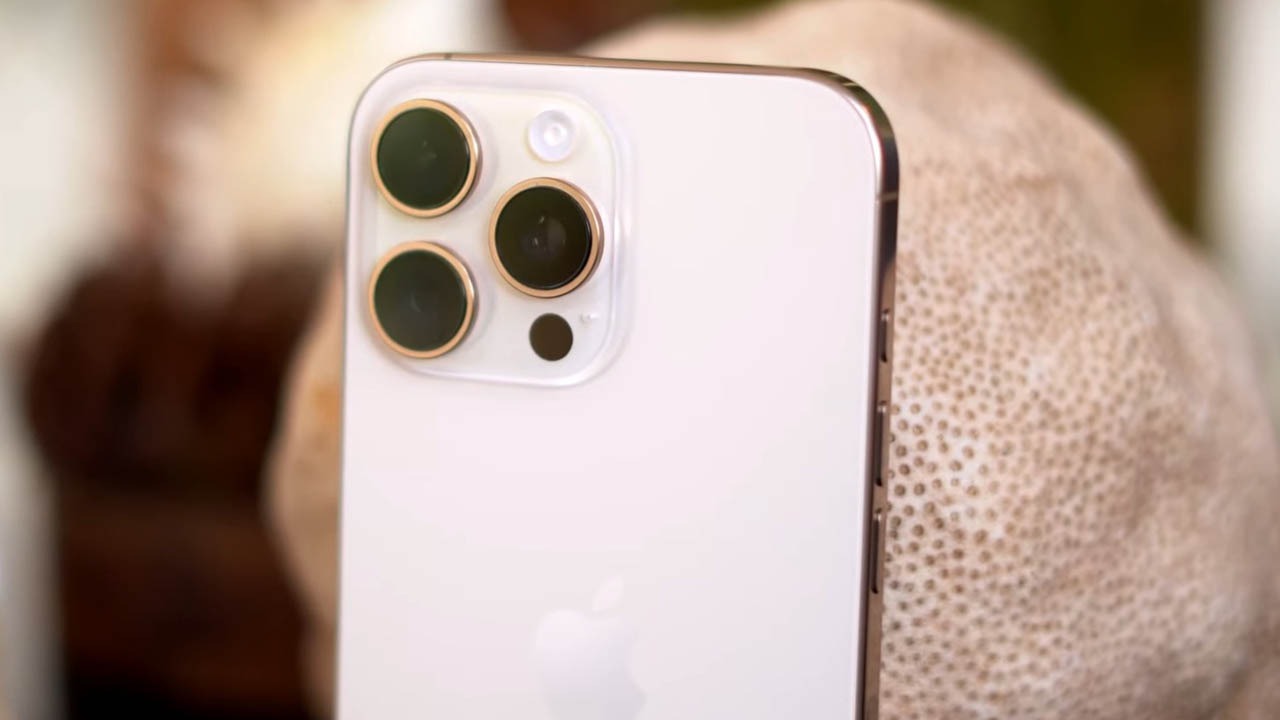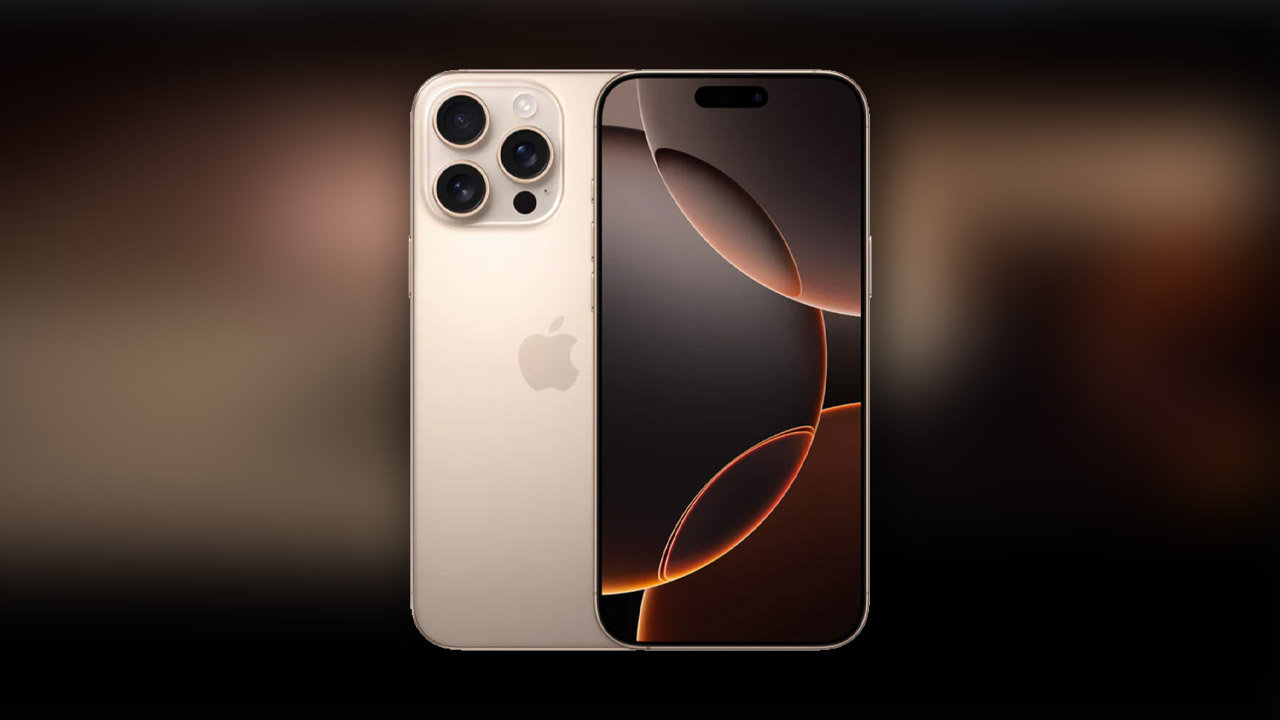
The Vivo X300 has arrived (released late 2025), and it marks a significant pivot for Vivo’s flagship X series. Moving away from the “bigger is better” trend, the standard X300 positions itself as a premium compact flagship, challenging the likes of the Samsung Galaxy S25 and the Pixel 10.
By squeezing the monstrous specs of the “Pro” models into a palm-friendly 6.31-inch chassis, Vivo has created what might be the most powerful small phone of the year.

Here is a detailed review and overview of the Vivo X300 (Standard Edition) for late 2025.
Design and Display
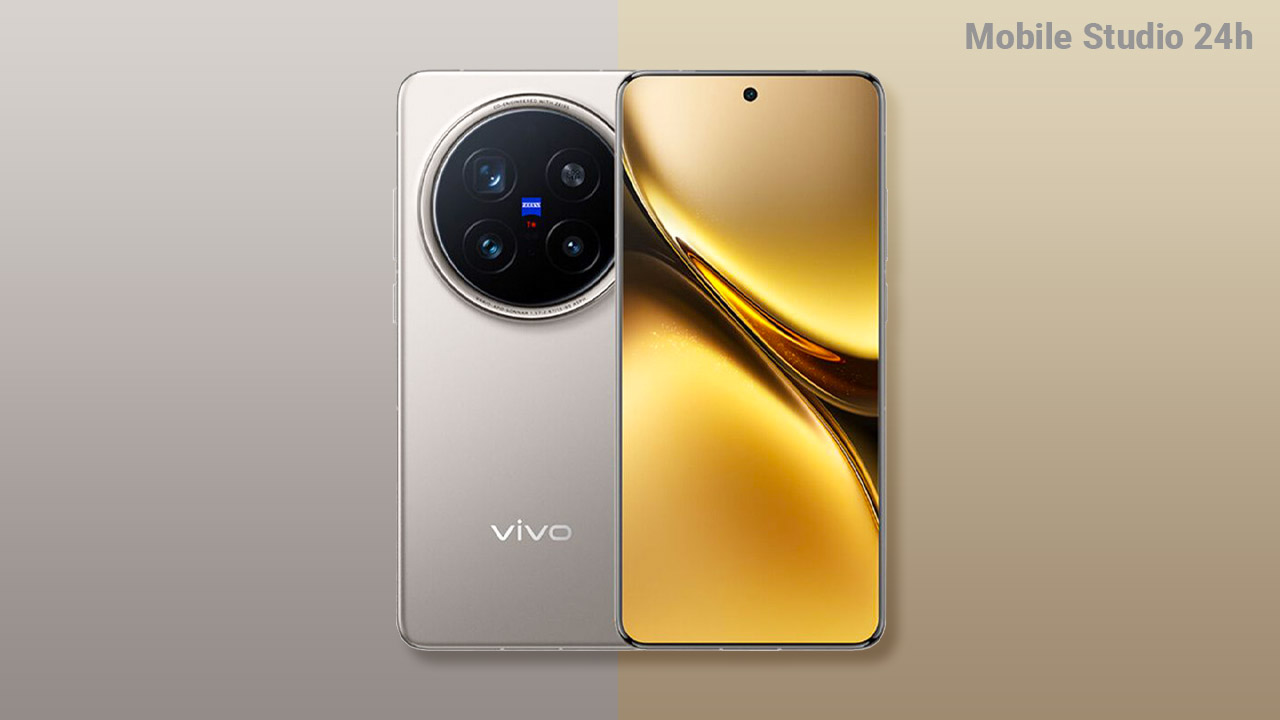
The most striking feature of the Vivo X300 is its size. In a market dominated by 6.8-inch giants, the X300 features a 6.31-inch 8T LTPO AMOLED display.
This makes it incredibly comfortable for one-handed use, a rarity in the Android flagship space.
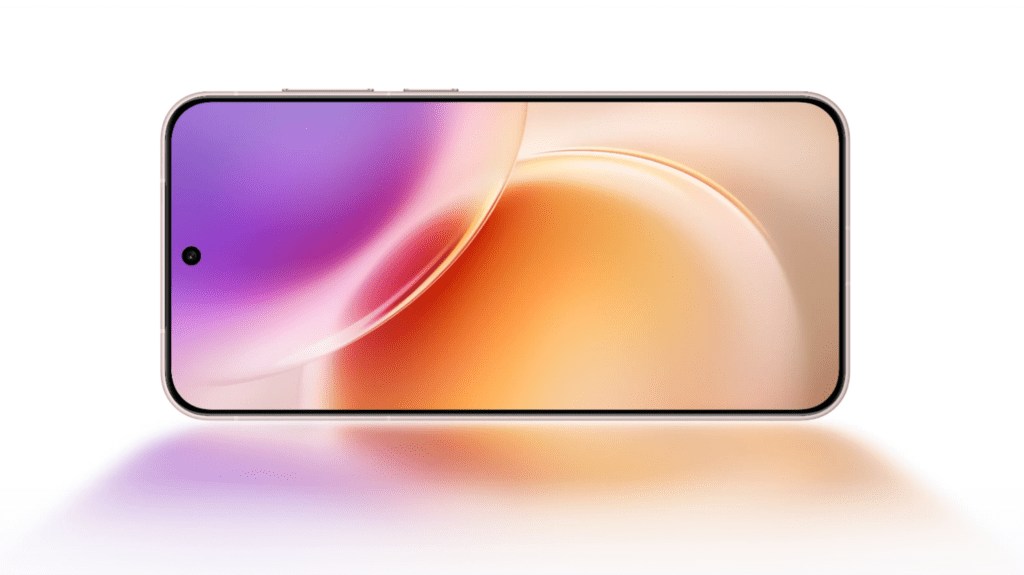
Screen Tech: It sports a sharp 1.5K resolution (1216 x 2640) with a dynamic 1-120Hz refresh rate. Vivo has integrated its new Zeiss Master Color calibration, ensuring that what you see on the screen matches the natural colors of the real world.
Brightness: Peak brightness hits a staggering 4500 nits, ensuring perfect visibility even under direct, harsh sunlight.
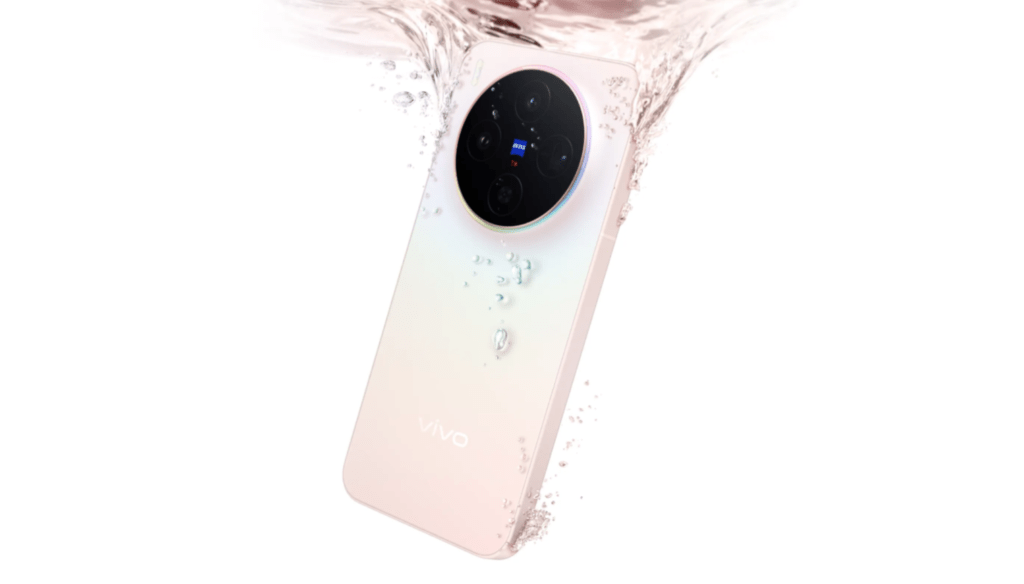
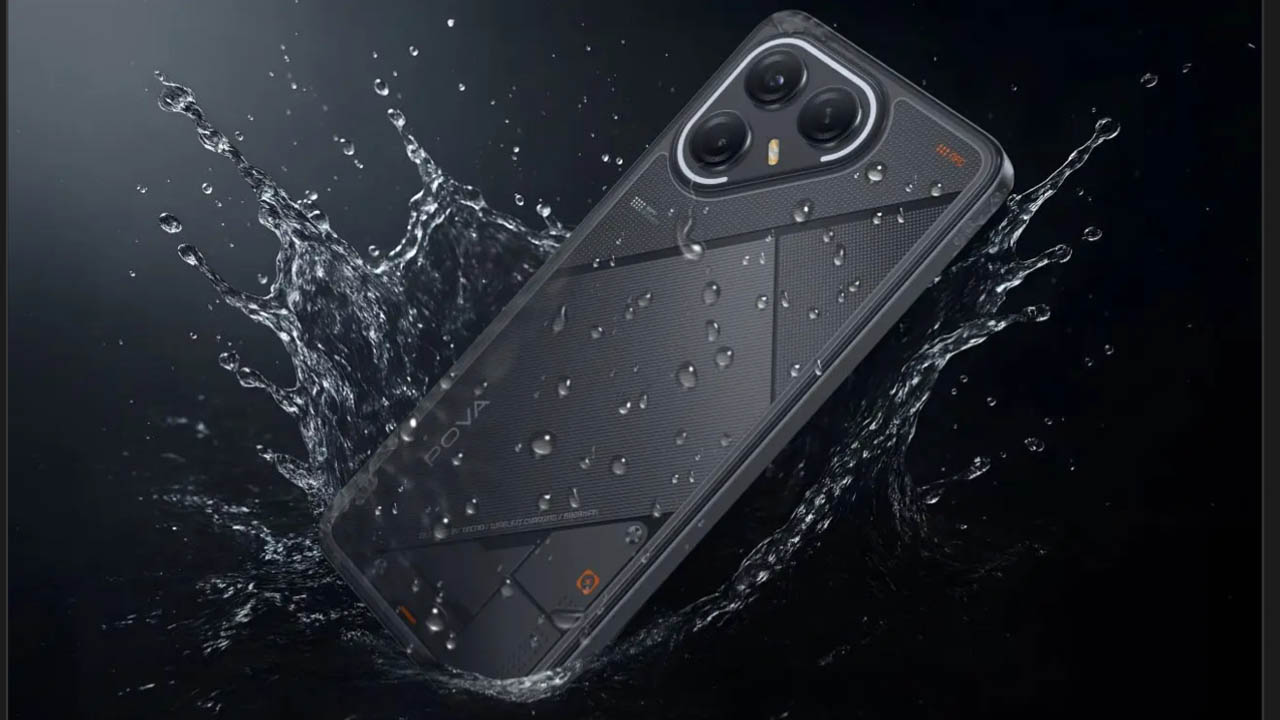
Build: The device feels dense and premium, weighing approximately 190g. It uses Vivo’s proprietary Armor Glass for drop resistance and carries an IP69 rating,
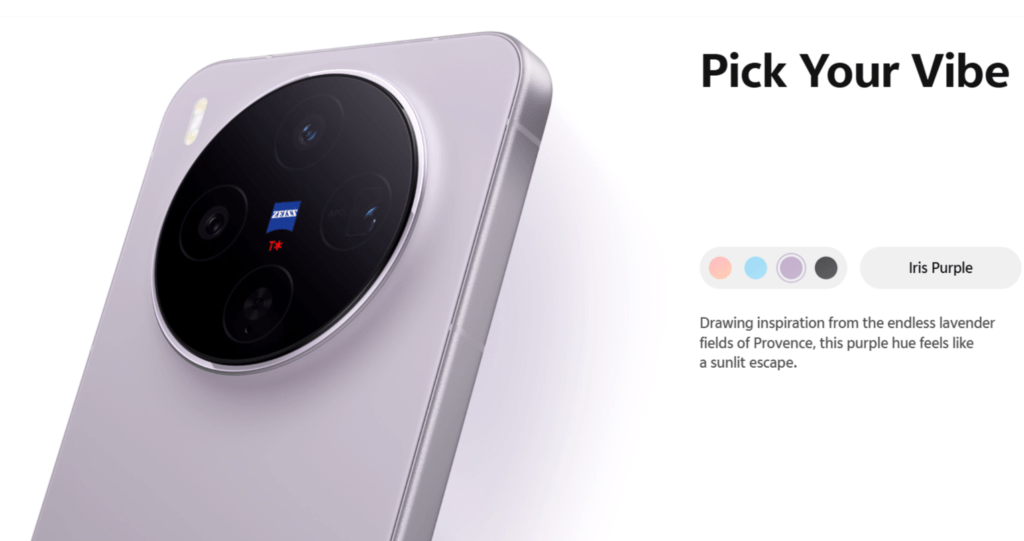
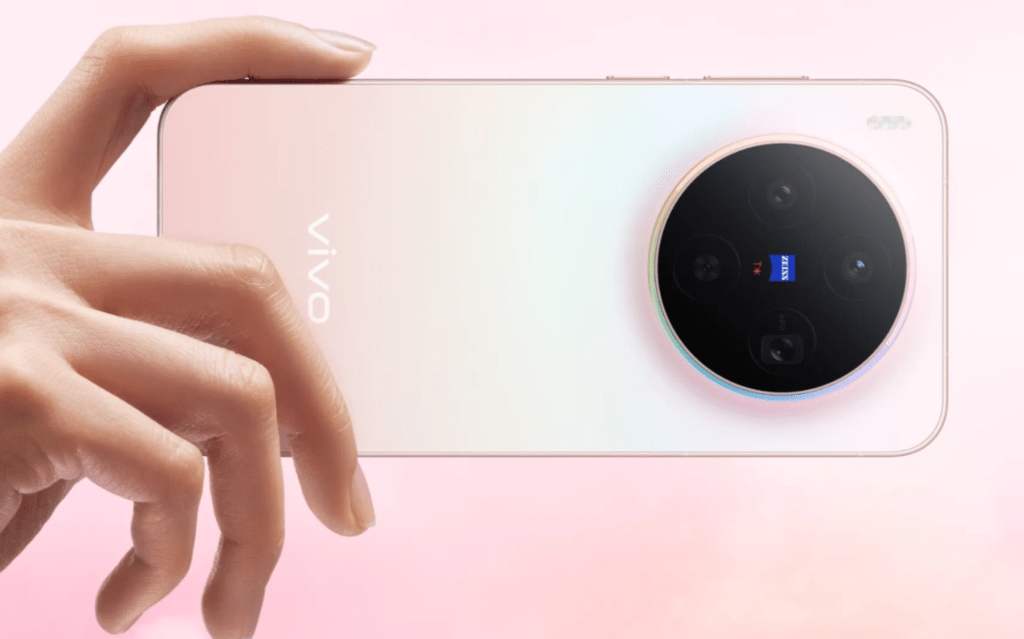
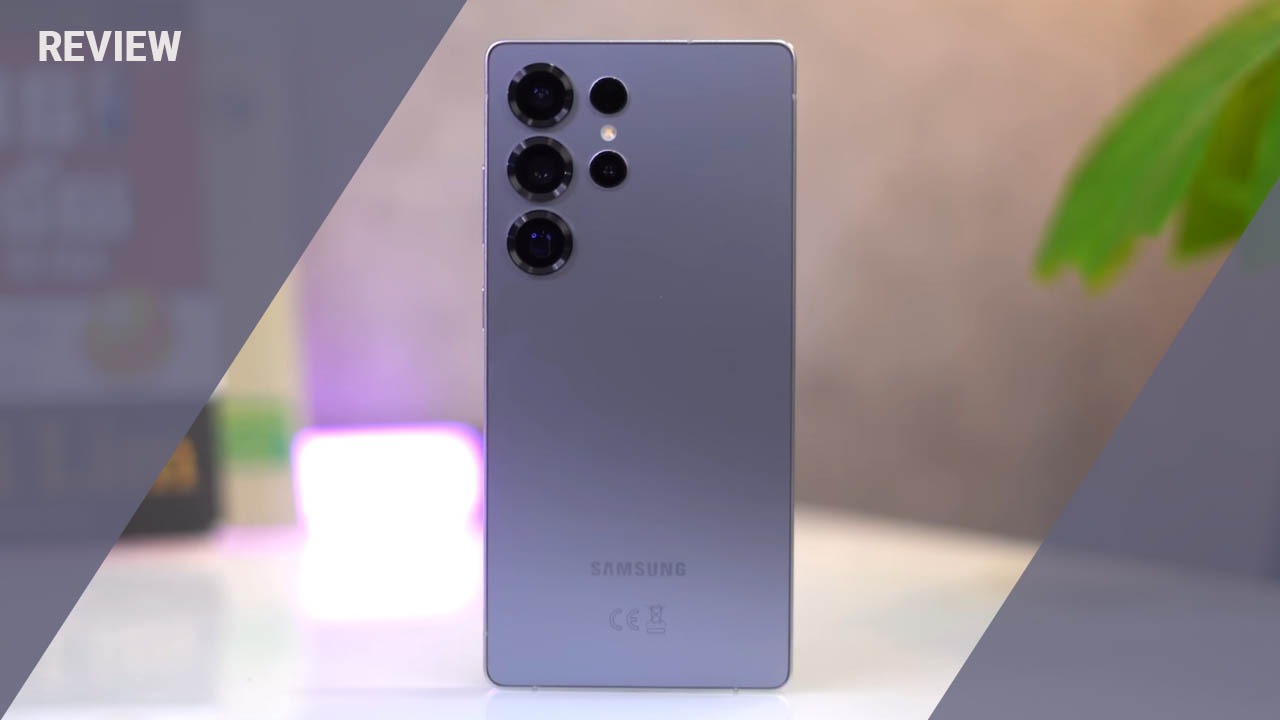
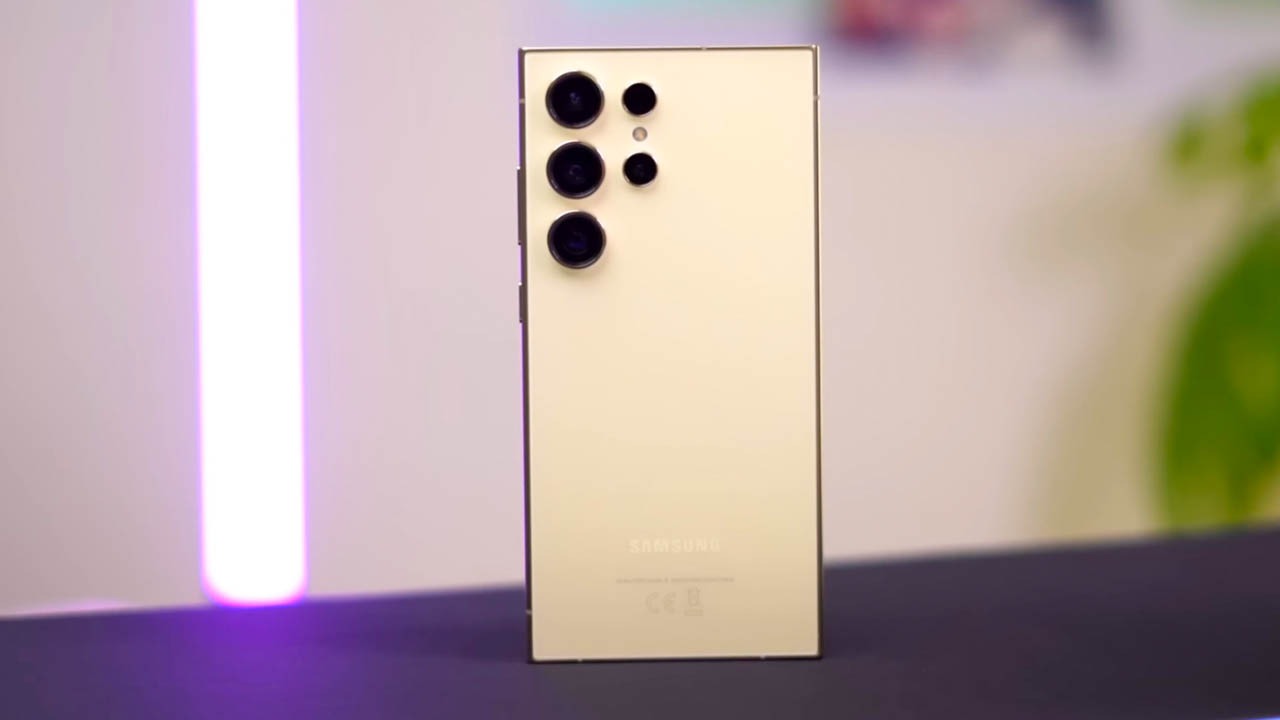
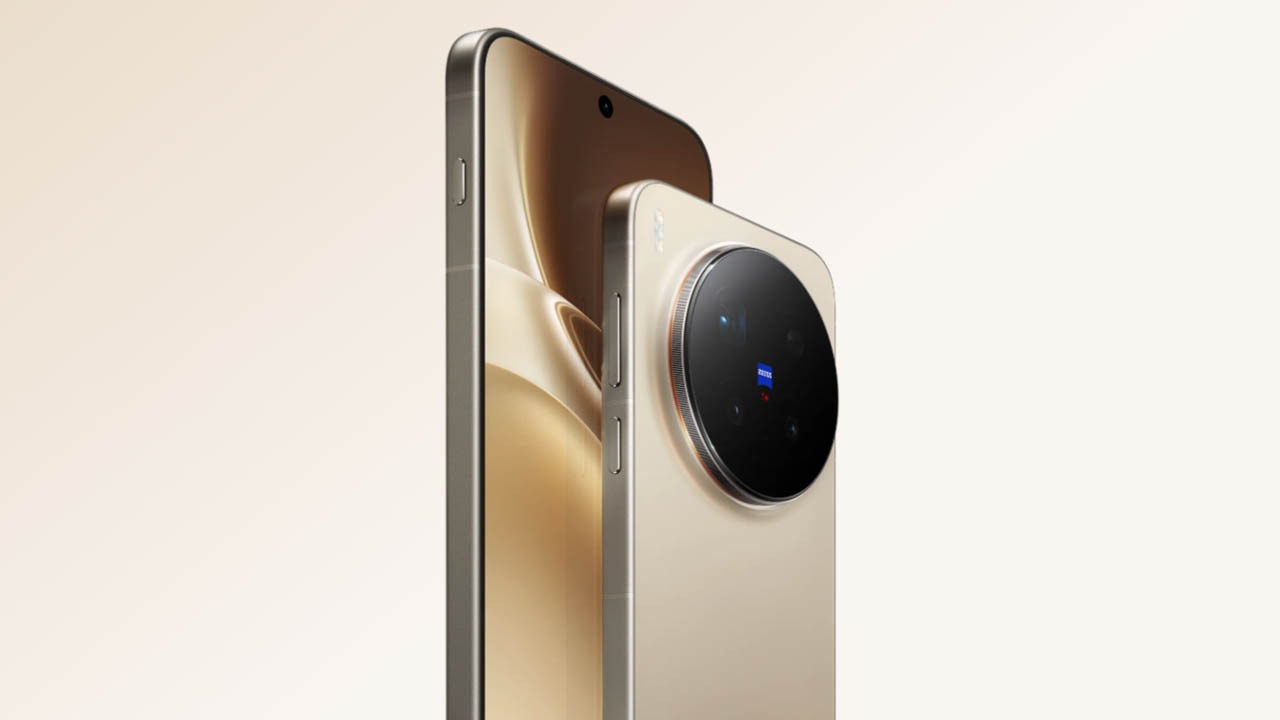
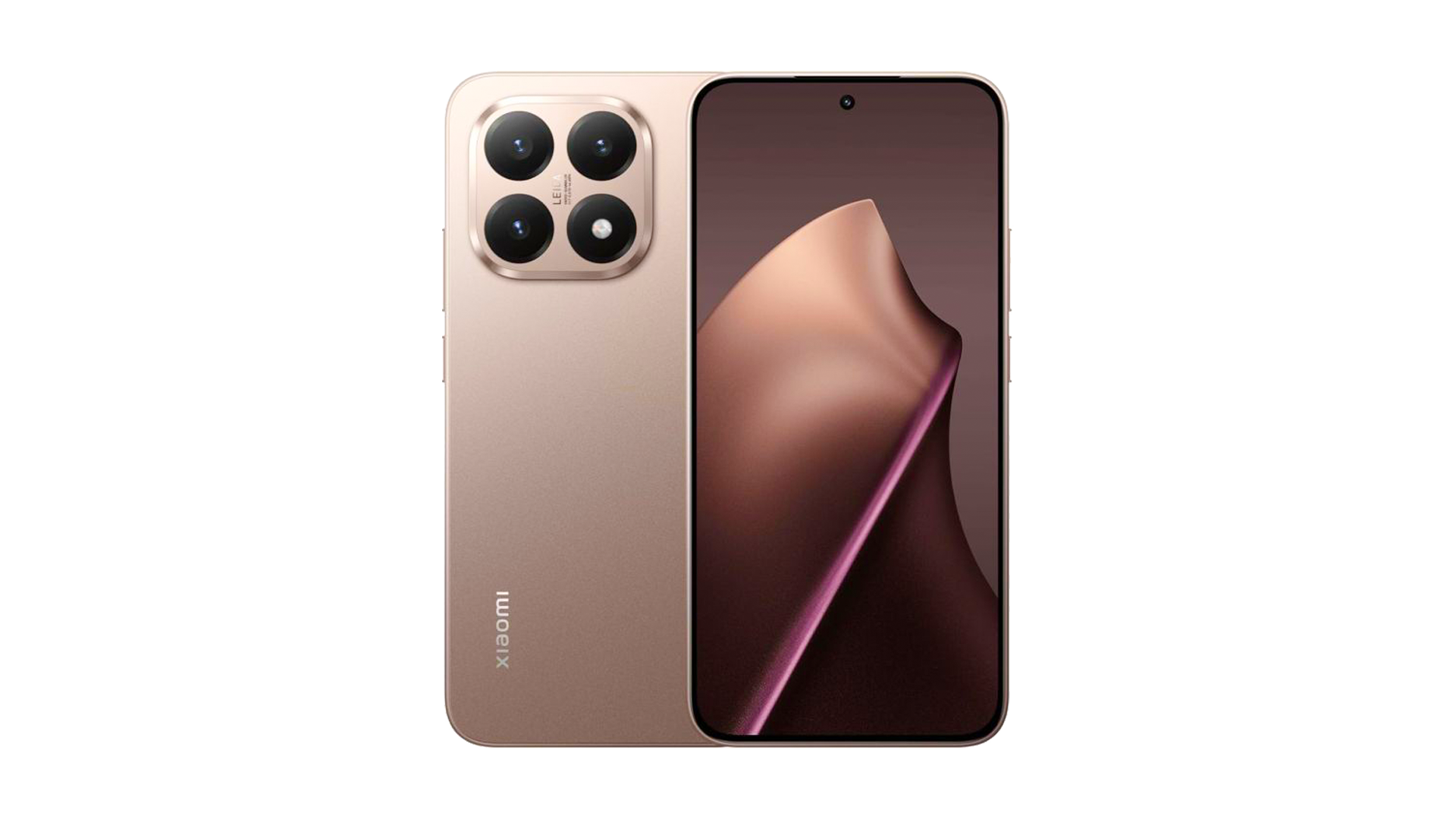
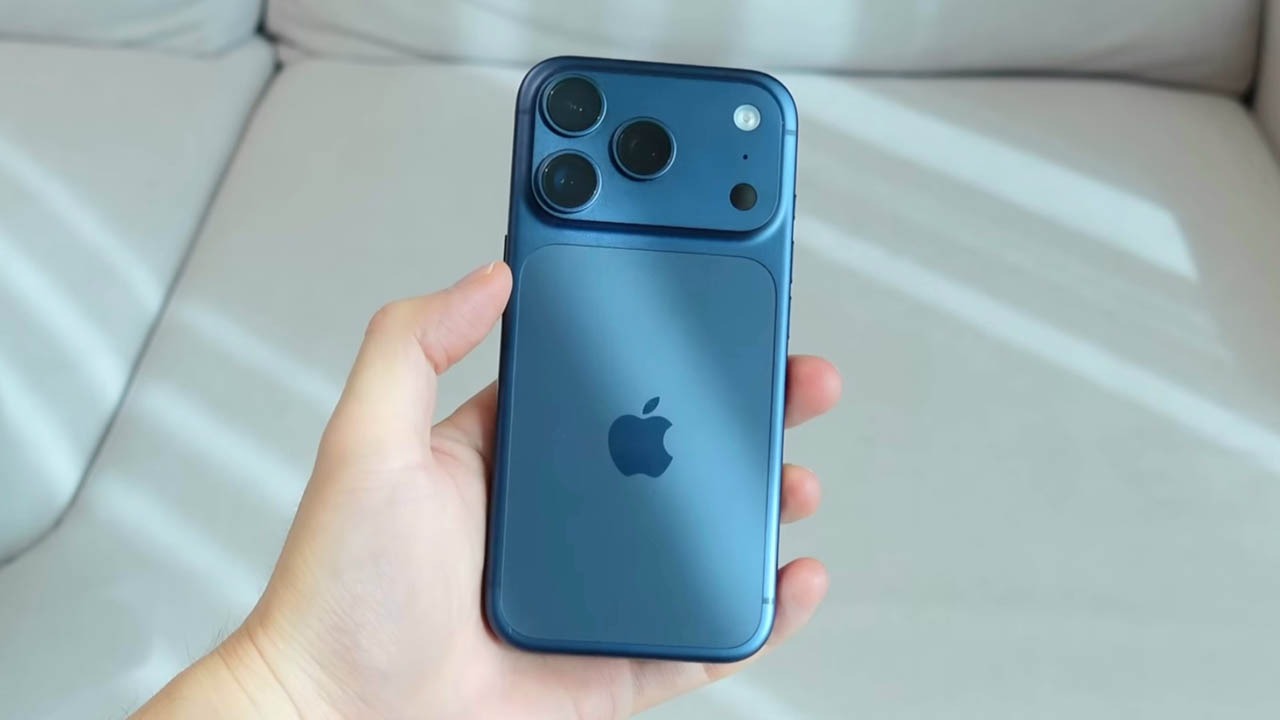
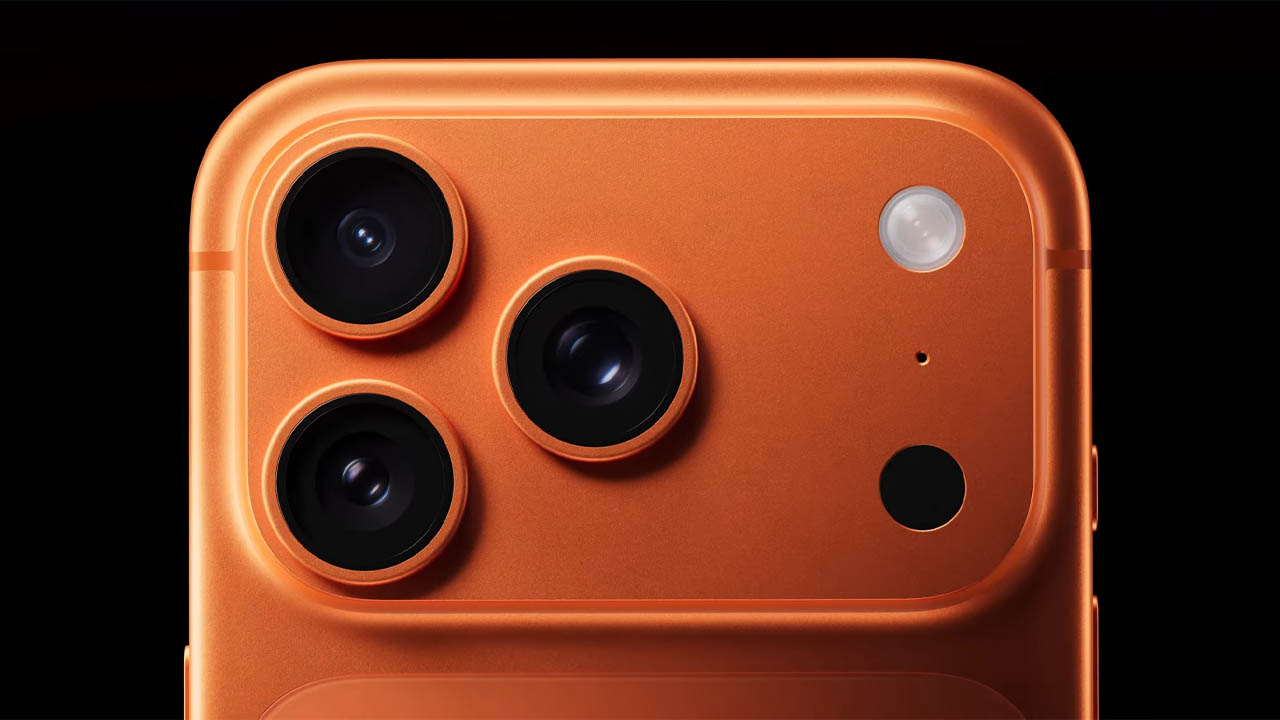
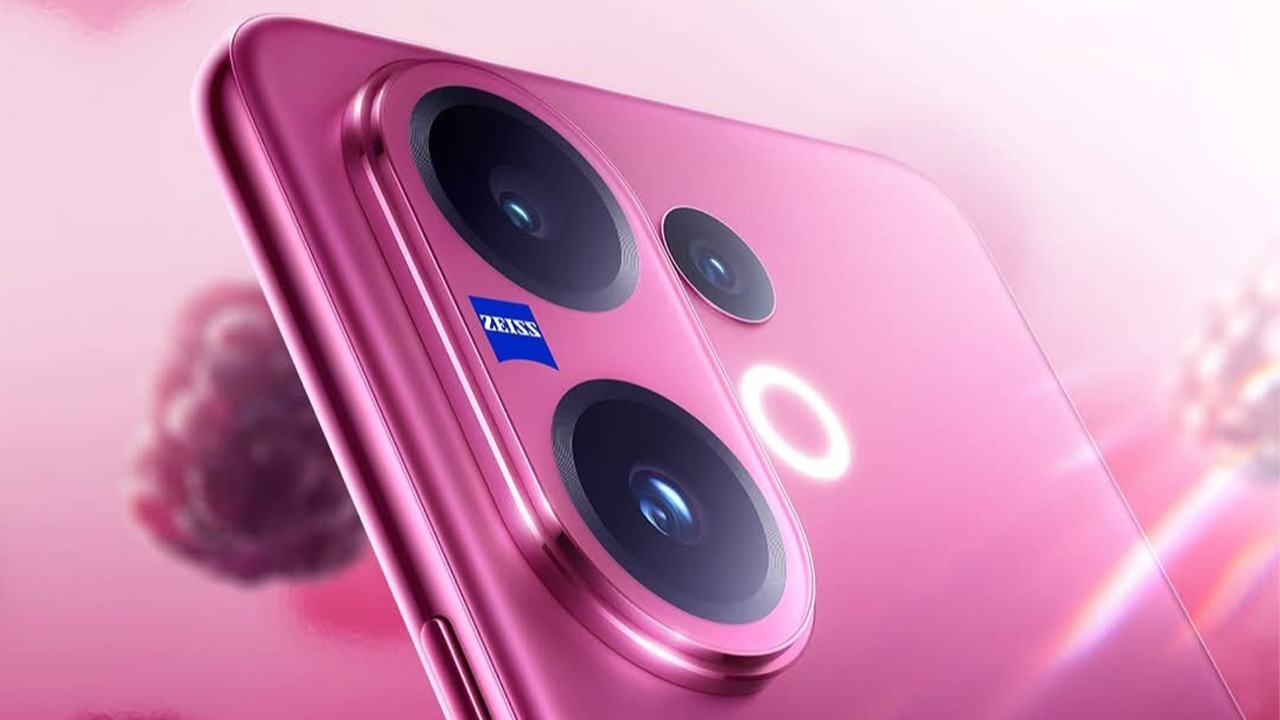
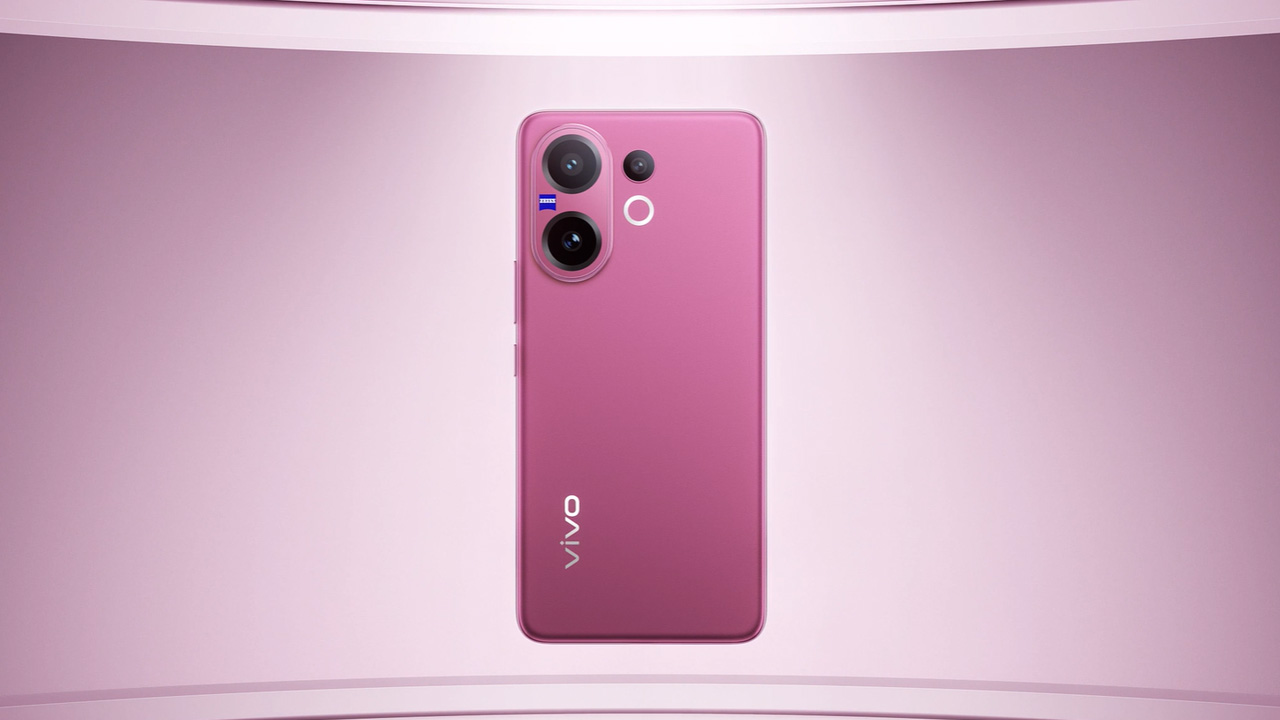
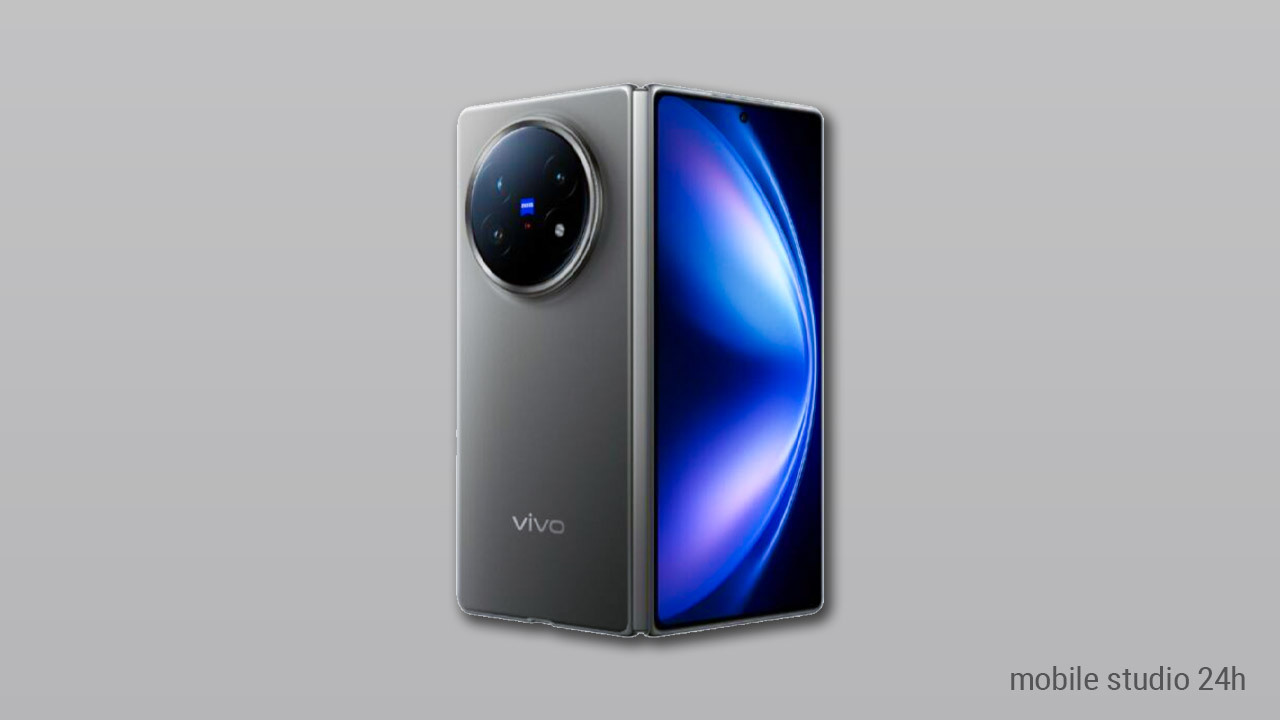
meaning it can withstand high-pressure water jets, not just submersion. The rear camera module retains the signature circular “Oreo” design but has been refined to sit more flush against the matte glass back.
Performance
Under the hood, the X300 does not compromise. It’s powered by MediaTek Dimensity 9,500 chipset, and built on a 3nm process.
This processor has shown in benchmarks to rival and often beat the Snapdragon 8 Gen 4 in multi-core efficiency.

Gaming: In real-world tests, the X300 handles titles like Genshin Impact and Call of Duty: Mobile at max settings without the thermal throttling often seen in smaller phones.
Vivo has implemented a new capillary vapor chamber cooling system that dissipates heat effectively despite the smaller surface area.
RAM/Storage: The base model starts at 12GB RAM + 256GB storage, with options going up to 16GB + 1TB (UFS 4.1).
Software: It ships with Android 16 layered with OriginOS 6. The new OS focuses on “Atomic Design” principles—fluid animations, live weather widgets,
and a clutter-free interface that feels significantly more polished than previous Funtouch OS iterations.
Cameras
The X series is defined by its cameras, and the X300 is no exception. It brings the “Pro” grade hardware to the non-Pro model.
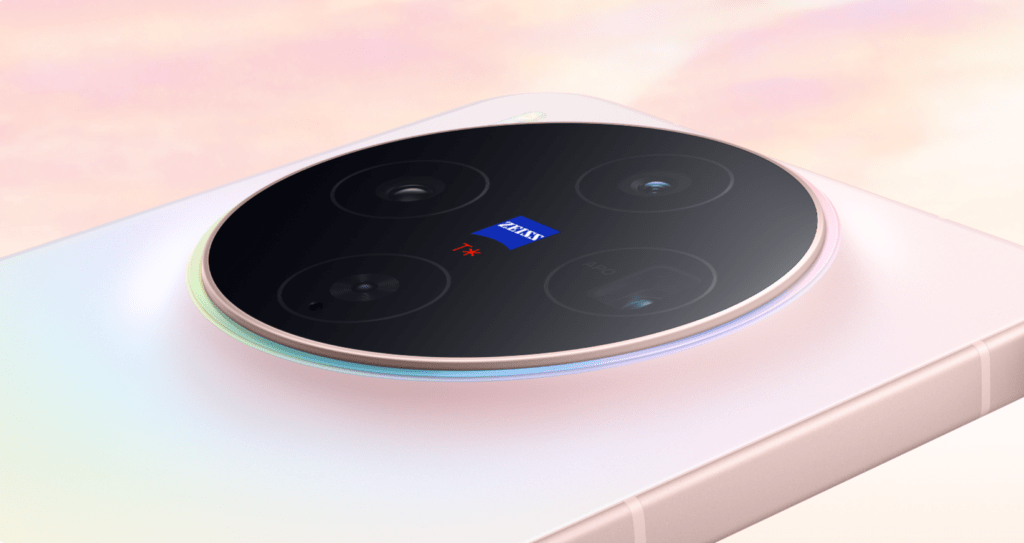
Main Sensor: A 50MP Sony LYT-800 series sensor (f/1.57 aperture) acts as the primary shooter. It captures incredible detail with excellent dynamic range, rivaling the Pixel’s computational photography.
The Showstopper (Telephoto): Unlike other compact phones that ditch the zoom lens, the X300 packs a 200MP Zeiss APO Telephoto camera. This is a periscope lens capable of 3x optical zoom and up to 100x digital zoom.
Ultrawide: A 50MP Ultrawide lens ensures consistency in color temperature across all three sensors.
Zeiss Features: The signature Zeiss T coating* eliminates lens flare, and the new Cinematic Portrait Video mode adds a professional bokeh effect to videos in real-time, focusing on the subject while blurring the background naturally.
Battery and Charging
The biggest weakness of small phones has always been battery life. Vivo has solved this using BlueVolt Silicon Carbon battery technology.

Capacity: The X300 houses a massive 6,040mAh battery. This is unheard of in a 6.3-inch phone (where 4500mAh was previously the standard).
Endurance: In daily use, this translates to an easy 1.5 to 2 days of moderate usage. You no longer need to carry a power bank just because you prefer a small phone.
Charging: It supports 90W Wired FlashCharge (0 to 100% in roughly 35 minutes) and 30W Wireless Charging.
Verdict: The Best Small Android Phone?
Priced aggressively at approximately ₹75,999 (approx. $900), the Vivo X300 fills a void in the market. It is for the user who wants the best camera system available, but refuses to carry a brick-sized device.