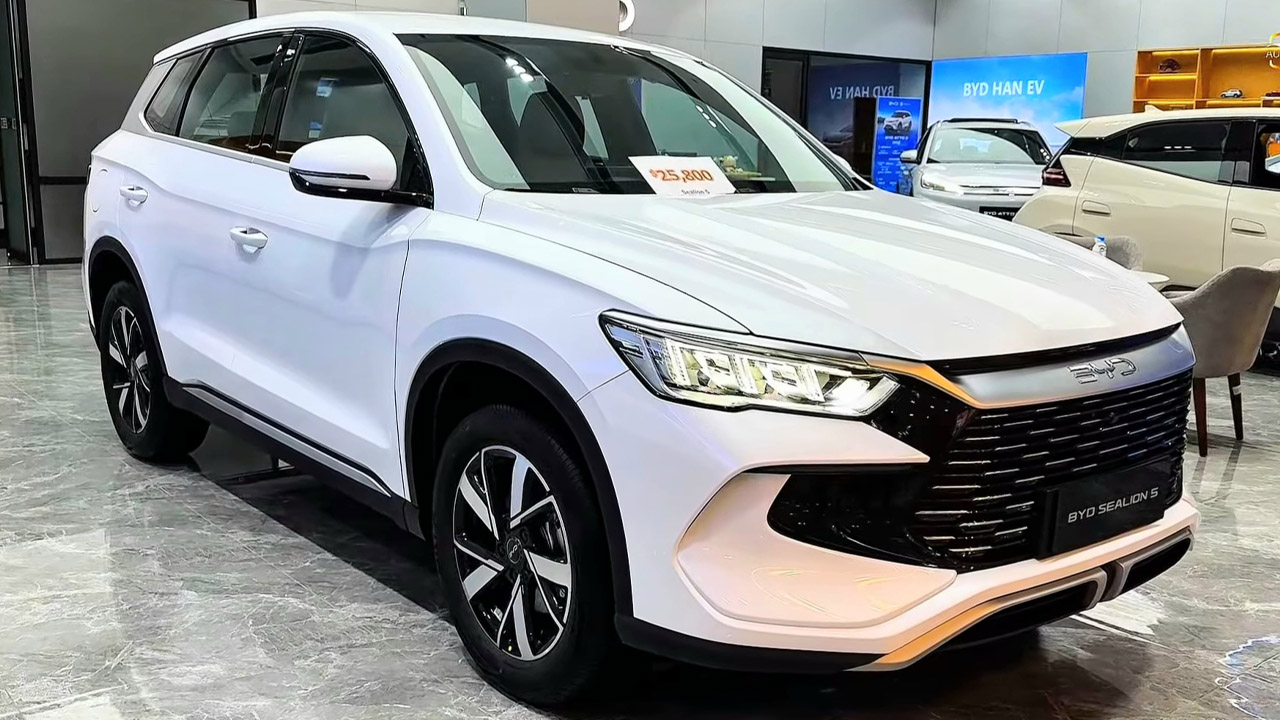
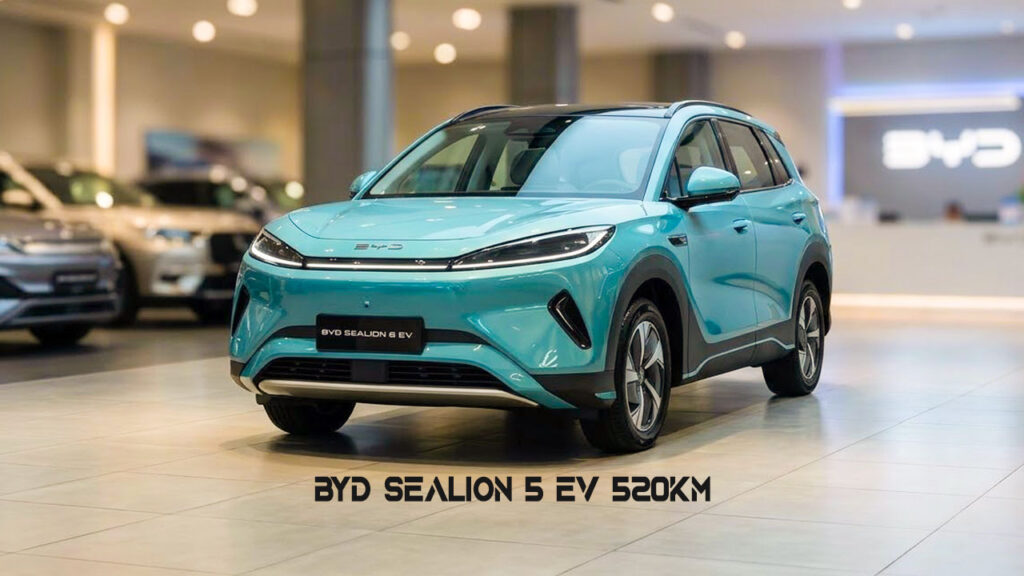
The global transition toward electrification has accelerated rapidly, putting immense pressure on legacy automakers and EV startups alike to deliver vehicles that combine long driving ranges, cutting-edge technology, and everyday affordability. BYD continues to lead this charge through its expanding Ocean network. Among its most strategic offerings is the BYD Sealion 5 EV (also referred to in global markets as the Sealion 05 EV), particularly the mid-tier 520km range variant.
Built upon advanced native EV architecture, this pure-electric compact crossover bridges the gap between urban agility and long-distance capability. This comprehensive review evaluates how the Sealion 5 EV 520km performs across design, interior comfort, charging dynamics, driving behavior, and overall value.
Exterior Design and “Ocean Aesthetics”
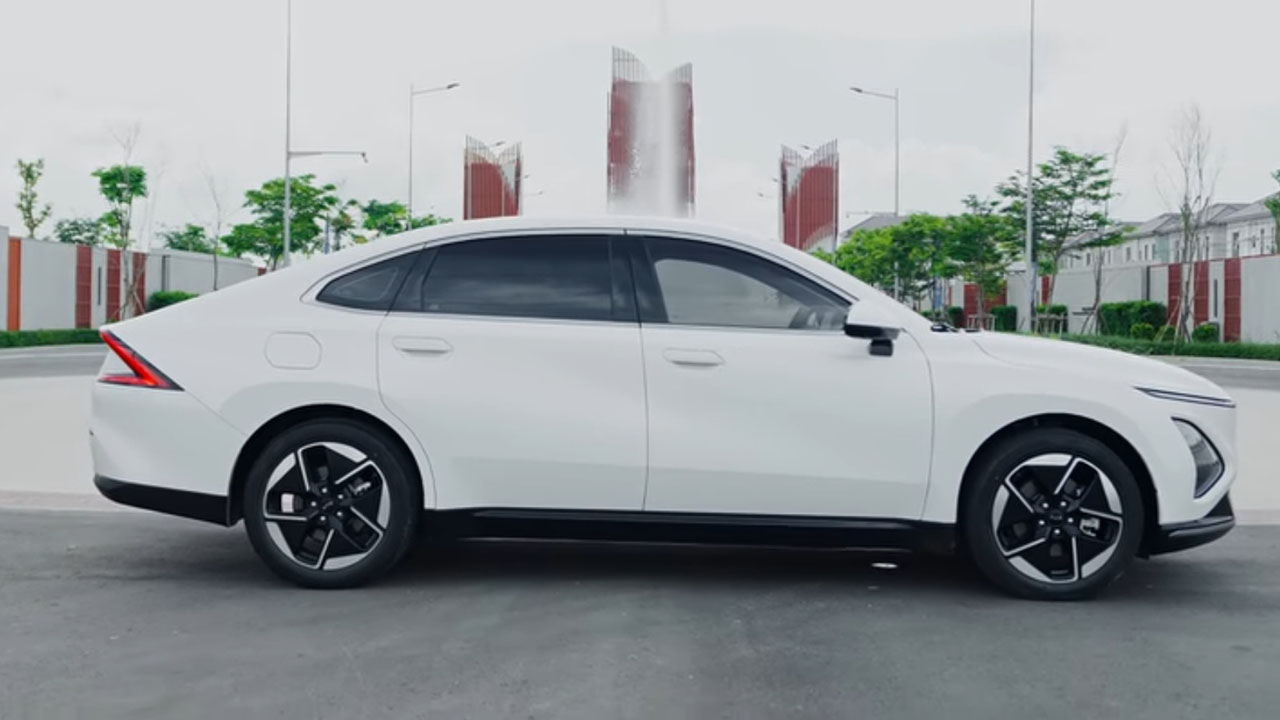
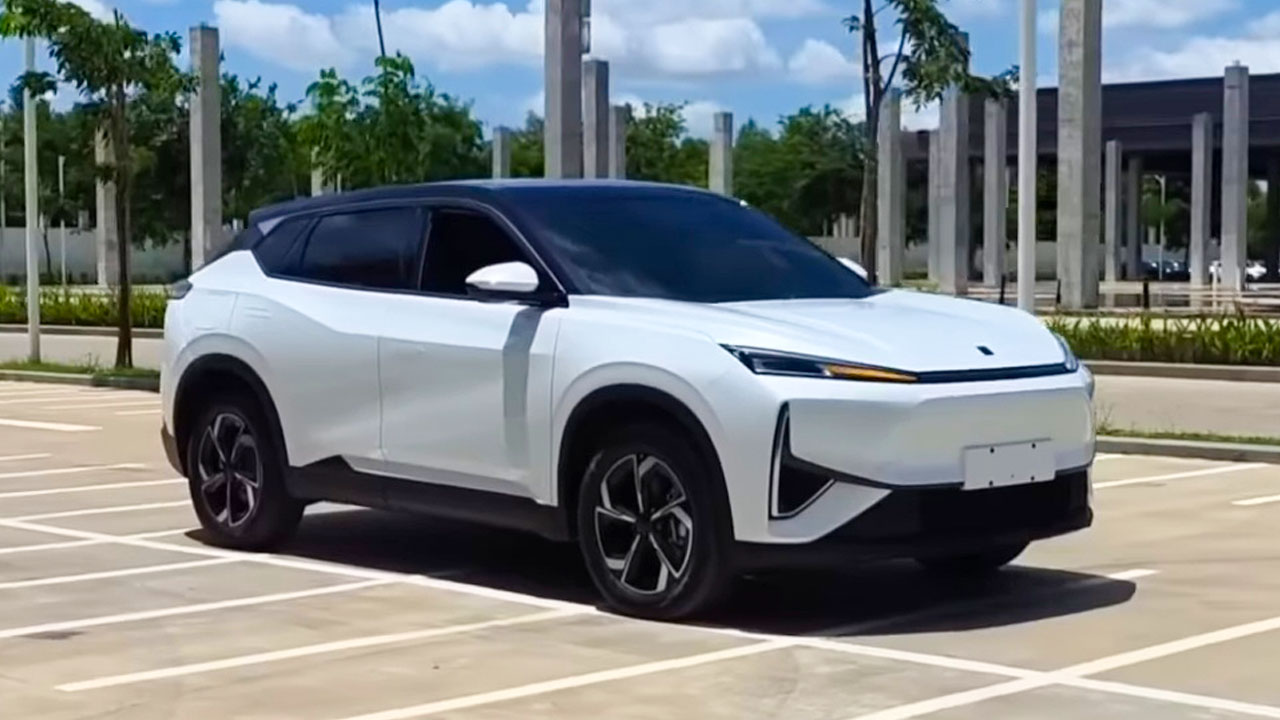
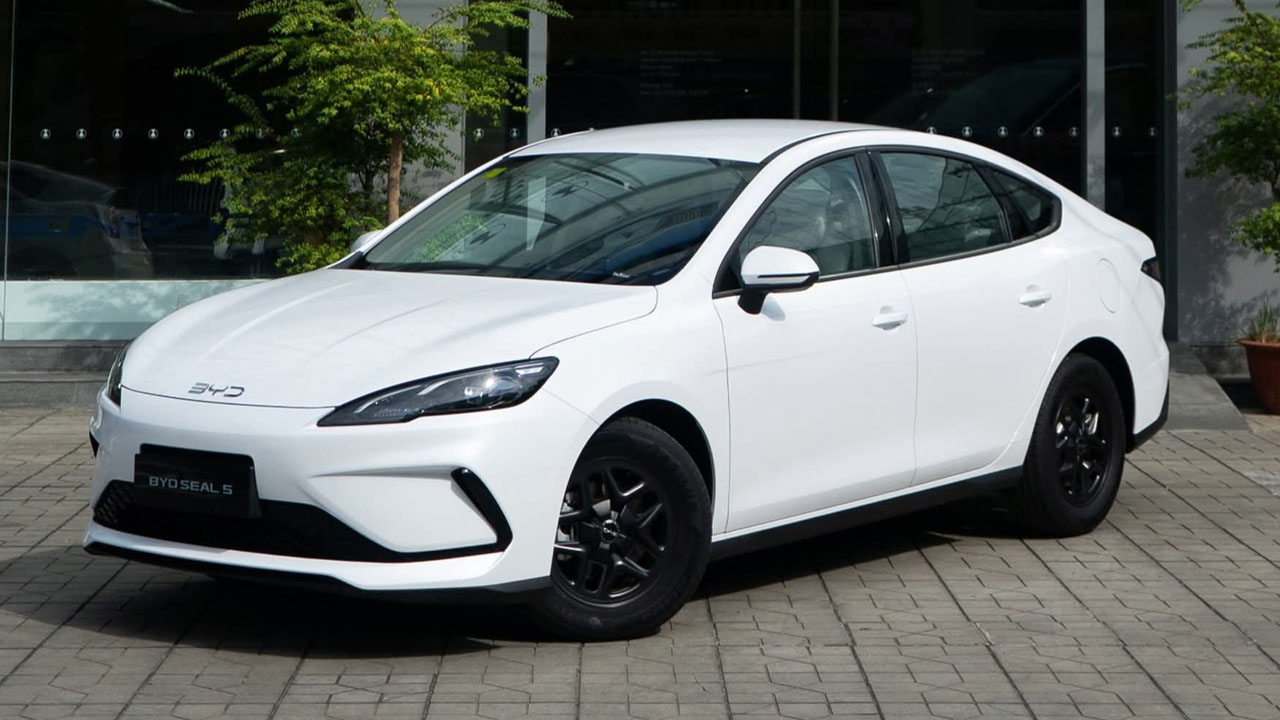
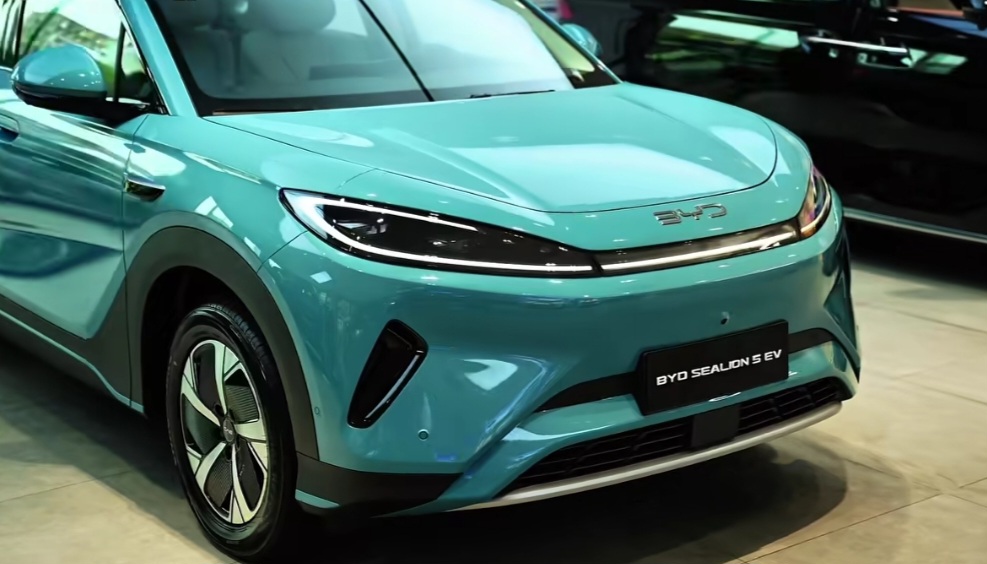
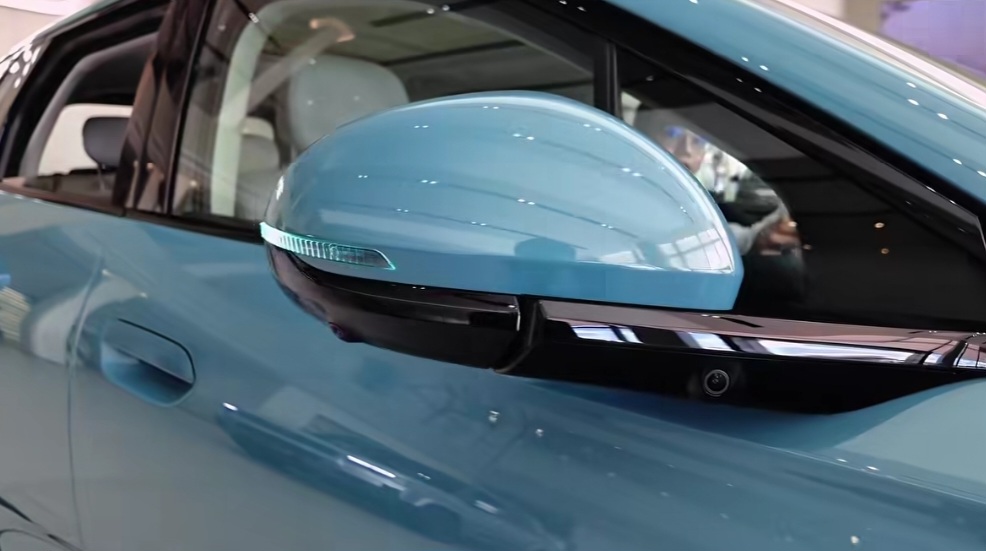
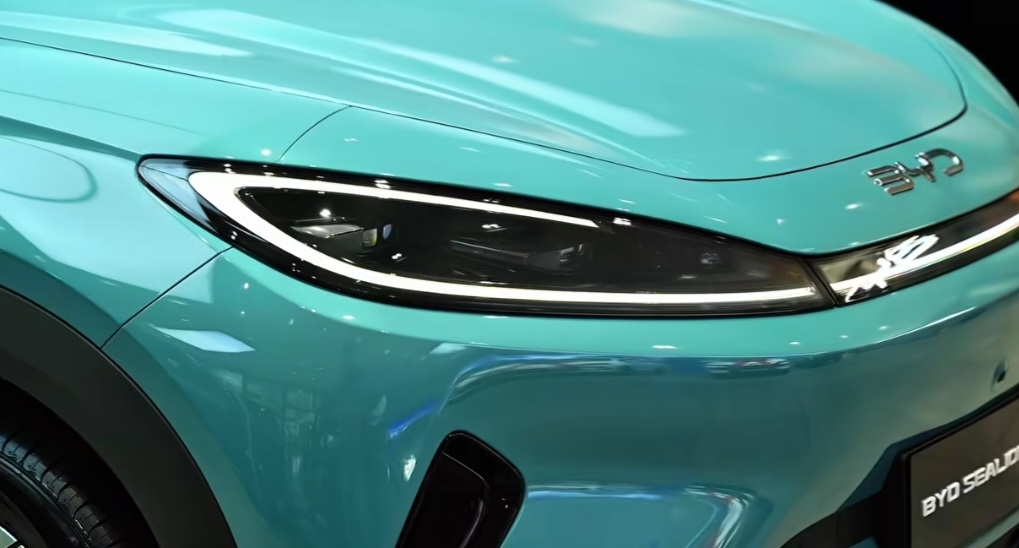
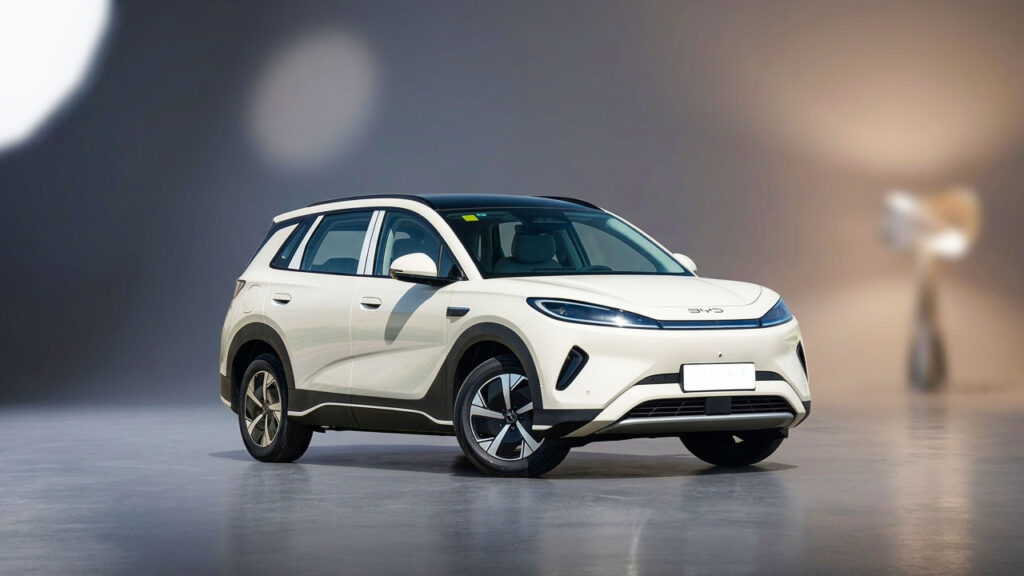
The Sealion 5 EV proudly carries BYD’s signature Ocean Aesthetics design language, formulated under the guidance of design chief Wolfgang Egger. Unlike its sibling plug-in hybrid variants that rely on conventional cooling grilles, the pure-electric Sealion 5 EV adopts a clean, closed-off front fascia optimized for aerodynamic efficiency.
- Aerodynamic Profile: Sculpted lines, smooth side surfaces, and semi-concealed door handles contribute to a low drag coefficient (Cd = 0.28), which actively maximizes highway efficiency.
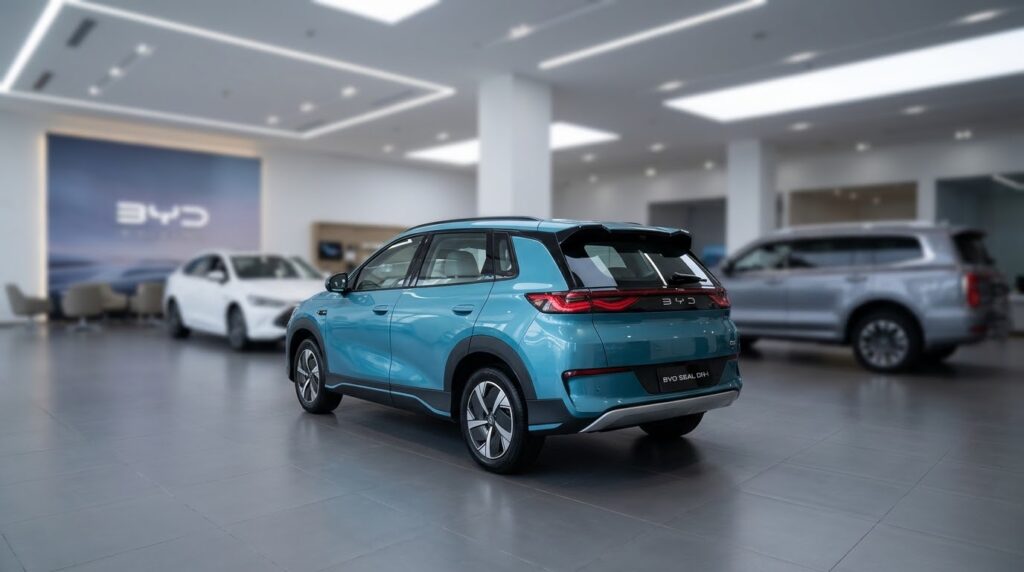
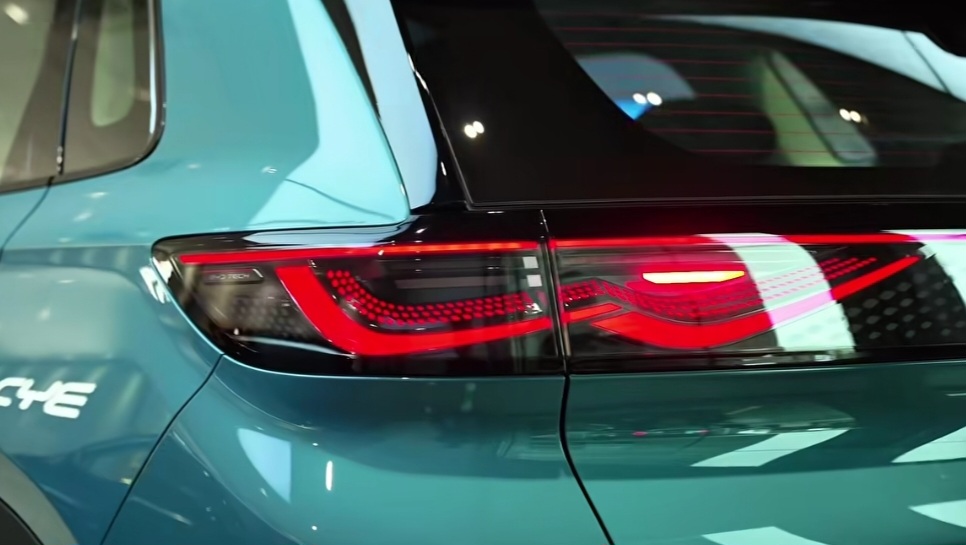
- Lighting and Stance: The front features sharp, full-LED headlamps connected by a sleek aesthetic contour, while the rear showcases a continuous, full-width LED light bar.
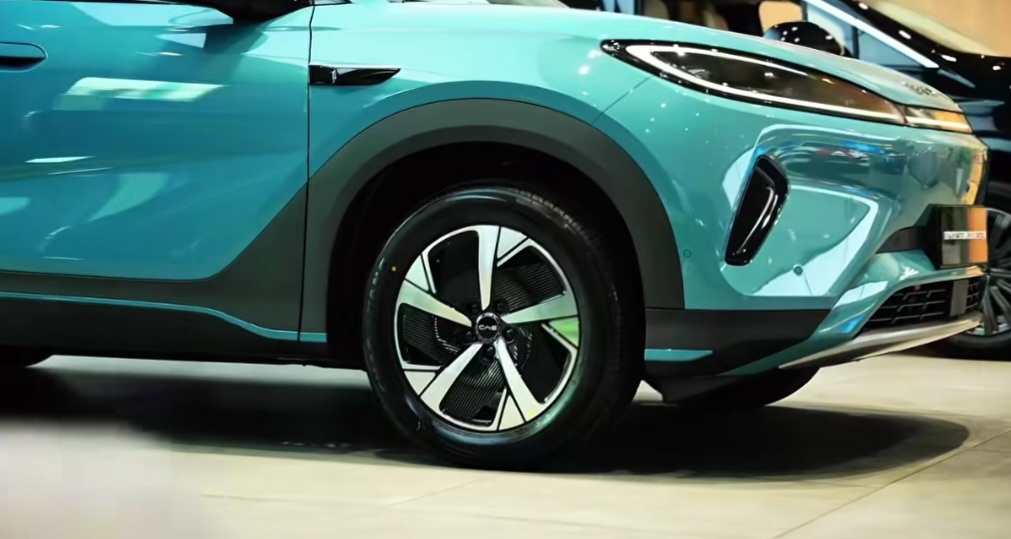
- Dimensions: Measuring 4,520 mm in length, 1,860 mm in width, and 1,630 mm in height, with a generous 2,720 mm wheelbase, the vehicle strikes an ideal balance for urban parking without sacrificing interior room. The 520km variant sits on stylish low-wind-resistance alloy wheels.
Battery, Powertrain, and the 520km Range Experience
At the heart of the Sealion 5 EV 520km is BYD’s world-renowned Blade Battery (Lithium Iron Phosphate) technology, known for its exceptional thermal stability and safety credentials.
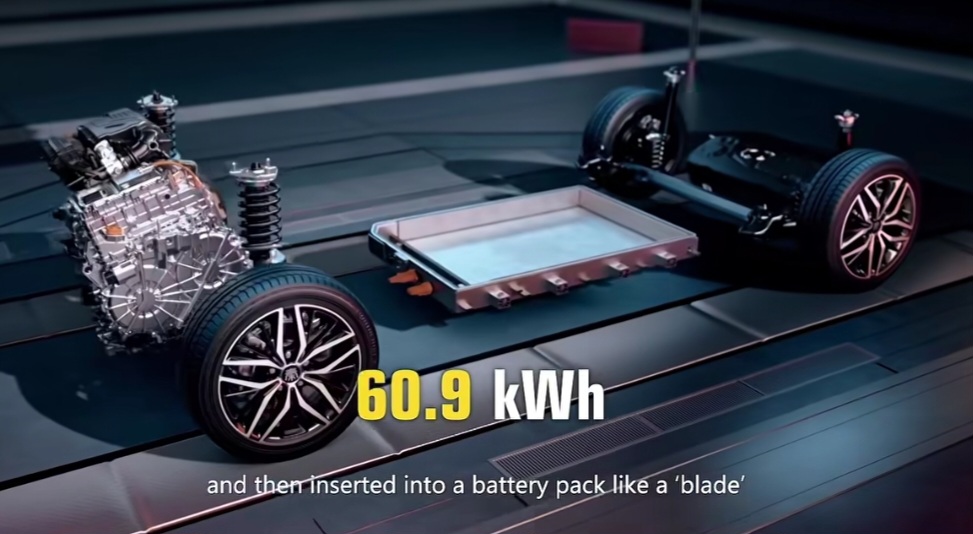
- Battery Capacity: The 520km model houses a robust 60.9 kWh Blade Battery pack.
- Electric Motor: Power is sent exclusively to the rear wheels via a rear-mounted permanent magnet synchronous motor generating 160 kW (218 horsepower) and 330 Nm of torque.
- Performance: It dispatches the 0–100 km/h sprint in a brisk 7.2 seconds, providing plenty of punch for overtaking maneuvers and snappy urban lane changes.
Real-World Range and Charging Speeds
The claimed 520 km CLTC range translates to a very comfortable real-world operating window under mixed driving conditions, easily covering a full week of commuting on a single charge.
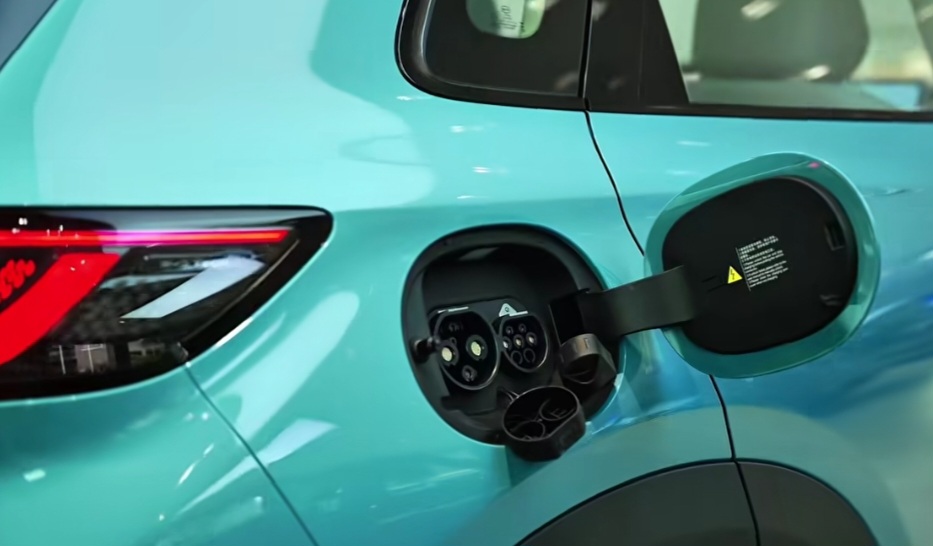
When it is time to replenish power, the Sealion 5 EV supports rapid DC fast charging. Thanks to its advanced electrical architecture, plugging into a high-powered DC station allows the battery to charge from 30% to 80% in approximately 18 minutes, minimizing downtime on longer road trips.
Interior Comfort, Packaging, and Practicality
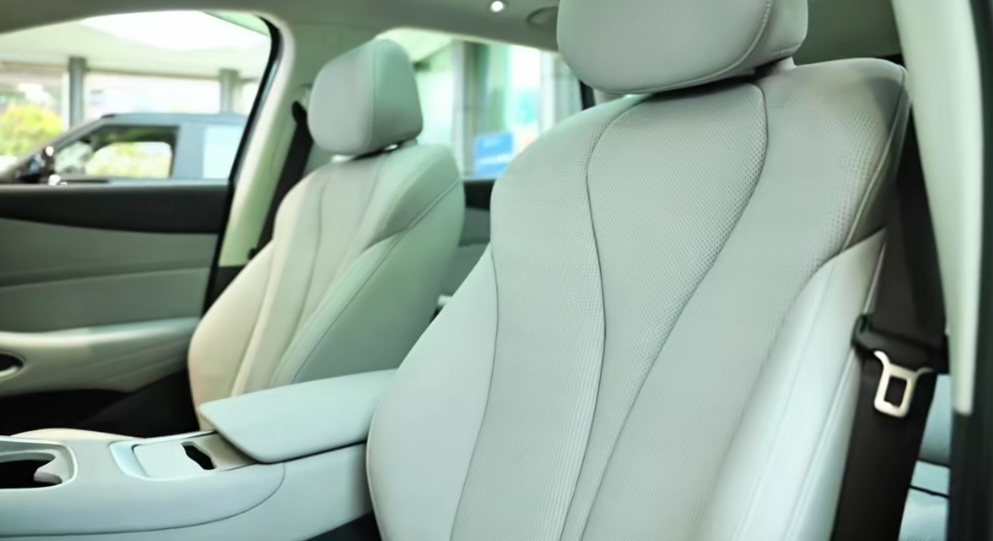
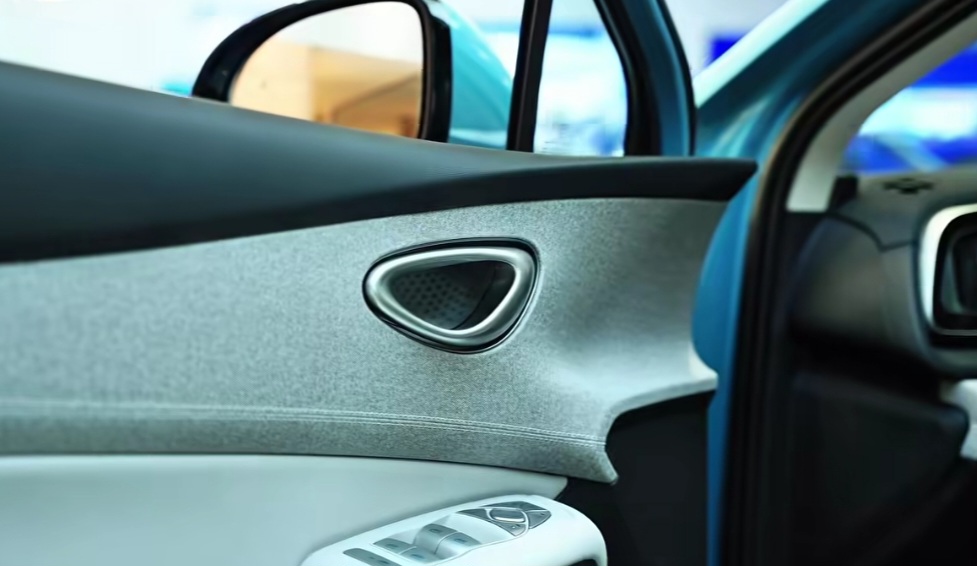
Thanks to its dedicated EV platform layout, the interior packaging of the Sealion 5 EV punches well above its exterior footprint.
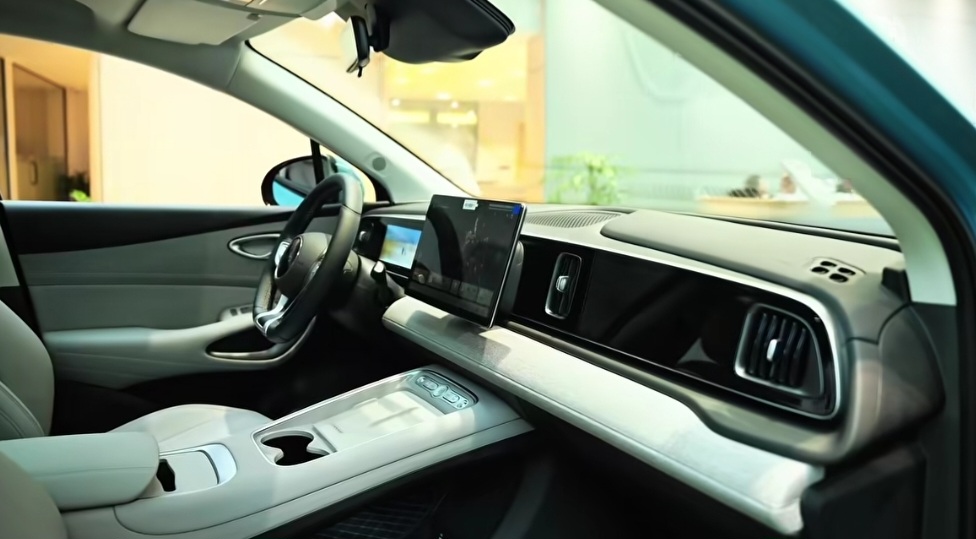
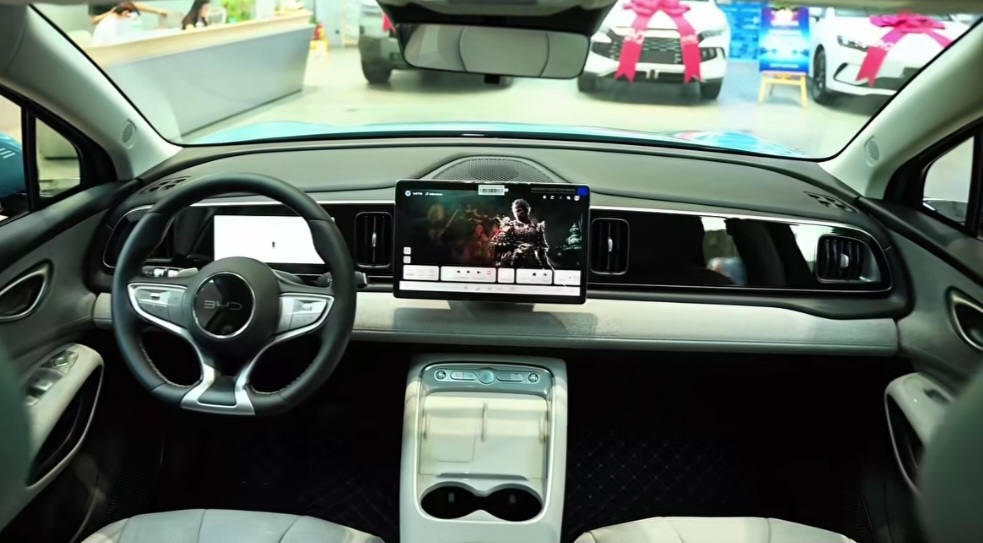
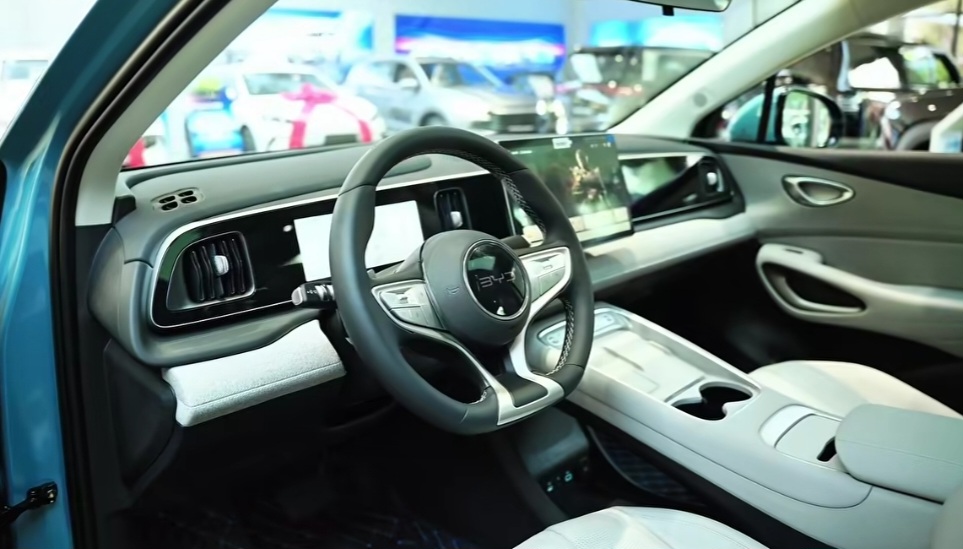
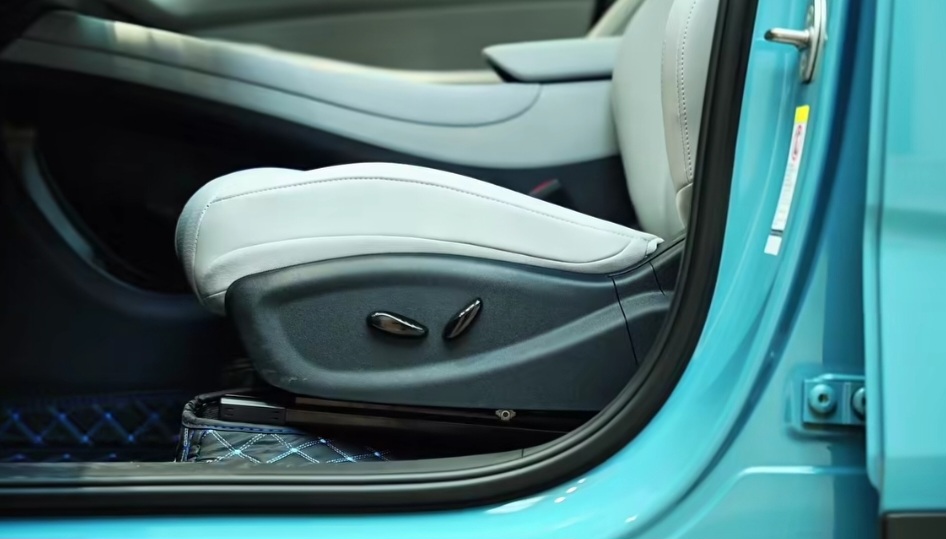
- Cabin Layout: The interior features a symmetrical dashboard layout anchored by an 8.8-inch full LCD instrument cluster and a signature 12.8-inch rotating touchscreen infotainment system. The interface is responsive, supporting crisp graphics and seamless smartphone integration.
- Storage Innovations: Practicality is a standout feature. In addition to a flat rear floor that ensures ample legroom for adult rear passengers, the vehicle provides a generous 600-litre boot that expands up to 1,460 litres with the rear seats folded down. Furthermore, it features a convenient 110-litre front trunk (frunk), perfect for stowing charging cables and smaller gear.
Ride, Handling, and On-Road Dynamics
Moving away from front-wheel-drive economy layouts, the Sealion 5 EV utilizes a rear-engine, rear-wheel-drive layout paired with a sophisticated MacPherson strut front and rear five-link independent suspension.
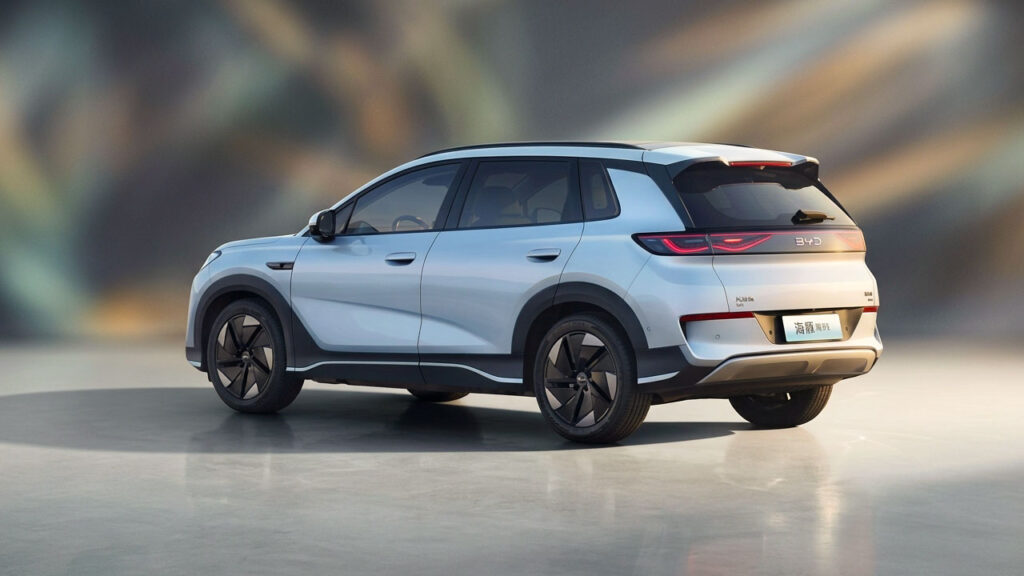
- Agility: The rear-drive setup allows for a tight turning radius (as small as 4.65 meters), making tight multi-story parking structures and narrow urban alleyways remarkably stress-free to navigate.
- Ride Comfort: The suspension damping leans toward a comfortable, compliant tune that absorbs potholes and road imperfections smoothly. Body roll through corners is well-contained, given the vehicle’s crossover proportions and battery weight.
Safety and Advanced Driver Assistance
Safety remains a core pillar of BYD’s vehicle engineering. The Sealion 5 EV benefits from the structural rigidity of the Blade Battery acting as a structural member of the chassis, alongside a comprehensive high-strength steel safety cage.
- Active Safety: Equipped with advanced intelligent driving assistance systems (such as the DiPilot suite utilizing high-definition cameras, ultrasonic sensors, and radar arrays), the vehicle includes full-speed adaptive cruise control, automatic emergency braking, lane-keep assist, and an efficient 360-degree panoramic camera system.
- Passive Protection: Multiple airbags and intelligent stability control systems come standard across the lineup.
Pros and Cons
Pros
- Impressive 520km Range: Offers substantial driving distance for daily commuting and regional travel on a single charge.
- Rapid Charging Capability: Supports fast DC charging, replenishing from 30% to 80% in just 18 minutes.
- Exceptional Practicality: Features a spacious 600-litre boot, a flat rear floor, and a handy 110-litre front trunk.
- Rear-Wheel Drive Dynamics: Provides engaging handling dynamics and a tight turning circle for effortless urban maneuvering.
- High-Value Positioning: Packs high-end technology, an L2 ADAS suite, and BYD’s ultra-safe Blade Battery at a competitive price point.
Cons
- Fixed Panoramic Glass Roof: Higher trims feature a fixed glass roof that lacks a physical sunshade, which can let in excess heat during peak summer months.
- Infotainment Menu Dependency: Shifting climate controls and vehicle customizations entirely into the rotating touchscreen reduces physical button convenience while driving.
- Rear Seat Adjustability: The second-row seats lack fore-aft sliding or reclining adjustments, limiting custom posture configurations on long journeys.
Who Should Buy It?
- Urban and Suburban Families: Ideal for households looking for a versatile, emissions-free crossover with ample cargo room and modern safety features.
- Daily Commuters Requiring Long Range: Perfect for drivers who want to minimize charging frequency, needing only a weekly top-up for standard work commutes.
- First-Time EV Buyers Looking for Value: Suited for motorists transitioning away from internal combustion engines who want robust range and fast-charging tech without paying luxury-brand prices.
Specifications Table
| Feature / Specification | BYD Sealion 5 EV (520km Variant) |
| Energy Type | Pure Electric (EV) |
| Platform | e-Platform 3.0 Evo |
| Drivetrain | Rear-Engine, Rear-Wheel Drive (RWD) |
| Battery Type / Capacity | BYD Blade Battery (LFP) / 60.9 kWh |
| CLTC Pure Electric Range | Up to 520 km |
| Motor Power & Torque | 160 kW (218 hp) / 330 Nm |
| Acceleration (0–100 km/h) | 7.2 seconds |
| DC Fast Charging (30%–80%) | Approx. 18 minutes |
| Dimensions (L x W x H) | 4,520 mm x 1,860 mm x 1,630 mm |
| Wheelbase | 2,720 mm |
| Cargo Capacity | 600L rear boot (expands to 1,460L) + 110L frunk |

FAQ
Q: What is the real-world driving range of the BYD Sealion 5 EV 520km?
A: While rated for 520 km on the CLTC cycle, real-world mixed driving typically yields between 400 and 430 km depending on climate, payload, and highway speeds.
Q: How long does it take to charge the 520km variant?
A: Using a high-power DC fast charger, the vehicle can replenish its battery from 30% to 80% in approximately 18 minutes. Standard AC home charging takes around 7 to 8 hours from empty.
Q: Does the Sealion 5 EV have a front trunk (frunk)?
A: Yes, it features a practical 110-litre front storage compartment in addition to its rear 600-litre boot.
Q: What drivetrain layout does this EV use?
A: It utilizes a rear-engine, rear-wheel-drive layout powered by a permanent magnet synchronous motor.