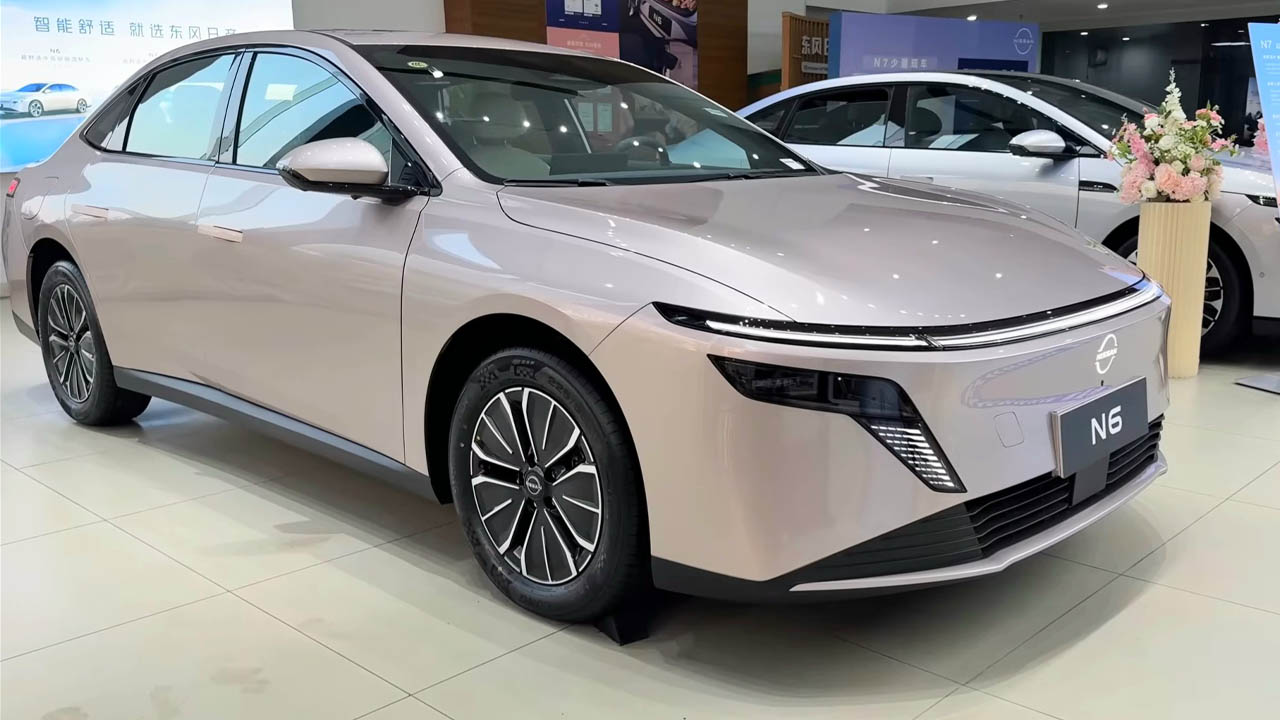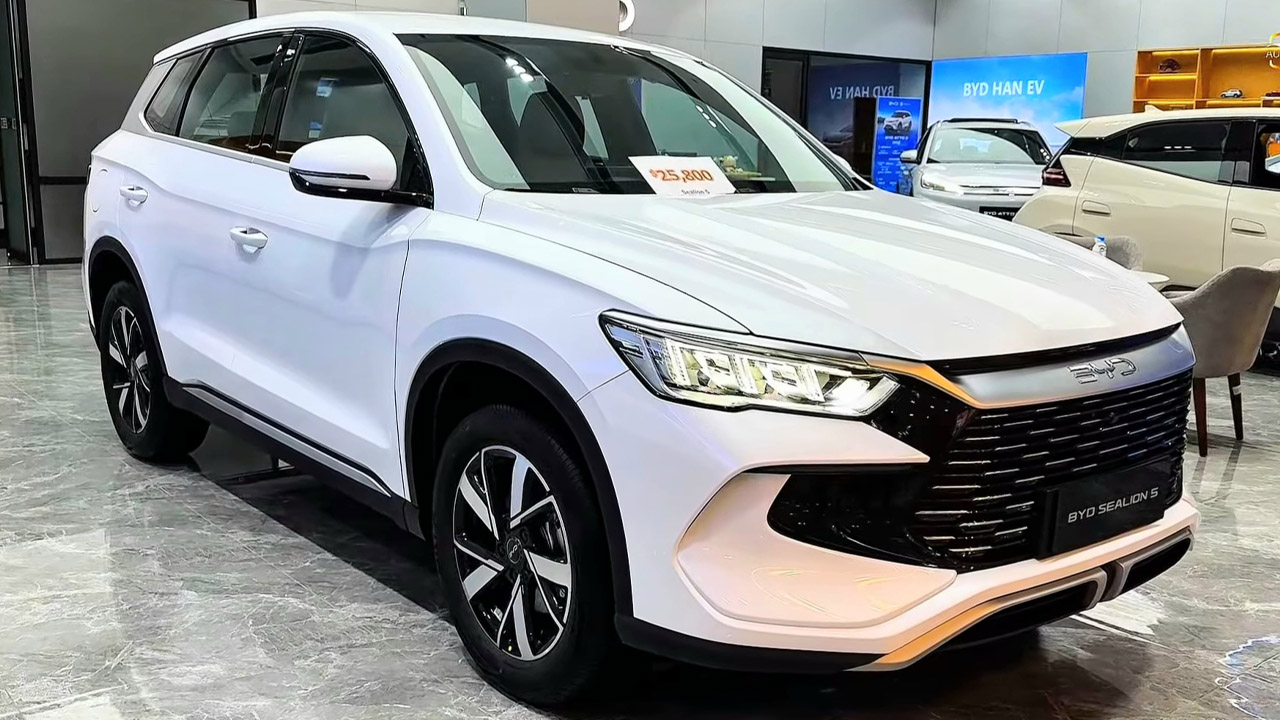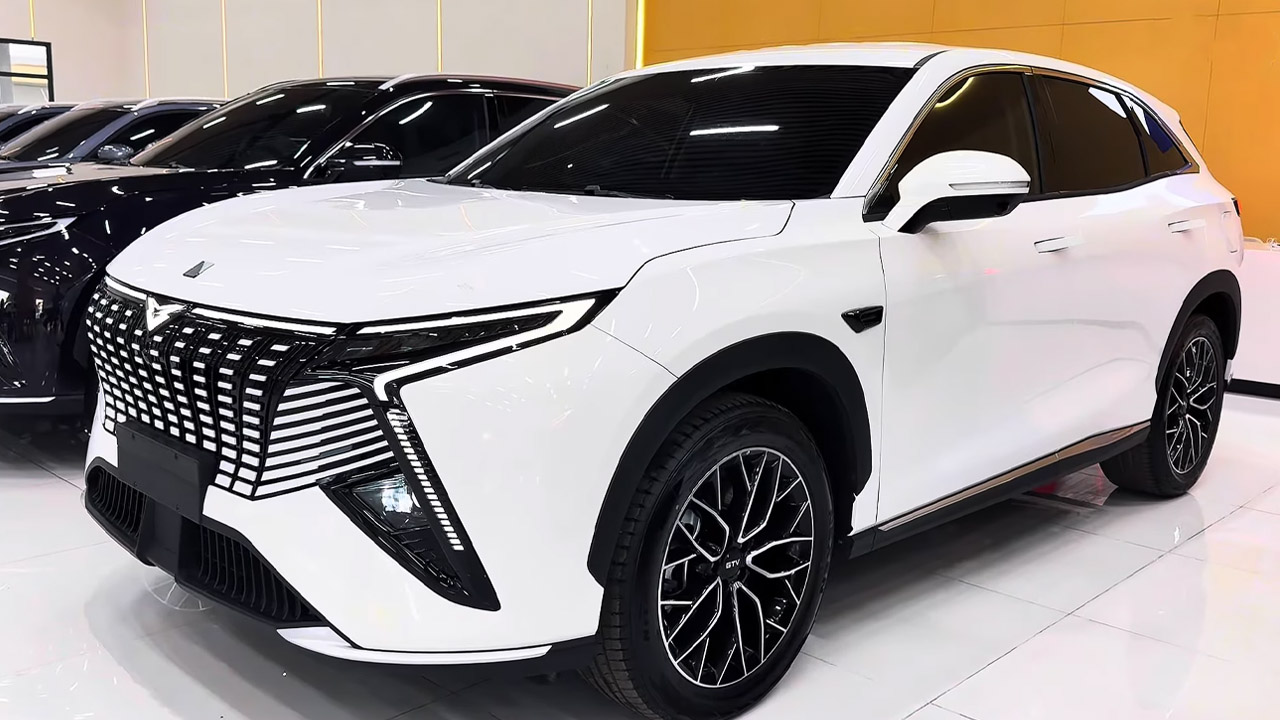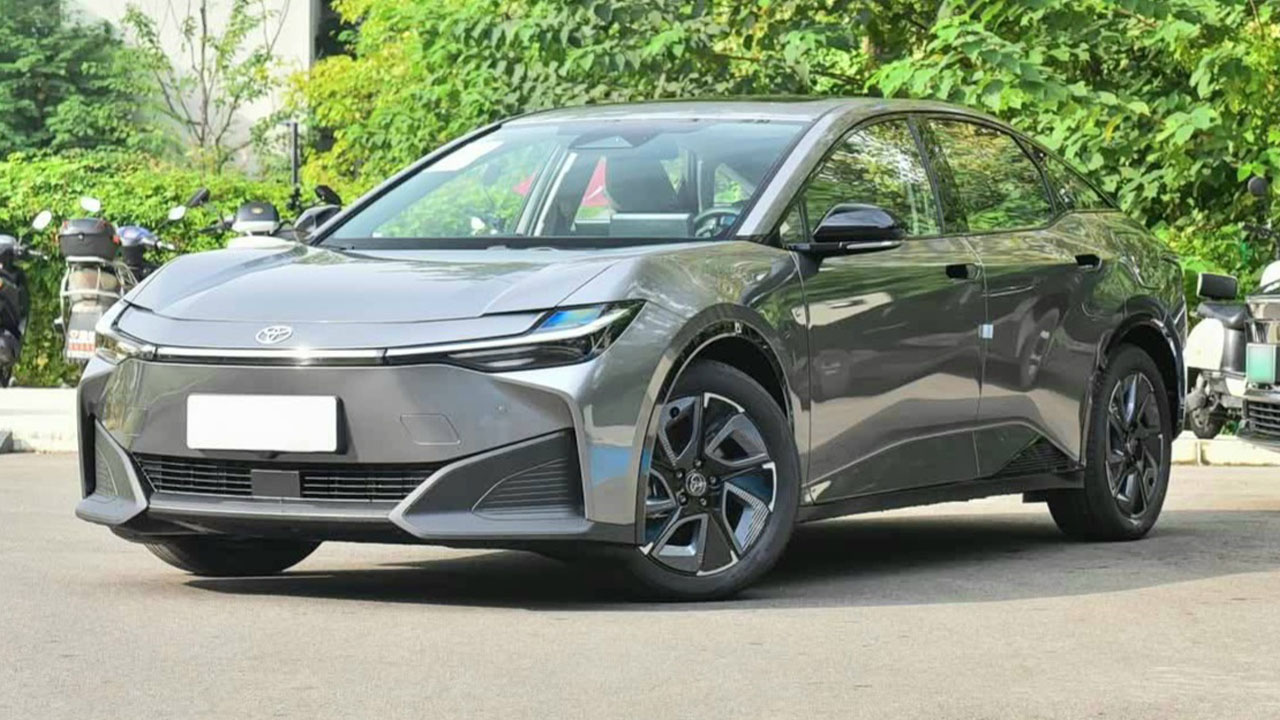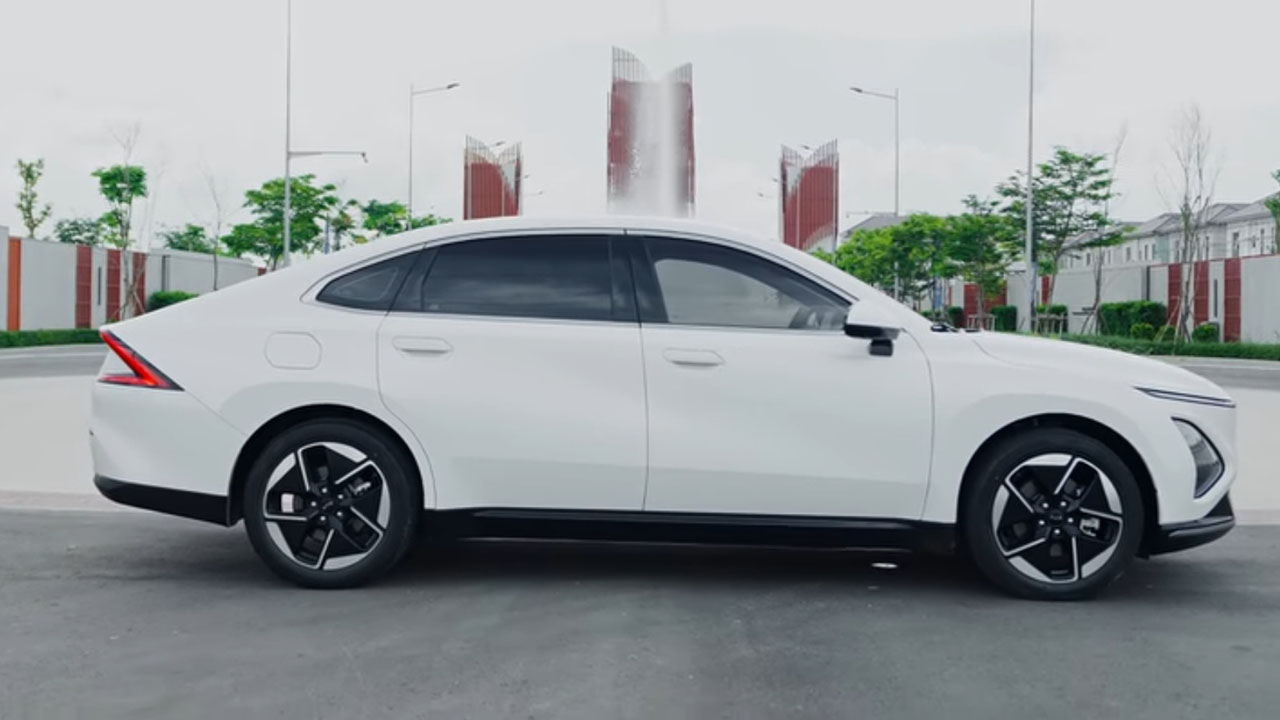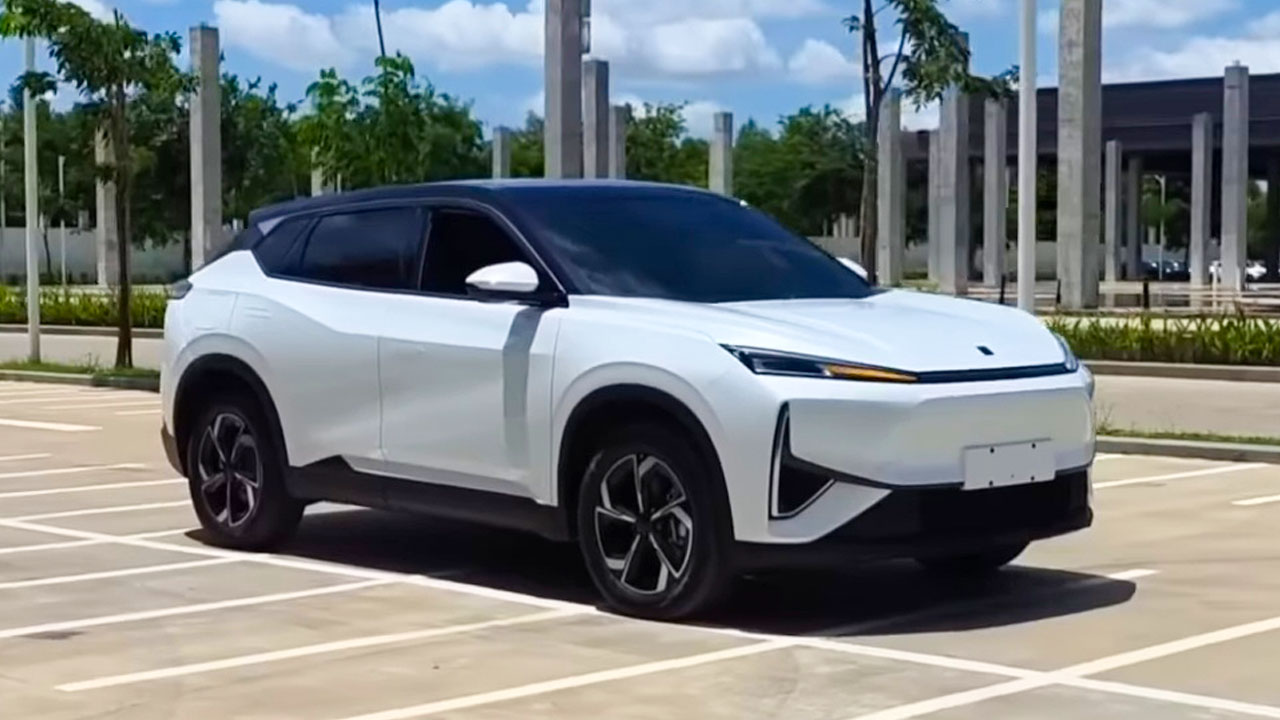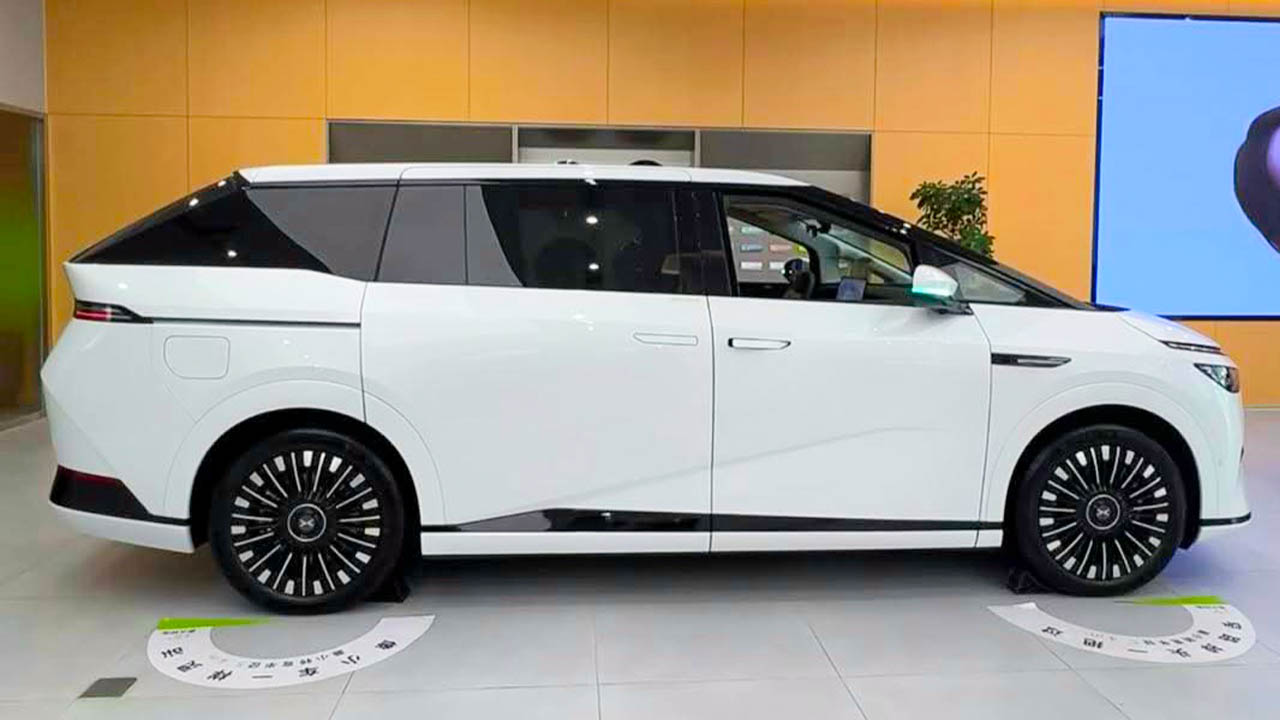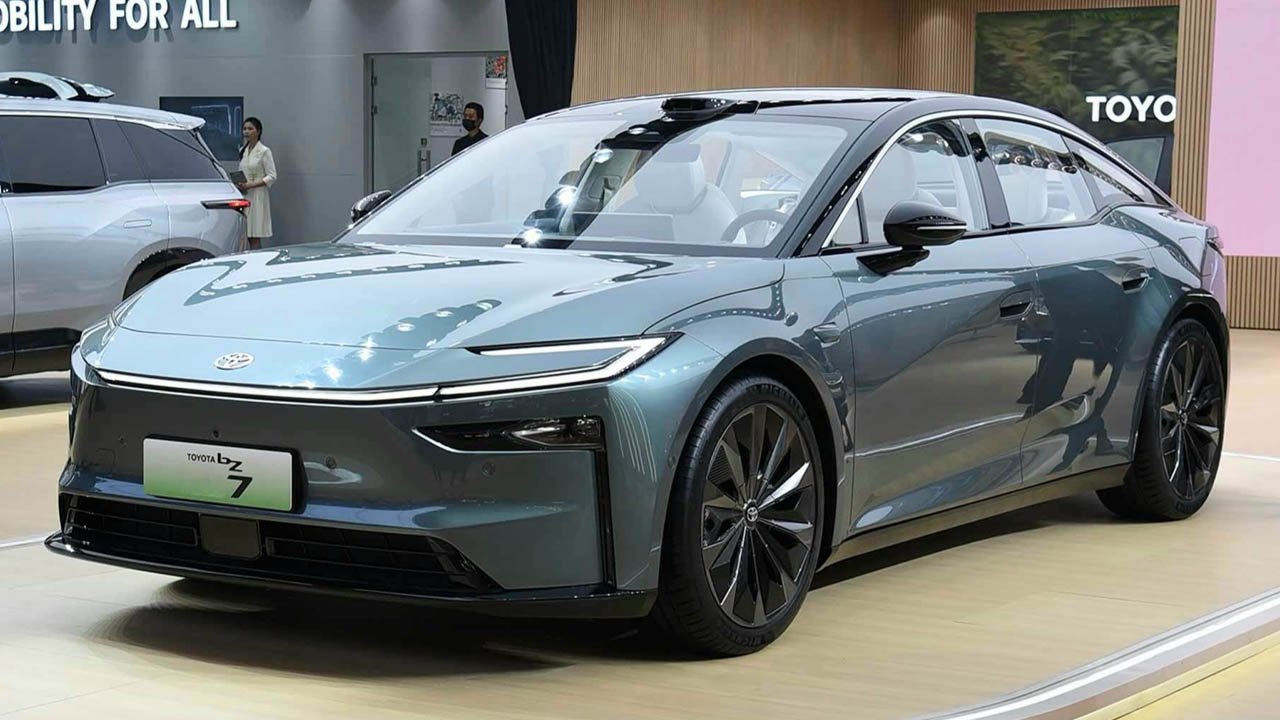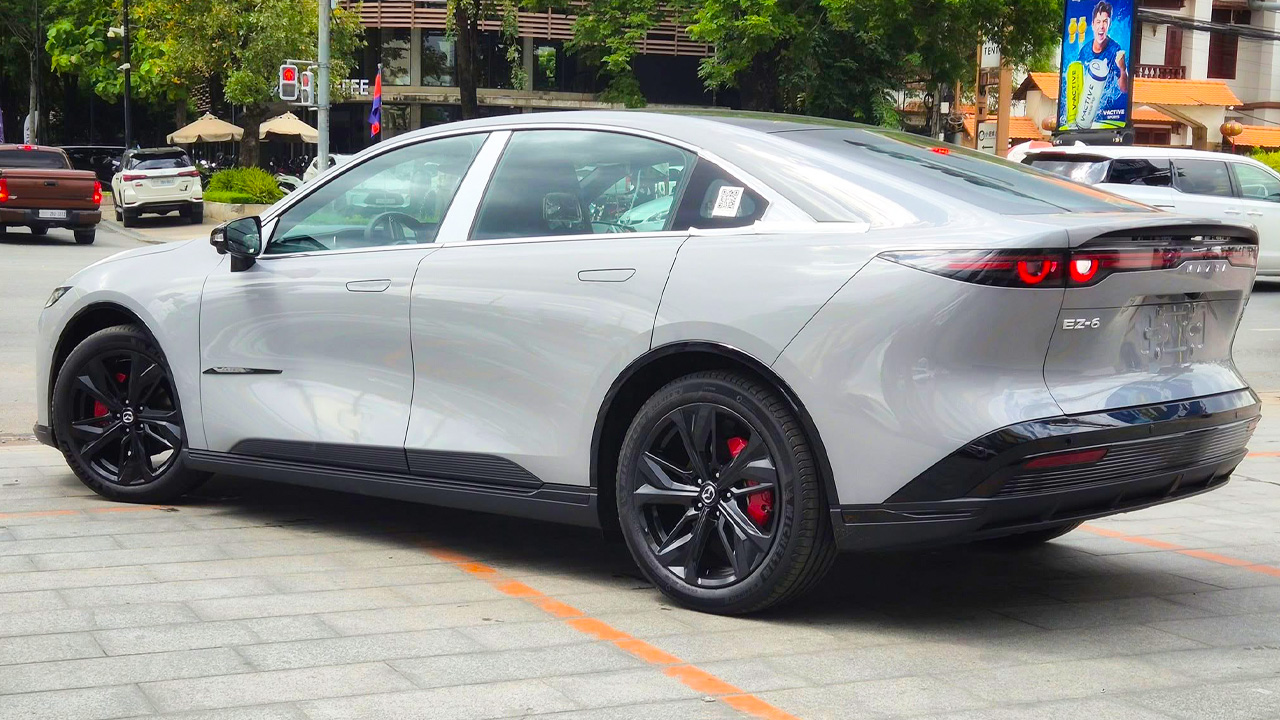
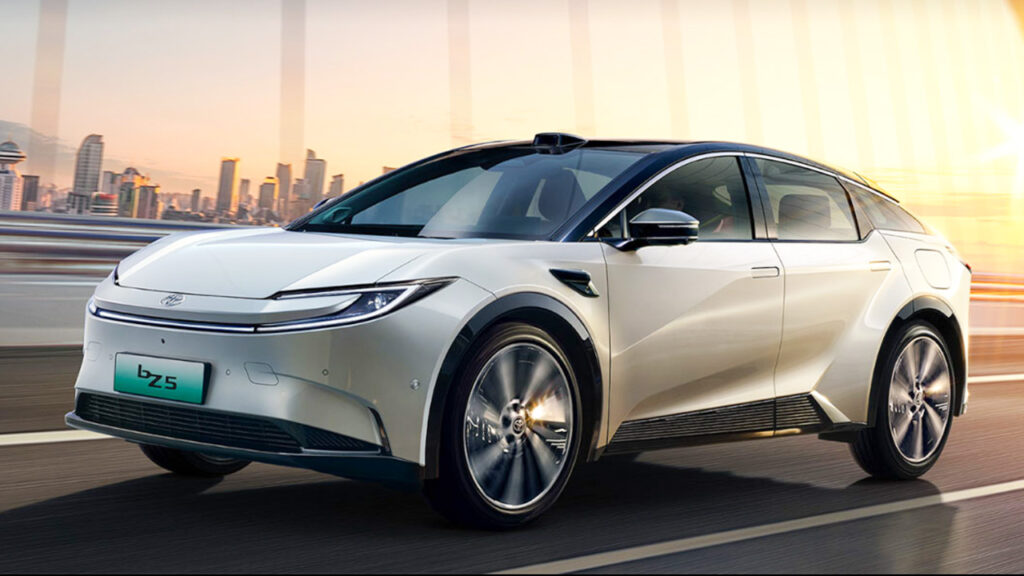
The Toyota bZ5 is a new entrant in Toyota’s “beyond Zero” (bZ) lineup, representing a major step in the company’s electric vehicle (EV) strategy. Produced under the FAW Toyota joint venture in China, the bZ5 began production in May 2025 and debuted at the Shanghai Motor Show the same year. Built on Toyota’s modular e-TNGA platform, which underpins other bZ models, the bZ5 is designed to blend efficiency, practicality, and affordability in a highly competitive EV market.
Full Specifications Table (2025 Model)
| Feature | 550 JOY (Base) | 630 PRO (Long Range) |
| Drivetrain | FWD (Single Motor) | FWD (Single Motor) |
| Battery Type | BYD Blade (LFP) | BYD Blade (LFP) |
| Max Power / Torque | 200 kW / 330 Nm | 200 kW / 330 Nm |
| Max Speed | 160 km/h (100 mph) | 160 km/h (100 mph) |
| Efficiency | 13.5 kWh/100 km | 13.5 kWh/100 km |
| Dimensions (L/W/H) | 4780 x 1866 x 1510 mm | 4780 x 1866 x 1510 mm |
Powertrain & Performance
Under the hood, or rather beneath the floor, the bZ5 is powered by a BYD-sourced front-mounted electric motor producing 200 kW (268 hp) and 330 Nm torque.
This setup delivers a 0–100 km/h (0–62 mph) time of about 7 seconds, with a top speed of 160 km/h (99 mph). While not a performance EV,
these figures are more than adequate for urban and highway driving. The launch model is front-wheel drive only, with no all-
wheel-drive option available—something buyers in snowy or rugged regions may miss.
Design & Dimensions
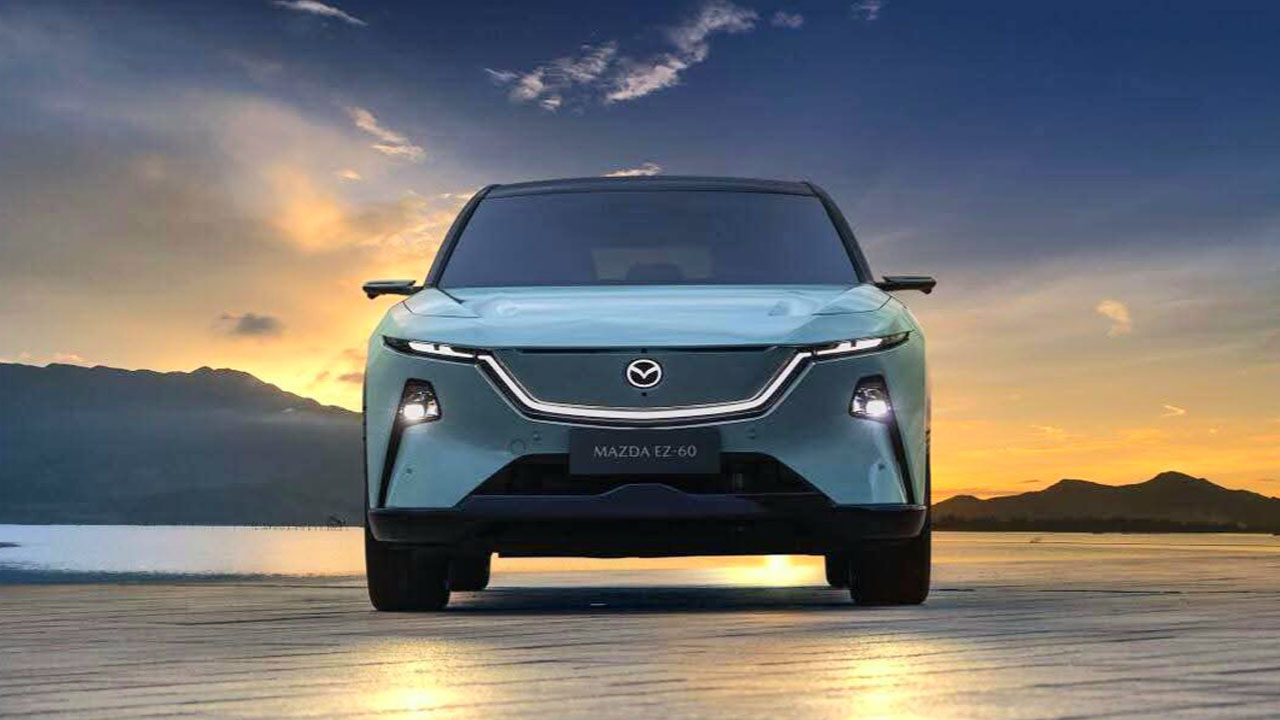
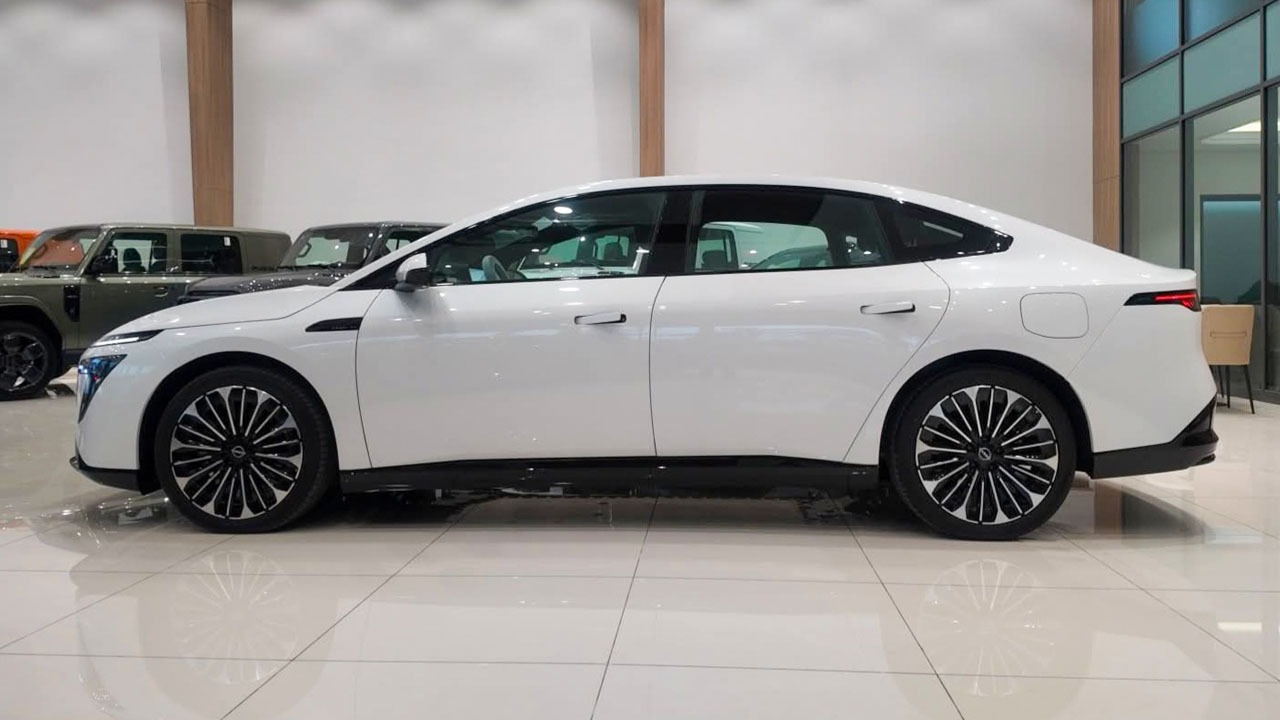
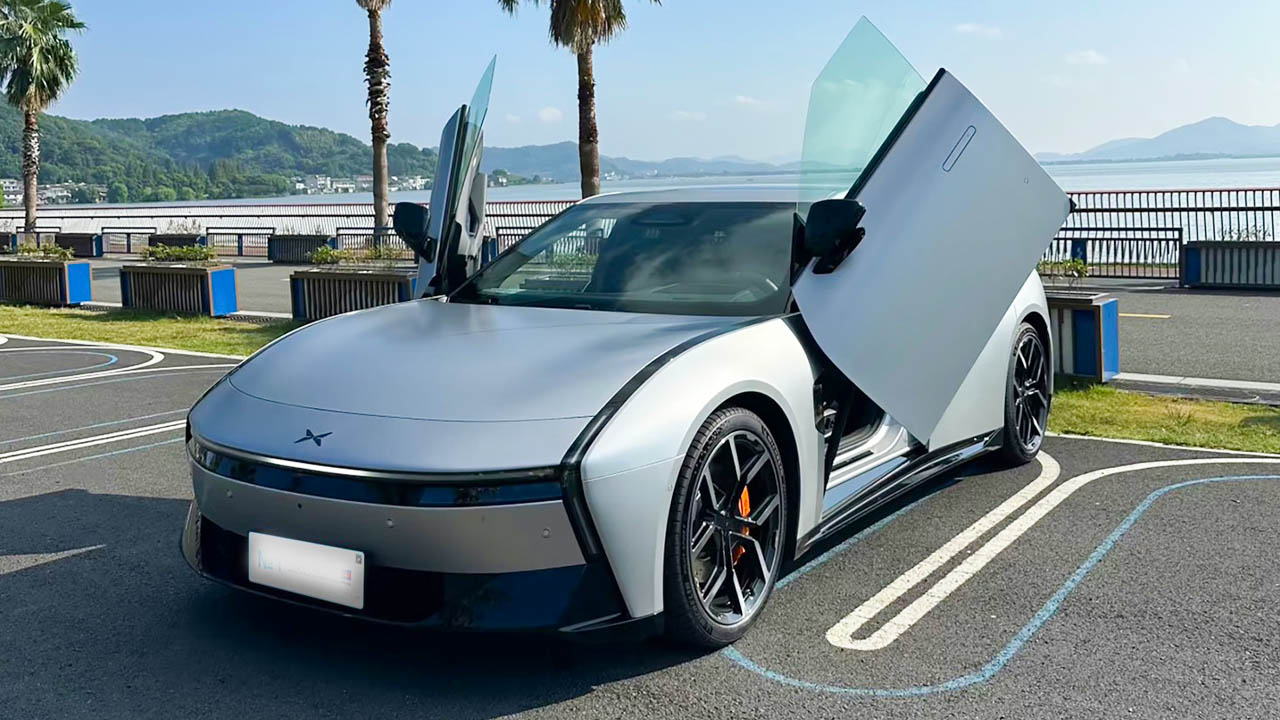
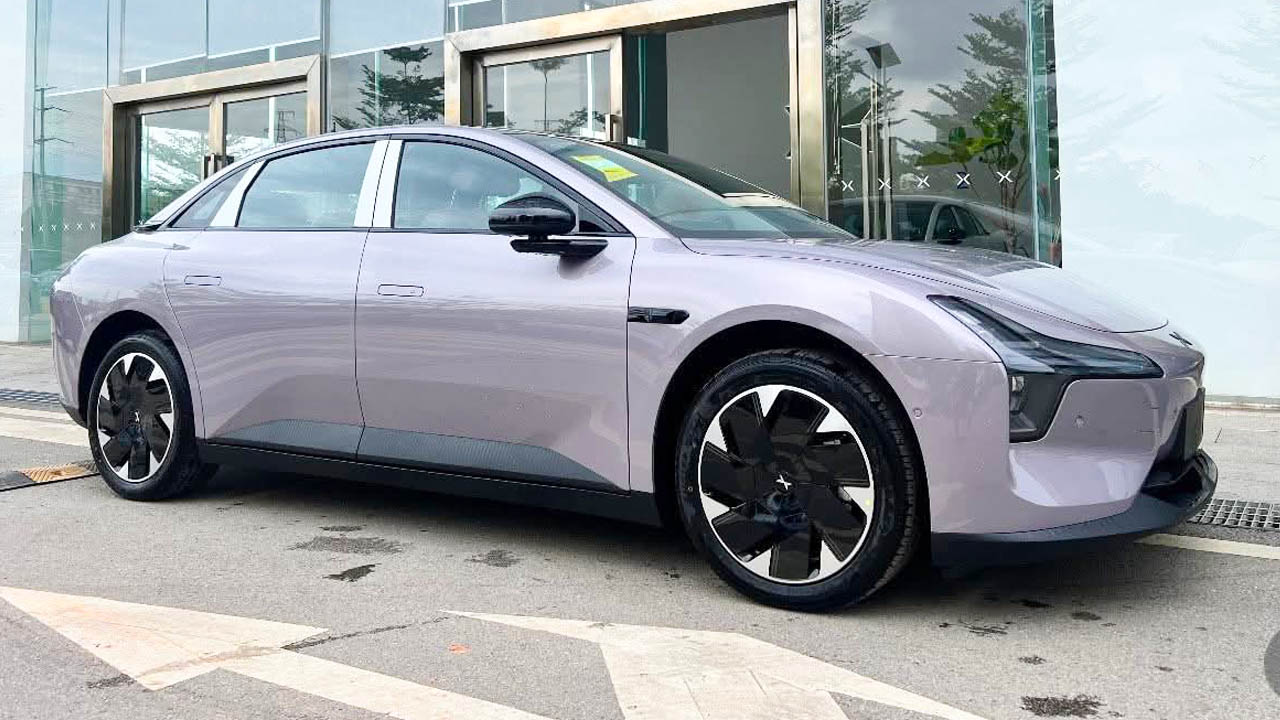
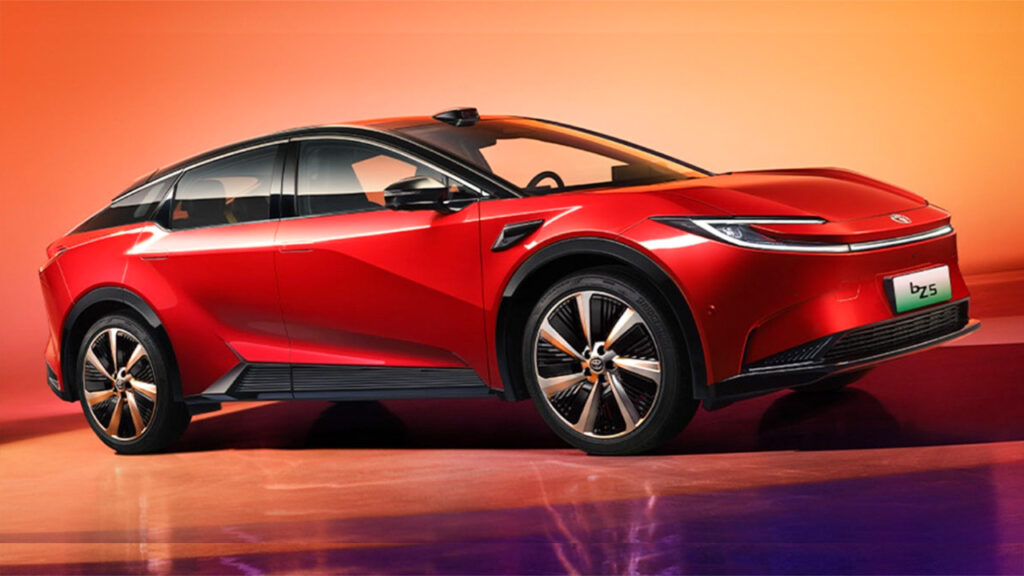
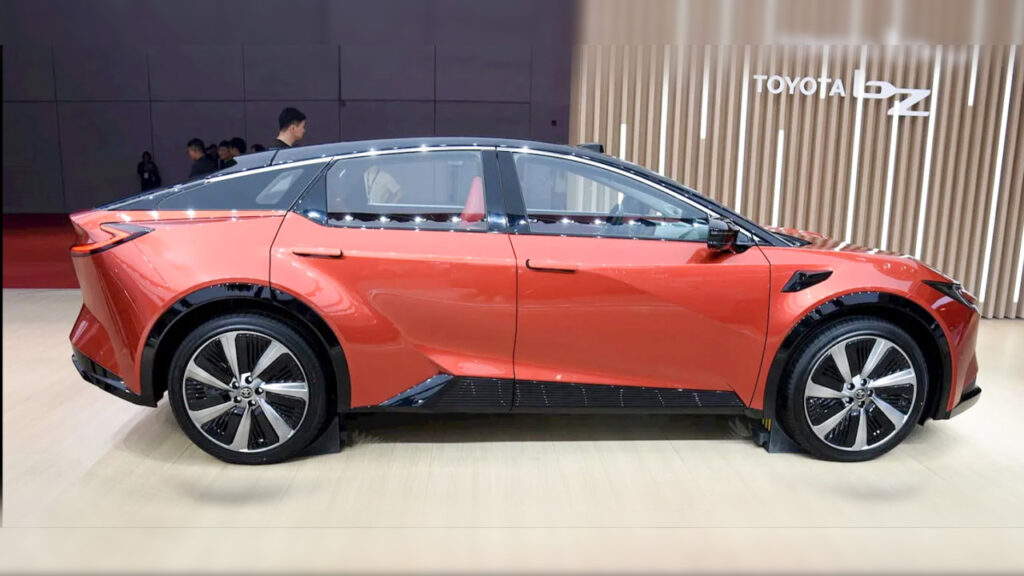
Aesthetically, the bZ5 embraces Toyota’s futuristic design language. The “hammerhead shark” front fascia, slim LED headlights, full-width light bar,
and coupe-like silhouette give it a sporty, premium feel. Hidden door handles and large 21-inch wheels add to its visual appeal. Dimensionally,
it’s comparable to a Tesla Model Y at 4,780 mm long, 1,866 mm wide, 1,510 mm tall, and with a 2,880 mm wheelbase—making it a roomy yet compact crossover.
Interior & Tech
Step inside, and the bZ5 continues to impress. The cabin follows a minimalist yet futuristic design, centered around a massive 15.6-inch floating infotainment screen,
complemented by a smaller digital driver display. Premium touches include a panoramic glass roof, 256-color ambient lighting,
a JBL audio system, and even a “nap-mode” front seat—a rare luxury in this price range.
On the tech front, the bZ5 is equipped with Momenta 5.0 smart driving technology, powering Toyota Pilot ADAS with over 30 advanced driver-assist features.
Higher trims even add LiDAR sensors, highlighting Toyota’s push toward semi-autonomous capability.
Strengths & Appeal
Affordability: Under USD 20K for an EV of this caliber is virtually unmatched.
Range: Up to 630 km (CLTC) ensures it’s viable for both city and long-distance driving.
Design: Striking looks that rival premium competitors.
Interior & Features: High-tech, comfort-focused cabin with unexpected luxuries.
Charging: Quick 30–80% top-up in under half an hour.
Considerations & Limitations
No AWD option: Limits appeal for colder climates and rugged terrains.
400 V charging system: Not as future-proof as 800 V rivals.
No “frunk”: Missing extra storage found in many EVs.
Touchscreen-heavy interface: Lack of physical buttons may not suit all drivers.
Battery & Range
The Toyota bZ5 offers two BYD Blade LFP battery pack options:
– 65.28 kWh with a CLTC range of 550 km (~342 mi)
– 73.98 kWh with a CLTC range of 630 km (~391 mi)
In more realistic WLTP testing, drivers can expect around 450–500 km (280–310 mi). Charging performance is competitive: with a 150 kW DC fast charger,
the bZ5 can charge from 30% to 80% in about 27 minutes. While its 400 V architecture isn’t as advanced as some 800 V systems used by rivals, its charging speed is still practical for everyday use.
Pricing & Market Positioning
Priced between RMB 129,800 (~USD 18,000) and RMB 159,800 (~USD 22,000), the bZ5 is roughly half the price of comparable EVs like the Tesla Model Y in China.
This aggressive pricing positions it as an incredibly accessible mid-size EV in a highly competitive market.
Who Should Buy?
- The Style-Conscious Commuter: Those who want a sleek, “coupe-SUV” look without the premium price tag of a BMW X4 or Polestar 2.
- The Tech-Focused Skeptic: If you want advanced self-driving tech (LiDAR) but prefer the long-term support and reliability of a legacy brand like Toyota.
Comparison Table: Toyota bZ5 vs. Rivals
| Model | Toyota bZ5 | Tesla Model Y | BYD Sea Lion 07 | Leapmotor C10 |
| Starting Price | ~$18,000 | ~$36,700 (China) | ~$26,000 | ~$18,000 |
| Max Range | 630 km | 593 km | 610 km | 530 km |
| Charging (30-80%) | 27 mins | 25 mins | 20 mins | 30 mins |
| Best Feature | Hammerhead Style | Charging Network | Battery Tech | Budget Luxury |
Pros and Cons
| ✅ Pros | ❌ Cons |
| Aggressive Pricing: Unbeatable price-to-size ratio for a global brand. | Front-Wheel Drive Only: No AWD performance version available. |
| Advanced ADAS: Top trims offer LiDAR, a rarity at this price point. | Charging Speed: Good, but not “ultra-fast” compared to 800V rivals. |
| Spacious Wheelbase: 2,880 mm provides massive rear legroom. | Market Focus: Primarily for China/Asia; limited Western availability. |
Final Verdict
The 2025 Toyota bZ5 is a landmark product. By collaborating with BYD for the powertrain while maintaining Toyota’s rigid quality standards, they have created a “Joint Venture 2.0” model that is actually competitive. It’s the first time a legacy automaker has offered a futuristic, LiDAR-equipped EV that is accessible to the average car buyer.
FAQ
1. Is the Toyota bZ5 a good family car?
Yes. Despite its sporty silhouette, the 2,880 mm wheelbase (longer than a Toyota Highlander) provides generous cabin space. The flat rear floor and bio-monitoring system (for pets/children) make it highly family-oriented.
2. How long does it take to charge?
It supports 90kW fast charging, moving from 30% to 80% in 27 to 29 minutes. A full home charge takes roughly 9.5 hours.
3. What are the main competitors?
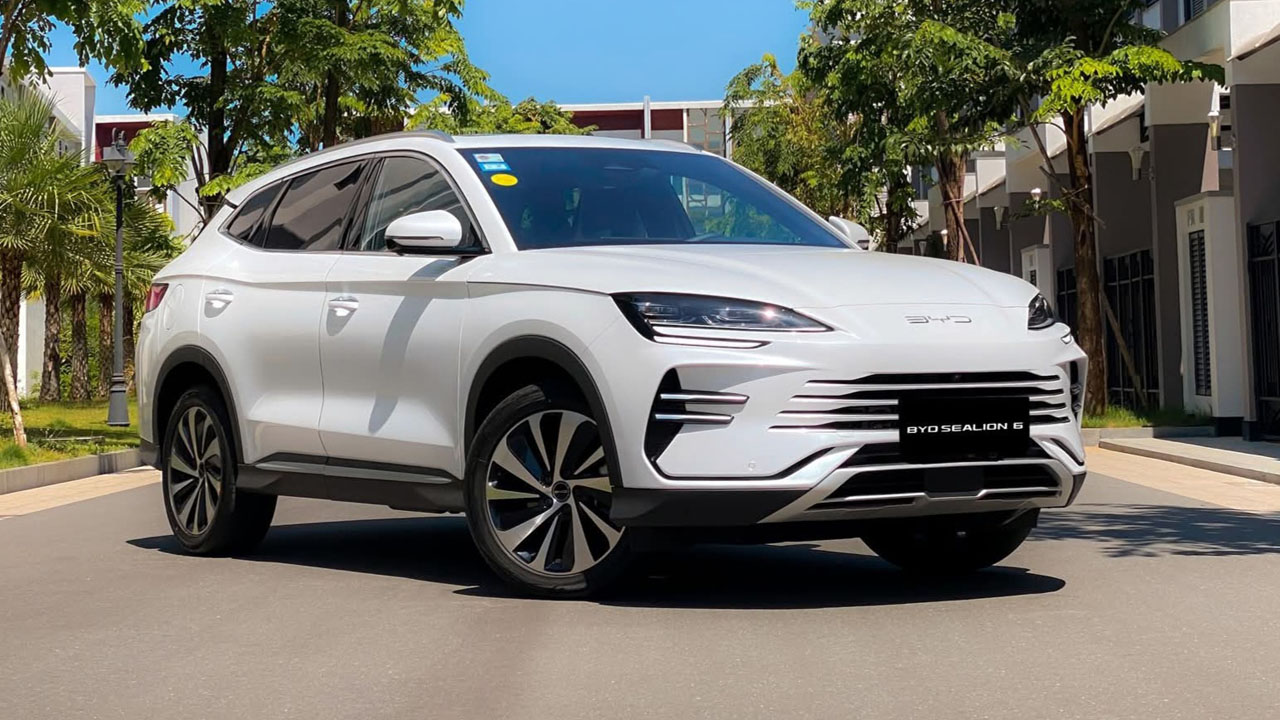
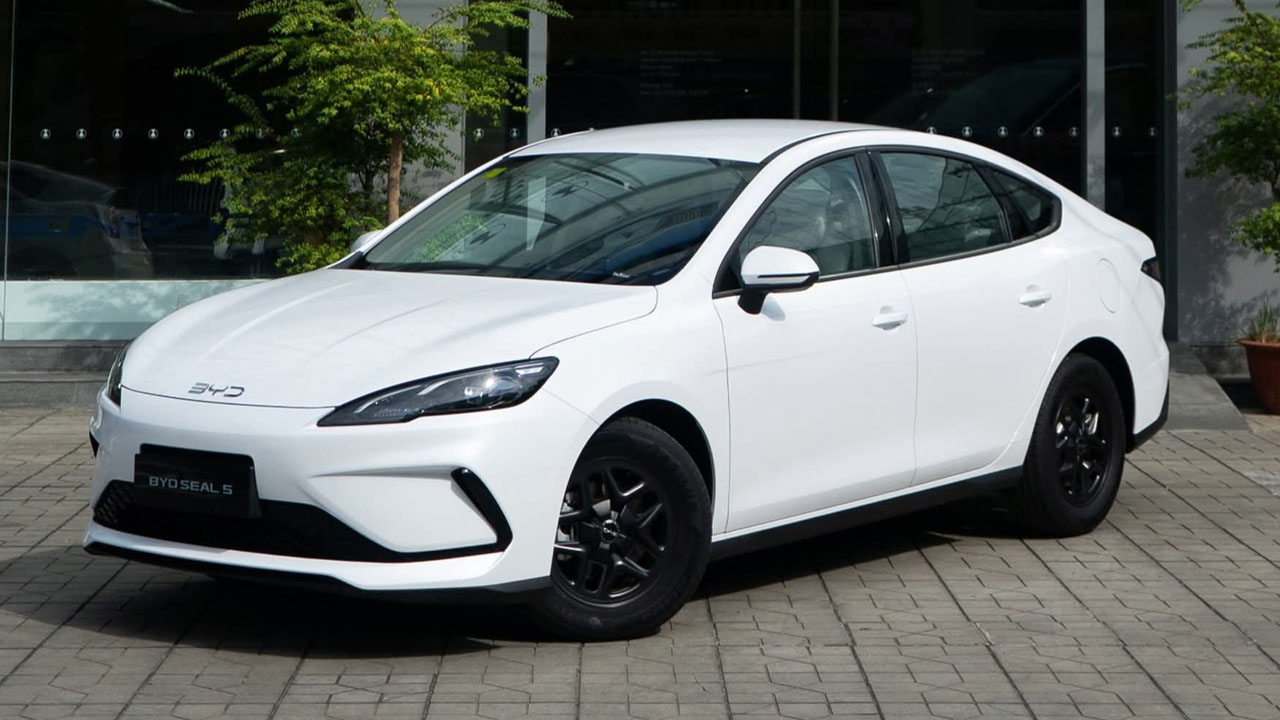
It competes directly with the Tesla Model Y, BYD Sea Lion 07, and Leapmotor C10.
4. Does it have a “Frunk”?
No, the front-mounted motor and electrical components occupy the space under the hood.
5. What is the “Nap Mode”?
The car features a specific cabin setting that adjusts the seats, 256-color lighting, and climate control for resting inside the vehicle—perfect for breaks during long trips.
Disclaimer
Disclaimer: This review is based on a Technical Analysis of specifications and the June 2025 Chinese market launch data. Specifications, range estimates (CLTC), and pricing may vary significantly if the model is exported to other global regions. Always check with your local dealer for the most accurate information.