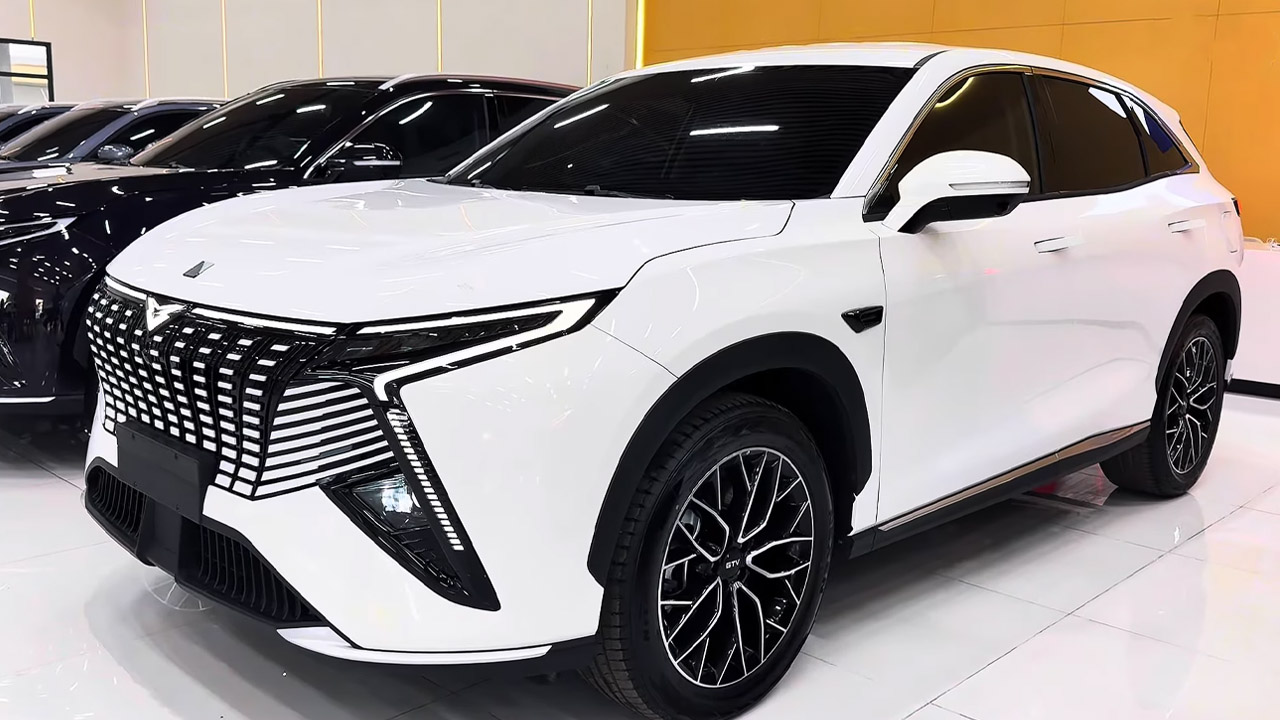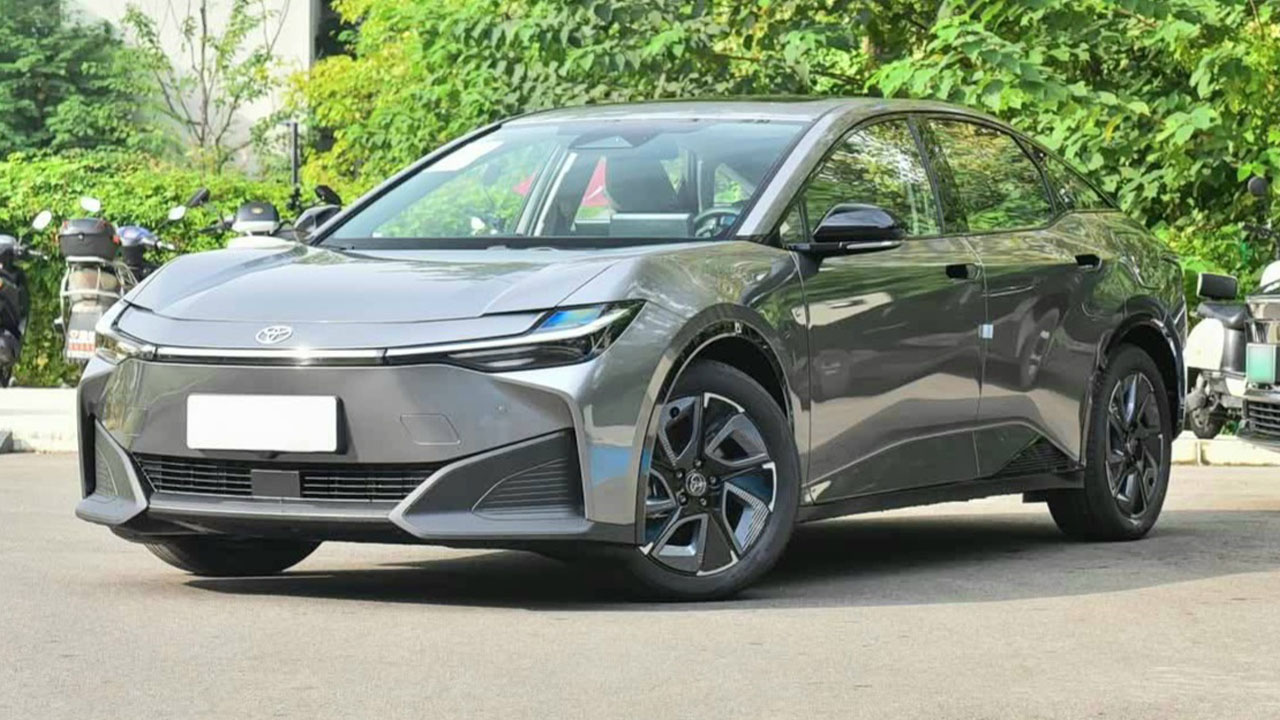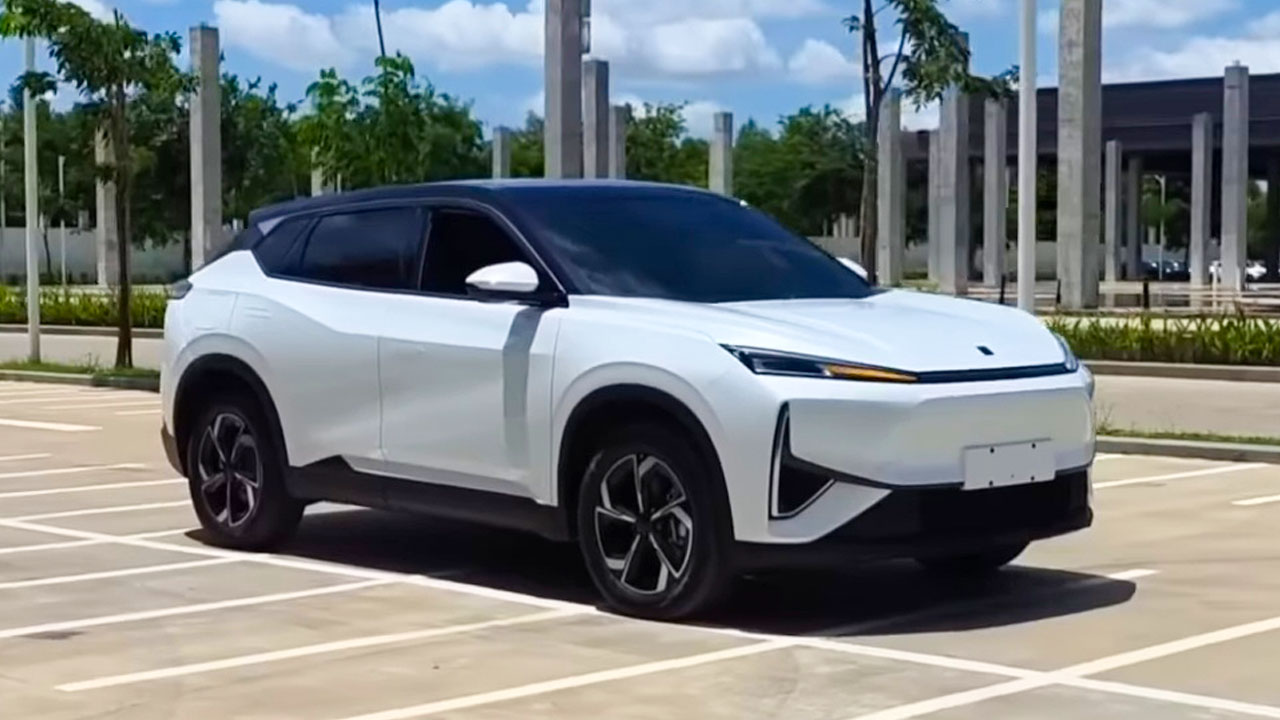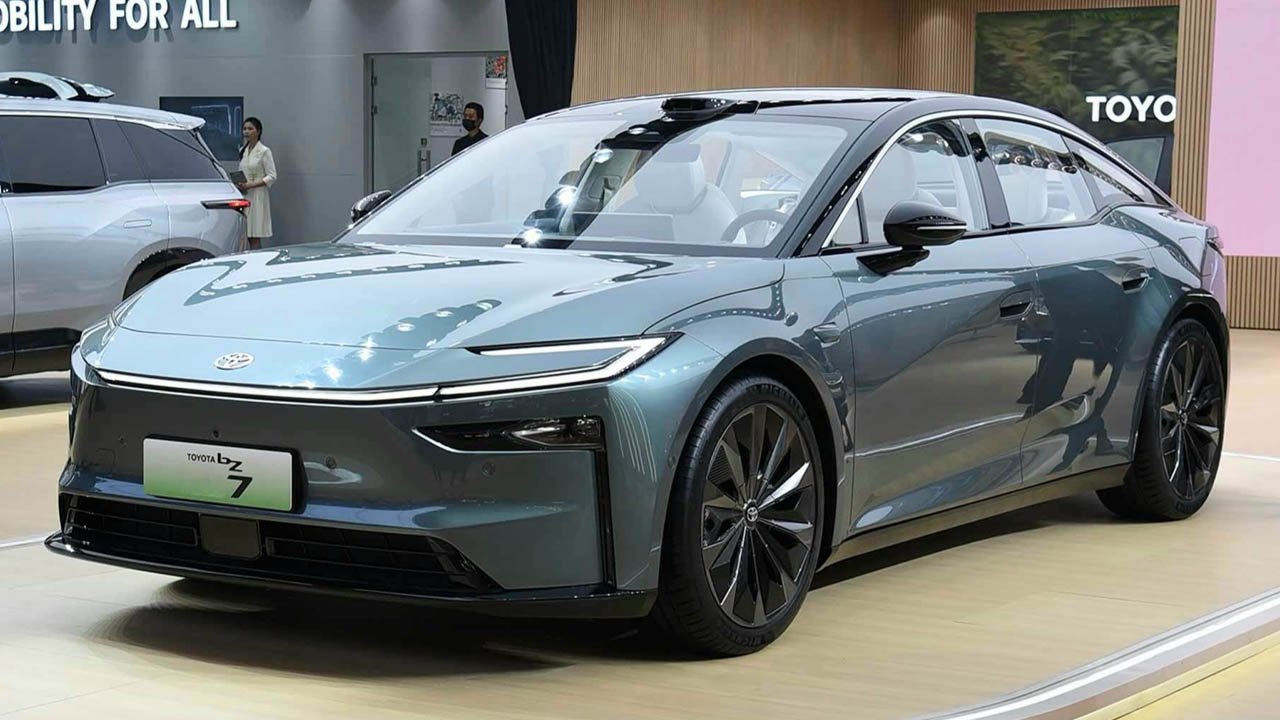

Toyota’s bZ3X is the company’s pragmatic entry into the volume EV market in China: a compact, affordable electric SUV that trades glamour for everyday usefulness.
Designed and engineered for the Chinese market, it’s not a global halo car — it’s a value play. But that focus produces a surprisingly complete package: roomy interior,
sensible tech, and multiple battery choices that make the bZ3X a credible option for mainstream buyers.
Full Specifications Table (2025 Model)
| Feature | bZ3X Air (Base) | bZ3X Max (Premium) |
| Battery Capacity | 50 kWh (LFP) | 67.9 kWh (LFP) |
| Max Power | 150 kW (201 hp) | 165 kW (221 hp) |
| Max Torque | 200 Nm | 210 Nm |
| Range (CLTC) | 430 km | 610 km |
| Wheelbase | 2,765 mm | 2,765 mm |
| Audio System | Standard 6-Speaker | Yamaha 11-Speaker |
Design & packaging
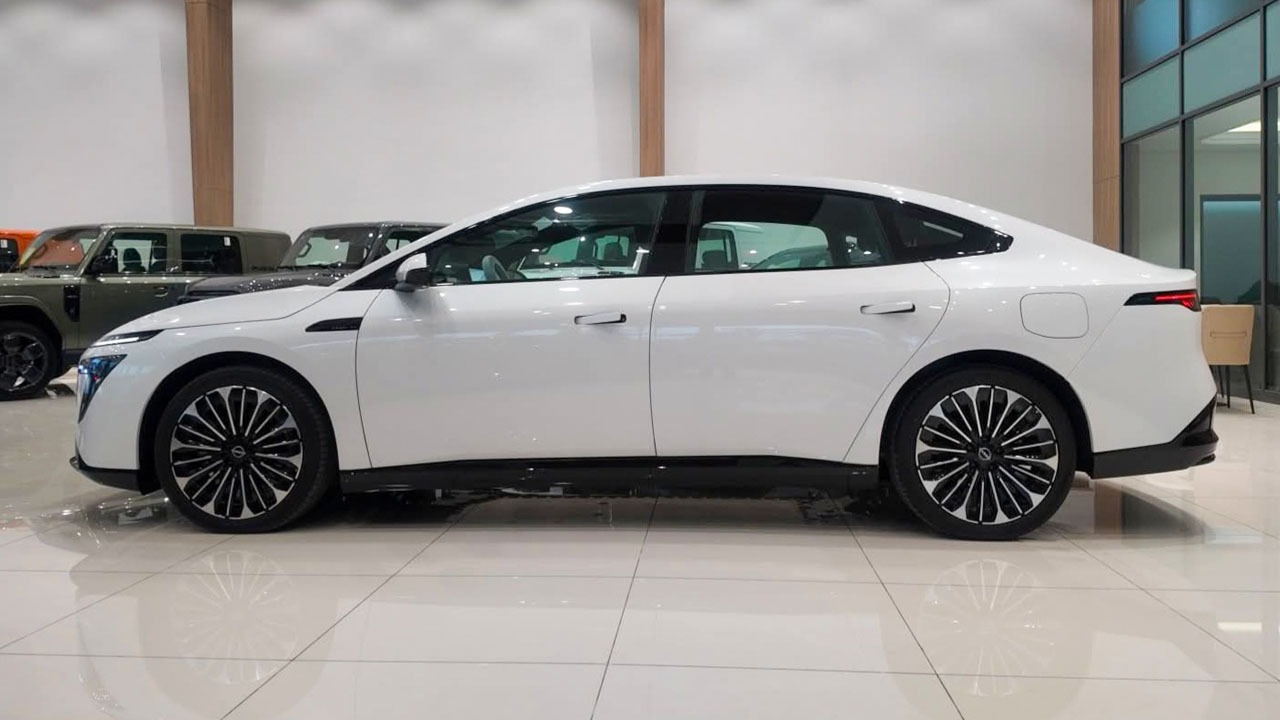
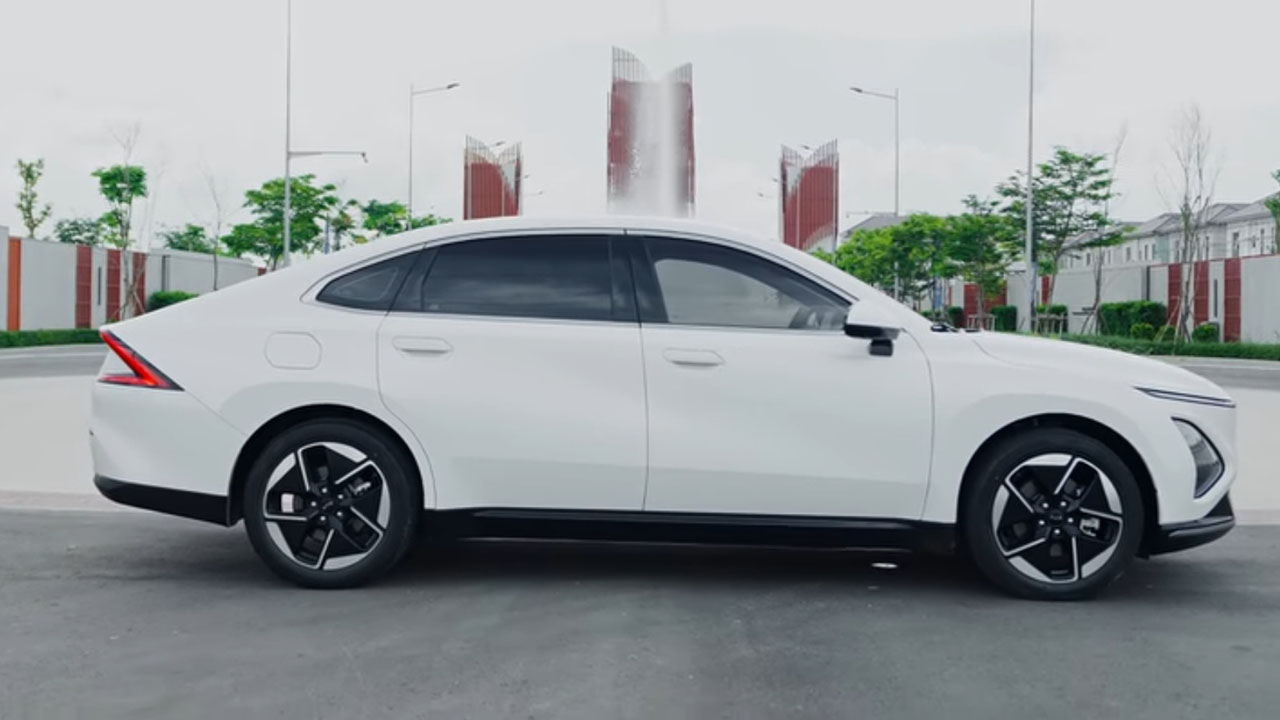
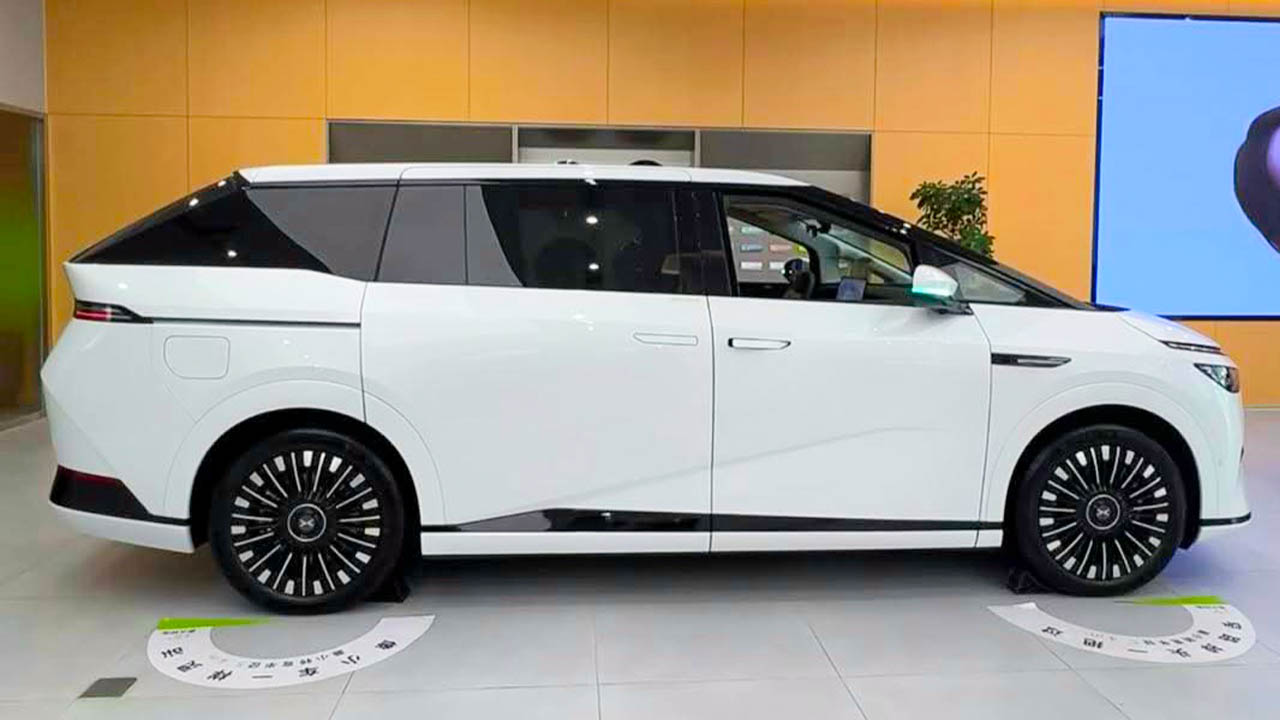
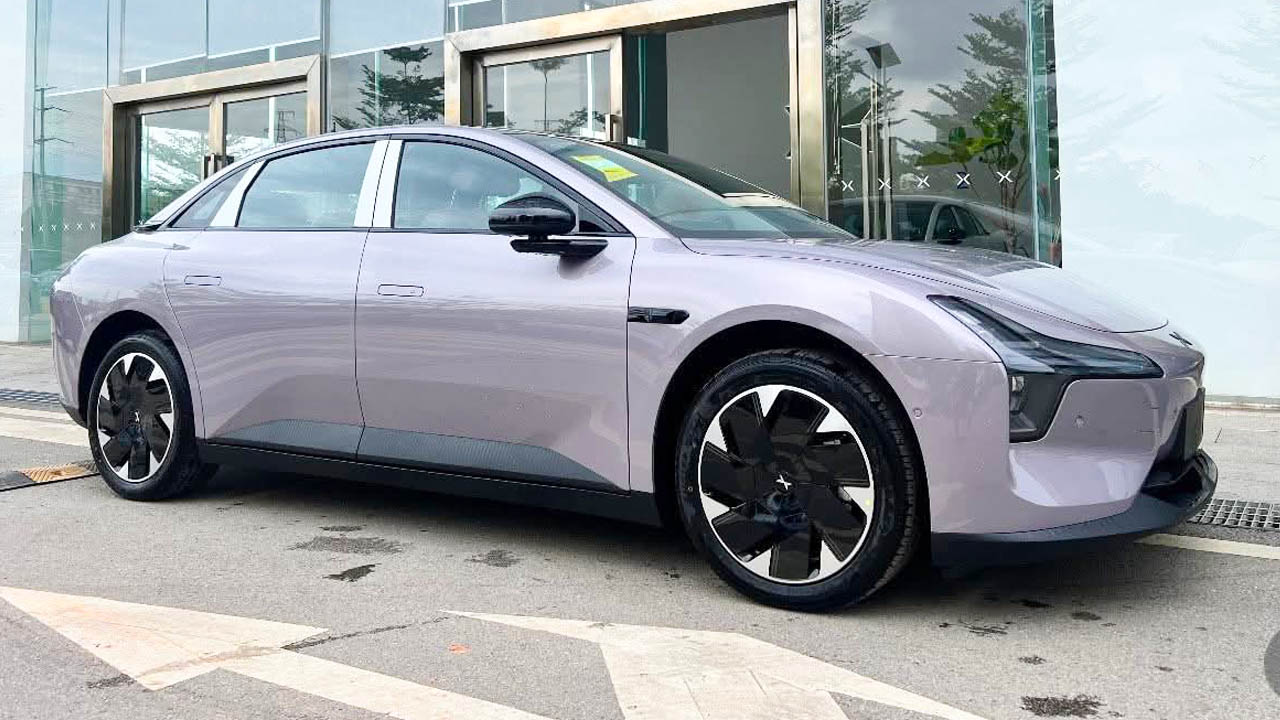
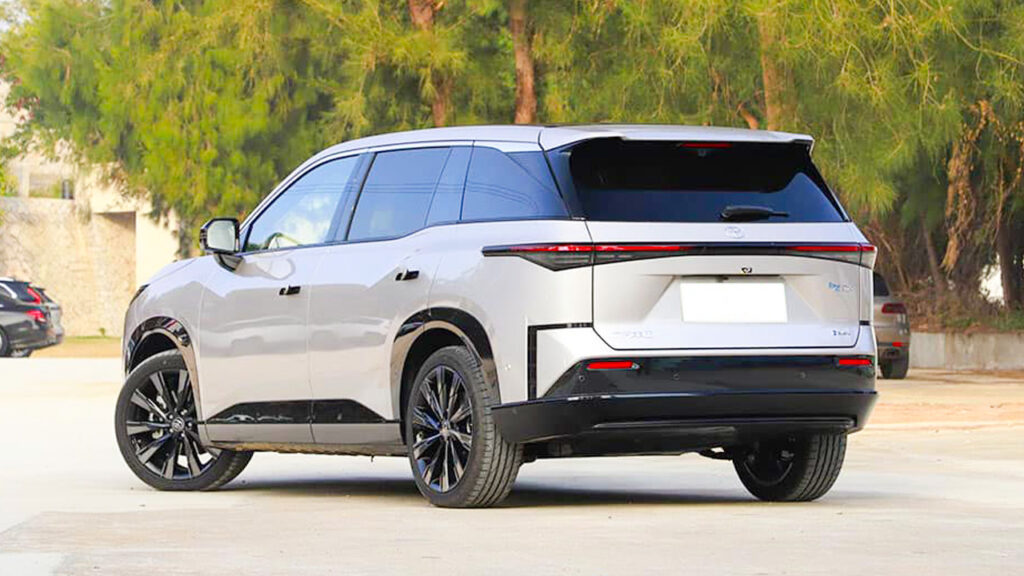
Visually the bZ3X follows the current compact-SUV formula: clean surfaces, a high beltline, and a slightly coupe-like rear on some trims.
It’s conservative rather than divisive — Toyota’s design language scaled for mass appeal. At roughly 4,600 mm long with a 2,765 mm wheelbase,
the bZ3X is larger than many city crossovers, and that extra footprint pays off inside: good legroom for five adults and a genuinely usable cargo area.
Build quality looks solid in show materials and dealer videos — nothing showy, but coherent and modern.
Interior & tech
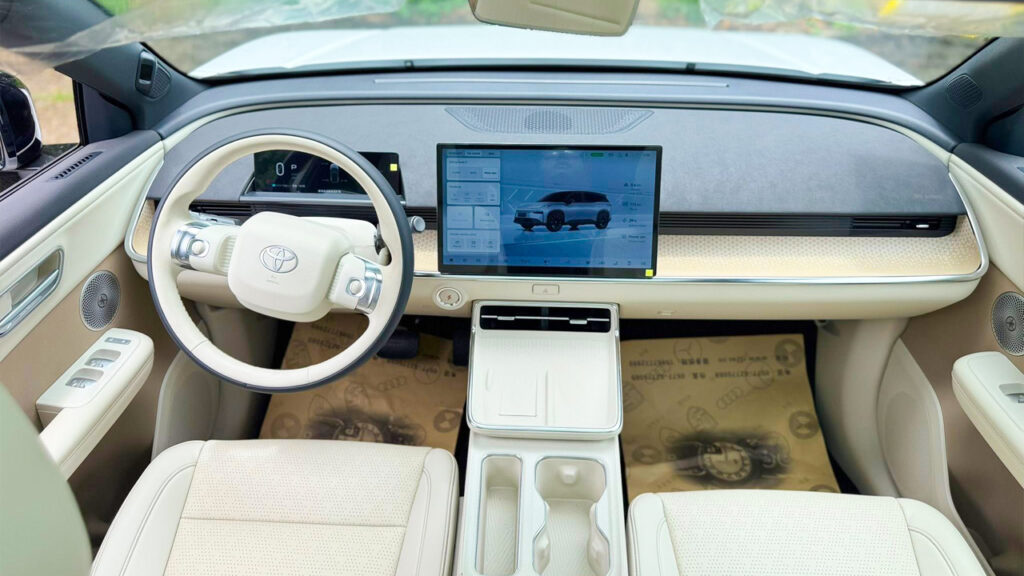
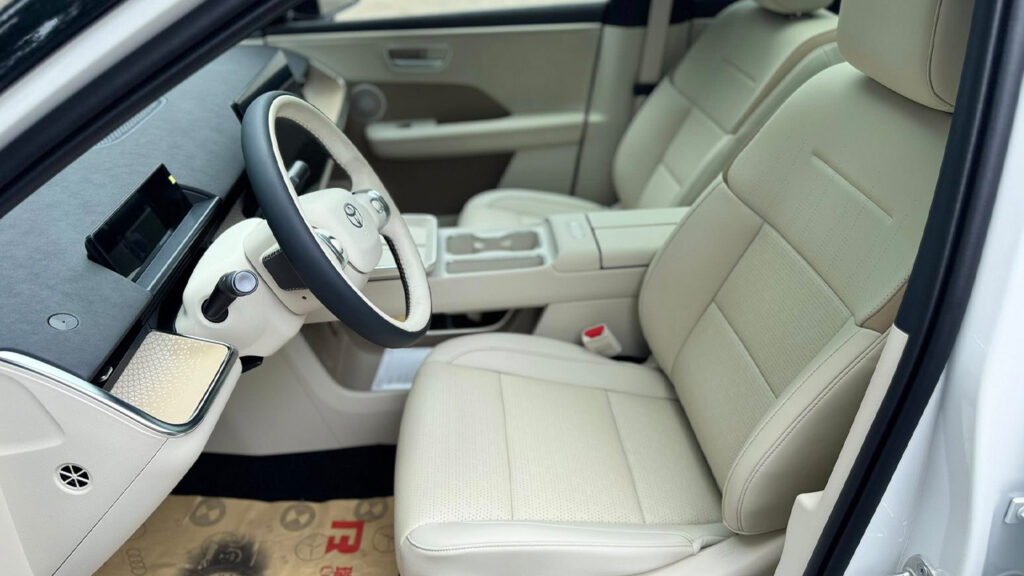
Inside, Toyota aims for a modern, horizontal dashboard layout with a central infotainment screen and a digital instrument cluster on higher specs.
The UI and hardware vary by trim, but mid and upper levels offer generous connectivity and driver-assistance displays.
Toyota’s local partnerships have pushed competitive “intelligent driving” and ADAS features into higher trims — a response to strong local rivals.
Materials strike a pragmatic balance: entry models use cost-conscious switchgear, while top trims raise perceived quality. Overall the cabin is well packaged and user-friendly for daily use.
Powertrain & performance
The bZ3X keeps things straightforward mechanically: a front-wheel-drive layout with a single electric motor. Power figures cluster around the 150–165 kW band (roughly 200–225 hp in some specs),
delivering brisk city performance but modest top-end speed — around 160 km/h. The car is tuned for efficiency and composure rather than sporty thrills.
If you want sharper acceleration, choose the higher-power or larger-battery variant; for commuting and family duties the standard motor is more than adequate.
Ride, handling & daily usability
Ride comfort and interior space are clear strengths. The relatively long wheelbase smooths out city bumps and offers roomy rear seats.
Steering is light and predictable, suspension tuning favors comfort, and the overall driving experience is composed and easy to live with.
The bZ3X isn’t a handling car — it won’t excite on a twisty road — but it’s well suited to commuting, family trips, and highway cruising where comfort,
efficiency and range matter more than lap times.
Battery, range & charging
One of the bZ3X’s strongest selling points is its battery strategy. Toyota offers LFP packs in multiple sizes (commonly listed near 50.0 kWh, 58.4 kWh and 67.9 kWh),
with CLTC ranges around 430 km, 520 km and 610 km respectively. CLTC tends to be generous compared to WLTP or EPA figures,
but even adjusted estimates position the bZ3X as long-ranged for its class in the Chinese market. Toyota emphasises compatibility,
with local fast-charging infrastructure and LFP chemistry for durability and lower cost — practical choices for buyers focused on ownership economics.
Price, availability & market positioning
Toyota launched the bZ3X as a value proposition in China, positioning it against local volume EVs with aggressive pricing and localized production.
Entry prices caught attention for being notably low for a Toyota-badged EV, and the model has targeted multiple battery and equipment tiers to maximize appeal.
Initially aimed at China (and select regional markets), the bZ3X demonstrates Toyota’s strategy of tailoring products to regional demand rather than pushing everything globally.
Who Should Buy?
- The Urban Parent: If you need a car with “kid-friendly” space. The bZ3X offers a nearly flat floor and vertical room that allows small children to stand upright, plus rear doors that open to 90 degrees for easy car-seat loading.
- The First-Time EV Buyer: For those who want the fuel-saving benefits of an electric car but want the peace of mind of Toyota’s global service network and reliability reputation.
- The Commuter in Tight Spaces: Its 5.8m turning radius and compact footprint make it one of the easiest electric SUVs to maneuver through narrow city streets and crowded parking garages.
Comparison Table: 2025 Toyota bZ3X vs. Rivals
| Feature | Toyota bZ3X | BYD Atto 3 | Tesla Model Y (RWD) | Honda e:Ny1 | GAC Aion V |
| Wheelbase | 2,765 mm | 2,720 mm | 2,890 mm | 2,610 mm | 2,830 mm |
| Max Range (CLTC) | 610 km | 510 km | 554 km | ~412 km (WLTP) | 600 km |
| 0-100 km/h | ~7.7s | 7.3s | 6.9s | 7.6s | 7.9s |
| Infotainment | 14.6″ Floating | 15.6″ Rotating | 15″ Fixed | 15.1″ Vertical | 14.6″ Floating |
| Fast Charge | ~30 min (30-80%) | ~30 min (30-80%) | ~25 min (10-80%) | ~45 min (10-80%) | ~15 min |
| Key Advantage | Rear Legroom | Interior Styling | Supercharger Network | Brand Heritage | Cabin Width |
Pros and Cons
| ✅ Pros | ❌ Cons |
| Exceptional Interior Packaging: Rear legroom matches luxury sedans; versatile “sleep mode” seats. | Slower Charging: 90kW peak charging is behind 800V rivals like the Aion V or XPeng G6. |
| Advanced ADAS: The inclusion of LiDAR and NVIDIA Orin-X chips in top trims offers premium-level autonomy. | FWD Only: Lack of an AWD option may deter those living in snowy climates. |
| Build Quality: Noticeably sturdier interior materials compared to the minimalist Tesla Model Y. | Market Limitation: Currently focused heavily on Asian markets; global Western availability is still rolling out. |
Final Verdict
The 2025 Toyota bZ3X is Toyota’s most competitive EV to date. It successfully pivots from the “compliance car” feel of early electrics to a tech-heavy, space-optimized family hauler. While it doesn’t win on raw speed or charging velocity, it excels in ergonomics and practical luxury. It is the perfect “safe bet” for families who want a futuristic car without the “startup” risks of newer EV brands.
FAQ
1. Is the Toyota bZ3X a good family car?
Absolutely. It was designed with a “Migratory Bird” theme focused on home comfort. With 1,145mm of rear legroom and a flat floor, it provides more usable space for kids and cargo than almost any other compact SUV in its price bracket.
2. How long does it take to charge?
On a standard DC fast charger, the bZ3X can go from 30% to 80% in approximately 27 to 30 minutes. A full charge at home using a 7kW AC wallbox will take roughly 10 to 11 hours.
3. What are the main competitors?
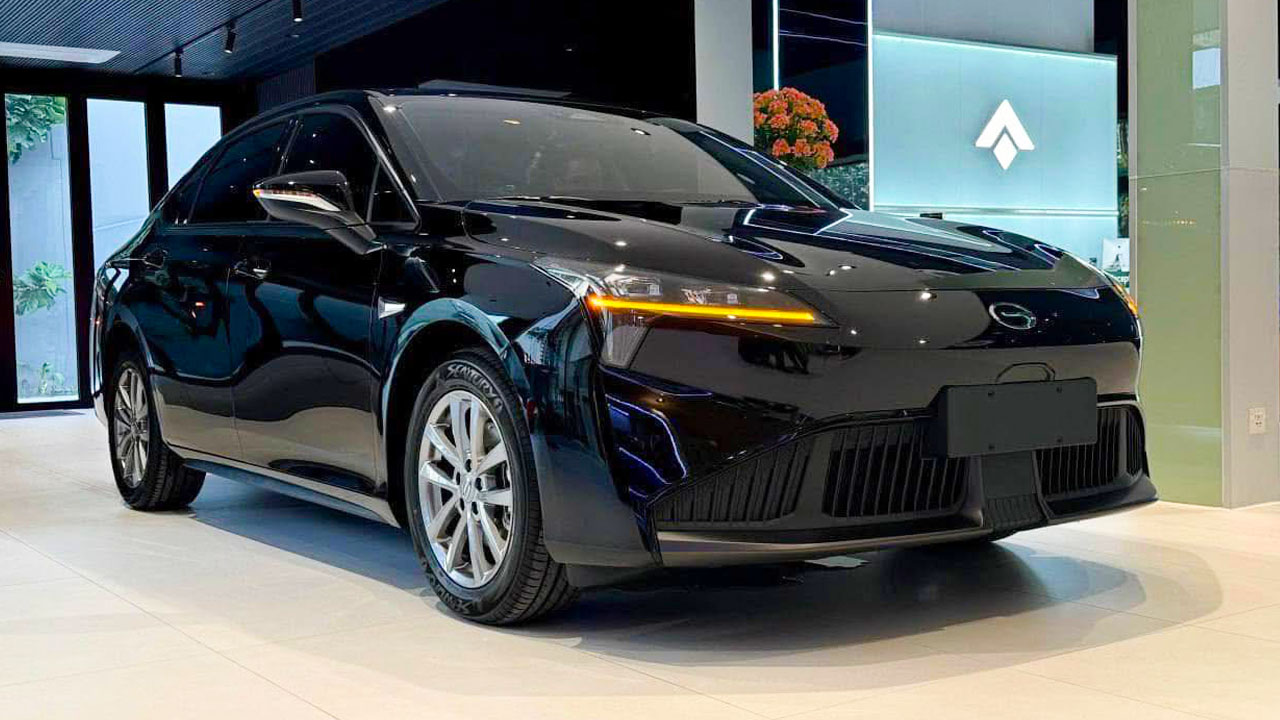
It competes directly with the BYD Atto 3, GAC Aion V, and Honda e:Ny1. It also serves as a budget-friendly alternative to the Tesla Model Y.
4. Does it have “Self-Driving” features?
Yes. In higher trims, the bZ3X is equipped with LiDAR and the Momenta 5.0 intelligent driving system, which supports hands-on-wheel highway navigation and advanced automated parking.
5. What is the battery life?
Toyota uses Lithium Iron Phosphate (LFP) batteries in the bZ3X, which are known for their long lifecycle. Toyota typically backs these with an 8-year or 160,000 km warranty ensuring at least 70% capacity.
Disclaimer
Disclaimer: This review is based on a Technical Analysis of specifications and early launch data from the 2025/2026 production cycle. Specifications, features (like LiDAR availability), and pricing may vary significantly by region. Always check with your local Toyota dealer for the most accurate local information.