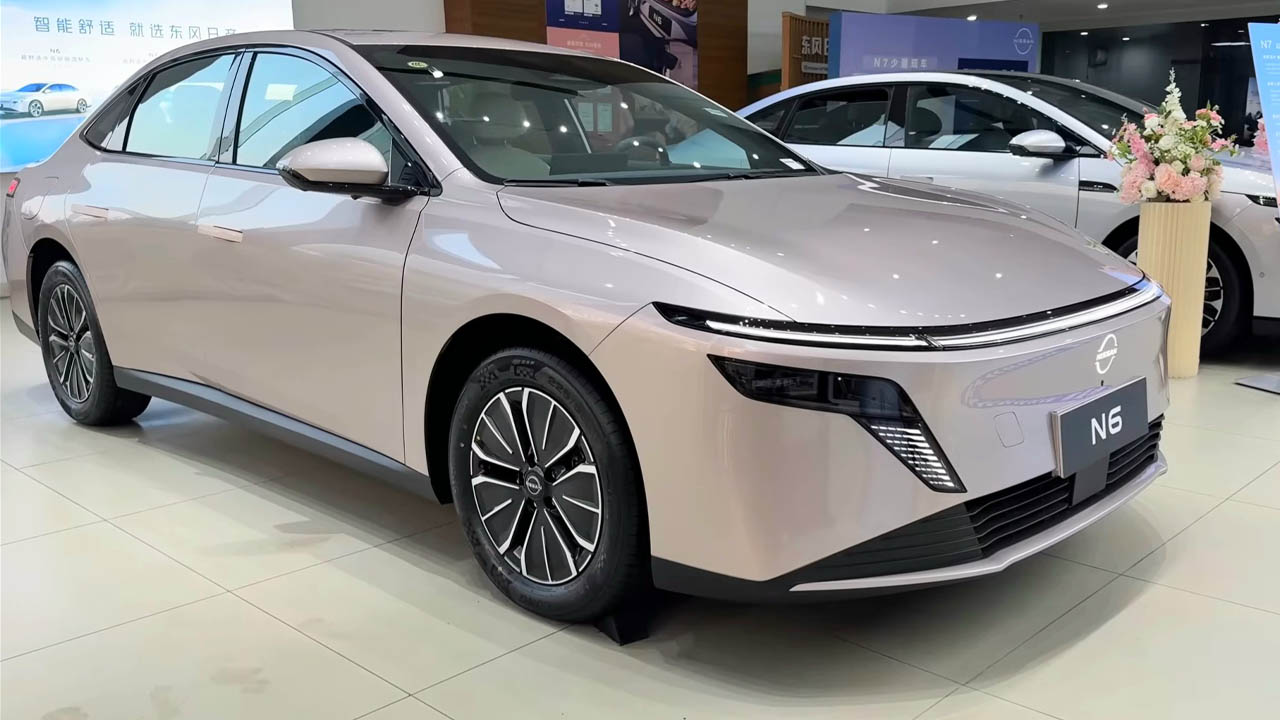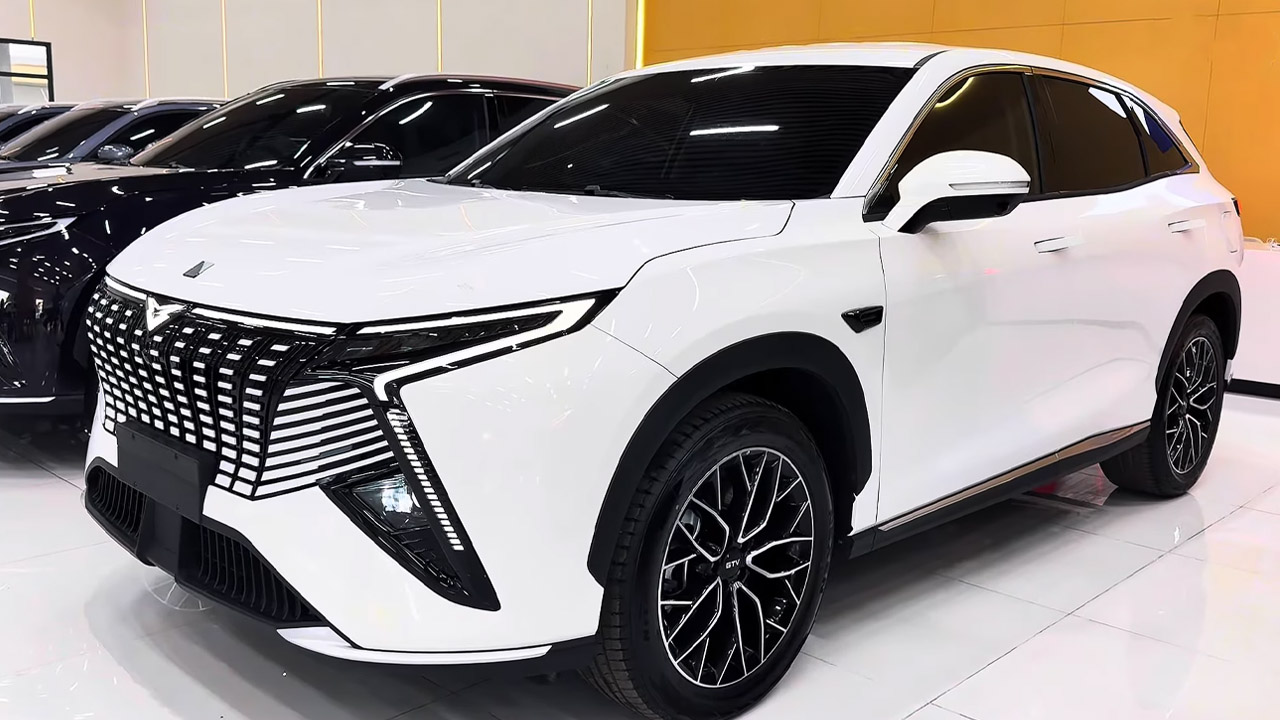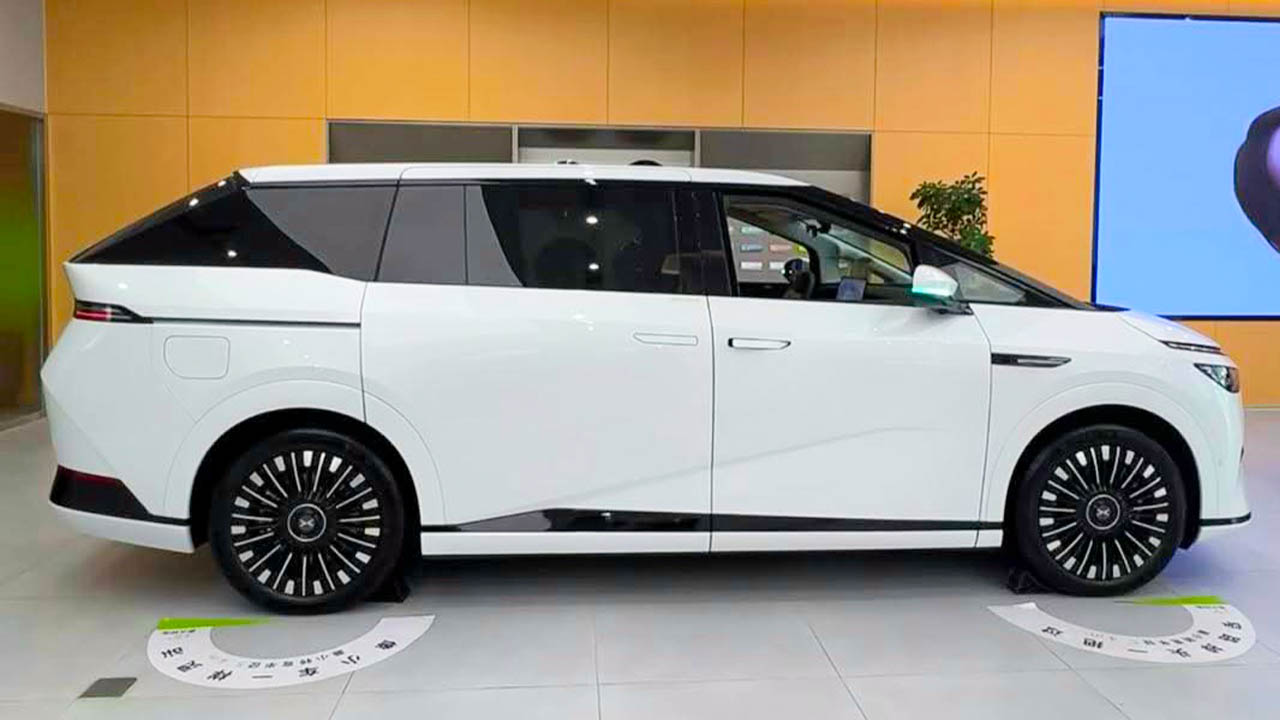
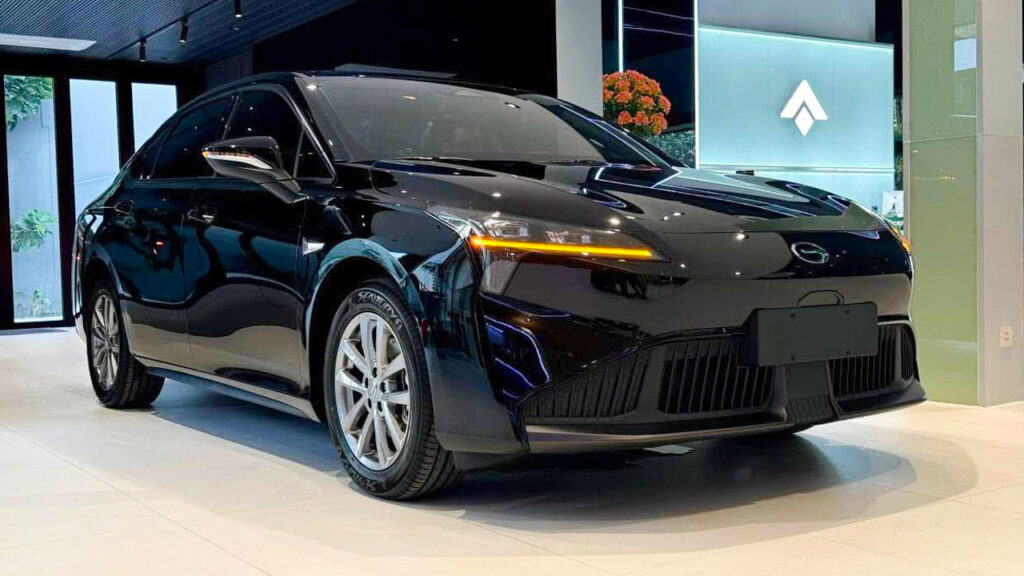
The GAC AION ES is a compelling entrant into the global electric vehicle market, standing out not as an aspirational, high-tech luxury sedan, but rather as an exceptionally practical, spacious, and affordable electric car.
As an export variant of the Aion S, the ES has carved a niche for itself by offering D-segment sedan dimensions at a price point that rivals B-segment petrol hatchbacks or subcompact hybrids. This focus on pure, unadulterated value and functionality is the core of the AION ES‘s identity.
Full Specifications Table
| Feature | GAC AION ES (2026 Specs) |
| Battery Capacity | 55.2 kWh (LFP Magazine Battery) |
| Motor Output | 100 kW (134 HP) / 225 Nm Torque |
| Range (NEDC / WLTP) | 442 km / 364 km |
| Charging (DC 30-80%) | ~30 Minutes |
| Charging (AC 0-100%) | ~8 – 11 Hours |
| Dimensions | 4,810 mm (L) x 1,880 mm (W) x 1,545 mm (H) |
| Top Speed | 130 km/h (81 mph) |
Design and Dimensions: Executive Space, Budget Price
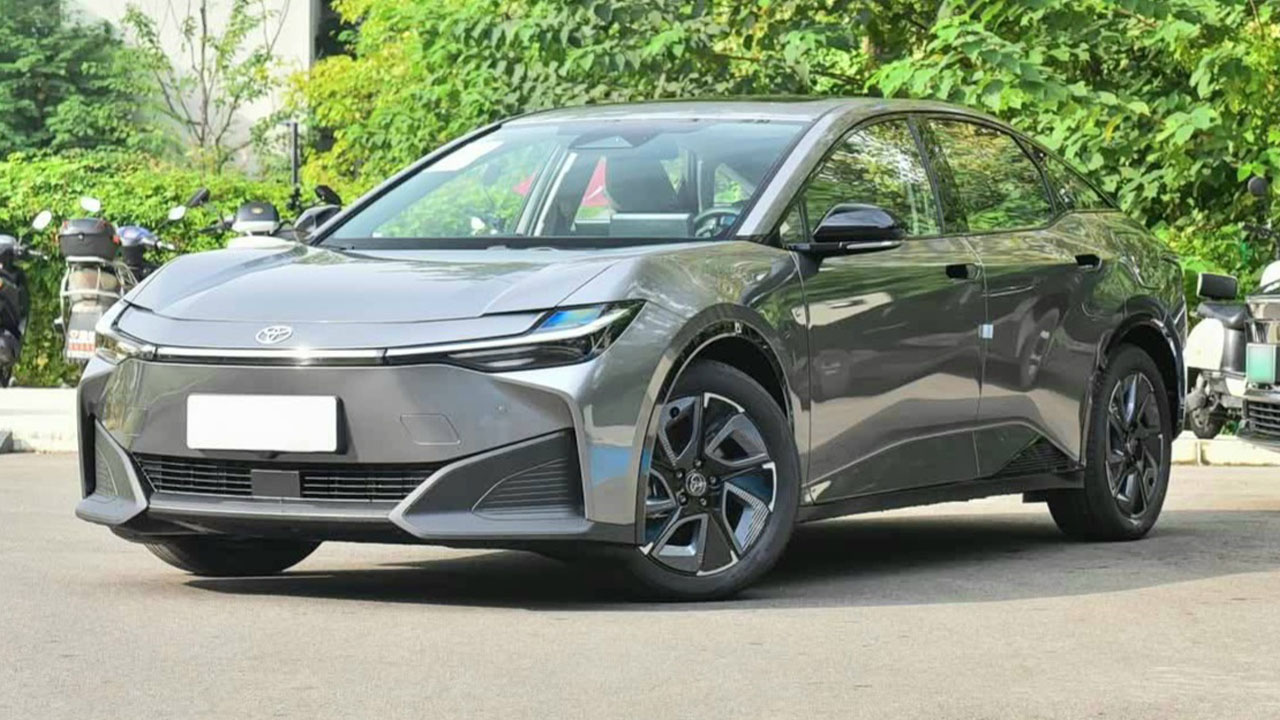
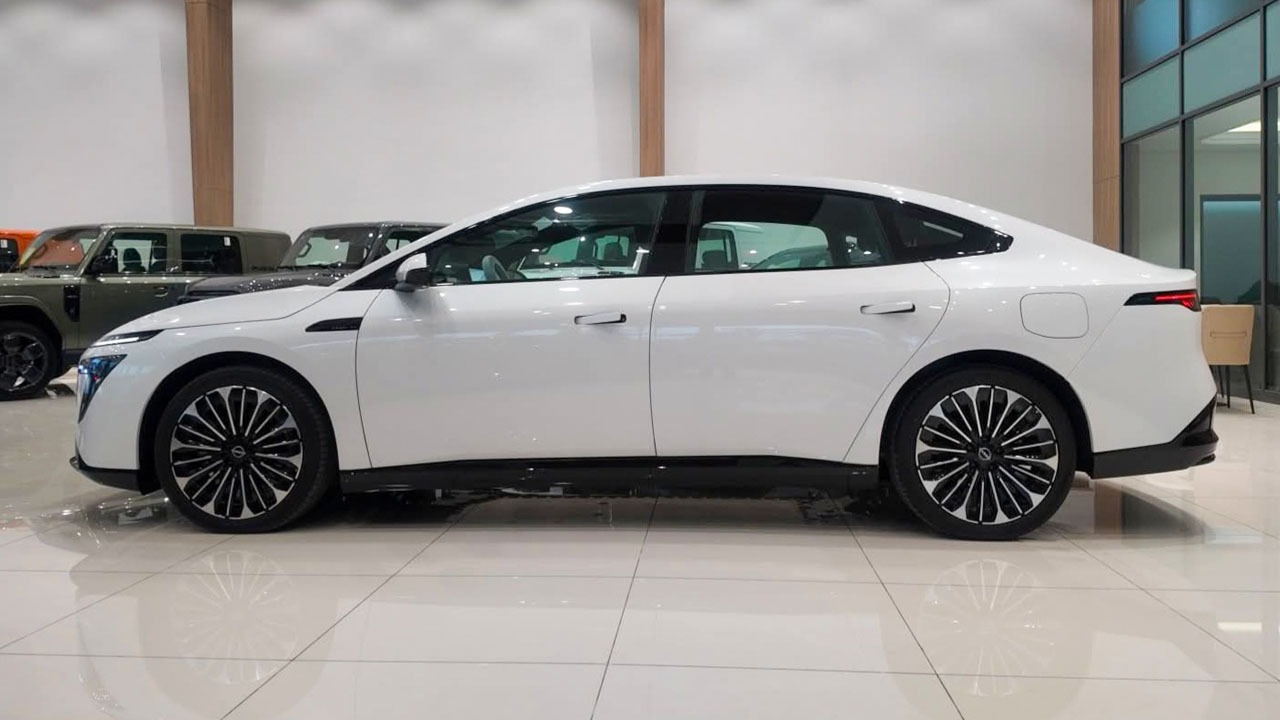
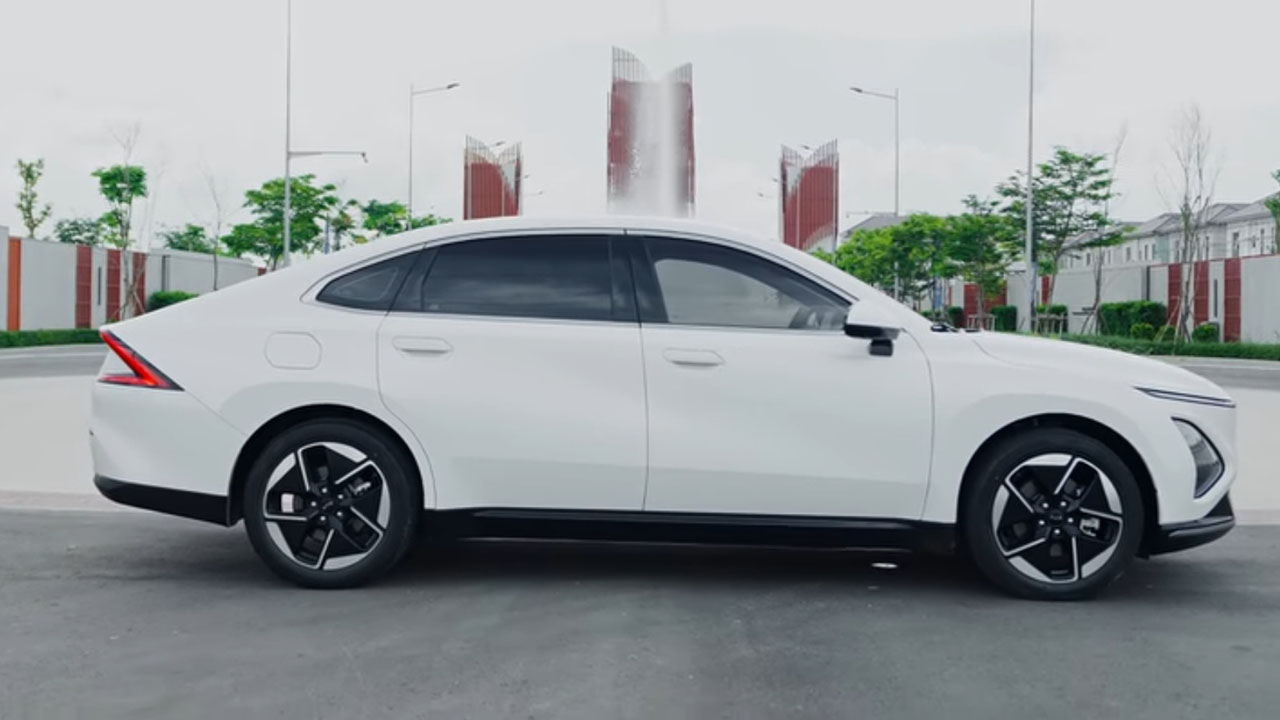
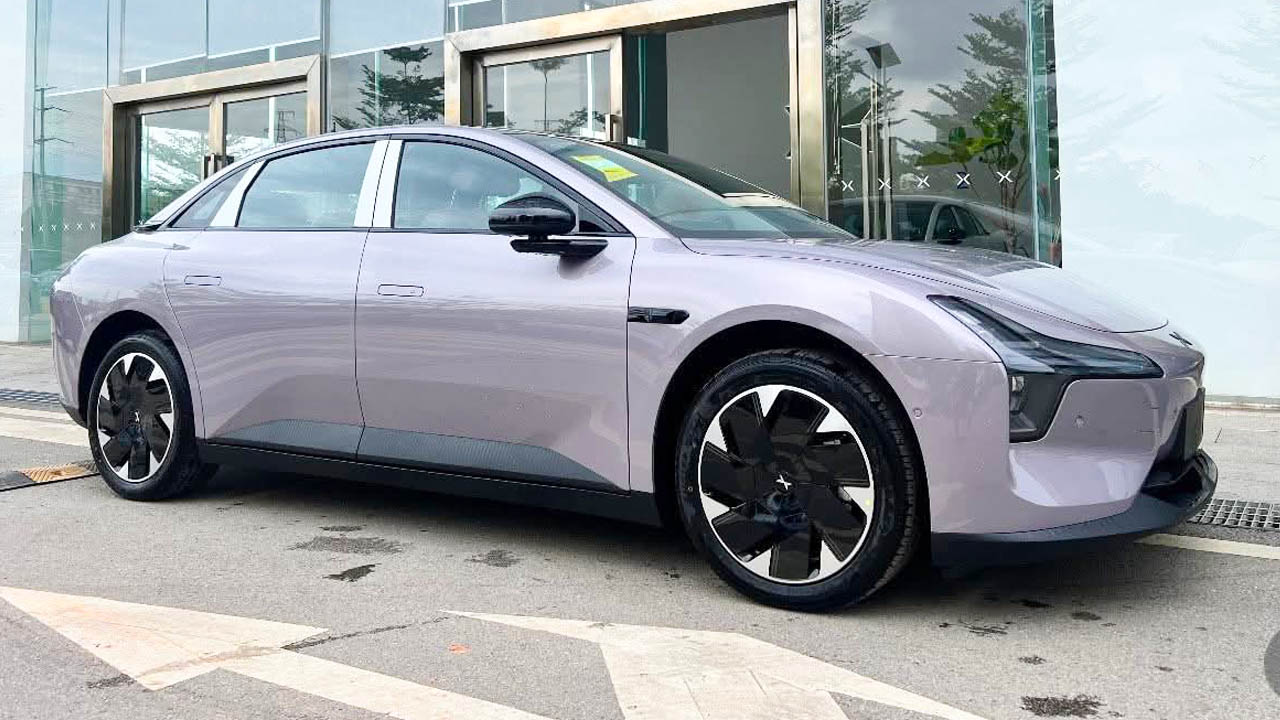
From an exterior perspective, the AION ES manages to look more expensive than its price suggests. Measuring 4,810 mm long, 1,880 mm wide, and 1,545 mm tall, with a generous 2,750 mm wheelbase, it physically competes with larger family sedans like the Toyota Camry or Honda Accord.
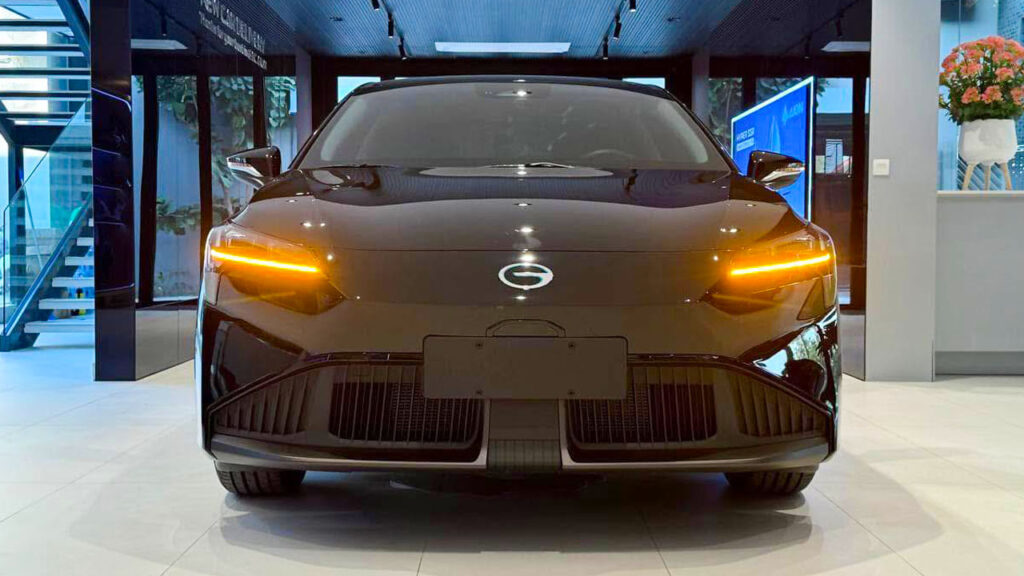
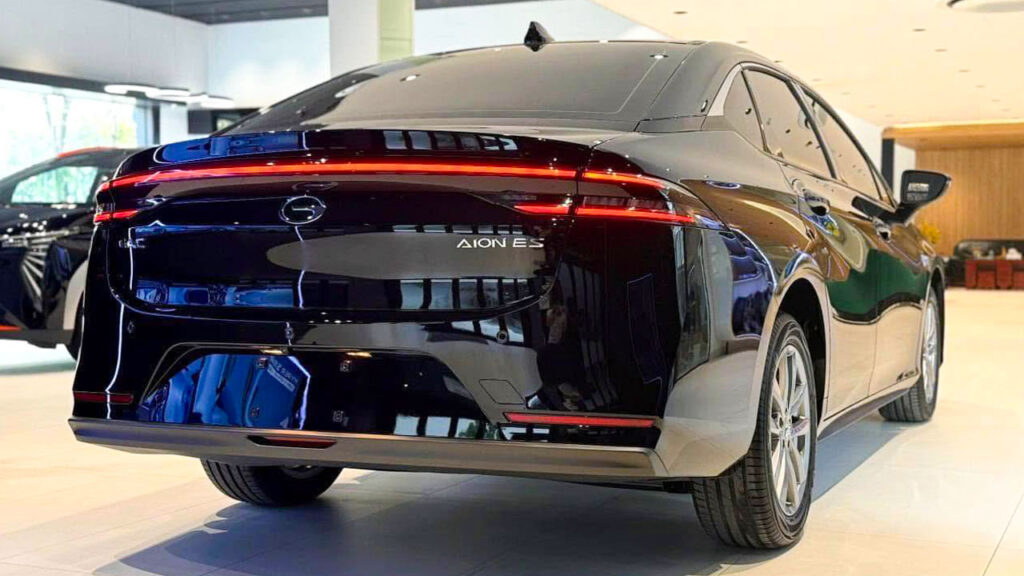
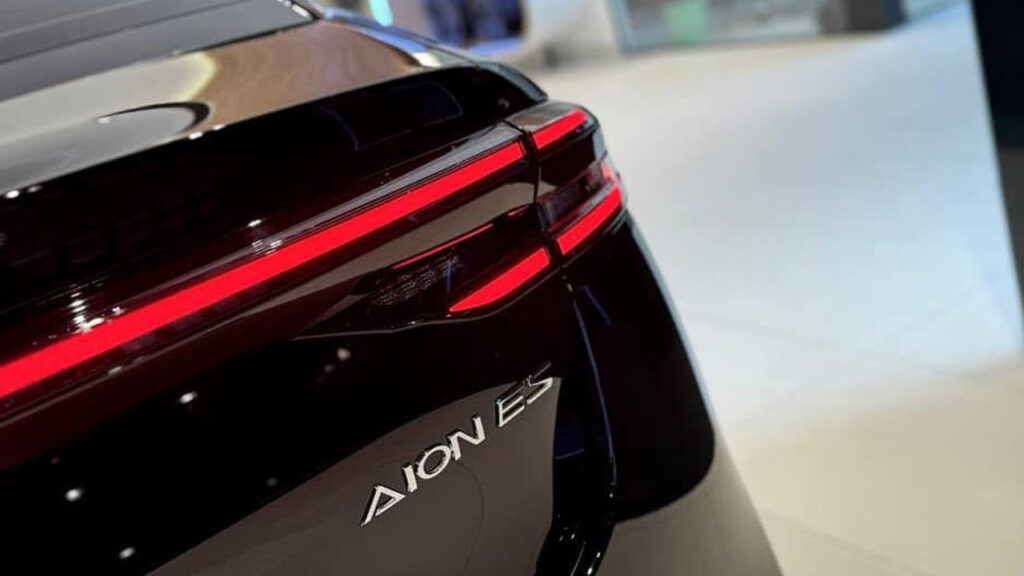
The styling features modern EV cues, including a sealed-off front fascia that hints at its electric powertrain, sharp LED headlamps with integrated daytime running lights, and a connecting LED tail-light bar at the rear. However, the overall look is sometimes criticized, particularly for the wheel arches appearing too large for the standard 17-inch alloy wheels, which can make its side profile look dated. Despite minor aesthetic compromises, the design is generally clean and effective, with the executive length giving it an undeniable presence.
Powertrain, Performance, and Range
The AION ES is built on GAC’s GEP 2.0 pure electric platform and is equipped with a modest but highly efficient electric powertrain.
Performance is best described as leisurely and suitable for urban commuting. Its 12.1-second sprint time is slower than many modern family sedans,
but the instant torque of the electric motor provides sufficient power for navigating city traffic.
A significant point of contention is the charging speed. The ES supports a maximum of 6.6 kW AC charging, meaning a full charge at home will typically take around 8-11 hours. DC fast charging is better, usually peaking at 60 kW (sometimes up to 80 kW depending on market and trim), allowing a 30-80% charge in about 30–35 minutes—acceptable, but certainly not class-leading.
Interior, Comfort, and Features
The interior of the AION ES is where its cost-conscious nature is most apparent, yet simultaneously offers its greatest selling point: space.
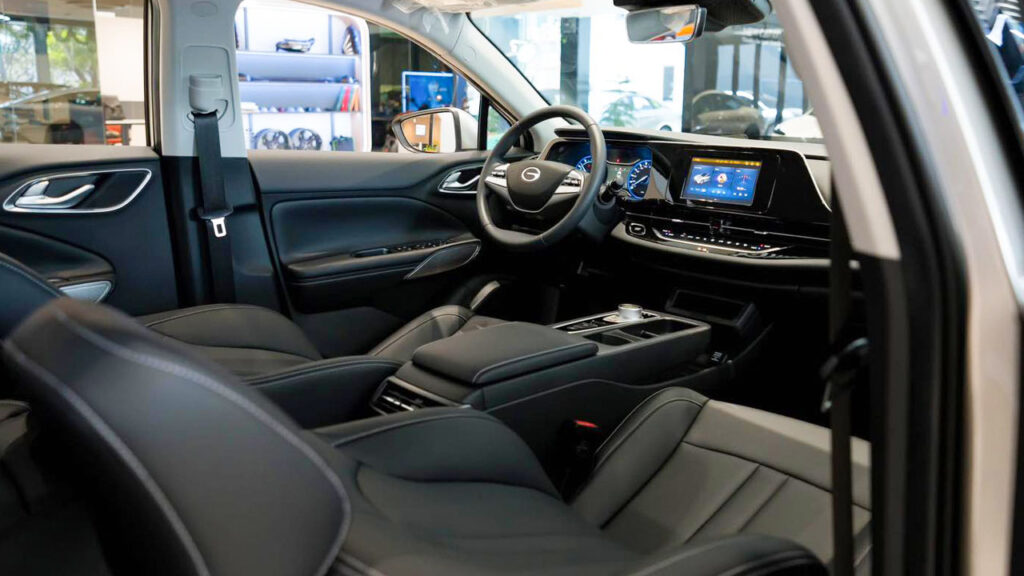
The cabin is remarkably roomy, providing D-segment level legroom and headroom for both front and rear passengers, complemented by a virtually flat rear floor. The boot space is also generous at around 450 liters, easily swallowing several large suitcases.
However, the technology and material quality reflect its budget orientation. It typically features an analog-digital instrument cluster and an 8.0-inch central touchscreen infotainment system. This system is often noted for being sluggish and, crucially, lacks native support for essential features like Apple CarPlay or Android Auto, forcing users to rely on wired connections or its proprietary, sometimes basic, interface.
Despite these compromises, the ES includes several “nice-to-have” features that enhance daily usability, such as:
- Automatic Dual-Zone Climate Control
- Rear air-conditioning vents (a huge plus for back-seat passengers)
- Electric Parking Brake with Auto Hold
- Automatic Headlights and Rain-sensing Wipers
- Rear parking camera and sensors
Safety equipment is minimal on certain base export trims, often featuring just dual front airbags, which is a major drawback compared to rivals offering six or more. Higher trims, however, may include features like Lane Keep Assist and Adaptive Cruise Control.
Target Market and Value Proposition
The AION ES is explicitly engineered for maximum utility and low ownership cost. Its primary market is often ride-hailing fleets and entry-level EV buyers who prioritize interior space, range, and affordability over cutting-edge technology or thrilling performance.
The Lithium Iron Phosphate (LFP) battery choice is a key element of its value, offering high stability, long cycle life, and lower manufacturing cost compared to NMC batteries, perfect for high-mileage commercial use.
Ultimately, the AION ES succeeds because it delivers an enormous amount of electric car for the money. It provides the quiet, refined, and energy-efficient driving experience of an EV, combined with the spaciousness of a larger sedan, all while competing on price with much smaller, entry-level vehicles. While charging is slow and the cabin tech is basic, for the driver who needs a dependable, comfortable, and practical point-to-point electric mobility solution, the AION ES is difficult to beat on sheer value.
Pricing & Global Availability
- MSRP (Global Est.): $21,700 – $24,500 USD (e.g., AED 79,900 in UAE / RM 106,800 in Malaysia).
- Trim Levels: Primarily sold in a single, high-value “Standard” trim, though some markets offer an “ES Plus” with minor cosmetic upgrades.
- Value Verdict: If you measure a car by how much “vehicle” you get per dollar, the AION ES is unbeatable. It offers the cabin space of a Toyota Camry for the price of a Suzuki Swift.
Comparison Table: GAC AION ES with Others
| Feature | GAC AION ES | BYD Dolphin | MG 4 Electric | Toyota Vios (Gas) |
| Type | Sedan (Large) | Hatchback | Hatchback | Sedan (Compact) |
| Space | ⭐⭐⭐⭐⭐ | ⭐⭐⭐ | ⭐⭐⭐ | ⭐⭐⭐ |
| EV Range | 442 km (NEDC) | 410 km (NEDC) | 350 km (WLTP) | N/A |
| Tech/Apps | Basic | High-Tech | Modern | Standard |
| Price (Est.) | ~$22,000 | ~$23,000 | ~$28,000 | ~$19,000 |
Who Should Buy It?
- The Budget-Conscious Family: If you need a car that can fit three adults in the back without their knees touching the front seats.
- First-Time EV Buyers: The simple gauges and physical buttons make the transition from a gas car completely stress-free.
- Urban Commuters: Perfect for those who spend 90% of their time in city traffic where comfort and efficiency matter more than top speed.
Pros and Cons
| ✅ Pros | ❌ Cons |
| D-Segment Interior Space | Only 2 Airbags in many base trims |
| Soft & Refined Ride Quality | Low Top Speed (130 km/h) |
| Physical Climate Controls | Analog Gauges may feel dated to some |
| Exceptional Value for Money | No “One-Pedal” driving mode |
FAQ
1. Is the GAC AION ES a good family car? Absolutely. It is one of the roomiest sedans in its price bracket. The flat rear floor and high ceiling make it feel much larger than it looks from the outside.
2. How long does it take to charge? On a 60kW DC Fast Charger, it takes about 30–40 minutes to go from 20% to 80%. A full home charge takes roughly 11 hours.
3. What are the main competitors? It competes directly with the BYD Dolphin, MG 5, and even traditional gas sedans like the Toyota Vios or Honda City for buyers looking for a “big car on a small budget.”
4. Is the “Magazine Battery” safe? Yes, it is GAC’s proprietary technology designed to prevent thermal runaway (fire) even if the battery is severely damaged.
5. Does it support Apple CarPlay? Yes, most 2025/2026 global export models now come with Apple CarPlay and Android Auto as standard.
Disclaimer
Disclaimer: This review is based on technical analysis and regional specifications for the 2025/2026 GAC AION ES. Pricing and features (such as airbag count and screen size) vary significantly by country. Always check with your local GAC distributor for regional specifics