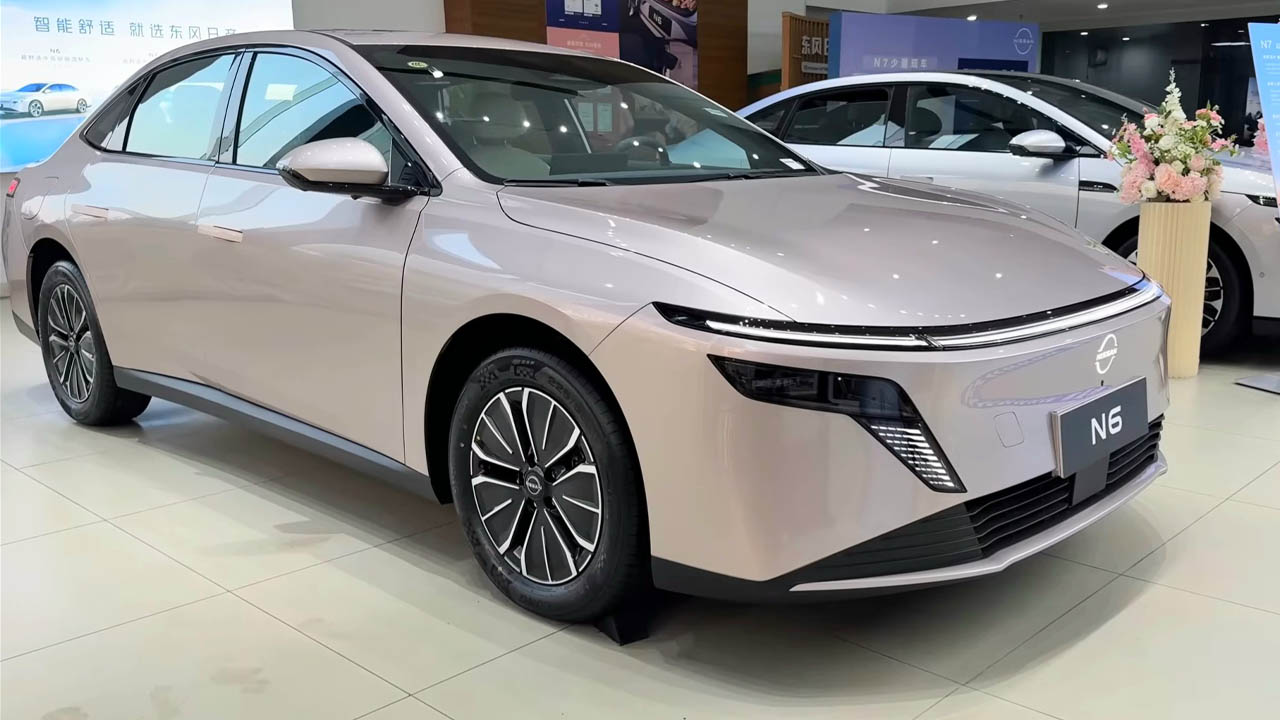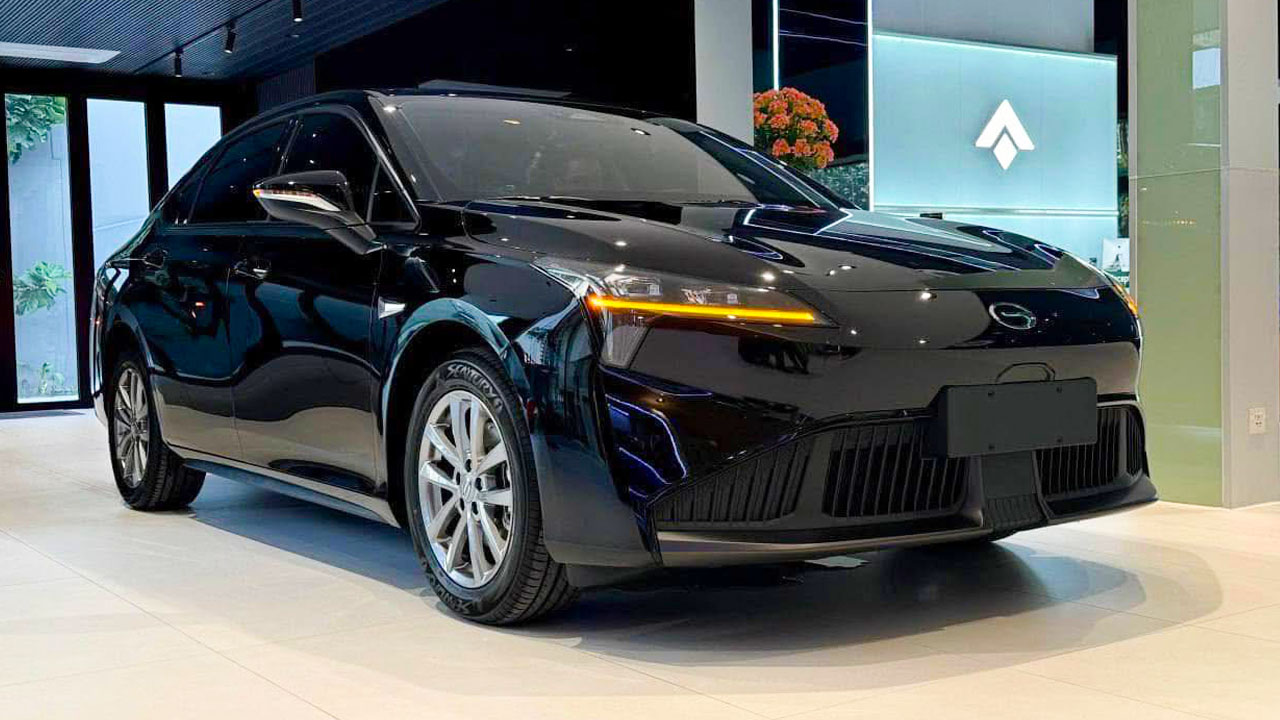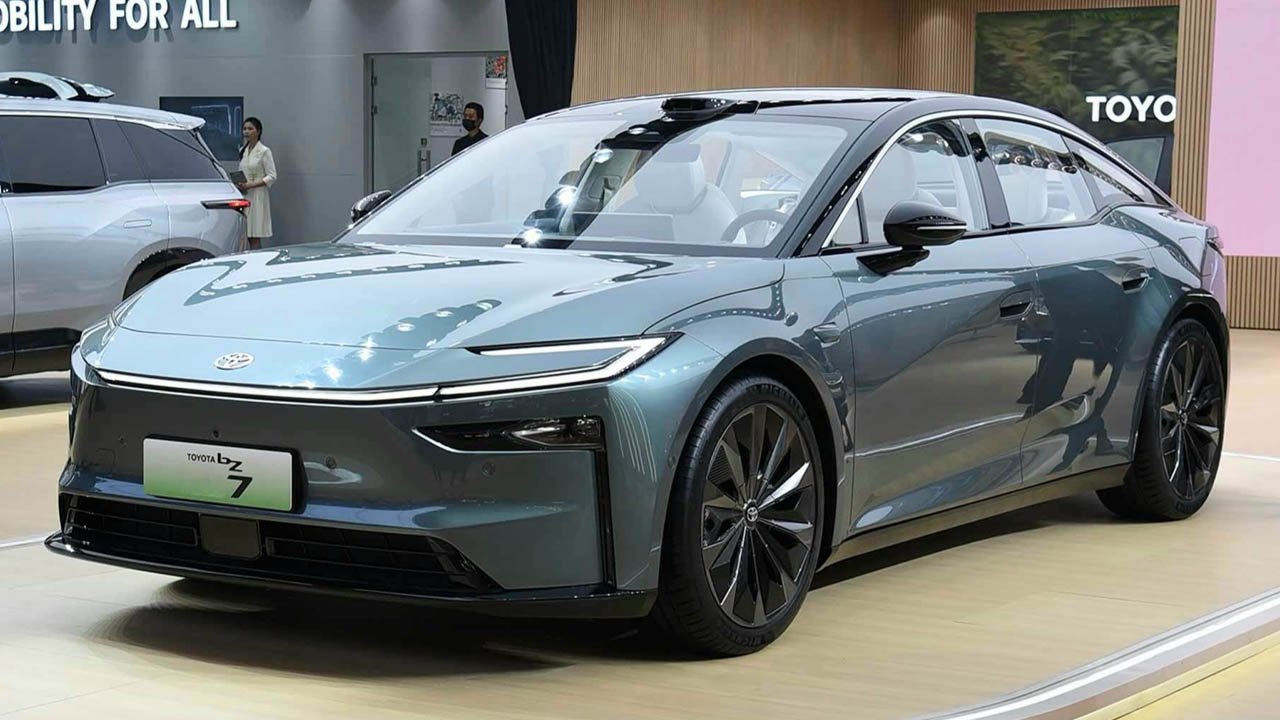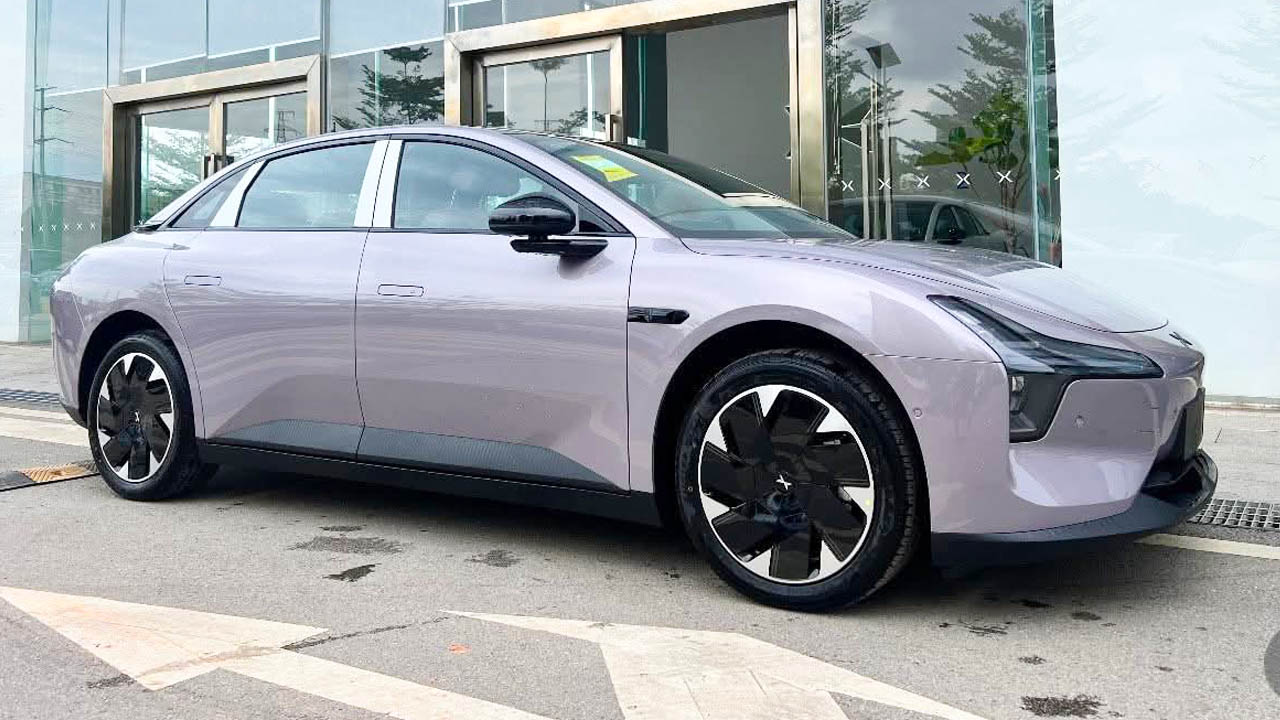
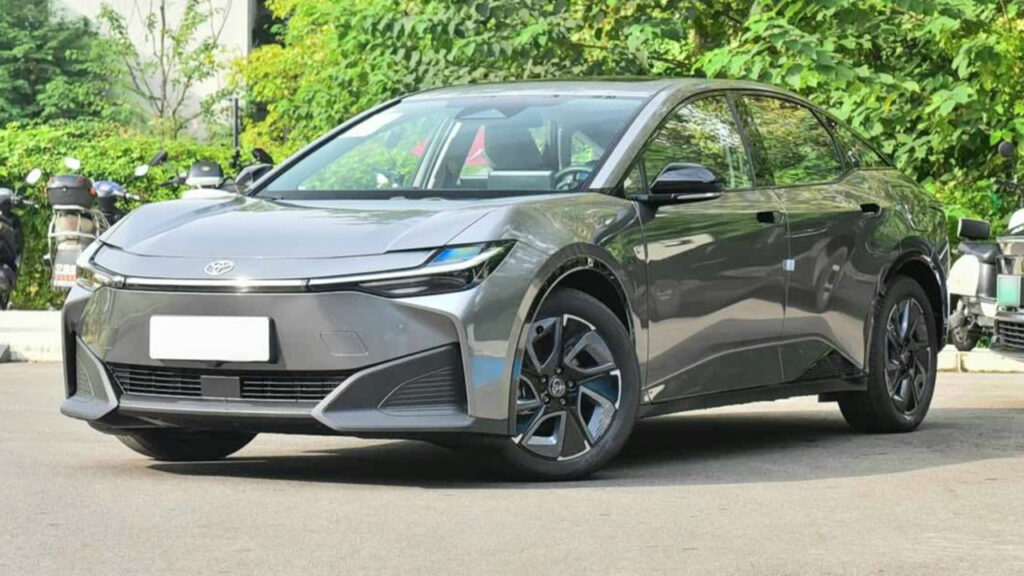
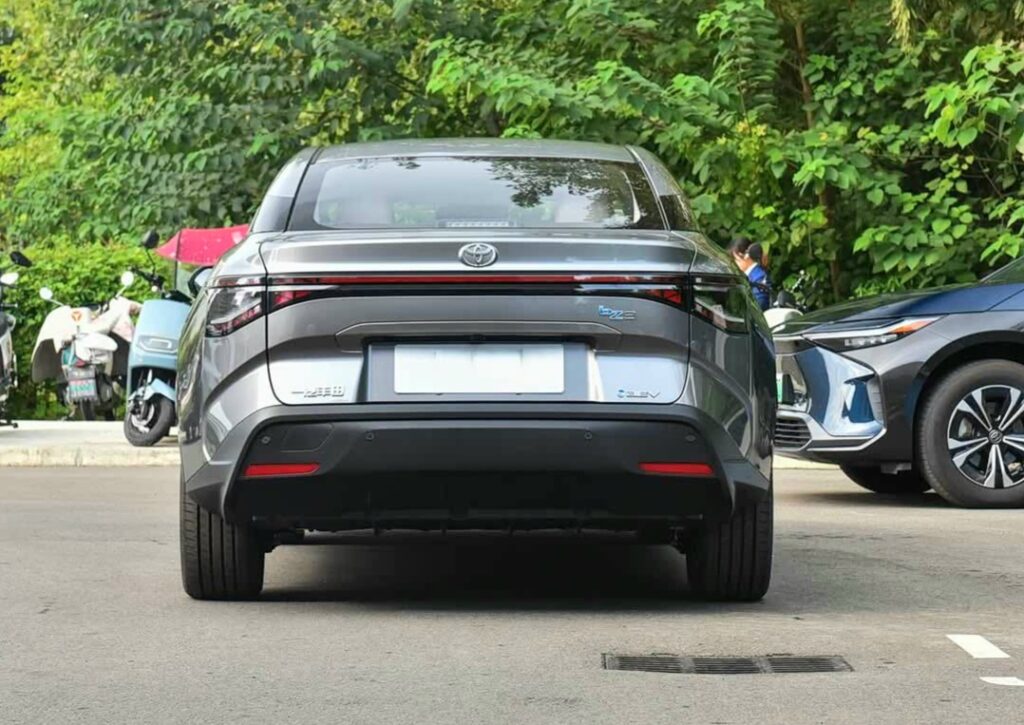
The 2025 Toyota bZ3 solidifies its position as a key electric vehicle (EV) in the compact to mid-size sedan segment, particularly in the markets where it is offered, such as China. Jointly developed by Toyota, BYD Auto, and FAW Toyota, the bZ3 is the brand’s second global model in the “beyond Zero” (bZ) series and its first pure-electric sedan.
It combines Toyota’s engineering and quality control with BYD’s established battery technology.
Full Specifications Table
| Feature | Toyota bZ3 (Elite Pro / Premium) |
| Engine / Motor | Single Electric Motor (Rear-Wheel Drive) |
| Horsepower / Torque | 181 – 245 HP / 303 Nm |
| Battery Type | BYD Lithium Iron Phosphate (Blade Battery) |
| Battery Capacity | 49.9 kWh / 65.3 kWh |
| Range (CLTC) | 517 km / 616 km |
| 0–100 km/h | ~7.5 Seconds |
| Dimensions (L x W x H) | 4,725 x 1,835 x 1,475 mm |
Performance and Powertrain
The bZ3 is built on the dedicated e-TNGA platform, which is designed for electric vehicles. This architecture helps provide a low center of gravity for enhanced stability and handling, aiming for a more engaging and responsive driving experience. The vehicle is powered by a single electric motor driving the front wheels, with two main power output options:
- Standard Range: The entry-level variant typically features a motor with around 135 kW (181 hp).
- Long Range: Higher-trim models boast an increased output of approximately 180 kW (241 hp), and both variants share a maximum torque of 303 Nm.
This rear-motor, front-wheel-drive layout in a sedan-body provides a blend of efficiency and predictable handling. The reported top speed is generally limited to 160 km/h.
Battery, Range, and Charging
A highlight of the bZ3 is its battery technology, leveraging the expertise of BYD’s FinDreams Battery division. It utilizes the durable and safe Blade lithium iron phosphate (LFP) battery. The main battery capacities and corresponding CLTC (China Light-Duty Vehicle Test Cycle) ranges include:
- Standard Battery (approx. 49.9 kWh): Offers a claimed CLTC range of 517 km (321 miles).
- Long Range Battery (approx. 65.3 kWh): Extends the range to a claimed CLTC range of 616 km (383 miles).
Toyota emphasizes its proprietary battery control and monitoring systems, developed through decades of hybrid vehicle experience, to ensure longevity, with a development goal of retaining 90% capacity after ten years for customer peace of mind.
Charging performance is competitive, with a reported DC fast-charging time of approximately 0.75 hours (45 minutes) to go from 30% to 80% capacity. Slow AC charging times vary based on the battery size, with the larger pack taking around 9.5 hours for a full charge.
Exterior Design and Dimensions
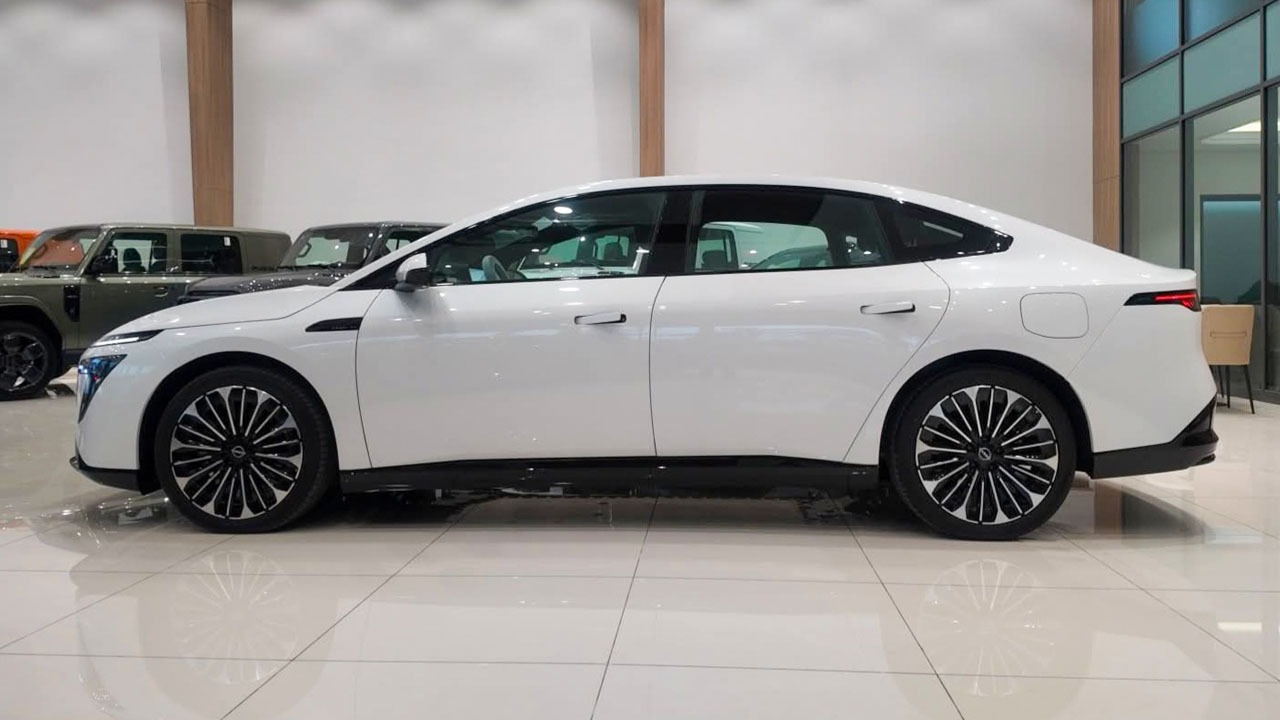
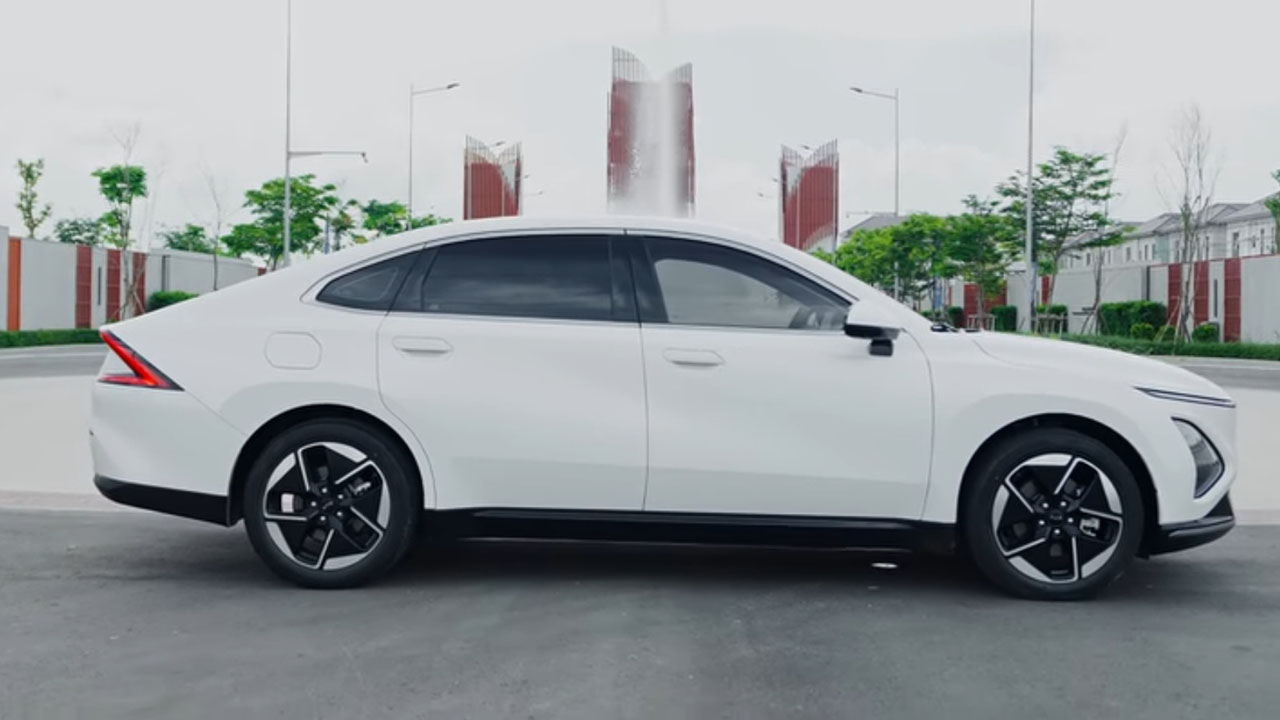
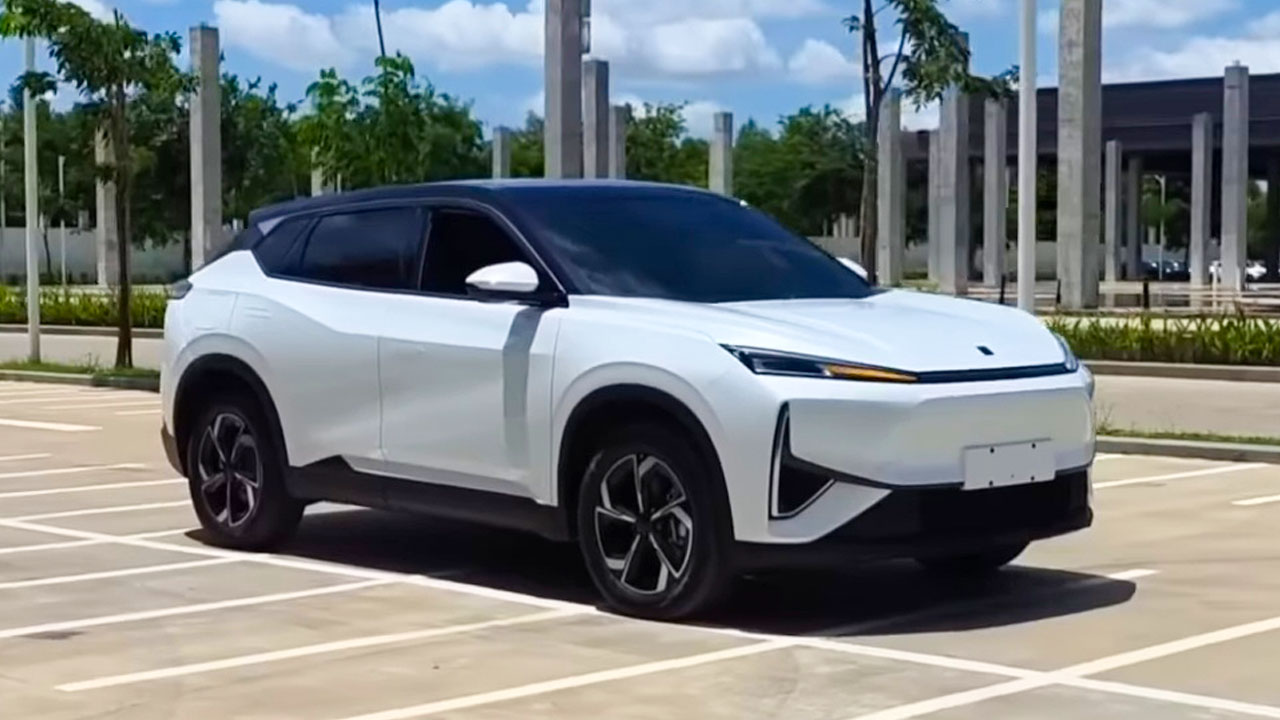
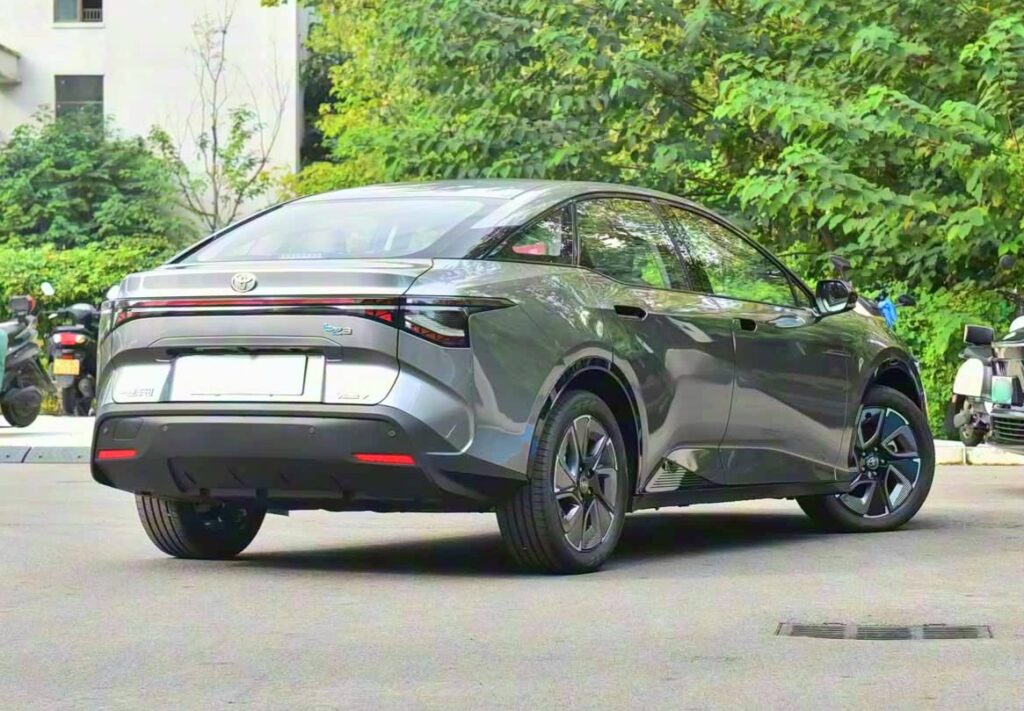
The bZ3 adheres to the “hammerhead shark-like” design theme established by the bZ series. It presents a sleek, fastback-style silhouette with a highly aerodynamic profile, boasting an impressive drag coefficient.
Key dimensions for the sedan are:
- Length: 4,725 mm (186.0 in)
- Width: 1,835 mm (72.2 in)
- Height: 1,475 mm (58.1 in)
- Wheelbase: 2,880 mm (113.4 in)
The long wheelbase maximizes interior space, while design elements like flat door handles and specialized bumper corners contribute to its aerodynamic efficiency.
Interior and Technology
The interior is based on a “Family Lounge” concept, focusing on a comfortable and user-friendly experience. The cabin features a minimalist and people-centered design, characterized by a large, vertically oriented 12.8-inch Digital Island center display. This central hub integrates controls for air conditioning, music, and multimedia, greatly enhancing digital functionality.
Key interior features include:
- Infotainment: The large vertical screen is the focal point, integrating smartphone linking, wireless charging, and voice control for a smart cockpit experience.
- Digital Cluster: A low-mounted digital driver’s display is positioned for the driver to look over the unconventional steering wheel (often a rectangular shape), minimizing distraction.
- Space: The 2,880 mm wheelbase provides ample passenger legroom, contributing to the “lounge” feel.
- Driver Assistance: The bZ3 is equipped with Toyota’s advanced safety suite, offering comprehensive driver-assistance systems.
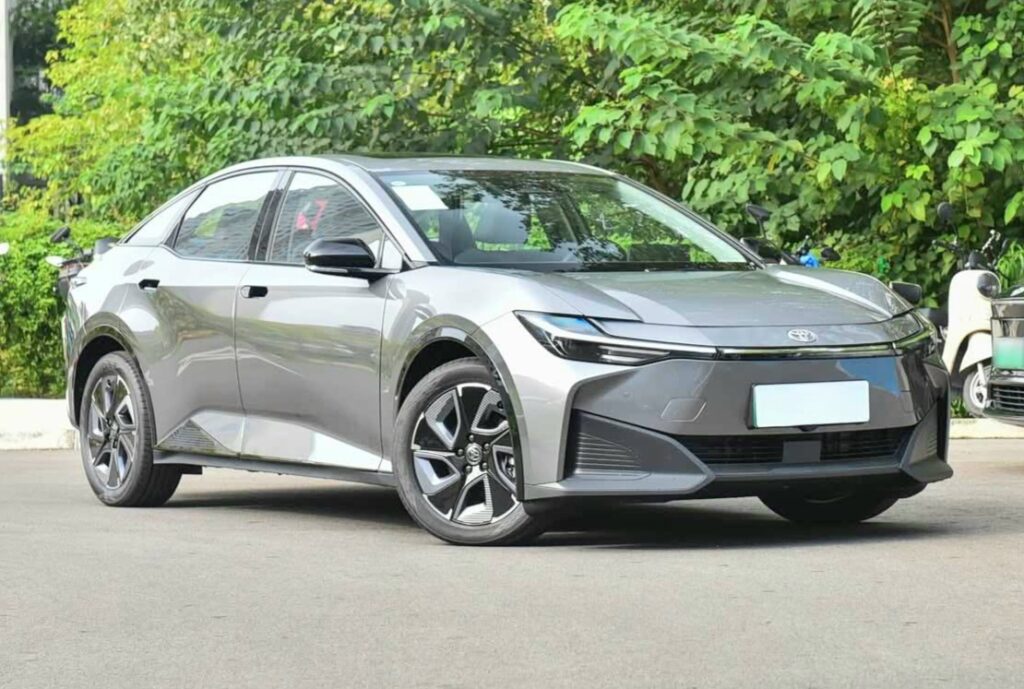
In summary, the 2025 Toyota bZ3 is a highly efficient, purpose-built electric sedan that marries Toyota’s reputation for quality and safety with high-capacity, durable LFP battery technology from BYD. Its sleek design, competitive range, and focus on digital integration position it as a strong contender in the global EV market.
Pricing & Global Availability
- MSRP (Global Est.): $15,100 – $25,000 USD (Prices vary significantly by region; UAE and export models typically range from $22,000 to $33,000).
- Trim Levels: Elite Pro (Standard Range) and Premium (Long Range with LiDAR/Advanced ADAS).
- Value Verdict: The bZ3 is currently the best-value Toyota on the market. It offers nearly the same range as a Tesla Model 3 for nearly $10,000 less in many markets.
Who Should Buy the Toyota bZ3?
- The “Toyota Loyalist” Going Electric: If you’ve always driven a Corolla or Camry and want to switch to an EV without the “learning curve” or reliability fears of a startup brand, this is your safest bet.
- The High-Mileage Commuter: Thanks to the ultra-durable BYD Blade Battery (designed for over 3,000 charge cycles) and low energy consumption (~12 kWh/100km), this car is a financial win for those driving 50+ km daily.
- Ride-Hailing & Fleet Operators: In 2026, the bZ3 has become a favorite for professional drivers because of its massive rear legroom (2,880mm wheelbase) and “no-nonsense” interior that is easy to clean and maintain.
Comparison Table: Toyota bZ3 with Others
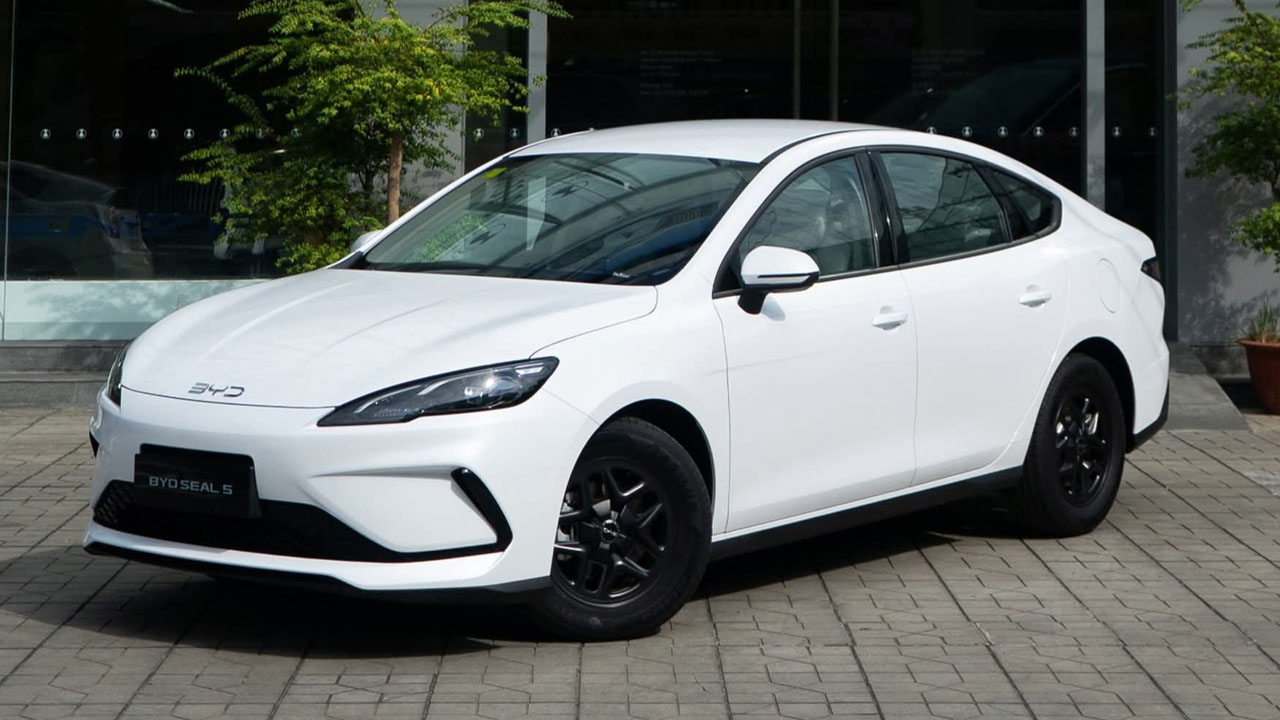
| Feature | Toyota bZ3 | Tesla Model 3 | BYD Seal | Hyundai Ioniq 6 | Volkswagen ID.7 |
| Powertrain | Single Motor (RWD) | RWD / AWD | RWD / AWD | RWD / AWD | RWD |
| 0-100 km/h | 7.5s | 6.1s | 5.9s (Standard) | 7.4s (Standard) | 6.5s |
| Battery Tech | BYD Blade (LFP) | NMC / LFP | BYD Blade (LFP) | NMC | NMC |
| EV Range (CLTC) | 517 – 616 km | 606 – 713 km | 550 – 700 km | 480 – 610 km | 600 – 700 km |
| Wheelbase | 2,880 mm | 2,875 mm | 2,920 mm | 2,950 mm | 2,966 mm |
| Est. Price (USD) | $15k – $24k | $35k – $45k | $22k – $30k | $38k – $48k | $45k – $55k |
Pros and Cons
| ✅ Pros | ❌ Cons |
| Efficiency King: One of the most energy-efficient sedans in the world (~11-12 kWh/100km). | Top Speed Limit: Electronically capped at 160 km/h (100 mph). |
| “Limo” Rear Space: Rear legroom rivals luxury cars like the Mercedes S-Class. | Infotainment Learning Curve: Vertical screen handles everything; lacks physical buttons. |
| Battery Longevity: LFP Blade battery is significantly less prone to degradation in hot climates. | Boot Accessibility: The narrow trunk opening makes loading large boxes difficult. |
| Toyota Reliability: Backed by Toyota’s 10-year/200,000km battery warranty in many regions. | No Frunk: Unlike Tesla, there is no storage space under the front hood. |
FAQ (Frequently Asked Questions)
1. Is the Toyota bZ3 a good family car?
Yes, primarily because of the rear cabin space. While the trunk is average (439 Liters), the rear floor is completely flat, making it very comfortable for three adults or two bulky child seats. The doors also open nearly 90 degrees, making it easy to get kids in and out.
2. How long does it take to charge?
On a DC Fast Charger, the bZ3 can charge from 30% to 80% in approx. 27–30 minutes. For home charging (AC), it takes about 7 hours for the Elite Pro (small battery) and 9.5 hours for the Premium (large battery) using a 7kW wall box.
3. What are the main competitors?
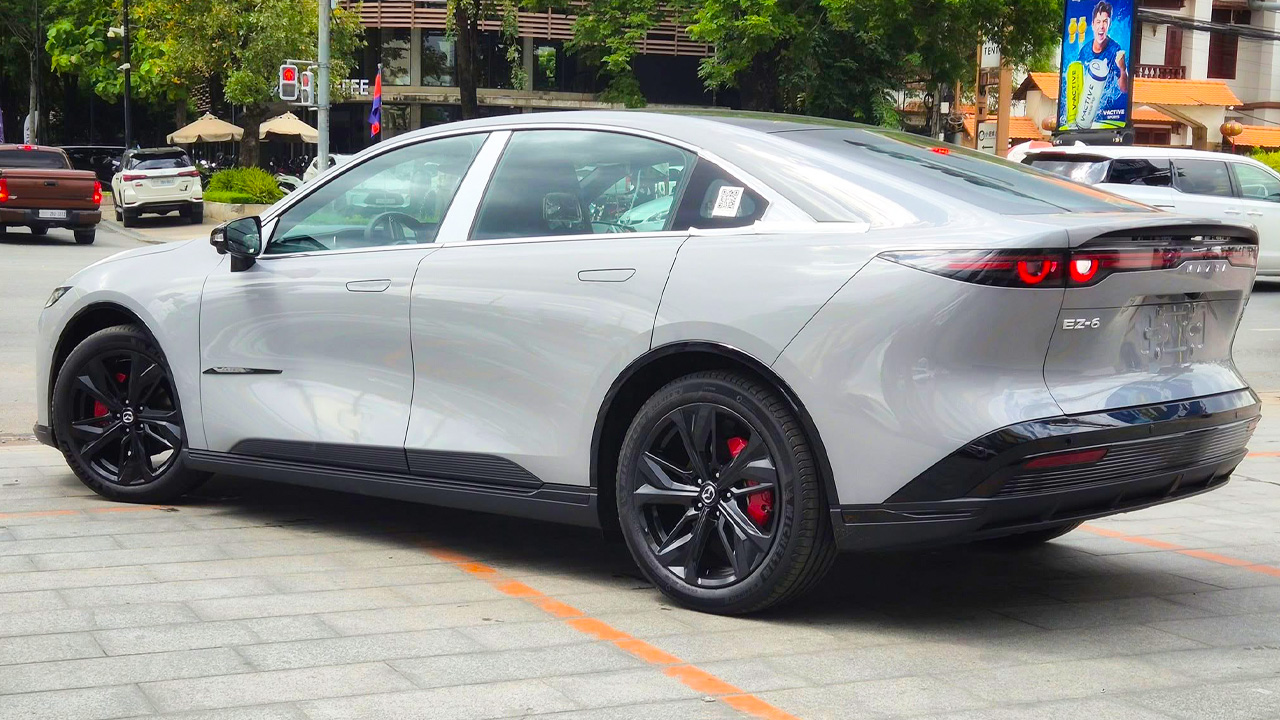
It competes directly with the Tesla Model 3, BYD Seal, and the Volkswagen ID.7. In the Asian market, it also battles with the GAC Aion S Plus and the Nissan N7.
4. Can I use Tesla Superchargers with the bZ3?
In North American and certain European versions (where available as an import), the 2025/2026 models are being equipped with NACS ports, allowing access to the Tesla Supercharger network. In other regions, you may need a CCS2-to-NACS adapter.
5. Does it have “One-Pedal” driving?
The bZ3 offers multiple levels of regenerative braking, but it does not offer a true “one-pedal” stop like a Tesla or Nissan Leaf. It is tuned to feel more like a traditional gasoline car to make the transition easier for new EV owners.
Disclaimer
Disclaimer: This review is based on technical analysis and press release data for the 2025/2026 model year. Specifications, battery warranties, and pricing vary significantly by country (e.g., China vs. UAE vs. SE Asia). Always consult your local Toyota distributor for regional specifics.