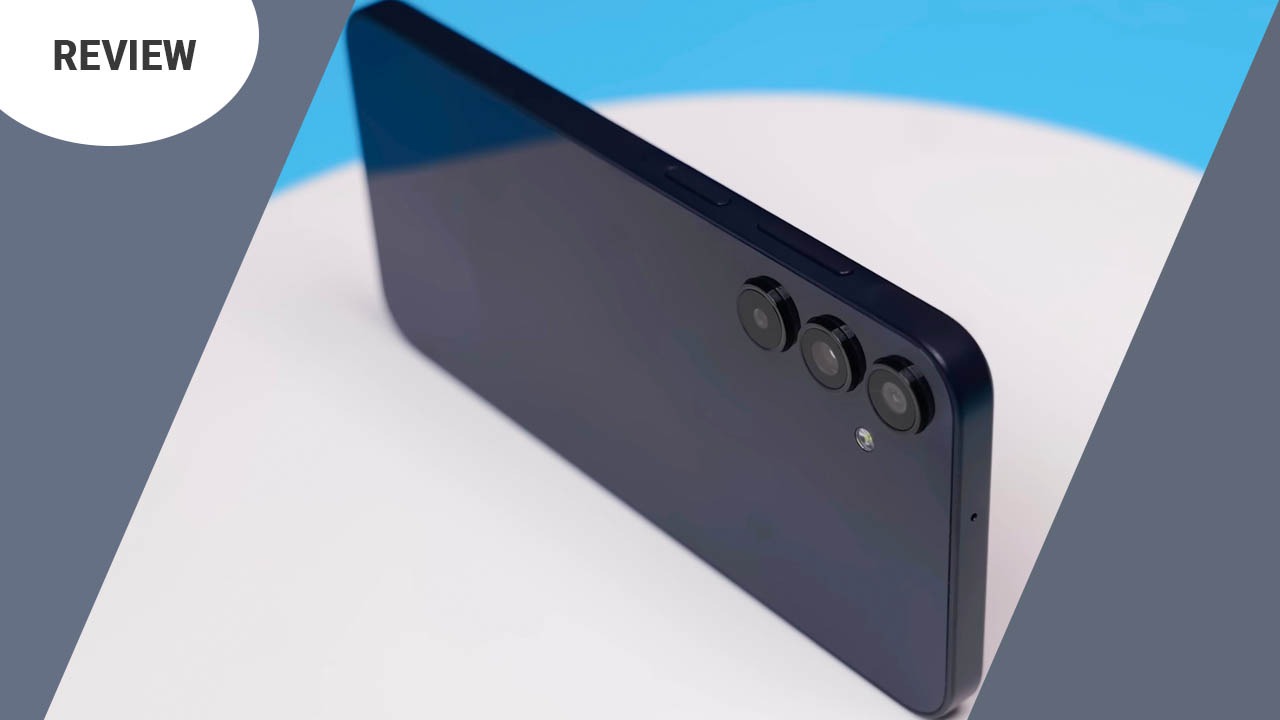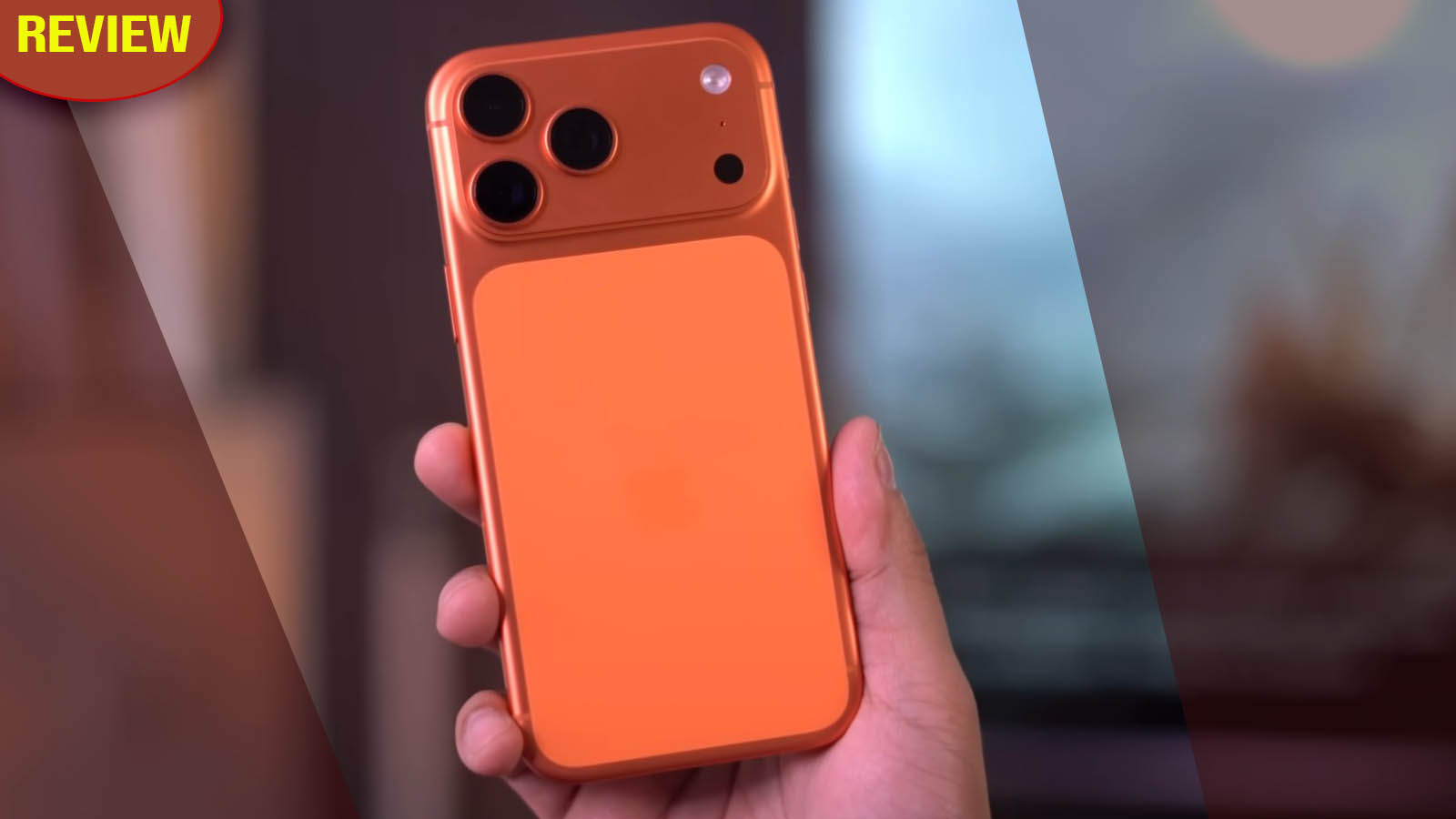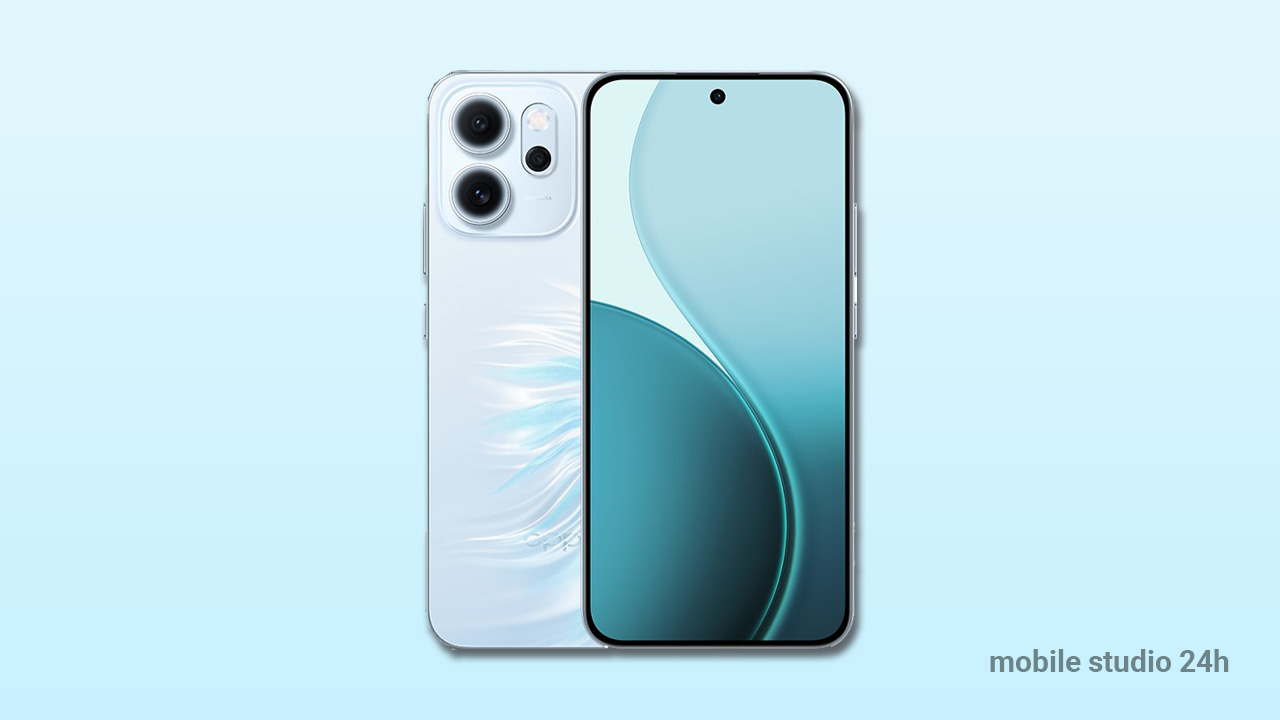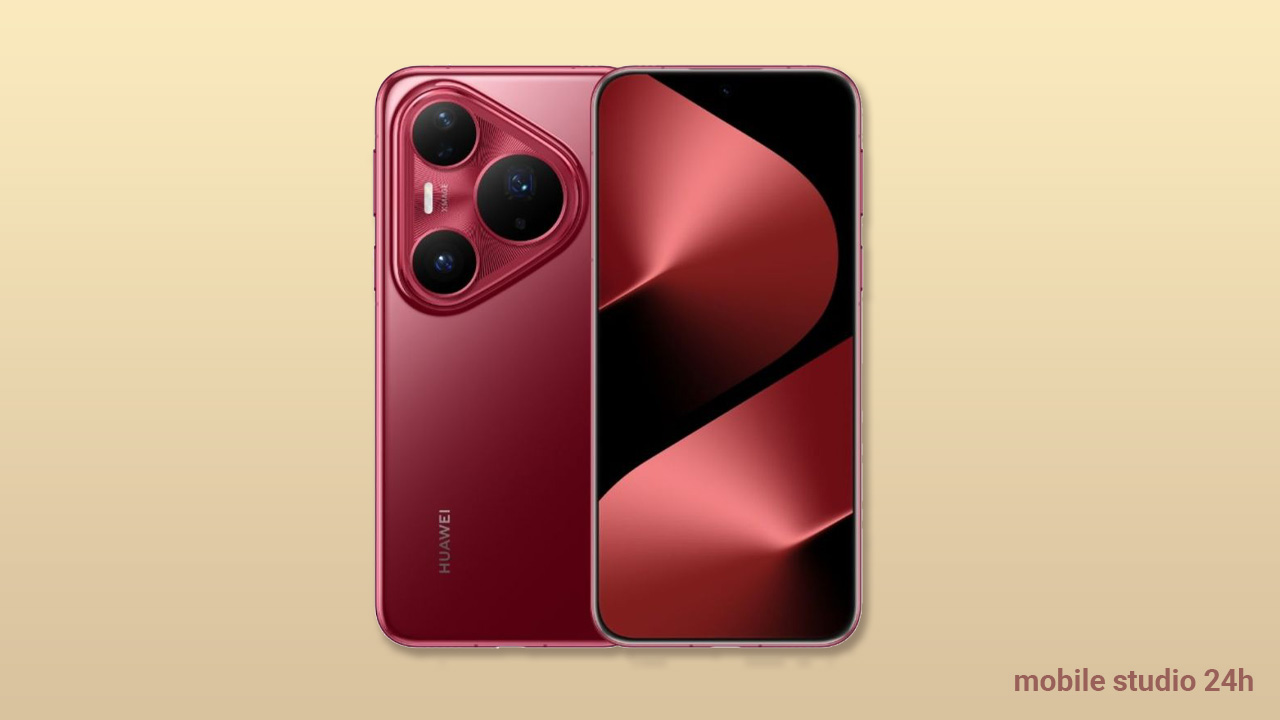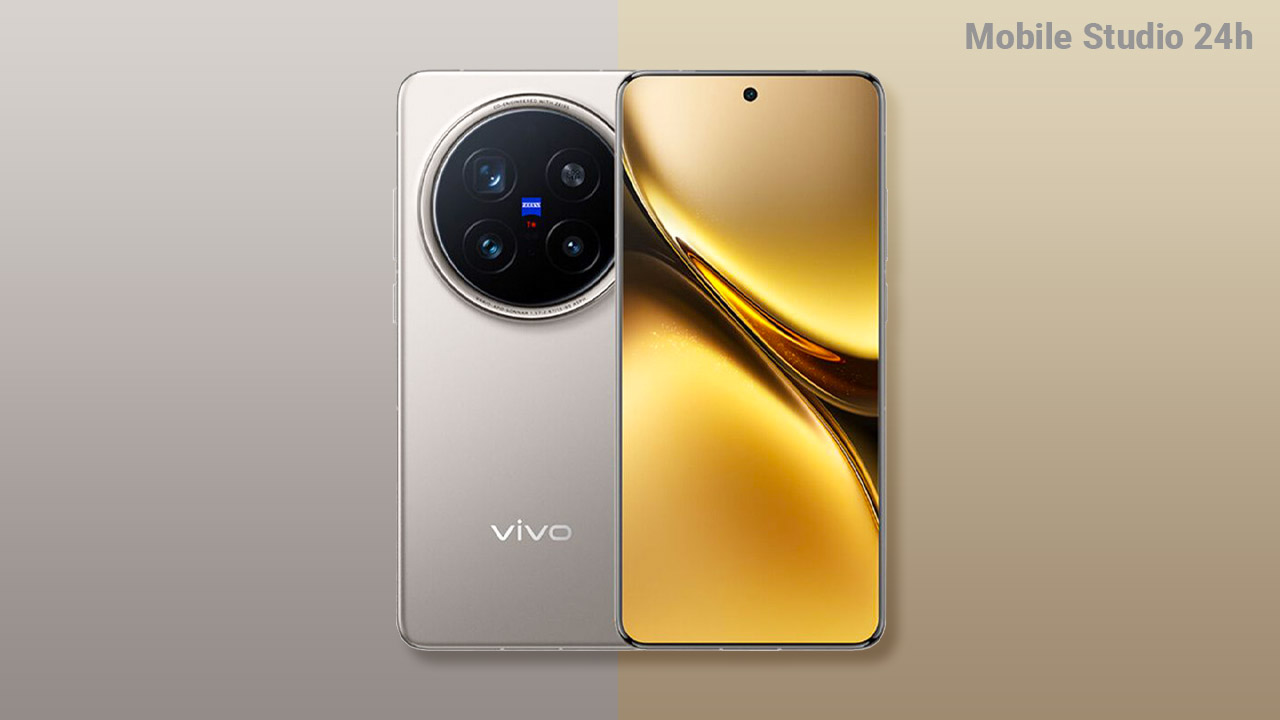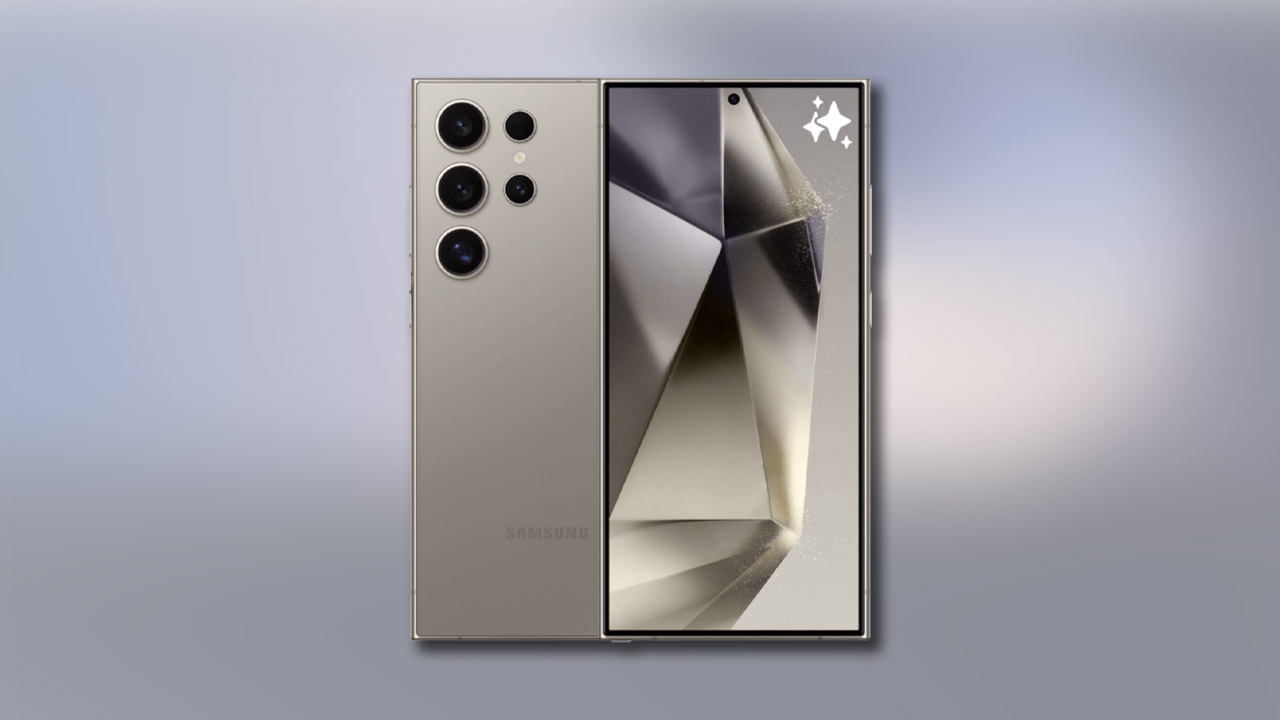

The Xiaomi 15 Ultra is a high-end ultra-flagship smartphone engineered for those who refuse to compromise on mobile photography and raw power. Released as the pinnacle of the Xiaomi 15 series in early 2025 and remaining the gold standard in 2026, it is specifically designed for professional creators, photography enthusiasts, and power users. This review is essential for anyone looking to bridge the gap between a smartphone and a DSLR. We will analyze its industry-leading 200MP periscope zoom, the record-breaking Snapdragon 8 Elite performance, and its refined leather-glass hybrid design to help you decide if this premium investment is worth it in 2026.
Key Specifications
| Feature | Details |
| Display | 6.73-inch LTPO AMOLED, 1-120Hz, 68B Colors |
| Resolution | WQHD+ (3200 x 1440), 522 ppi |
| Brightness | 3200 nits (Peak) |
| Processor | Qualcomm Snapdragon 8 Elite (3nm) |
| RAM & Storage | 16GB LPDDR5X |
| Rear Camera | 50MP (1″ Main) + 200MP (4.3x Periscope) + 50MP (3x Tele) + 50MP (UW) |
| Front Camera | 32MP with 4K/60fps support |
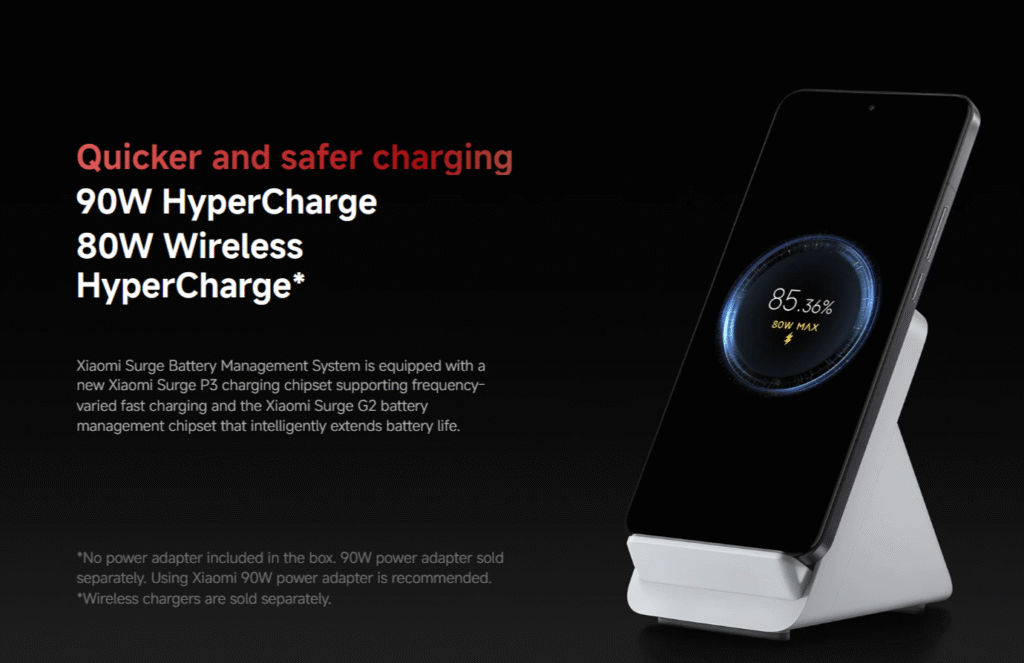
| Battery | 5410mAh (Global) / 6000mAh (China) |
| Connectivity | 5G, Wi-Fi 7, Bluetooth 6.0, Satellite SOS |
| Operating System | HyperOS 2.0 (Android 15/16) |
| Price Range | $1,099 – $1,299 |
Design and Display
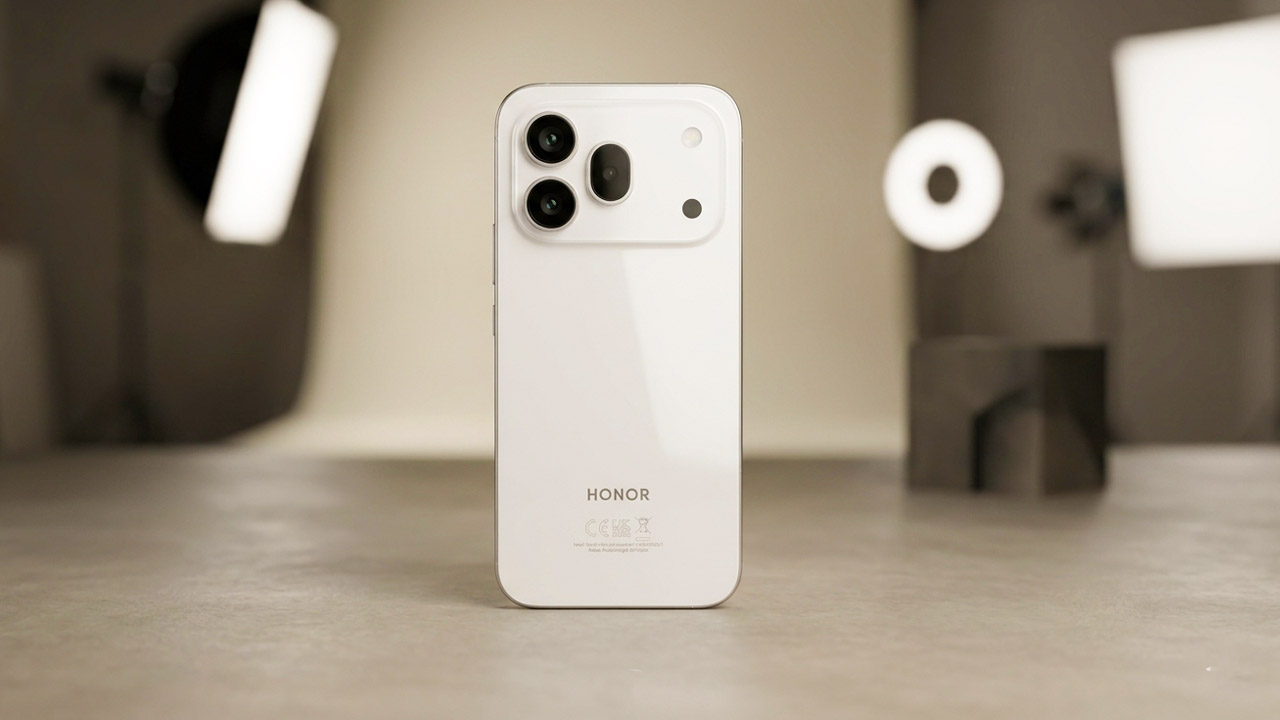
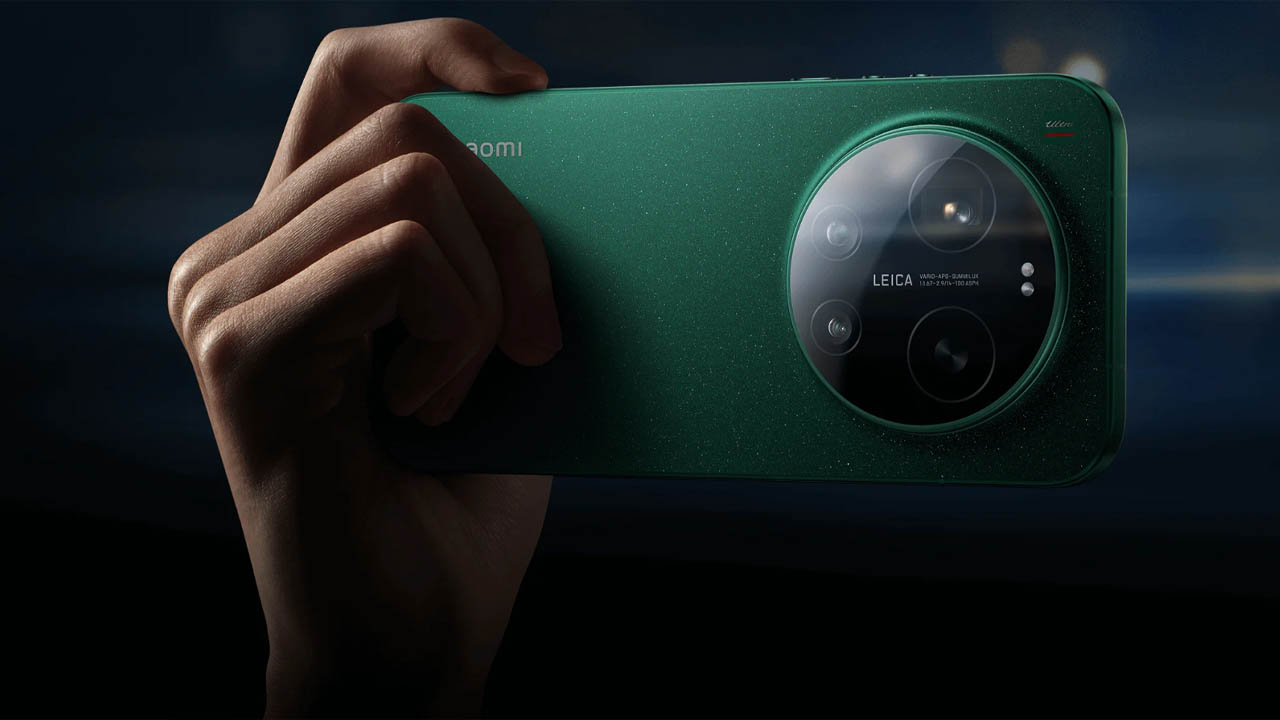
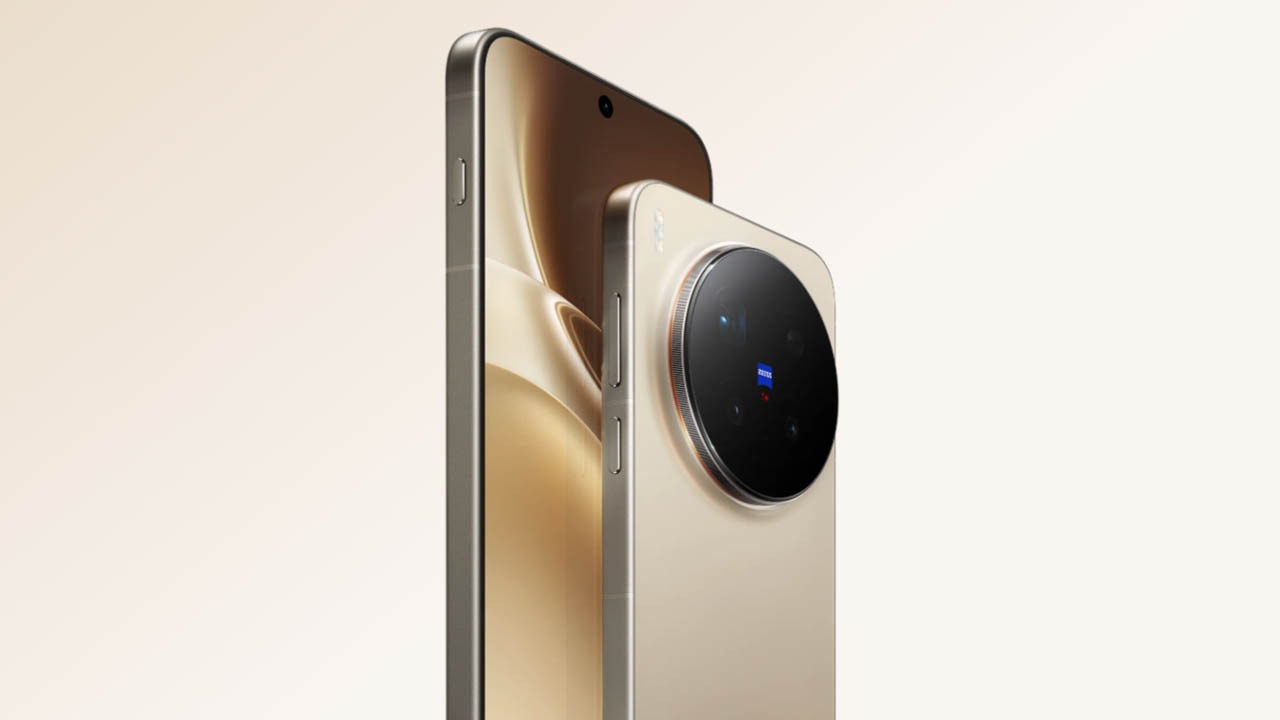
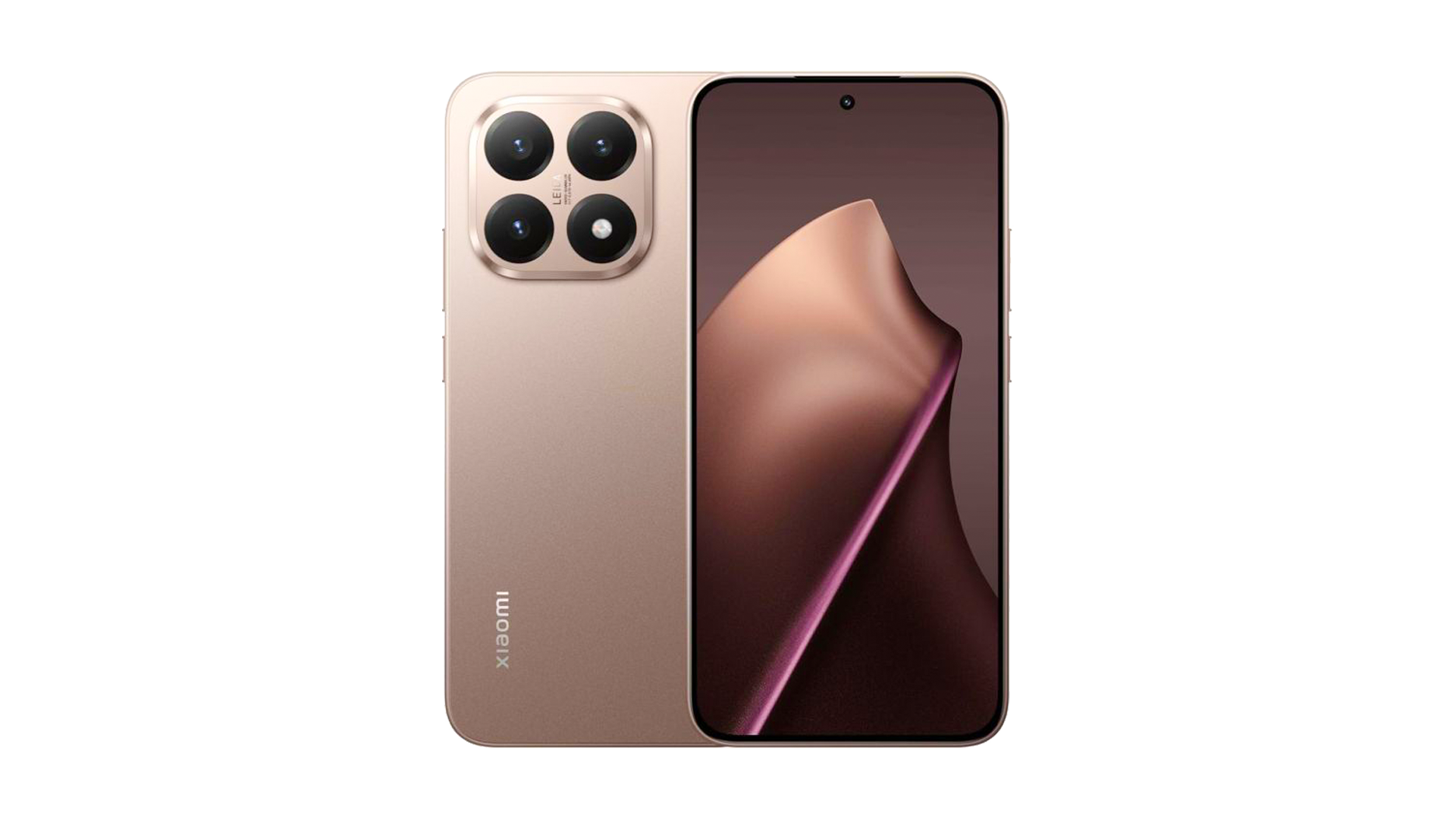
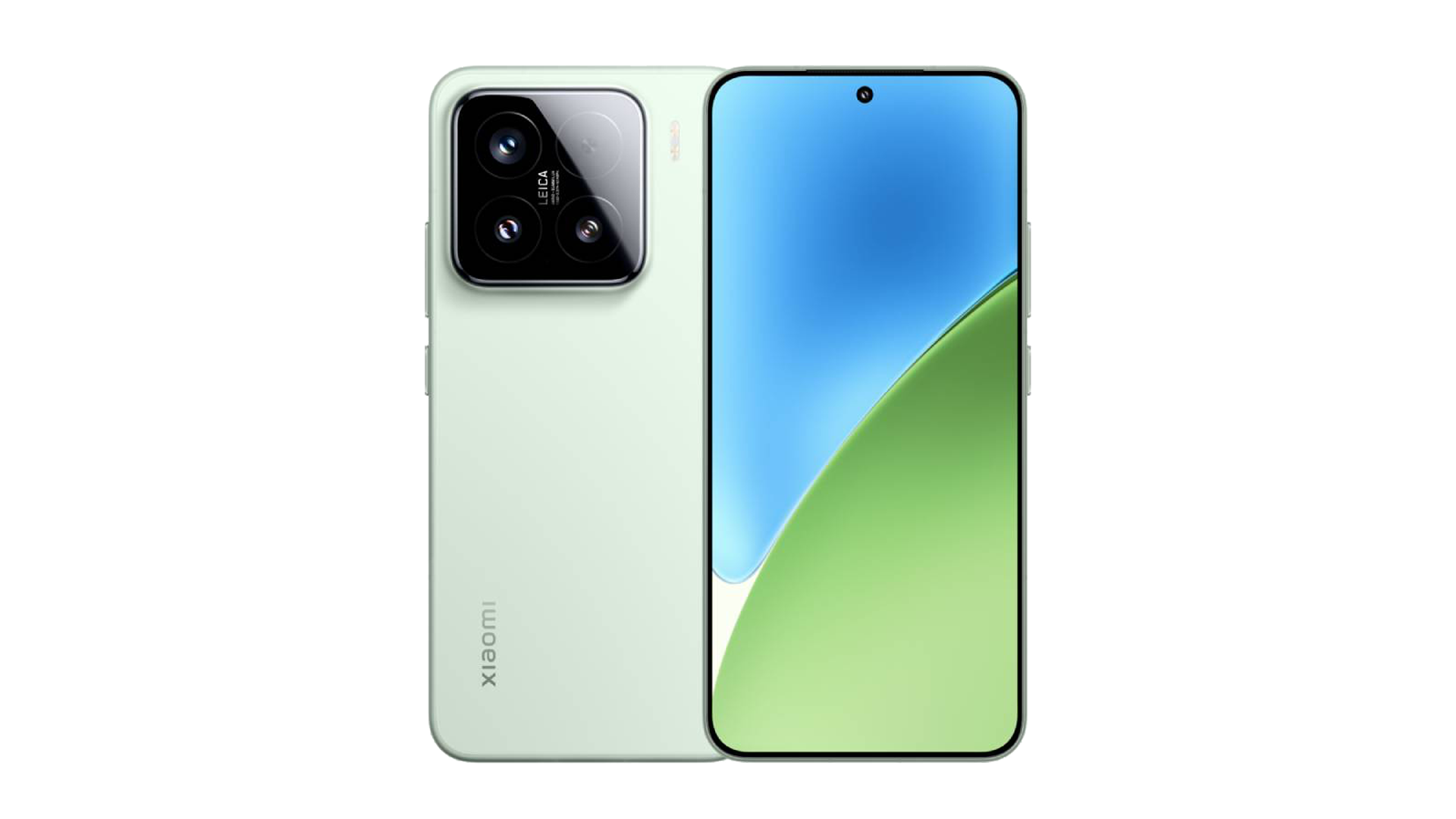
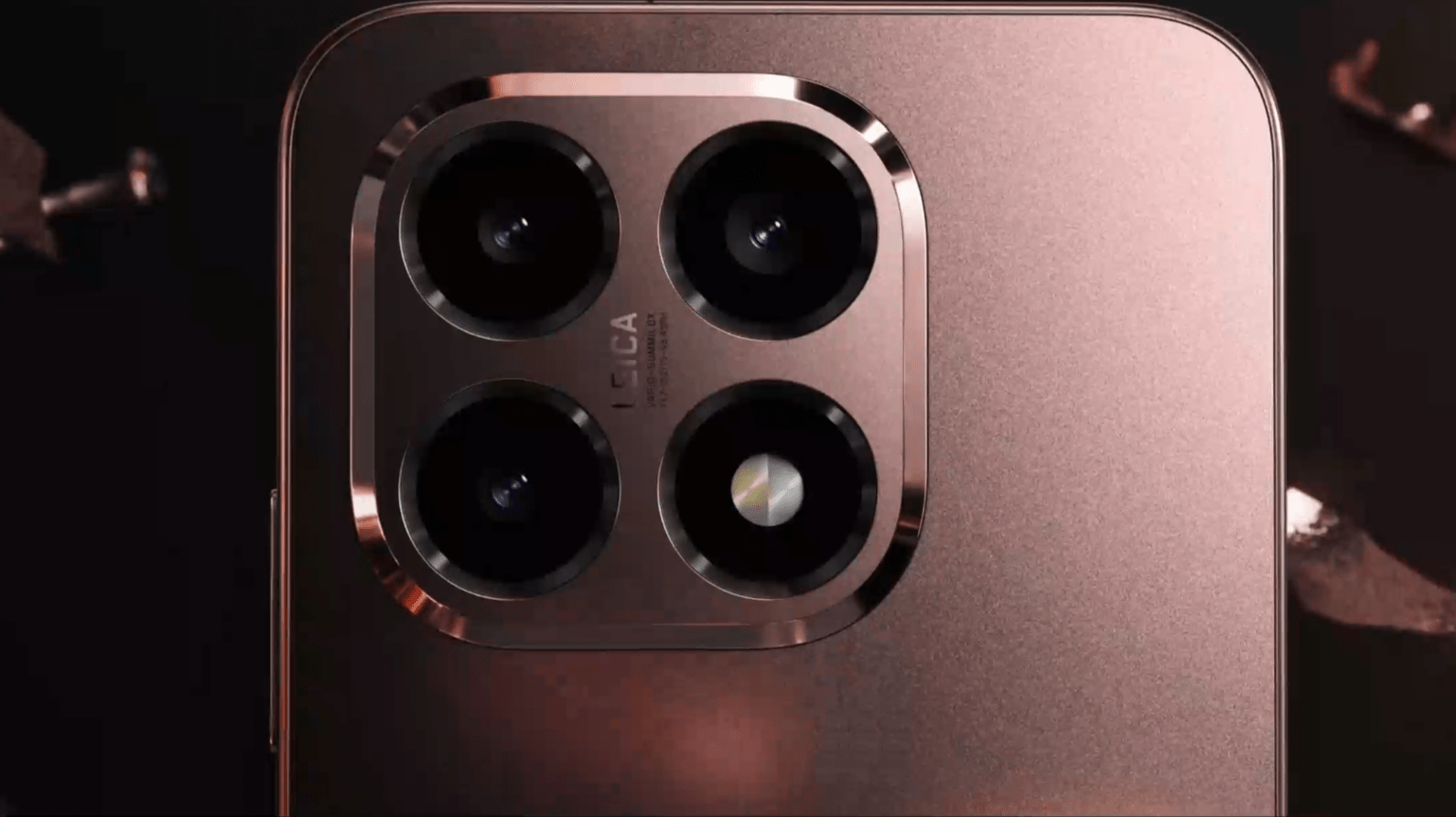
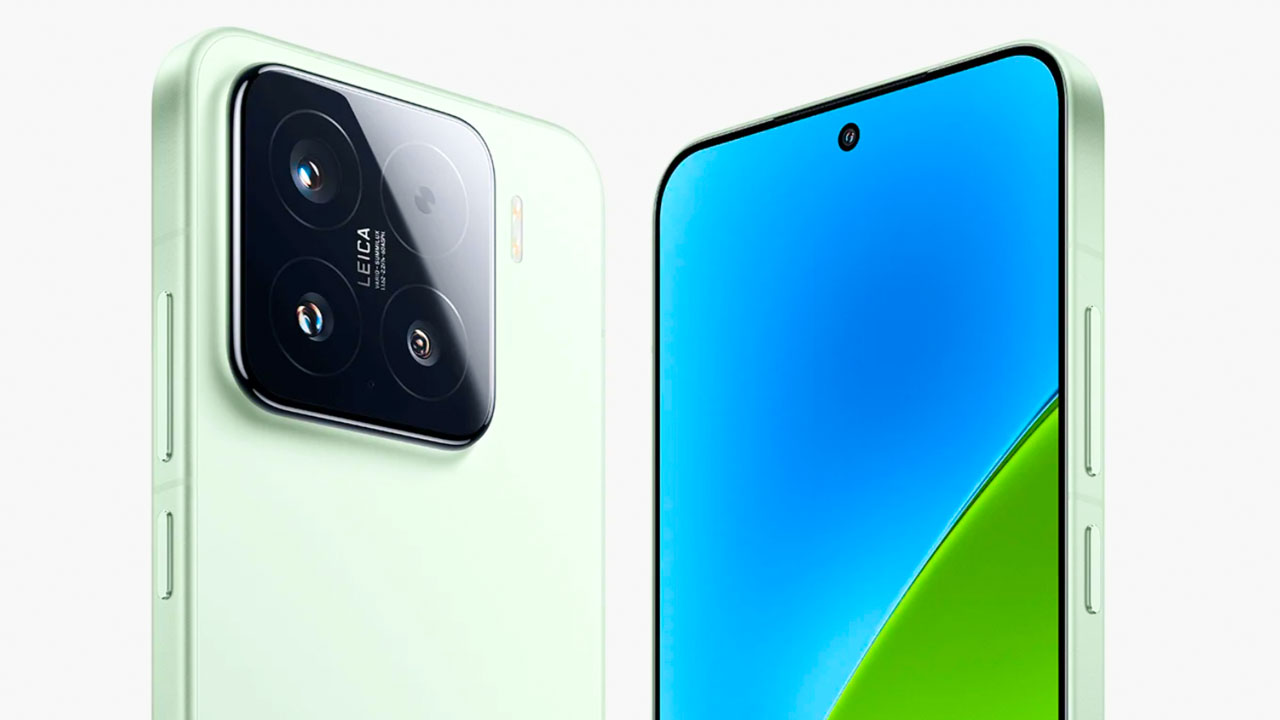
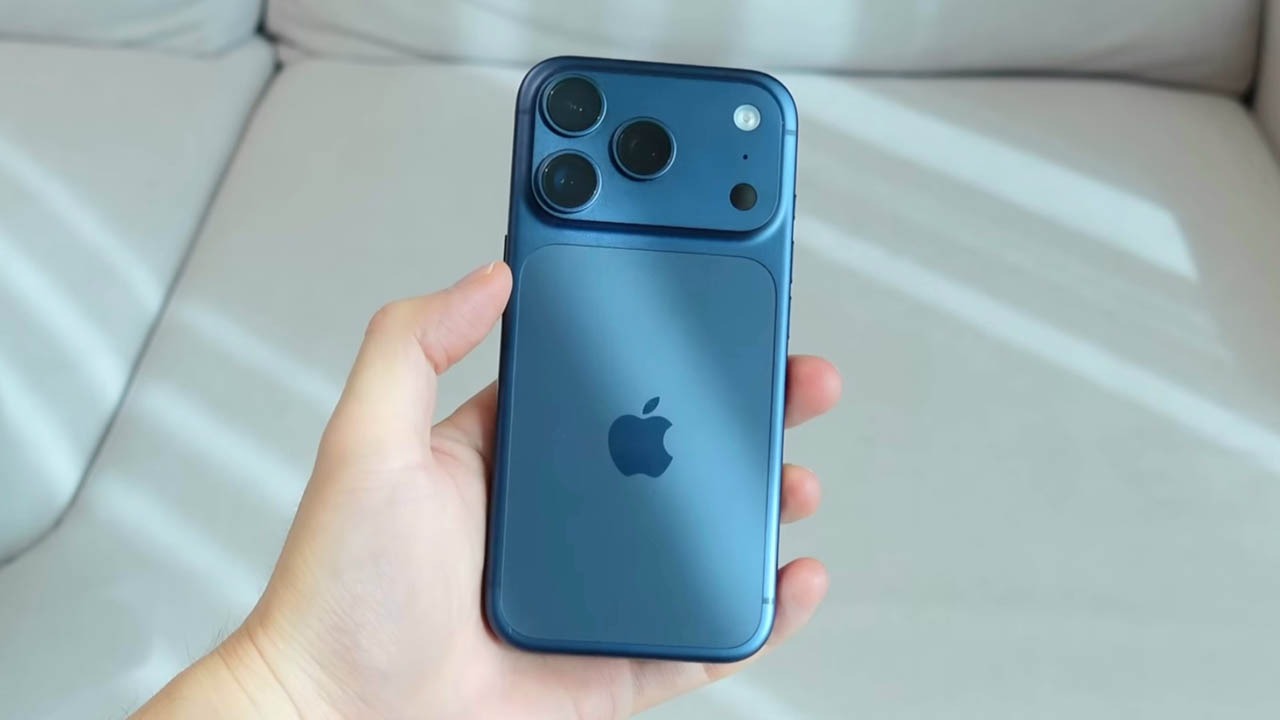
In terms of aesthetics, the Xiaomi 15 Ultra is expected to refine the premium language established by its predecessors. Leaks suggest an ultra-premium build, likely featuring a combination of materials such as high-grade aluminum alloy, polished ceramic, and possibly a vegan leather option for the rear panel, all sealed with an IP68 rating for dust and water resistance. The signature massive circular or square camera module, central to the Ultra design, is expected to grow further to accommodate its advanced optics.
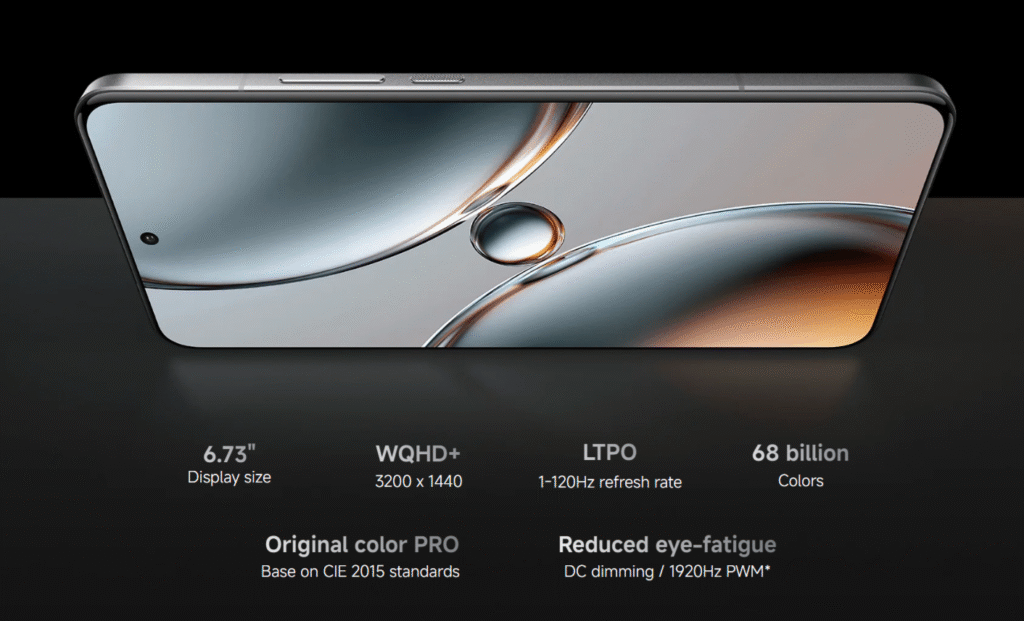
The display is the visual centerpiece, rumored to be a massive 6.8-inch (or larger) LTPO AMOLED panel with a stunning 2K resolution. The highlight is its anticipated peak brightness, possibly exceeding 5,000 nits in certain conditions, offering unprecedented clarity even under direct sunlight. It will naturally support a 120Hz adaptive refresh rate, ensuring buttery-smooth transitions and optimal power efficiency. The panel is highly likely to feature minimal, symmetrical bezels and an ultrasonic in-display fingerprint sensor for enhanced security and speed.
Camera
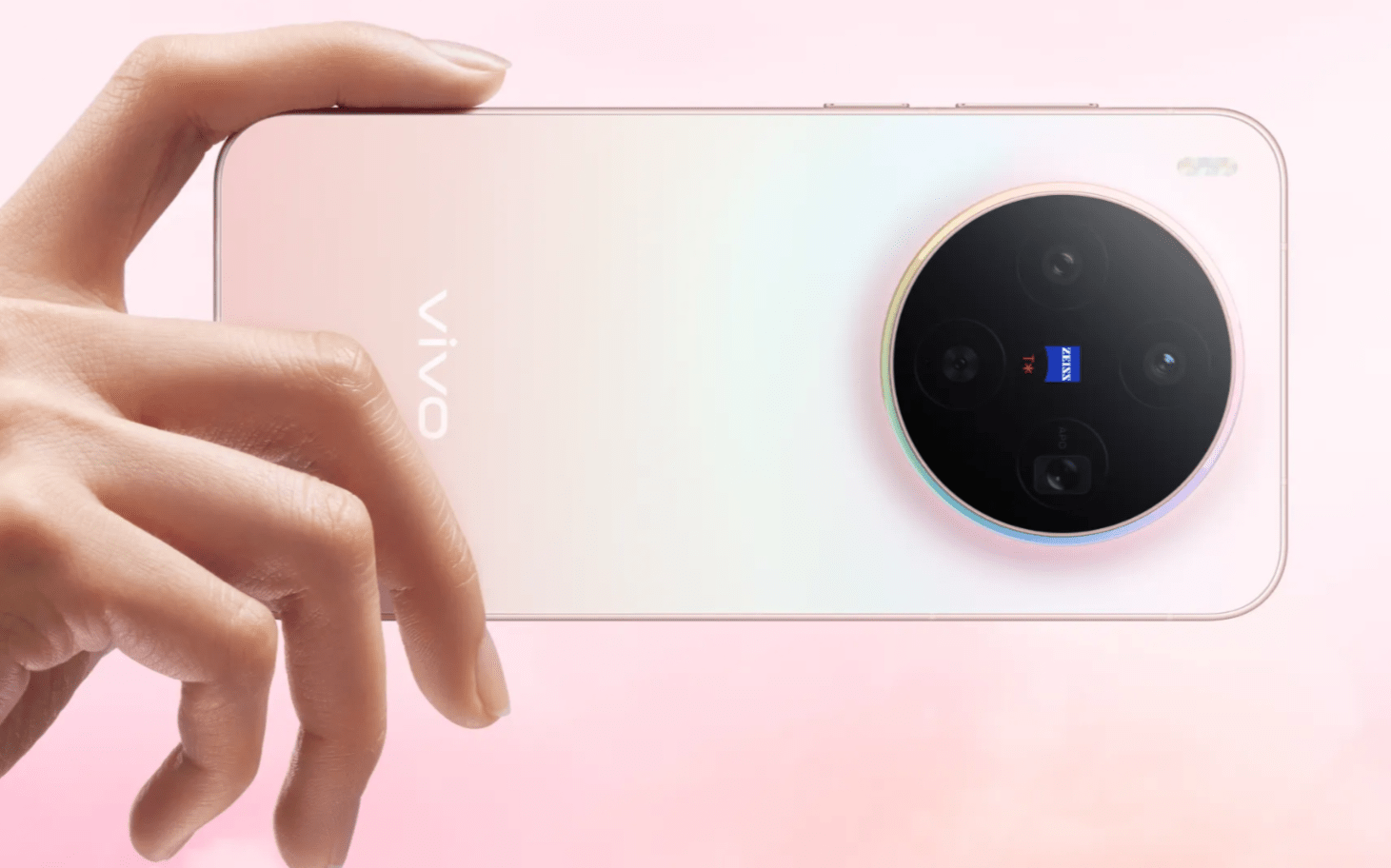
The camera is traditionally where the Ultra model differentiates itself, and the 15 Ultra is tipped to set a new benchmark, maintaining its critical partnership with Leica. The system is rumored to be built around a state-of-the-art quad-camera array. The main sensor is projected to be a massive 1-inch type sensor (such as a new generation Sony LYT series), paired with a multi-step variable aperture system, allowing for unprecedented control over depth of field and exposure.
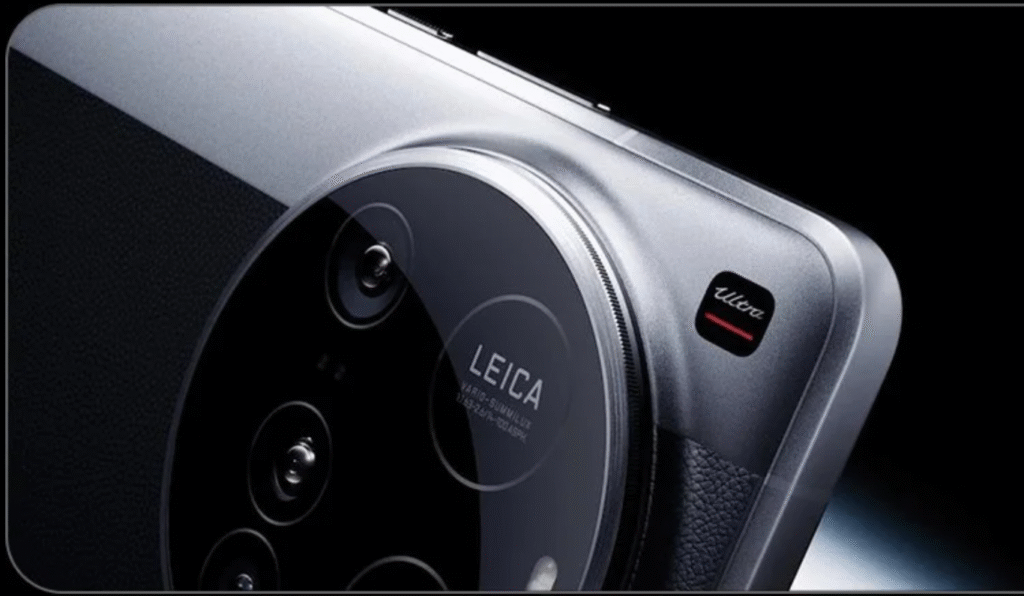
Zoom capability is set for a major leap. The phone is expected to feature not one, but two powerful periscope telephoto lenses, perhaps offering true optical zooms at 3.2x and an extended 5x or 6x. This dual-telephoto approach provides greater flexibility across mid-range and extreme long-range photography. The ultrawide camera will also see upgrades, likely to a 50MP sensor, completing a versatile system capable of exceptional image quality across all focal lengths, leveraging sophisticated computational photography driven by the new chipset.
Software and Performance
The performance of the 15 Ultra will be anchored by the new generation Snapdragon 8 Gen 4 Mobile Platform. This chipset is expected to deliver a significant generational leap in both CPU and GPU power, utilizing a custom architecture to prioritize peak performance and enhanced thermal efficiency. To manage this raw power, the phone will incorporate a massive, advanced cooling solution—likely a new generation of Xiaomi’s liquid-cooling vapor chamber technology. RAM configurations are anticipated to start at 16GB, with options extending up to 24GB of cutting-edge LPDDR5T memory.
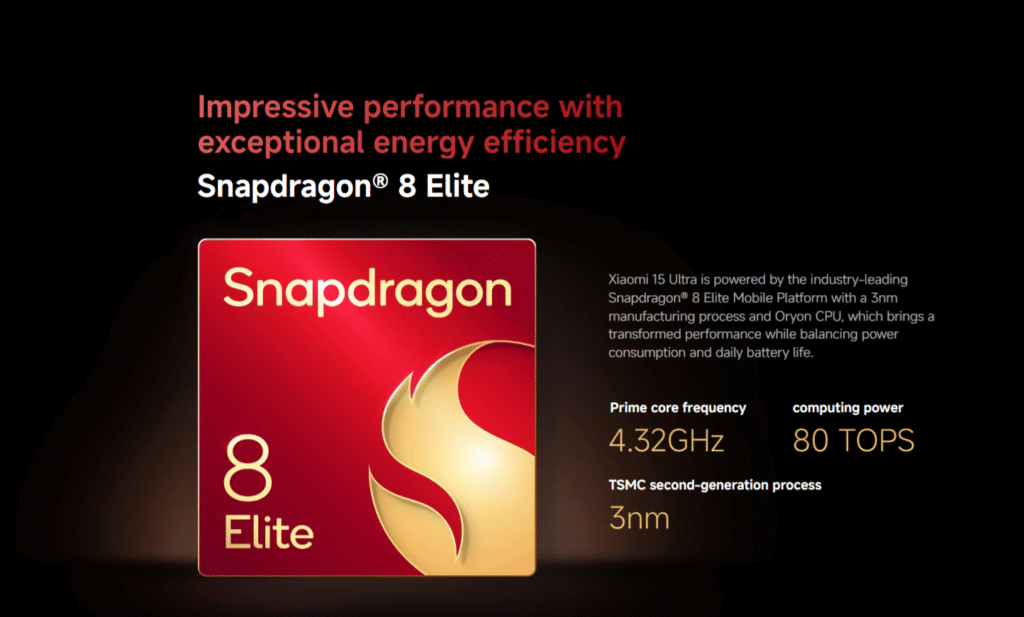
On the software front, the 15 Ultra will run Xiaomi’s proprietary HyperOS, based on the latest iteration of Android (likely Android 15). HyperOS is optimized for cross-device connectivity and seamless integration within Xiaomi’s smart ecosystem. It promises lightweight operation, deep customization, and sophisticated AI features driven by the new Neural Processing Unit (NPU) in the Snapdragon chipset, enhancing everything from image processing to battery management.
Battery Life and Connectivity
The Xiaomi 15 Ultra is expected to couple its demanding performance with robust endurance. Leaks suggest a battery capacity in the range of 5,300mAh to 5,500mAh, representing a healthy upgrade. Crucially, the charging speed remains hyper-fast, predicted to maintain or exceed 120W wired HyperCharge, capable of reaching a full charge in under 20 minutes. Fast wireless charging is also anticipated, likely at 80W, alongside support for reverse wireless charging.
Connectivity will be fully future-proof. The phone is guaranteed to support advanced 5G networks and will be one of the early devices to feature Wi-Fi 7, enabling blazing-fast local network speeds and lower latency. Other standards include the latest Bluetooth 5.4, multi-frequency GNSS (GPS, GLONASS, etc.) for precise location services, and, potentially, advanced satellite communication features for emergency use in remote areas, a technology gradually becoming standard in top-tier flagships.
Pros and Cons
| Pros | Cons |
| ✅ Industry-leading 200MP Periscope Zoom. | ❌ Heavy (229g) and bulky design. |
| ✅ Stunning 3200-nit Pro-grade display. | ❌ Very expensive (starting at $1,099). |
| ✅ Best-in-class Snapdragon 8 Elite power. | ❌ 90W charging is slower than competitors. |
| ✅ Professional Leica Photography Kit support. | ❌ Selfie camera is good, but not “Ultra” tier. |
Who Should Buy This Phone?
- Best for: Professional Photographers who want a DSLR in their pocket; Power Gamers who need sustained performance; and Tech Enthusiasts who want the absolute best specs of 2026.
- Avoid if: You prefer small, light phones or are on a strict budget.
Comparison:
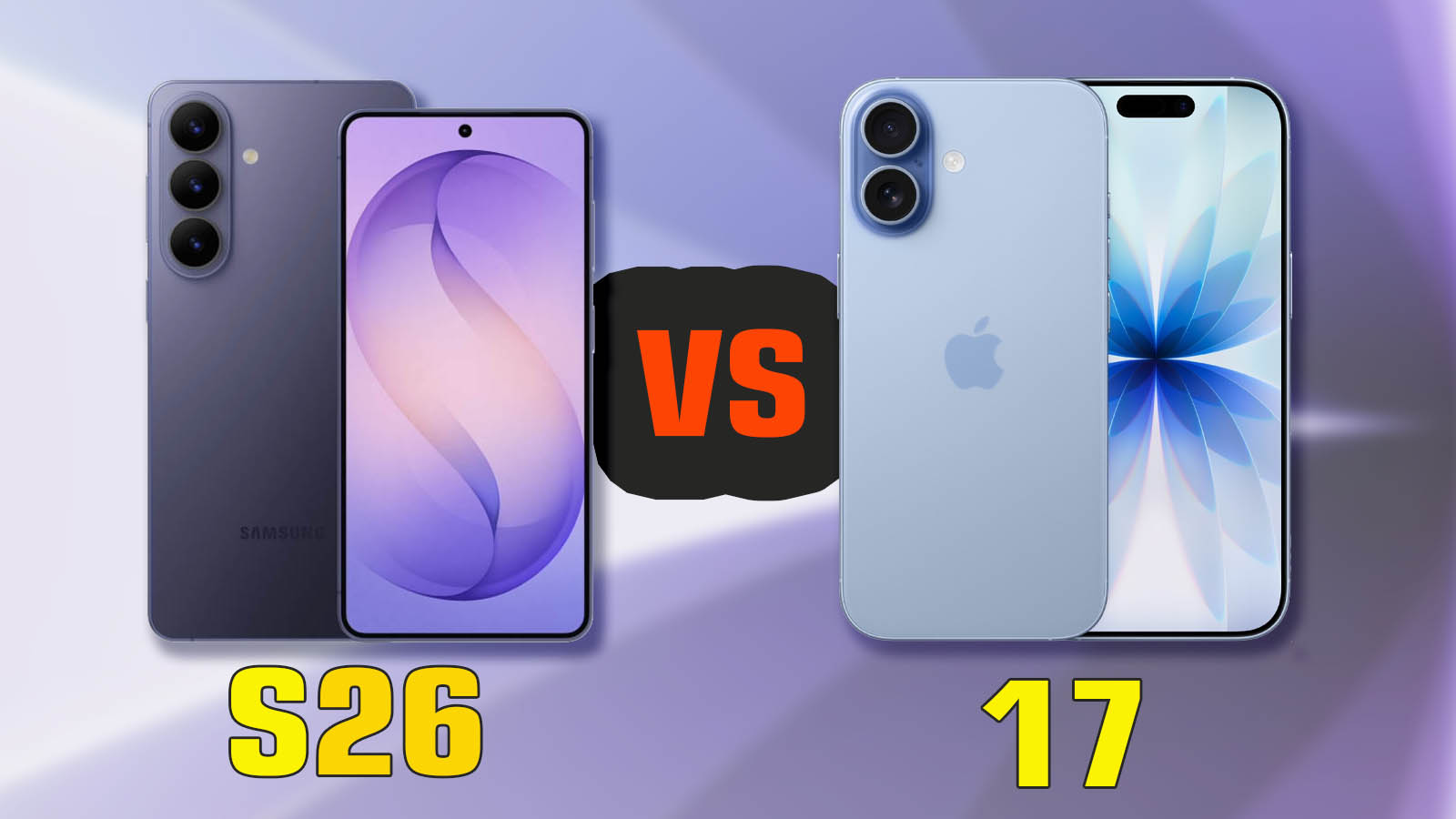
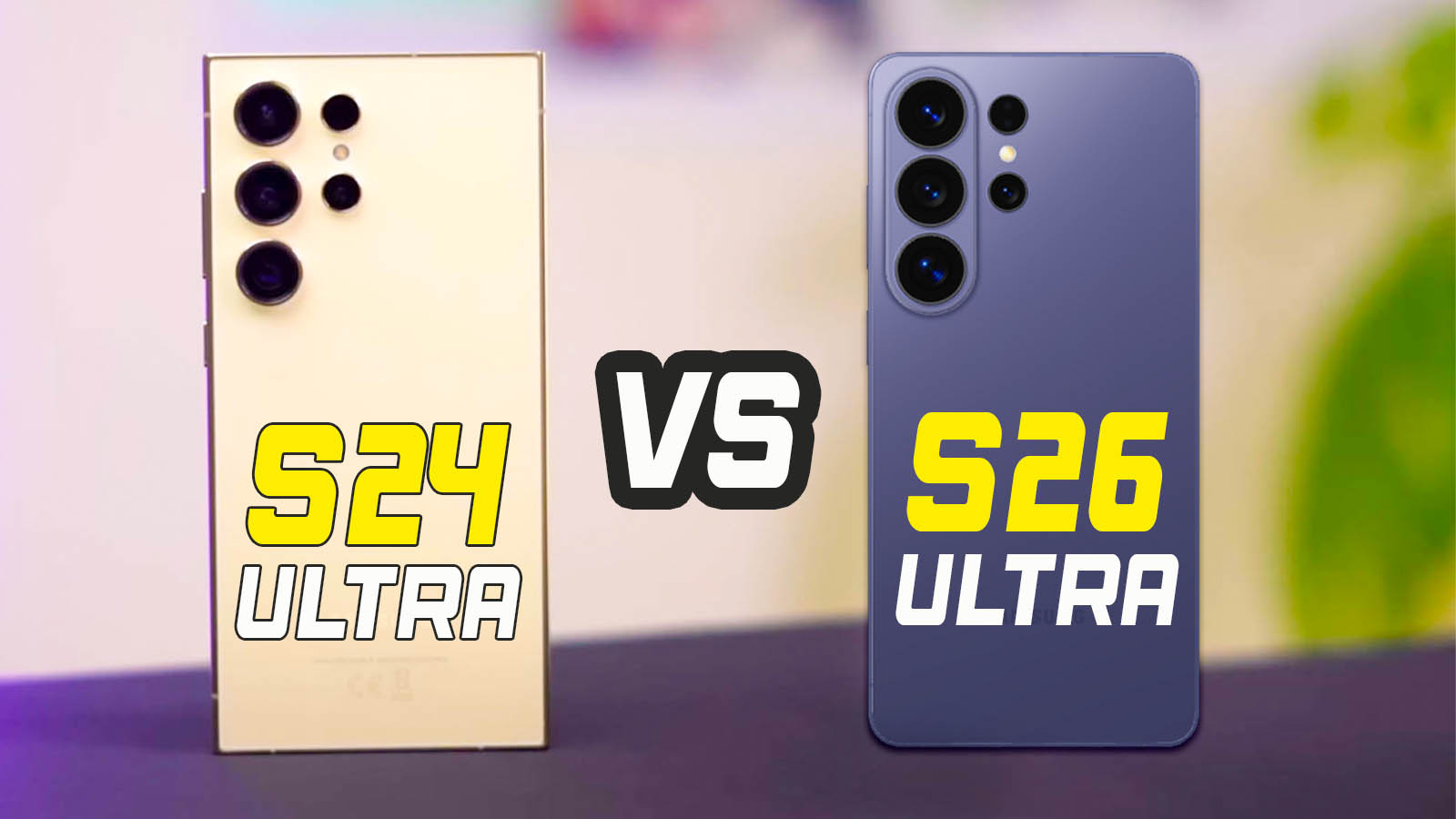
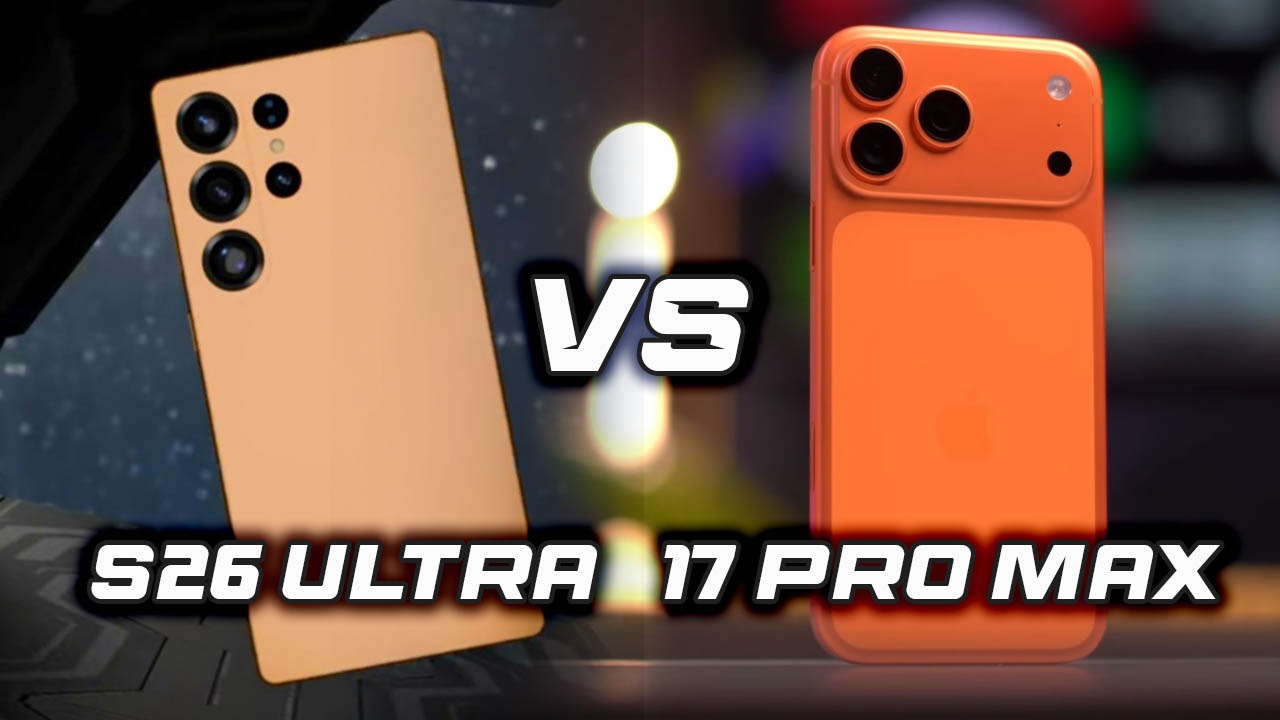
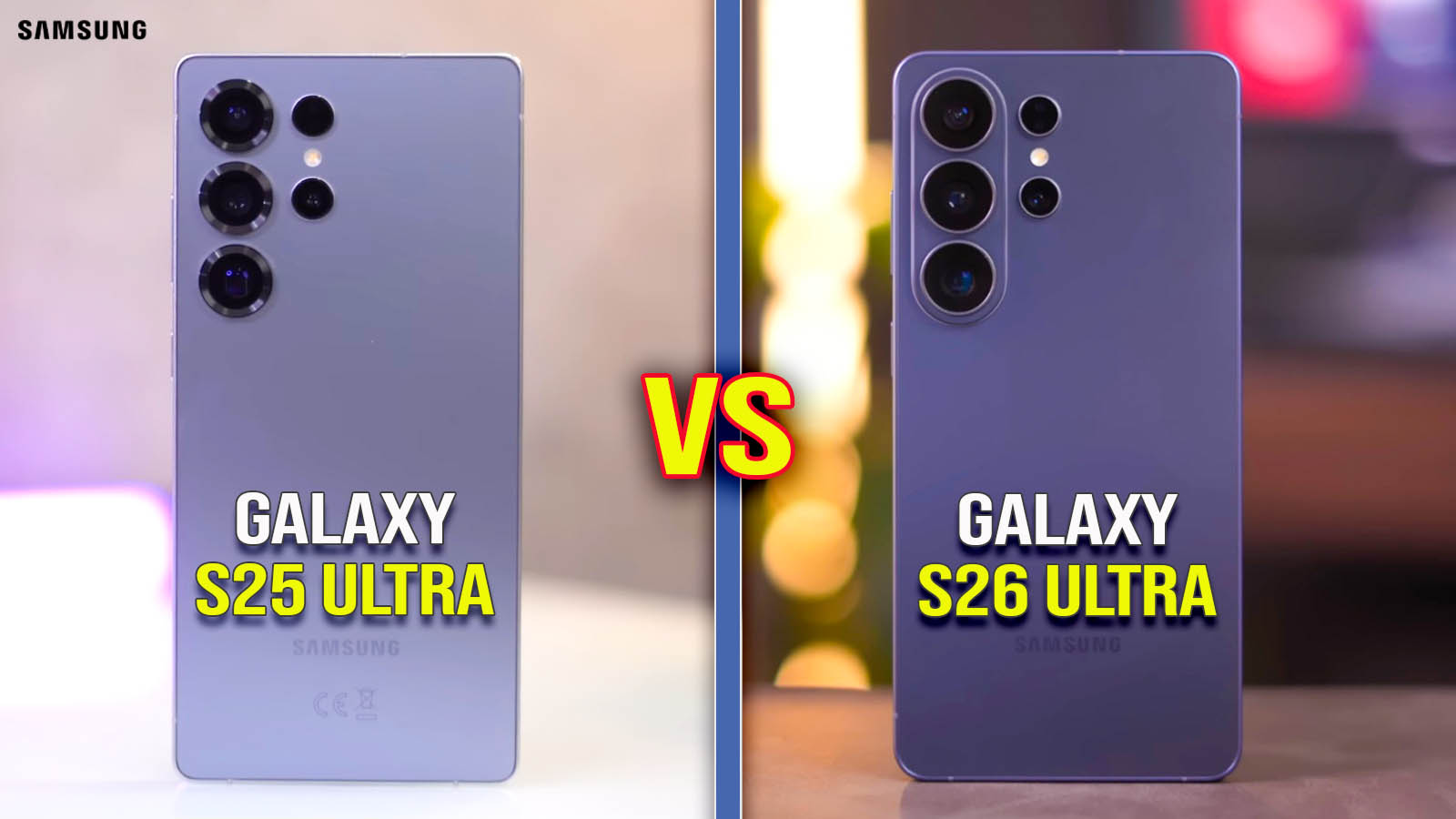
- You may also like: Xiaomi 15 Ultra vs Samsung Galaxy S26 Ultra
- Alternative: Vivo X200 Pro Review
Price & Value for Money
At $1,099, the Xiaomi 15 Ultra is a luxury purchase. However, when you consider that it replaces a high-end compact camera and a flagship tablet in terms of performance, it offers excellent value for professional creators.
Final Verdict
Overall, the Xiaomi 15 Ultra is a masterpiece of mobile engineering. It is a camera first and a phone second. With its unmatched 200MP zoom and elite processing power, it remains the ultimate choice for anyone who wants to capture the world in the highest possible quality in 2026.
The Xiaomi 15 Ultra, if the rumors hold true, is poised to be a dominant force in the high-end smartphone market. It promises a combination of unparalleled camera versatility, chart-topping processing power, and foundational upgrades to the display and charging technology.
FAQs
- Is the Xiaomi 15 Ultra good for gaming? Yes, it is one of the top-performing gaming phones thanks to the Snapdragon 8 Elite and advanced cooling.
- Does it support wireless charging? Yes, it supports ultra-fast 80W wireless charging.
- Is the 200MP camera worth it? Absolutely, it provides the cleanest long-range zoom shots currently available on the market.
- Is it waterproof? Yes, it has an IP68 rating, meaning it can survive submersion in water.
Disclaimer: This review is based on hands-on research and official 2026 specifications. Actual battery life and camera performance may vary by software region.