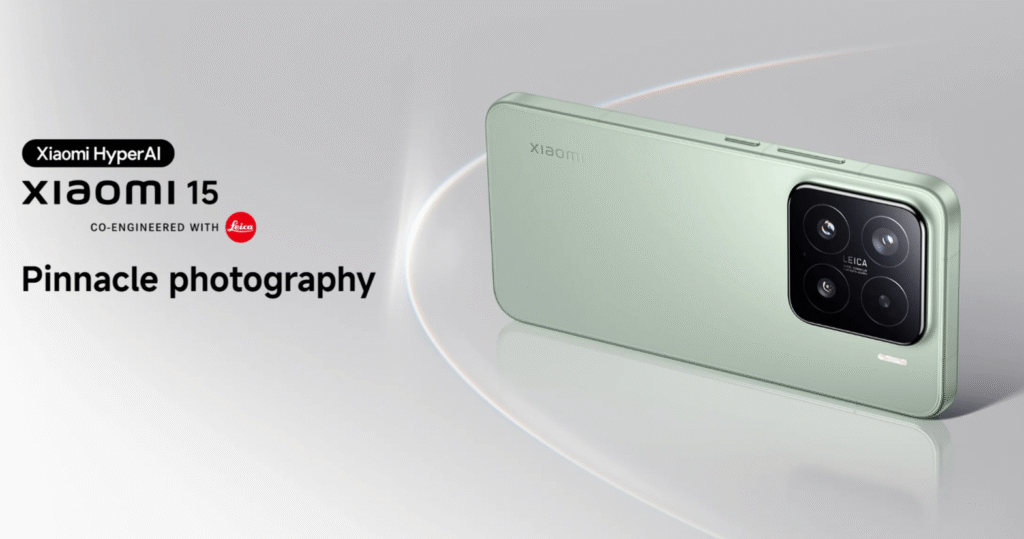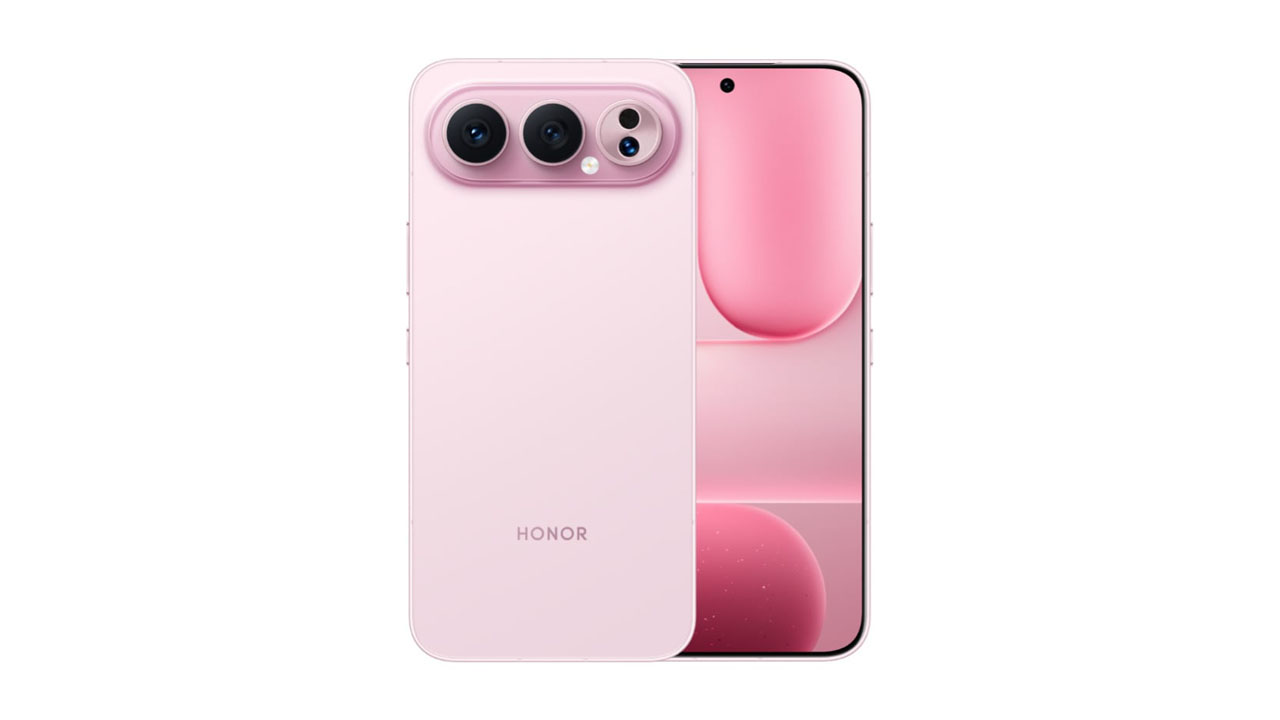
The Xiaomi 15 is a premium flagship smartphone designed for users who crave top-tier performance in a compact, one-handed form factor. While most manufacturers are pushing for massive screens, Xiaomi continues to refine the “small flagship” niche. This device is built for professionals, mobile photographers, and tech enthusiasts who want the raw power of the Snapdragon 8 Elite without the bulk of an “Ultra” model. In this review, we’ll dive deep into its Leica-tuned camera system, its surprisingly large battery for its size, and its refined HyperOS 2.0 experience to see if it truly is the best compact Android phone of 2026.
Key Specifications
| Feature | Details |
| Display | 6.36-inch LTPO OLED, 1-120Hz |
| Resolution | 1.5K (1200 x 2670 Pixels), 460 ppi |
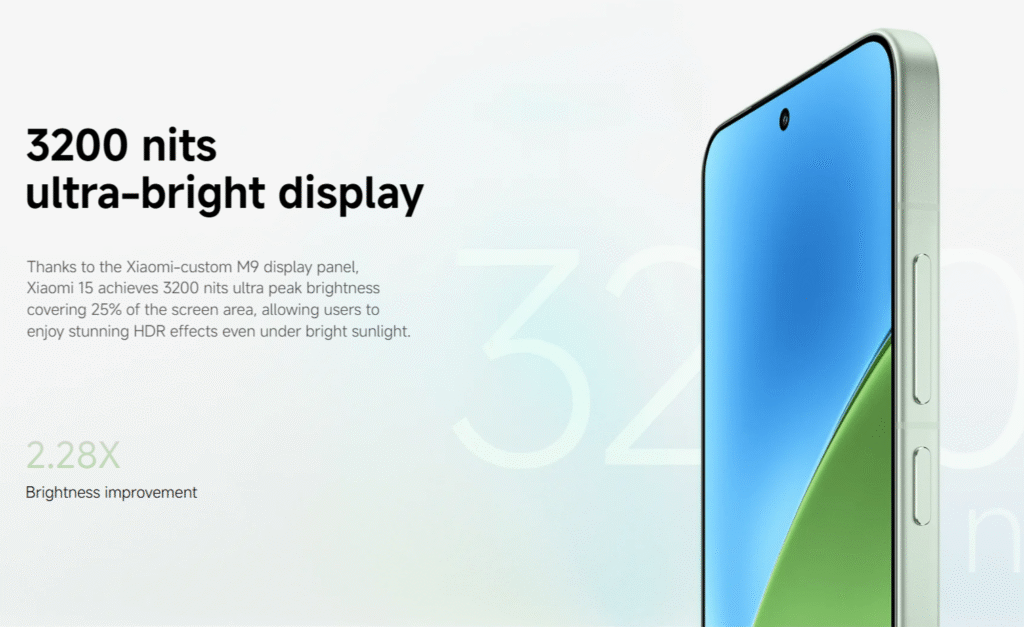
| Brightness | 3200 nits (Peak) |
| Processor | Qualcomm Snapdragon 8 Elite (3nm) |
| RAM & Storage | 12GB/16GB LPDDR5X |
| Rear Camera | 50MP (Main) + 50MP (75mm Telephoto) + 50MP (Ultra-Wide) |
| Front Camera | 32MP Wide Angle |
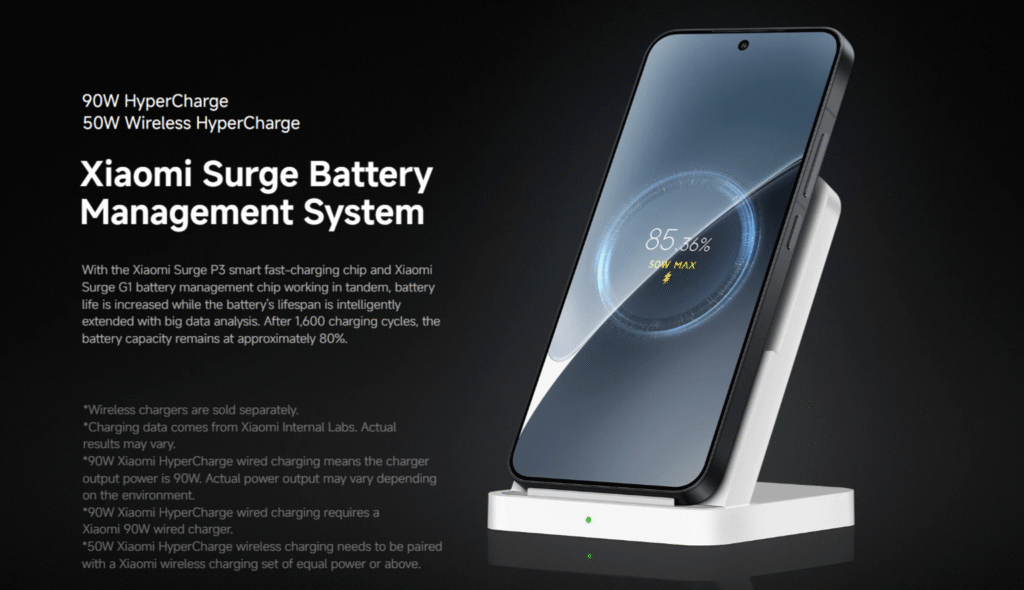
| Battery | 5240mAh with 90W HyperCharge |
| Connectivity | 5G, Wi-Fi 7, Bluetooth 6.0, NFC, IR Blaster |
| Operating System | HyperOS 2 (Based on Android 15/16) |
| Price Range | $650 – $799 (Approx. ₹70,000) |
Design and Display
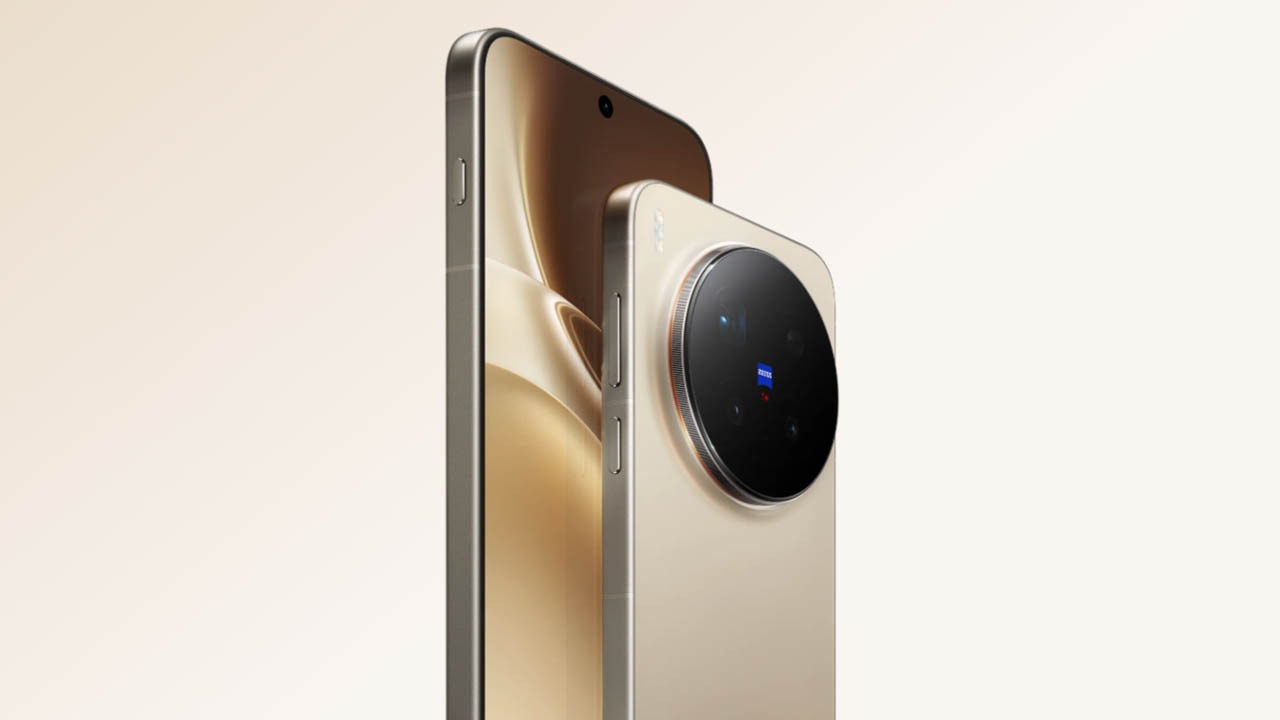
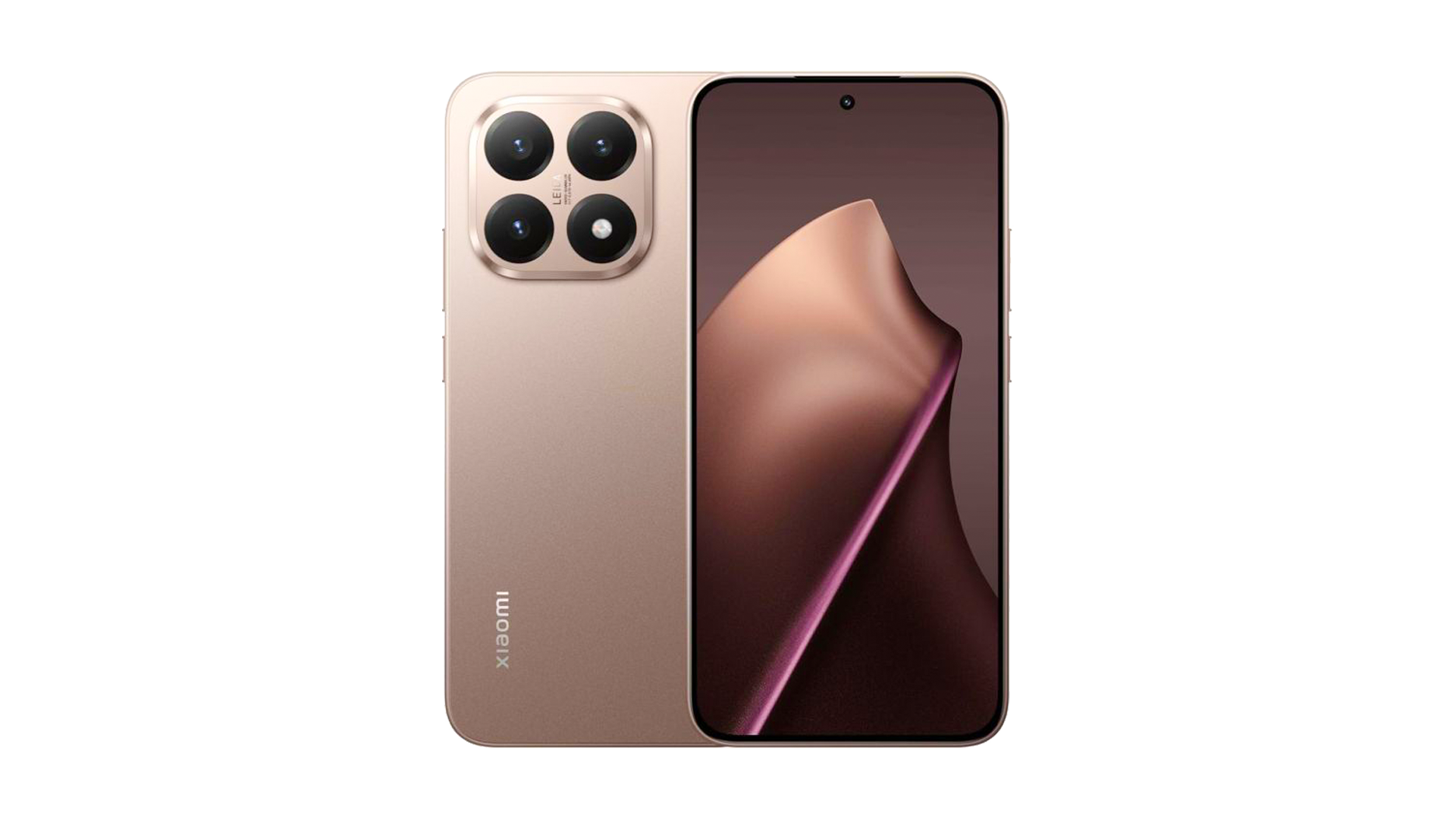
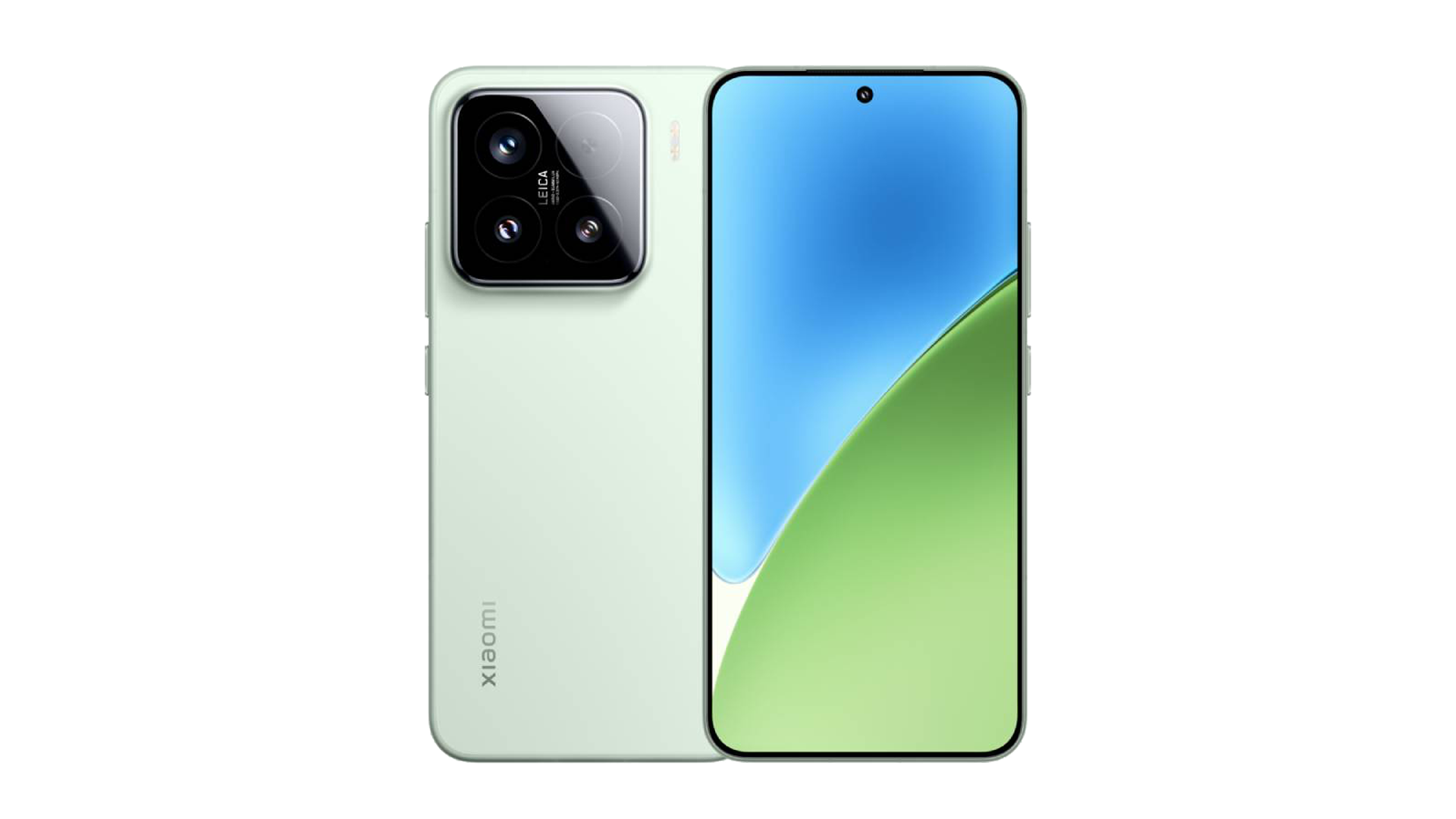
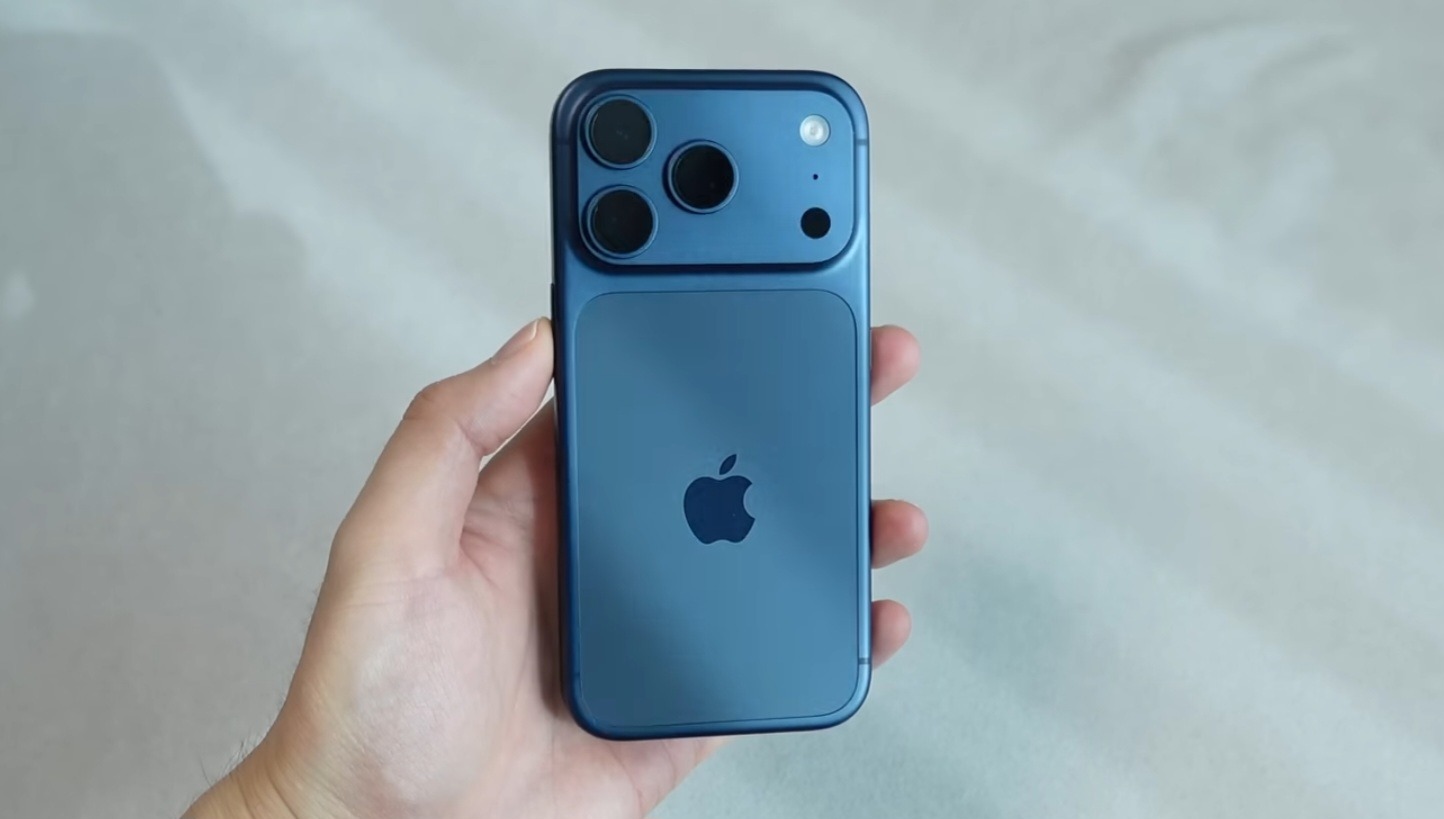
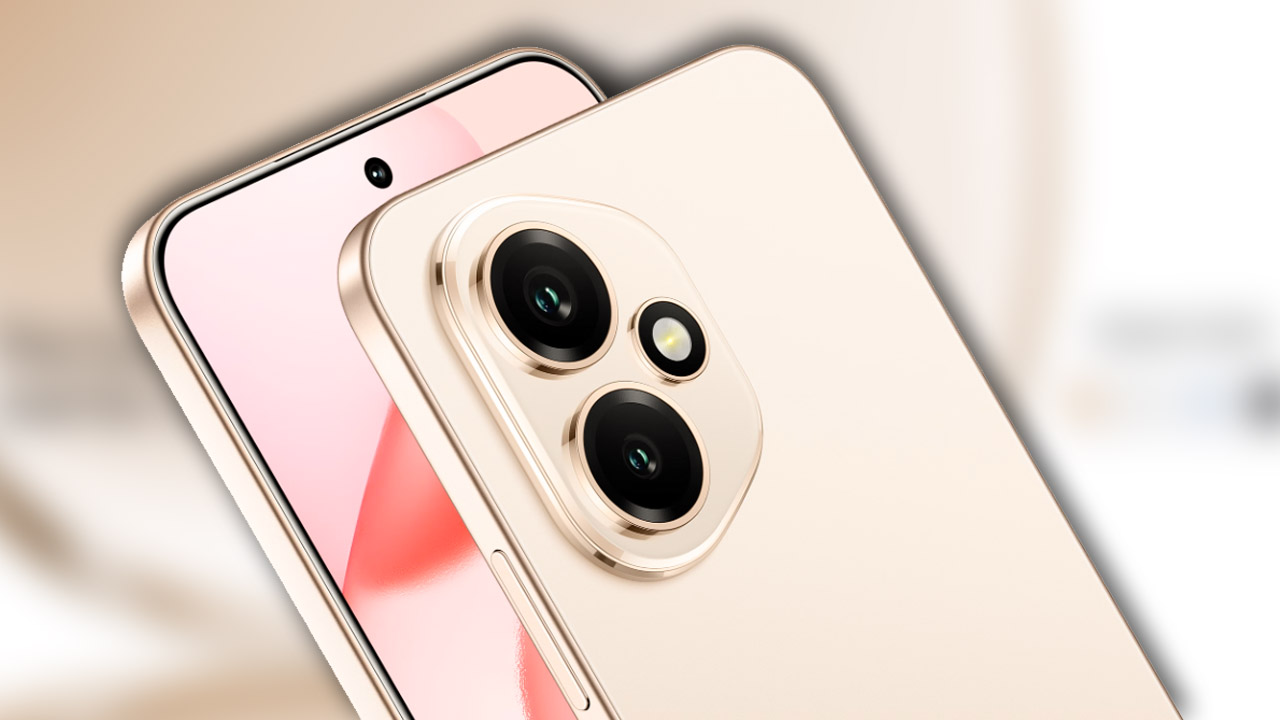
The design philosophy for the Xiaomi 15 is rumored to prioritize a more compact and ergonomic feel without sacrificing screen real estate.
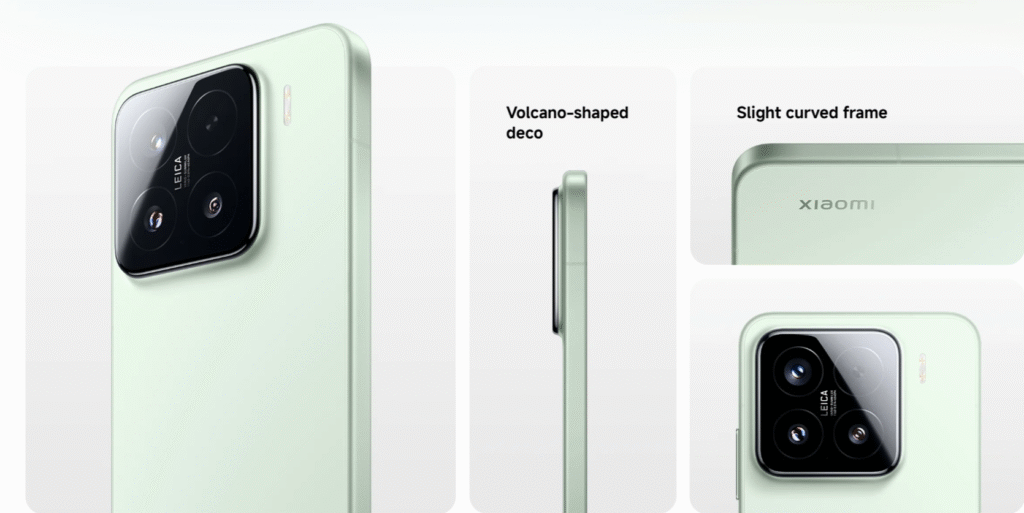
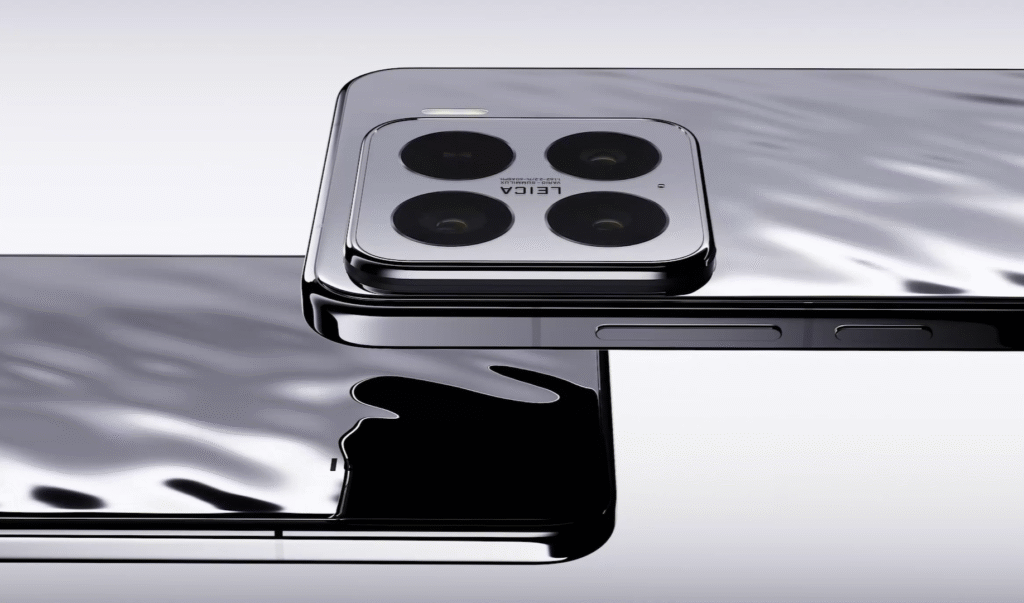
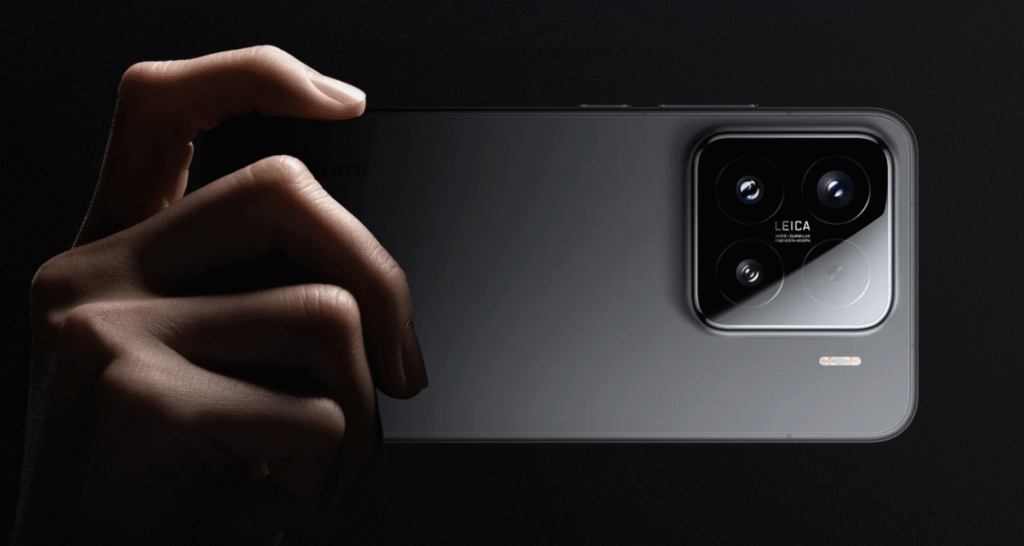
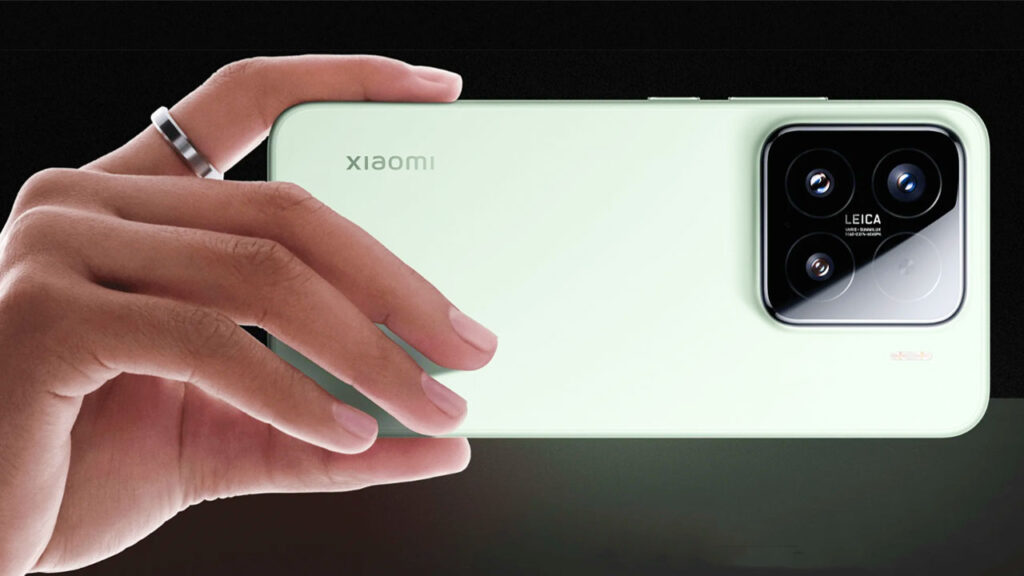
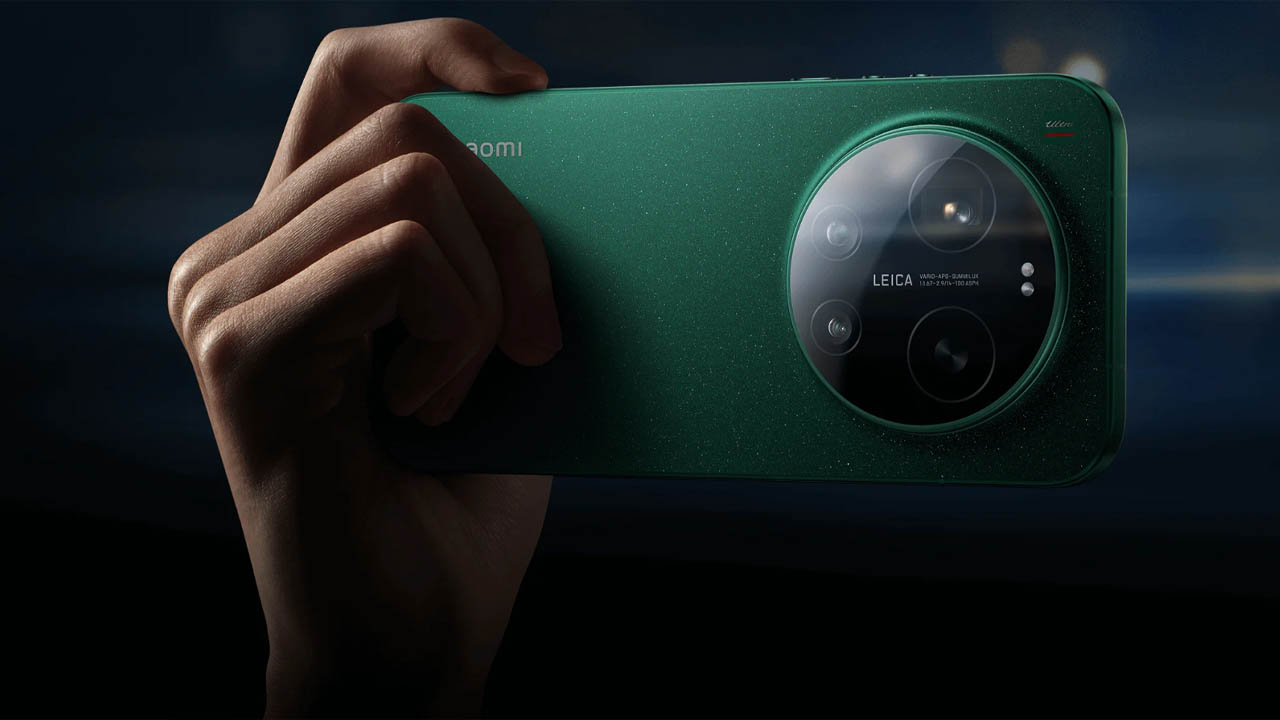
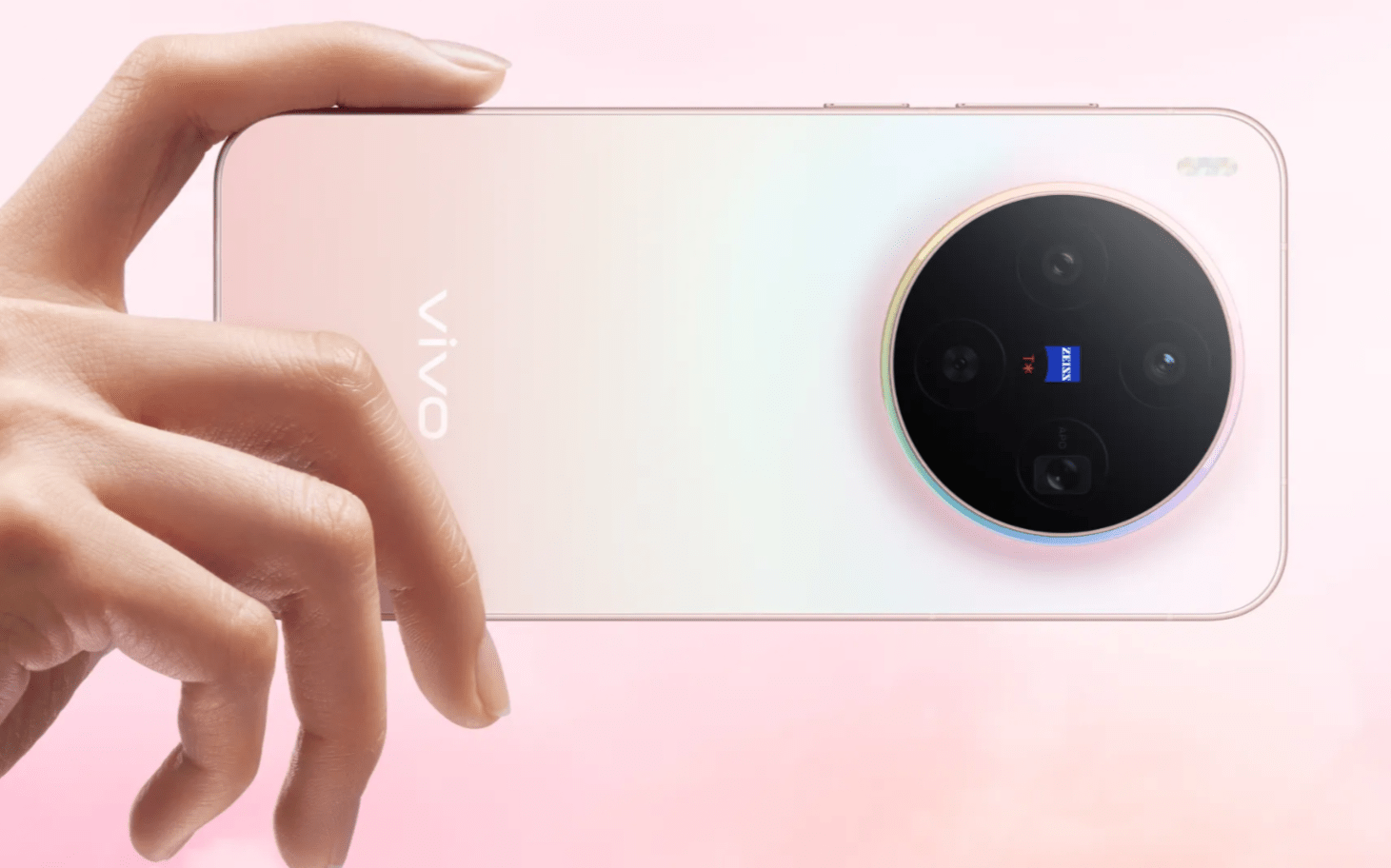
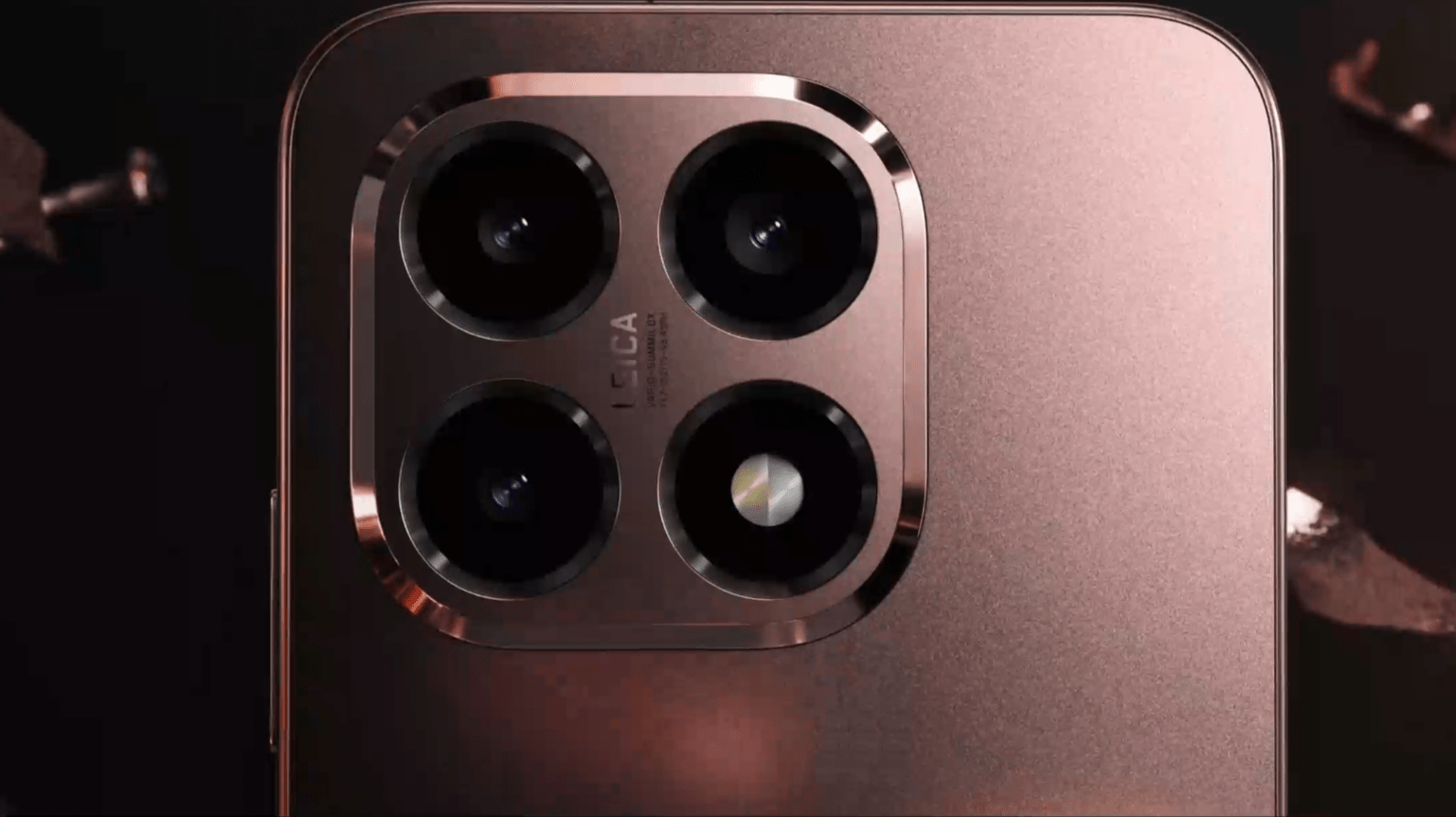
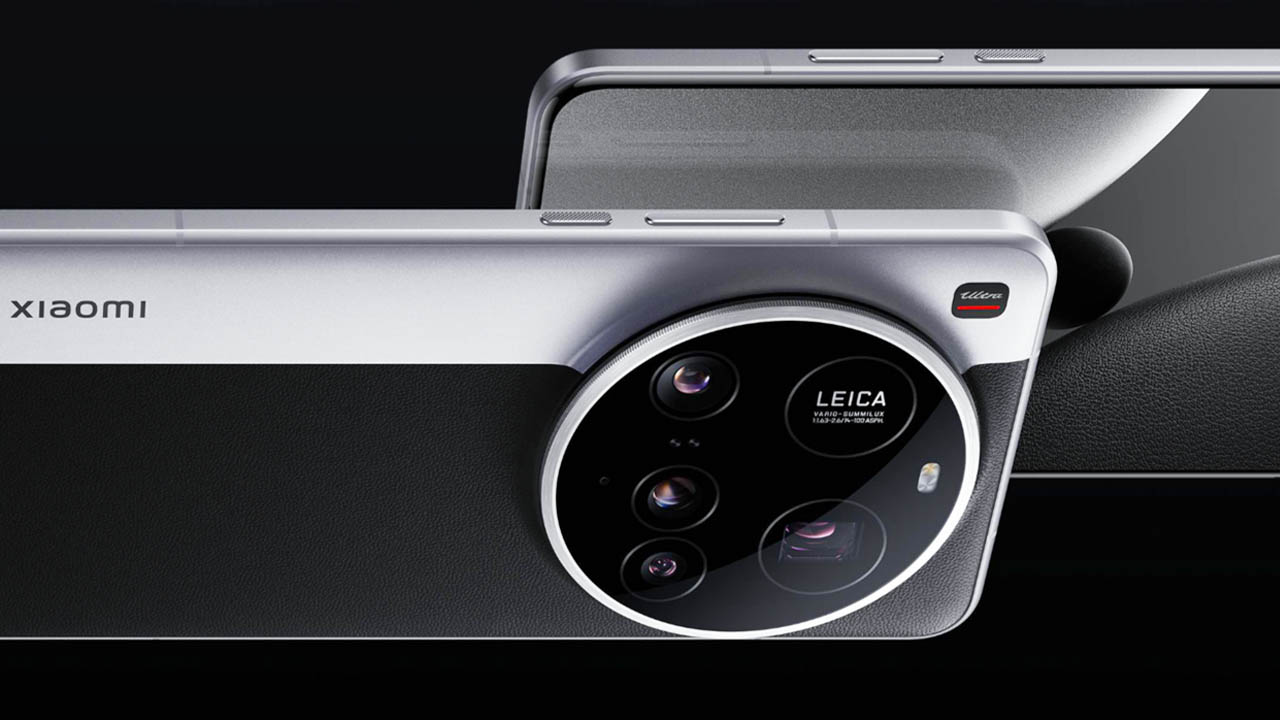
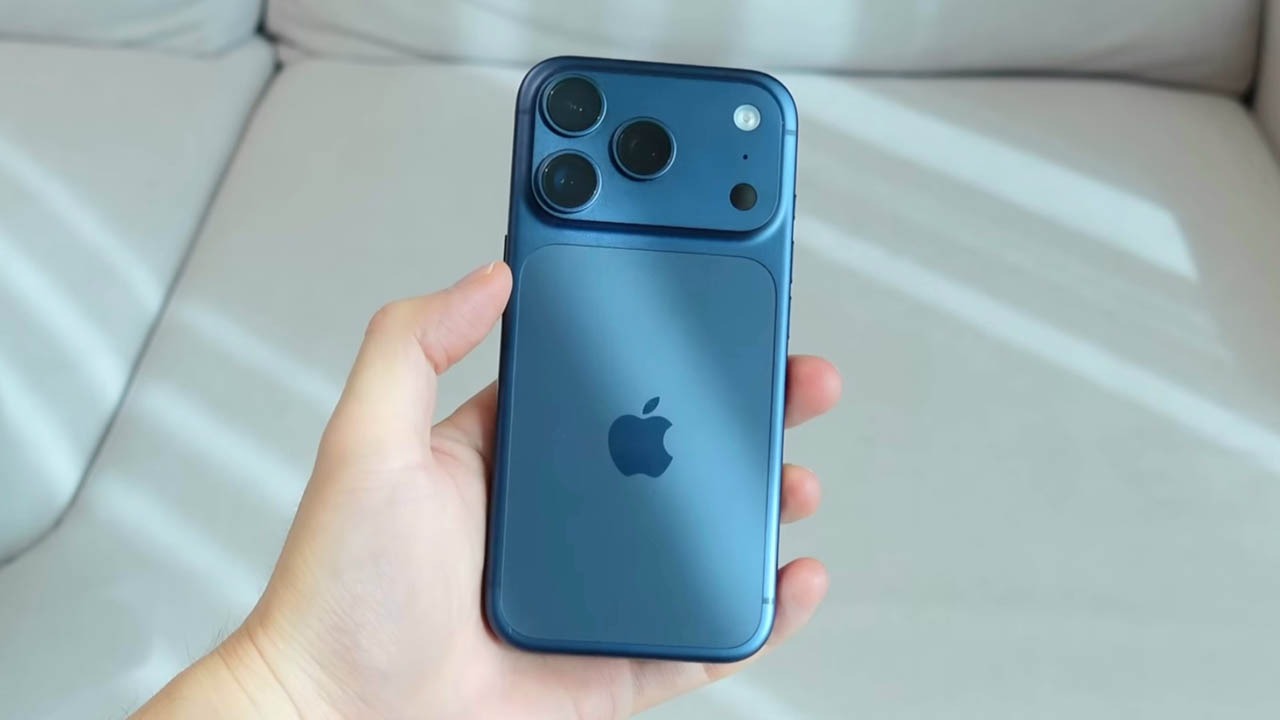
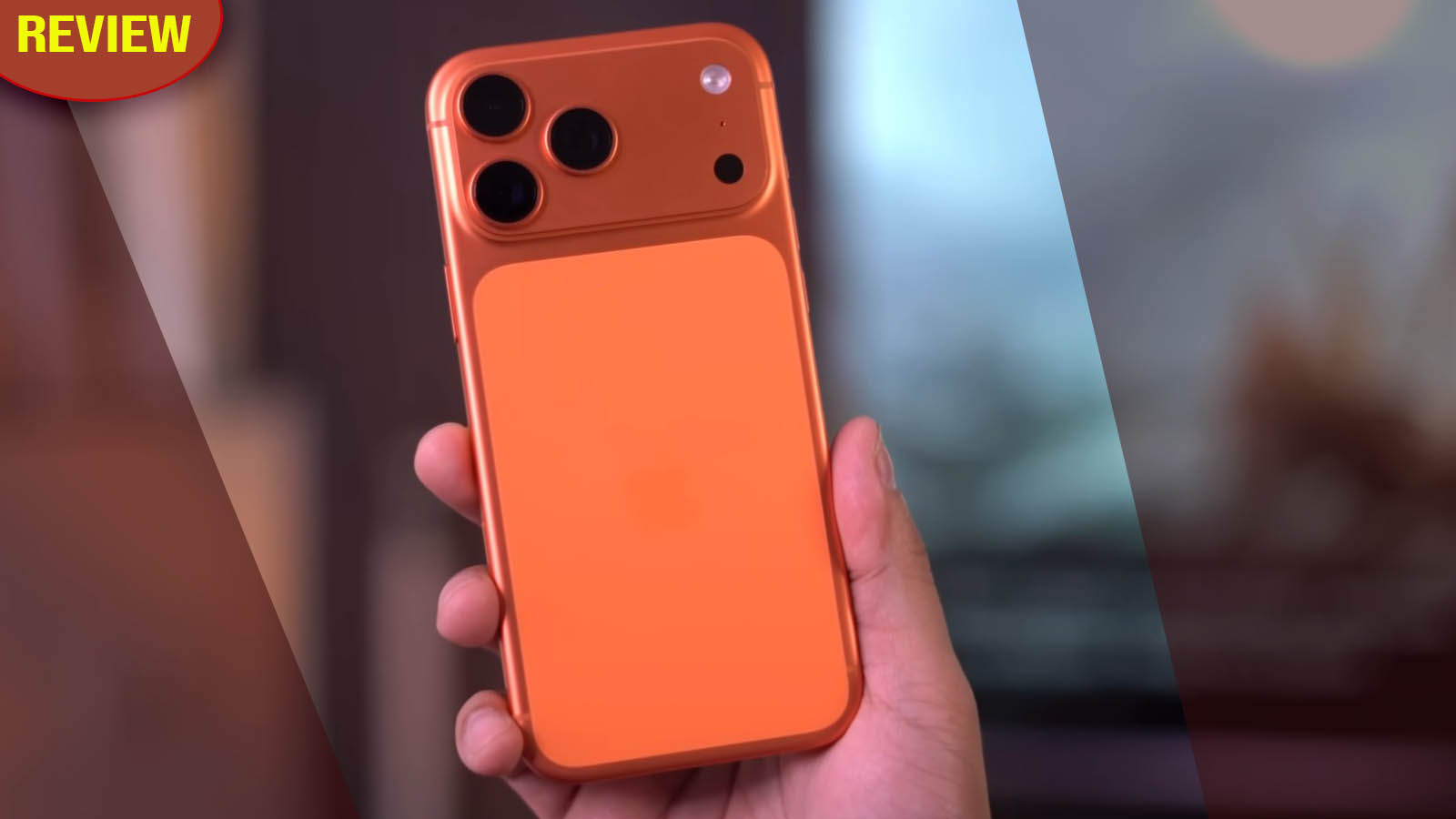
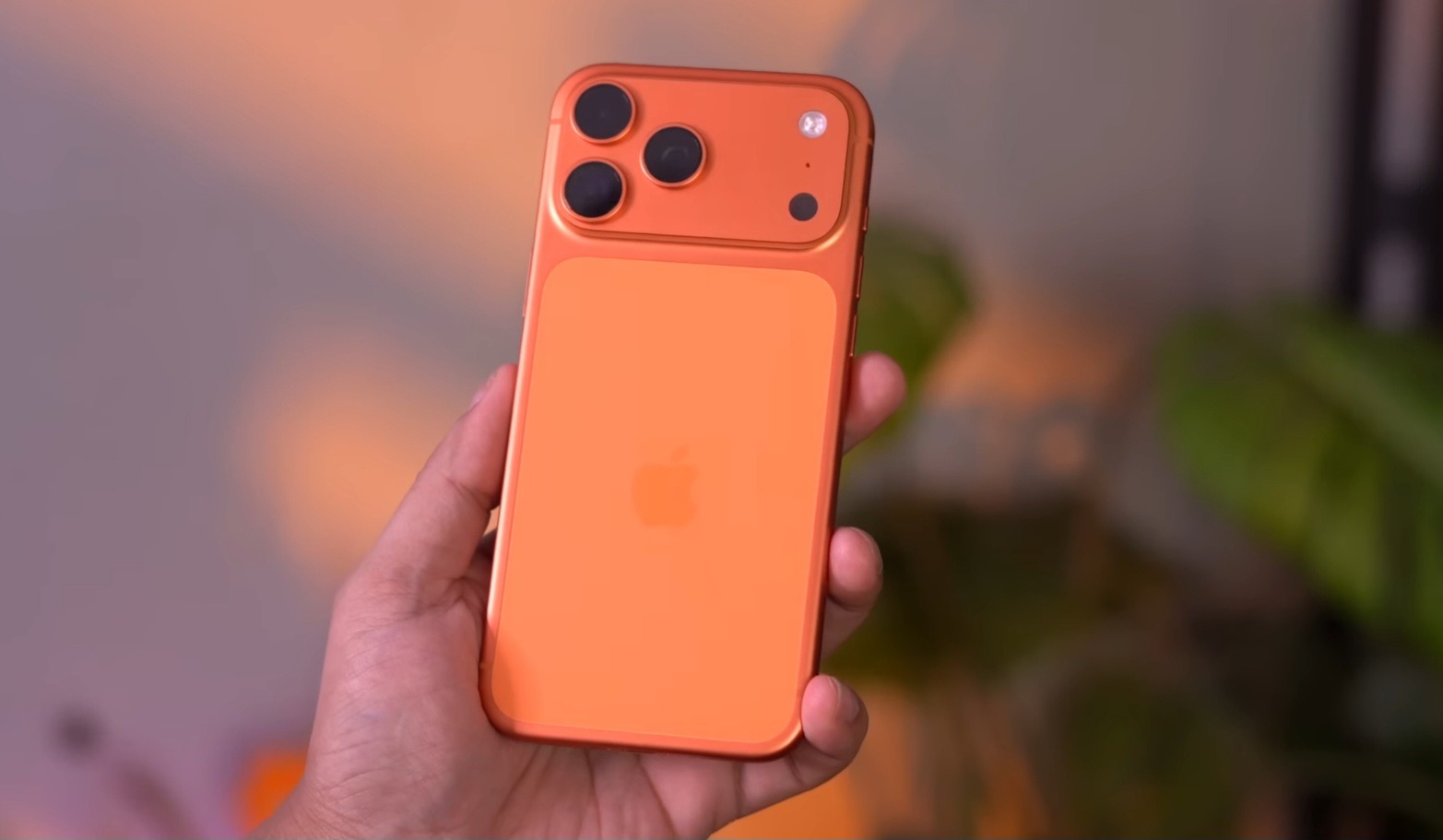
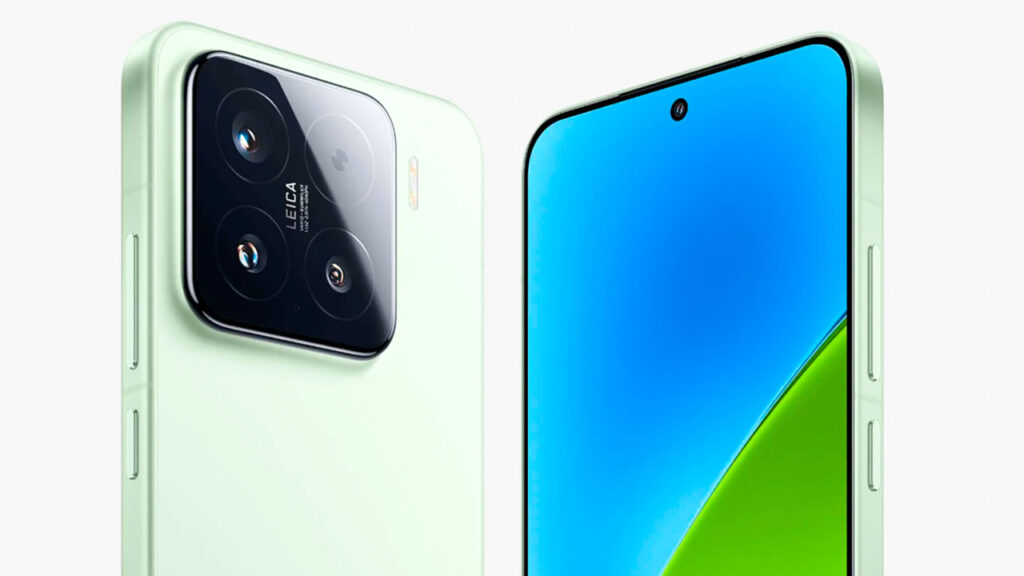
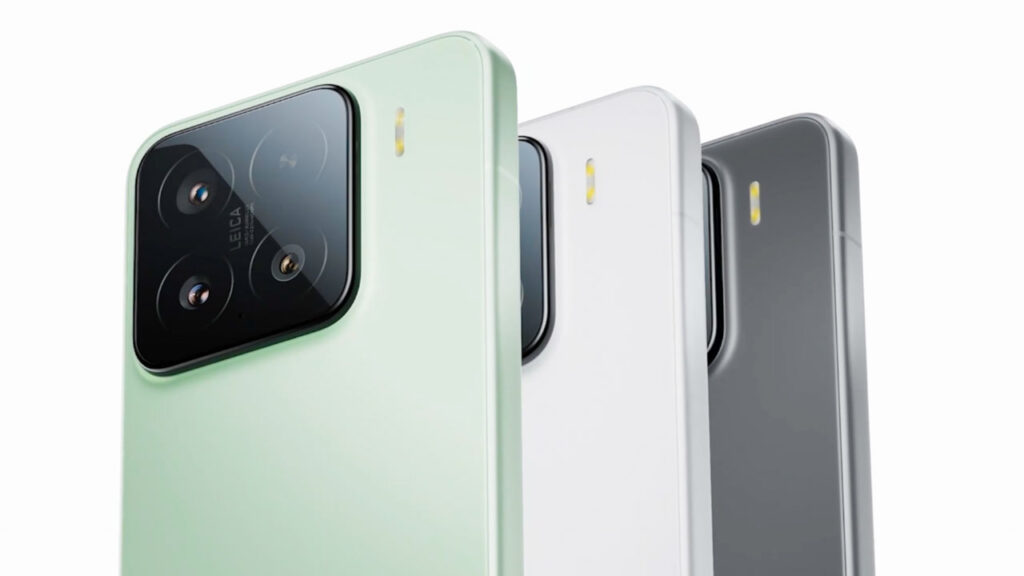
Leaks suggest the standard model will retain a premium build, potentially featuring flatter edges compared to its predecessor, adopting a blend of high-grade aluminum and a choice between glass or vegan leather back panels. A key expectation is a return to a more prominent, perhaps square or rectangular, camera module housing, signifying its photographic capabilities.
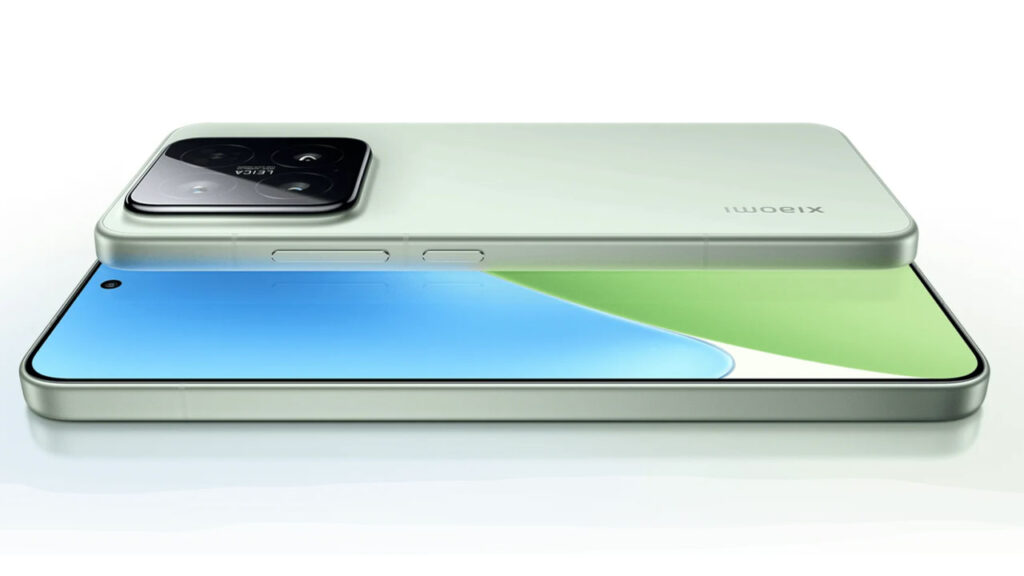
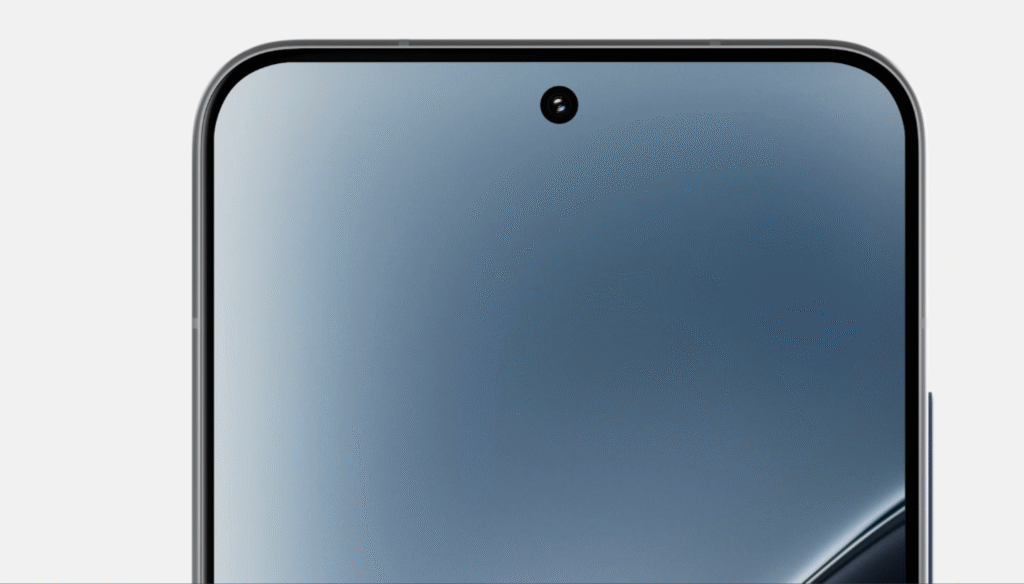
The display, however, is where the Xiaomi 15 is expected to truly shine. The standard model is rumored to feature a high-resolution (likely 1.5K or 2K), 6.36-inch LTPO OLED panel,
making it one of the most premium compact flagships available. The use of LTPO technology is a near certainty,
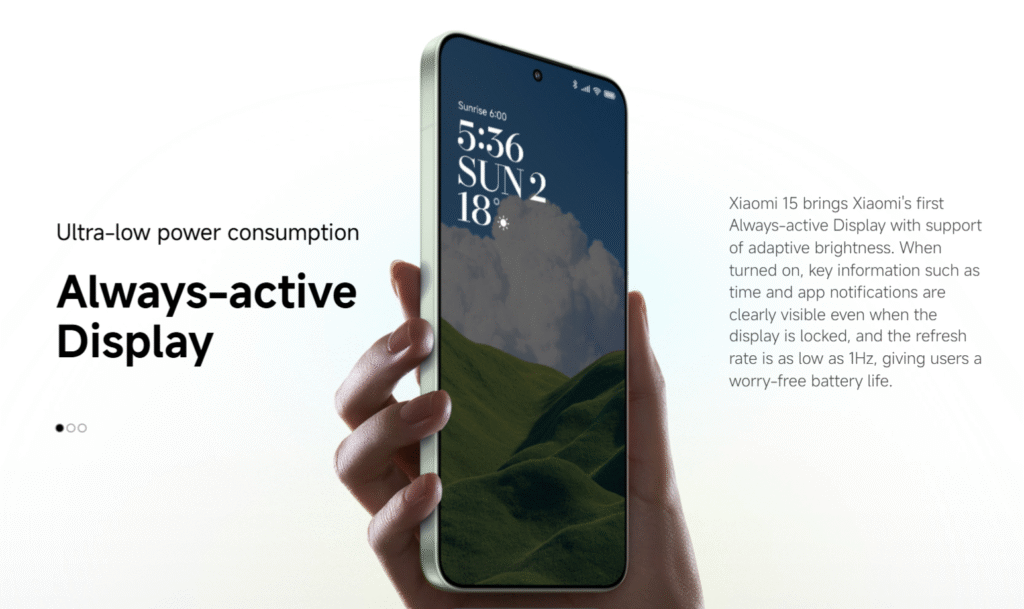
allowing for an adaptive refresh rate spanning 1Hz to 120Hz to maximize battery efficiency. Most significantly,
rumors point towards an unprecedented peak brightness, possibly exceeding 4000 nits in certain High Brightness Mode (HBM) scenarios,
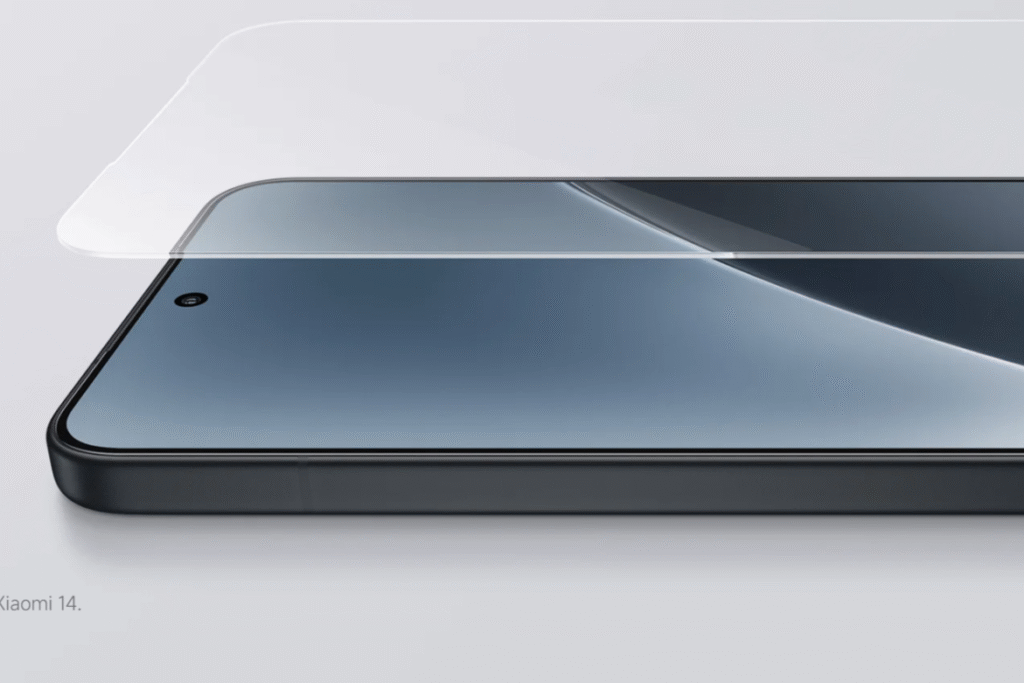
ensuring phenomenal outdoor visibility. The panel will undoubtedly feature 12bit color depth, Dolby Vision support, and be protected by the latest generation of Gorilla Glass.
Camera
The camera array is a traditional battleground for Xiaomi, and the 15 is anticipated to bring substantial upgrades beyond simple resolution bumps.
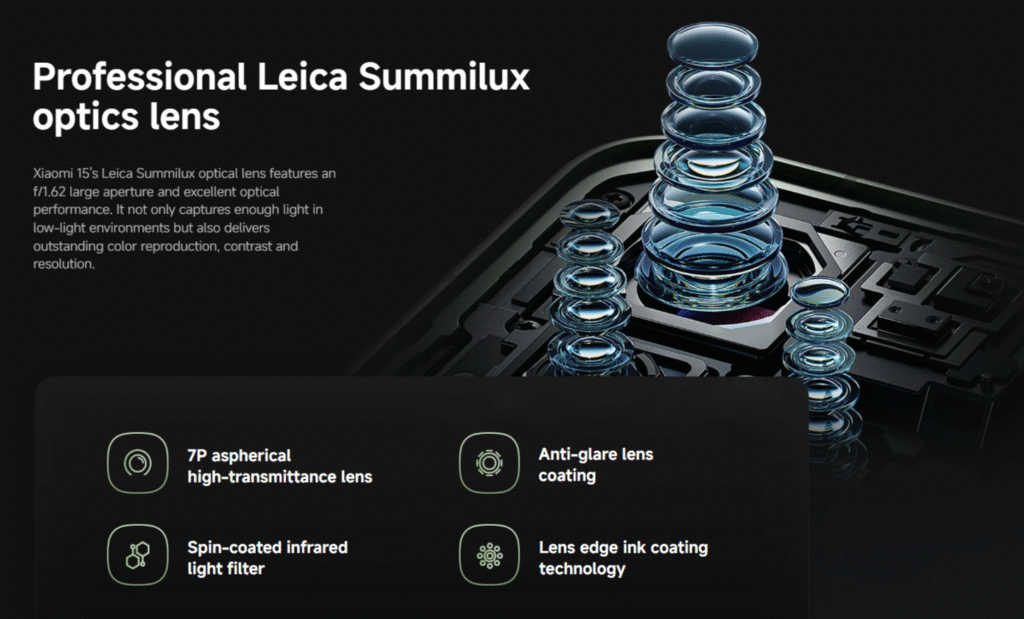
The core hardware is expected to revolve around a new custom primary sensor, likely a 50MP optic with a large sensor size (potentially 1inch type on the Pro/Ultra models,
and a close approximation for the base model) to improve low-light performance and natural depth of field.
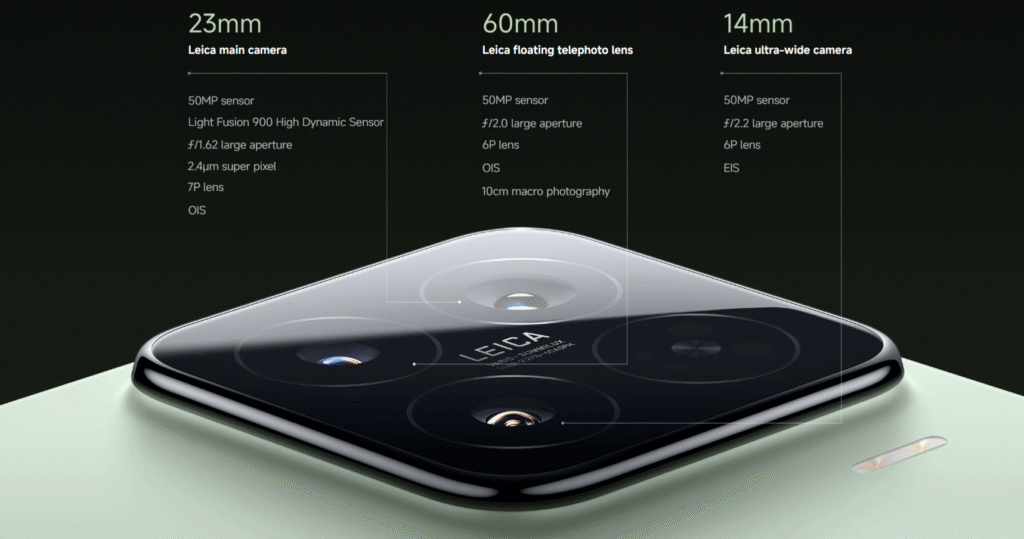
Accompanying the main lens, the phone is rumored to feature a significantly improved 50MP ultrawide lens with advanced free-form optics to minimize distortion.
The telephoto unit is expected to receive the most functional upgrade, moving to a 50MP sensor with native 3x optical zoom,
possibly incorporating a micro-periscope system for better light gathering compared to older designs. Crucially, the partnership with Leica is expected to deepen,
offering new filters, computational photography algorithms, and more refined color science profiles, giving the cameras a distinct and premium photographic signature.
Software and Performance
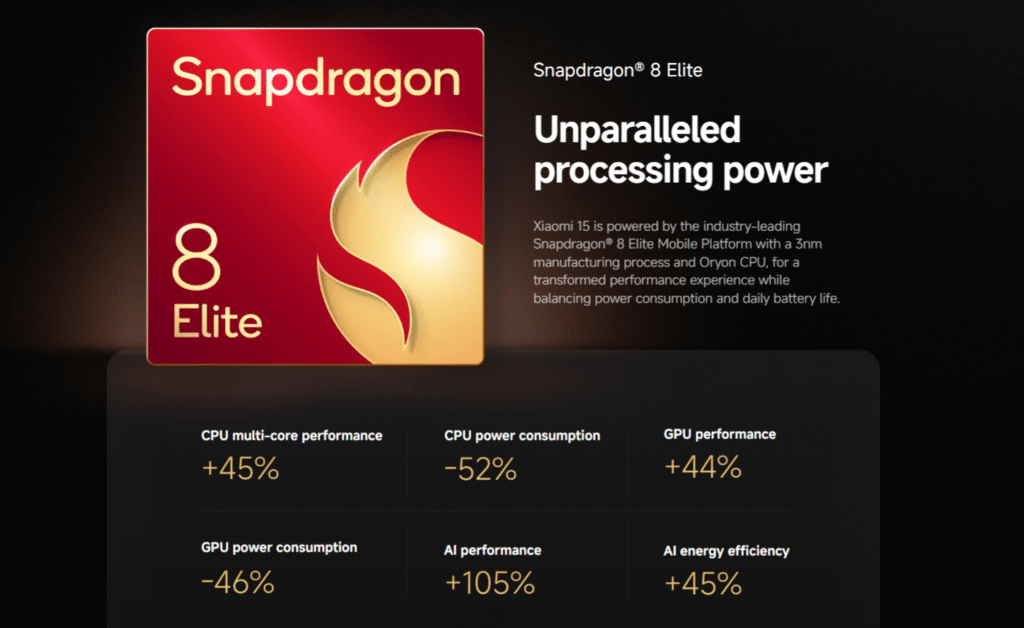
The Xiaomi 15 is widely tipped to be among the first—if not the first—global devices to launch with the next-generation Snapdragon 8 Gen 4 chipset.
This processor is highly anticipated due to its rumored architectural shift away from the traditional ARM design, potentially offering a monumental leap in raw CPU and GPU performance,
especially for ray tracing and intensive AI tasks. This power will be crucial for maintaining fluid performance under the HyperOS operating system.
HyperOS, Xiaomi’s new cross-device ecosystem software, will power the 15, likely layered atop the latest version of Android. HyperOS is designed for seamless connectivity between the phone,
smart home devices, and Xiaomi’s electric vehicles. Performance will be bolstered by the latest memory standards, including LPDDR 5X or the newer LPDDR 6 RAM and UFS 4.0,
storage, ensuring lightning-fast app loading and multitasking capabilities. To manage the thermal output of the powerful Gen 4 chip,
the Xiaomi 15 will feature a state-of-the-art vapor chamber cooling system, likely significantly larger than previous generations, essential for sustained gaming and 4K video recording.
Battery Life and Charging
While a thinner or more compact form factor is desired, the battery capacity is not expected to be compromised.
Rumors place the battery size in the standard model around 4,800 mAh to 5,000 mAh, which, when combined with the efficiency of the Snapdragon 8 Gen 4 ,
and the LTPO display technology, should yield excellent, multi-day battery life for typical users.
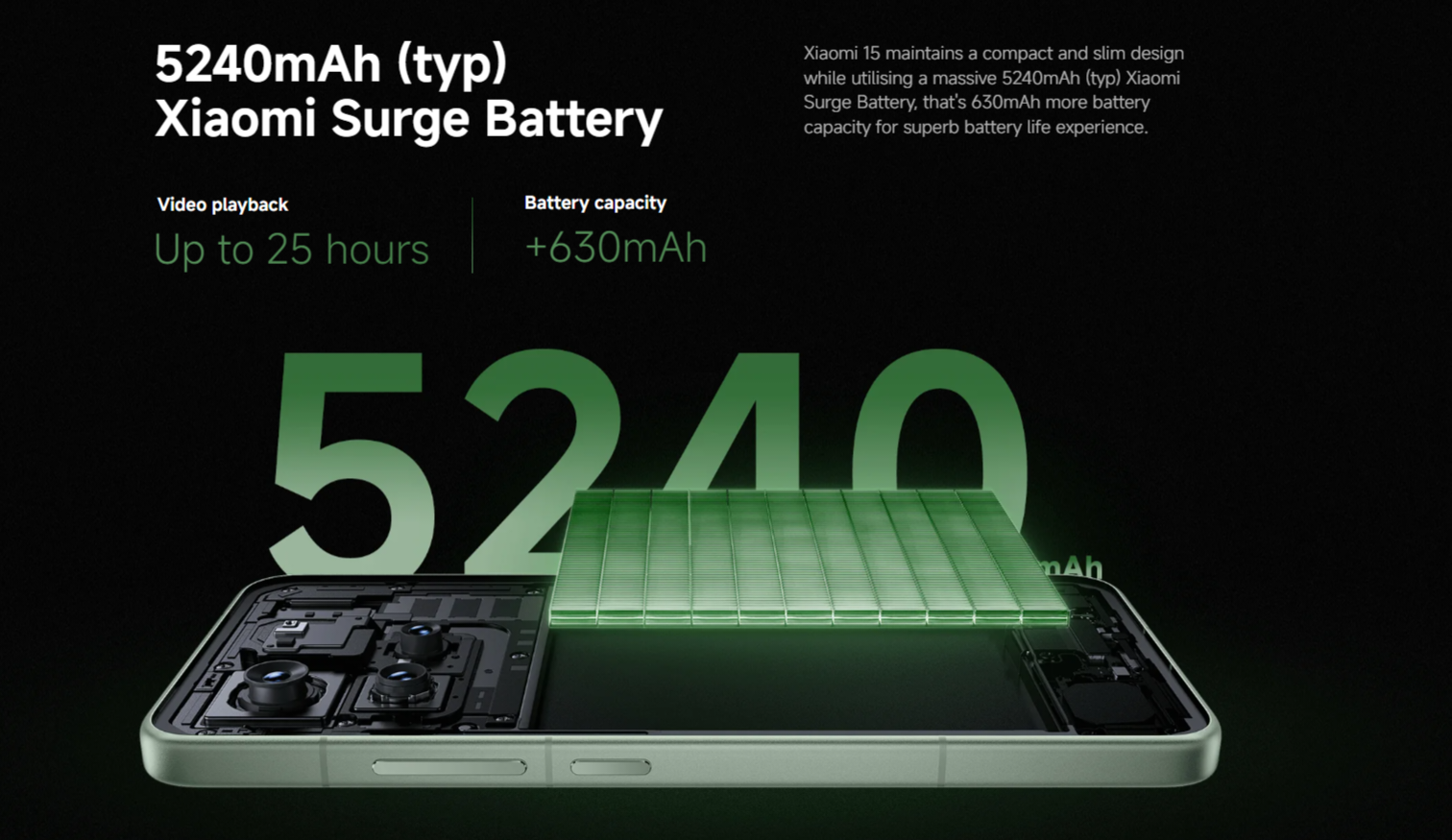
In terms of charging, the Xiaomi 15 is expected to retain its class-leading speeds. This includes 120W wired fast charging,
which typically allows for a full charge in under 20 minutes. Wireless charging speeds are also expected to remain highly competitive at 50W or 80W,
alongside 10W reverse wireless charging for accessories. The inclusion of the new battery management chip should also help extend the overall longevity and safety of the battery.
Connectivity
As a modern flagship, the Xiaomi 15 will feature the most current connectivity standards. This includes support for Wi-Fi 7, offering significantly faster speeds,
and lower latency than Wi-Fi 6E —a critical feature for high-bandwidth applications like cloud gaming and 8K streaming.
Advanced 5Gcapabilities, covering a broad range of global bands, will be standard. Furthermore, the phone is anticipated to include the latest Bluetooth standard (Bluetooth 5.4 or
newer) for robust audio and peripheral connections. Physical connectivity will rely on USB-C, likely supporting USB 3.2 Gen 1 or faster data transfer speeds.
Pros and Cons
| Pros | Cons |
| ✅ Best-in-class compact ergonomics. | ❌ Ultra-wide camera is slightly weaker than the main. |
| ✅ Blazing fast Snapdragon 8 Elite. | ❌ HyperOS still has some pre-installed bloat. |
| ✅ Brilliant 3200-nit display. | ❌ No 3.5mm jack (common in flagships). |
| ✅ Incredible battery life for a 6.36″ phone. | ❌ Significant price hike compared to Xiaomi 14. |
Who Should Buy This Phone?
- Best for: One-handed users who hate bulky phones; Street Photographers who want the Leica aesthetic; and Gamers who want portability.
- Who should avoid it: Users who consume 5+ hours of video daily might prefer the larger screen of the Xiaomi 15 Pro or Ultra.
Comparison:
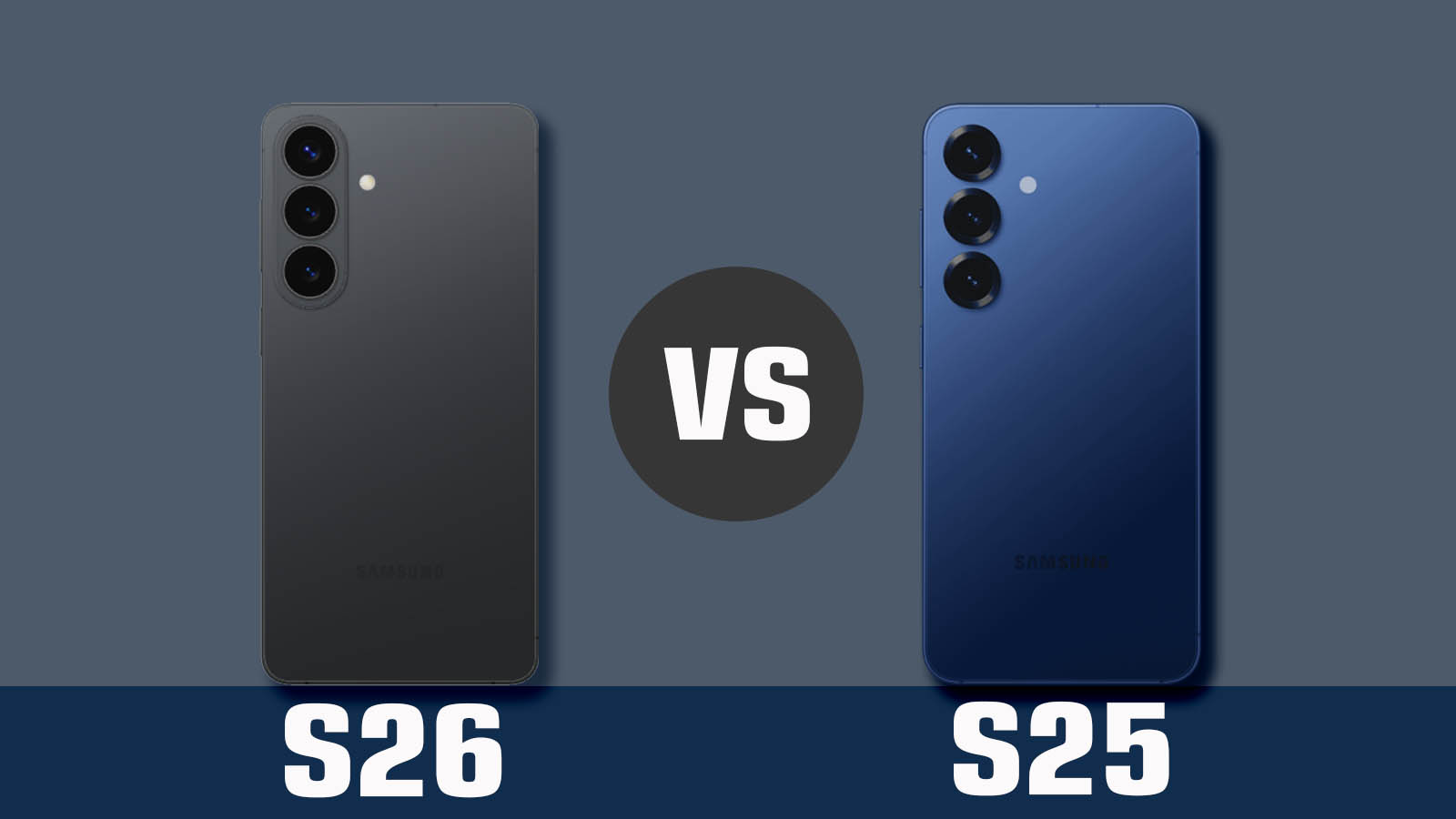
- You may also like: Xiaomi 15 vs Samsung Galaxy S25
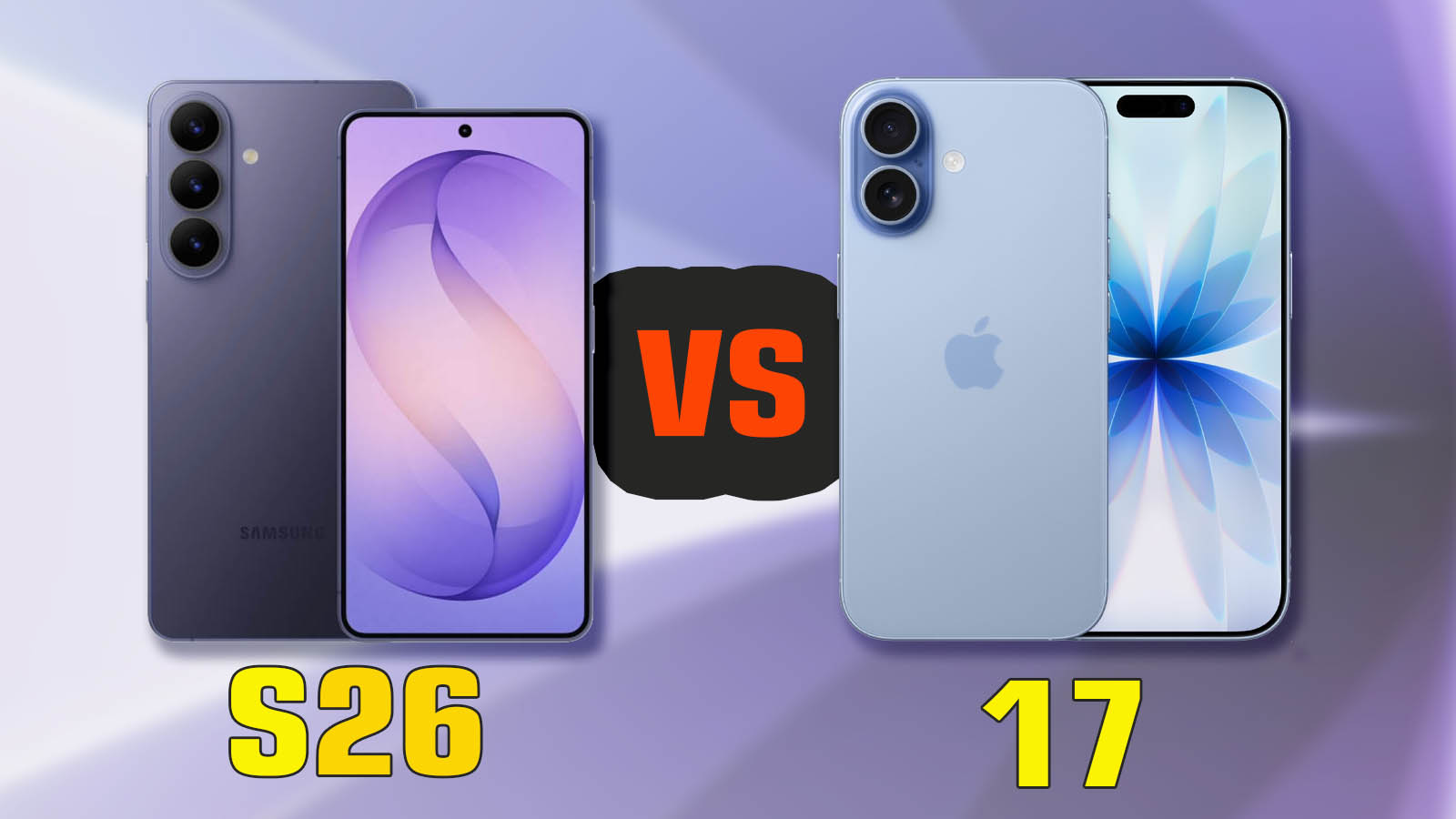
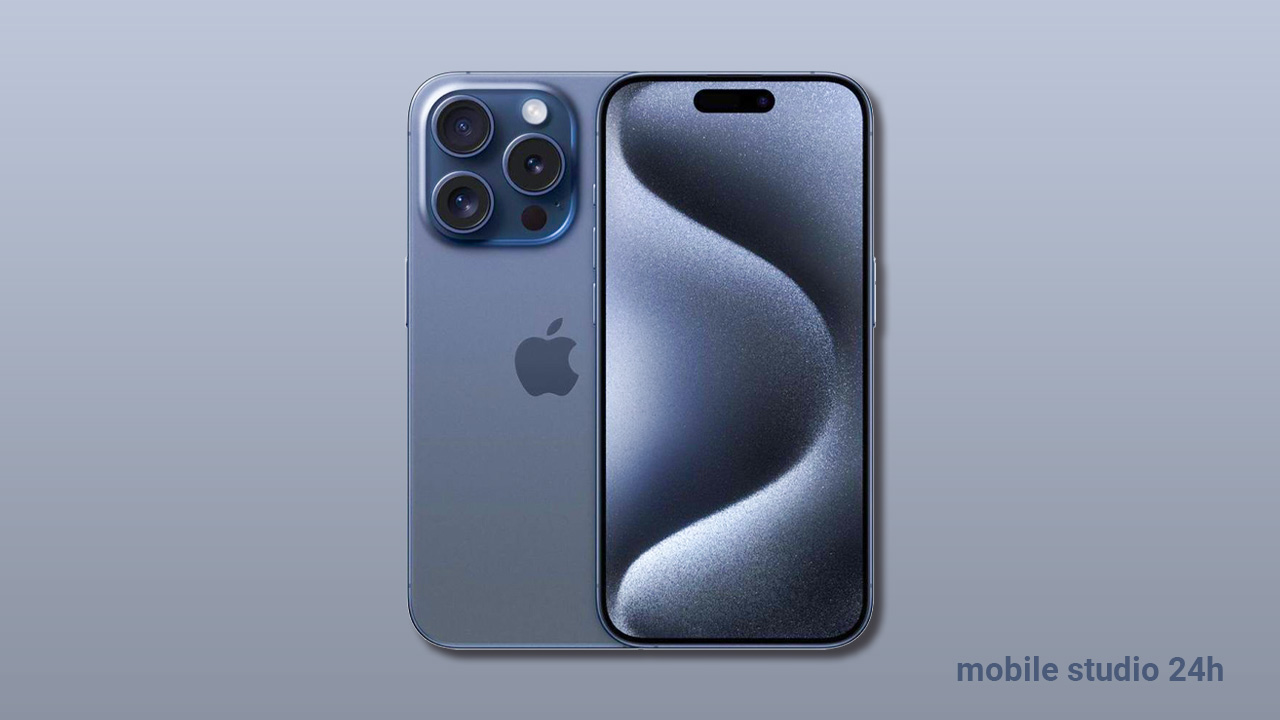
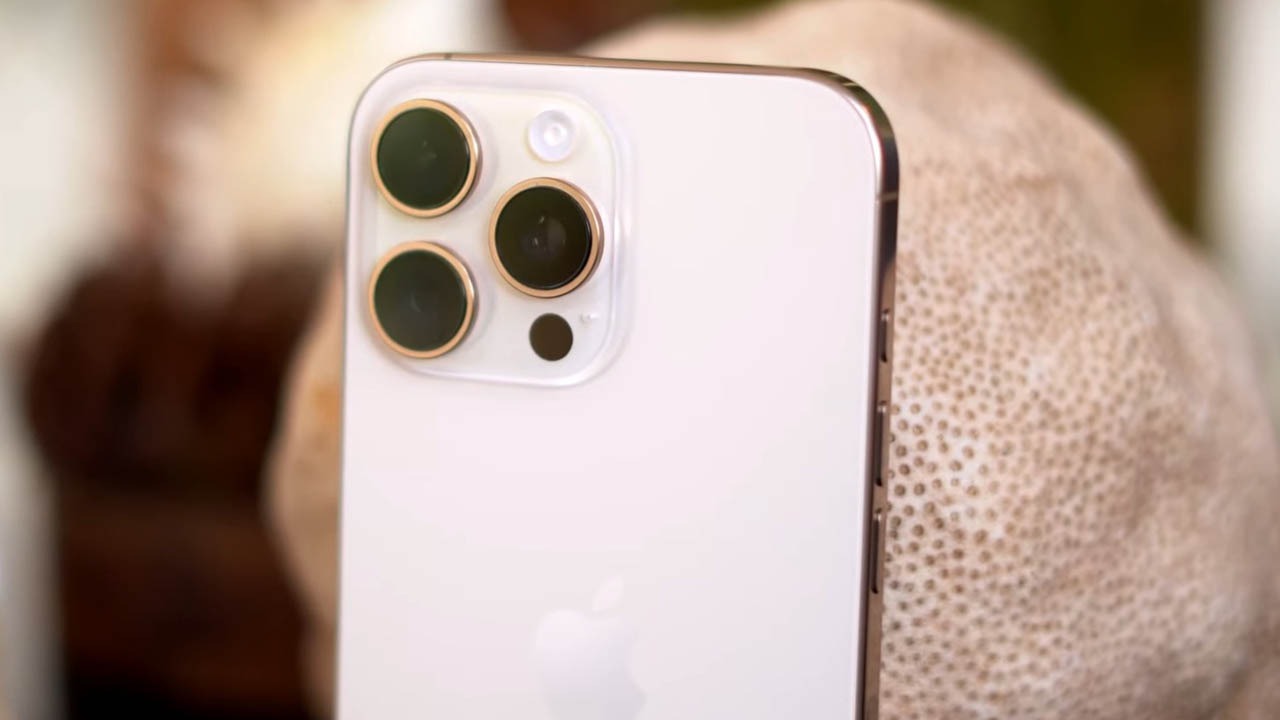
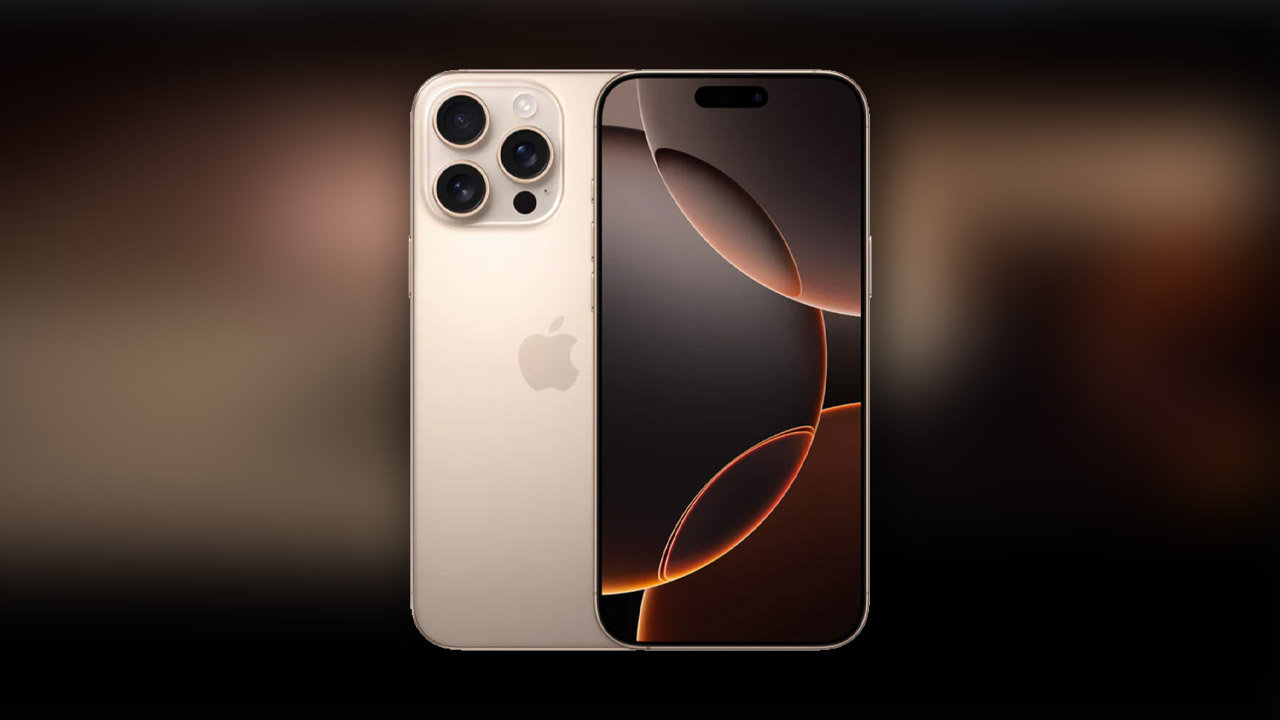
- Alternative: iPhone 17 Pro: The Compact Rival
Price & Value for Money
At its current price of approximately $650-$700, the Xiaomi 15 offers outstanding value for money. It provides the exact same processor and main camera technology as the “Ultra” models but in a package that actually fits in your pocket.
Final Verdict
Overall, the Xiaomi 15 is a refined, powerful, and beautiful smartphone that proves you don’t need a massive screen to have a flagship experience. It is a reliable daily driver that excels in photography and performance, making it a top recommendation for 2026.
FAQs
- Is the Xiaomi 15 good for gaming? Yes, the Snapdragon 8 Elite and IceLoop cooling make it a top-tier gaming performer.
- Does it support wireless charging? Yes, it supports blazing-fast 50W wireless HyperCharge.
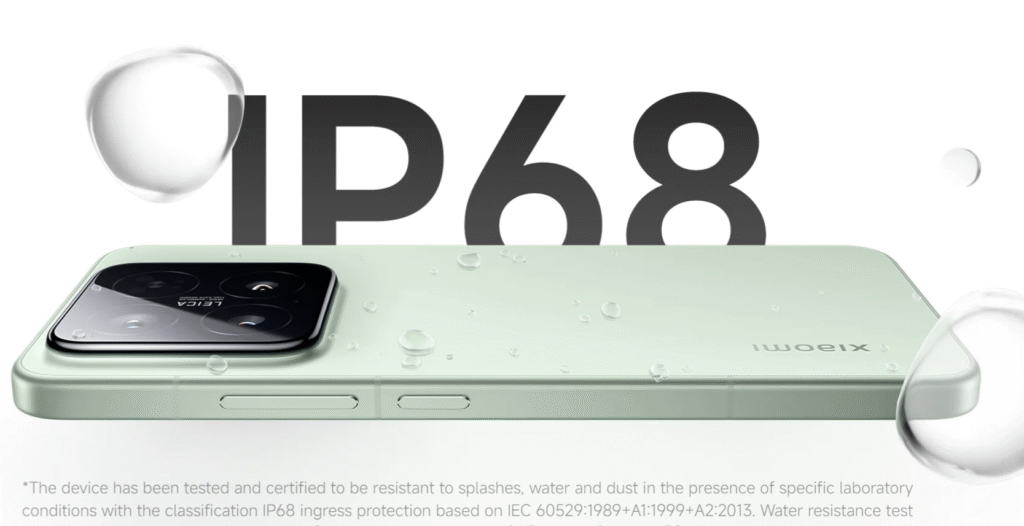
- Is the Xiaomi 15 waterproof? Yes, it has an IP68 rating for water and dust resistance.
- Is it worth upgrading from Xiaomi 14? Yes, the battery is 14% larger and the new Snapdragon 8 Elite is a massive jump in efficiency and power.
Disclaimer: This review is based on 2026 market specifications and user feedback. Actual performance may vary depending on local software versions and network conditions.