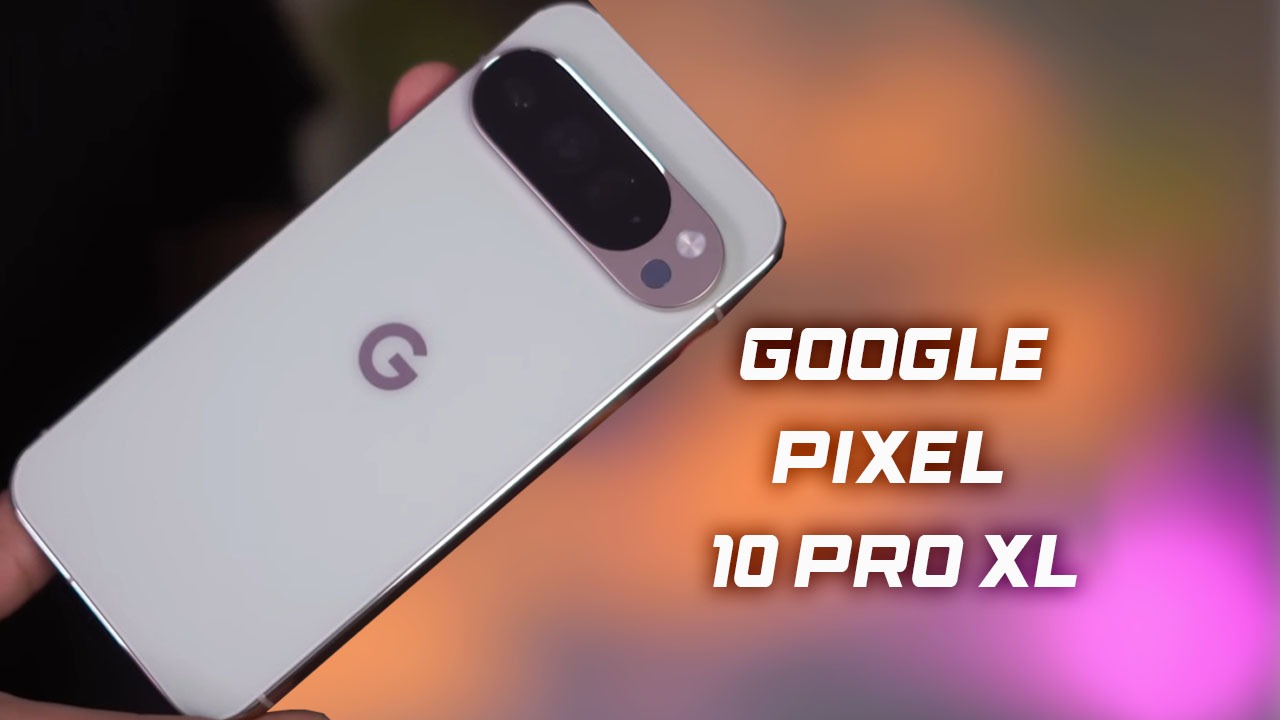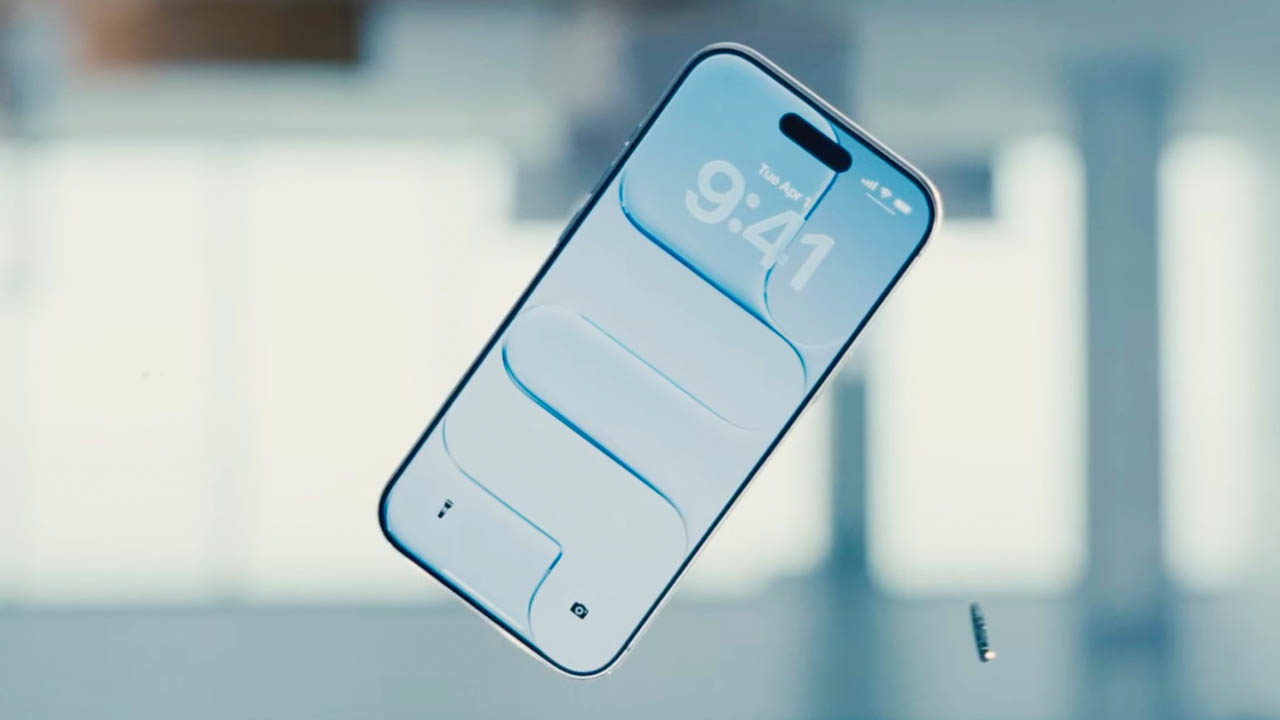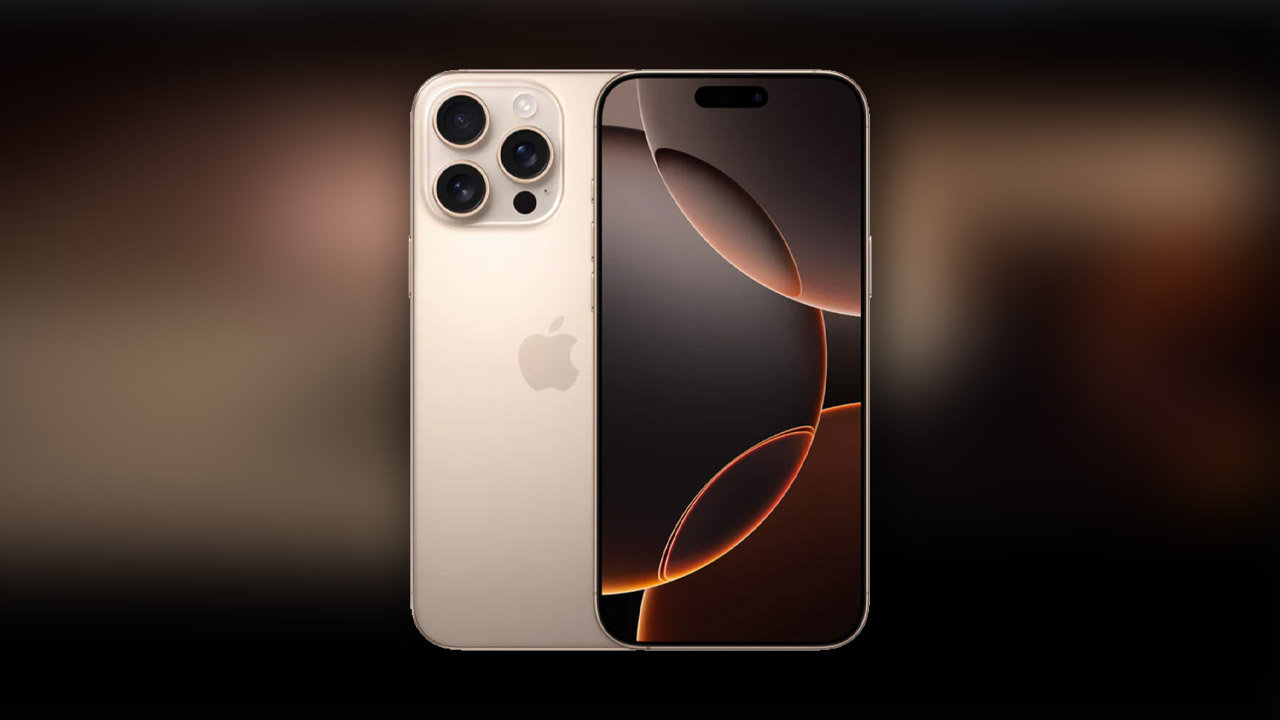
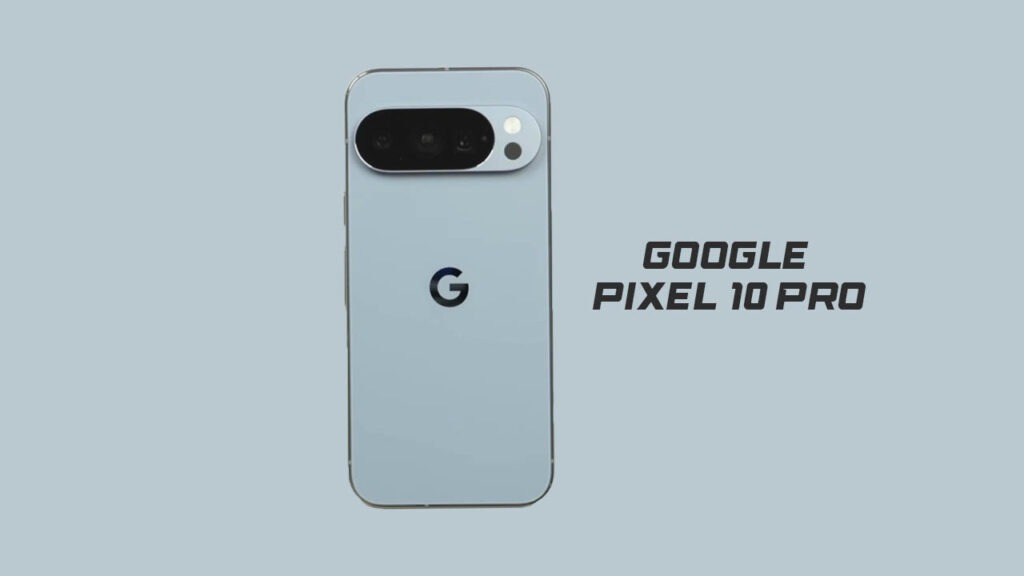
The Google Pixel 10 Pro is a premium flagship smartphone designed for users who want the perfect balance of a compact form factor and elite-tier artificial intelligence. In a market crowded with oversized devices, the Pixel 10 Pro stands out as the ultimate “Pro” tool for those who prioritize industry-leading photography and seamless Google ecosystem integration. This review explores the significant jump to the Tensor G5 chipset, the refined titanium aesthetics, and the new era of Gemini 2.0 features. Whether you are a content creator or a busy professional, this in-depth analysis will help you decide if Google’s 2026 flagship is the right investment for your digital life.
Key Specifications
- Display: 6.3-inch Super Actua LTPO OLED
- Resolution: 1280 x 2856 pixels (495 ppi)
- Brightness: 3,000 nits (Peak)
- Processor: Google Tensor G5 (3nm TSMC)
- RAM & Storage: 16GB LPDDR5X | 128GB/256GB/512GB/1TB
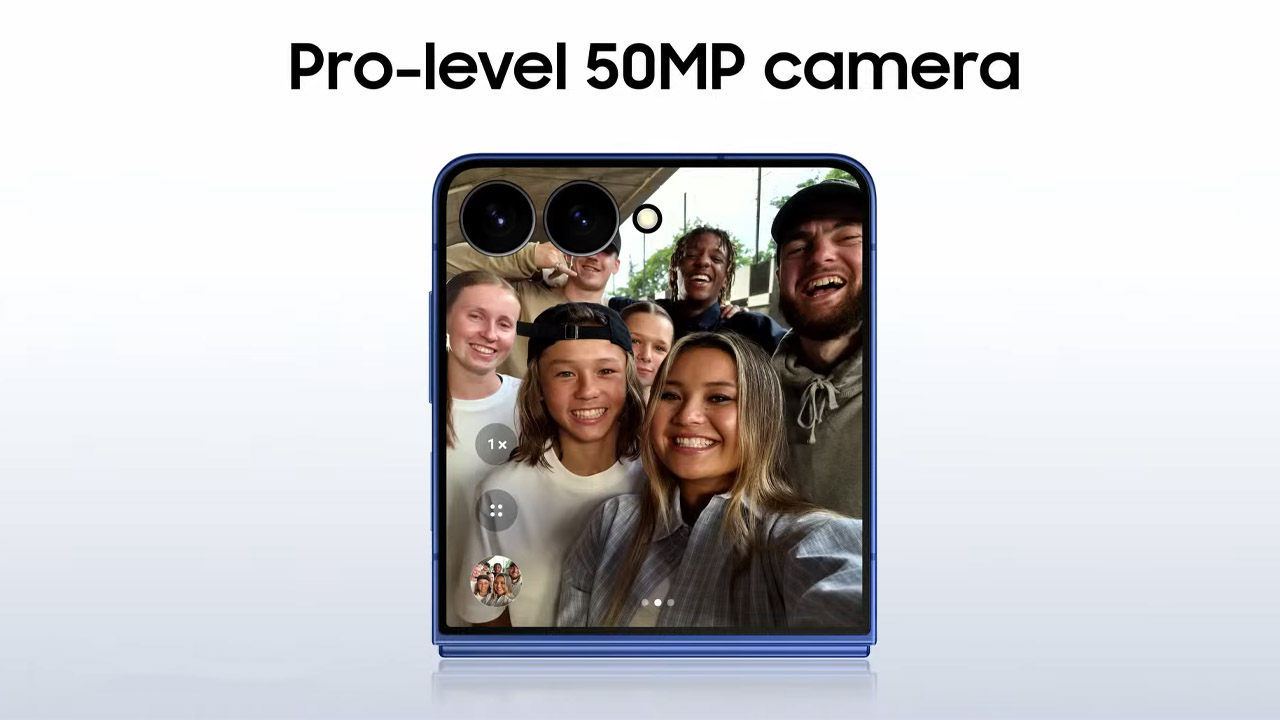
- Rear Camera: 50MP Main + 48MP Ultra-wide + 48MP 5x Telephoto
- Front Camera: 42MP with Dual PD Autofocus
- Battery: 4,700 mAh
- Connectivity: 5G, Wi-Fi 7, Bluetooth 5.4, Satellite SOS
- Operating System: Android 16
- Price Range: $999 – $1,299
Design & Build Quality
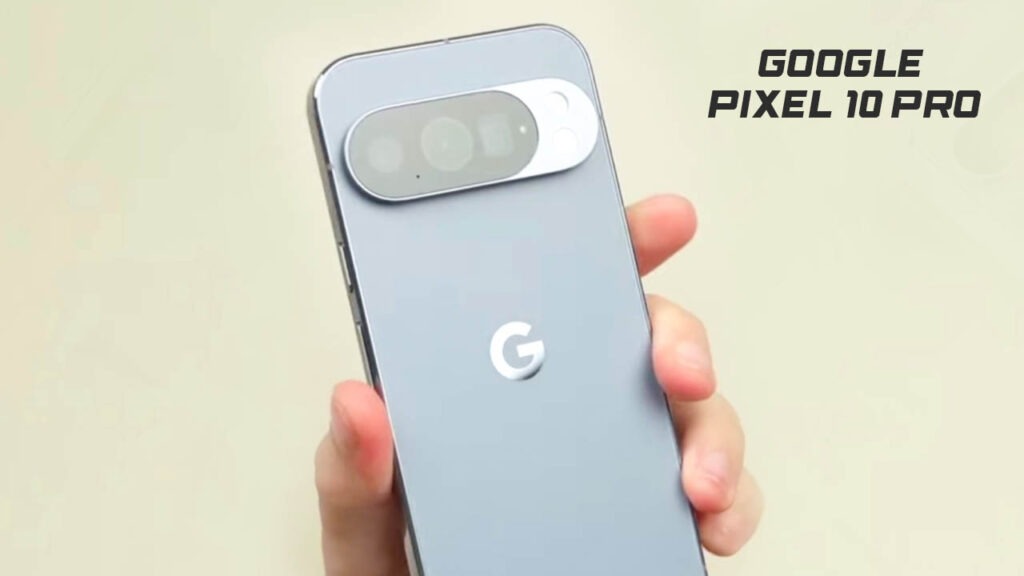
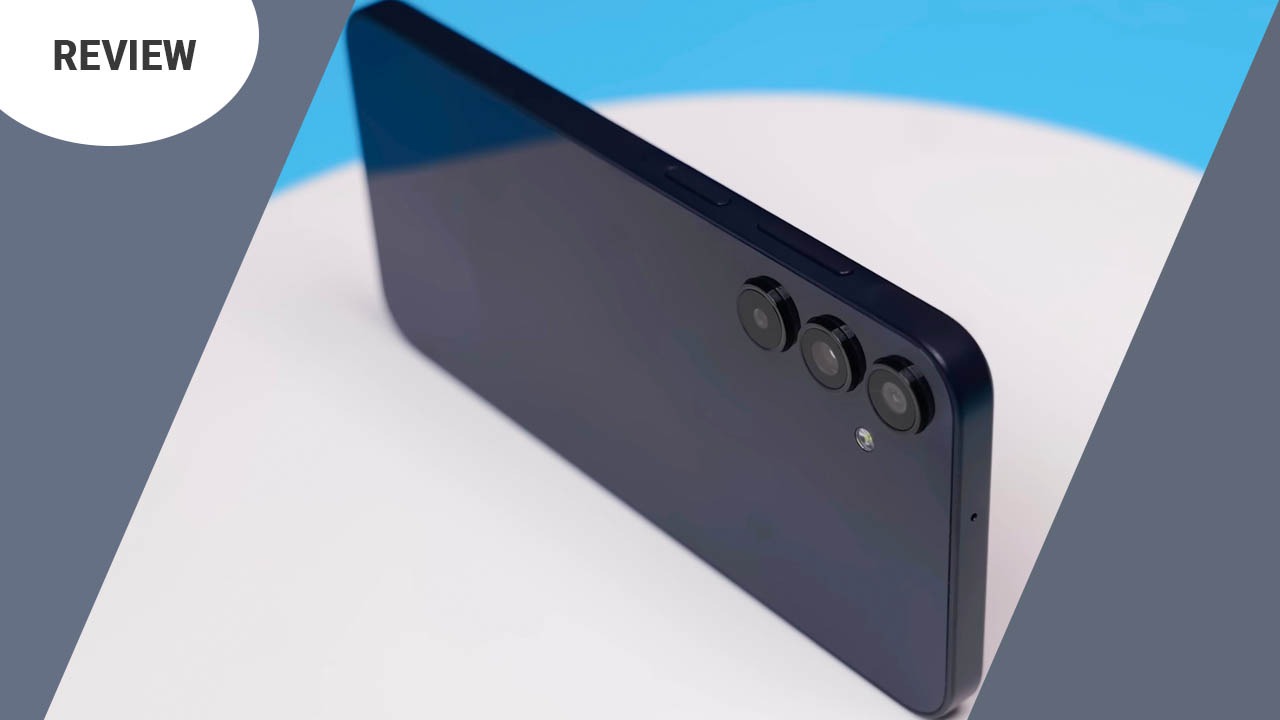
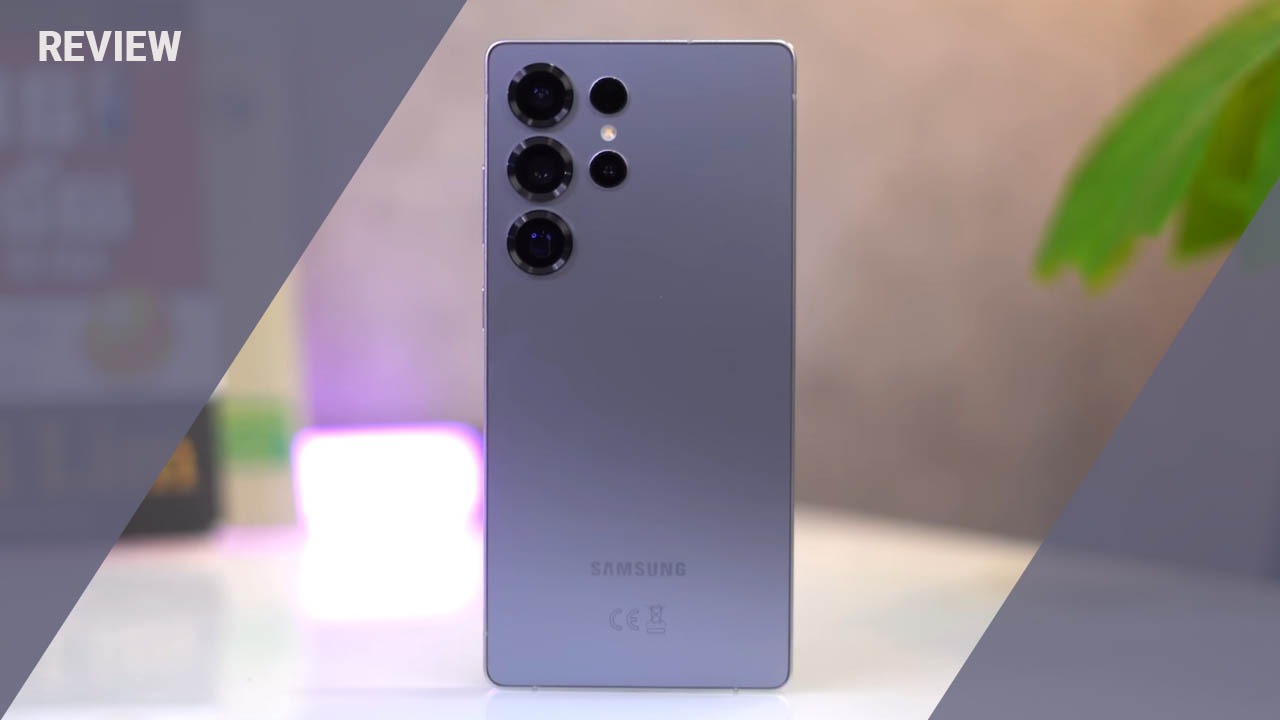
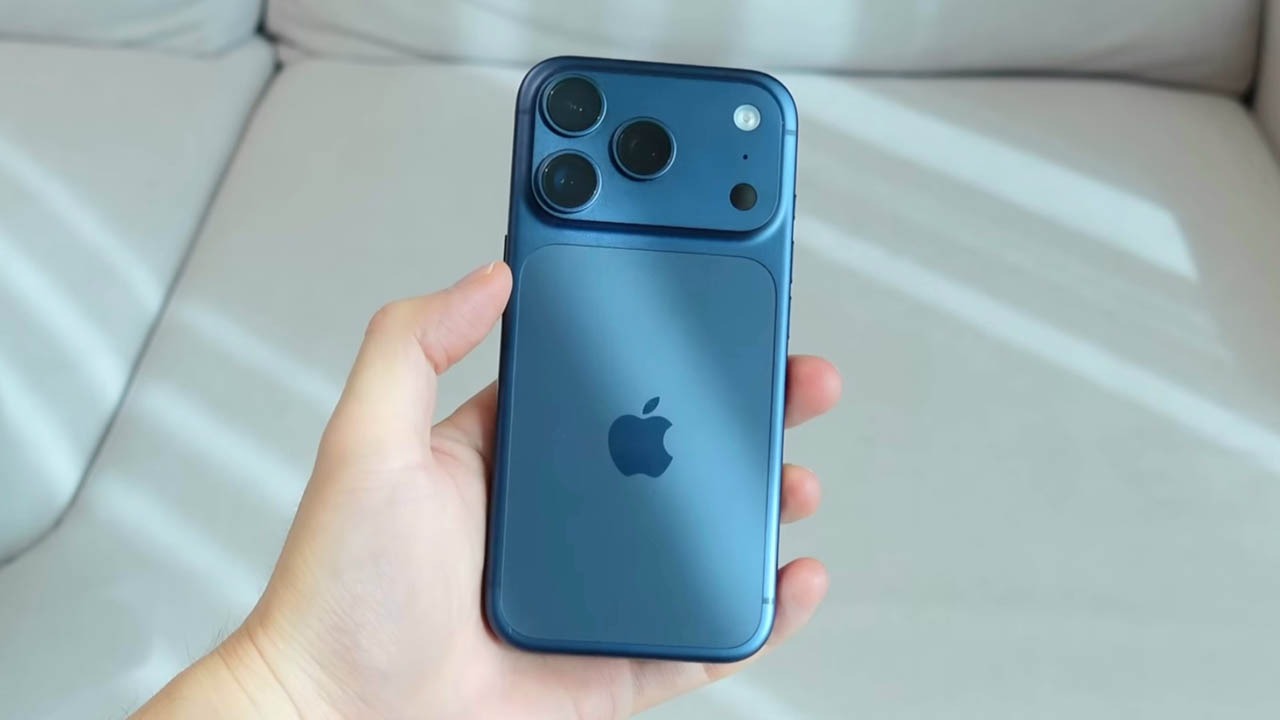
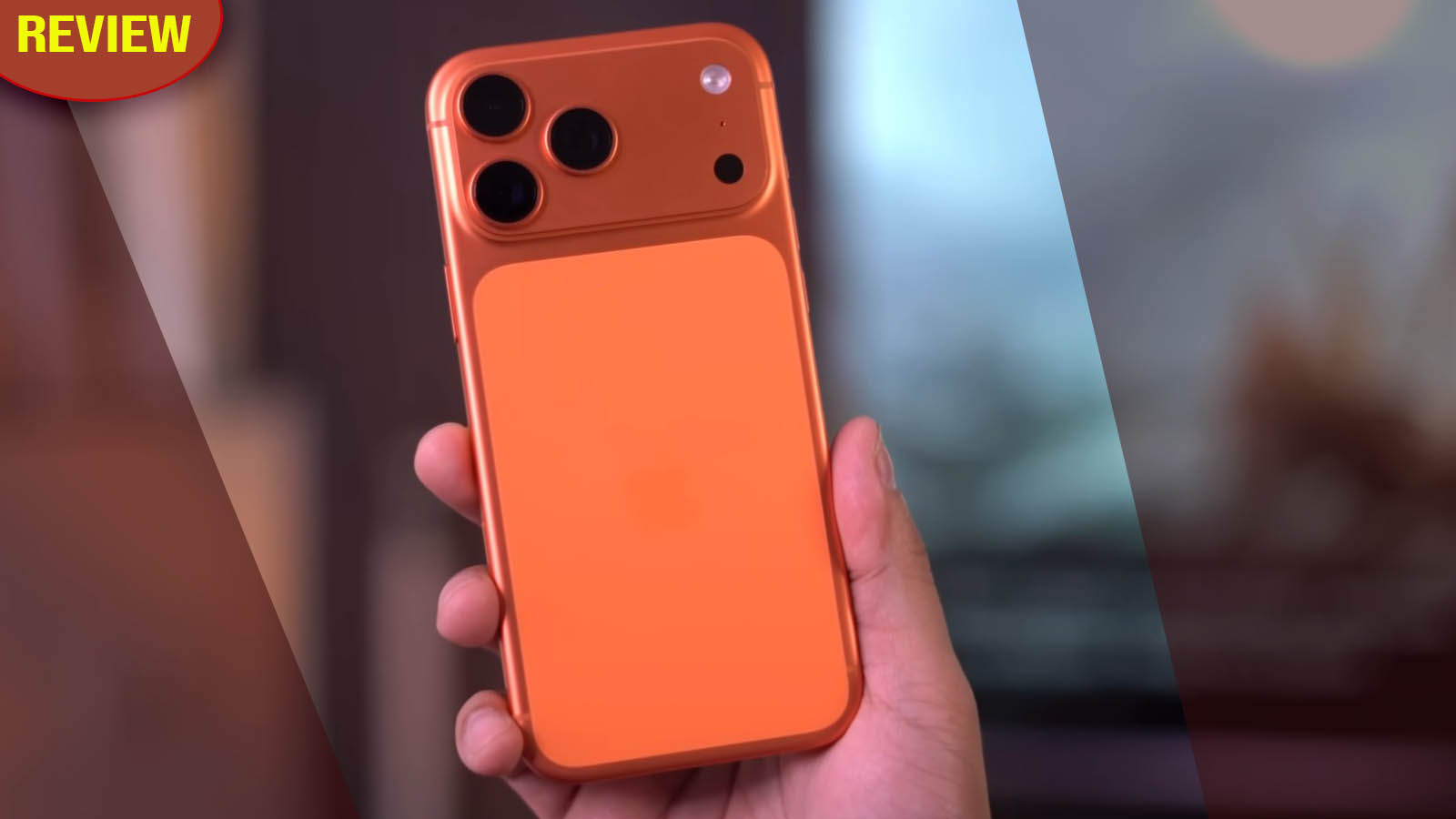
Google has moved away from the aluminum frames of the past, opting for a polished Grade 5 Titanium build that makes the Pixel 10 Pro incredibly durable yet surprisingly light. The phone feels dense and premium in the hand, with a satin-finish back glass that effectively hides fingerprints.
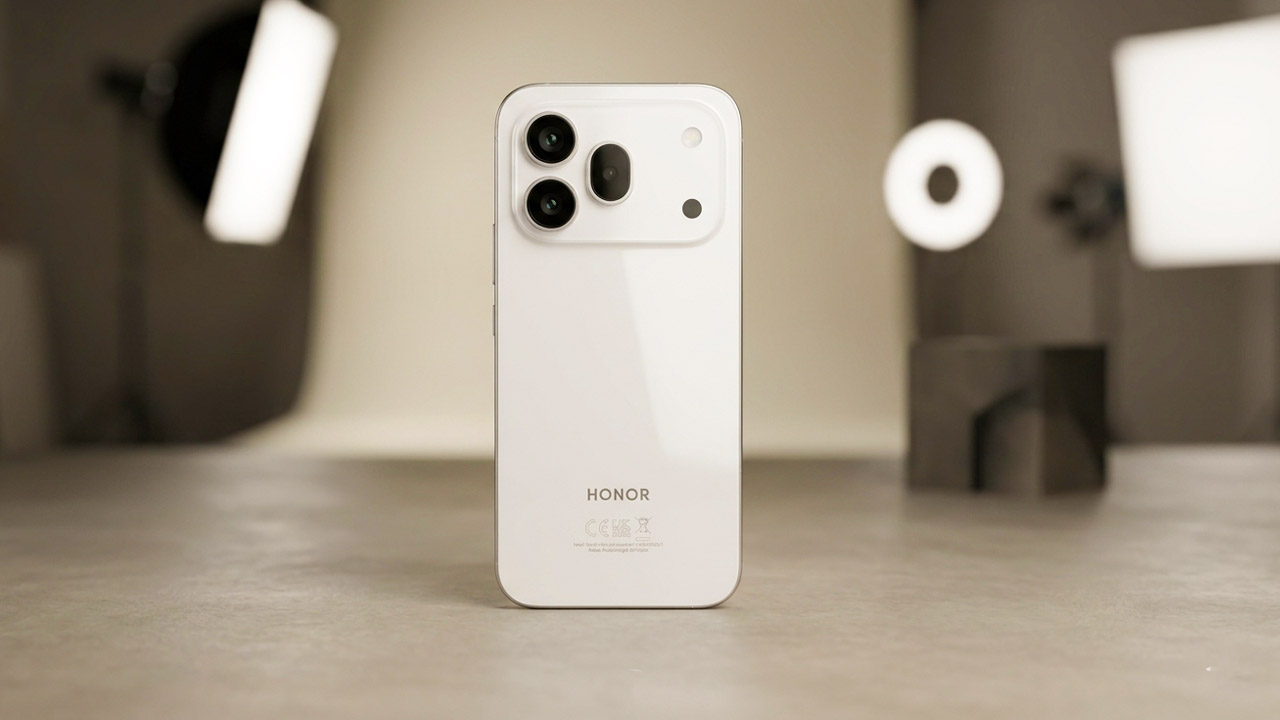
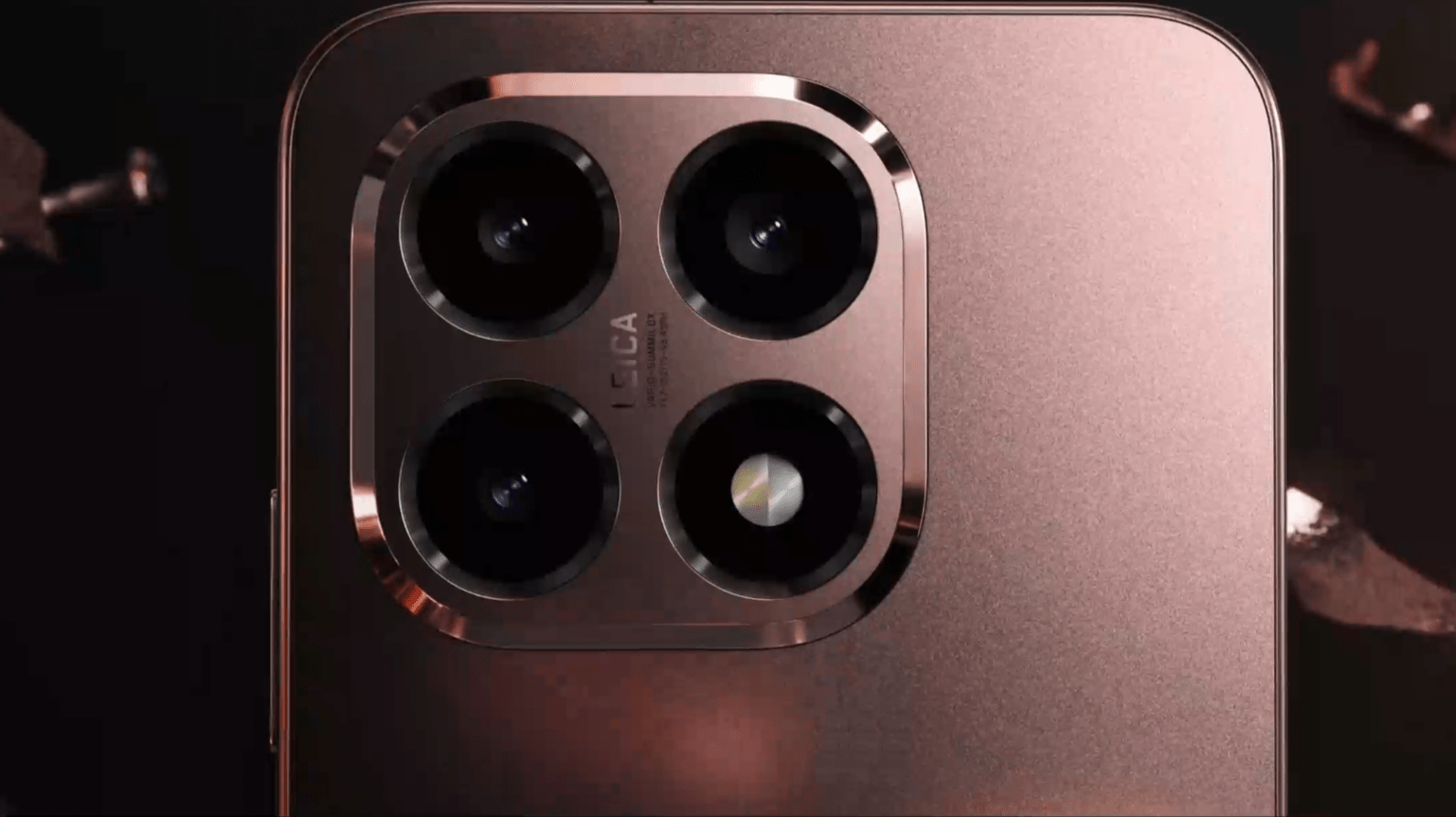
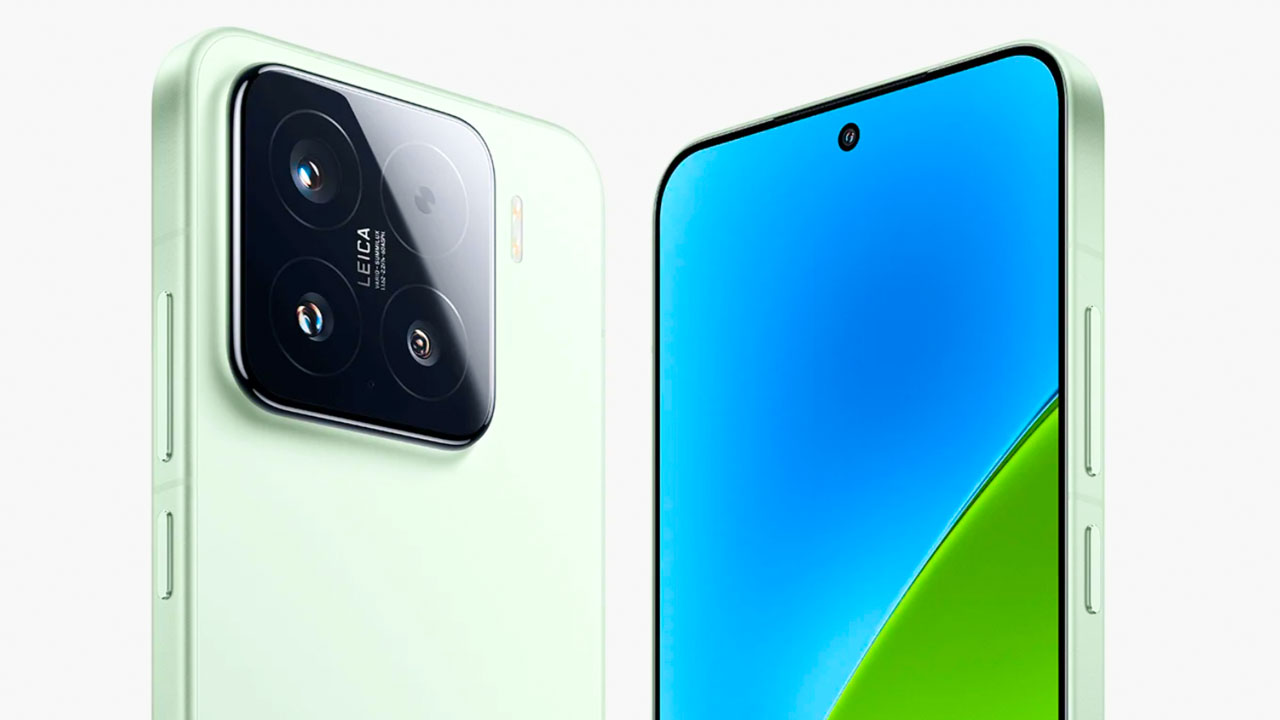
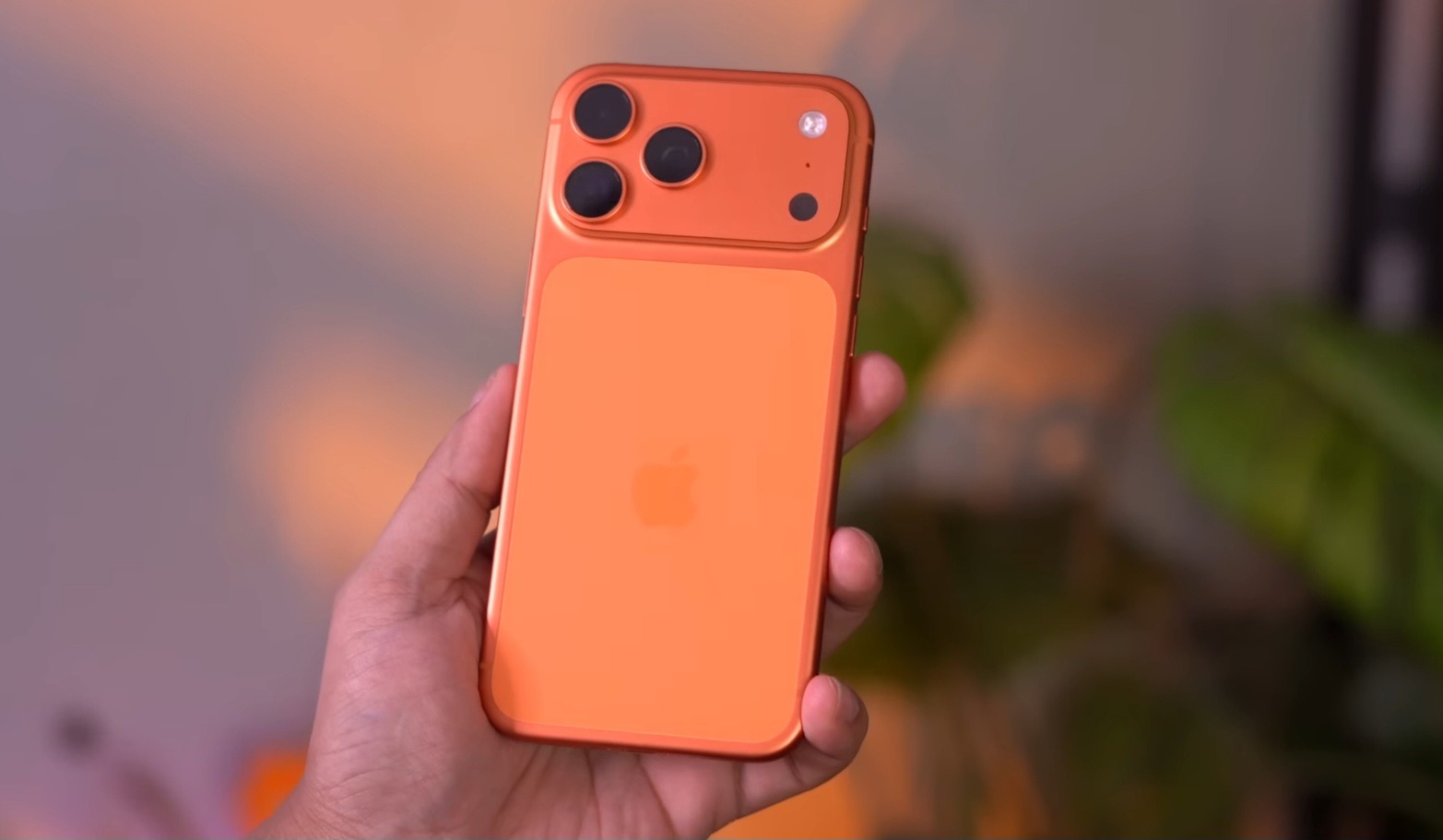
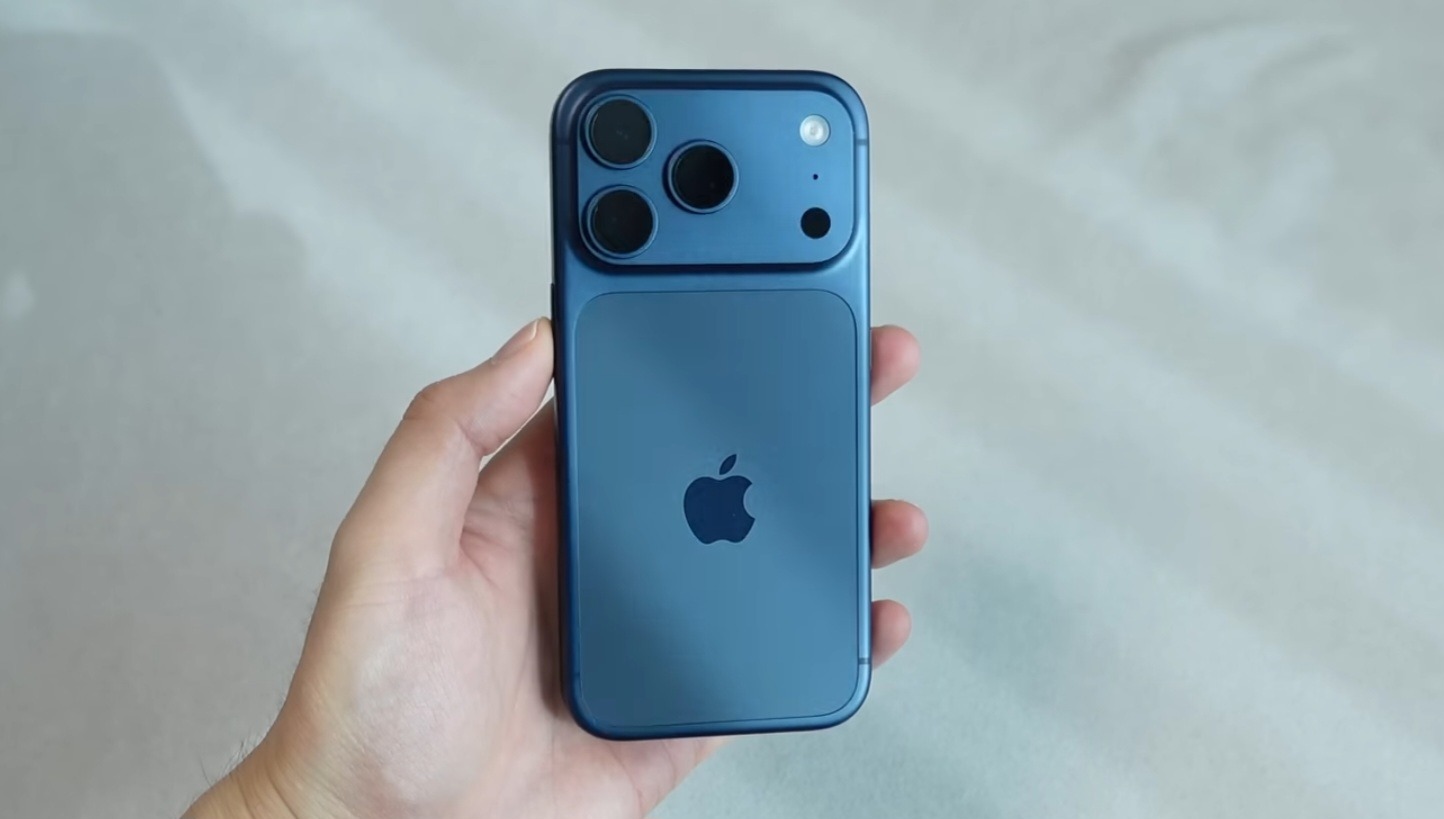
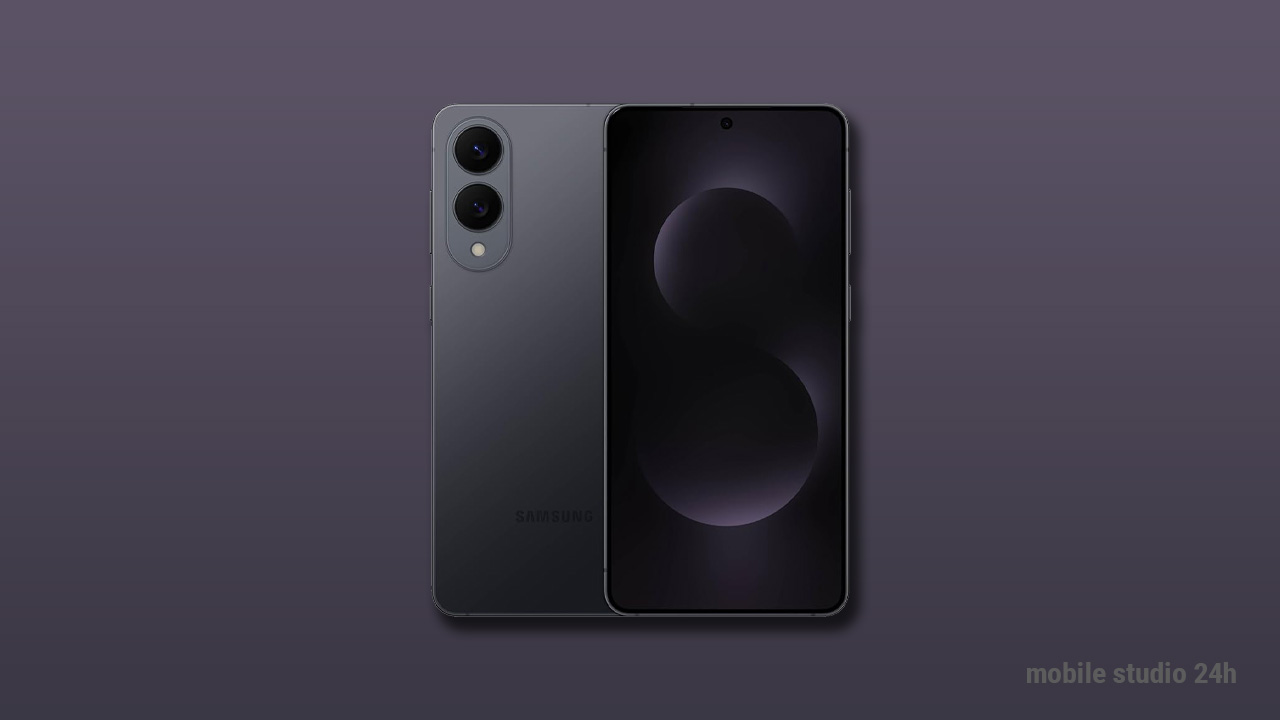
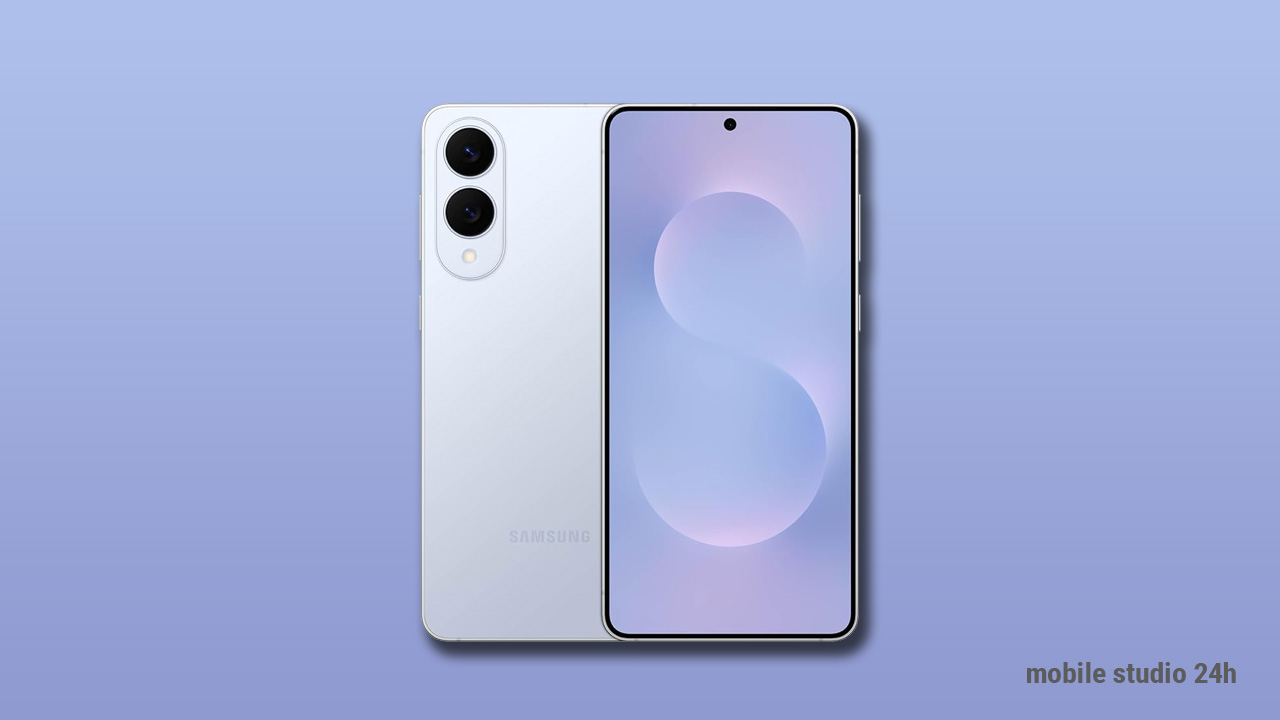
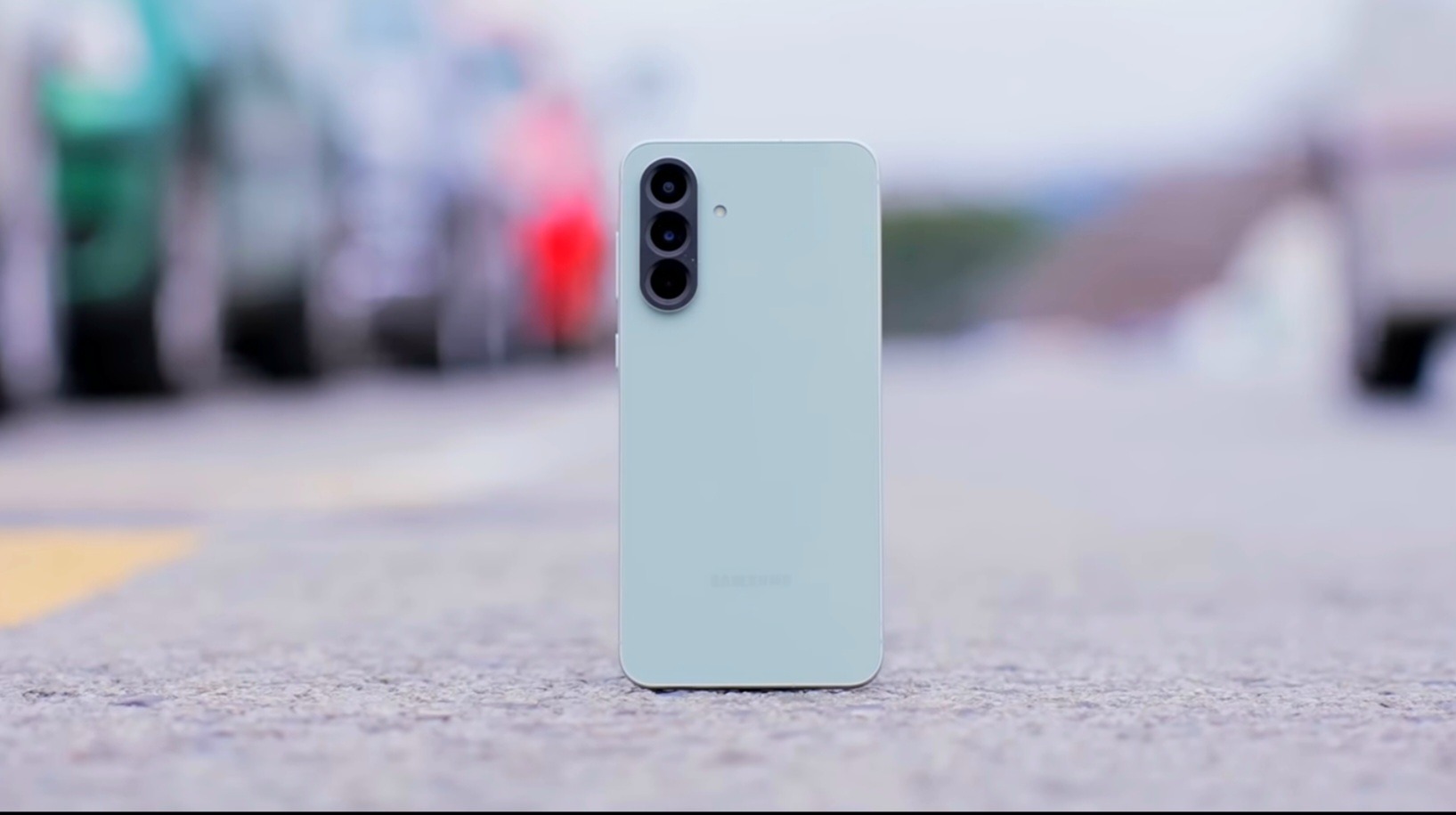
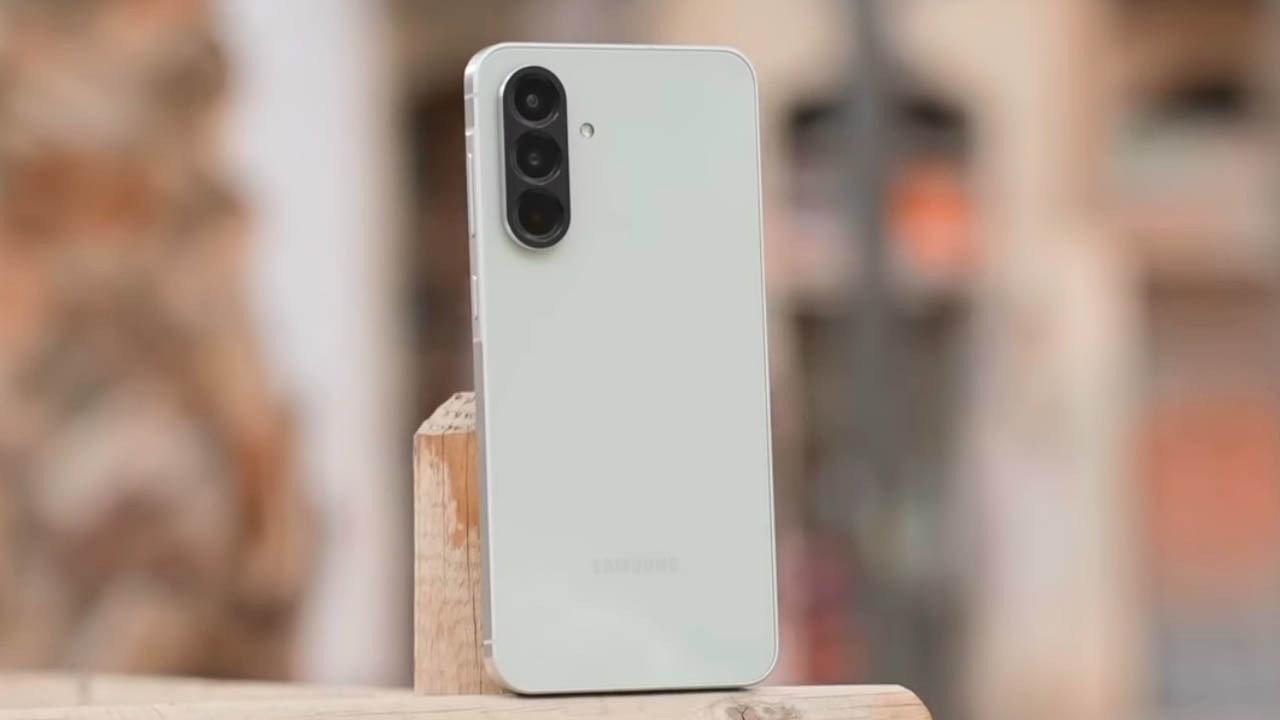
The iconic camera bar has been redesigned into a pill-shaped floating island, giving it a more modern, symmetrical look. At 6.3 inches, the ergonomics are excellent; it is one of the few “Pro” phones that is actually comfortable for one-handed use.
- Materials: Titanium frame, Gorilla Glass Victus 3.
- Water Resistance: IP68 (Up to 1.5m for 30 mins).
Display Quality
The Super Actua Display on the Pixel 10 Pro is a masterclass in screen technology. With a peak brightness of 3,000 nits, outdoor visibility is flawless even under the harsh midday sun.
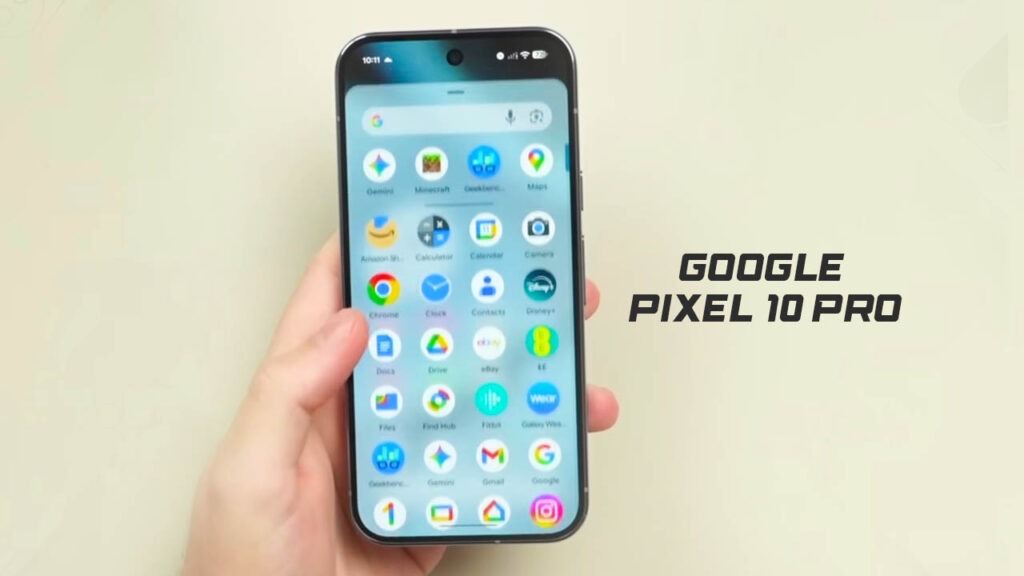
Google uses an LTPO panel, allowing the refresh rate to scale from 1Hz to 120Hz. This ensures smooth scrolling while saving battery life during static tasks like reading. The colors are punchy but professionally calibrated, making it a reliable screen for mobile photo editing.
- Outdoor Visibility: Exceptional; the new anti-reflective coating reduces glare by 40% compared to the Pixel 9.
Performance & Daily Usage
The Tensor G5 is the star of the show. For the first time, Google has utilized a 3nm process (manufactured by TSMC), which eliminates the heating issues found in older Pixels.
In daily use, app opening speeds are instantaneous. Multitasking between 16GB of RAM feels effortless, with apps staying open in the background for days. The Gemini 2.0 AI is now baked directly into the silicon, allowing for on-device live translation and “Magic Compose” without needing an internet connection.
- Thermal Control: Stays cool during 4K video recording and long GPS navigation.
Gaming Performance
While the Pixel 10 Pro isn’t marketed as a “gaming phone,” it handles modern titles with ease thanks to the upgraded Mali-G715 GPU.
- Games Tested: Genshin Impact and Call of Duty: Warzone Mobile.
- Graphics Settings: Both run at “Ultra” settings with stable 60fps.
- Heating: After 30 minutes of heavy gaming, the phone becomes warm but does not throttle or lag. It is a massive improvement over the Pixel 8 and 9 series.
Camera Performance
Google continues to dominate the “computational photography” space.
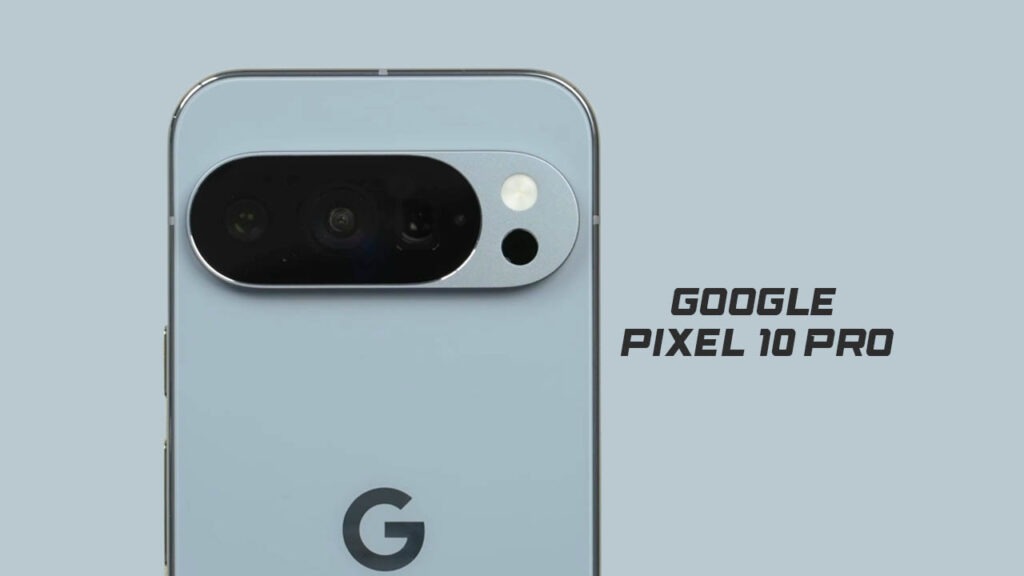
- Daylight: The 50MP main sensor captures incredible dynamic range with a “natural” look that avoids over-saturation.
- Low-Light: Night Sight 3.0 is faster than ever, taking bright, noise-free photos in near-total darkness in under 2 seconds.
- Portrait Mode: The edge detection around hair and glasses is now near-perfect thanks to the new AI depth mapping.
- Selfie: The 42MP front camera supports 4K/60fps, making it a top choice for vloggers.
Battery Life & Charging
The 4,700 mAh battery easily lasts a full day of heavy use, typically ending the day with 20-25% remaining.
- Charging Speed: It supports 33W wired charging and 15W wireless (Qi2).
- Charger: Note that the power brick is not included in the box.
- Screen-on Time: Averaging 7 to 8 hours depending on AI usage.
Connectivity & Features
- Satellite SOS: Available for emergency messaging when out of cell range.
- Security: Features a new 3D Ultrasonic Fingerprint Sensor that works even with wet fingers.
- Software Updates: Google guarantees 7 years of OS and Security updates (until 2033).
Pros and Cons
Pros
- Unrivaled AI features (Live translation, AI photo editing).
- Perfect compact size for one-handed use.
- Superior camera quality and skin tone accuracy.
- Titanium build is both tough and stylish.
Cons
- Charging speed is slow compared to competitors.
- 128GB base storage is low for the price.
- No physical shutter button for the camera.
Who Should Buy This Phone?
- Best for: Travelers who need live translation, photography enthusiasts, and users who prefer smaller, powerful phones.
- Who should avoid it: Hardcore gamers who want 120W ultra-fast charging or a massive 7-inch screen.
You may also like:
- [Google Pixel 10 Pro vs. iPhone 17 Pro]
- [Best Compact Flagships of 2026]
Price & Value for Money
At its current price of $999, the Pixel 10 Pro offers great value for money, especially for users who prioritize software longevity and AI utility. While you can find faster-charging phones for less, you won’t find a smarter one.
Final Verdict
Overall, the Google Pixel 10 Pro offers a refined, intelligent, and premium experience. It finally fixes the hardware complaints of previous years while pushing the boundaries of what AI can do in your pocket. If you want a reliable smartphone for daily use that will stay “new” for the next 7 years, this is a clear recommendation.
FAQs
- Is the Pixel 10 Pro good for gaming? Yes, the Tensor G5 is very capable, though it’s built for efficiency rather than competitive gaming.
- Does it support MagSafe? It supports Qi2, which is the industry standard for magnetic wireless charging and accessories.
- Is it worth buying in 2026? Absolutely. With 7 years of updates, it is one of the most future-proof phones available today.
- Is the camera better than the iPhone 17 Pro? The Pixel typically wins in still photography and AI editing, while the iPhone remains slightly ahead in video stabilization.
Disclaimer
Disclaimer: This review is based on research, specifications, and user feedback. Actual performance may vary depending on usage, software updates, and regional network conditions.