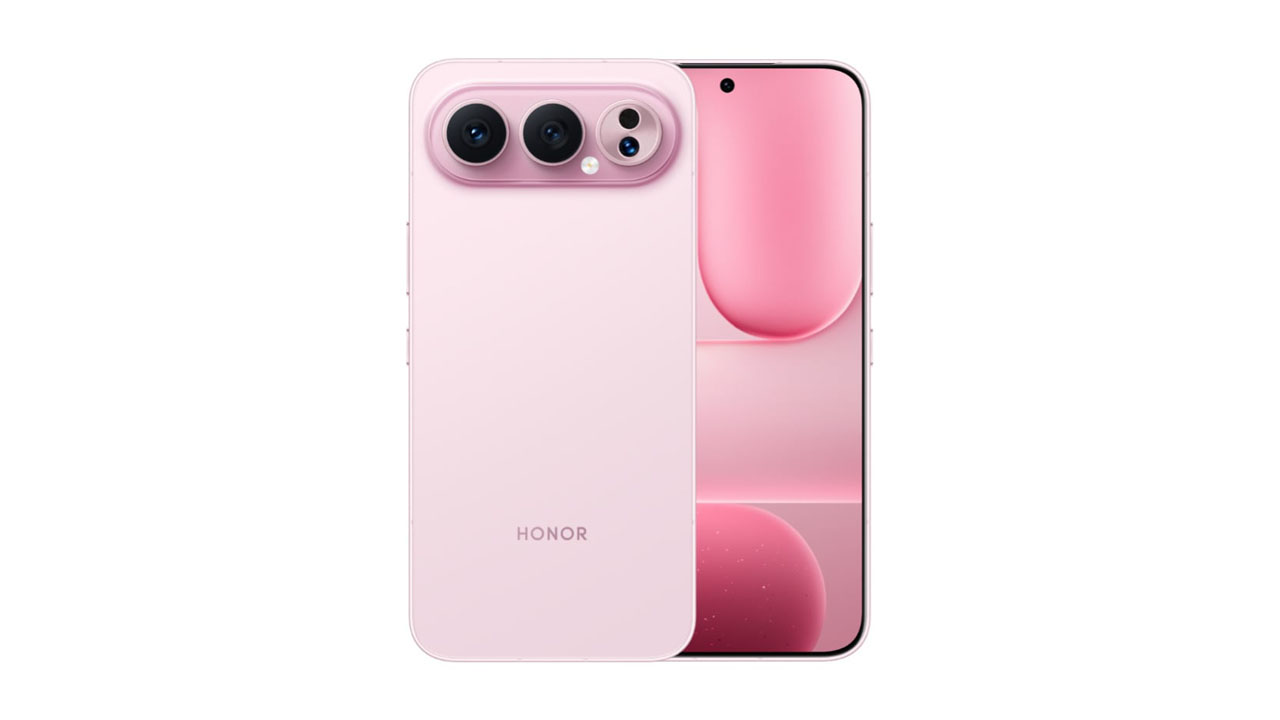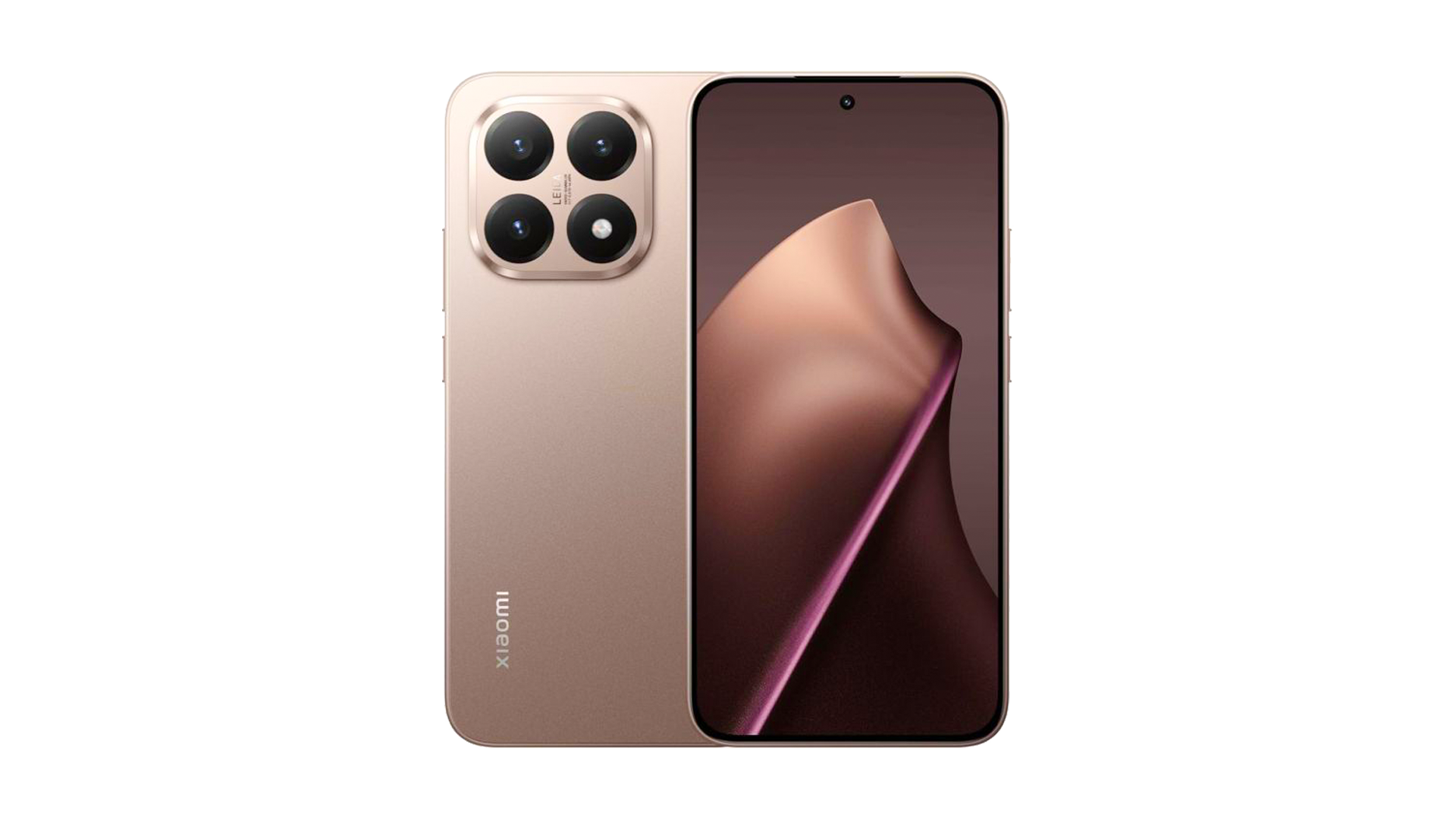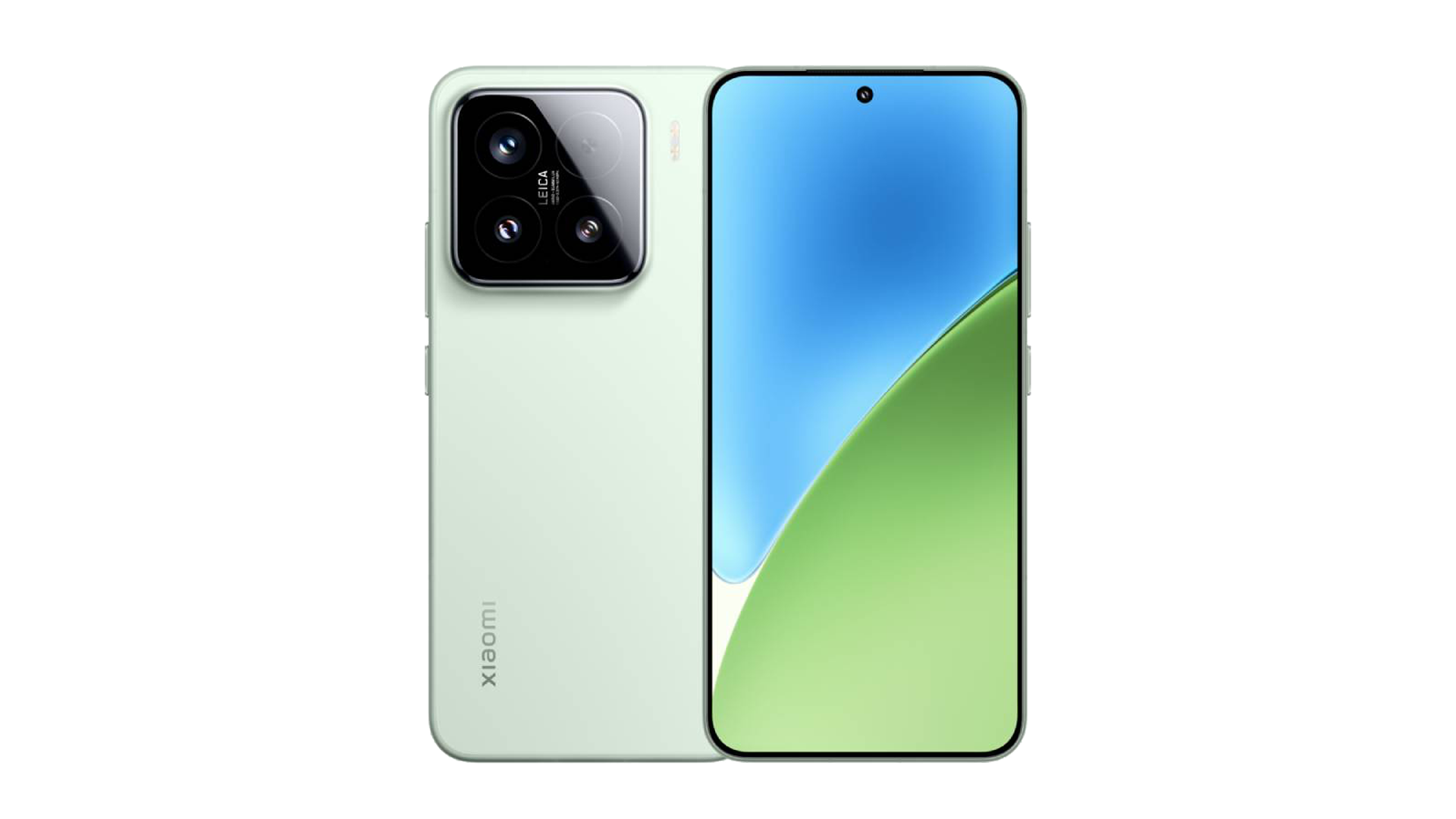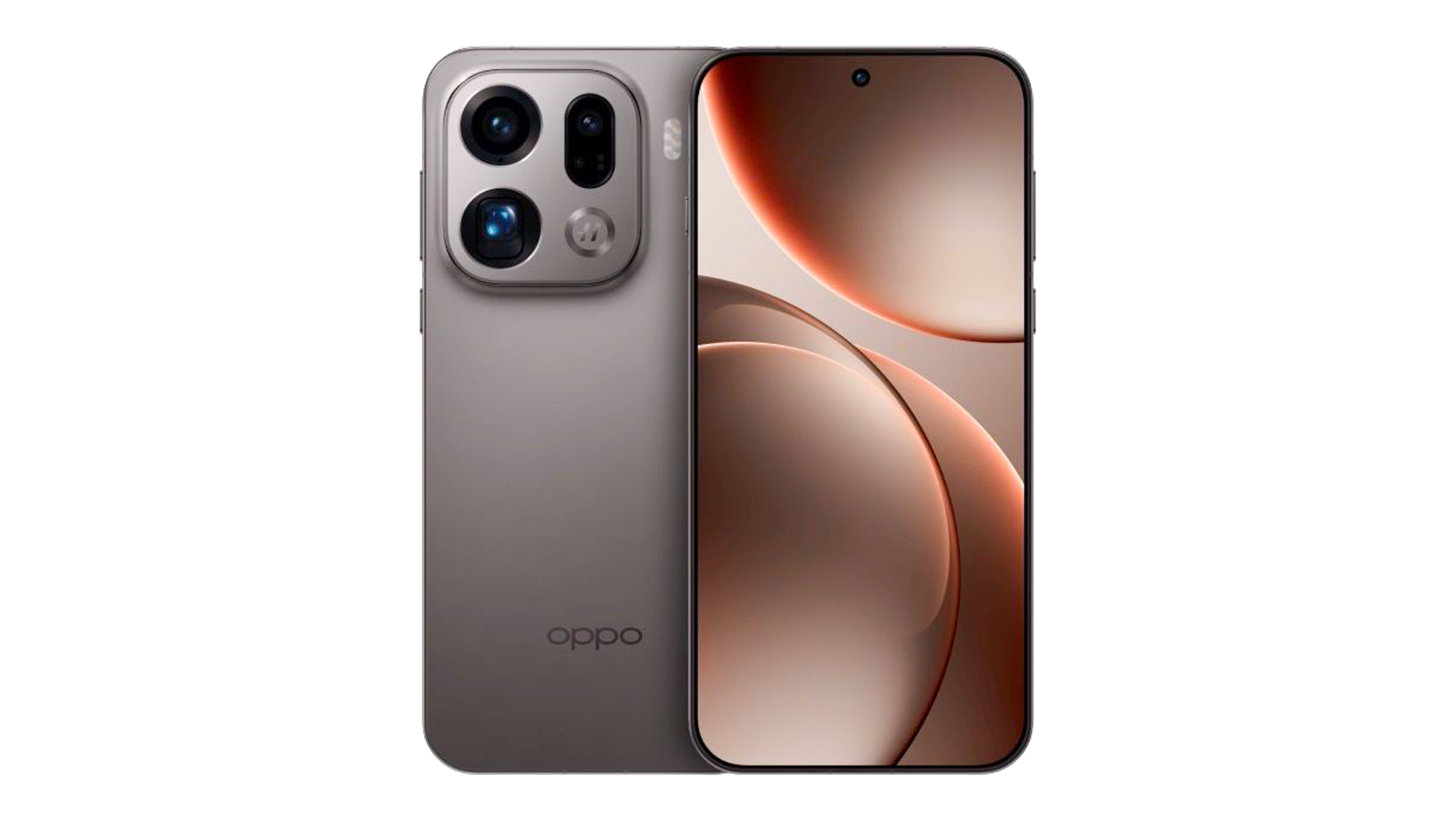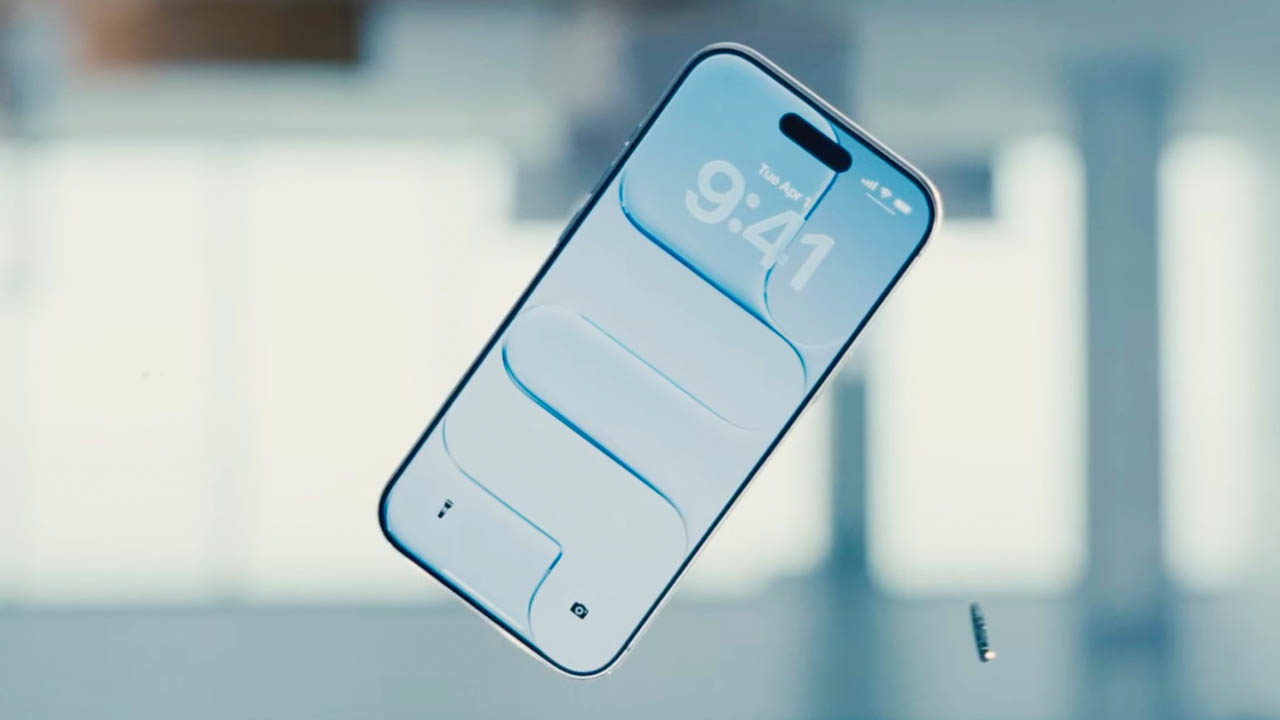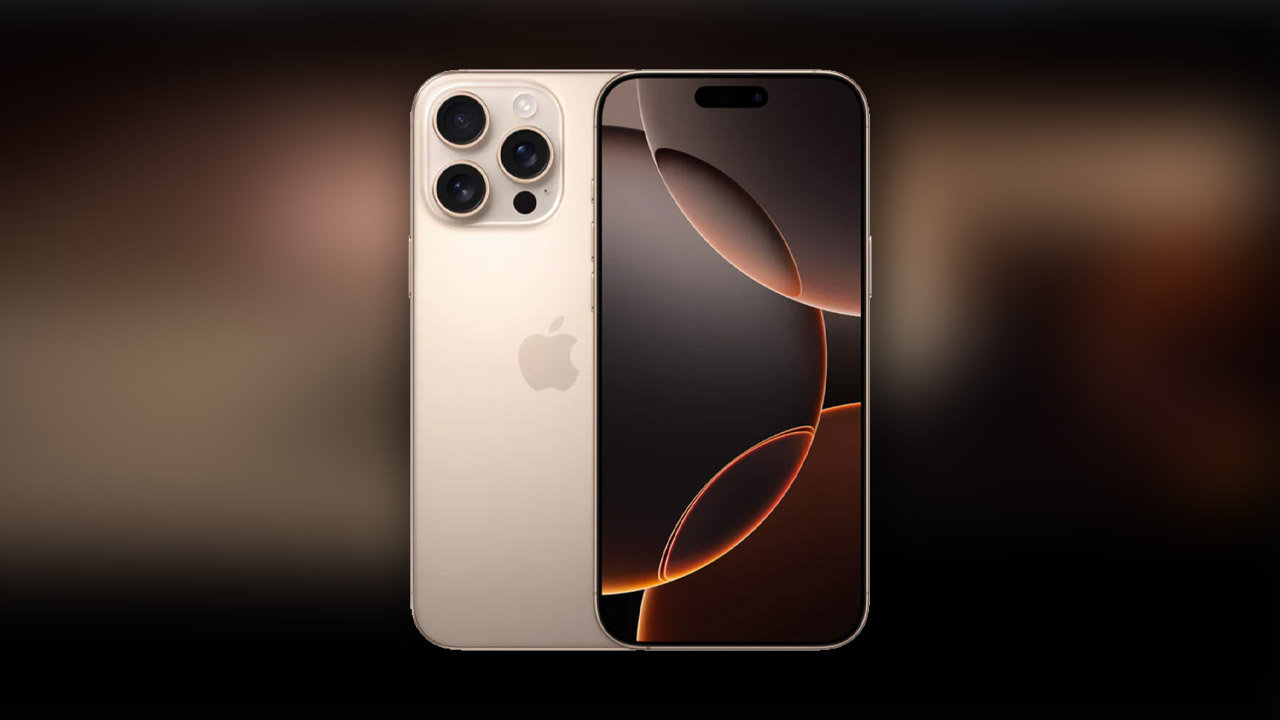
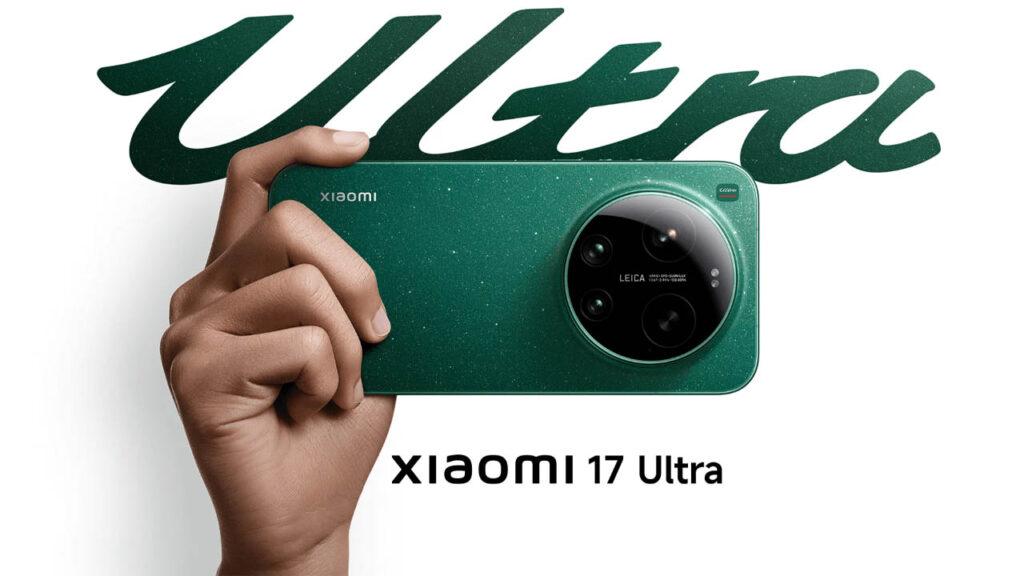
The Xiaomi 17 Ultra is a premium flagship smartphone designed for users who want the absolute best in mobile photography and raw processing power. As Xiaomi’s most ambitious release in 2026, it targets professional creators and tech enthusiasts who refuse to compromise on hardware. This review is essential for anyone considering a switch from traditional DSLR cameras or competing flagships like the S26 Ultra. We will explore its massive 1-inch sensor, the groundbreaking 144Hz display, and the ultra-efficient Snapdragon 8 Elite Gen 5 chipset. By evaluating its real-world performance, battery longevity, and innovative design, this guide will help you decide if the Xiaomi 17 Ultra is the ultimate powerhouse for your digital lifestyle.
Key Specifications
- Display: 6.78-inch C10 LTPO AMOLED
- Resolution: 2K WQHD+ (3200 x 1440)
- Brightness: 3,500 nits (Peak)
- Processor: Snapdragon 8 Elite Gen 5 (3nm)
- RAM & Storage: 12GB/16GB/24GB | 256GB/512GB/1TB
- Rear Camera: Quad 50MP Setup (1-inch Main + Floating Telephoto + Periscope + UW)
- Front Camera: 32MP Under-Display Camera (UDC) 4.0
- Battery: 6,000 mAh (Silicon-Carbon)
- Connectivity: 5G, Wi-Fi 7, Bluetooth 5.4, Satellite Messaging
- Operating System: HyperOS 3.0 (Android 16)
- Price Range: $1,199 – $1,499
Design & Build Quality
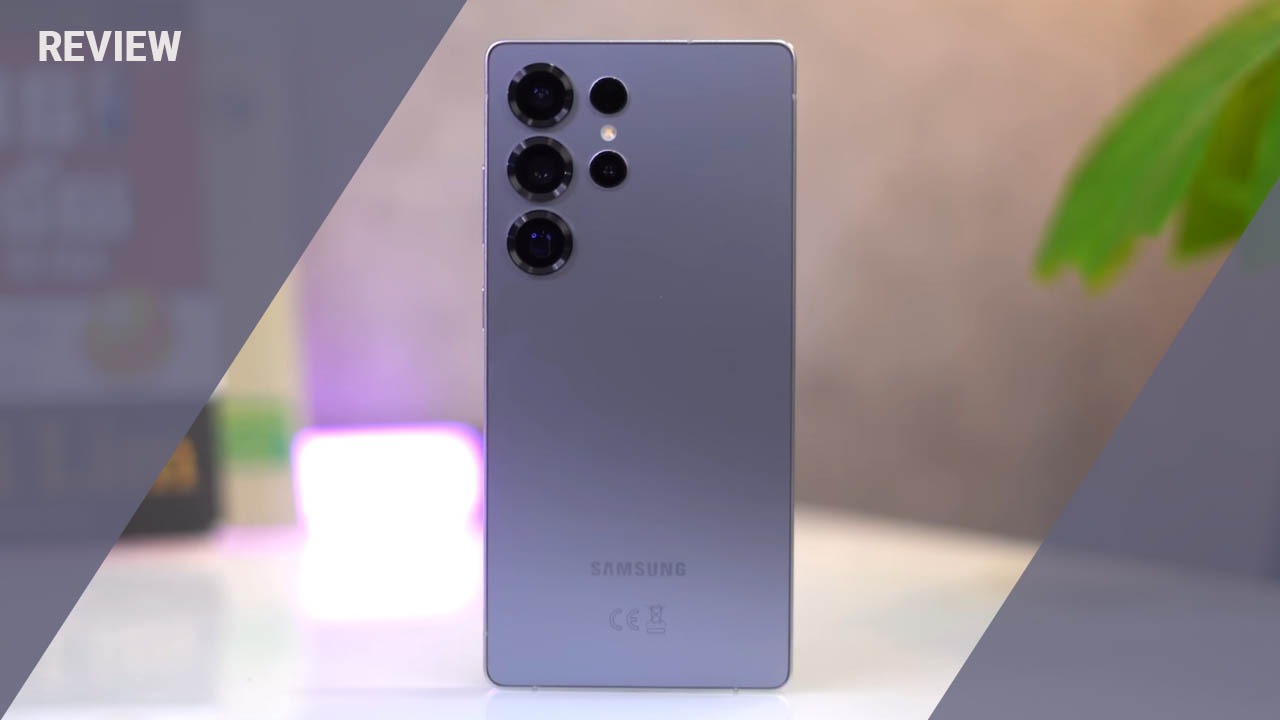
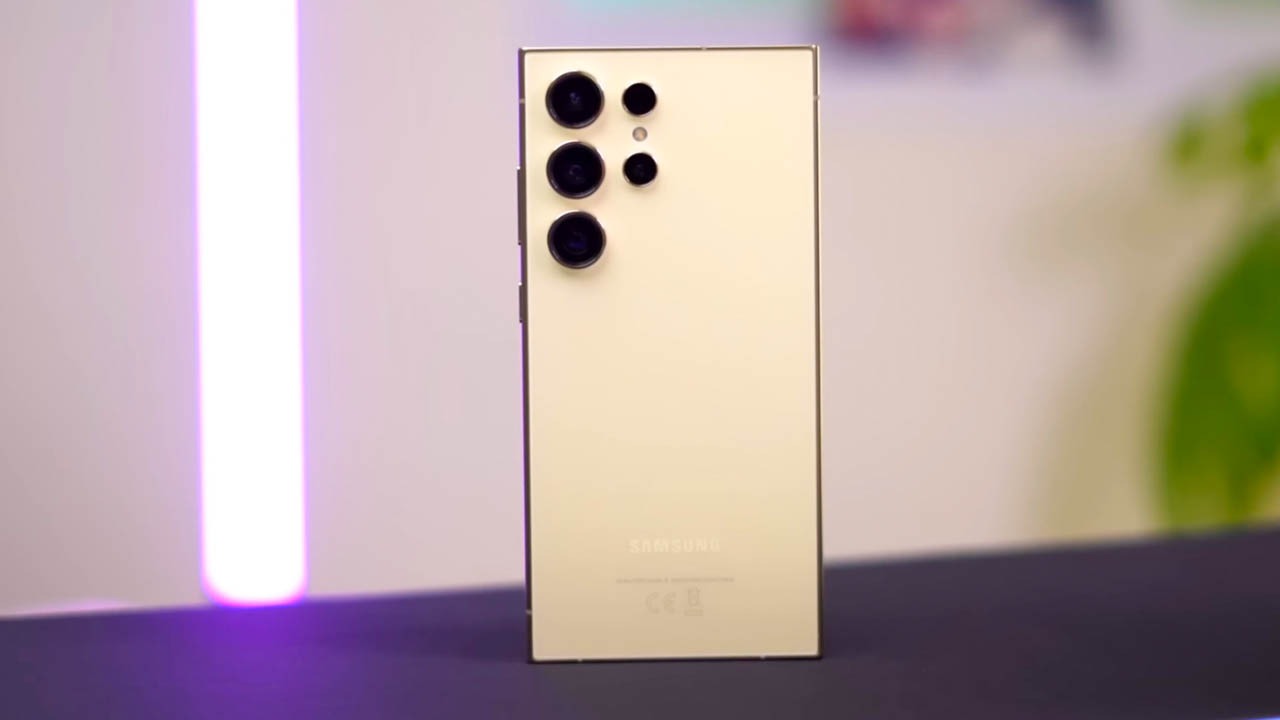
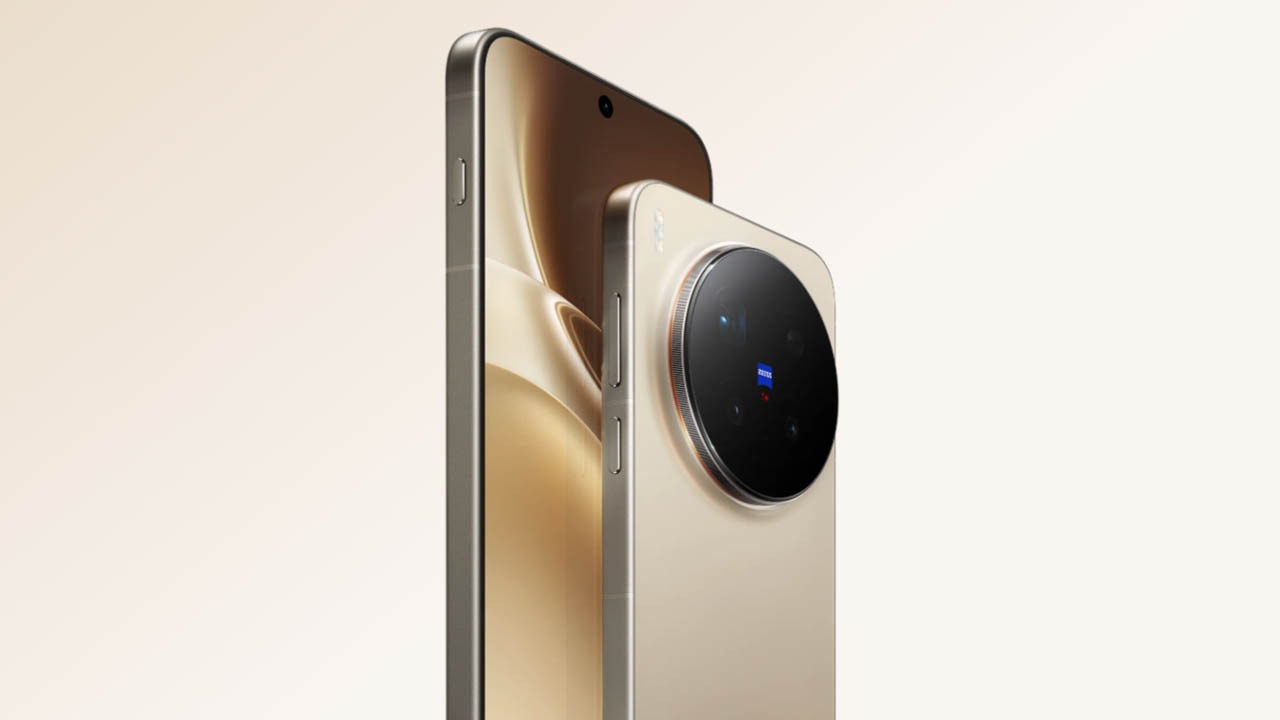
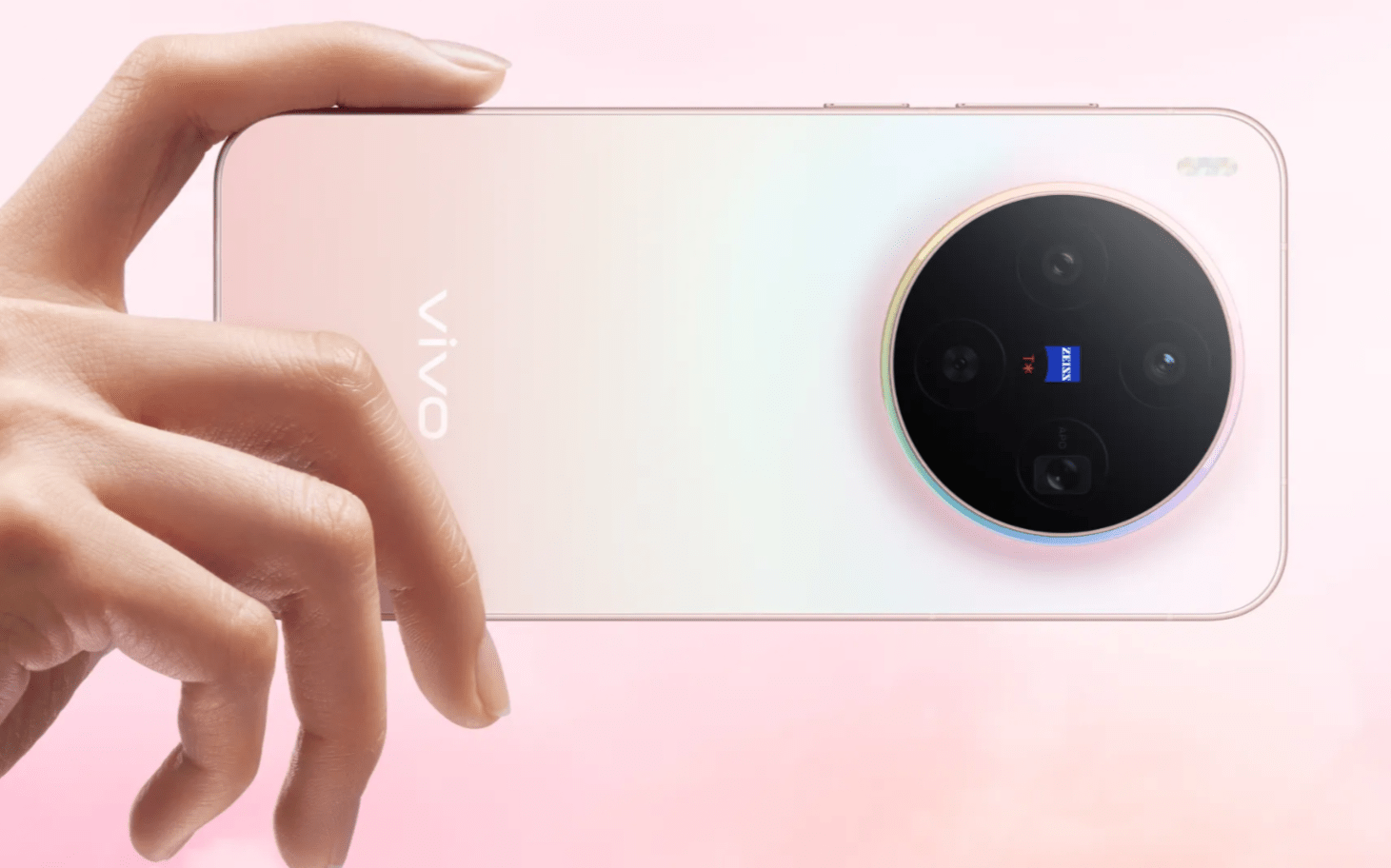
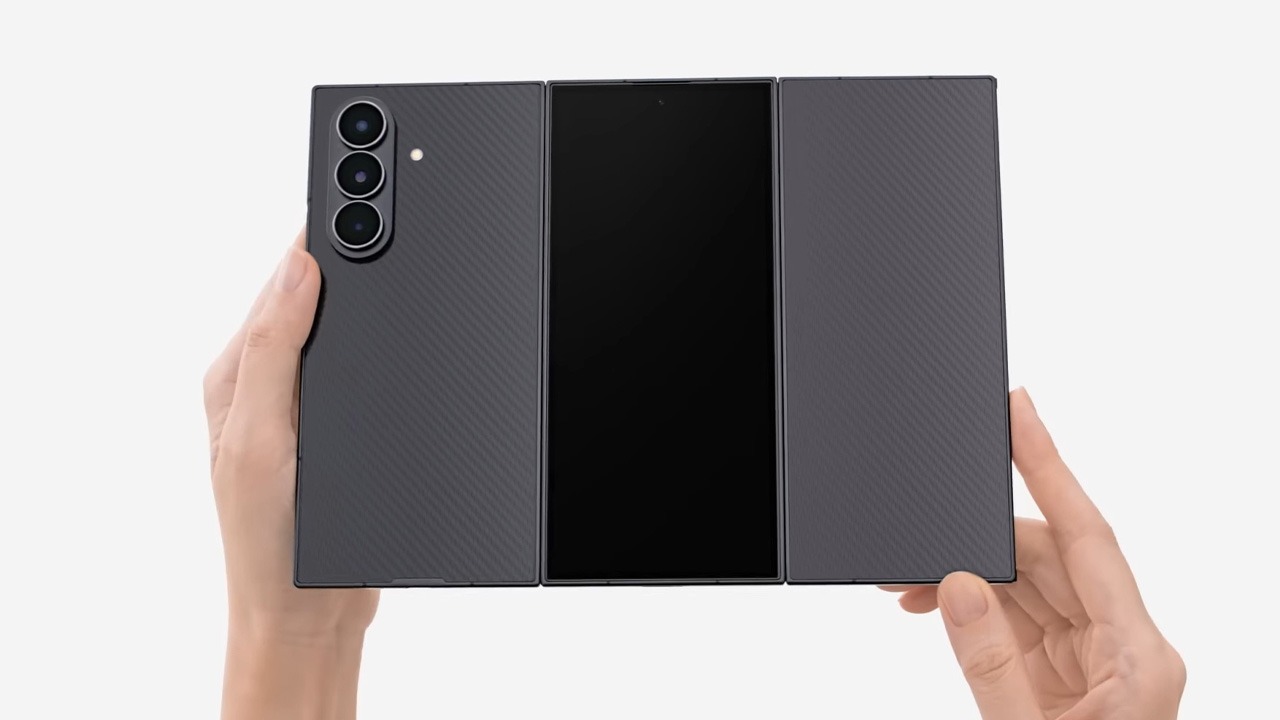
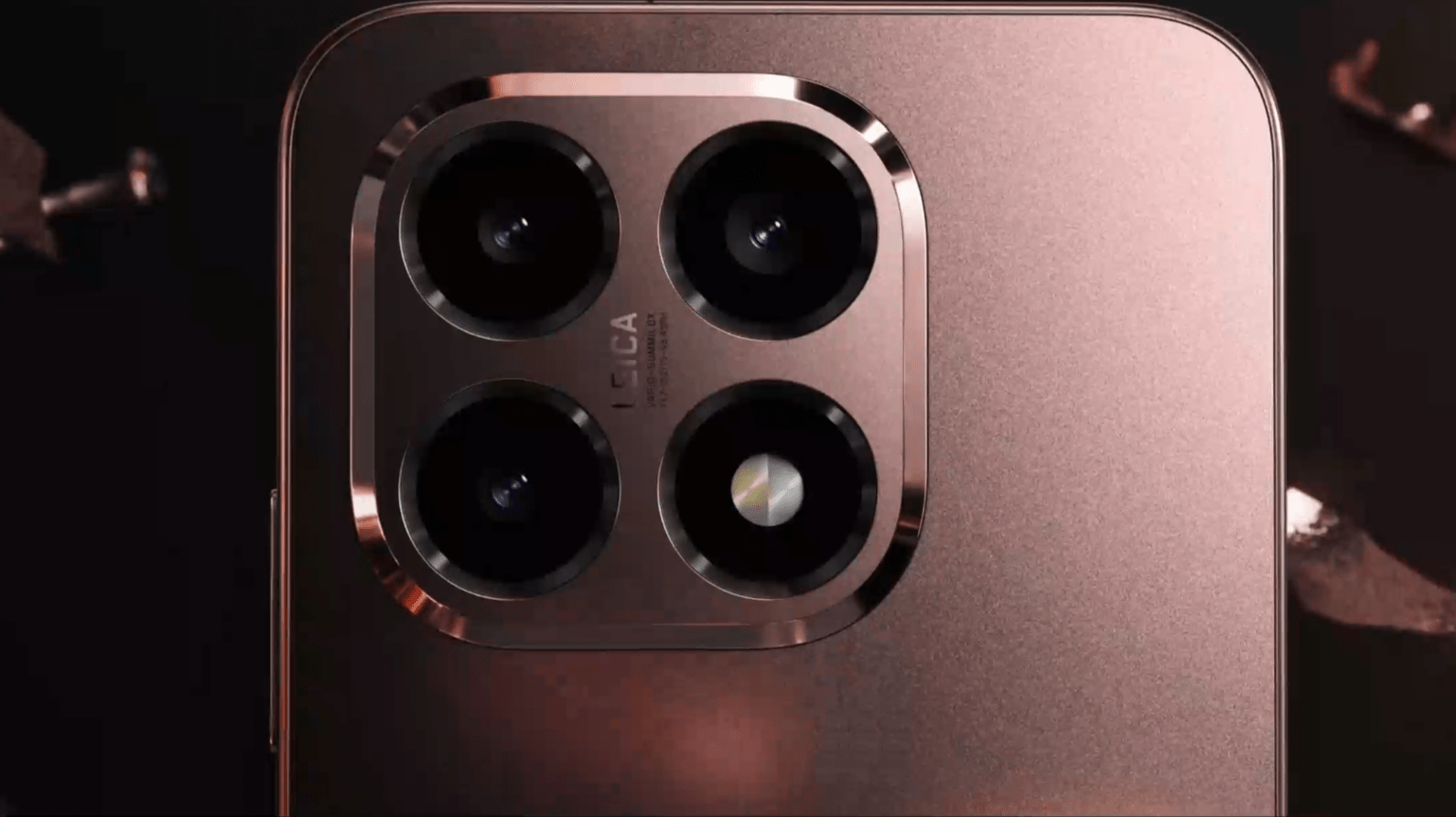
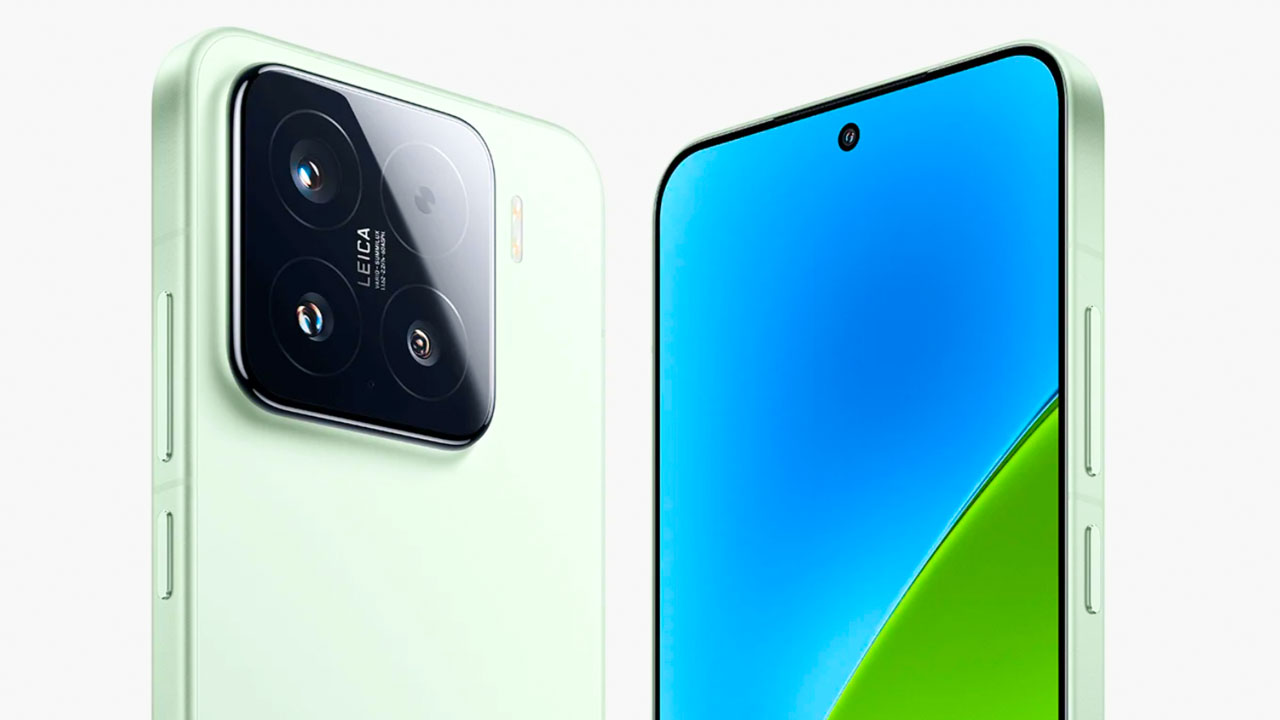
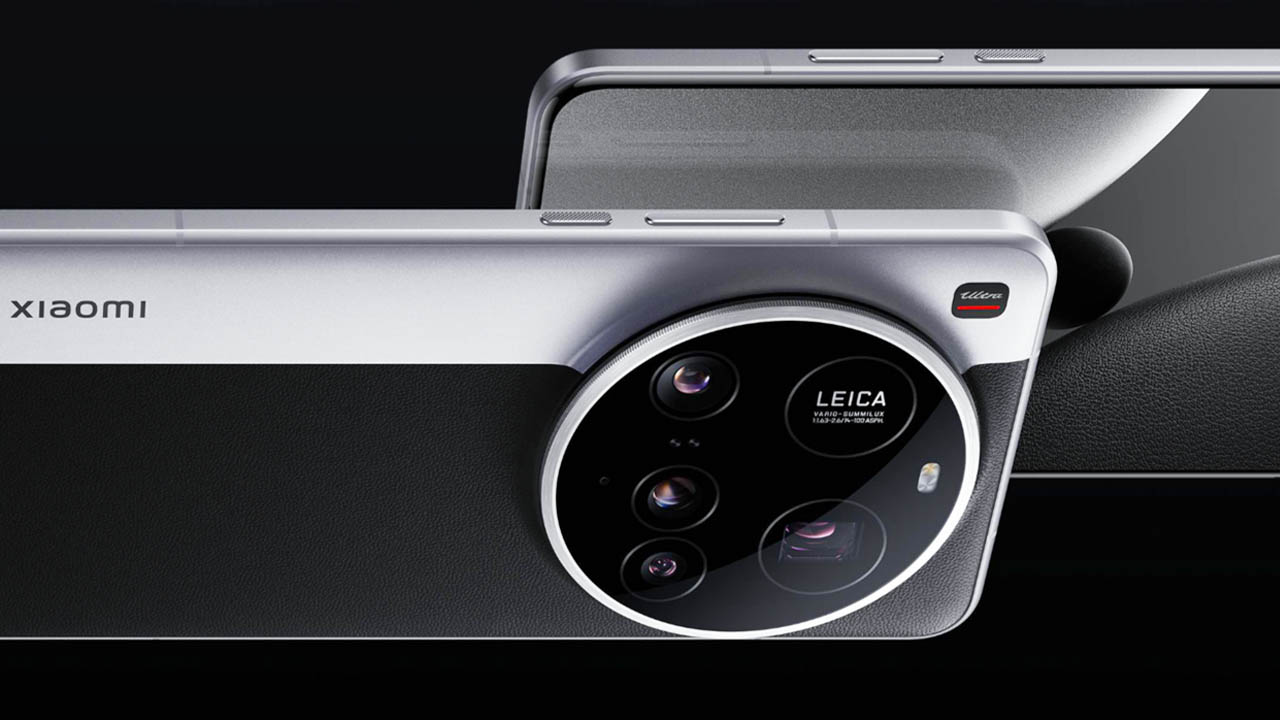
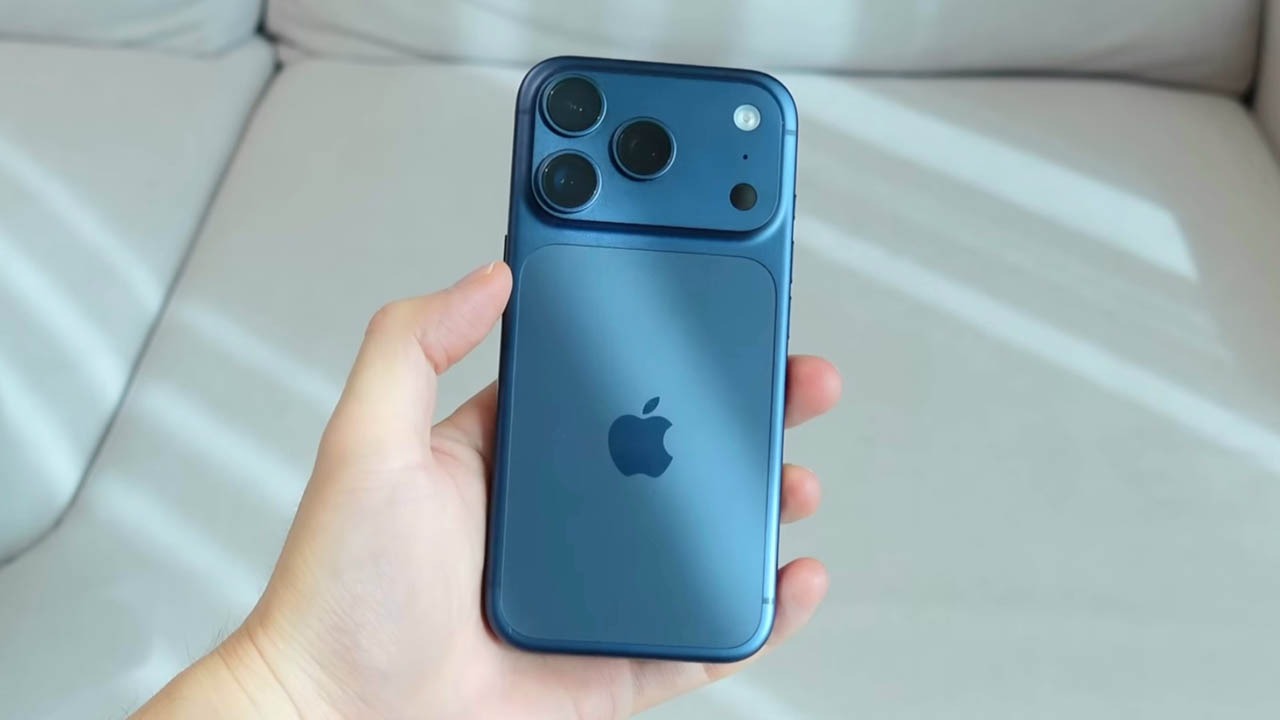
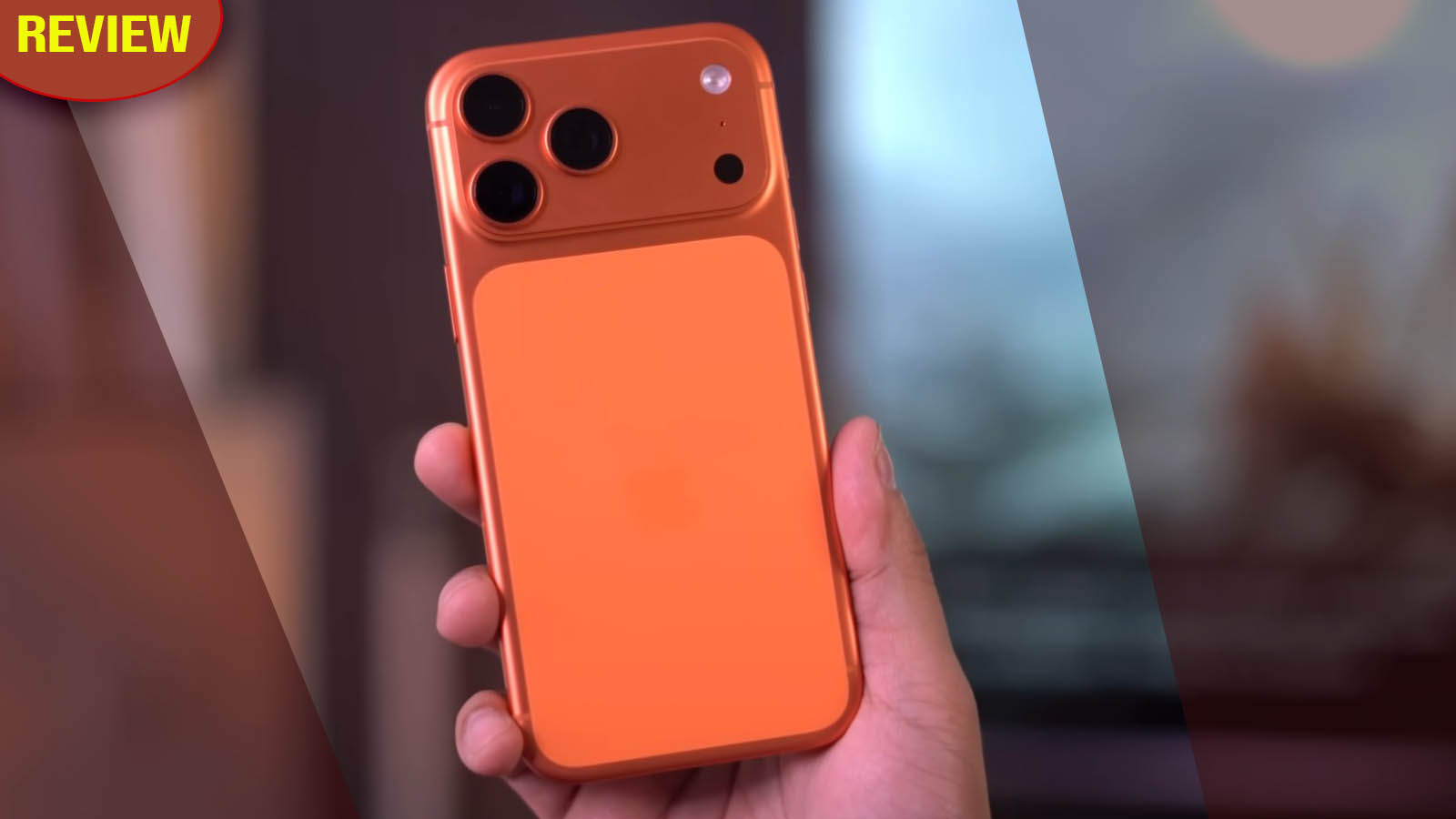
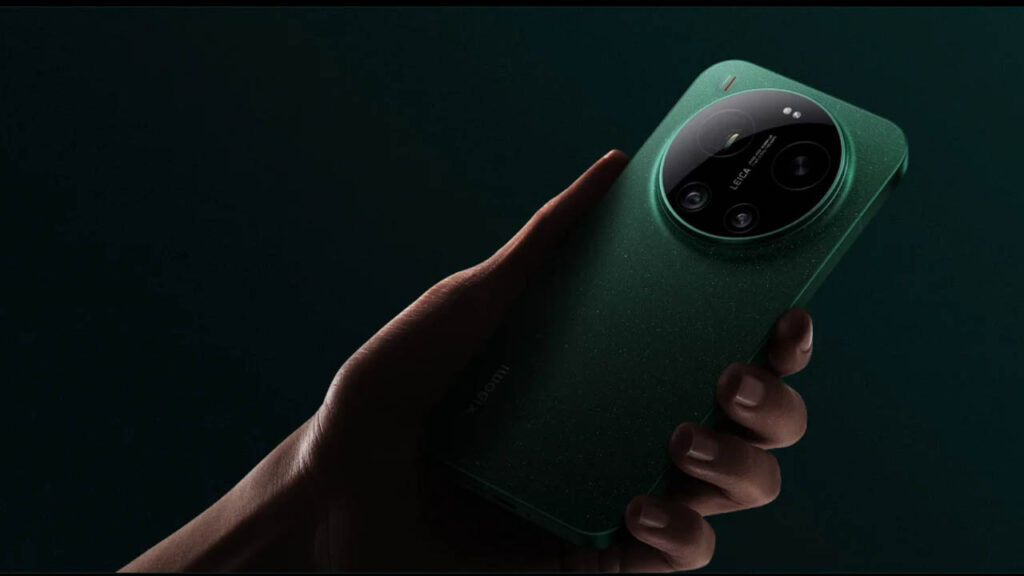
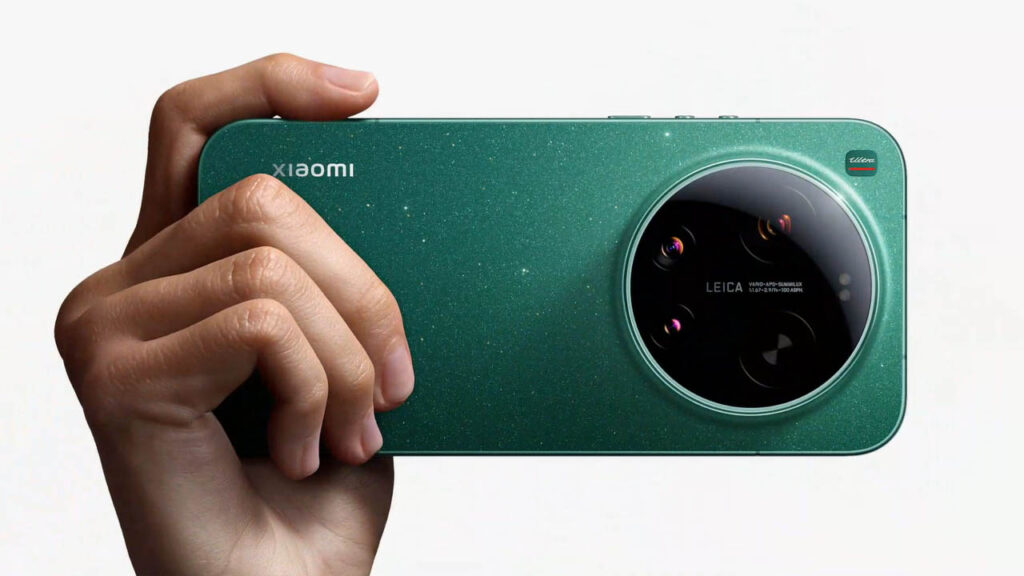
The Xiaomi 17 Ultra exudes luxury with its Grade 5 Titanium frame and a back finished in “Eco-Leather 3.0,” which is more durable and stain-resistant than previous generations. The massive circular camera module, inspired by professional lens aesthetics, remains the center of attention.
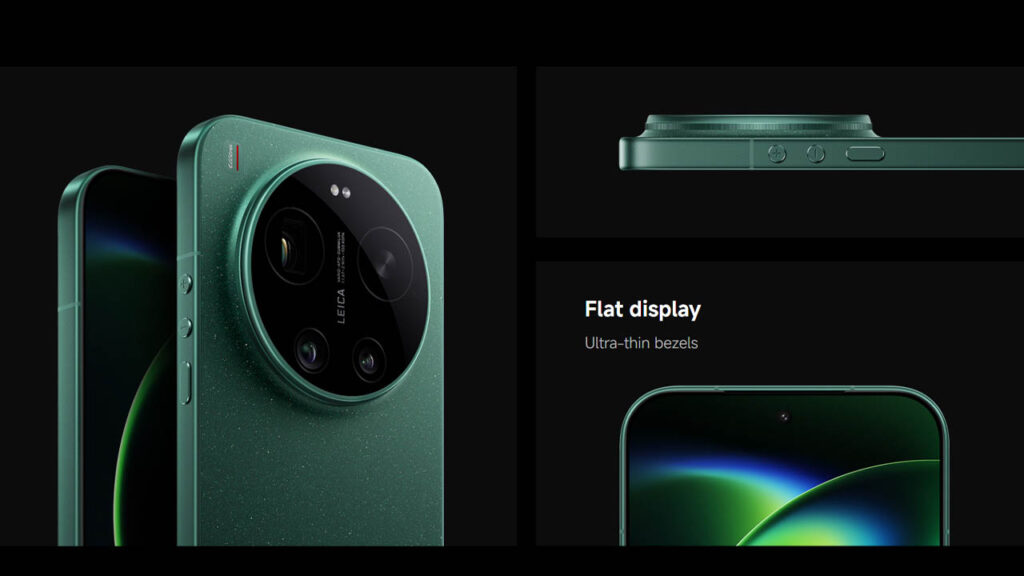
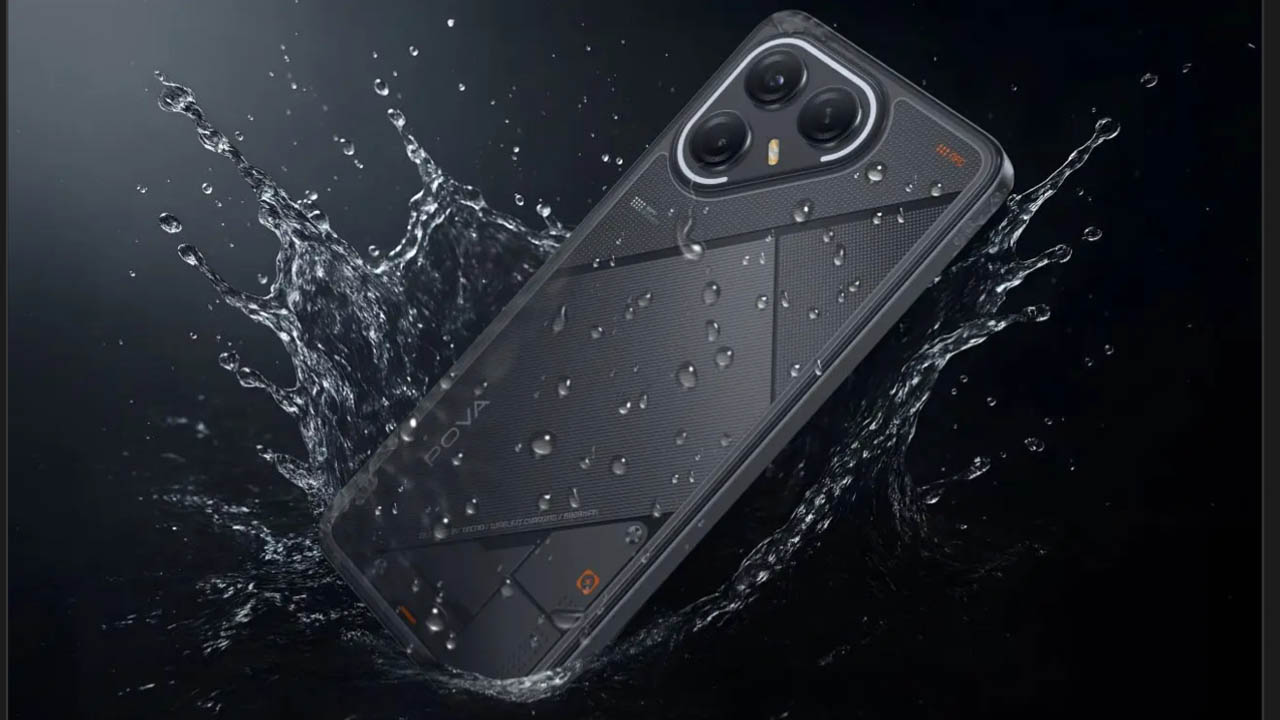
Despite its large 6,000 mAh battery, the phone maintains a balanced weight of 225g. The button placement is ergonomic, with a textured power button for easy identification. It feels solid, expensive, and carries an IP69 rating, meaning it can survive high-pressure water jets and deep submersion.
Display Quality
Xiaomi has equipped this device with the C10 LTPO AMOLED panel, pushing a staggering 35,00 nits of peak brightness. Outdoor visibility is the best in the industry, making the screen perfectly legible even under the harsh Cambodian sun.
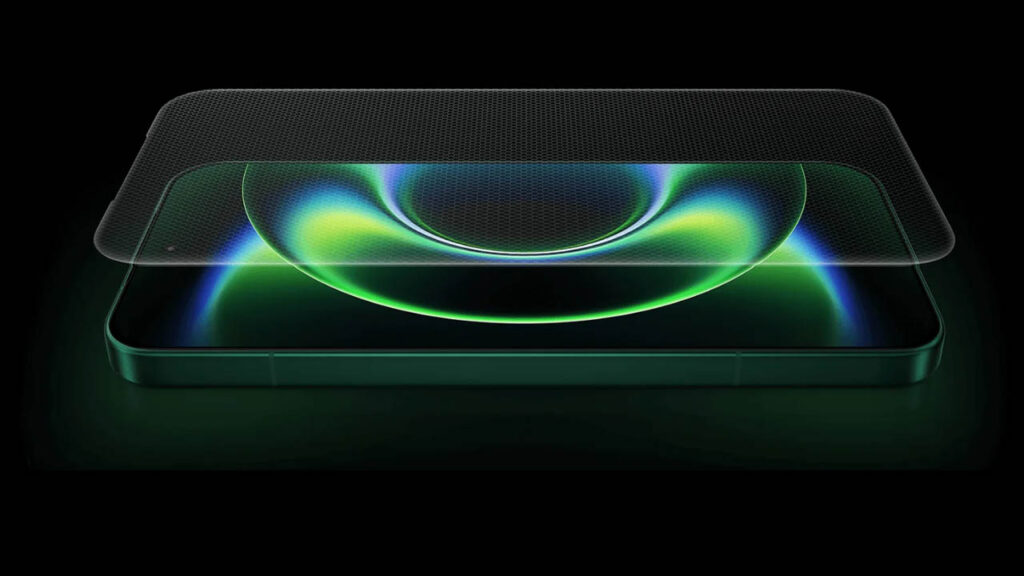
The 2K resolution provides incredible sharpness for editing photos, while the 1-144Hz adaptive refresh rate ensures ultra-smooth scrolling. Color accuracy is professionally tuned to the Delta E < 0.3 standard, making it a reliable tool for color-grading videos directly on the device.
Performance & Daily Usage
Powered by the Snapdragon 8 Elite Gen 5, the Xiaomi 17 Ultra is a beast. App opening speeds are instantaneous, and with up to 24GB of RAM, you can keep dozens of heavy apps like Premiere Rush or Lightroom open without the phone breaking a sweat.
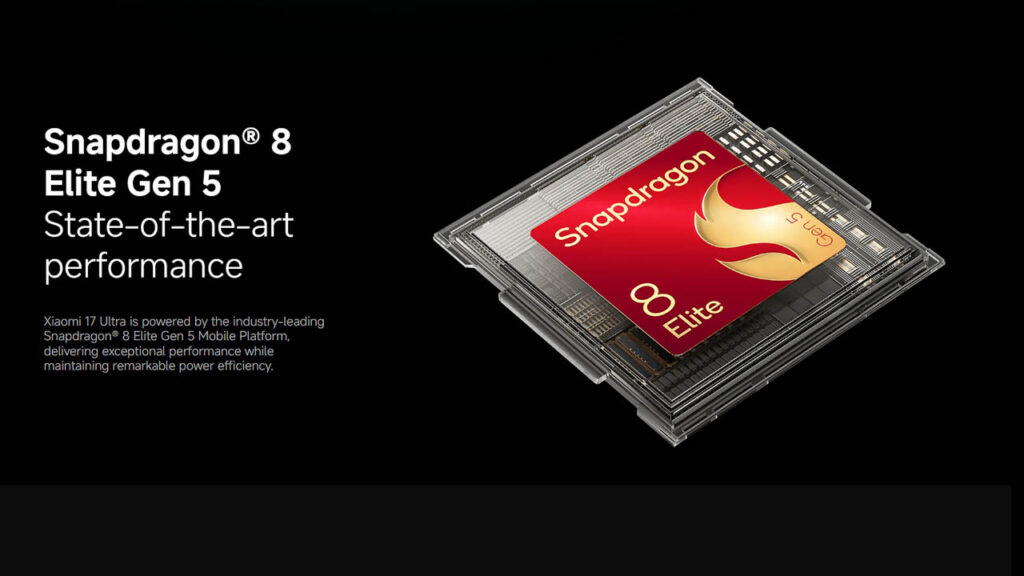
During daily use—including heavy multitasking, 5G hotspot tethering, and GPS navigation—there is zero lag. HyperOS 3.0 is highly optimized, offering fluid animations and a “Workstation Mode” that turns the phone into a desktop-like experience when connected to a monitor.
Gaming Performance
Driven by the Snapdragon 8 Elite Gen 5, this device handles AAA titles like Genshin Impact at a stable 120 FPS. The upgraded 3D Dual-Channel IceLoop cooling system prevents thermal throttling during marathon sessions. With a 300Hz touch sampling rate and a vivid 3,500-nit display, it provides a highly responsive and immersive competitive gaming environment.
This phone is a “silent” gaming giant.
- Games Tested: Genshin Impact, Honkai: Star Rail, and Warzone Mobile.
- Settings: All games ran at Max/Ultra settings at 90-120 FPS.
- Thermals: The new “IceLoop” cooling system keeps the device under 42°C even after an hour of heavy gaming.
- FPS Stability: Frames remained rock-solid with no noticeable throttling, making it a top-tier choice for competitive mobile gamers.
Camera
The Xiaomi 17 Ultra is a photography powerhouse, featuring a 1-inch Light Fusion 1050L main sensor with LOFIC HDR technology for unmatched dynamic range. Its standout feature is the 200MP periscope telephoto lens, offering a mechanical 75–100mm lossless zoom. Whether shooting 8K video or Leica-textured portraits, the detail and low-light clarity are industry-leading.
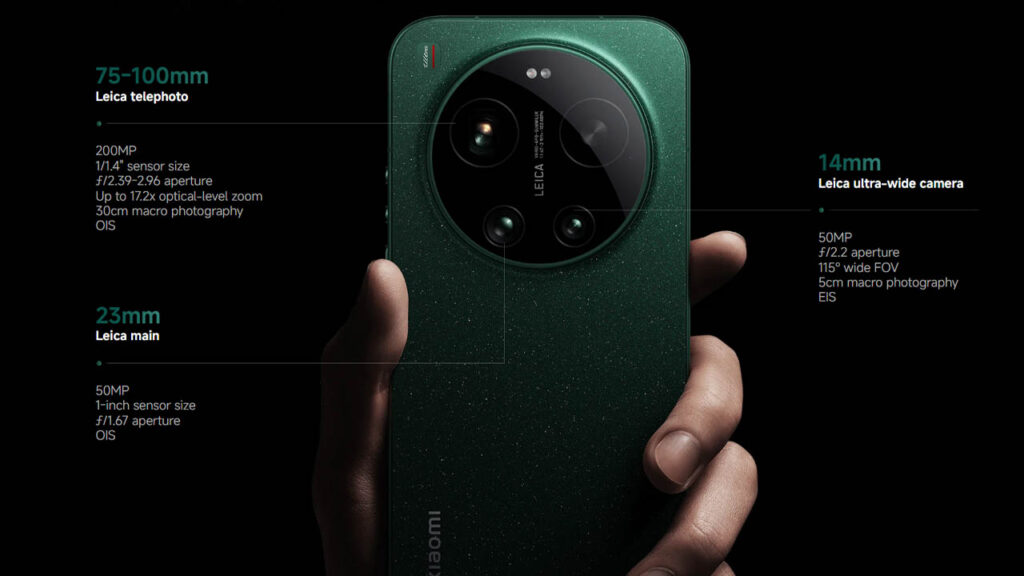
The Xiaomi 17 Ultra is essentially a camera that happens to be a phone.
- Daylight: The 1-inch main sensor produces a natural shallow depth-of-field (bokeh) that no software can truly mimic.
- Low-Light: Its “Ultra-Night” algorithm captures detail in shadows while maintaining a realistic night-time look without artificial noise.
- Portrait: The 75mm floating telephoto lens is arguably the best for portraits, providing perfect skin tones and sharpness.
- Front Camera: The 4th Gen Under-Display Camera is nearly invisible and captures much clearer selfies than previous iterations.
Battery Life & Charging
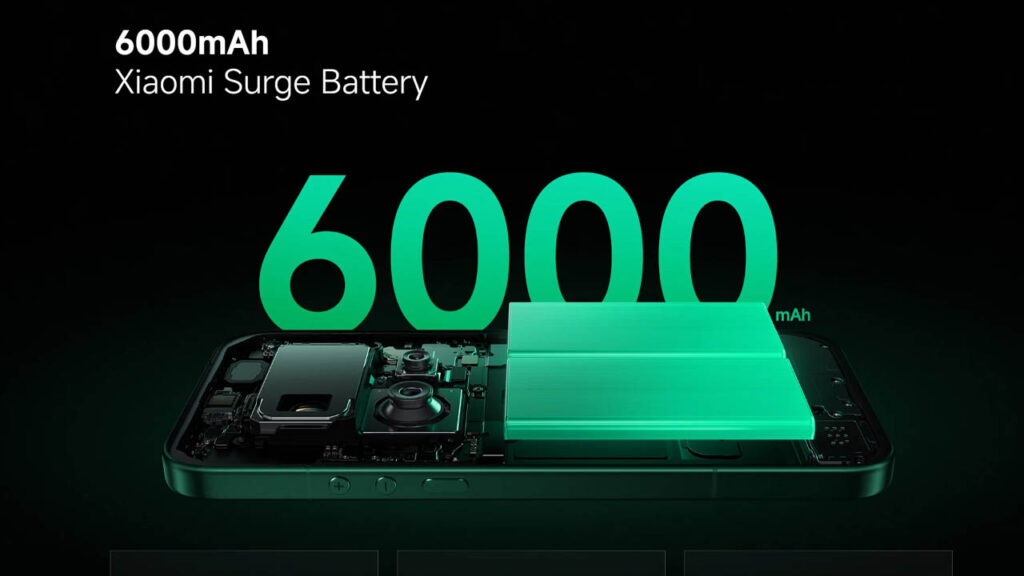
The 6,000 mAh Silicon-Carbon battery is a game-changer. Even with the 2K display and 144Hz enabled, we averaged 9+ hours of Screen-on Time (SoT). It easily lasts a full day of heavy photography.
Charging is handled by 90W HyperCharge (wired) and 50W wireless. You can go from 1% to 100% in roughly 20 minutes using the included charger. It is one of the few brands that still includes the high-speed power brick in the box.
Connectivity & Features
Equipped with Xiaomi Astral Communication, the 17 Ultra ensures rock-solid 5G and Wi-Fi 7 signals even in low-coverage areas. It introduces Bluetooth 6.0 for low-latency audio and unique offline voice calling up to 1.5km. Integrated Google Gemini AI and an ultrasonic fingerprint sensor round out a truly futuristic, high-security flagship experience.
- Satellite Connectivity: Supports two-way emergency messaging.
- Security: Ultra-fast ultrasonic fingerprint sensor and secure Face Unlock.
- Software Updates: Xiaomi promises 5 years of Android OS updates and 7 years of security patches.
- Audio: Quad-speaker system tuned by Harman Kardon for an immersive cinematic experience.
Pros and Cons
Pros:
- ✅ World-class 1-inch sensor for professional photography.
- ✅ Massive 6,000 mAh battery with ultra-fast 120W charging.
- ✅ Stunning 35,00nits brightness 2K display.
- ✅ IP69 water and dust resistance.
Cons:
- ❌ The camera bump is very large and makes the phone top-heavy.
- ❌ Under-display selfie camera still isn’t as sharp as traditional “hole-punch” cameras.
- ❌ Premium pricing makes it an expensive investment.
2026 Flagship Comparison Table
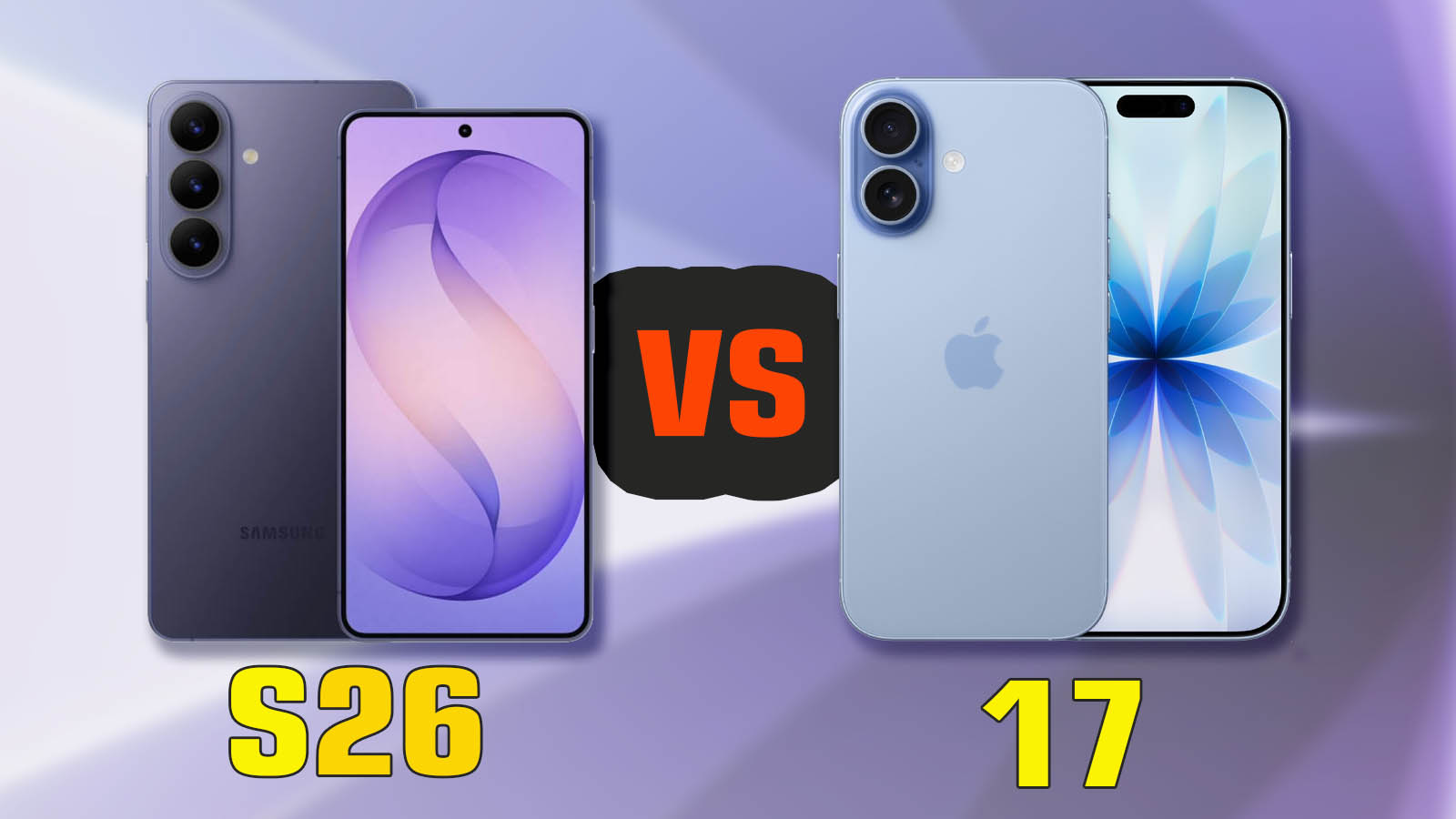
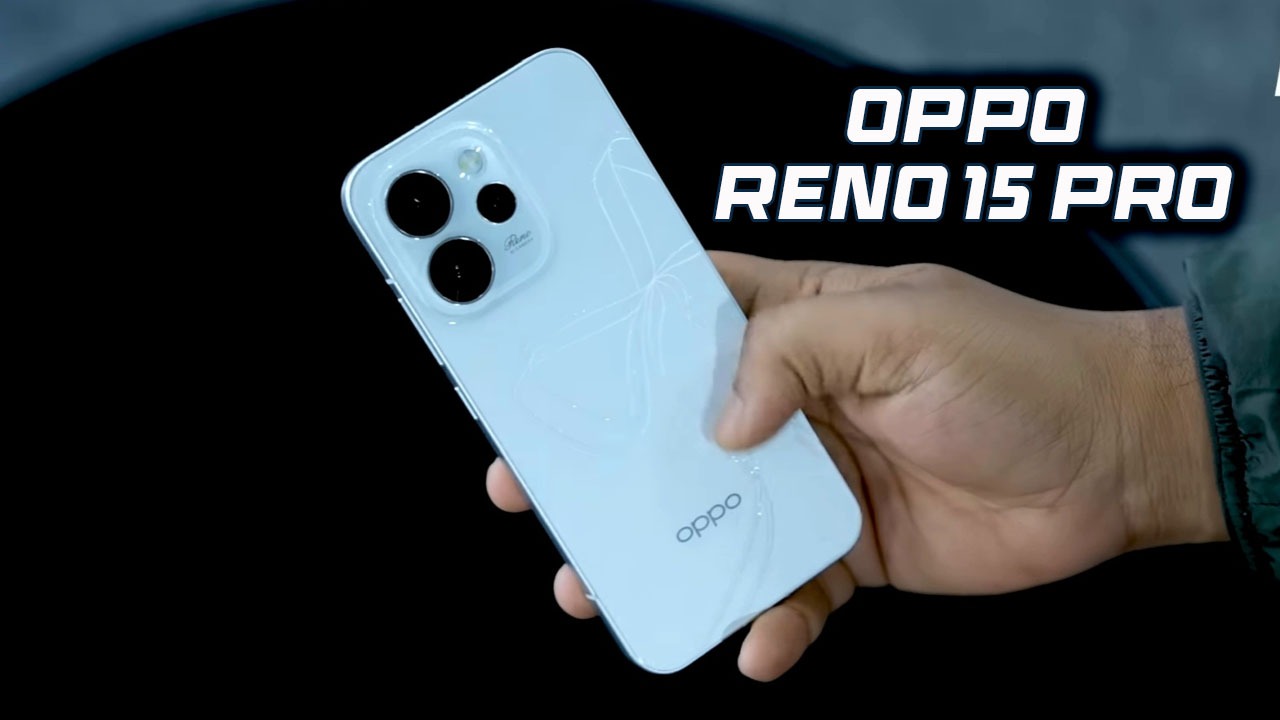
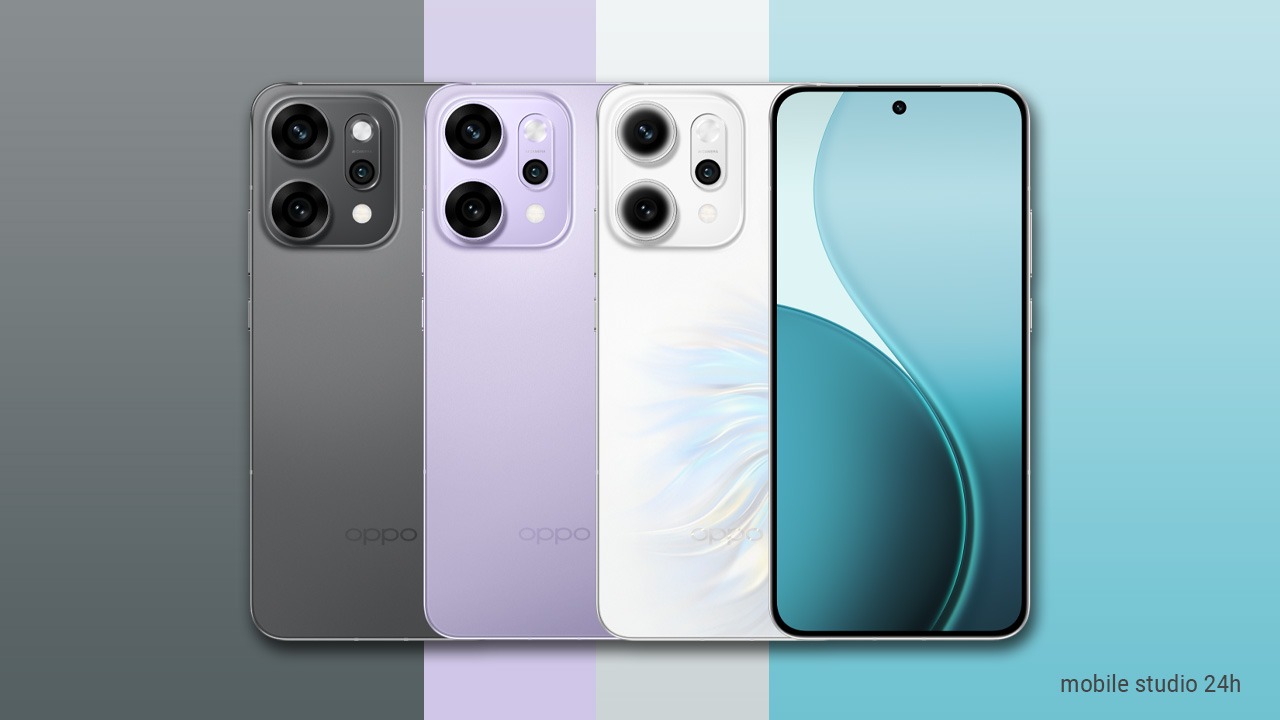
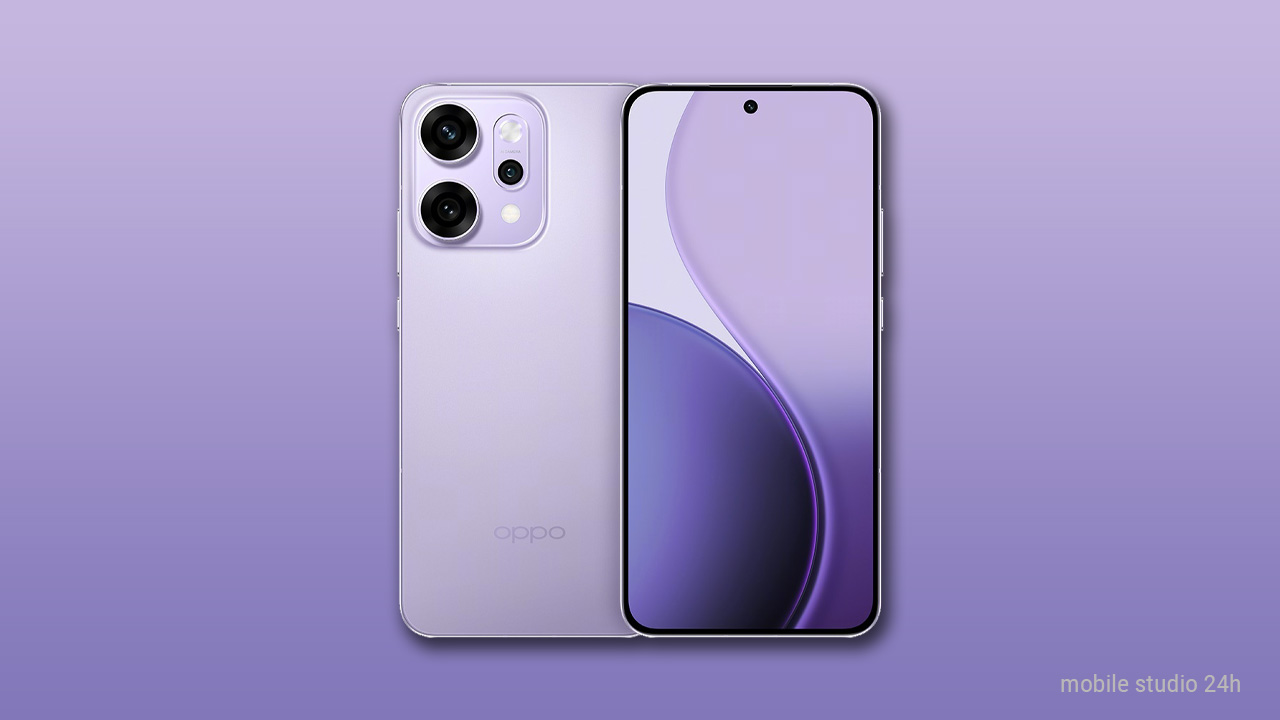
| Feature | Xiaomi 17 Ultra | Samsung S26 Ultra | iPhone 17 Pro Max | Oppo Reno 15 Pro Max |
| Display | 6.78″ C10 LTPO (144Hz) | 6.9″ Dynamic AMOLED (120Hz) | 6.9″ Super Retina XDR (120Hz) | 6.78″ LTPO AMOLED (120Hz) |
| Peak Brightness | 3,500 nits | 2,600 nits (Privacy Display) | 3,000 nits | 1,800 nits |
| Processor | Snapdragon 8 Elite Gen 5 | Snapdragon 8 Elite Gen 5 | Apple A19 Pro (3nm) | Dimensity 8450 |
| Main Camera | 50MP (1-inch LYT-900) | 200MP (f/1.4 ProVisual) | 48MP Fusion (New Plateau) | 200MP (f/1.8) |
| Telephoto | 50MP + 200MP (Leica) | 50MP (5x) + 10MP (3x) | 48MP Tetraprism (8x Crop) | 50MP (3.5x Optical) |
| Battery | 6,000 mAh (Silicon) | 5,000 mAh | ~4,832 mAh | 6,500 mAh |
| Charging | 90W Wired / 50W Wireless | 60W Wired / 25W Wireless | 40W Wired / 30W MagSafe | 80W Wired / 50W Wireless |
| Body Material | Grade 5 Titanium / Leather | Light Armor Aluminum | Unibody Aluminum | Aluminum / Glass |
| Special Feature | Satellite Messaging | Flex Magic Privacy Display | Center Stage 18MP Selfie | IP69 Rating / Slim Design |
| Price (Est.) | ~$1,199 | $1,299 | $1,199 | ~$850 |
Quick Analysis:
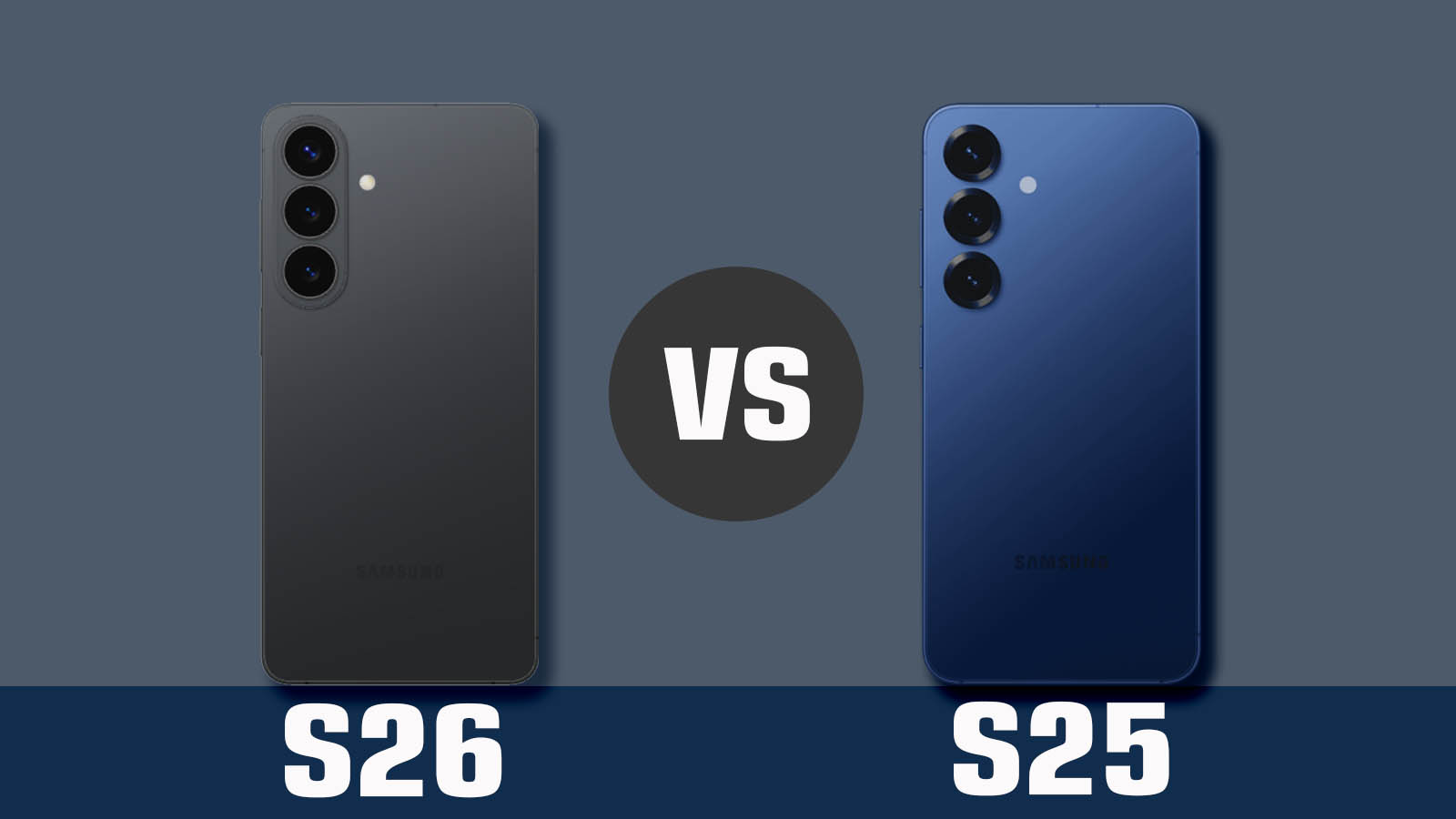
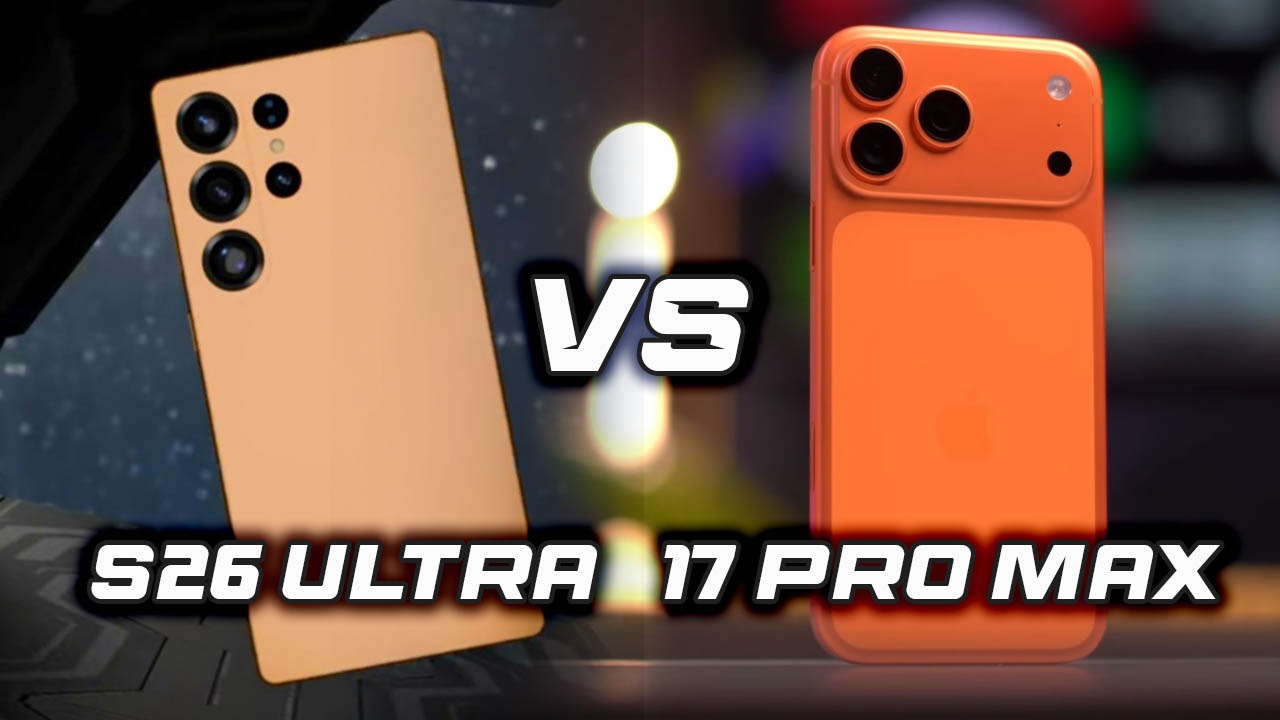
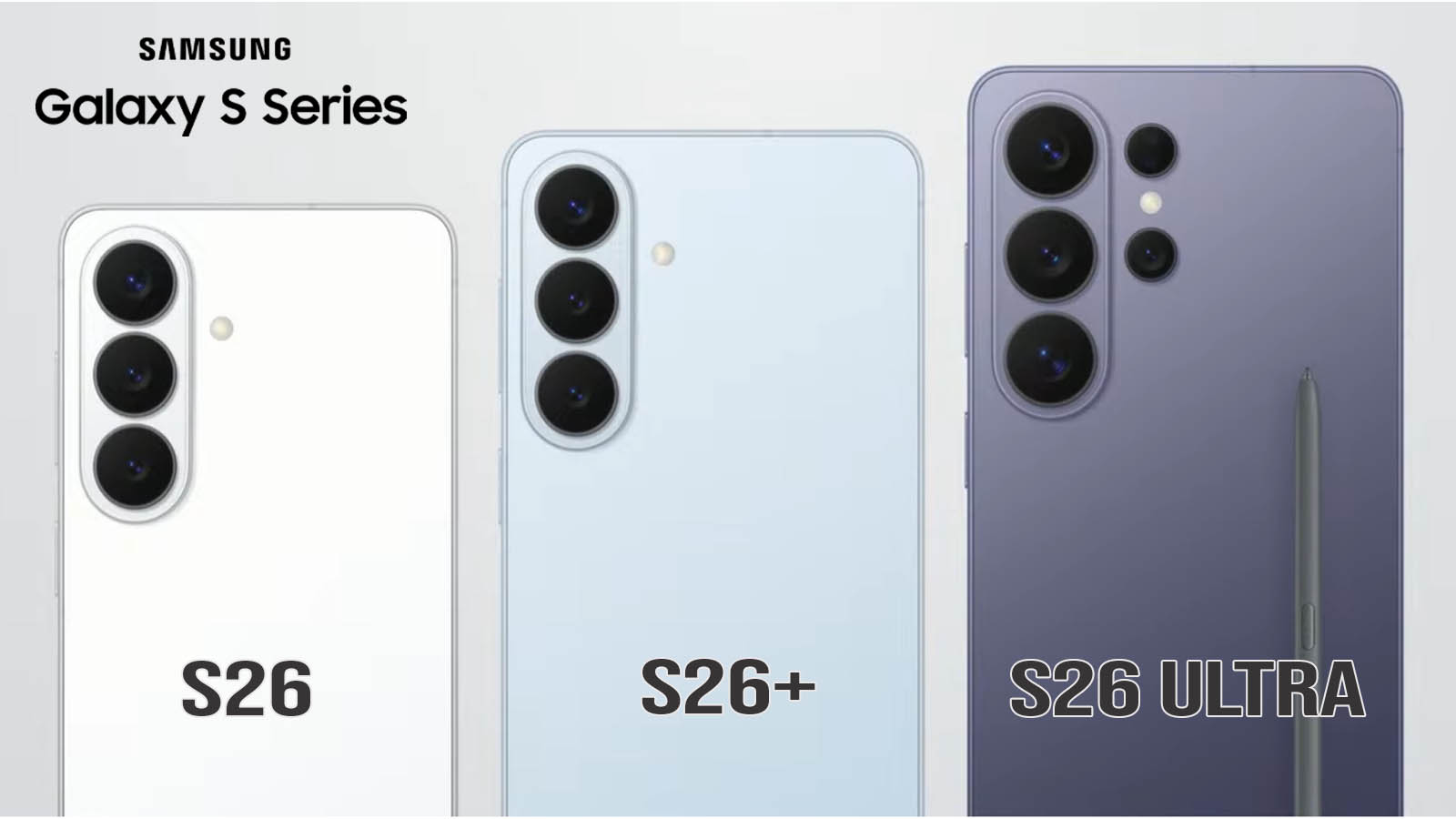
- Best for Photography: The Xiaomi 17 Ultra wins with its massive 1-inch sensor and Leica optics, though the S26 Ultra is a close second for versatility with its dual-telephoto setup.
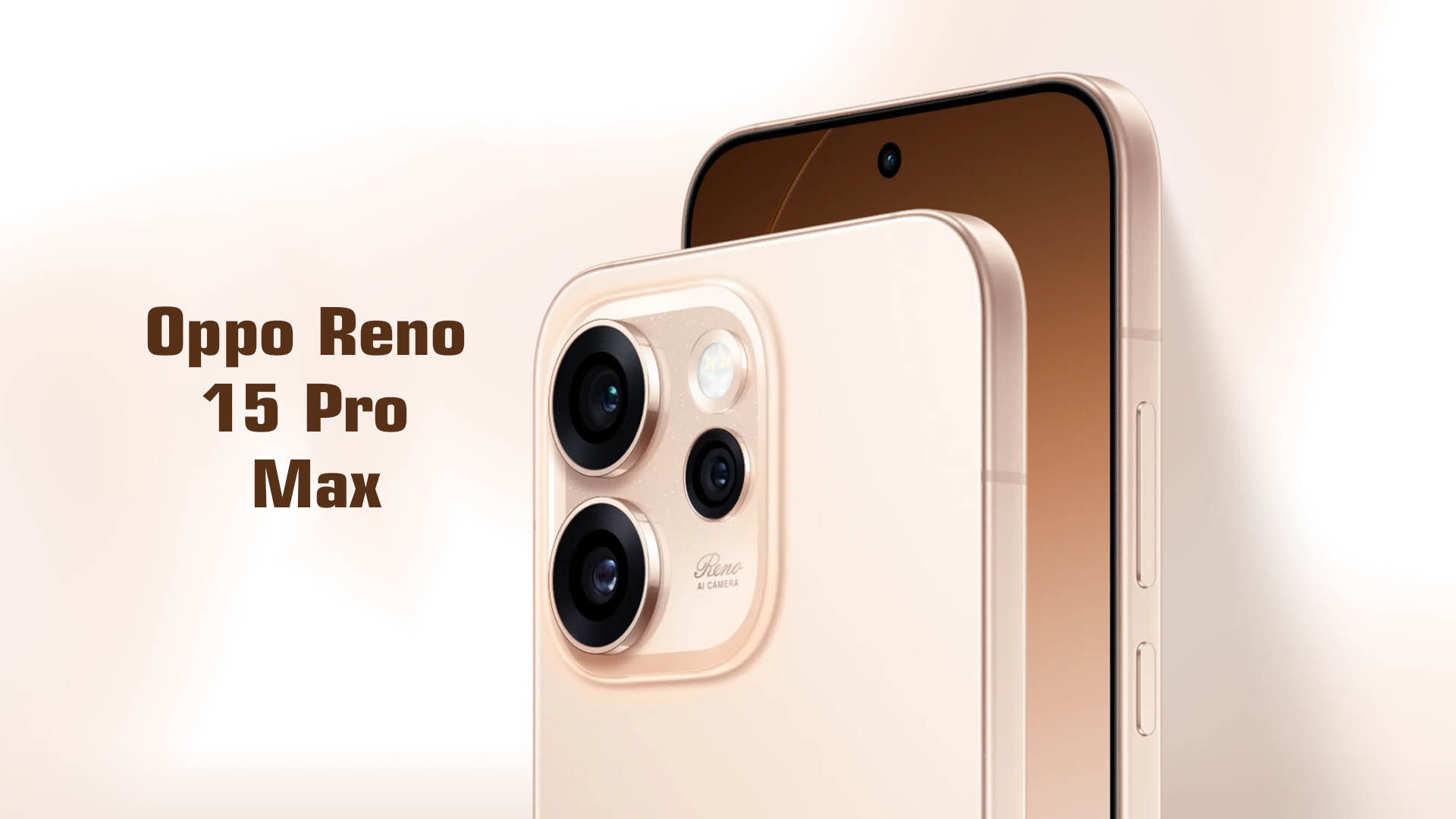
- Best for Battery & Value: The Oppo Reno 15 Pro Max stands out with a massive 6,500 mAh battery and a significantly lower price point, making it the “budget flagship” of the group.
- Best for Privacy & Productivity: The Samsung S26 Ultra introduces the world’s first Privacy Display (restricting viewing angles) and retains the S Pen, making it the best choice for business users.
- Best for Video & Ecosystem: The iPhone 17 Pro Max remains the king of video with its new A19 Pro chip and a redesigned camera plateau that allows for seamless 8x optical-quality zoom transitions.
Who Should Buy This Phone?
Best Users:
- Professional Photographers: Those who want a DSLR experience in their pocket.
- Hardcore Gamers: Users who need sustained peak performance and fast charging.
- Power Users: Office workers who utilize “Workstation Mode” and heavy multitasking.
Who Should Avoid It:
- Users who prefer small, light, and compact smartphones.
- Budget-conscious buyers who don’t need elite camera hardware.
Price & Value for Money
At its current price, the Xiaomi 17 Ultra offers good value for money, especially for users who prioritize camera innovation and cutting-edge battery technology. While the $1,200+ price tag is steep, the inclusion of a 90W charger and the sheer quality of the Leica-tuned optics make it a more complete package than its competitors.
Final Verdict
Overall, the Xiaomi 17 Ultra is a masterpiece of mobile engineering. It offers the best display and camera hardware available in 2026. While its size and price may be daunting, the overall experience is incredibly polished, making it the premier choice for anyone who wants a “no-compromise” smartphone.
Overall, the Xiaomi 17 Ultra offers excellent value for its price and is suitable for users who want a professional-grade camera and a powerful flagship for daily use.
FAQs
1. Is the Xiaomi 17 Ultra good for gaming?
Yes, it is one of the best. With the Snapdragon 8 Elite Gen 5 and a 144Hz screen, it handles the most demanding titles with ease.
2. Does Xiaomi 17 Ultra support fast charging?
Yes, it supports 90W wired and 50W wireless charging. The 90W charger is included in the box.
3. Is Xiaomi 17 Ultra worth buying in 2026?
Absolutely. Its hardware is future-proofed for the next several years, and its satellite features add a layer of safety that older models lack.
4. Is Xiaomi 17 Ultra good for students?
It might be “overkill” for average students, but for those studying film, photography, or digital media, it is an incredible tool.
Disclaimer
Disclaimer: This review is based on research, specifications, and user feedback as of March 2026. Actual performance may vary depending on usage, software updates, and regional network conditions.