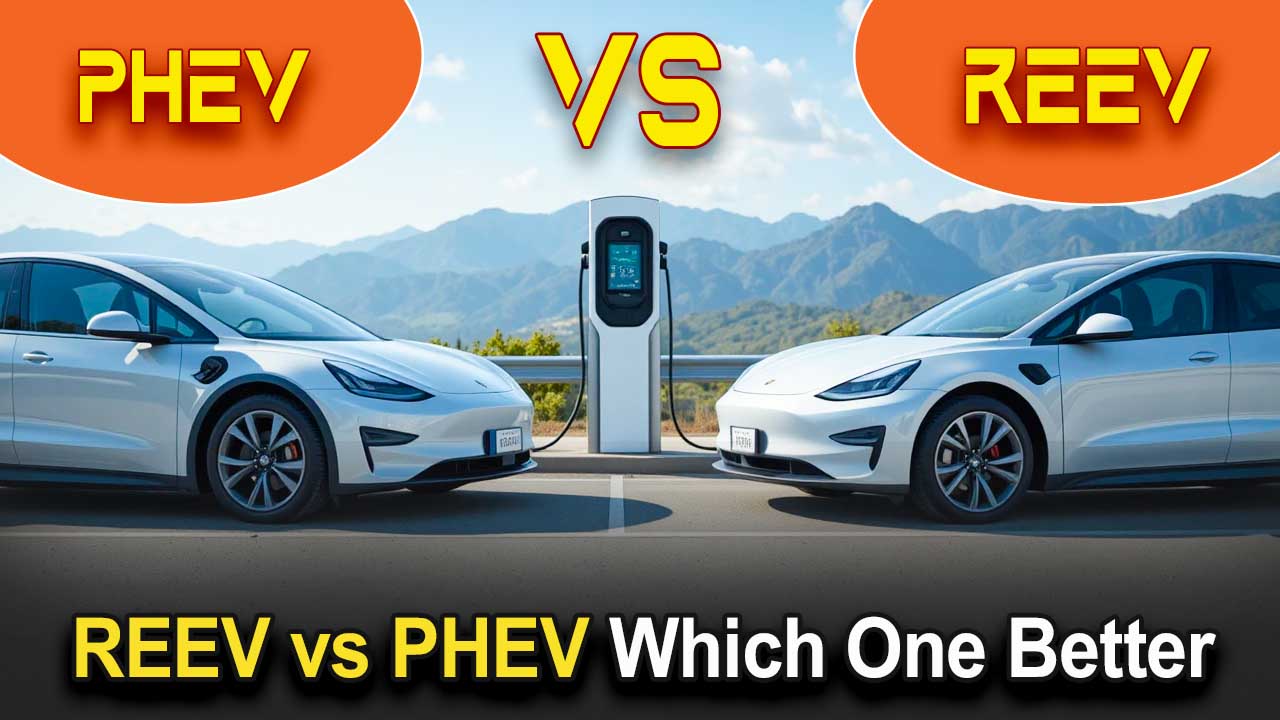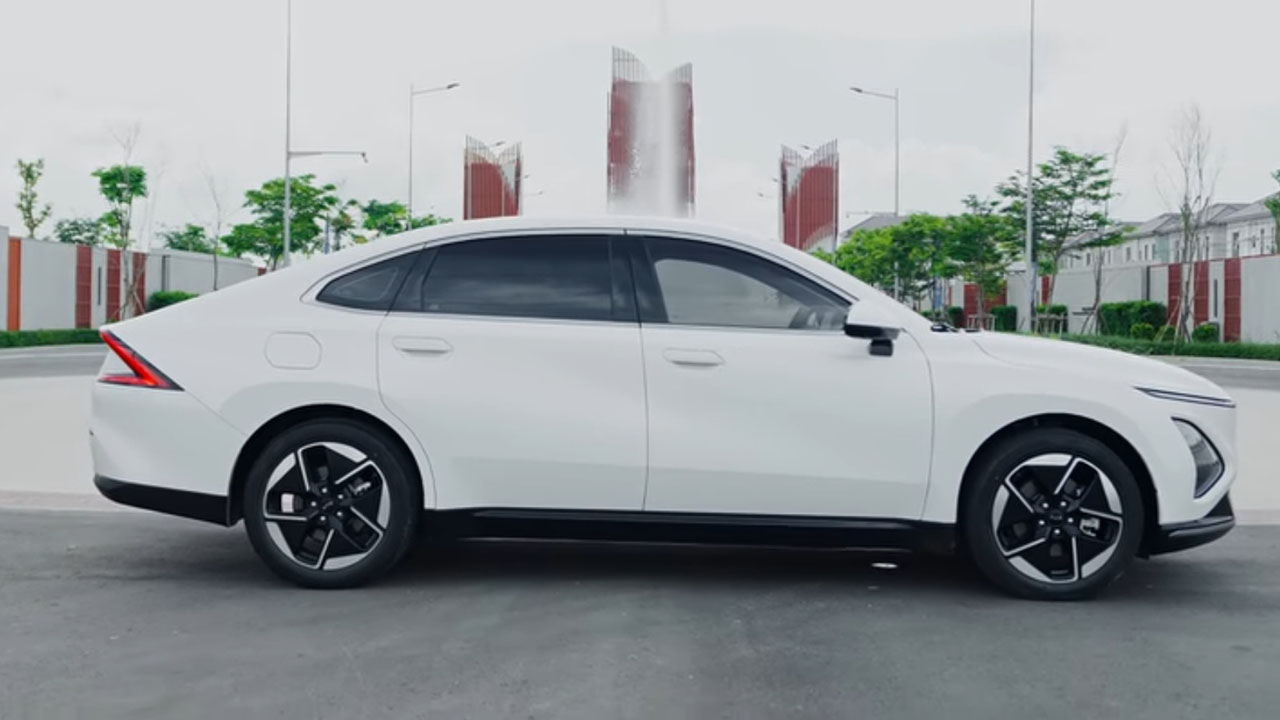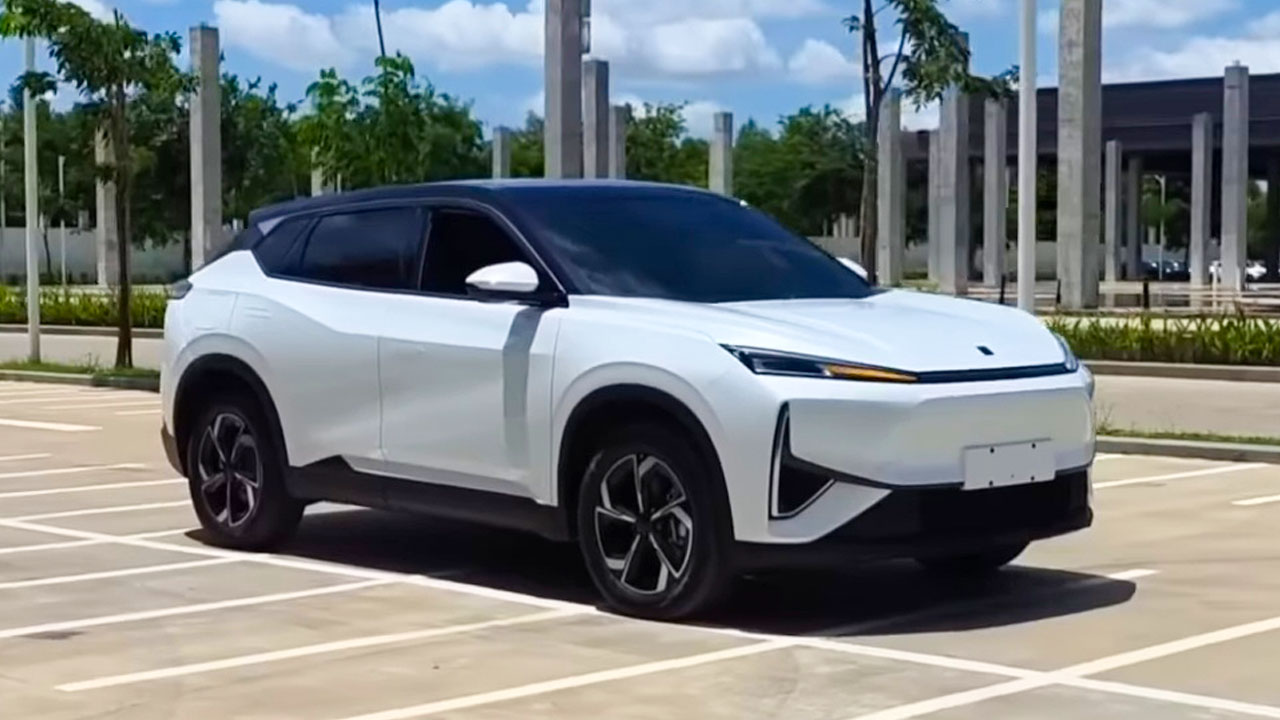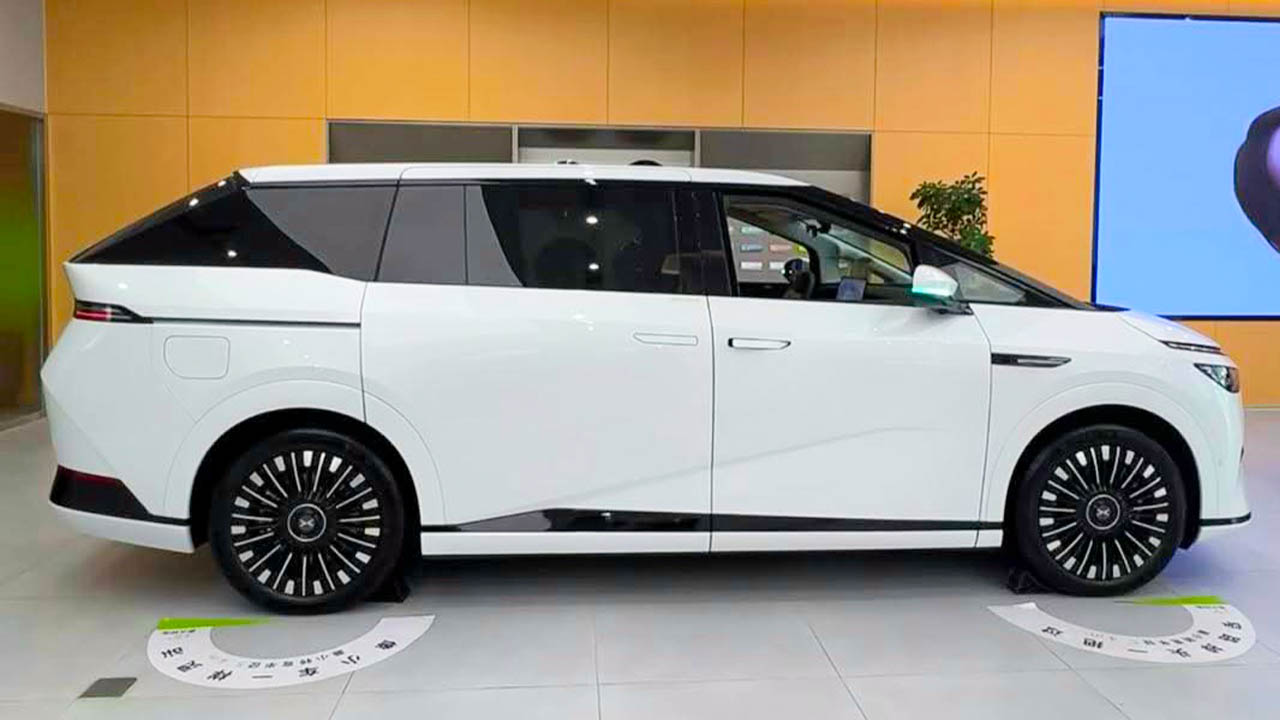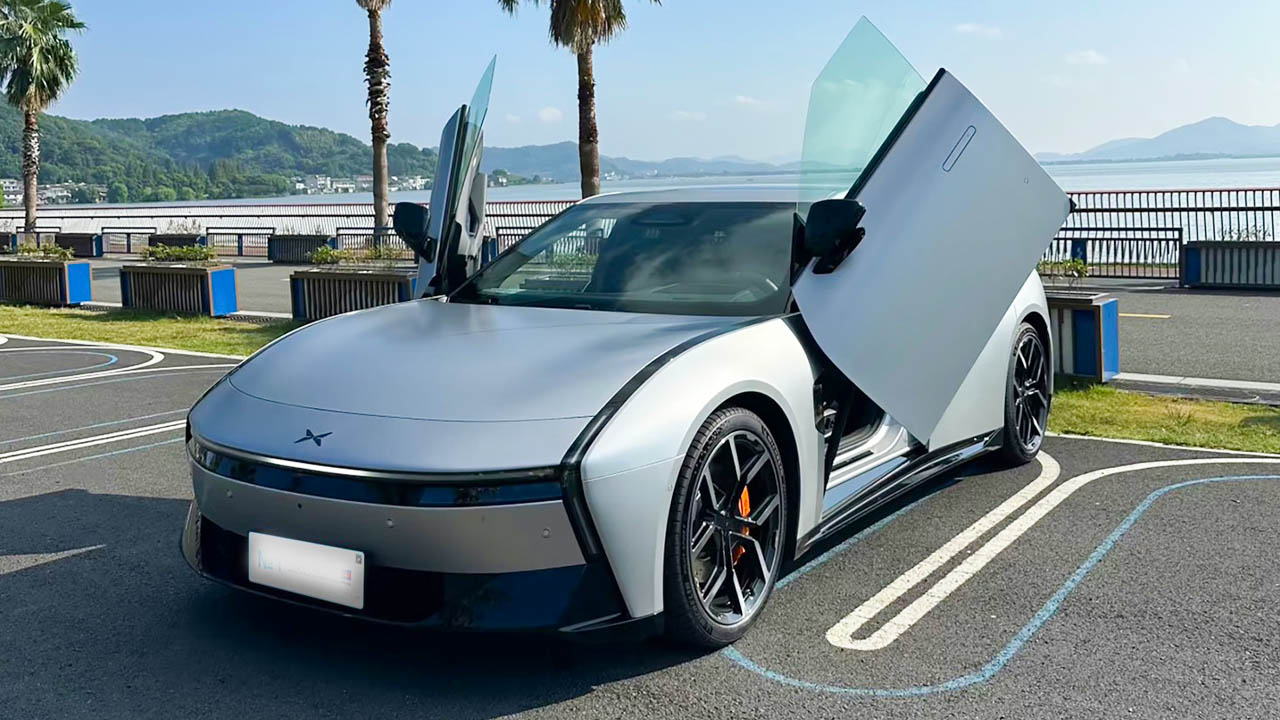

In 2026, the automotive market has reached a fascinating crossroads. The conversation has moved beyond “Should I go electric?” to a more nuanced debate: “Which kind of electric fits my life?” At Mobile Studio 24h, we’ve seen a surge of interest in three specific technologies: the EV, the REEV, and the PHEV.
Choosing between them is no longer about settling for a “transitional” car; it’s about choosing a specific tool for a specific job. This 1,200-word deep dive will break down the mechanics, the lifestyle, and the long-term value of each to find your true automotive partner.
1. The Introduction: A 2026 Reality Check
In the 2026 market, choosing between an EV, REEV, and PHEV isn’t just about brand—it’s about choosing a lifestyle. We are seeing a “Multi-Track Transition.” While China remains a powerhouse for pure EVs, North America and Europe are seeing a massive resurgence in REEVs and PHEVs as buyers demand more flexibility.
The dilemma is simple: Do you want the pure, maintenance-free simplicity of a Battery Electric Vehicle (EV), the “electric-first” security of a Range-Extender (REEV), or the familiar, dual-engine versatility of a Plug-in Hybrid (PHEV)? By the end of this guide, you’ll know exactly which one deserves your investment.
2. Powertrain & Performance: The Heart of the Machine
The “mechanical DNA” of these cars defines your daily driving experience.
- The EV (Battery Electric Vehicle): This is the pure choice. There is no gasoline engine, only a massive battery and electric motors. In 2026, the performance of mid-range EVs has leveled the playing field with luxury sports cars. The acceleration is silent and instant.
- The REEV (Range-Extended Electric Vehicle): This is a “Series Hybrid.” The wheels are driven 100% by electric motors. However, it carries a small, highly efficient gasoline generator. The “feel” is identical to an EV. Whether the battery is full or the generator is humming to provide power, you never feel a gear shift because there isn’t one.
- The PHEV (Plug-in Hybrid Electric Vehicle): This is a “Parallel Hybrid.” Both the electric motor and the gas engine can physically turn the wheels. In 2026, PHEVs have become much smoother, but you still feel the “hand-off” when the gas engine roars to life to assist during a highway merge.
3. Range & Charging: The 2026 Energy Factor
Range anxiety is being replaced by “infrastructure savvy.”
- EV: Most flagship 2026 EVs now target a 680 km (420 miles) WLTP range. With the mainstream adoption of 350kW+ ultra-fast chargers, you can now add 80% charge in about 15–20 minutes—roughly the time it takes to grab a coffee.
- REEV: The true king of the “long haul.” Vehicles like the 2026 Ram 1500 REV or Jeep Grand Wagoneer REEV are targeting 1,100 km (690 miles) of total range. You get roughly 150–200 km of pure electric driving for the city, and the gas generator ensures you never have to wait for a charger on a cross-country trip.
- PHEV: These are designed for the “80/20” rule—80% of your driving is local and electric, while 20% is long-distance. Most 2026 PHEVs now offer 90–120 km of electric range, allowing most owners to go months without visiting a gas station if they charge at home nightly.
4. Technology & Interior: The Cabin Experience
In 2026, your car is a “Smart Device” on wheels.
- EV & REEV: Because these cars don’t need a traditional transmission tunnel or a massive front engine block, the interiors are revolutionary. We are seeing “Cab-Forward” designs with flat floors, massive storage bins, and “Frunks” (front trunks). The 2026 Tesla Model Y L and Li Auto I6 exemplify this, offering lounge-like seating and AI-integrated displays that manage everything from your schedule to your home’s smart energy.
- PHEV: Often built on “Multi-Energy” platforms, PHEV interiors feel more traditional. You’ll often find a familiar center console and more physical tactile buttons. For drivers who aren’t ready for the “all-screen” minimalist look of a Tesla, the PHEV offers a more grounded, luxury-focused cabin.
5. Practicality & Utility: The Daily Life
How does each vehicle fit into your physical world?
- EV: The ultimate city partner. In 2026, many global cities have established “Zero-Emission Zones” where only EVs are allowed. If you live in an apartment with a dedicated charger, the EV is the most convenient tool ever invented.
- REEV: The workhorse. REEV technology is dominating the 2026 truck and large SUV market. If you need to tow a boat or carry a heavy load, a REEV provides the high torque of an electric motor without the range “penalty” that usually hits pure EVs when towing.
- PHEV: The flexible friend. If you only own one car and your lifestyle is unpredictable, the PHEV is your safety net. It’s the “Best of Both Worlds” for families who want to save money in the city but don’t want to plan their vacation around charging station maps.
6. Ownership & Long-Term Value
Let’s talk about the money—specifically maintenance and resale.
- Maintenance: EVs remain the champions, with maintenance costs estimated to be 40–50% lower than gas cars. No oil, no filters, no spark plugs. REEVs are a close second; while they have a generator that needs occasional oil changes, that engine runs in a “stress-free” environment at a constant speed, meaning it lasts much longer than a traditional car engine.
- Resale Value: In early 2026, we are seeing a shift. While EVs used to lose value quickly due to fast-moving tech, the 2026 models with “Solid-State” and “Long-Life” batteries are holding value much better. However, PHEVs and Hybrids are currently seeing the highest resale demand in the US and Europe as many used-car buyers remain cautious about the charging grid.
7. The Final Verdict: Finding Your True Partner
The EV is your True Partner if:
- You have a dedicated charging point at home or work.
- You prioritize the lowest possible “cost per mile.”
- You live in a city with strict emissions regulations.
- The 2026 Vibe: Minimalist, high-tech, and forward-thinking.
The REEV is your True Partner if:
- You love the silent, smooth drive of an electric car.
- You frequently drive long distances or tow heavy loads.
- You live in an area where the public charging infrastructure is still “catching up.”
- The 2026 Vibe: Powerful, adventurous, and ultra-reliable.
The PHEV is your True Partner if:
- You have a short daily commute (under 50 km).
- You want an affordable entry into the electric world.
- You want a traditional luxury feel with the ability to “go green” on demand.
- The 2026 Vibe: Practical, versatile, and balanced.
2026 Global Comparison: EV vs. REEV vs. PHEV
| Feature | EV (Battery Electric) | REEV (Range-Extended) | PHEV (Plug-In Hybrid) |
| Mechanical Setup | 100% Electric | Series Hybrid (Electric Drive) | Parallel Hybrid (Dual Drive) |
| Engine Role | None | Generator only (Powers battery) | Drive Power (Powers wheels) |
| 2026 Avg. EV Range | 450km – 650km | 150km – 250km | 55km – 90km |
| Total Range | Battery only | 1,000km – 1,200km+ | 600km – 850km |
| Driving Feel | Silent & Instant | Silent & Instant (EV-like) | Traditional (Mechanical shifts) |
| Charging Habit | Mandatory | Optional (Flexible) | Optional (Flexible) |
| Maintenance Cost | Lowest (~$0.03/mile) | Medium (Basic generator care) | High (Two full systems) |
| 2026 Resale Value | High (in Green Cities) | Highest (for travelers) | Moderate (stable) |
| V2L Support | Standard | Common | Limited |
Pros and Cons
1. EV (Battery Electric Vehicle)
The “Pure Electric” experience.
Pros
- Lowest Running Costs: Electricity is significantly cheaper than gasoline. With no engine, you save 100% on fuel.
- Minimal Maintenance: No oil changes, spark plugs, or exhaust systems. Your only real concerns are tires, wipers, and cabin filters.
- Superior Performance: Offers the smoothest, quietest ride with “instant-on” torque that provides exhilarating acceleration.
- Future-Proof: Guaranteed access to “Zero-Emission Zones” in major global cities and the highest environmental rating.
- Extra Space: Often features a “Frunk” (front trunk) and more interior legroom because there is no bulky engine.
Cons
- Charging Dependency: Requires a dedicated home charger or a reliable public network for long trips.
- Range Anxiety: On very long journeys, you must plan your stops around charging stations.
- Cold Weather Impact: Battery range can drop by 20–30% in extremely cold climates.
- Higher Upfront Cost: Typically the most expensive to buy initially due to the large battery.
2. REEV (Range-Extended Electric Vehicle)
The “Electric-First” Hybrid.
Pros
- EV Driving Feel: Since the wheels are only moved by the electric motor, it feels exactly like a high-end EV 100% of the time.
- Infinite Range: You have a gas generator as a “safety net.” If the battery dies, just add gas and keep going.
- Simplified Engine Use: The generator runs at a constant, optimized speed, meaning it lasts much longer and is more efficient than a traditional engine.
- No Charging Stress: Perfect for people who want an EV but live in areas with poor charging infrastructure.
Cons
- Still Uses Gas: You aren’t 100% “green.” You still have tailpipe emissions when the generator is running.
- Maintenance Required: You still need occasional oil changes and engine checks for the generator.
- Efficiency Drop: Once the battery is empty, using gas to create electricity is slightly less efficient than a pure EV using a battery.
3. PHEV (Plug-in Hybrid Electric Vehicle)
The “Dual-Power” Versatility.
Pros
- Most Affordable: Generally the cheapest “plug-in” option to buy.
- Best for One-Car Households: It handles the 40km daily commute on electricity and the 800km holiday trip on gas with zero planning.
- Familiarity: Feels and drives like a traditional car, making it an easy transition for first-time buyers.
- Widespread Service: Any traditional mechanic can service the gasoline portion of the vehicle.
Cons
- Highest Complexity: You are maintaining two full powertrains (Gas + Electric), which increases the chance of mechanical failure over 10 years.
- Limited Electric Range: Usually only offers 50–90km of EV range. If you forget to charge, it’s just a heavy, less-efficient gas car.
- Cramped Space: Because it must fit a battery, a motor, an engine, AND a transmission, there is often less storage space and no “frunk.”
- Noise: You will hear and feel the engine “kick in” during heavy acceleration, which breaks the silent EV experience.
FAQ
Q1: Which car is the most reliable?
In 2026, the EV takes the lead due to fewer moving parts, followed by the REEV.
Q2: Can I use a DC Fast Charger for my PHEV?
Most 2026 PHEVs now support DC charging, but they charge much slower than full EVs.
Q3: Does the REEV generator make a lot of noise?
No. Modern 2026 REEVs (like the Nissan Rogue e-Power) use AI to run the generator only when road noise is high enough to mask it.
Q4: Will my EV battery die in 5 years?
No. 2026 battery warranties are typically 8–10 years, and most are designed to last 15–20 years before significant degradation.
Q5: Which is best for resale value?
Currently, PHEVs and REEVs are holding slightly higher value in the second-hand market due to high demand for flexibility.