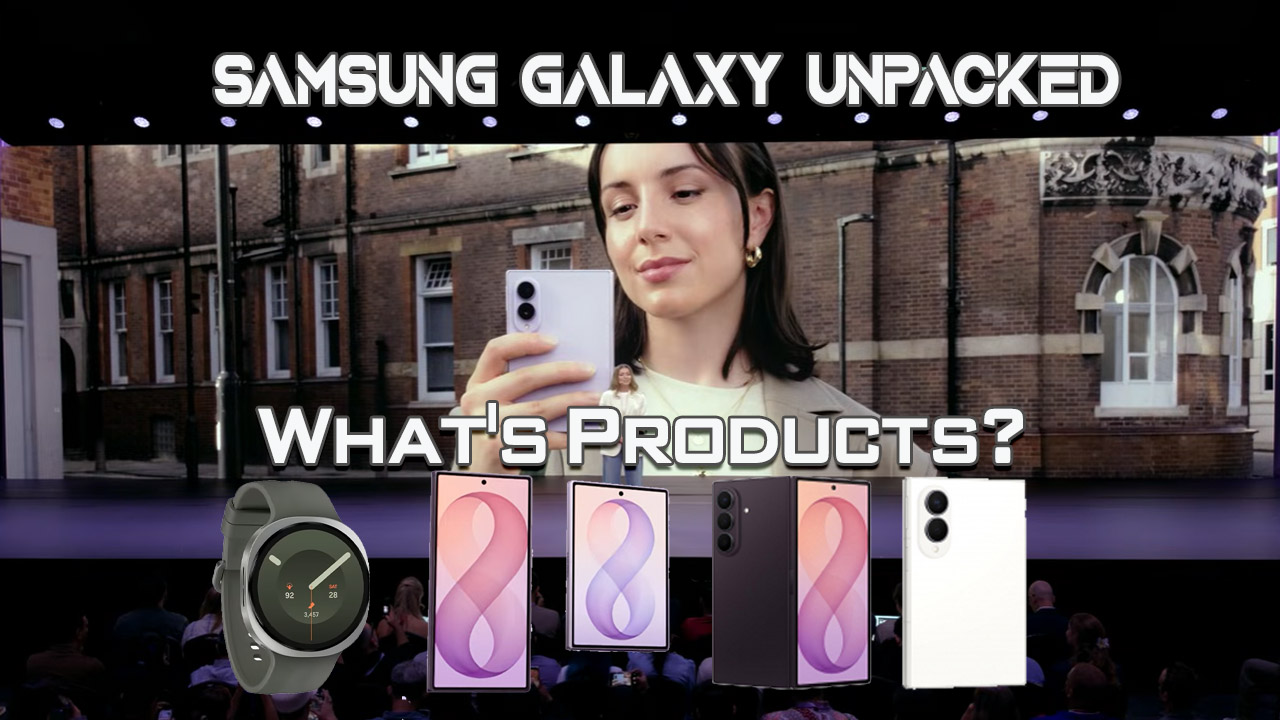
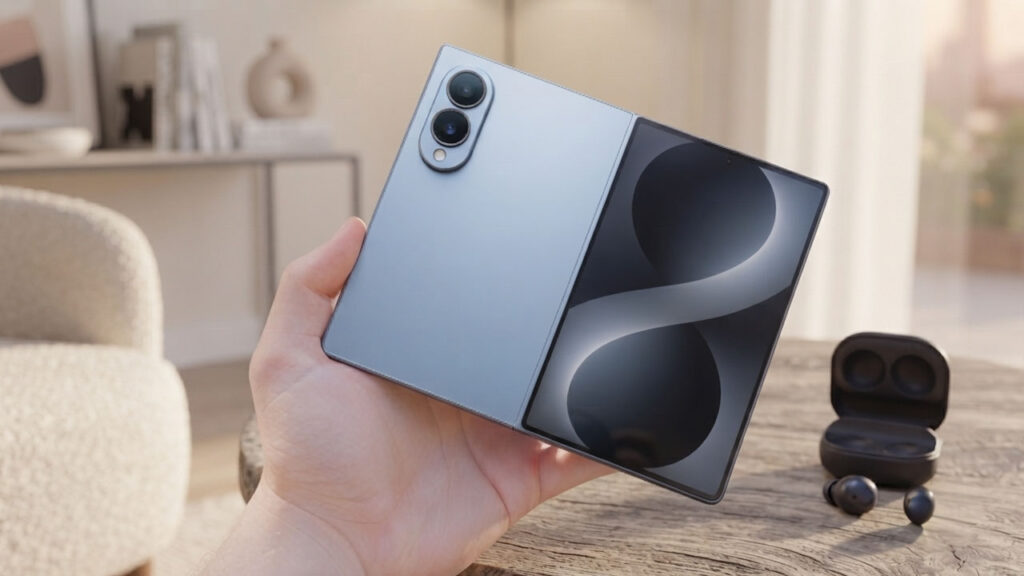
The foldable smartphone landscape has officially entered its most disruptive era yet. For years, Samsung enjoyed an uncontested lead in the book-style foldable market, only to watch its hardware margins and design philosophies get squeezed by aggressive international competitors. Now, with the official kickoff of Galaxy Unpacked in London, Samsung is fighting back with a radically restructured strategy.
Instead of pushing out a single, iterative update, Samsung has split its flagship tier into two distinct paths: the powerhouse Galaxy Z Fold 8 Ultra and the brand-new, usability-focused Galaxy Z Fold 8 Wide. Whether you are looking for absolute peak performance or a more natural tablet-like aspect ratio, here is everything you need to know about Samsung’s newest folding heavyweights.
A Two-Tier Strategy: Meeting the Market Demands
For five generations, the Galaxy Z Fold formula remained largely identical: a tall, narrow outer display paired with an inner screen that required users to rotate the device sideways for standard media consumption. While this made the phone comfortable to hold closed like a traditional candy-bar phone, it compromised the core tablet experience.
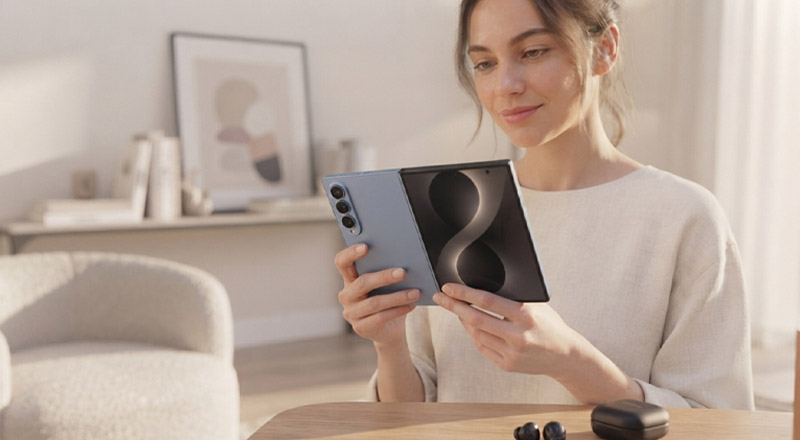
With the Galaxy Z Fold 8 series, Samsung is addressing those exact pain points by dividing the lineup:
- The Galaxy Z Fold 8 Ultra (SM-F976): Built for the power user who refuses to compromise on cameras, battery life, or raw computing power.
- The Galaxy Z Fold 8 Wide: Designed to lure mainstream buyers away from standard slab phones by featuring a wider, more accessible cover screen and a natural book-style aspect ratio.
Galaxy Z Fold 8 Ultra: The Ultimate Spec Monster
If you want the absolute pinnacle of what Samsung Display and Qualcomm can engineer into a folding chassis, the Ultra is the undisputed headliner.
Performance and Optics
Under the hood, the Ultra is powered by Qualcomm’s cutting-edge Snapdragon 8 Elite Gen 5 processor, paired with up to 16GB of LPDDR5X RAM and a new internal vapor chamber cooling system—a first for the Z Fold lineup. This ensures sustained performance during heavy gaming or on-device AI multi-app automation powered by Gemini Intelligence.
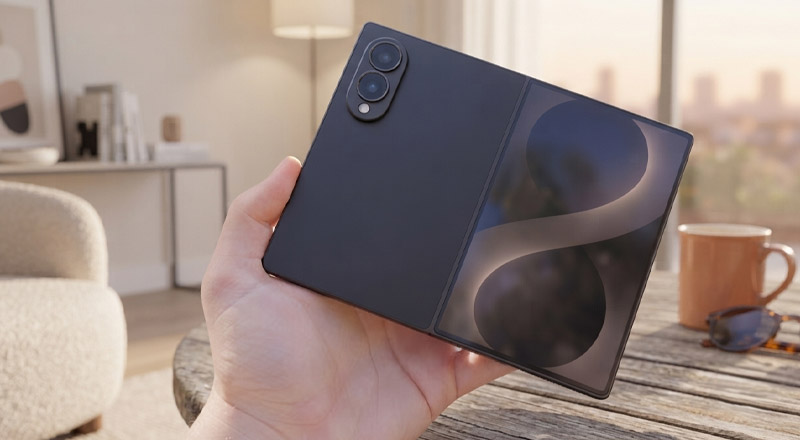
The biggest upgrade, however, comes in the camera department. For years, critics slammed Samsung for keeping older, mid-tier sensors on its expensive foldables. The Z Fold 8 Ultra shatters that trend by inheriting an S-Ultra-class 200MP main sensor (1/1.3″), paired with an upgraded 50MP ultrawide lens and a 10MP 3x optical telephoto lens.
Display and Durability
The inner folding display expands to a gorgeous 8.0-inch LTPO AMOLED panel pushing an eye-watering 2,600 nits of peak brightness. Crucially, Samsung Display has introduced a laser-drilled metal support plate beneath a dual-layer Ultra-Thin Glass (UTG) structure. This engineering marvel reduces visible crease depth by roughly 20%, bringing an end to the notorious crease complaints of previous generations.
Battery Life Breakthrough
Battery anxiety has always plagued foldables, but the Ultra finally breaks a five-year stagnation cycle. It packs a larger 5,000mAh silicon-anode battery—a 13.6% capacity increase over its predecessor—alongside long-awaited 45W wired fast charging.
Galaxy Z Fold 8 Wide: The Everyday Usability Choice
While the Ultra grabs the headlines, the Galaxy Z Fold 8 Wide might be the more important device for the broader market. It targets consumers who want an expansive tablet experience without paying the extreme Ultra premium or dealing with a cramped outer screen.
The Wide model features a more compact, passport-style outer screen with a comfortable aspect ratio that mirrors a normal smartphone. Unfolded, it reveals a 7.6-inch inner display with a native 4:3 aspect ratio, making side-by-side app multitasking, spreadsheet viewing, and widescreen video playback feel completely natural.
To keep the price point closer to last year’s baseline, the Wide makes a few calculated compromises. It features a dual-camera setup consisting of a 50MP main sensor and a 50MP ultrawide lens (omitting the dedicated telephoto zoom), packs a respectable 4,800mAh battery with 45W charging, and maxes out at 12GB of RAM. Driven by the same Snapdragon 8 Elite Gen 5 silicon, it delivers flagship-tier speed without the flagship-plus price tag.
Pricing and Global Availability
Samsung is keeping its starting retail prices remarkably steady despite the extensive hardware overhauls:
- Galaxy Z Fold 8 Wide: Starts at approximately $1,899 for the 256GB base model, positioning it as a more accessible entry point to large-screen foldables.
- Galaxy Z Fold 8 Ultra: Starts at $1,999 for the 256GB variant, scaling up to $2,199 for 512GB, and pushing past $2,499 to $2,799 for the maxed-out 1TB storage tier.
Pre-orders open immediately following the London Unpacked event, with general retail shipments rolling out to shelves in early August.

Final Verdict: Which Fold 8 Is Right for You?
Samsung’s pivot to a two-tier foldable strategy makes choosing your next device much clearer than it used to be.
If you are a mobile photography enthusiast, a mobile gamer, or a power user who demands the absolute best cameras, maximum brightness, and a massive battery, the Galaxy Z Fold 8 Ultra justifies every dollar of its premium cost.
On the other hand, if you’ve been hesitant to adopt foldables because narrow cover screens and awkward outer keyboards drove you crazy, the Galaxy Z Fold 8 Wide solves those ergonomic hurdles while saving you hundreds of dollars. No matter which route you choose, 2026 is shaping up to be the year foldables finally grow up.